I remember the exact moment I realized my little boy was special. It wasn’t when we first noticed his speech delay, or when we recognized his early developmental differences. It wasn’t even when he was formally diagnosed with autism. No—it was the day after he was born, in a quiet, ordinary moment that would forever stay with me.
Still in the hospital, I laid him down in what I affectionately called the “crib on wheels.” It looked like a rectangular fish tank, transparent on all sides, where we could see him and he could see us. I carefully settled him in, hoping he might take a short nap after the whirlwind of his first day. I closed my eyes for just a moment, and that’s when I felt it—a presence in the room that wasn’t mine, that wasn’t his.
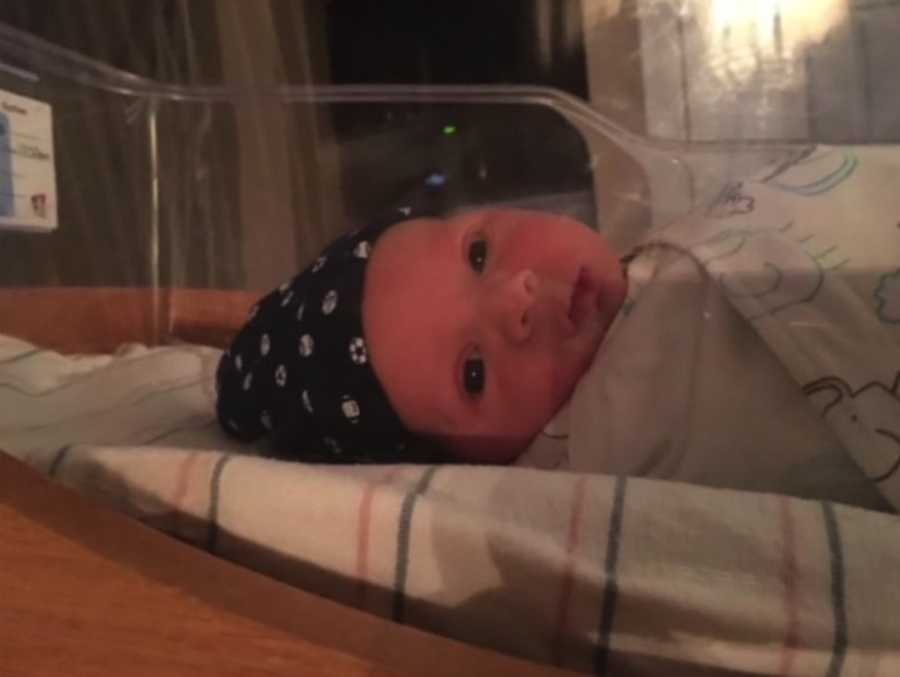
I opened my eyes in a startled rush, and immediately our eyes met. There he was, staring at me through the plastic walls, big brown eyes sparkling, cheeks round and rosy, perfect as a picture. He was utterly still, yet completely alert, as if he’d been waiting all nine months inside me for this single moment. He examined every line, every curve of my face, from forehead to chin, taking it all in, noticing everything—nothing missed.
You see, Kit saved us. He wasn’t our first child, but he was the first we were able to bring home. He was our angel, sent by the sister we lost too soon, our rainbow baby, our miracle, and our saving grace.
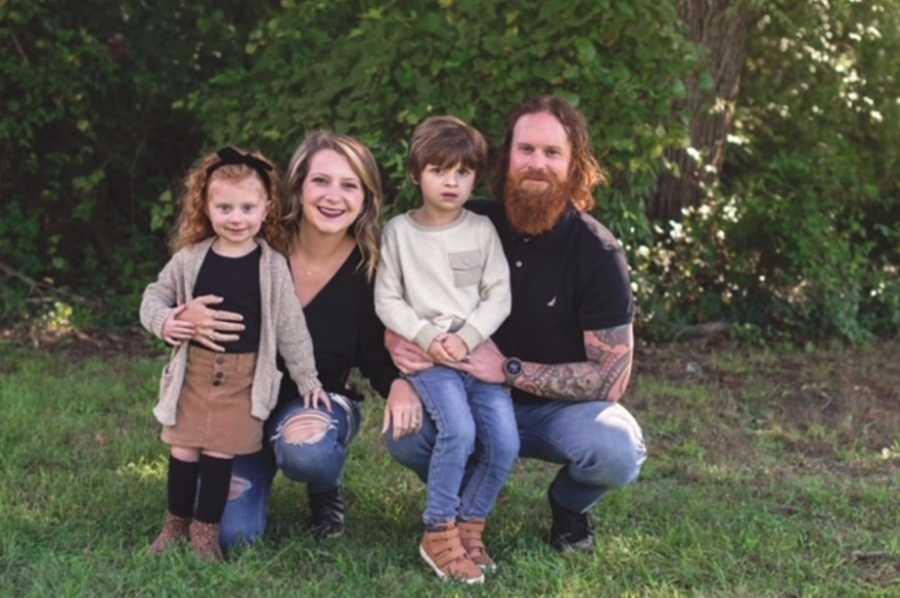
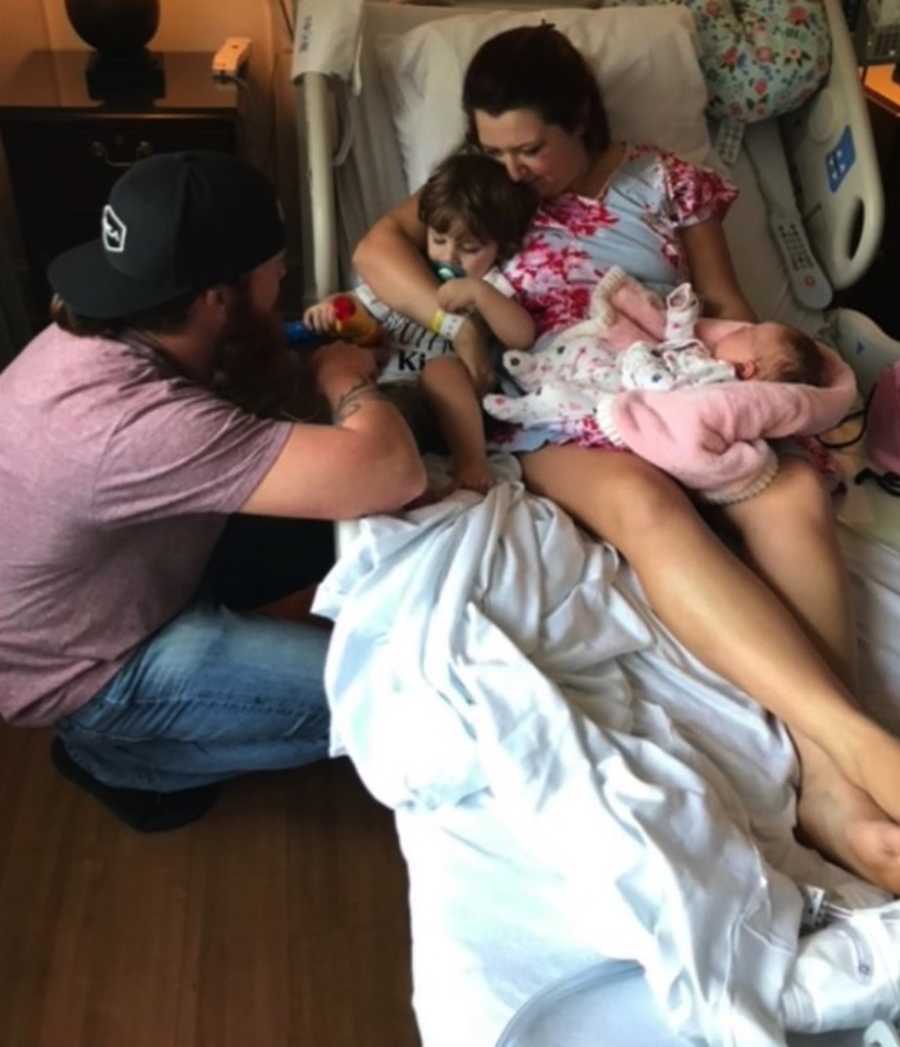
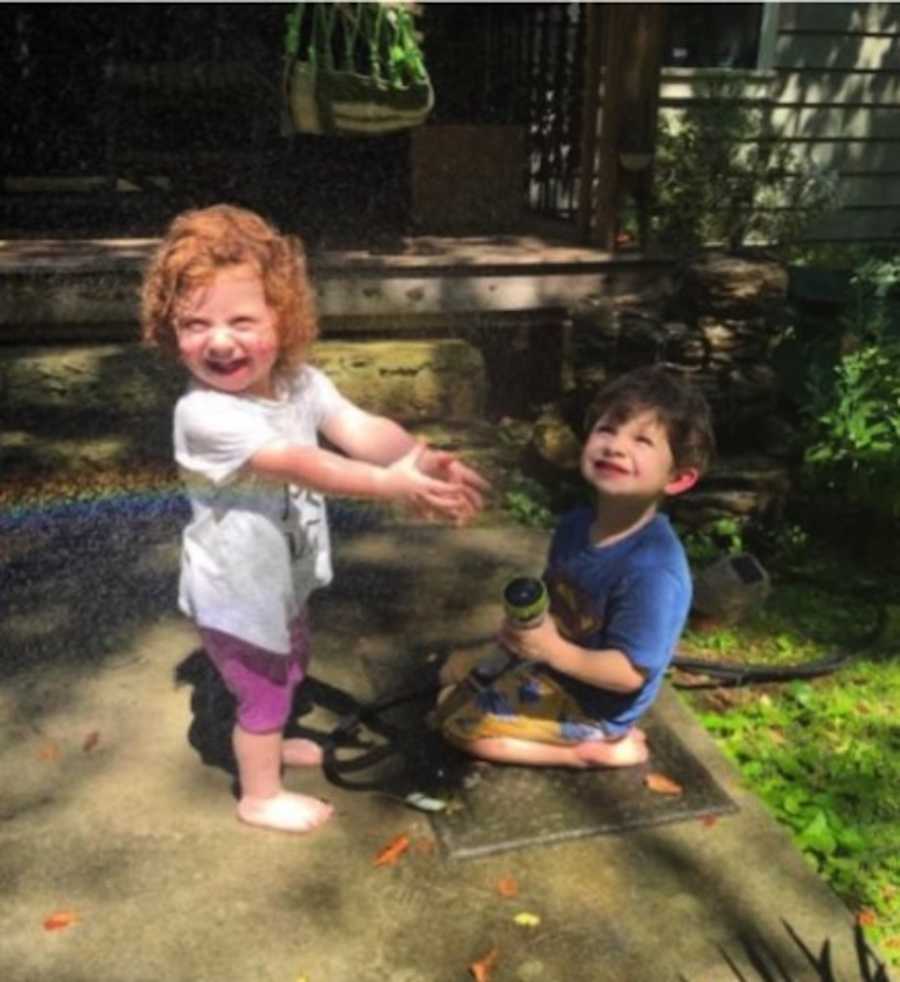
I also remember the moment I realized Kit was different, in a way that went beyond being special. I was on maternity leave with his little sister, just 21 months apart from him—practically twins in age if not in experience. Kit was two years old when we brought her home, and almost immediately, a connection revealed itself. Whenever she cried, he cried too. Over the years, this synchrony has softened, but their bond remains: they feel each other deeply, a rhythm only siblings can share.
One memory that sticks with me happened in our old kitchen. I was washing bottles, preparing for the next feeding, while Kit bounced nearby, flapping his arms with excitement, a movement he did often. It reminded me of a little chick testing its wings for the first time. I later learned this “hand flapping” was a common sign of autism.
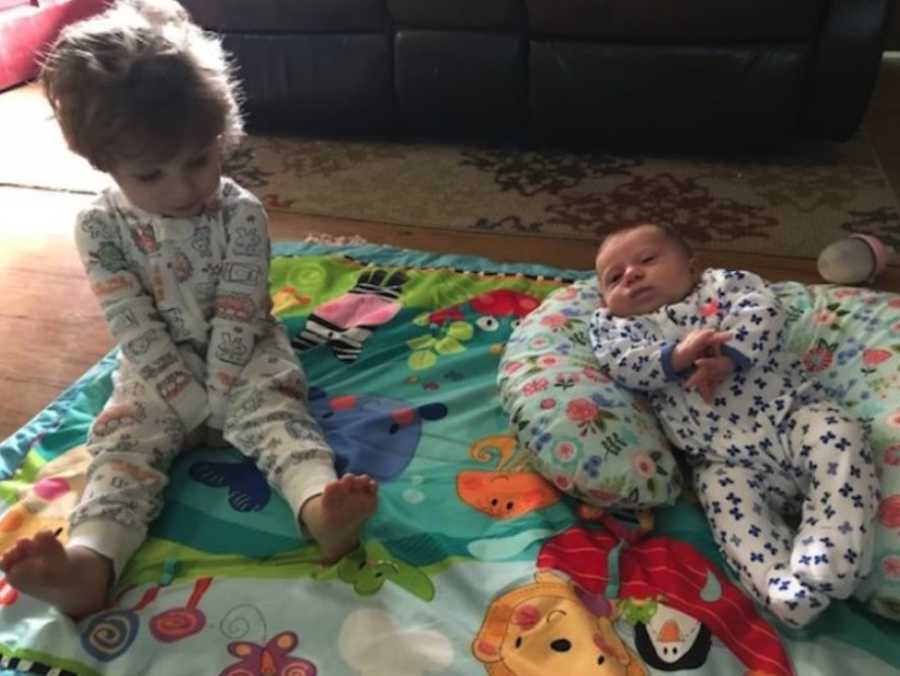
Another memory came to me during maternity leave. The house was quiet, with all four of us home, my husband having gone back to work. I was doing laundry when I entered the pink nursery for our new little girl. On the floor, perfectly aligned, were seven hair bows in a neat row. I knelt down in astonishment, mouth wide open. Kit had arranged them with care, precision, and intention.
By this point, I had spent hours researching autism, looking for signs, searching for hope that maybe he didn’t fit the mold completely. Lining objects up was something he hadn’t shown yet, so I clung to it as a glimmer of reassurance. But there it was, clear and undeniable on the nursery floor. It was a subtle but profound moment of realization—my son’s world was different, intricate, and wondrous, and I was only beginning to glimpse it.
Looking back, I see there were countless small clues before these moments—tiny glimpses of his uniqueness—but Kit was the first baby I brought home, so I had no frame of reference. Every child is special in their own way: oldest or youngest, boy or girl, neurotypical or neurodiverse. Kit was simply Kit, a soul unlike any I had met.
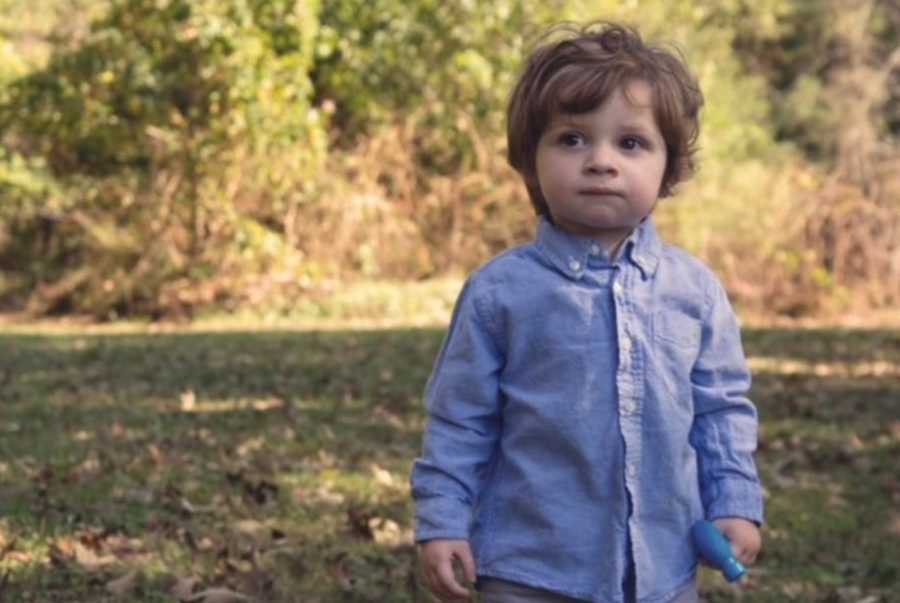
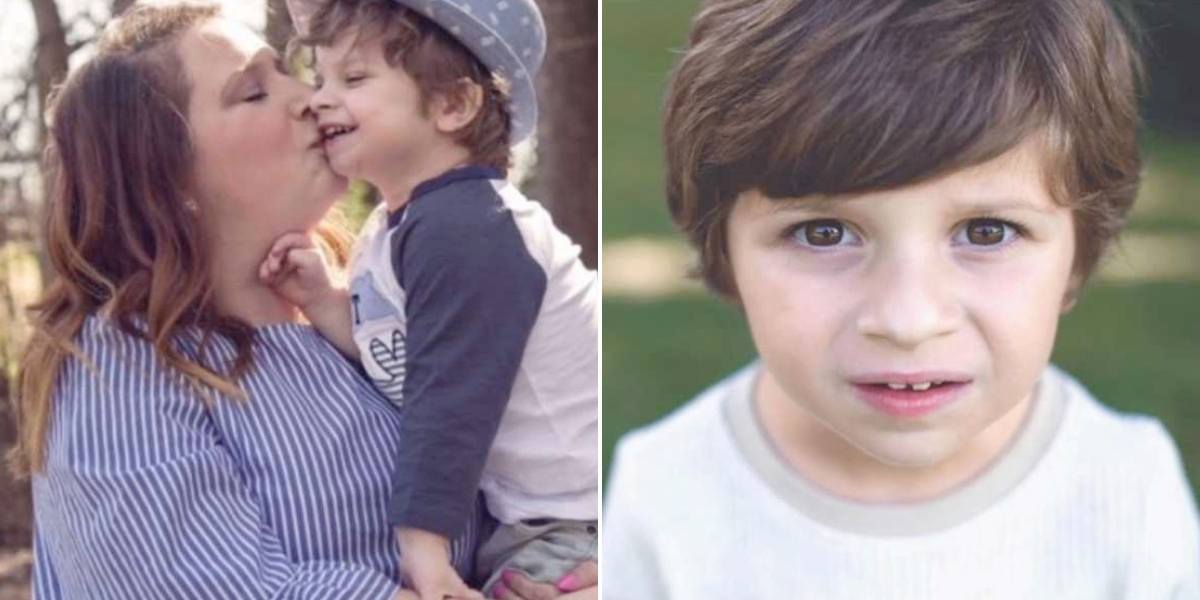
Kit was diagnosed with autism at two and a half years old. There’s a strange mixture of validation and disbelief that comes with hearing a professional confirm something you’ve long known in your heart. It’s validating because someone else finally names it, but surreal because the reality hits in full force. A wise person once told me, “Your biggest challenge will be him allowing you to enter his world. Once you’ve gotten that far, your next biggest challenge will be bringing him out of his world and showing him yours.” I feel that every day. And his world… it is magical.
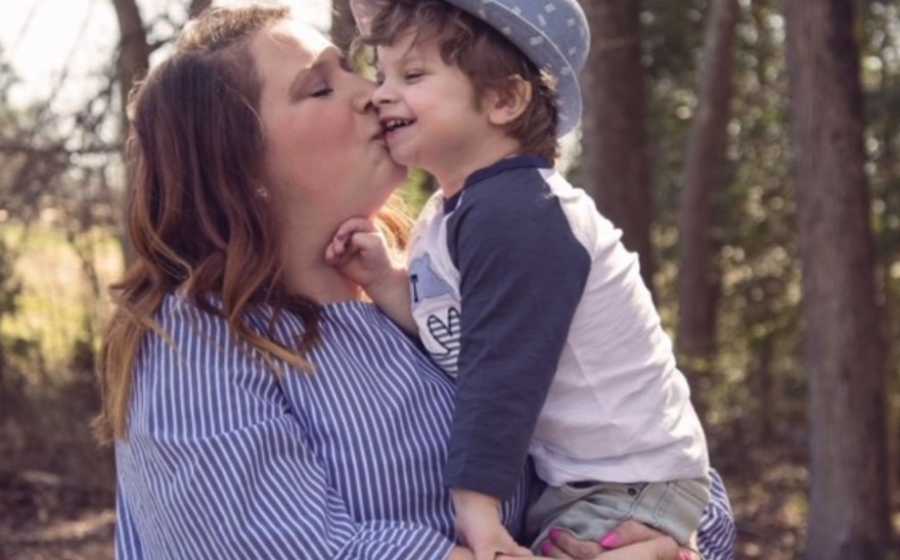
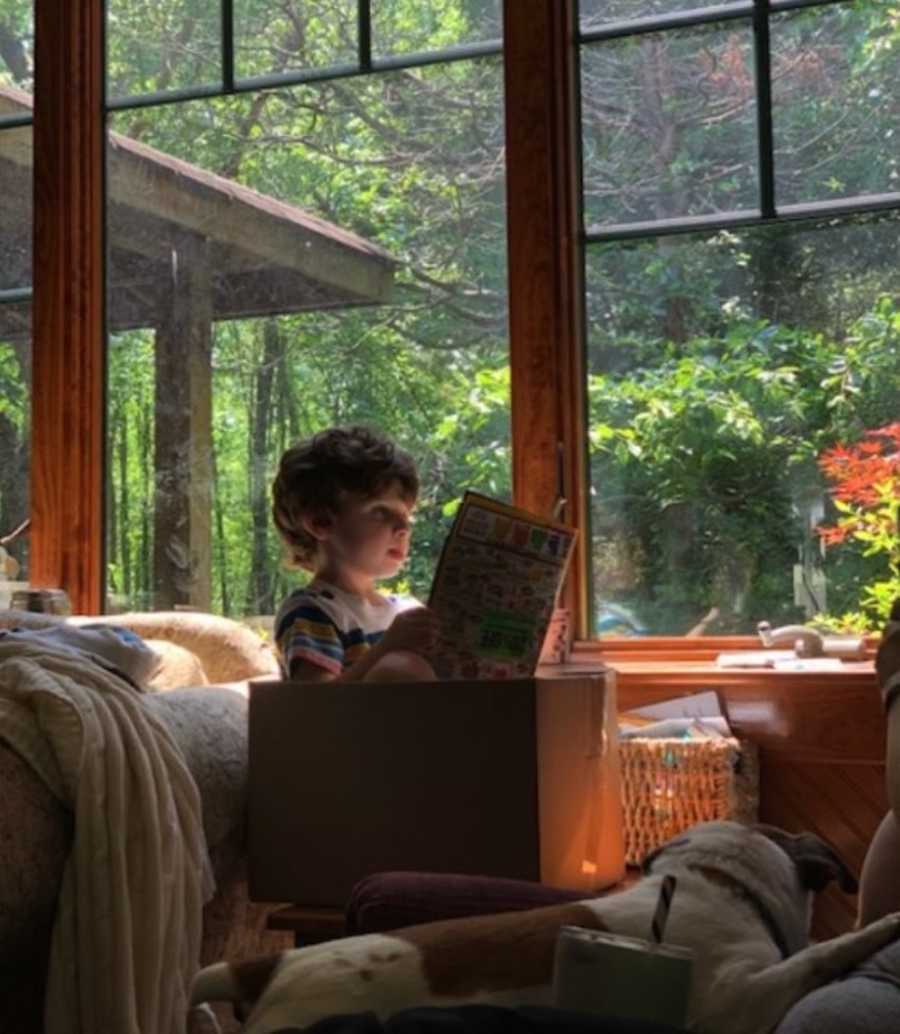
Sometimes, I see it in the smallest moments. The way he watches trees sway, leaves brushing against each other like music playing just for him. How sunlight streams in at angles that seem to delight him beyond measure. His laugh is contagious, pure joy that grows your heart a little bigger with every sound. I strive for the mingling of his world and ours, even knowing they may never fully align.
Life since Kit’s diagnosis has often felt like a blur—frantic, exhausting, and unending. Therapies, appointments, paperwork, advocacy, research—our days are filled with learning and planning. And yet, parenting him is a joy, a privilege, and a profound lesson in love.
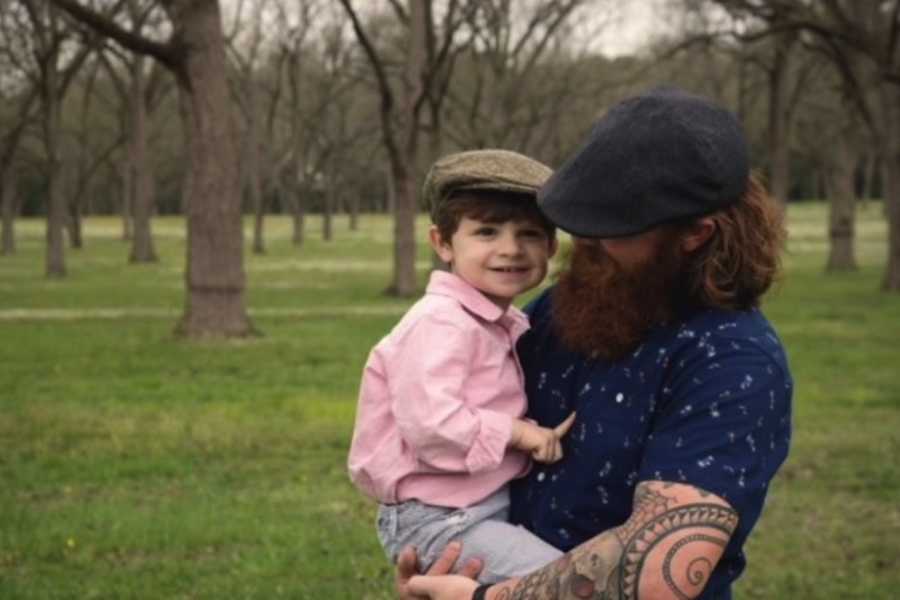
What is truly unreal about Kit, though, is the depth of his perception. He notices nature in ways most overlook, communicates love without words, and shows us what it means to celebrate every small victory. His favorite place is simply with all four of us in the same room, and his eyes solve problems in ways that leave me in awe. He has helped us become better parents, better humans, more present in every moment.
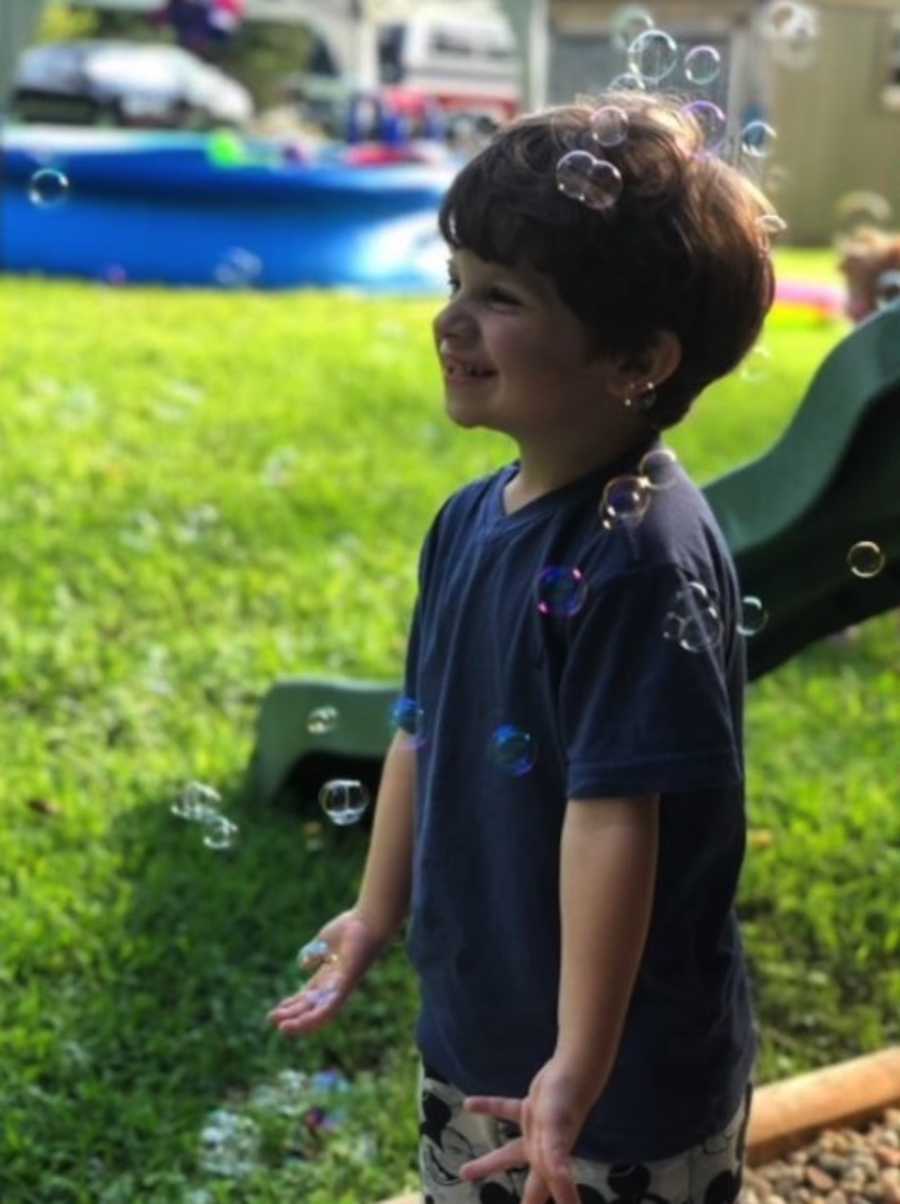
Kit is five now, and the road ahead is long, but it is ours to walk together—through joy, challenges, and uncertainty. Life with a child on the spectrum is never predictable, and every child is unique. My worries, like all parents’, are many. Will he have friends who see his brilliance? Will he find a job that fulfills his soul, not just provides income? Will the world be kind and understanding?
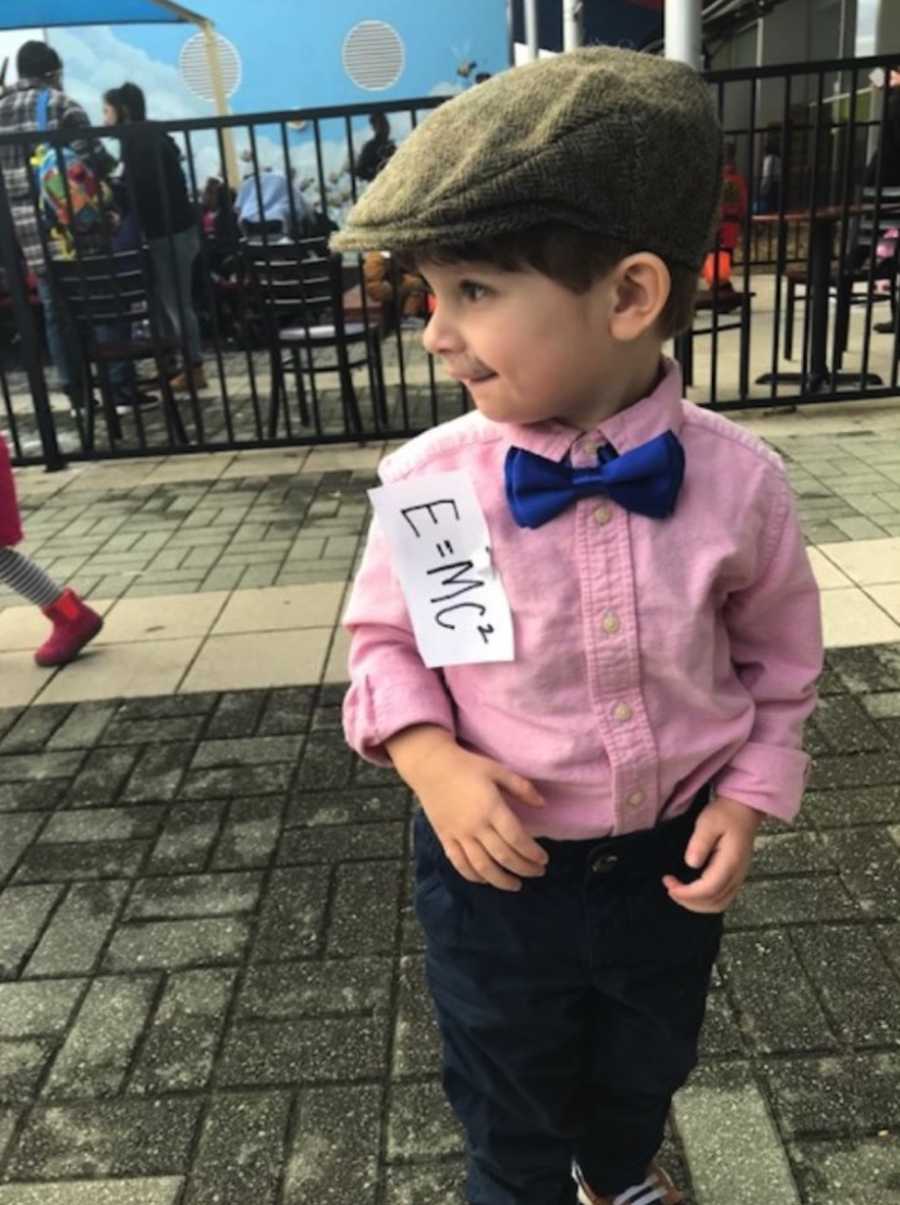
Yet, I find hope in the life he has already created with his sister, his friend, his first ally and supporter. I believe in the power of education and understanding, in showing the world how children like Kit teach us creativity, diversity, and emotional depth. Sometimes, I imagine him as an angel on Earth, reminding us that humanity still has a soul.
I wrote this passage for Kit on his Instagram, where I share our story and resources, calling it The Magical World of Kit. Inspired by Giraffes Can’t Dance, a book he loves, it captures how every child—autism or not—has their own song to find.
Tonight, as I read with him and his sister, I wondered: Do I really know Kit’s song? Am I helping him discover it? And then it struck me: parents don’t choose the song. Children create it themselves, note by note, at their own pace. Our job is to dance along, to celebrate it, to help it flourish.
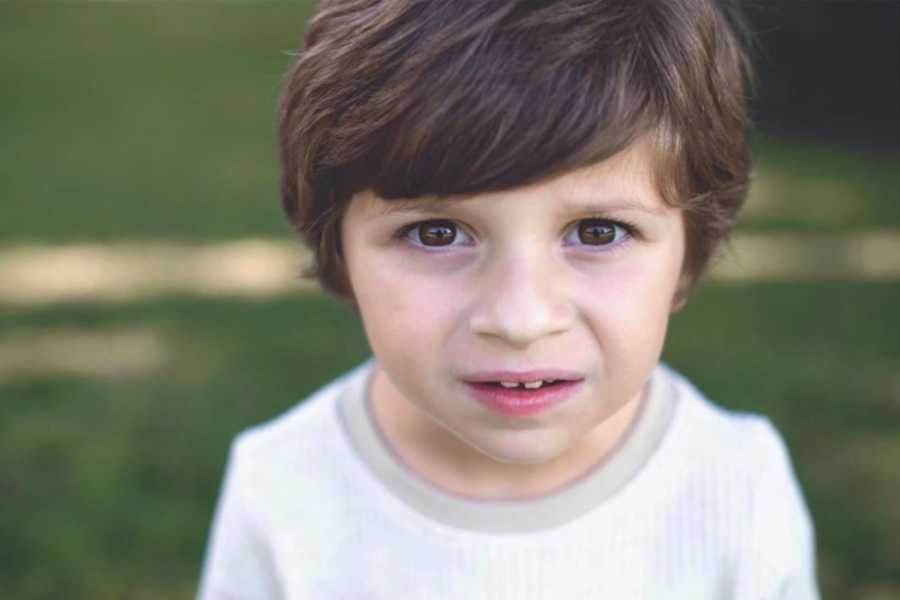
At the end of Giraffes Can’t Dance, it reads: “We all can dance, when we find the music that we love.” Kit has found his music, his rhythm, his beat. And I will be there, every step of the way, dancing alongside him, even as I continue to create my own.