I tried to read the words forming on her lips, but I couldn’t understand them. My ears rang, then everything went quiet. The world seemed to freeze as I watched her face soften with sadness and concern. “Sarah, are you okay? Did you hear me? I am… so sorry.” I had walked back into her office expecting nothing more than a routine post-op follow-up. Instead, my OBGYN slid a sticky note across the desk. I looked down. Written in bold, purple, all-cap letters was a suite number—the oncology unit, two streets away.
To this day, I don’t remember leaving her office. I don’t remember getting into my car or how I drove there. But I do remember sitting in the waiting room. My husband was on his way to meet me. I scanned the room, filled with visibly ill patients, and thought, They must have made a mistake. I don’t belong here.
Fear locked my body in place. All I could do was whisper prayers—asking God for strength. Strength to stand at the reception desk. Strength to fill out new patient paperwork. Strength to hear what was coming. Strength to hold my husband. Strength to believe God was holding me. What began as a normal July afternoon became the worst day of my life—and a defining moment in my story. At 4:30 p.m., I sat across from an oncologist who confirmed it: I had cancer. Choriocarcinoma. A rare, aggressive uterine cancer formed from placental tissue related to a past pregnancy.
Just three months earlier, life looked very different.
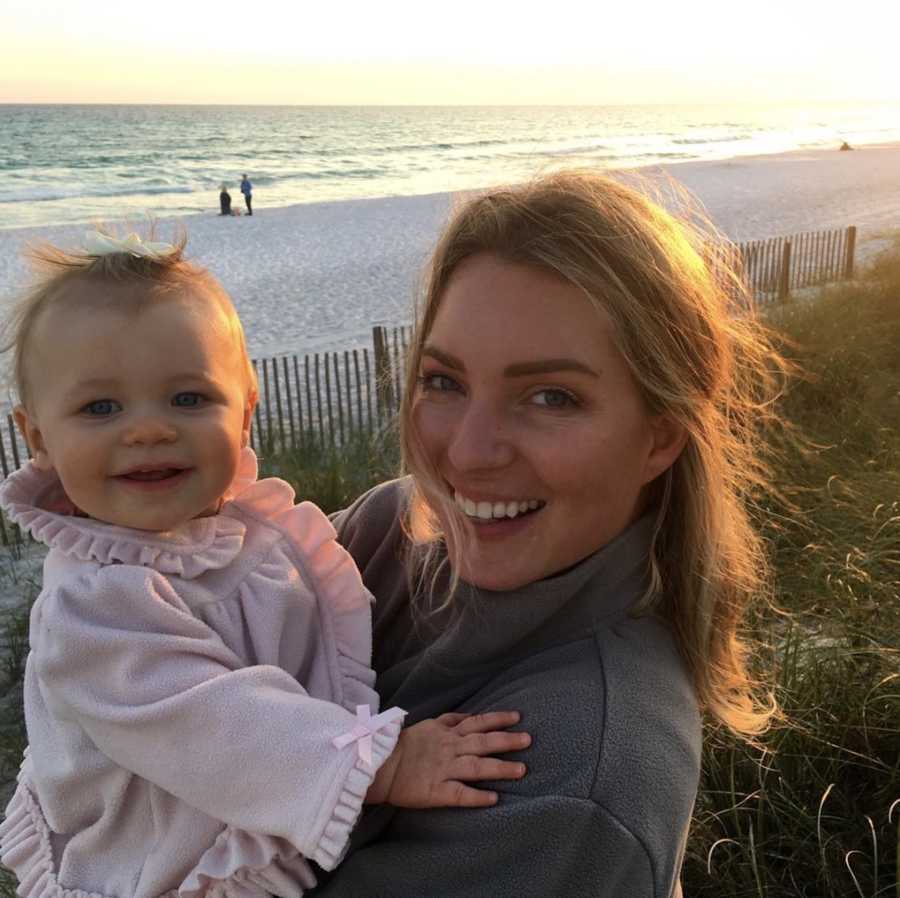
I was 31 years old and had recently celebrated my daughter’s first birthday. That spring, I had made the difficult decision to leave my corporate job of eight years. My daughter was eight months old, and I was struggling with postpartum challenges. I hadn’t felt rested in years. Becoming a mother had changed something deep inside me. I felt called to slow down, to choose myself and my family, and to begin a long-overdue journey toward healing. I wanted to be present. Work had consumed my twenties, and I was determined my thirties would look different.
By summer, I finally felt like I could breathe. I focused on my mental and physical health and soaked in every moment of motherhood. Then something shifted. I began experiencing unusual symptoms and prolonged bleeding—different from the irregular cycles I’d known most of my life. A quiet intuition stirred, reminding me of my twin sister’s miscarriages years earlier. I rushed to Walgreens, bought a pregnancy test, and watched it turn positive.
Relief and heartbreak washed over me at the same time. At least there was an explanation. I called my OB immediately. Days later, I went in for an ultrasound, expecting a routine D&C. Instead, the technician’s face told me everything. There was nothing there. No pregnancy at all. Yet my bloodwork showed rising beta HCG levels, indicating growth. Doctors monitored me closely for weeks as the numbers climbed higher, baffling everyone. Then suddenly, everything escalated. I was rushed into emergency surgery, fearing an ectopic pregnancy and preparing for a possible hysterectomy.
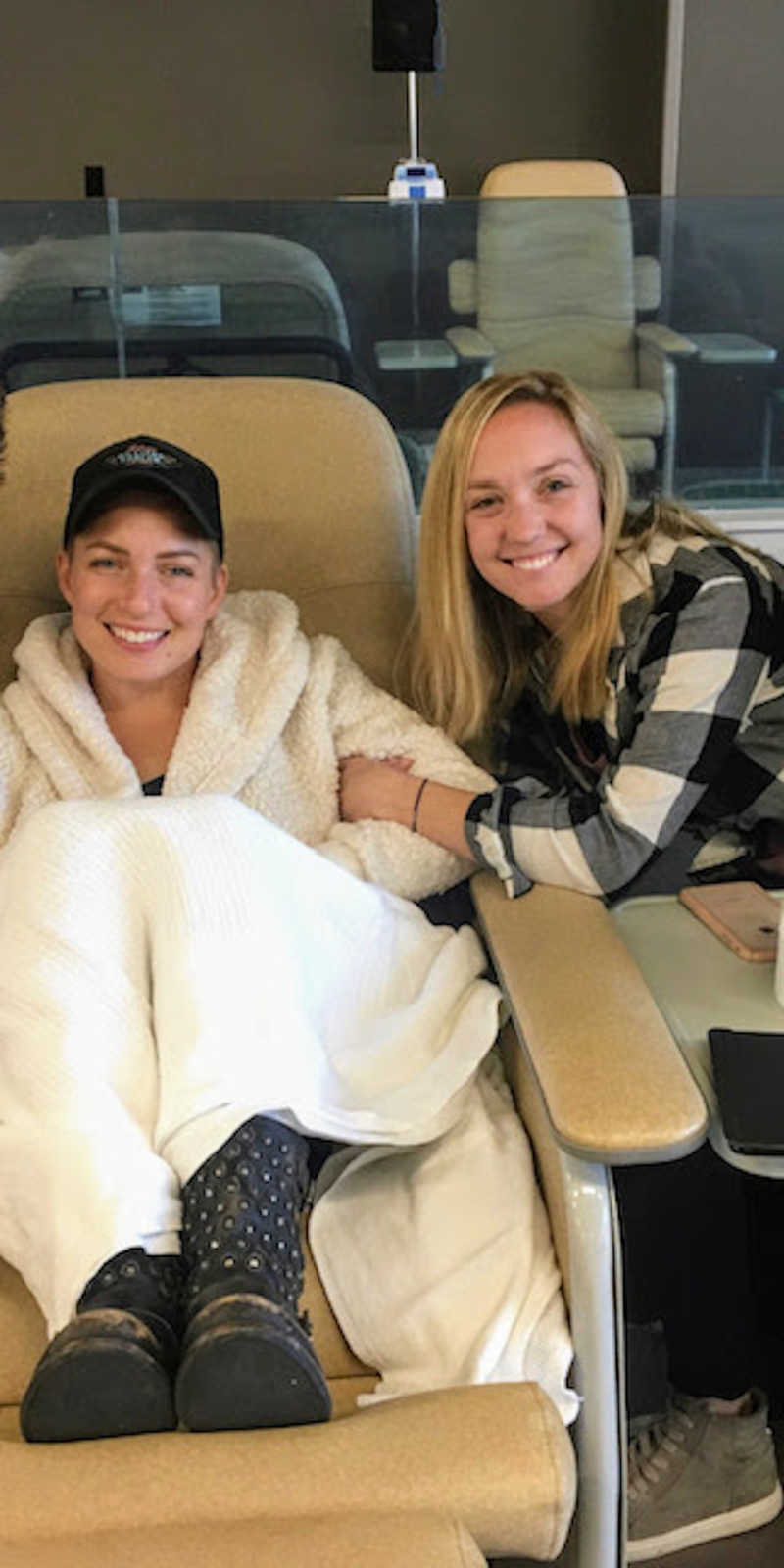
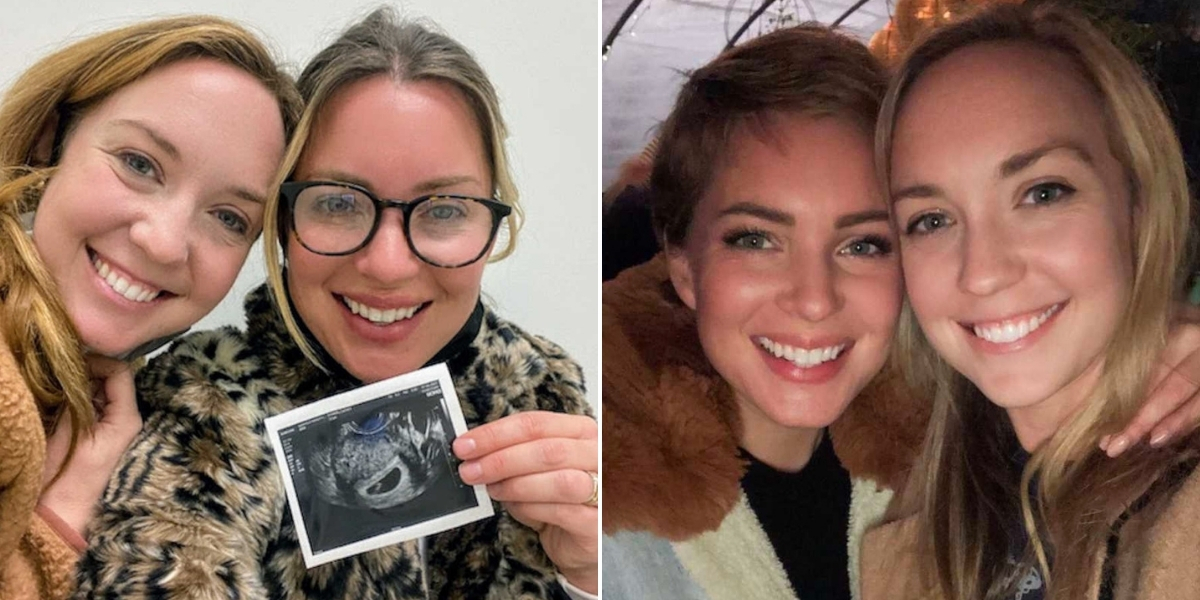
The thought of losing my uterus shattered me. It felt like the end of my dreams of growing our family. My husband and my twin sister were by my side. We had already lost our father to cancer when we were just four years old—he was only 33. Now, decades later, here I was, facing a terrifyingly familiar path. Just before surgery, my sister squeezed my hand and said, “If they take your uterus today, I’ll have your babies.” We laughed through tears. That day, I didn’t lose my uterus—but we had no idea what was still ahead.
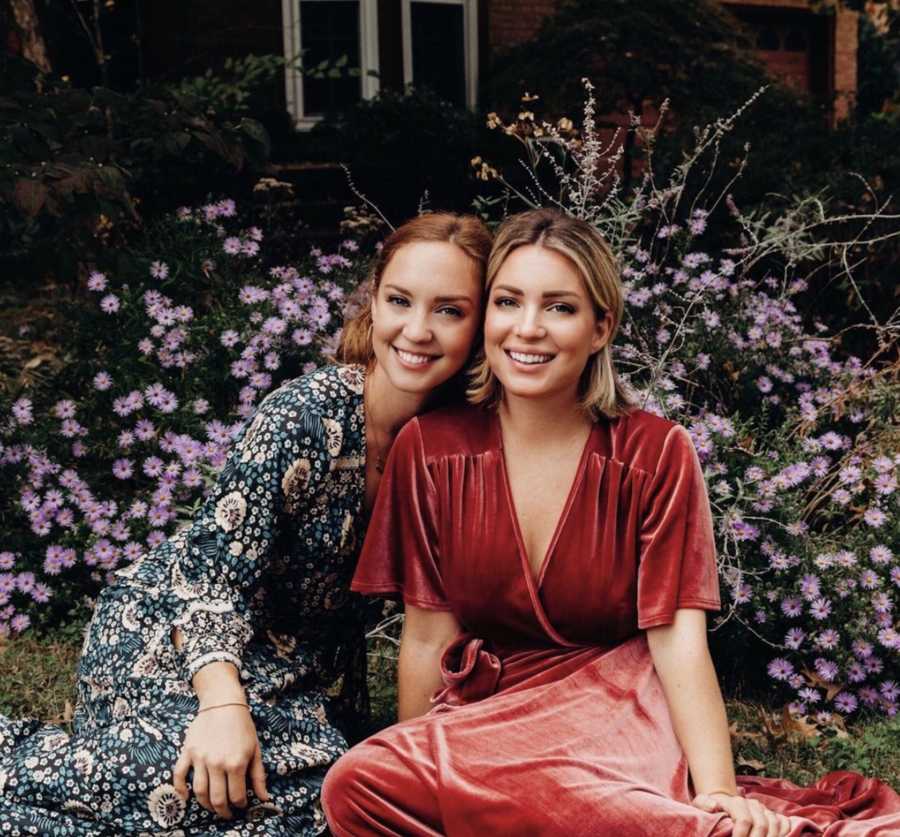
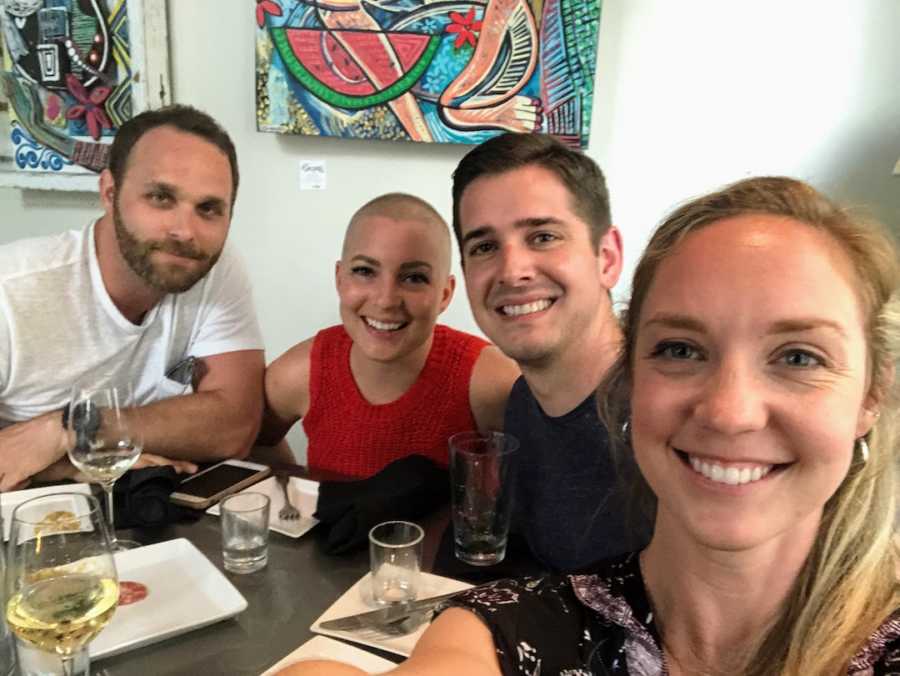
For the next eight months, my life revolved around chemotherapy. Five drugs. Weekly treatments. One inpatient stay and one outpatient session each cycle. Hospital nights were long and brutal as chemo dripped slowly for 24 hours at a time. I went home carrying “rescue pills” meant to help my body survive the toxins. When my hair began falling out, my sisters gathered around me. My twin was the first to cut it. It felt right—she had been with me since the womb, through motherhood, diagnosis, and now cancer.
People ask if twins feel each other’s pain. Not physically—but in every other way, yes. She carried my grief, my fear, my heartbreak as a mother watching life slip through her fingers. When I was too weak, she held my baby. When I lost hope, she reminded me it would be okay. Her optimism once annoyed me—but now, it saved me.
She stood beside me when I was declared cancer-free in December. And she held me again when it returned in January. I spent months back in the hospital, restarting chemotherapy. The fear was overwhelming. Hope felt fragile. I clung to faith, calling this season my growth period—the place where God strengthened me through suffering.
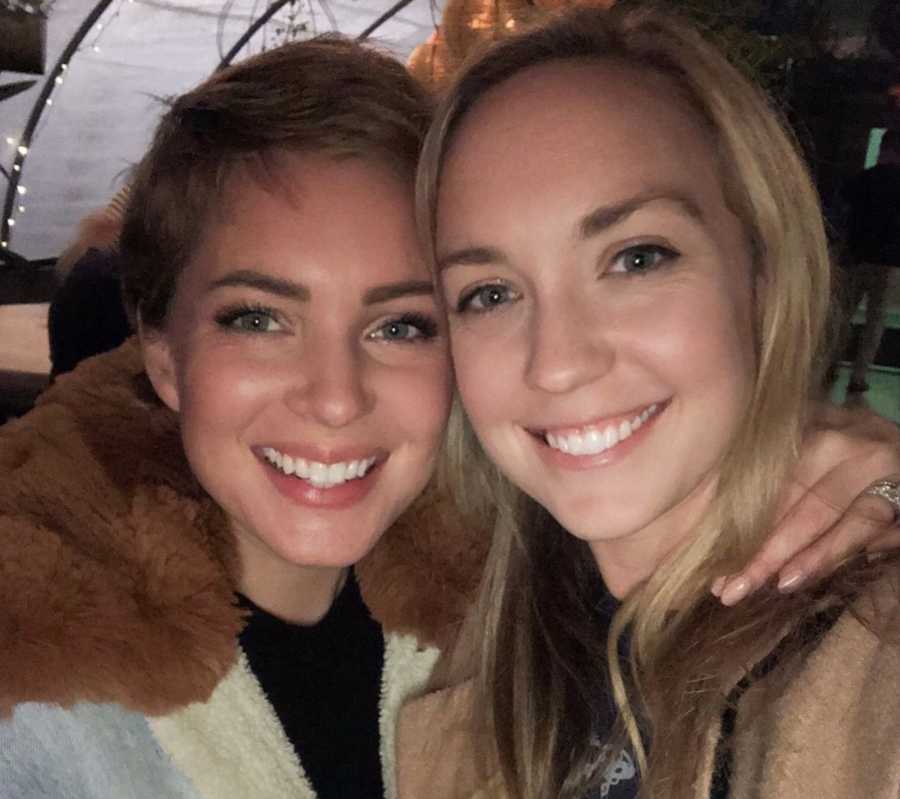
Eventually, my bloodwork improved. Doctors told me it was time for a hysterectomy. The cancer’s origin was my uterus, and it had to go. I agreed without hesitation, though the grief was deep. Losing my uterus meant losing future children, dreams, and plans I hadn’t prepared to let go of. At 32, I wasn’t ready—but survival mattered more. On surgery day, my husband and twin stood beside me once again. As I was wheeled into the OR, she shouted through tears, “Don’t worry, I’ll have your babies.” We laughed one last time before the doors closed.
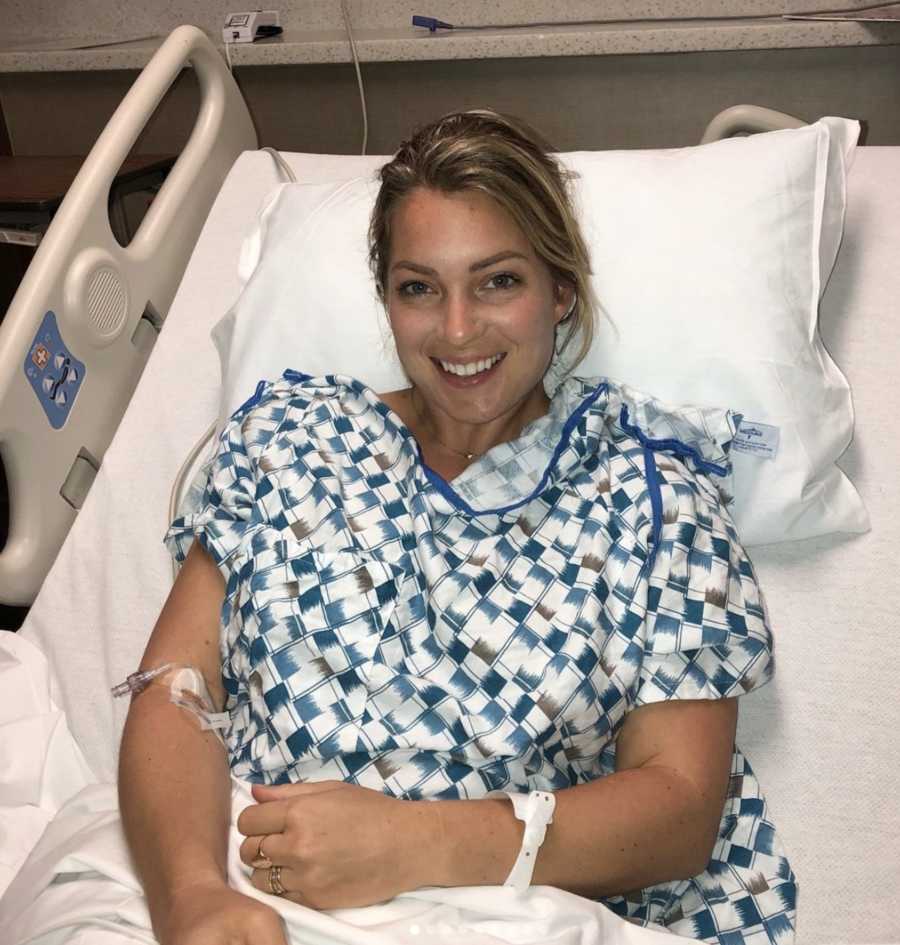
That April marked my final treatment. I was cancer-free—again. The relief was indescribable. I printed my medical report and taped it to my mirror, reminding myself daily of healing. The following year, I rebuilt my body while my spirit continued to heal. I cherished small moments—brushing my hair, taking my daughter to school—things I once took for granted.
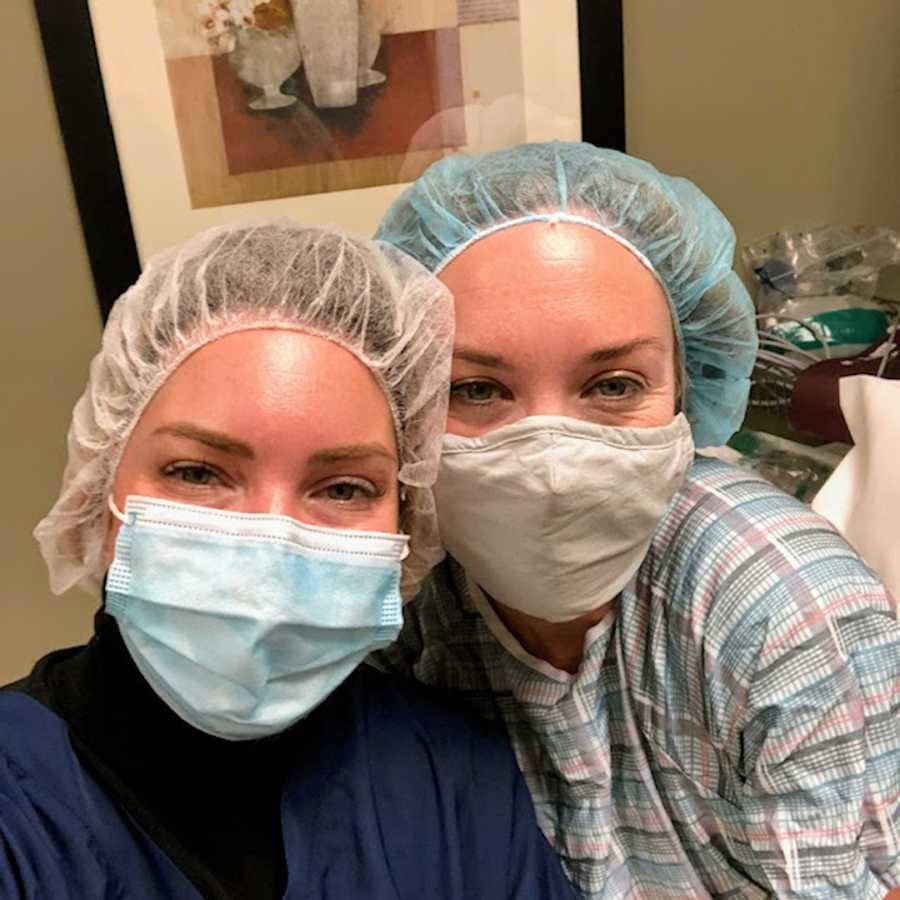
At my one-year cancer-free appointment, my oncologist mentioned something I’d nearly forgotten: surrogacy. My ovaries were still intact. Curiosity led me to a fertility specialist. Against all odds, we retrieved viable eggs and created three healthy embryos. When I told my twin sister, she didn’t hesitate. She felt called to carry our baby.
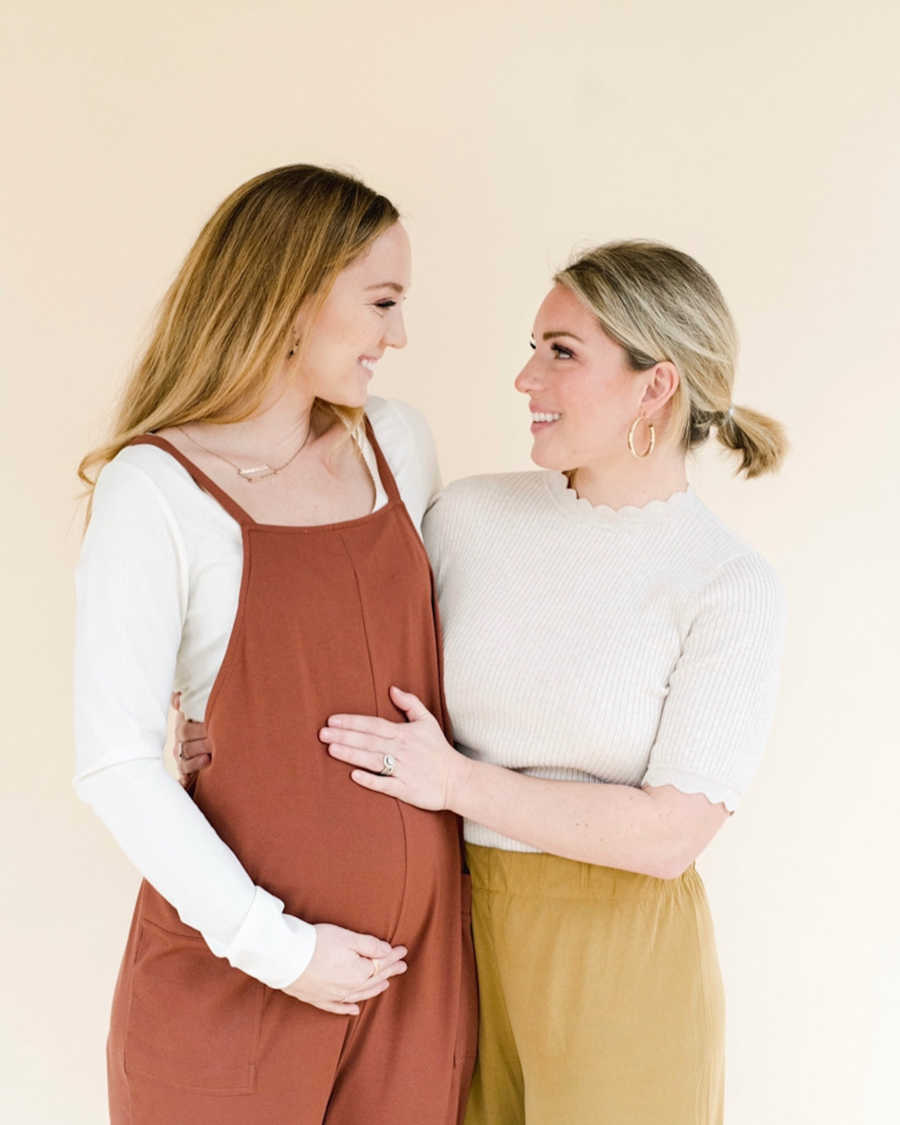
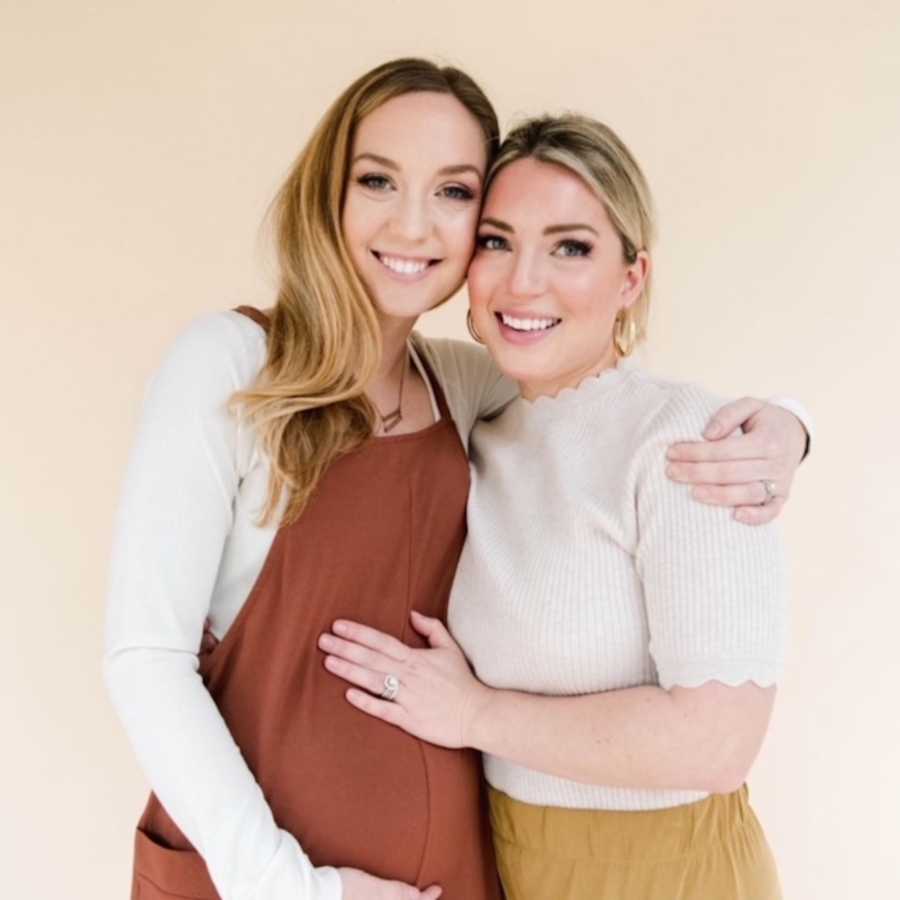
Together, we walked through screenings, IVF, and pregnancy. Today, she is 25 weeks pregnant—with our son.
When we told our mother, she wept. “If Sarah needed a kidney, I’d give her one,” my sister said. “She just needs my uterus.”
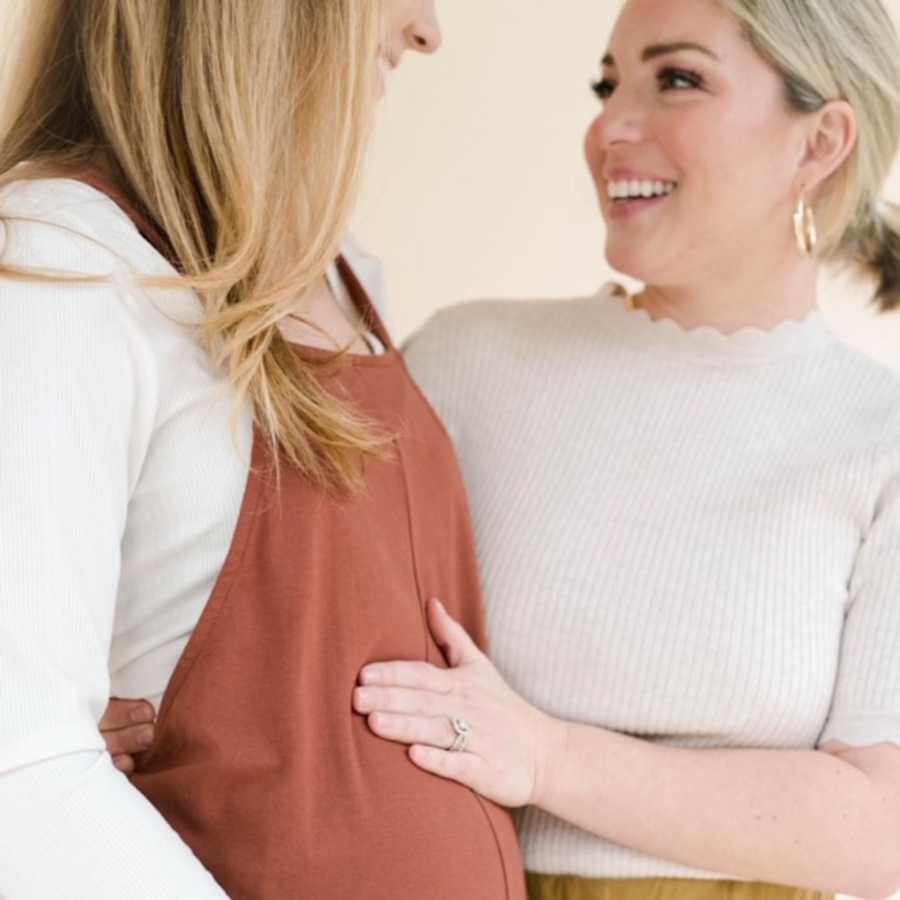
This journey has been healing beyond words. Cancer changed everything—but it also revealed love in its purest form. Surrogacy is love. Sacrificial, selfless, life-giving love. Today, I look at my sister carrying my son and understand what love truly means. And I will spend the rest of my life helping others feel it too—because when all is said and done, love is what heals us all.