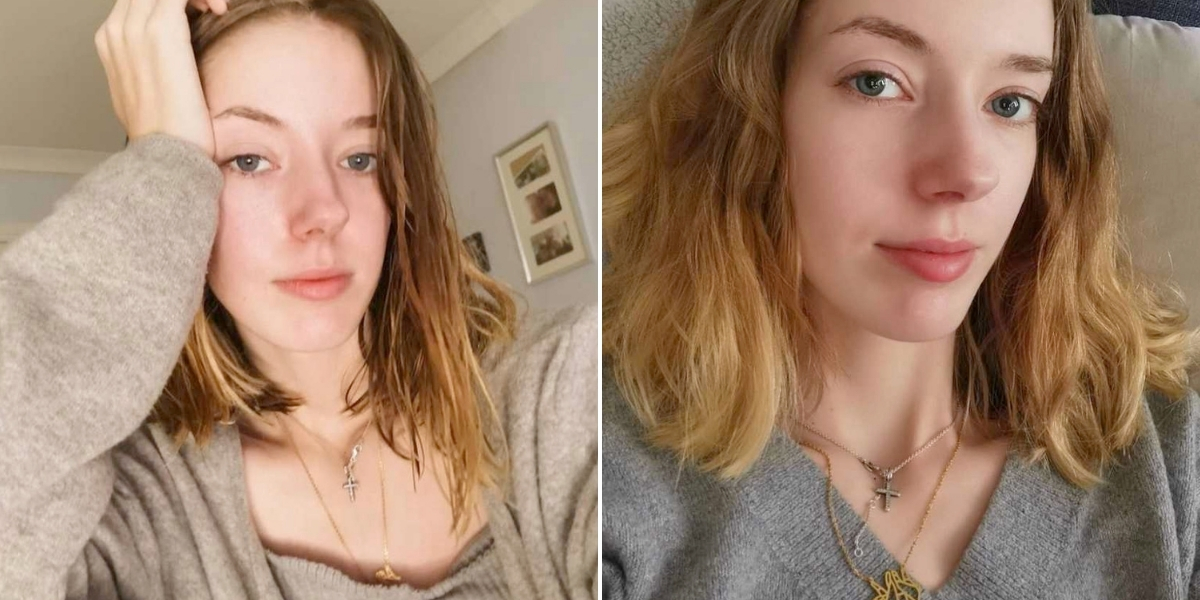
The nerves and anticipation made me feel physically sick. Everybody was watching. My name was called, and suddenly, it was my turn to fight. I had no idea that this fight wouldn’t end when the match did—that it would continue every single day for the next five years.
At fourteen, I was kicked off my feet during a karate match. At nineteen, I am still disabled. I will never know if that moment caused my chronic illness, but it is the last time I remember competing as an athlete. The last time I remember feeling truly capable in my body. Growing up, we are taught that if we get sick, break a bone, or catch a disease, a doctor can fix it. I learned very quickly that this isn’t always true.
I will never forget the trips to A&E, screaming in pain, my skin covered in rashes from head to toe, heart rate monitors beeping uncontrollably. I remember being soaked in sweat and tears, my body completely out of control. These memories stay with me every day—not only because of the horrific symptoms that ruled my life, but because of the disbelief that followed. Being told you’re lying or faking it when your life has been ripped away from you is a different kind of pain. It makes you feel like the only person in the world medicine has failed. Every day, I hoped that something—anything, good or bad—would finally show up on a test and set me free. Instead, every new doctor felt like another obstacle. I became so used to not being believed that hiding my pain and masking my suffering became second nature.
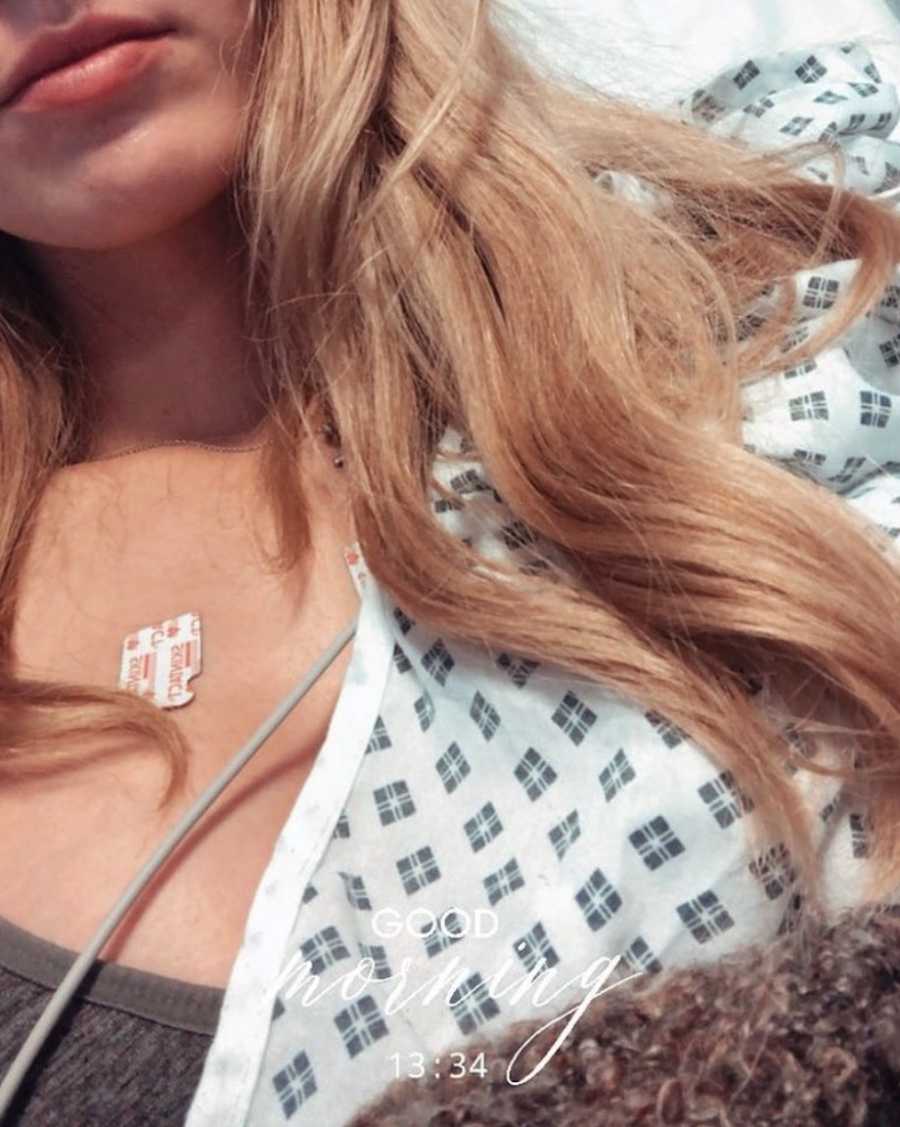
A couple of years later, I finally felt like someone was listening. Every Wednesday, instead of going to school, I pushed through my symptoms to attend strict pacing and therapy at Great Ormond Street Hospital. I was told, “Imagine you’re a soldier being shot at in battle—they keep going through pain and suffering. Why? Because they don’t have a choice.” All I had ever wanted was my life back. My freedom. My independence. My health. I would have been anything—including a soldier—if it meant the pain controlling my life would disappear. If it meant I could be a normal teenager again. That mindset spread like a storm, carrying a dangerous wave. It lit a fire inside me, pushing me to try harder and harder, as if fighting alone wasn’t enough. I felt like I had to prove how badly I wanted to get better.
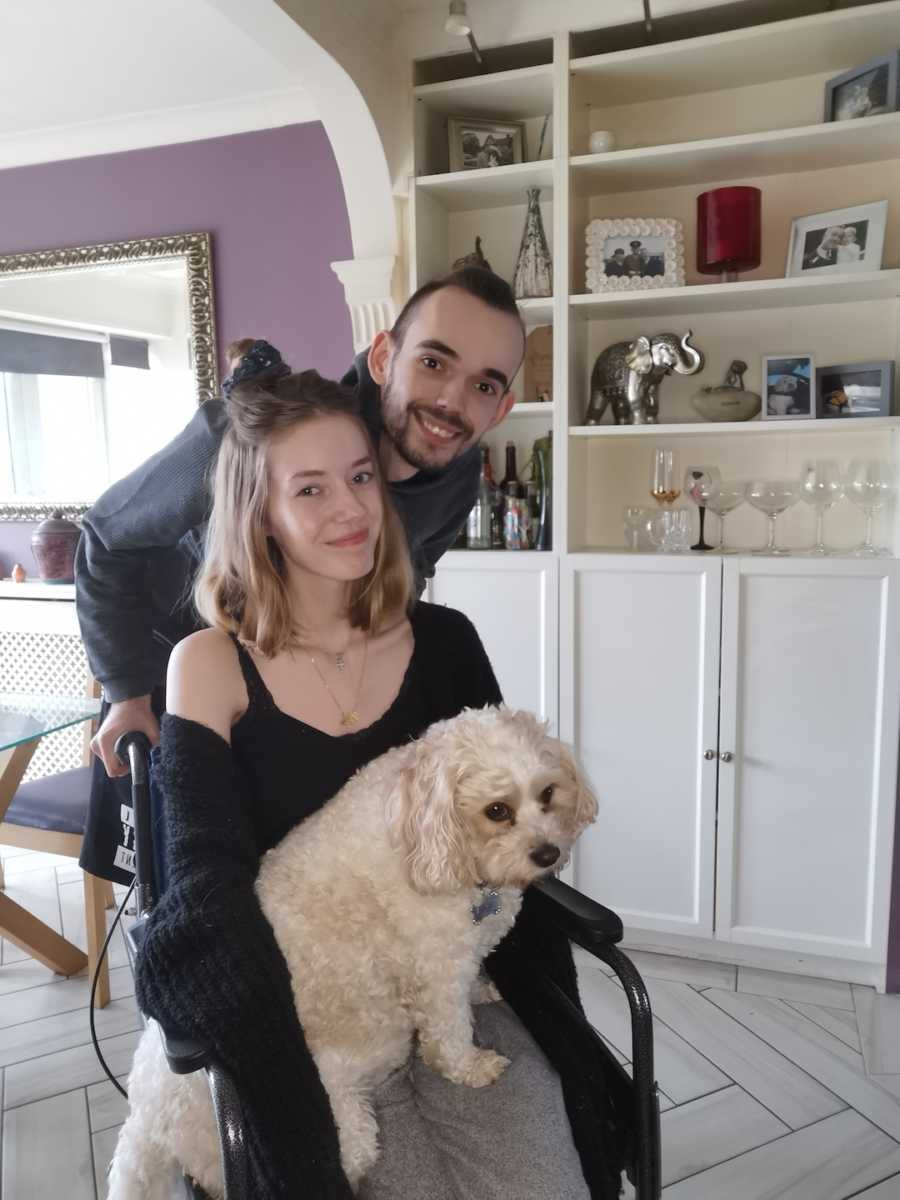
Living undiagnosed is a never-ending spiral of suffering, heartbreak, hope, and hurt. It is a prison built from isolation, depression, and imposter syndrome. Treatments like pacing and therapy taught me that I would never have worth or validation as a chronically ill person—that pushing through and hiding my pain was the only way to survive. This couldn’t have been further from the truth. In 2019, I started Graded Exercise Therapy, another form of strict pacing. I didn’t know any better. I thought I had already lost more than most people would by sixteen, but I was wrong.

There were many moments when my life felt close to being “normal” again, and because of that, I began doubting myself more and more. I convinced myself I was crazy. I lifted the heaviest weights I could, ran as fast as I could, and then collapsed into bed, hoping that the next day I would be able to push myself even harder. I believed I could outwork my symptoms. If only I had known then that you cannot overcome a multisystem disease through exercise. If only doctors had known just how much Graded Exercise Therapy would further deteriorate my already declining health.
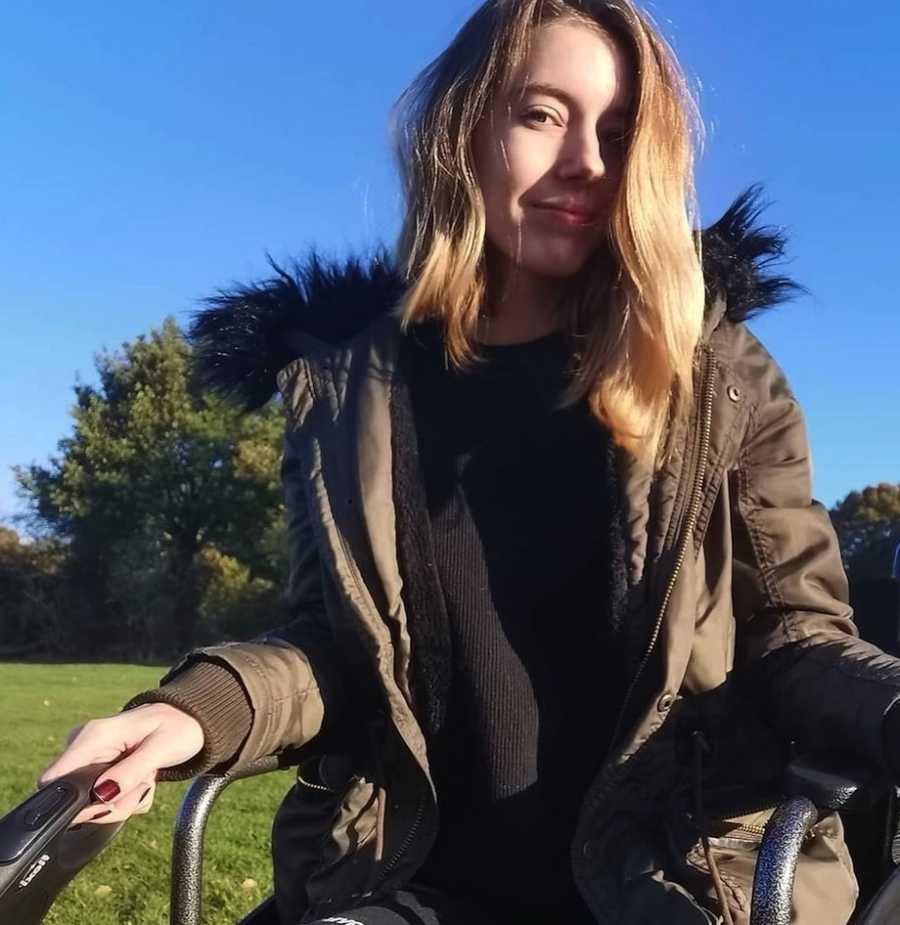
“When you’re 80, you’ll look back on all the time you wasted being sick.” A part of me always hoped that one day I would look back on this time with validation and strength—that I would be able to say, “I survived,” instead of, “I’m still surviving.” In 2019, I joined a stretch group run by someone with a chronic illness, and for the first time, I found light in the darkness. I realized I wasn’t the only person the medical system had failed, and I wasn’t alone in being undiagnosed. I found my second family. For the first time, I felt real hope—not hope for a cure or perfect health, but hope for a life with quality and meaning.

Like many people, the coronavirus pandemic changed much of my daily life. Being chronically unwell and undiagnosed for five years was one of the hardest battles I thought I would ever face. In May 2020, I was finally diagnosed with M.E., and everything changed. Receiving a diagnosis for M.E., or any chronic illness, isn’t easy—but what comes after can be even harder. M.E. is a complex, misunderstood, multisystem disease. Even with a diagnosis, there are still attitudes, stigma, and a lack of treatments. I believed that once I had a diagnosis, the imposter syndrome and medical gaslighting would disappear. Unfortunately, M.E. remains one of the largest, most unheard-of diseases today.
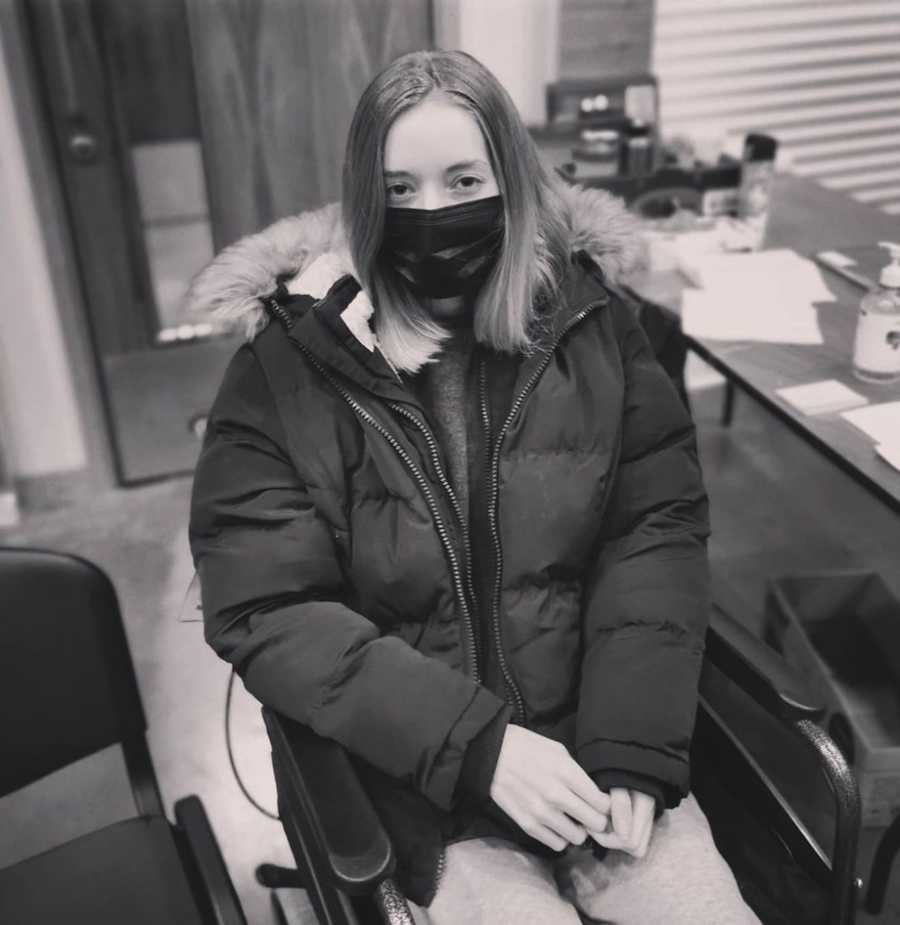
For years, I thought I was the only one. Today, I know I am one of the millions.
One of the millions missing from what could have been.
One of the millions missing from everyday life.
One of the millions housebound and chronically unwell.
One of the millions forgotten by medical professionals, research, and society.
One of the millions missing, surviving, and living with M.E.
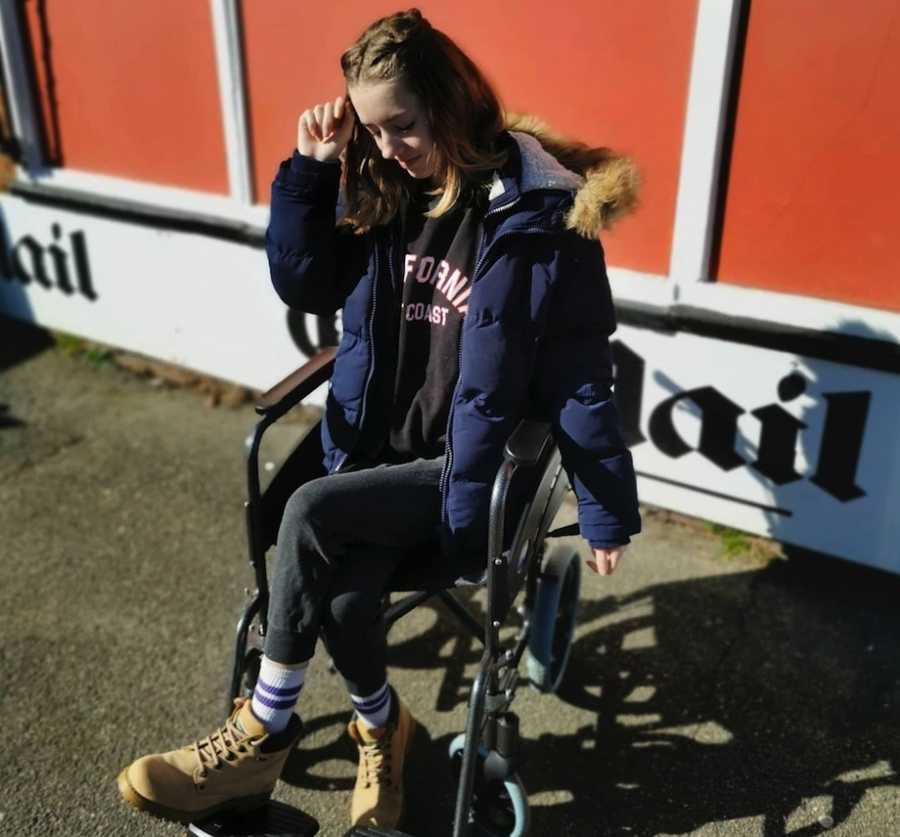
Beginnings are often terrifying, and endings are often heartbreaking, but it’s everything in between that makes life worth living. Don’t give up because of the suffering you’re facing today. Someone may be watching your story, learning from your mistakes, and finding the validation and love they need to keep going. The visibility—or label—given to a person’s condition does not determine their worth or their right to treatment. This has been a long battle of acceptance, belief, and validation. While many of these experiences will stay with me forever, they no longer define me—they drive me.
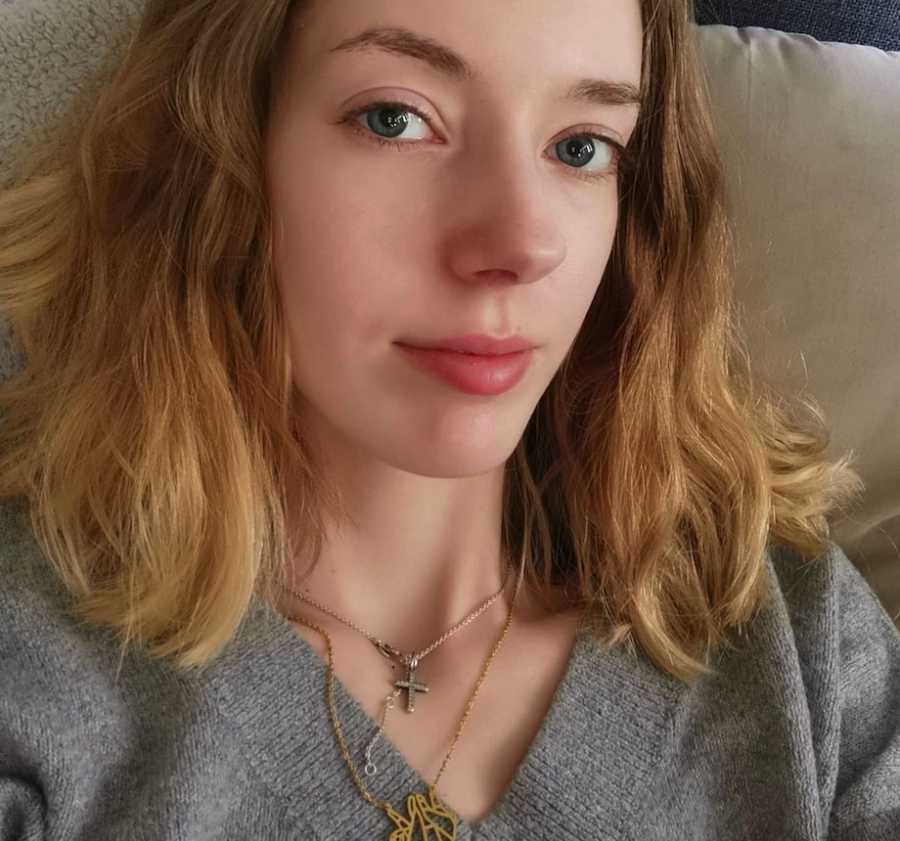
Today, my weaknesses and challenges give me purpose. It is a life shaped by suffering and surviving, grief and hope. I am proud to be one of the millions missing, and I am now proud to be disabled.