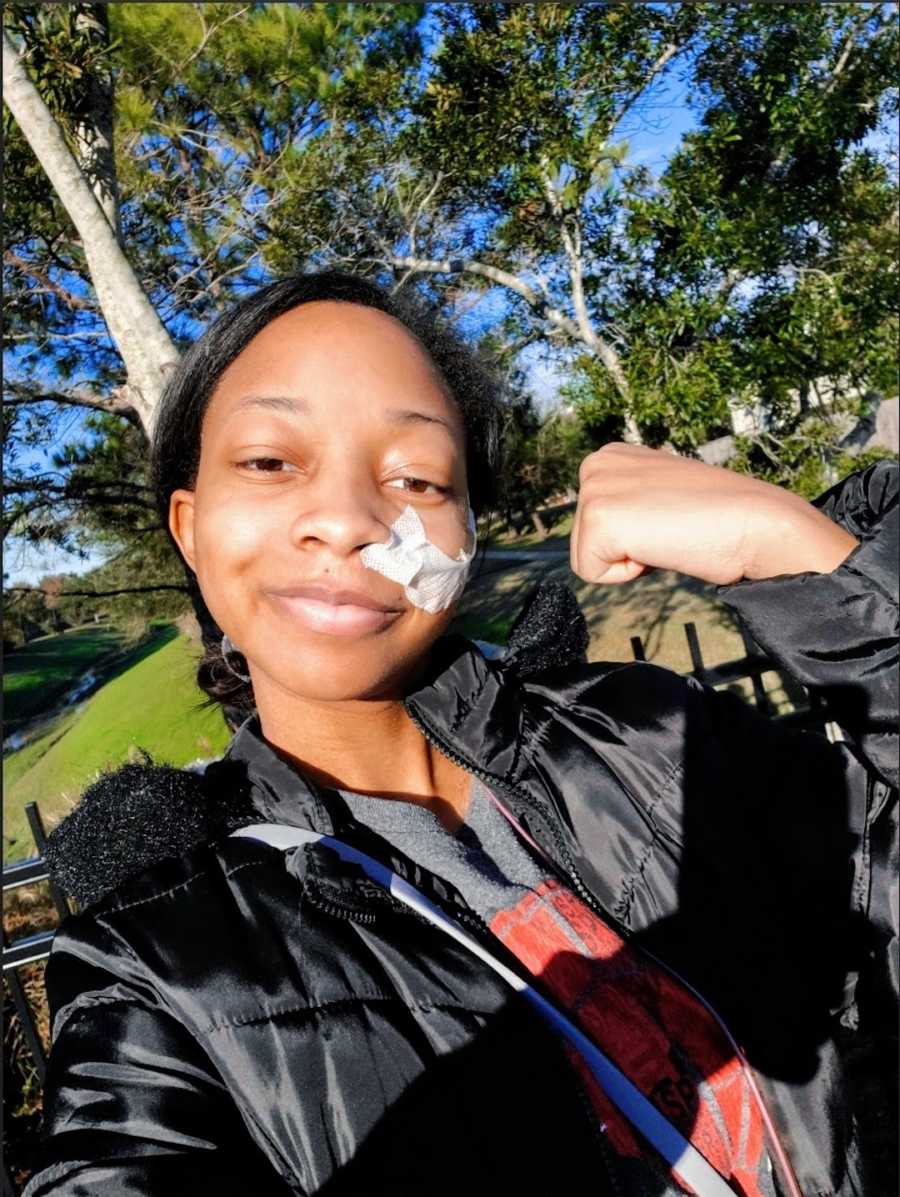
I first started getting sick in elementary school with frequent bronchitis infections, recurring strep throat, and IBS (irritable bowel syndrome). I missed at least 20 or more days of school every year because I was constantly unwell. I was also a competitive dancer, and it felt like every competition or dance convention left me even sicker than before.
By sixth grade, everything began to intensify. I developed severe leg pain, hip issues, and frequent grade-two and grade-three ankle sprains. At the time, I was dancing 10 or more hours a week, and doctors brushed it off as growing pains, telling me not to worry. My favorite competition and convention was Tremaine, and that December I suffered my first major sprain. I spent weeks on crutches and in physical therapy just to dance again. During the summer, I was re-injured at Dallas Summer and tried desperately to push through, but the pain became unbearable. I lost my chance to audition for the Tremaine Dance Company—something I had dreamed of for so long. That year was incredibly hard, but it was only the beginning.
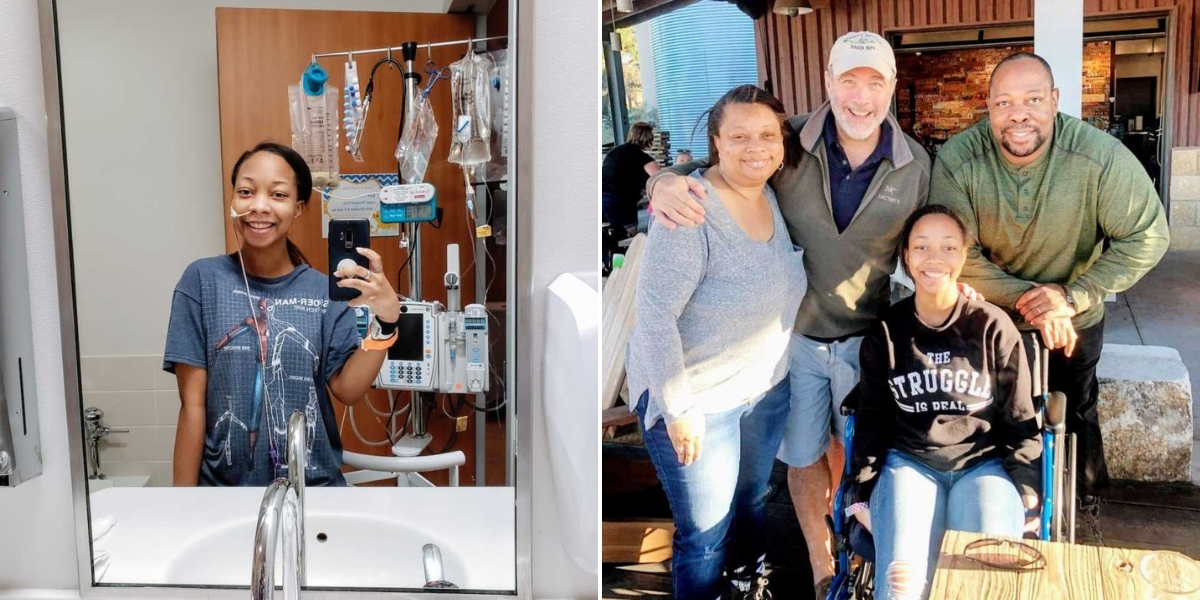
Seventh grade started with worsening IBS. My doctor eliminated sugar, wheat, gluten, and lactose from my diet, and I lost about 15 pounds because I could barely eat. I also discovered I was allergic to much of my environment and was diagnosed with asthma. Around the same time, I began experiencing severe arm pain caused by an osteochondroma—a non-cancerous bone tumor—on my humerus. I was also dealing with frequent strep infections and became a candidate for a tonsillectomy. As the arm pain worsened, including sharp, shooting pain into my fingers, we decided surgery was necessary.
During my pre-op appointment, my heart rate and blood pressure were dangerously low, which delayed surgery for two weeks while I underwent further testing. Once cleared, the osteochondroma was removed. My surgeon said it was the largest he had seen in his 20-year career. Recovery was brutal. I was dizzy, vomiting, and hit my head trying to make it back to bed. That’s when my migraines began. In March 2018, I had my first brain MRI, which showed nothing. Still, the migraines continued, along with constant spinning sensations, forcing me to leave school frequently. Despite everything, I signed with a modeling agency, an acting agency, and returned to dancing.
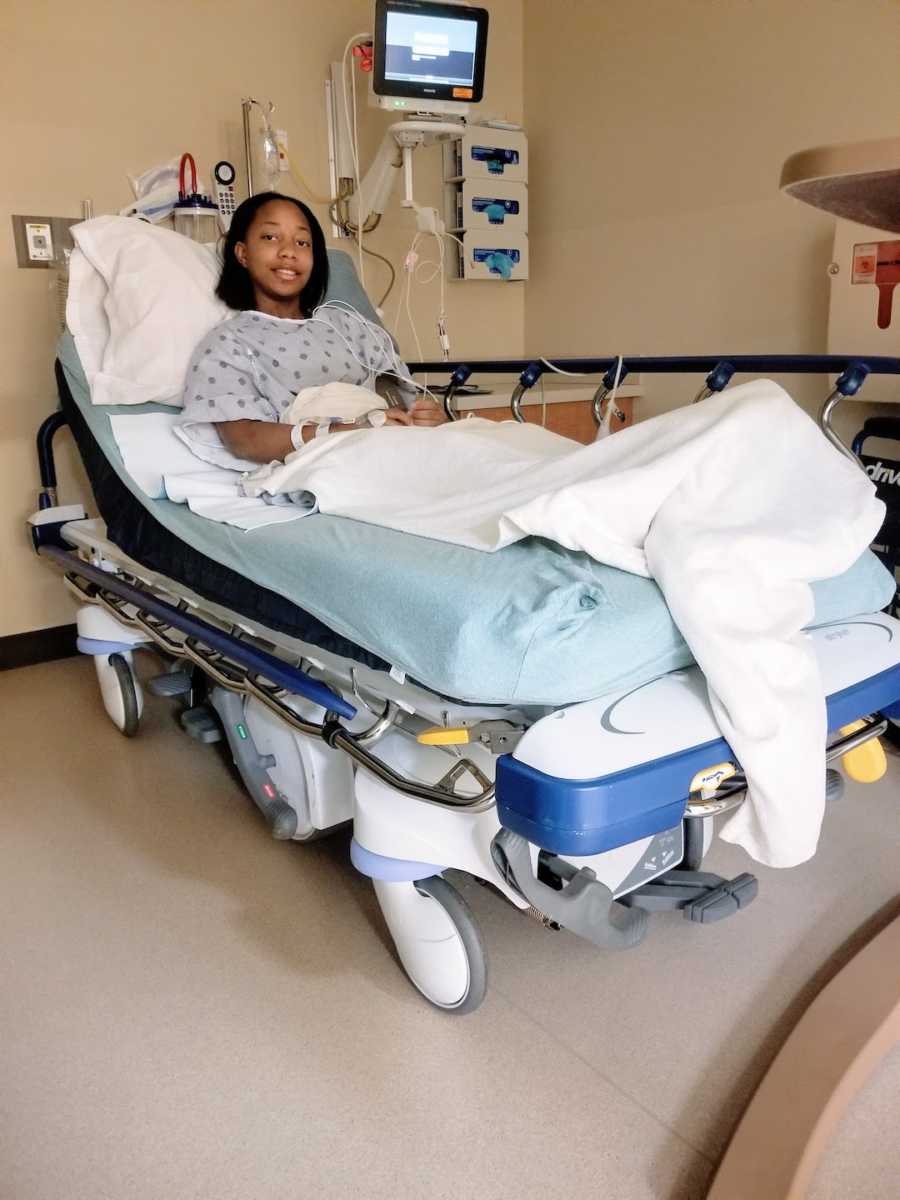
Going back to dance made my symptoms worse, especially anything involving spinning. When I had the opportunity to rejoin my former dance company, I pushed myself despite my mom’s concerns. I didn’t want to let my team down, and I earned another chance to audition for the Tremaine Performance Company and compete at Nationals in Orlando. Nationals lasted seven exhausting days. I began passing out, but we assumed it was due to dancing nearly 10 hours a day. The headaches continued, but I kept going. After a brief break, I flew to Los Angeles for the Tremaine Dance Intensive. On day one, I was in so much pain that I ended up at urgent care. My mom offered to take me home, but I refused, knowing how much my parents had sacrificed.
The intensive required long walks in extreme heat, crowded studios without air conditioning, and nonstop classes. I pushed through every day and didn’t miss a single class. I didn’t make the team, but I gained a lifelong friend, Bethany, and cherished time with my mom. After returning home, school started, and I assumed my exhaustion was from summer events—until I could barely stay awake during short car rides. My throat pain felt like strep, but tests came back negative.
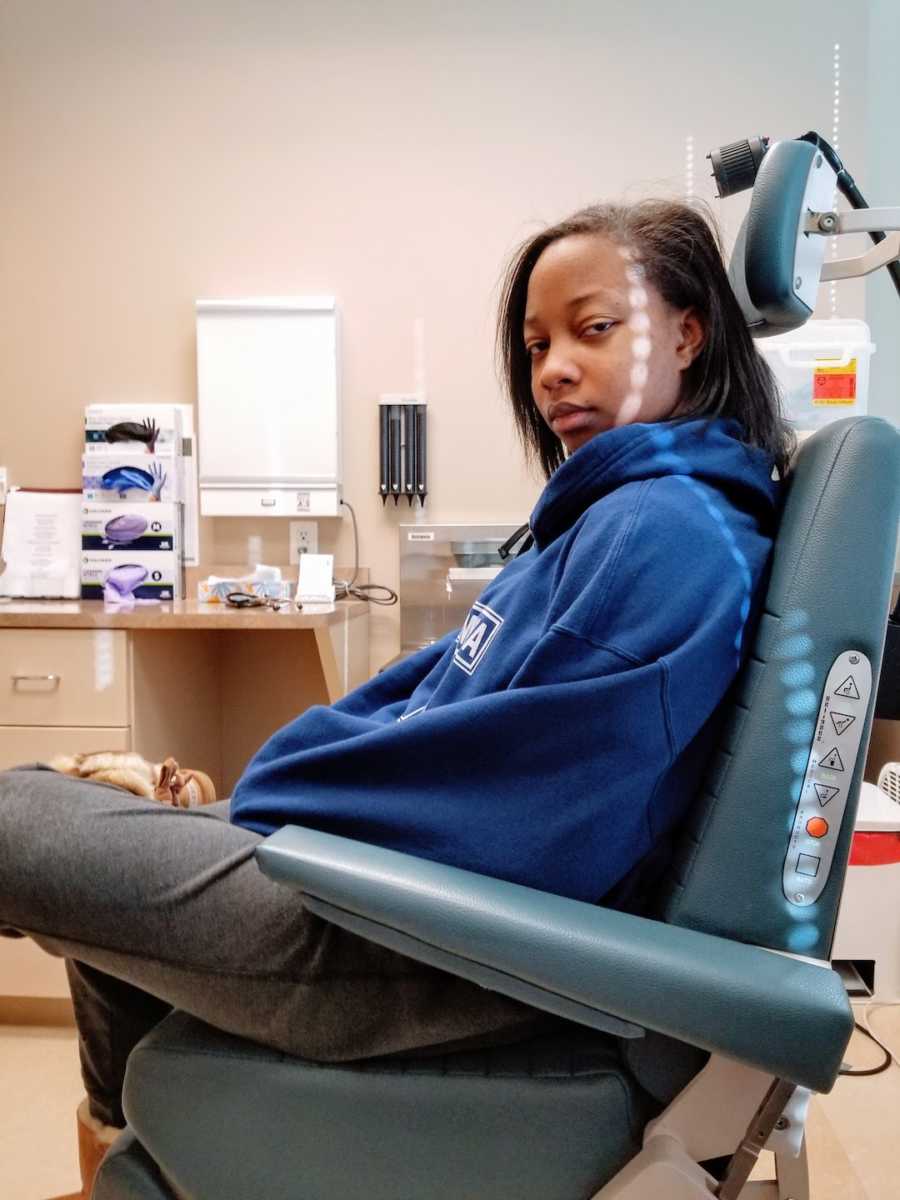
That same week, I suffered a severe asthma attack and discovered a dangerous sesame allergy after eating orange chicken at school. My body felt completely overwhelmed. Soon after, I couldn’t even walk into school without assistance. My legs felt like concrete. My principal, Dr. Leblanc, saw me struggling and wheeled me to class, helping me throughout the day. I was terrified. My heart rate dropped into the 40s and 50s, and my blood pressure fell to 60/40. Urgent Care sent us to a freestanding ER, where I was dismissed without proper care or even IV fluids.
The following week, I was diagnosed with POTS—postural orthostatic tachycardia syndrome. Although that cardiologist was kind, she wasn’t in-network. The next cardiologist dismissed my symptoms as “all in my head.” I was devastated. Eventually, my neurologist intervened, prescribed fludrocortisone, and referred us to a dysautonomia specialist. I began homebound school in September 2018 because I physically couldn’t attend classes.
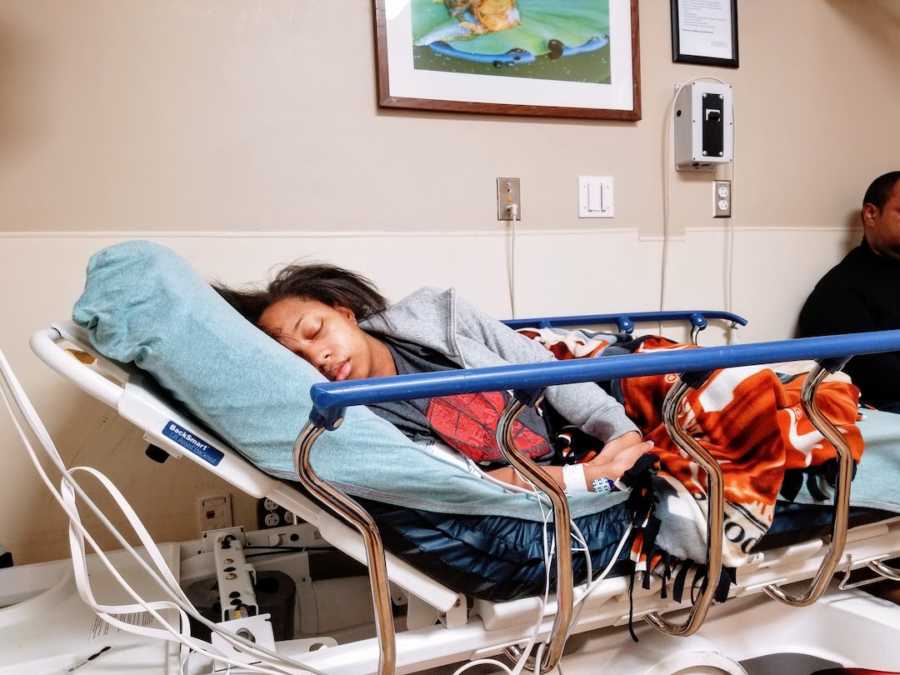
Dysautonomia affects the autonomic nervous system, causing fainting, breathing issues, and cardiovascular complications. Physical therapy began in November, and by spring I was walking with a rollator. Then insurance forced me to switch providers. The new facility pushed me too hard despite our warnings, and I regressed from walking back into a wheelchair. It taught me the importance of advocating for myself.
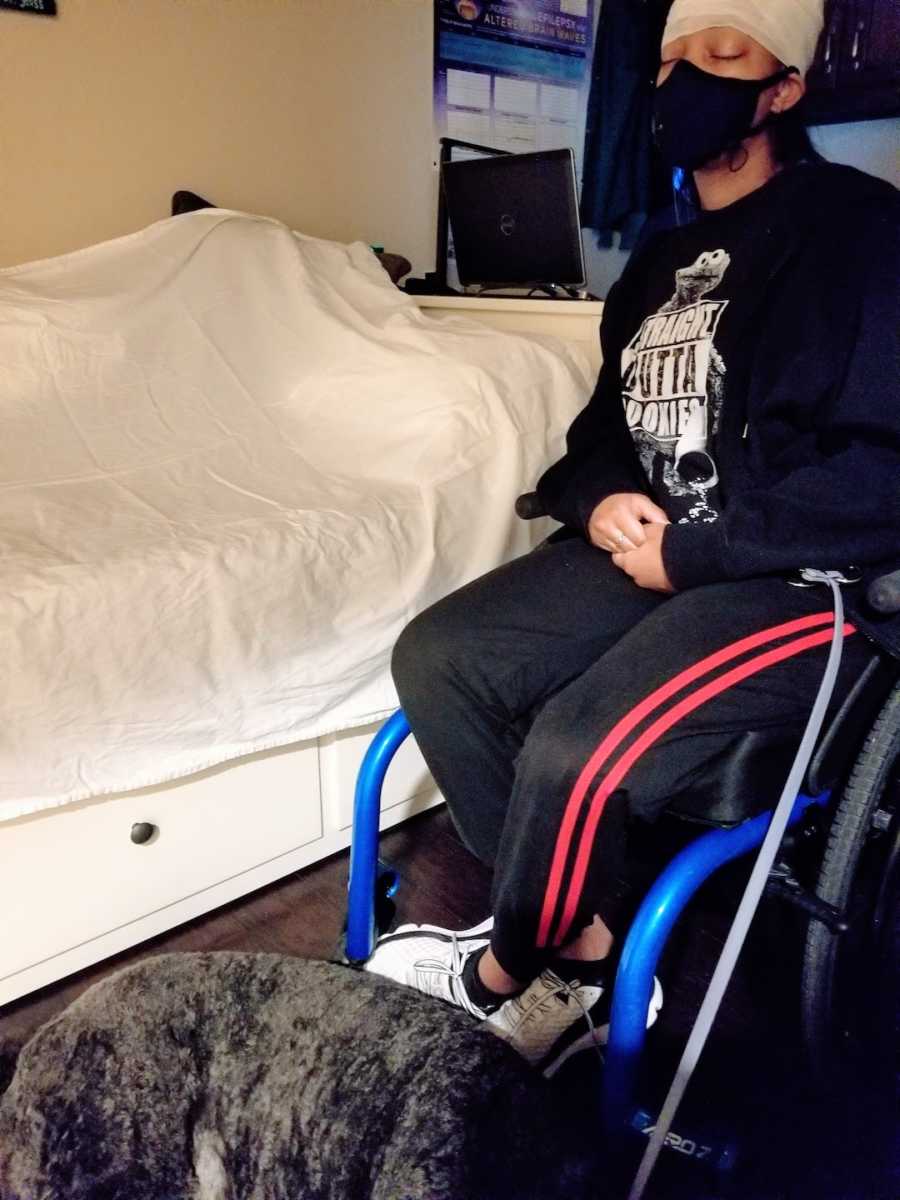
Around this time, my food allergies worsened, causing seizures, convulsions, and tics. ER visits were traumatic, dismissive, and unhelpful. I was also receiving weekly IV hydration and trialing medications that made me worse. I desperately wanted to attend school and stay in advanced classes, but my health made it impossible.
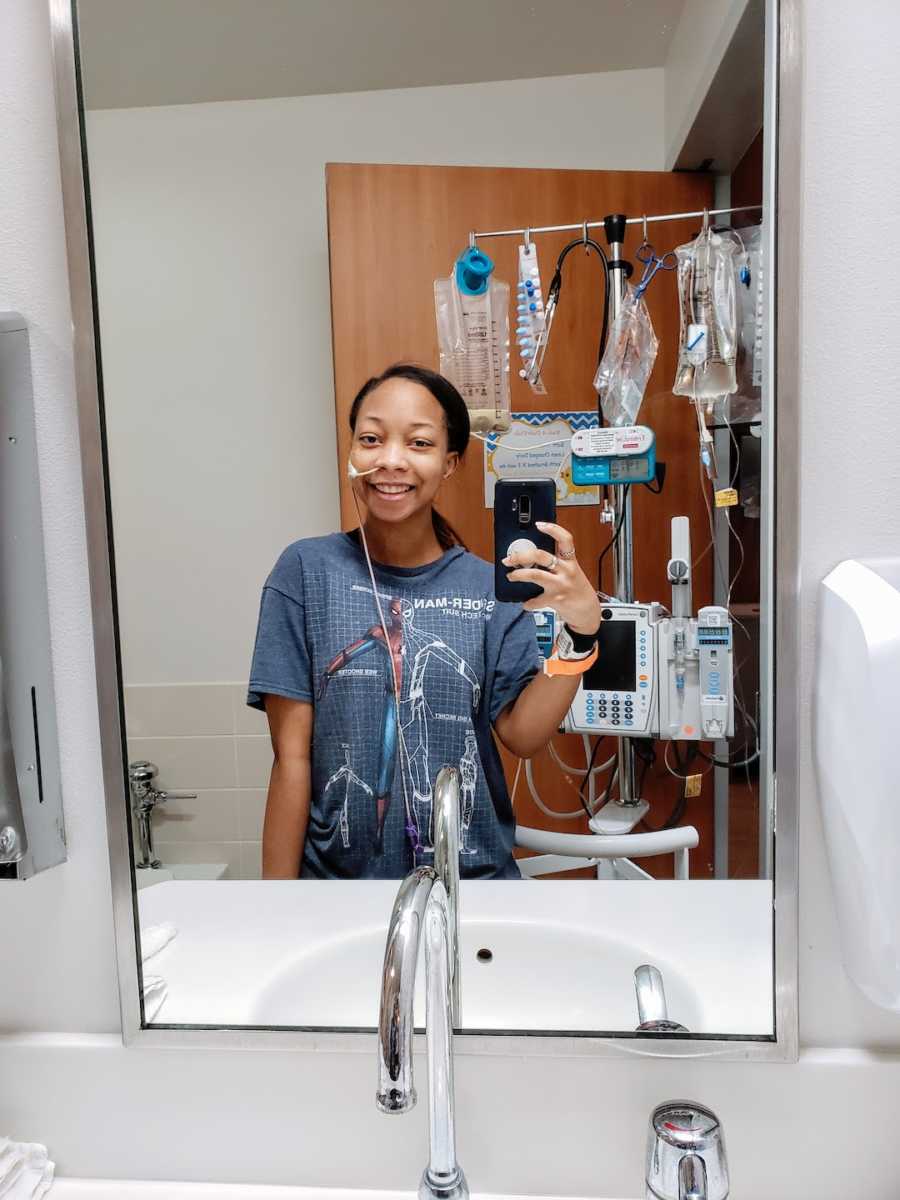
When the pandemic hit, everything stalled. Doctors went virtual. Procedures were canceled. I developed chronic vomiting, kidney stones, bladder issues, and reactions to IVIG, which I received from October 2019 to July 2020. A port was placed for fluids. My body was exhausted.
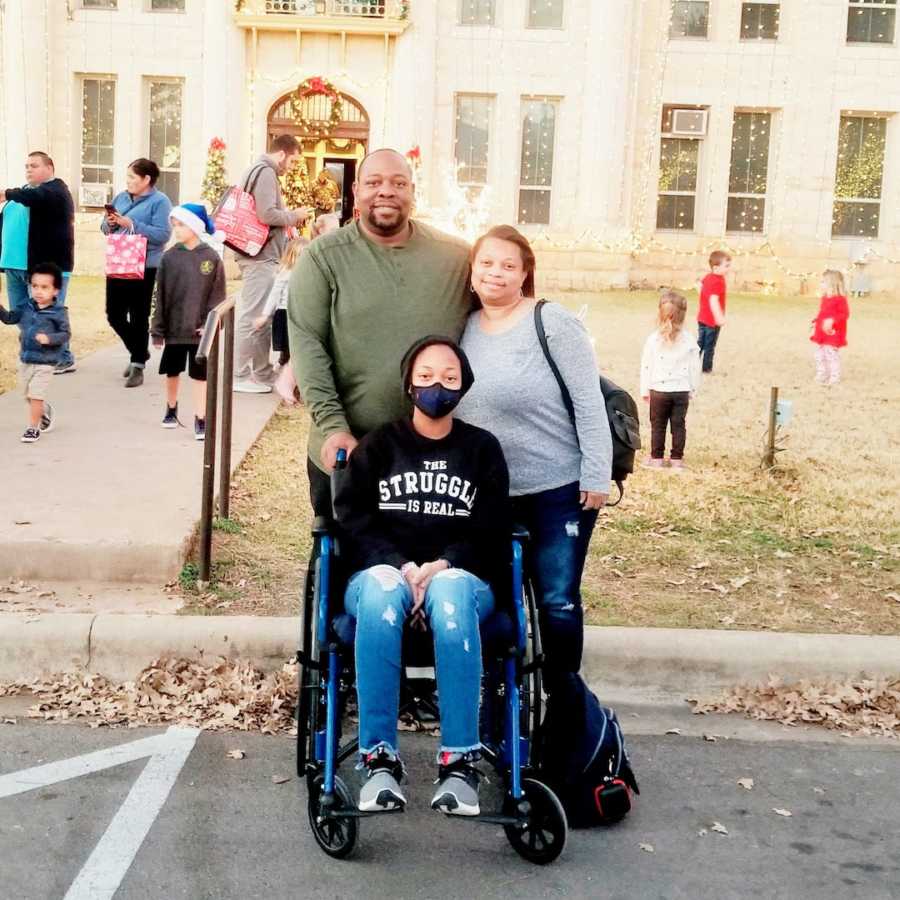
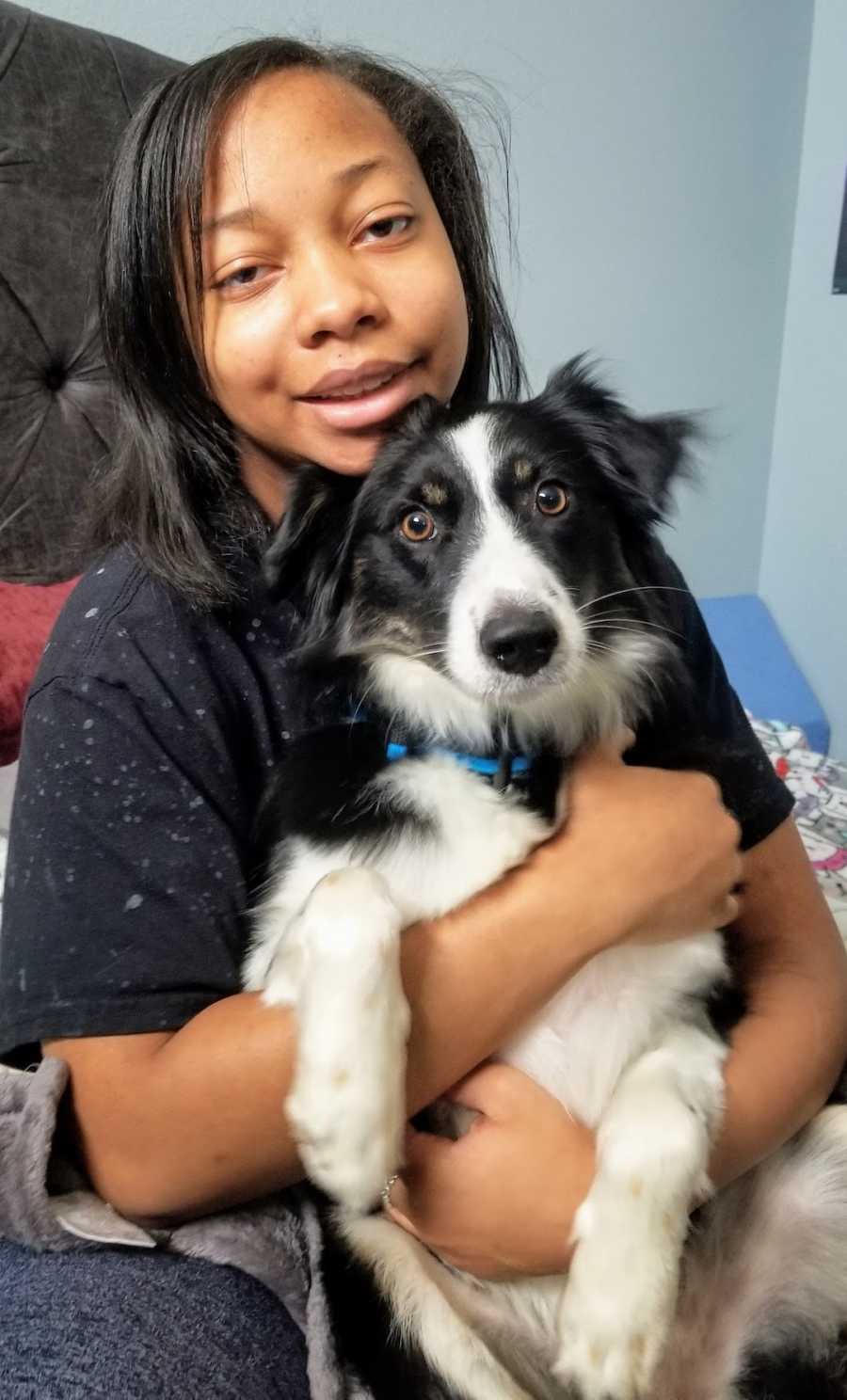
Despite everything, I made the Legacies Dance Team and held onto hope. I continue fighting. I live with pain daily, but I’m grateful to be alive. Horror movies, K-pop, my family, and my service dog, Saito, keep me grounded. My journey has been long and brutal, but I face it with gratitude—because I’m still here, still smiling, and still fighting.