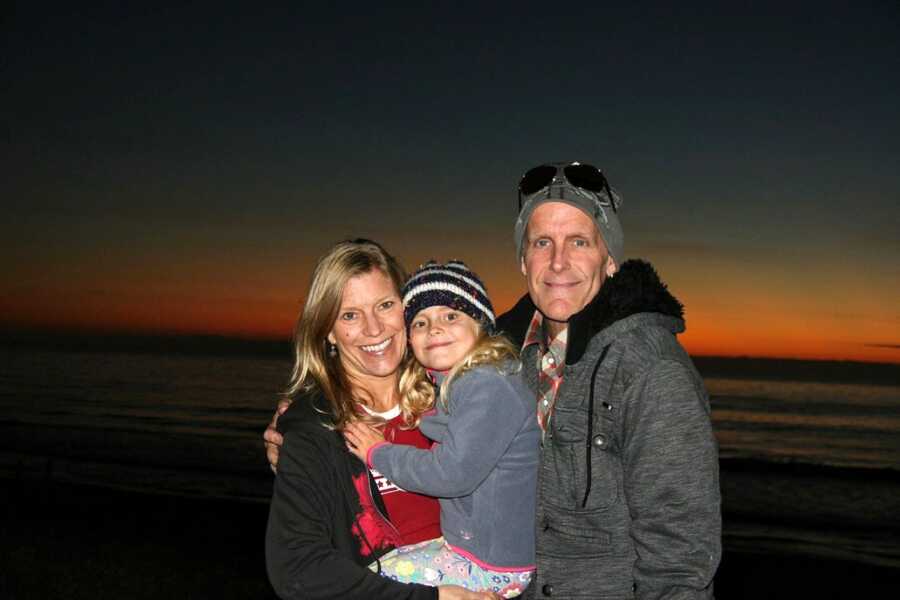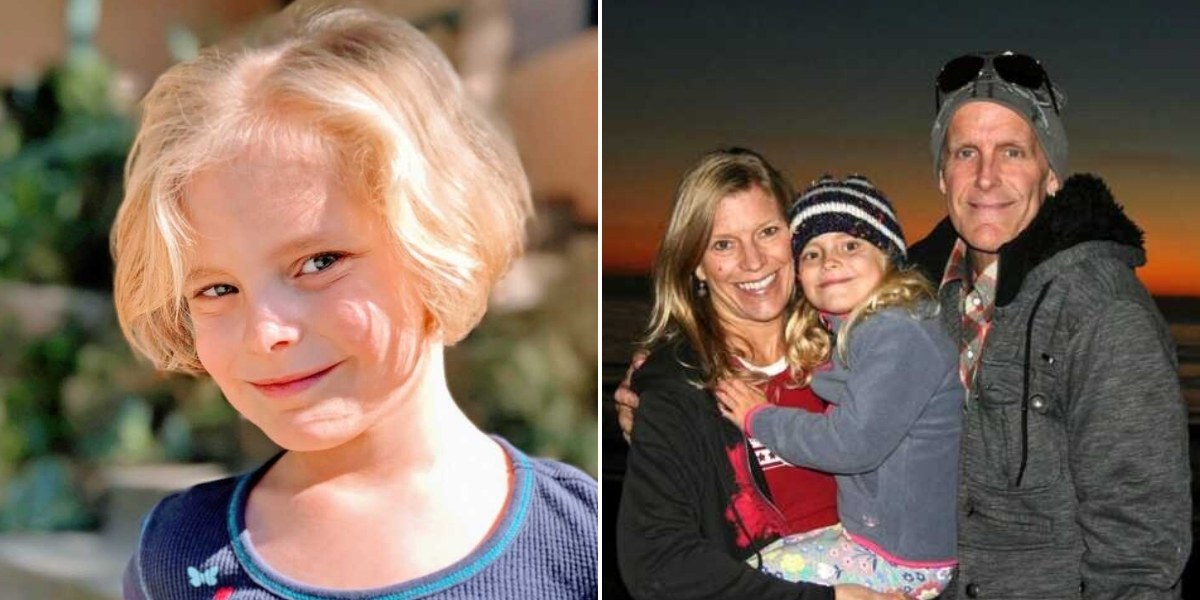
December 4, 2012. The most profound day of our lives. Roxie Mirabelle Forbes arrived roughly seven weeks early, weighing just over three pounds, and crashed into our world like a tiny meteor. From the very beginning, she shattered every preconceived notion we had of love. The little girl with a mighty heart and an unstoppable smile became everything—our breath, our sunlight, the steady rhythm of our hearts.
Exactly six-and-a-half years later, that same rhythm stopped. The air escaped us, and the sun disappeared behind the horizon forever. We hovered over an empty vessel that had, only an hour earlier, been brimming with all we had ever dreamed of.
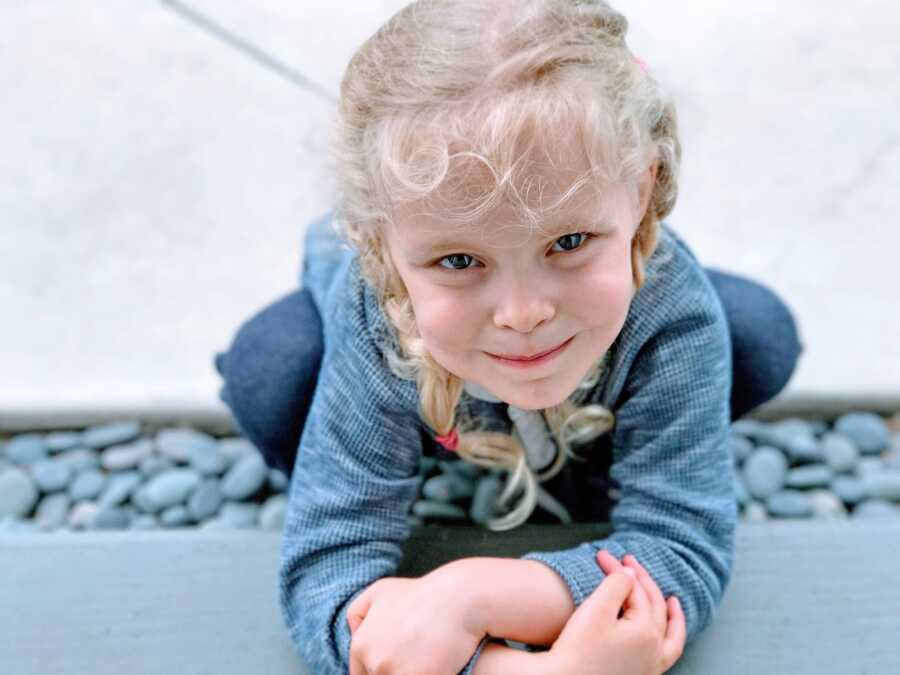
We sang, “You are my sunshine, my only sunshine” one last time. Then we walked away from our baby’s lifeless body, never again able to hug her, kiss her, laugh or cry with her, teach her, learn from her, or watch her blossom into the remarkable young woman we knew she would become. Roxie was gone. And with her, a part of us died too.
It was a perfect Friday morning. The sky was bright blue, the air crisp, a day full of promise. We kissed our little girl on the lips, whispered that we loved her to the moon and back, and watched as she ambled through Live Oaks on a grassy bluff, heading toward her friends waiting for campfire to begin.
Less than an hour later, we released a scream primal in its despair as ambulance doors swung open at the trauma entrance of the very hospital where Roxie had first taken her breath. Her sparkling blue eyes were half-open and dark. Her slender body had bloated nearly beyond recognition. Golden hair that had once gleamed like sunlight now lay stiff and straw-like. Radiant skin had turned waxy-blue. And she smelled of rust, decay, and loss.
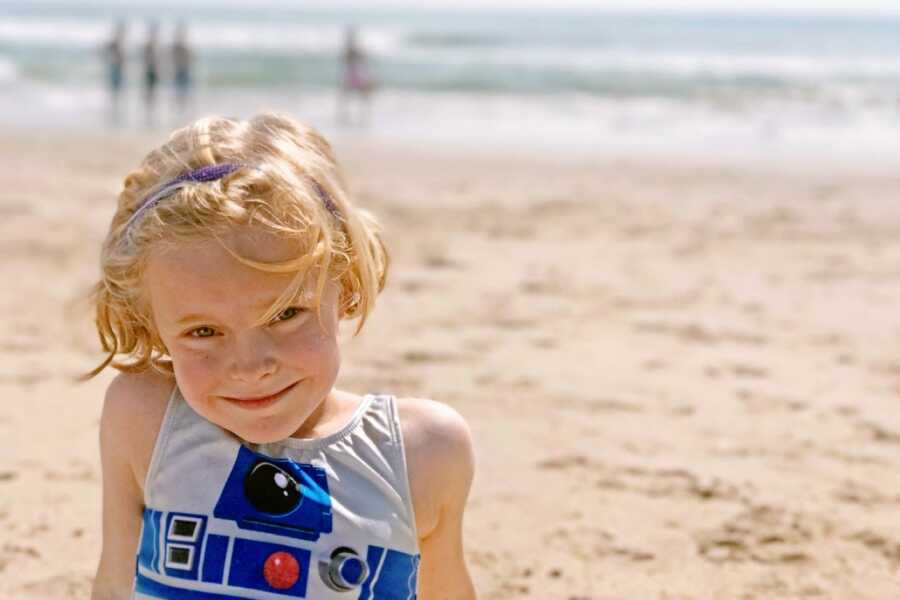
That day, a colossal weight of misery moved into our home, uninvited and unrelenting. No more burgeoning friendships at her Spanish immersion school. No more Go Fish games with Gramma. No more laughter-filled visits with family or friends. No more milk mustaches, bike rides to feed ducks, birthdays, holidays, Mondays, or Fridays. No more quiet conversations about life’s mysteries. No more firsts. No more “Momma.” No more “Daddy.” No more hourly I love you’s. No more parenting.
Before we could even open Roxie’s bedroom door, we clung to a fragile hope. Maybe she was on the other side, carefully clicking Legos together, crafting Cubist-like drawings that made our hearts sing, staging elaborate plays with her tiny plastic cast, whispering voices of endless imagination.
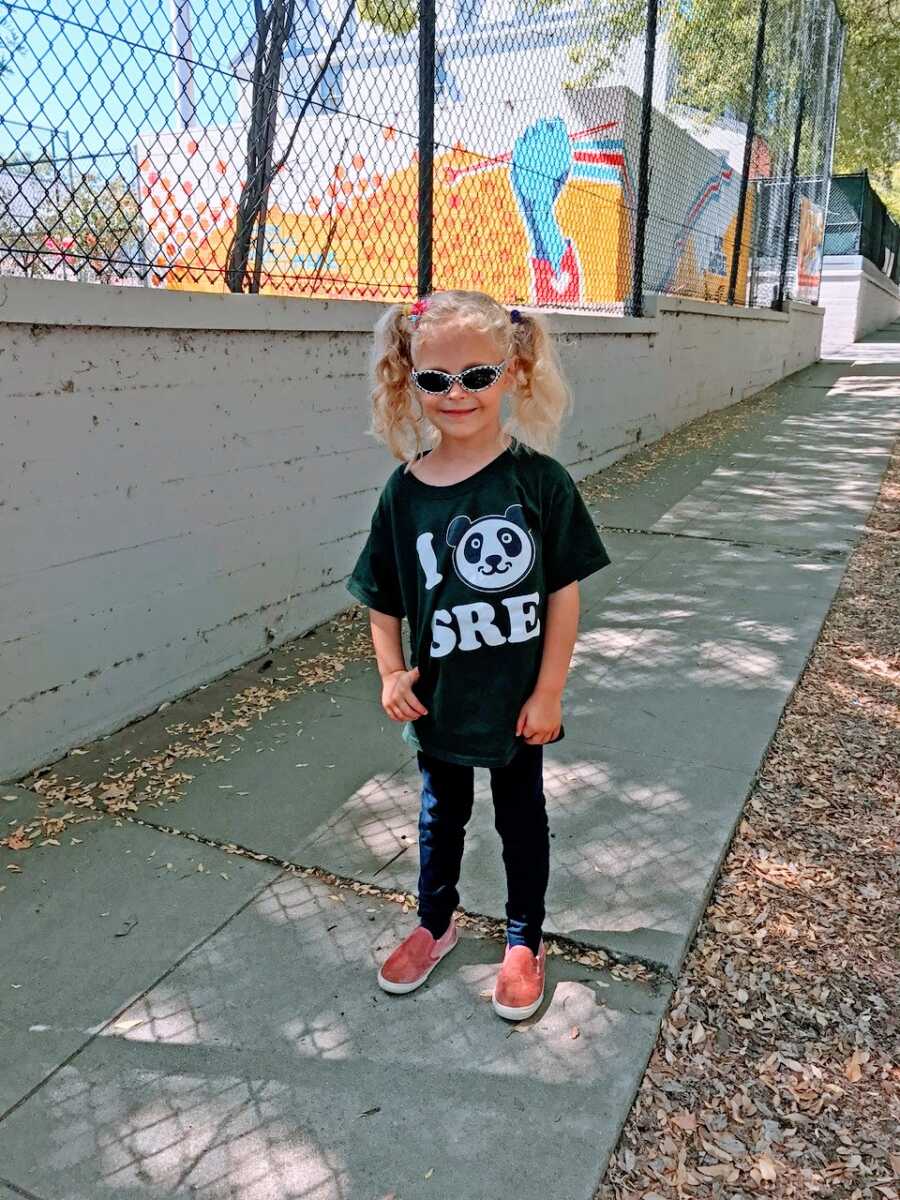
But Roxie was not there. She would never be there. Her trucks, stuffed animals, books, pencils, shoes, hats, and sunglasses—all objects that once held her vibrant spirit—were abandoned, bereft of their favorite companion. The space she animated with her life now held no trace of air, no laughter, no joy. Roxie had given her last breath to the unforgiving waters of a summer camp swimming pool.
What We Learned About Camps:
In America, summer camps are almost a rite of passage. Millions of kids flood into these programs each year, exorcising classroom angst and reveling in freedom. Growing up on the East Coast, we spent our summers at the Jersey Shore, enjoying long beach days with cousins and siblings. We never attended camp ourselves—maybe our parents couldn’t, maybe they wouldn’t have paid. But here in Los Angeles, camp is as ubiquitous as traffic.
By Roxie’s kindergarten year, we were choosing childcare options for summer. Our decision was subtly shaped by social conformity: if everyone else did it, we assumed it must be right. Camps are, in many ways, glorified daycare programs—but unlike regulated daycares, many camps operate with minimal oversight.
Thirteen states allow day camps to operate without a license, nine do not regulate overnight camps. No required background checks. No emergency action plans. No training standards. No lifeguard or CPR certification required. For camps that are licensed, regulations are thin, and faith-based programs often receive exemptions. Parents rarely question oversight because camp feels safe, magical, and fun. But camps are filled with high-risk activities: zip-lines, rock walls, aquatics, firearms, all run with minimal safeguards.
We assumed Roxie’s camp, operating for over 40 years, was licensed and properly managed. We were wrong. When Roxie drowned, the camp continued operations without pause. Health authorities had no immediate power to intervene, and camp owners even prevented parents from taking children home early to “keep things normal.”
What We Learned About Lifeguards:
Roxie had grown up with a pool at home. She was learning to swim, but not yet water-safe. Camp directors assured us that American Red Cross-certified lifeguards would supervise her and teach her safety. But in reality, counselors received a single Saturday of “training,” certified on the spot—a process that cannot meet the Red Cross’s 26–30 hour in-class and in-pool requirements.
Our research revealed the system’s flaws: the camp was a licensed training provider, but oversight was nonexistent. Counselors may not have been able to swim well themselves. When Roxie went under, only one counselor noticed, triggering chaos. With no emergency plan and no proper training, no one knew how to save her. Drowning is silent, fast, and unforgiving. Four counselors watched a pool smaller than our backyard pool—yet none recognized the danger in time.
Roxie’s Foundation:
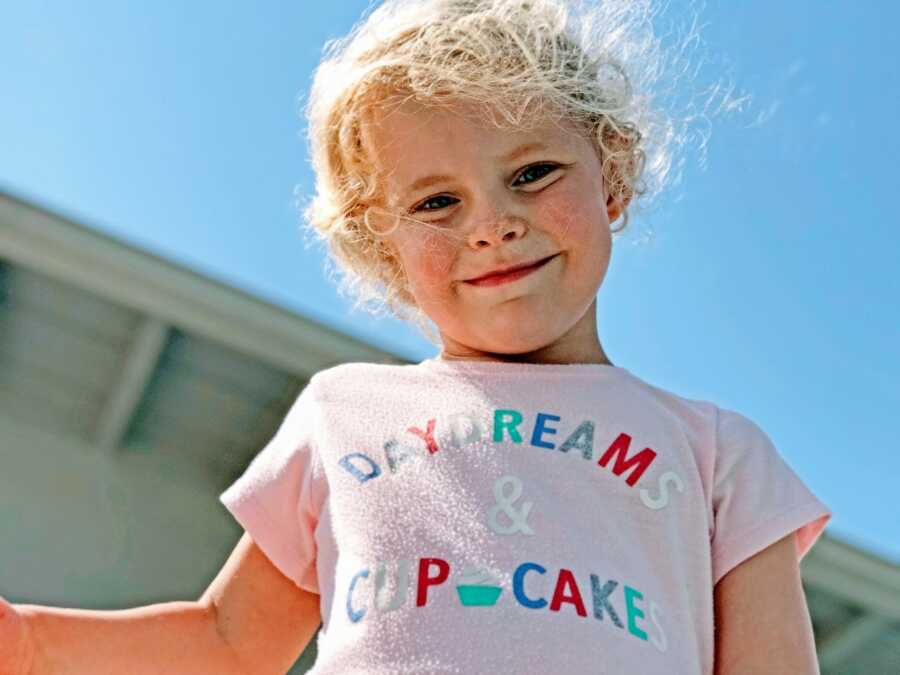
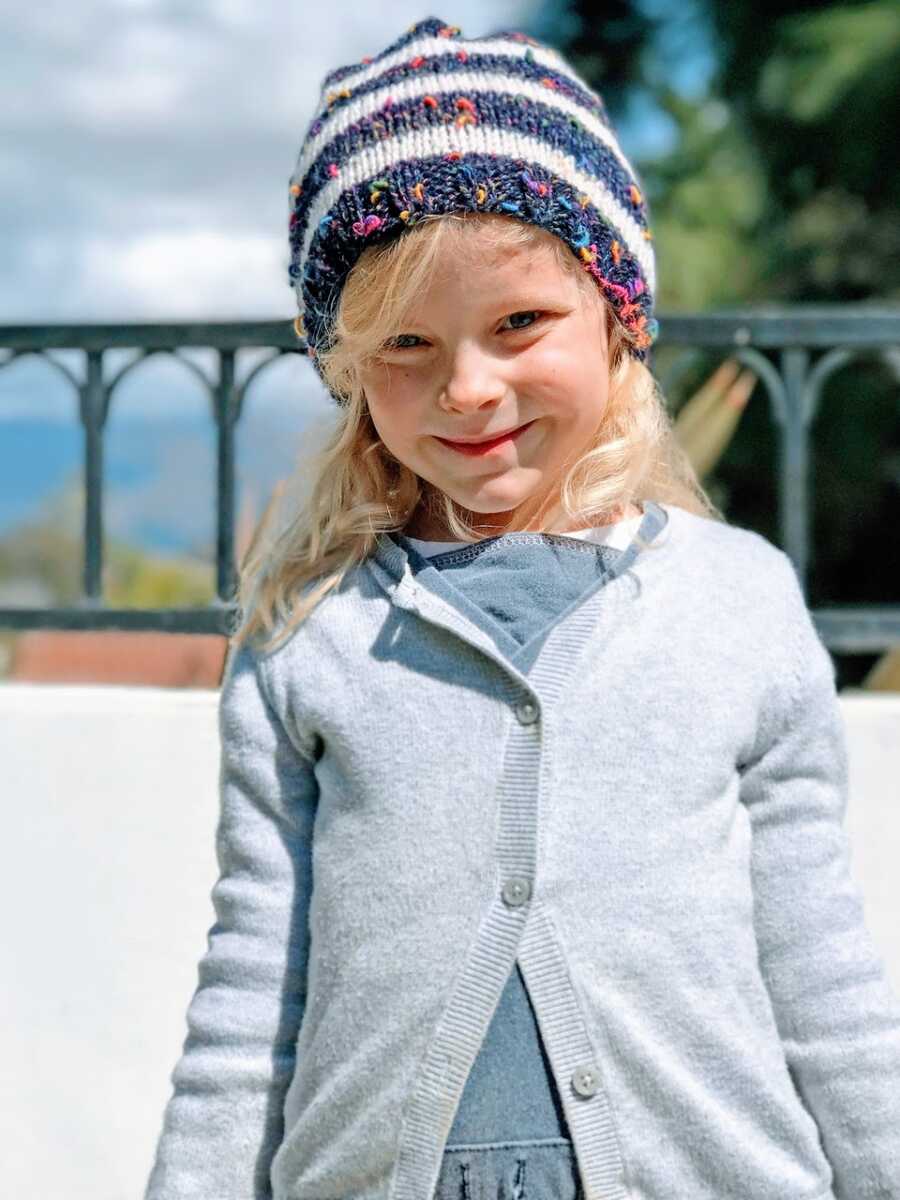
Roxie was a typical child in the best ways: she ran, jumped, danced, sang, laughed, and occasionally tested our patience. She had an endless capacity for love, hugging generously, comforting others, giving joy wherever she went. Everyone who met her—even briefly—felt the warmth she brought into the world.
The day Roxie drowned, three lives ended. A camp failed to keep its most basic promise: to keep our baby safe. We founded the Meow Meow Foundation in her honor, dedicated to preventing childhood drownings and abuse at camps.
We understand the benefits camps can offer—social growth, confidence, adventure. Some camps operate safely, thoughtfully, and with trained staff. But countless others prioritize profit over safety. Through our foundation, we partner with child advocates, psychologists, doctors, and youth experts to provide training, advice, and advocacy to camps and parents alike. But parents must always look beyond convenience, marketing, or tradition, and include their children in the conversation.
Roxie marched for justice, donated her toys to victims of California wildfires, and always rushed to help children in need. Honor her memory by hugging your kids often, telling them you love them to the moon and back, and cherishing every ordinary, precious moment.