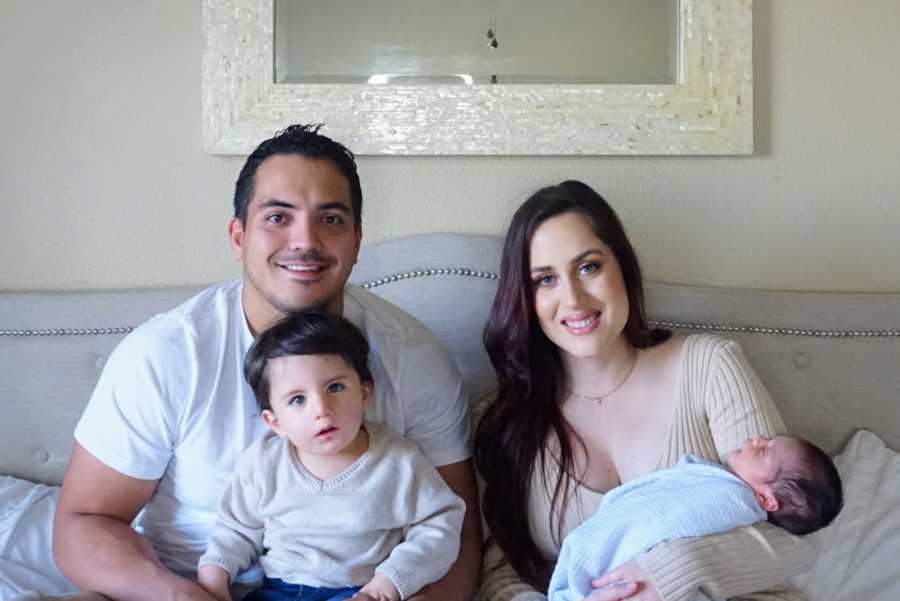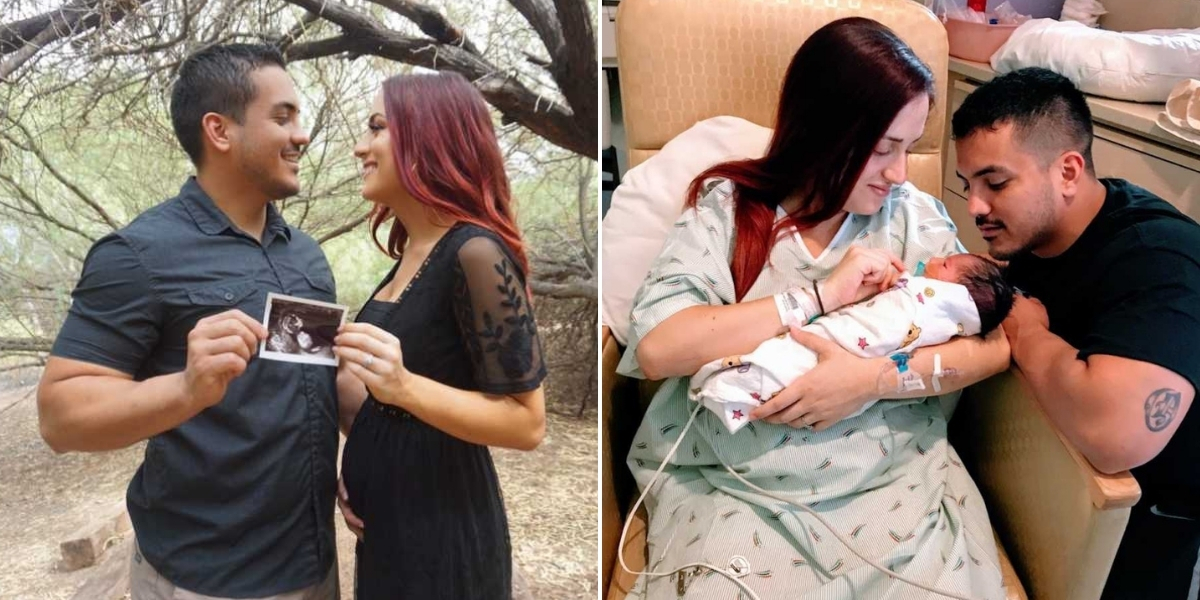
On July 4, 2017, my fiancé and I discovered we were going to be parents. The moment we found out, we were overjoyed—completely ecstatic at the thought of starting this new chapter together. Physically, my pregnancy went smoothly; I had what many would call the ideal pregnancy. But emotionally, it was a rollercoaster that tested me in ways I never expected.
At 20 weeks, we went in for an ultrasound, excited to learn the gender of our baby. But that appointment brought news we weren’t expecting. During the scan, the technician noticed our son had clubbed feet and a hand that looked a little different. As a mom, I couldn’t help but wonder if I had done something wrong—if somehow this was my fault.
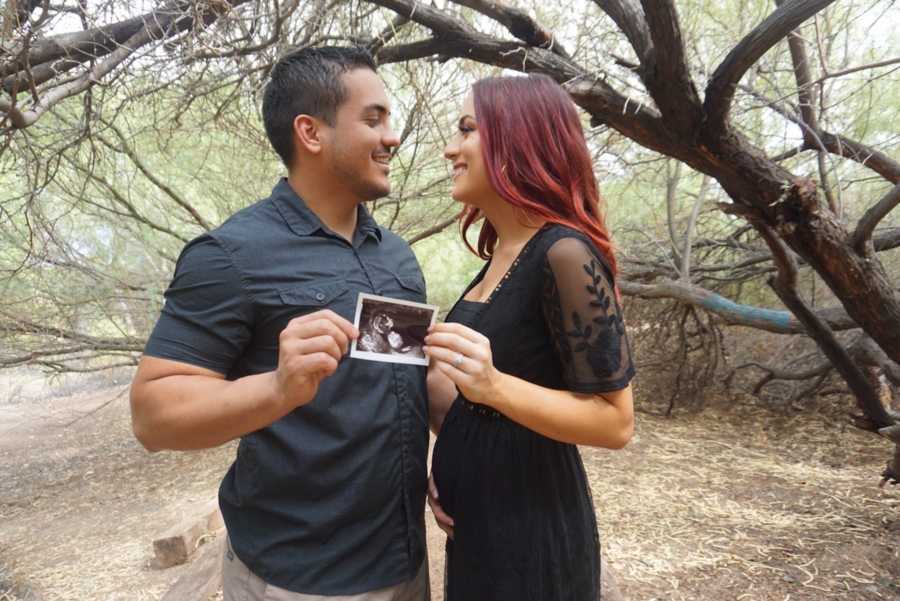
From that moment, my pregnancy became high-risk. Thankfully, with the support of our loving family and friends, I was able to navigate the anxiety and stress. They reminded me that many of these differences are fixable and primarily cosmetic. My fiancé was my rock, always gently reminding me, “It could always be worse.” But little did we know, these early concerns were just the beginning—what truly brought him to the NICU wasn’t his feet or hand.
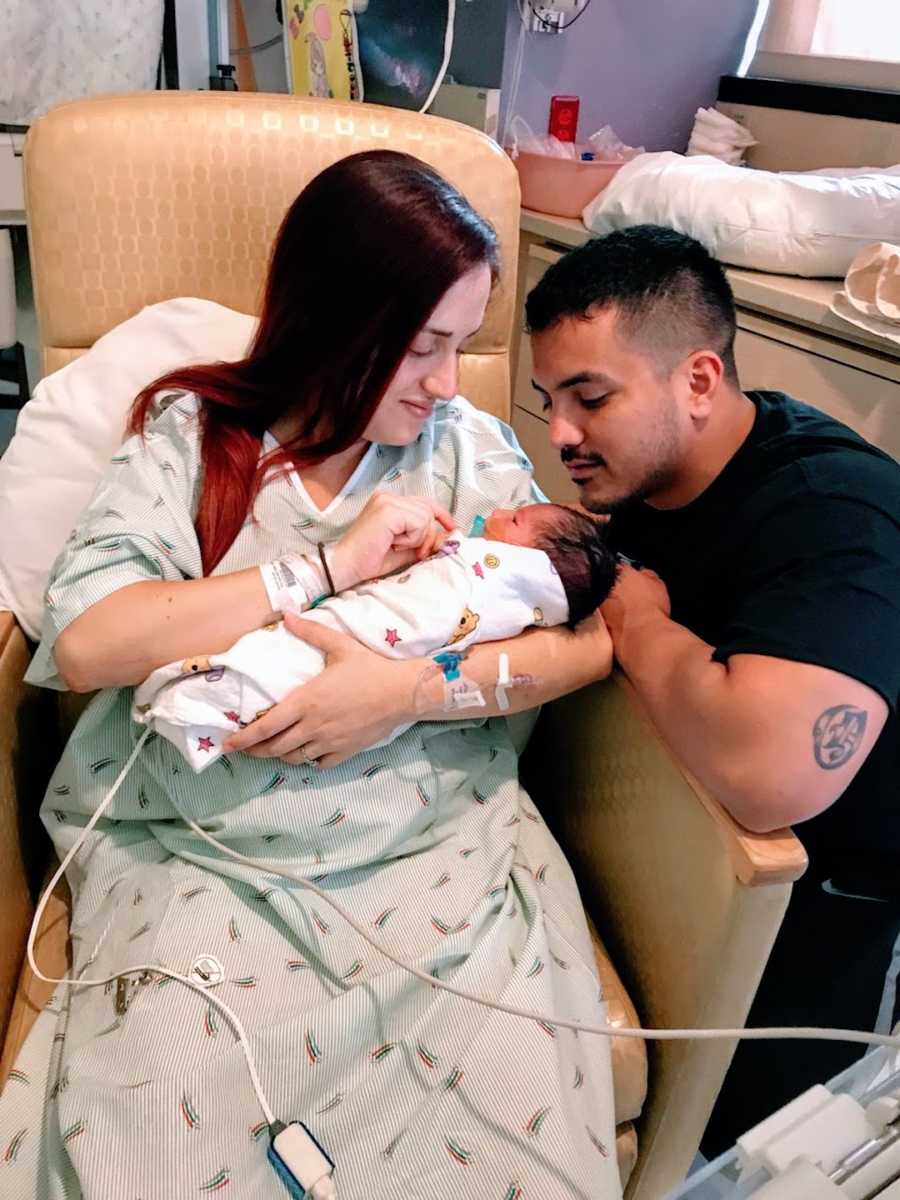
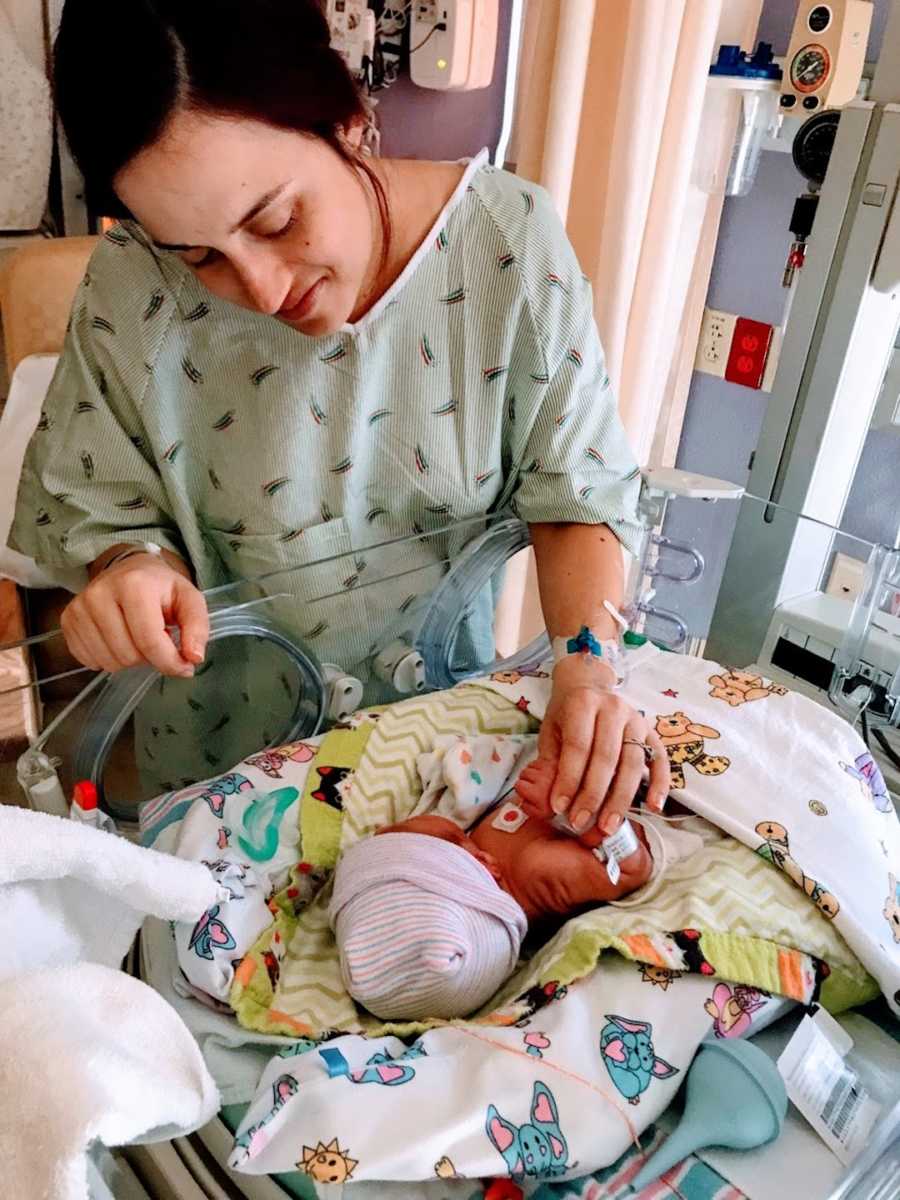
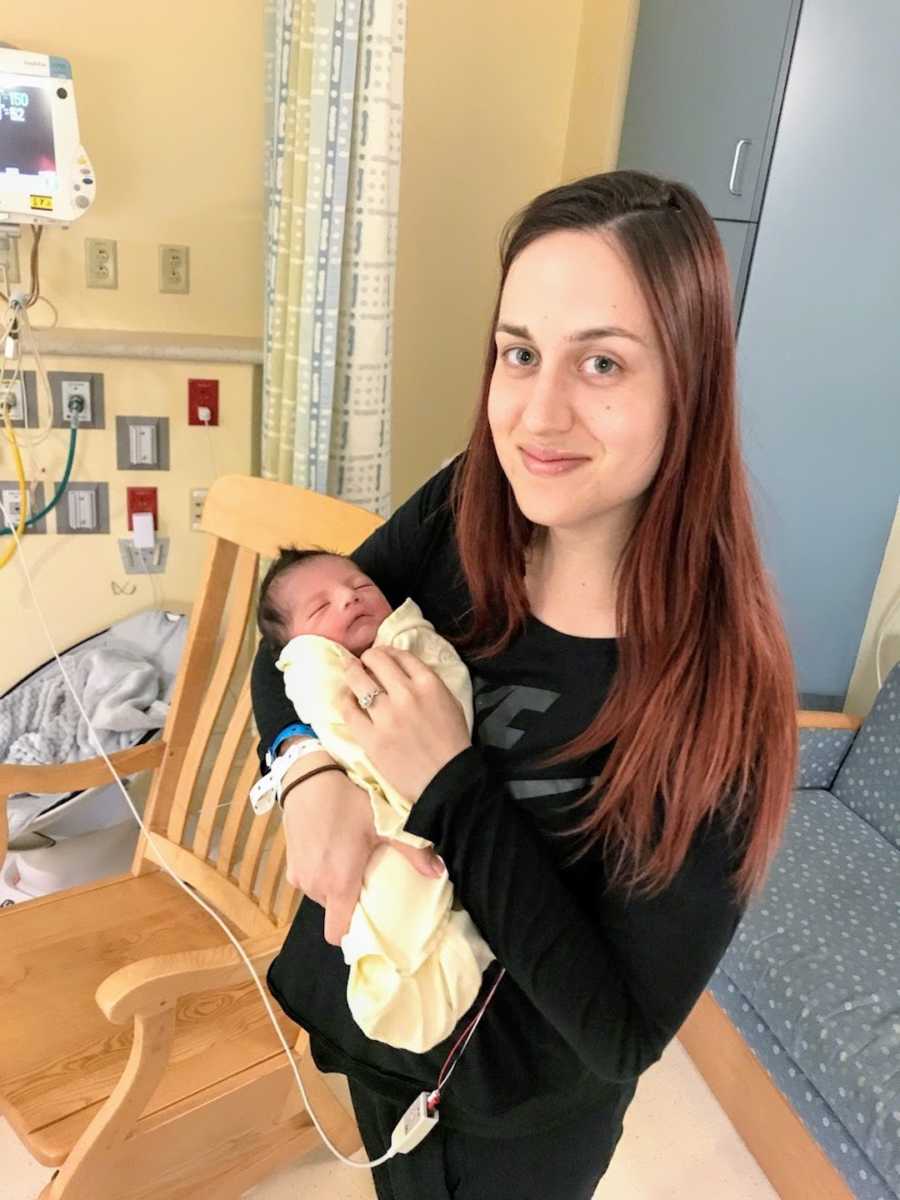
When Tobias was born, the nurses immediately noticed he had a small, recessed jaw, making feeding a struggle. Another wave of worry hit me, but I learned to focus on what could be fixed and, most importantly, on simply enjoying my time with him. Tobias spent 11 days in the NICU, and each day I felt a mix of fear, hope, and the overwhelming love only a parent can feel.
Once we finally brought him home, I began to feel a little more at ease. But when Tobias was six weeks old, I noticed he hadn’t started smiling yet. The pediatrician assured me he would soon, and I did everything I could to encourage it—making silly faces, strange noises, and acting like a “crazy mom” just to see that little grin. But I also noticed something else: he wasn’t blinking. He only closed his eyes when sleeping. People told me not to worry, but my intuition told me otherwise.
At two months old, we had a check-up with his plastic surgeon regarding an upcoming surgery. I mentioned my concerns about his facial movement and lack of blinking. The doctor listened carefully, then shared her thoughts. The words I will never forget came next: Tobias wasn’t going to smile. “So he won’t ever smile?” I asked, stunned. “No,” she said softly. I felt my world collapse in that instant. I had prepared myself for the usual reassurances, not a diagnosis that would change everything I imagined for my son.
Leaving the appointment, I tried to hold back my tears until we got to the car, but I couldn’t. I avoided elevators filled with people to hide my grief. Once alone, I let it out. I cried as Tobias stared at me, innocent and trusting, and I felt both helpless and guilty for my tears. Later, we had to put on a brave face for friends, but the moment we were able, the doctor called back. On speakerphone, she explained her research—Tobias likely had Moebius Syndrome, a rare condition affecting facial muscles and eye movement. My fiancé begged me not to Google it, but I couldn’t resist. As I scrolled through countless faces online, everything clicked—this was exactly what he had.
The first few days after learning about Moebius Syndrome were some of the hardest I’ve ever experienced. I was overwhelmed, crying frequently, and questioning, “Why us?” Yet, standing in my kitchen one day, alone with my emotions, I told myself I couldn’t stay in that despair forever. Slowly, I began to find acceptance and even hope. I wasn’t perfect, and I wasn’t instantly happy, but I started to see that our life with Tobias could still be beautiful.
Time helped too. By the time Tobias turned three, I could speak about his condition without immediately breaking down. Sharing our journey online brought comfort, and connecting with other moms inspired me to start a blog. Over the years, I’ve realized that Tobias, despite not being able to smile in the traditional sense, is one of the happiest, most joyful children I’ve ever known. His laughter fills our home, proving every day that he is thriving in his own unique way. I truly believe God gave us Tobias for a reason, and part of that purpose is sharing his story to raise awareness.
Watching him grow stronger and more confident every day has been incredible. Tobias is curious, lively, and endlessly loving. Since he can’t express emotions through facial movement, he shows joy in countless other ways—through dance, affection, and laughter. His personality lights up every room, and he has an uncanny ability to make others feel happy. We are committed to raising him like any other child, encouraging him to chase his dreams and never to say, “I can’t,” before trying.
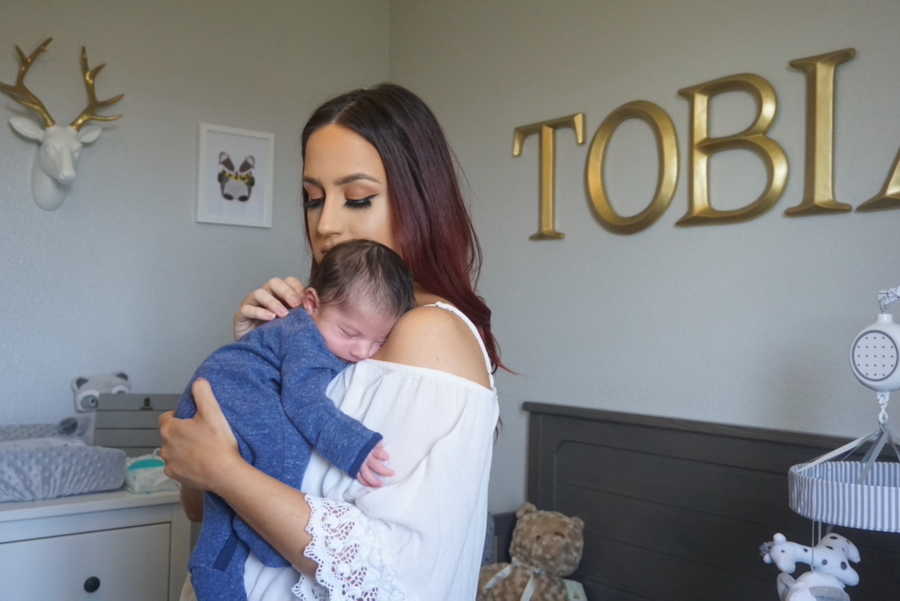
Our fear has never been about Tobias being different—it has always been about how the world might treat him. Inclusion and awareness are deeply important to us. Many people grow up without ever knowing someone with a disability, and first encounters can be awkward. That is why we advocate for understanding, exposure, and kindness. July 24th is Moebius Syndrome Awareness Day, when we wear purple and shine a light on this rare condition, encouraging acceptance for all individuals with disabilities.
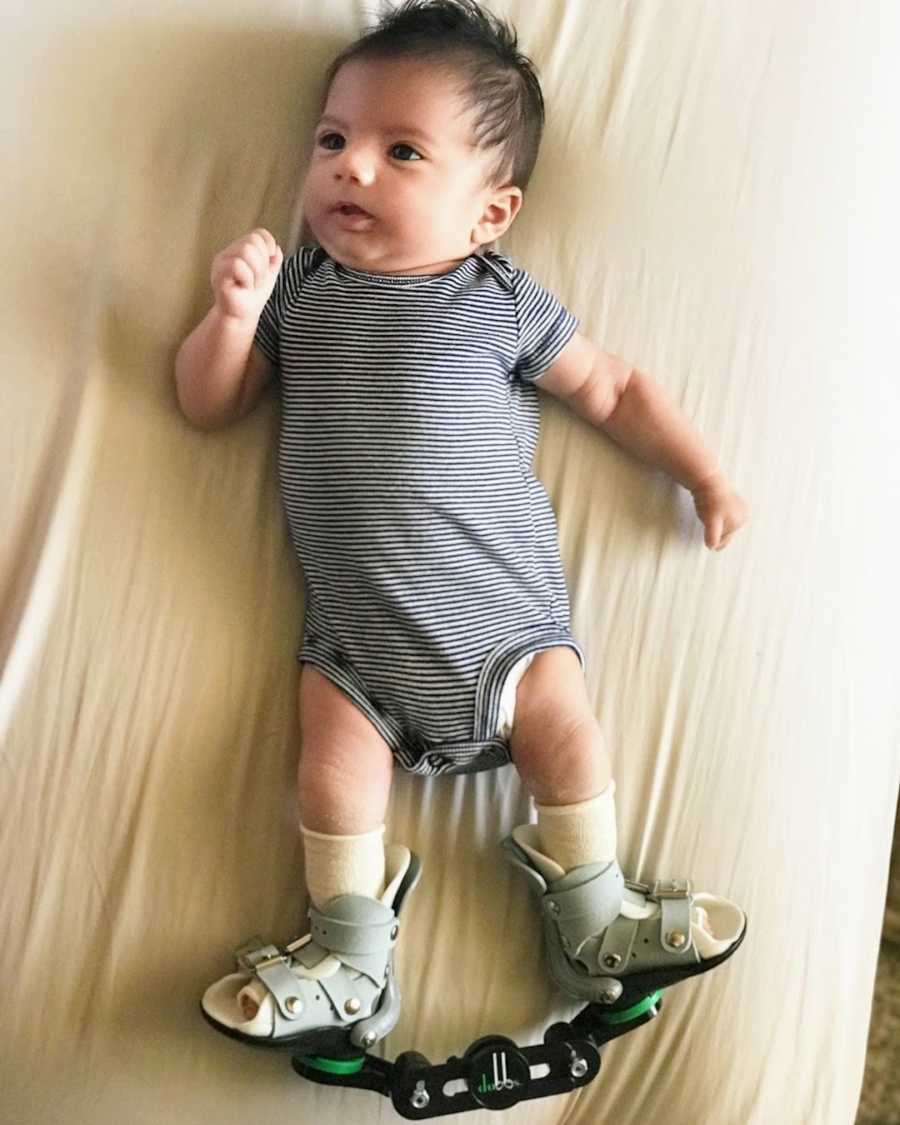
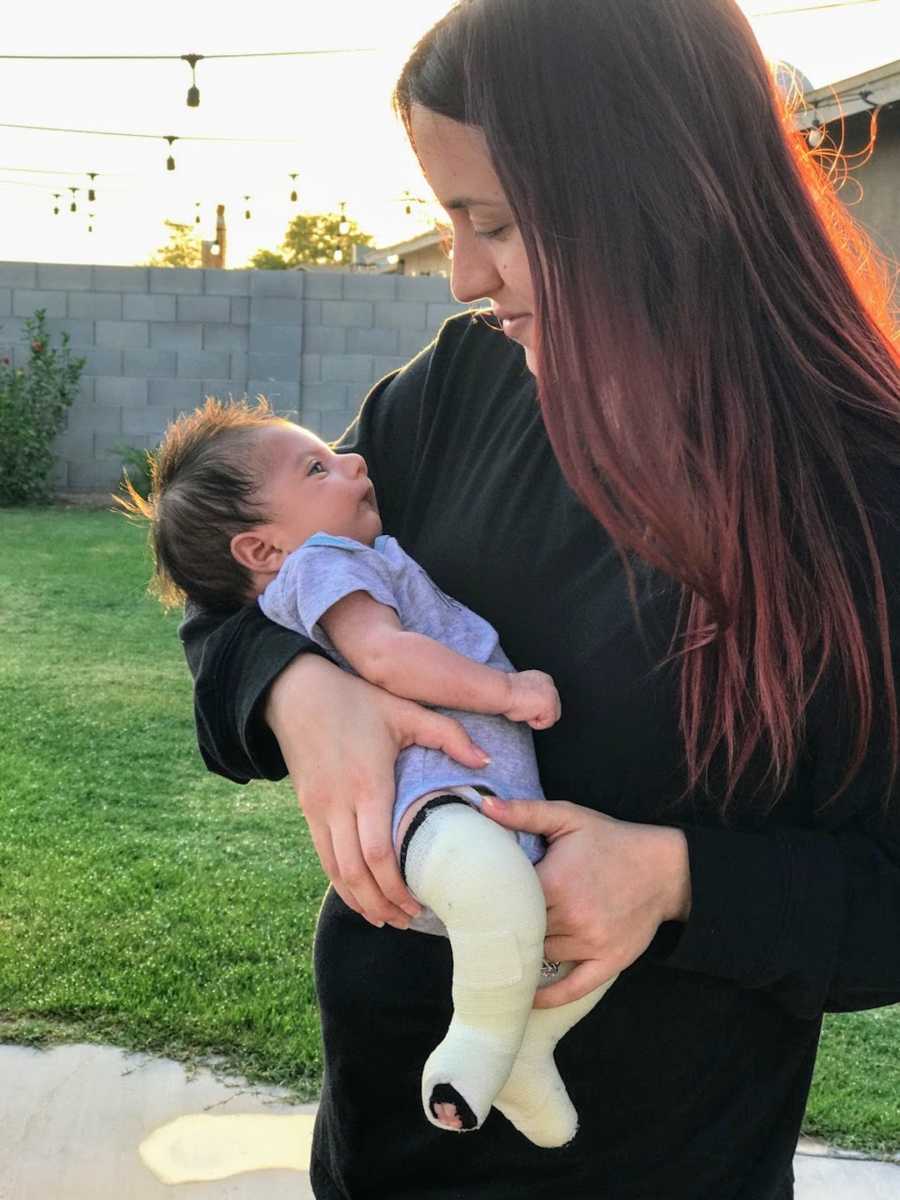
Tobias has clubbed feet, which required casting until he was three months old, followed by medical shoes for correction. One of his hands was smaller with webbed fingers, corrected through two surgeries. He works with occupational and physical therapists to strengthen his upper body and fine motor skills. His eyes cannot move laterally, and he cannot blink naturally, so we use eye drops to prevent dryness.
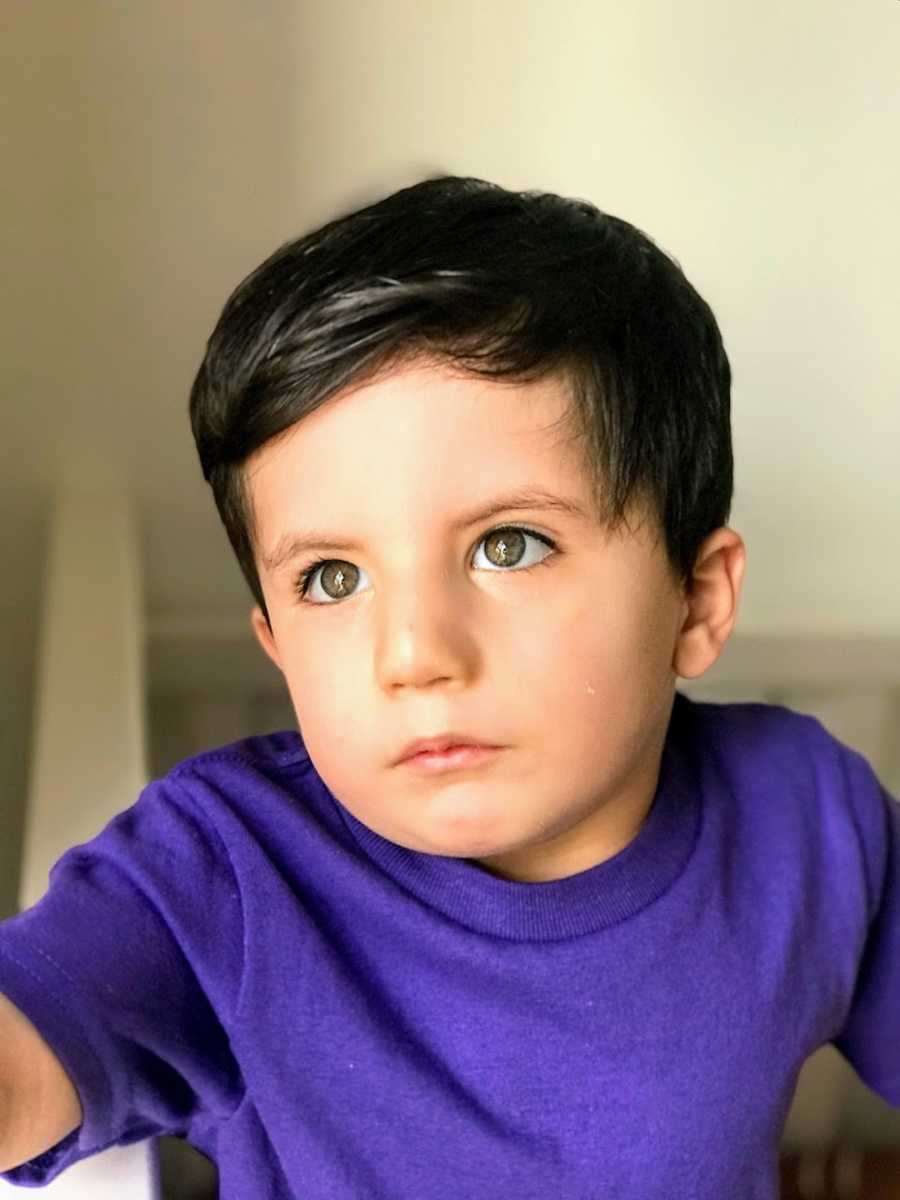
Every milestone he achieves, every laugh, every affectionate gesture, is a triumph. Tobias reminds us daily that joy is not defined by a smile. He is curious, strong, and endlessly loving, and we feel incredibly blessed to be his parents. He teaches us—and everyone around him—that happiness, courage, and confidence come from within, not just from the face we present to the world.