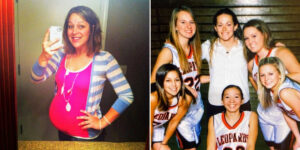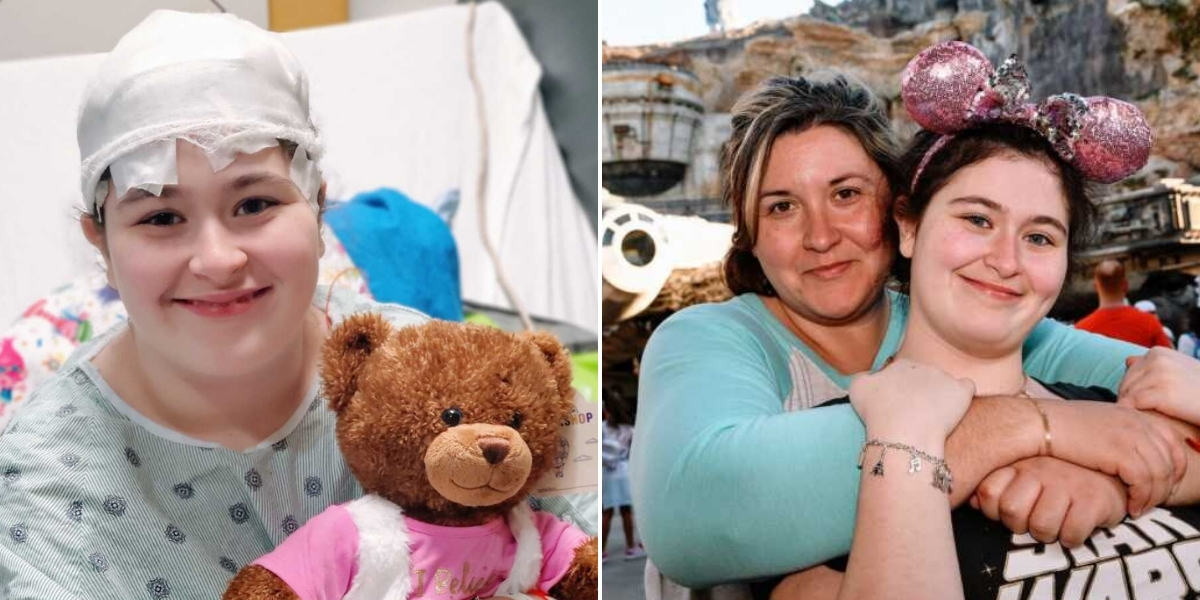
I met the man who would become my husband when I was just 19, and for me, it was love at first sight—truly, no exaggeration. That very day, I ended things with my boyfriend and told this man that our meeting felt meant to be. I promised him that when he was ready, I would be here, waiting. One night, while we were hanging out, I reminded him again. “Waiting for what, exactly?” he asked. I smiled and said, “To start our lives together. We’re going to get married and have a daughter. I see it clear as day.” It was strange to me too, because until that moment, I’d never really thought about children. But somehow, I just knew we were going to have a family. He, being the thoughtful man he is, realized I was right, and that’s how our life together began.
Not long after, I discovered I was pregnant. I had always imagined having a child with him, but I never expected it to happen so soon—or that it would be me carrying the baby. For years, doctors had warned me that due to severe endometriosis, conceiving a child might never be possible. The excitement of the pregnancy quickly turned to fear when my body began to reject the baby. Every time I stood up, I started bleeding. At the emergency room, doctors told me I had lost the pregnancy and would need a D&C immediately.
I wanted to consult my own doctor first, and as luck would have it, he had privileges at that hospital. Hours passed, and the ER doctor grew impatient. I reluctantly agreed to proceed. Moments later, my doctor arrived, reviewed my tests, and insisted on doing the procedure himself. Just as I was about to be put under, he rushed back into the room, shouting that the ER doctor had read the reports wrong. I was still pregnant—our child was viable. It was nothing short of a miracle.
The remainder of my pregnancy was a constant battle to prevent preterm labor. I wasn’t worried, though; I knew my daughter would be born on November 3rd. Everyone laughed at me, saying babies come when they want, not according to someone’s prediction. But I was right. On November 3, 2005, I gave birth to Scarlett, a beautiful baby girl weighing 7 lbs. 1 oz. The delivery was difficult; my doctor called it a “precipitous birth,” a rapid labor that comes with serious risks. Scarlett hadn’t had time to properly position herself in the birth canal, and her tiny hand pressed against her skull caused a Sub-arachnoid Hemorrhage. I also tore badly, which meant Scarlett was only brought to me for feedings while I recovered.
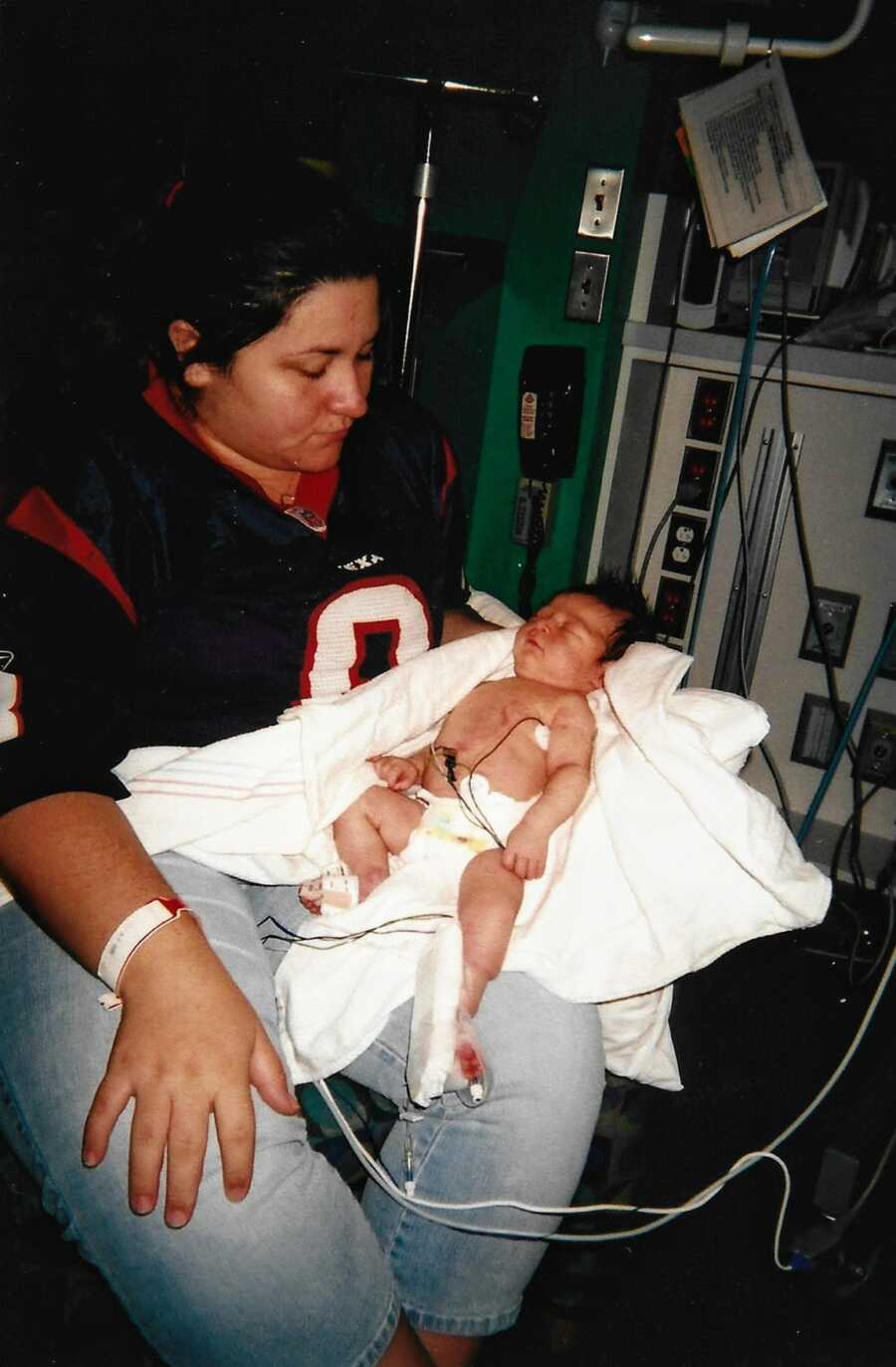
The day after her birth, Scarlett began having near-constant tonic-clonic seizures. She was rushed to Texas Children’s Hospital, where she endured spinal taps, MRIs, CAT scans, and medications like Phenobarbital. The joy of being first-time parents was overshadowed by fear. Weeks later, she was stable enough to go home, but we were given no real answers—only vague explanations and warnings to watch for seizures or delays. Looking back, we were naïve, but it was standard protocol.
Scarlett was a happy, loving baby who adored music and outdoor play. She self-soothed by humming and explored everything around her. Yet by 18 months, she still wasn’t walking or talking. We advocated for her, arranging speech, occupational, and physical therapy. By 23 months, she was walking and saying a few words—a huge relief.
In kindergarten, her teacher noticed that Scarlett was charming others into doing her work and recommended further testing. The results revealed a severe developmental delay, and Scarlett was placed in the Life Skills Program, which goes beyond standard special education. By sixth grade, her behavior had been challenging, described by teachers as “feral,” until finally, we met a teacher who truly connected with her.
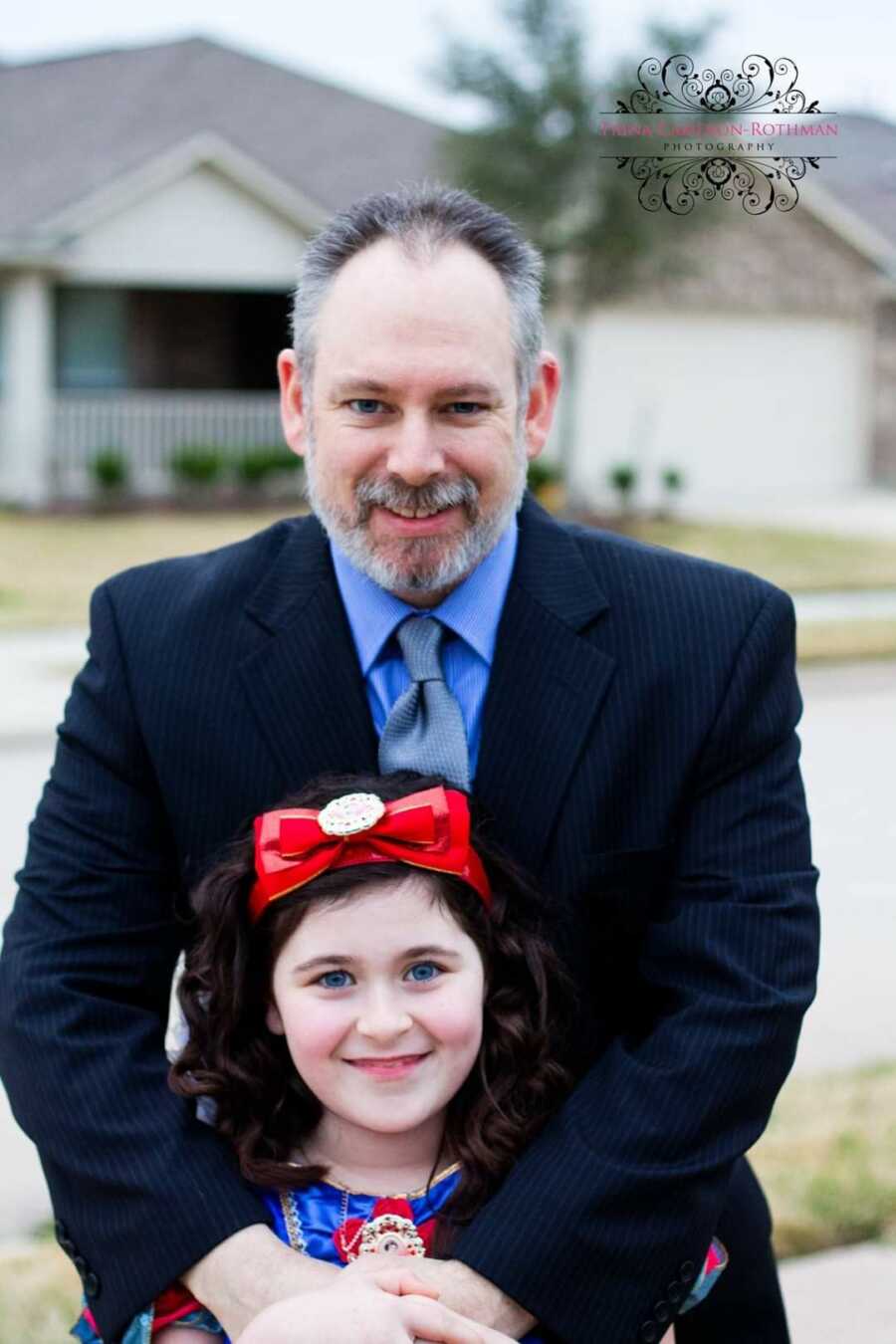
On the Fourth of July in 2019, Scarlett suffered a frightening seizure at home. Two weeks later, another seizure caused her to hit her head. From that point, seizures became nearly routine—devastating, oxygen-depriving events that required immediate intervention. The seizures were relentless and dangerous, leaving us constantly on edge.
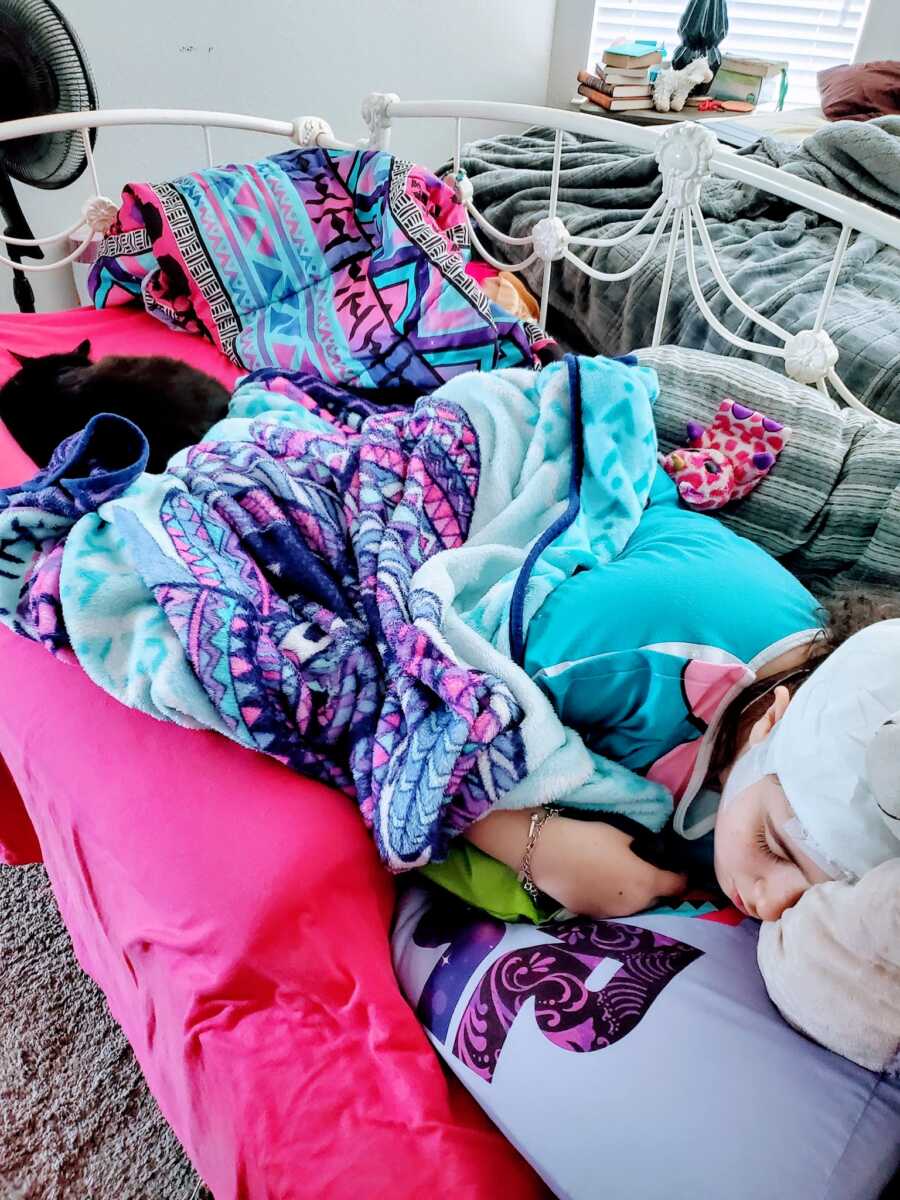
By her 14th birthday, Scarlett’s social circle had dwindled, leaving her feeling isolated. We adapted, turning a missed party into a day at the Renaissance Festival, where she could shop to her heart’s content. On December 23, 2019, after a grueling 23-day hospital stay, Scarlett finally received a diagnosis: Left Temporal Lobe Epilepsy with Focal-onset seizures. With new medications and rescue interventions, she could come home for Christmas, though she remained largely isolated due to her condition.
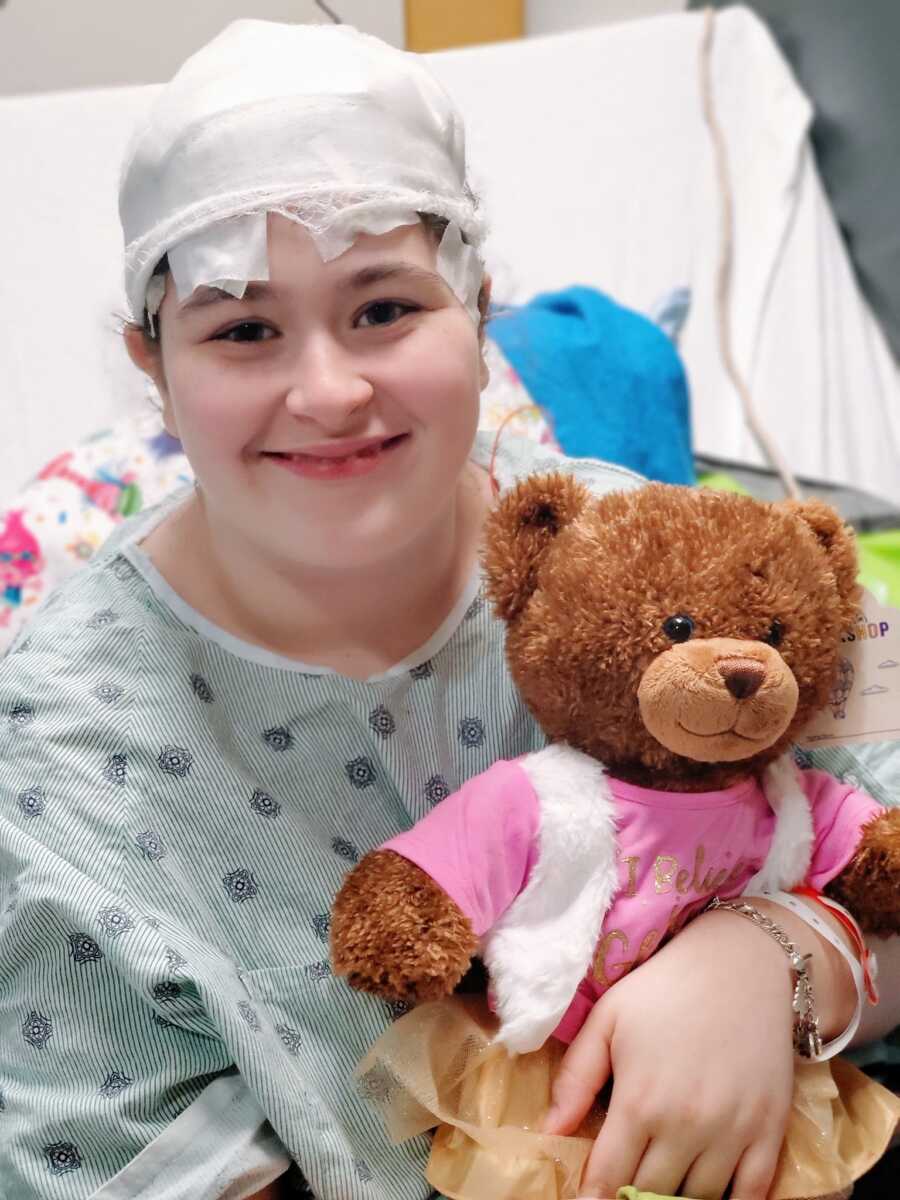
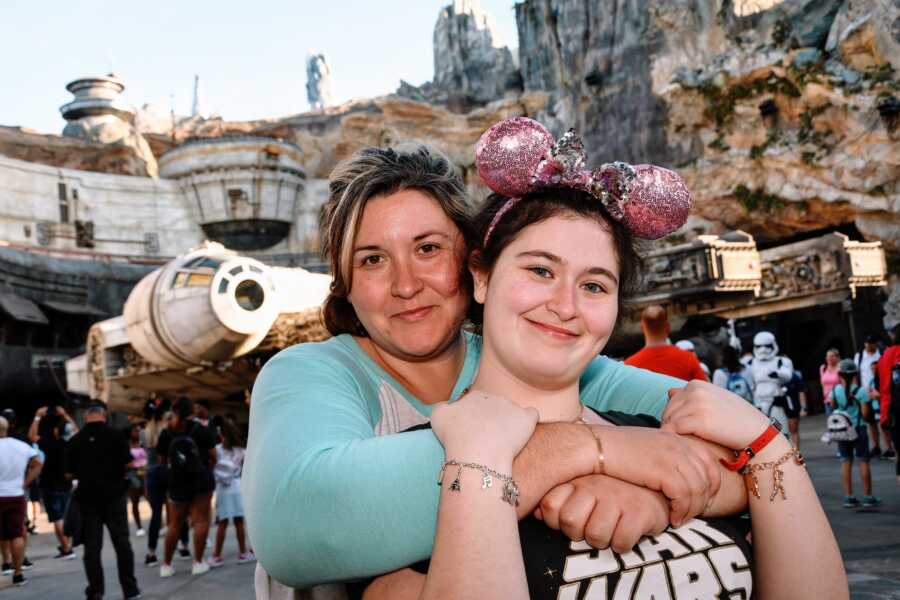
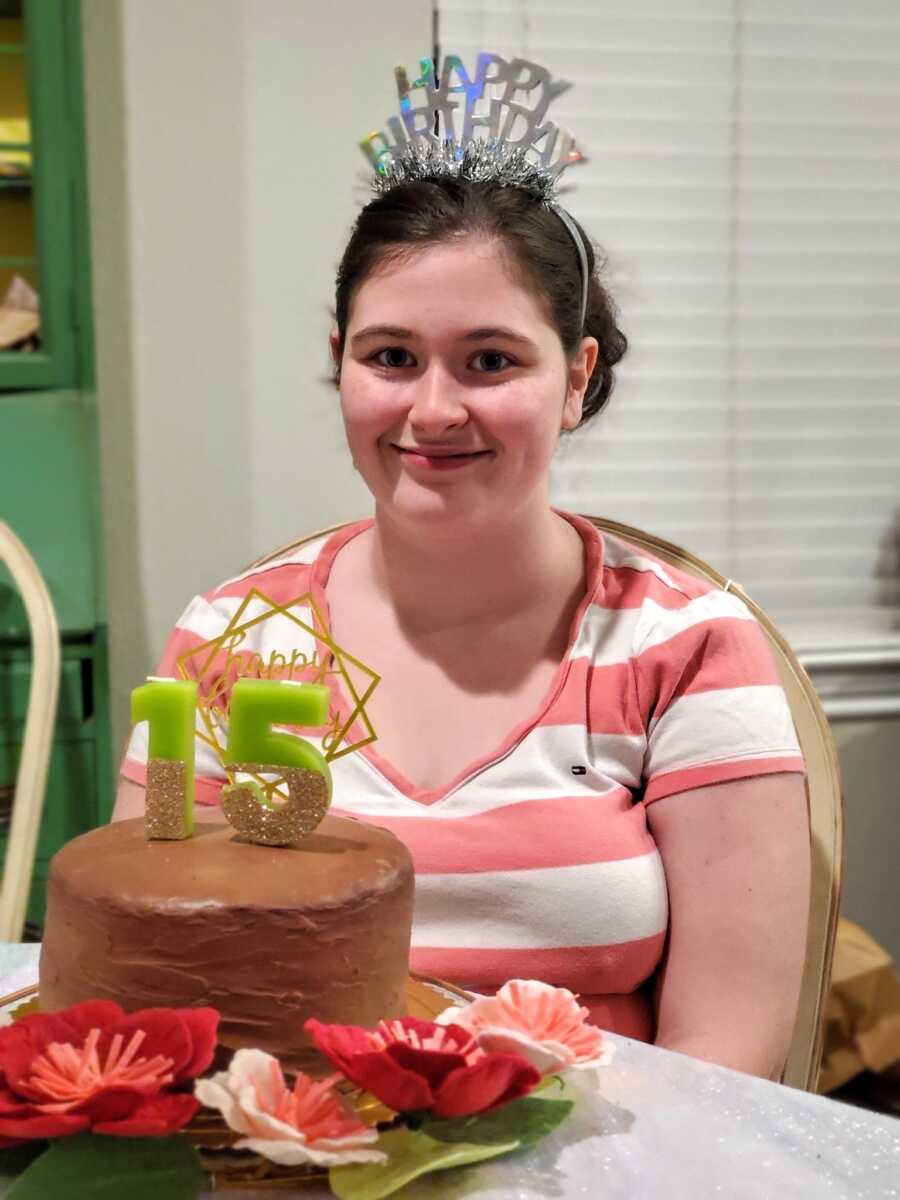
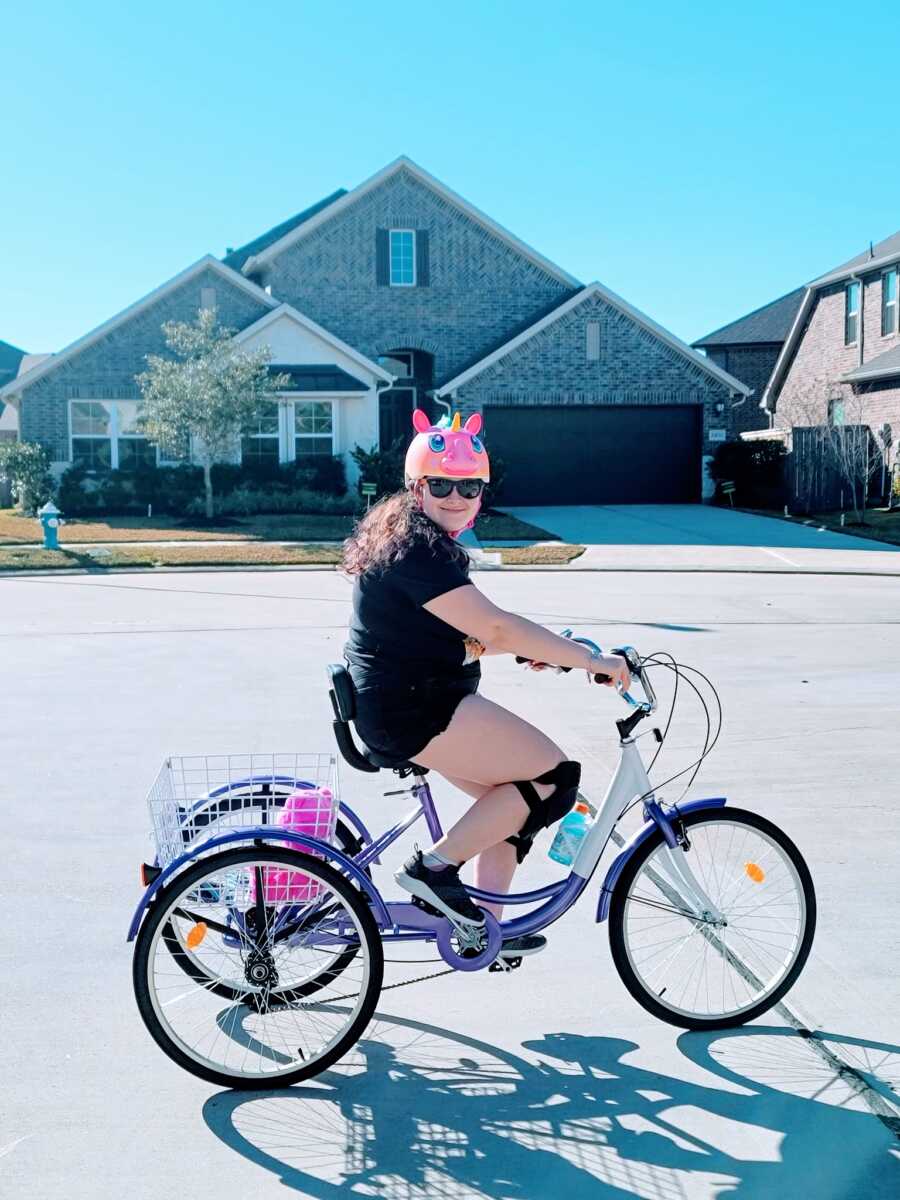
When her 15th birthday approached, pandemic restrictions kept us from hosting a party. She asked for a purple bike, and we made it a joyful day despite the circumstances. By the time her 16th birthday arrived, Scarlett wanted to invite everyone—including those who had distanced themselves due to her seizures. I feared disappointment and posted my feelings on my blog, expecting no response. But friends, old and new, reached out immediately, offering to help. Angela, a friend I barely knew, insisted on planning a Sweet 16 for Scarlett, no effort required from me.
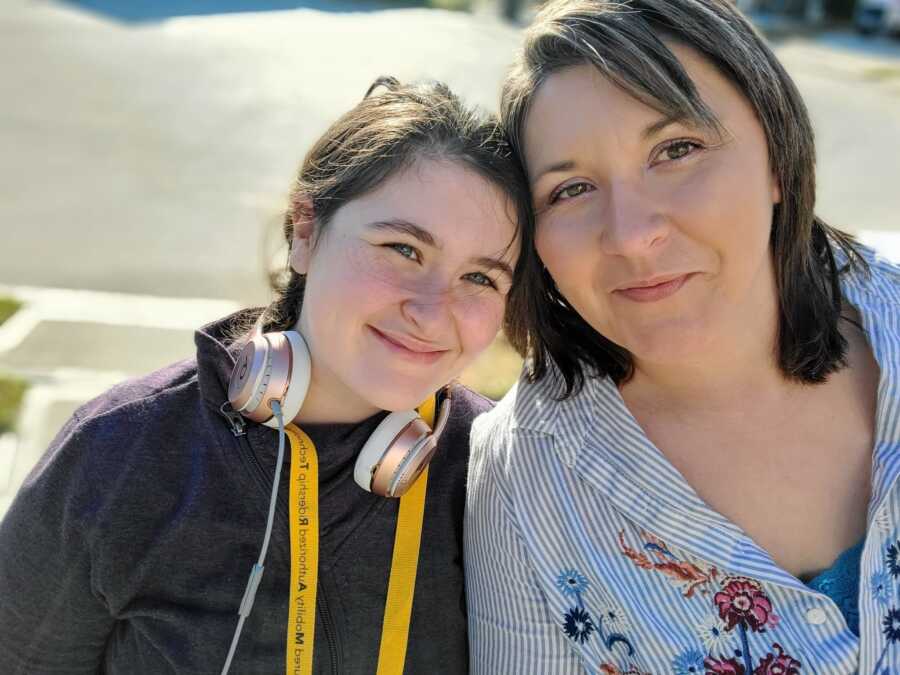
The party was a magical, Halloween-themed Disney celebration. Scarlett entered Angela’s house, awestruck, and discovered that this was her Sweet 16. Friends, family, and even strangers were there, sharing joy and love. For me, it was transformative. After years of fighting for my daughter, facing isolation, and guarding my heart against disappointment, I realized the power of kindness and community. That day, both Scarlett and I felt profoundly loved.
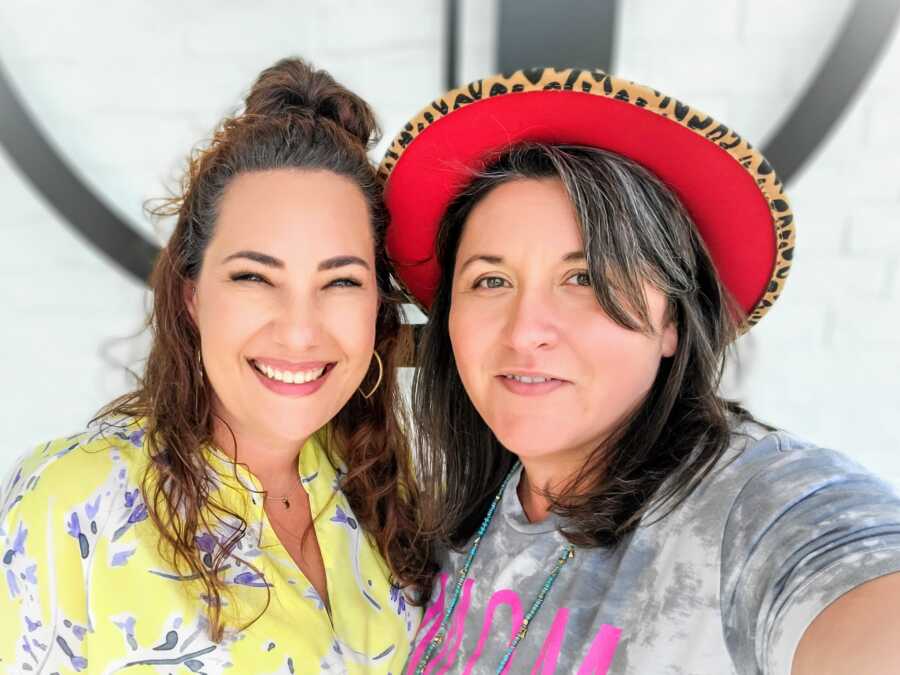
To anyone who knows a family with a medically fragile child: abandoning them because you don’t know what to say is deeply hurtful. Special needs parents aren’t asking you to fix their problems—we’re asking for friendship, understanding, and presence. Your compassion, your questions, your willingness to simply be there, can mean the world. Our children are not defined by their conditions; they are defined by love, resilience, and the people who stand by them.