I always knew my son, Owen, was a little different, but it wasn’t until early 2020 that we began to understand why he wasn’t developing like a “typical” preschooler. Looking back, the signs had been there all along, but the answers only started to come together slowly, piece by piece.
March 7, 2017, is a day I will never forget—the day I became a mother for the first time. After more than 30 hours of labor, I welcomed a beautiful baby boy who weighed just shy of nine pounds. He was perfect in every way… until things started to feel imperfect. From the very beginning, nursing was a struggle. Owen had difficulty gaining weight, and no matter how often we visited the doctor, he always seemed to fall lower on the growth charts. Each appointment left me feeling defeated. I blamed myself, wondering if I was failing as a mother. I was a stay-at-home mom, and somehow I felt that ensuring my baby’s health and happiness was entirely my responsibility. “What am I doing wrong?” I would ask myself, “Why am I not enough?” These thoughts haunted me through Owen’s first year.
By his first birthday, I began noticing patterns that didn’t match the developmental milestones I read about in every parenting book and blog post. Owen remained underweight, and he recoiled from hugs or touch. He didn’t do the typical toddler things—clapping, waving, pointing at what interested him. When I mentioned my concerns to his pediatrician, he reassured me it was nothing to worry about and gently told me to stop relying so heavily on Google.
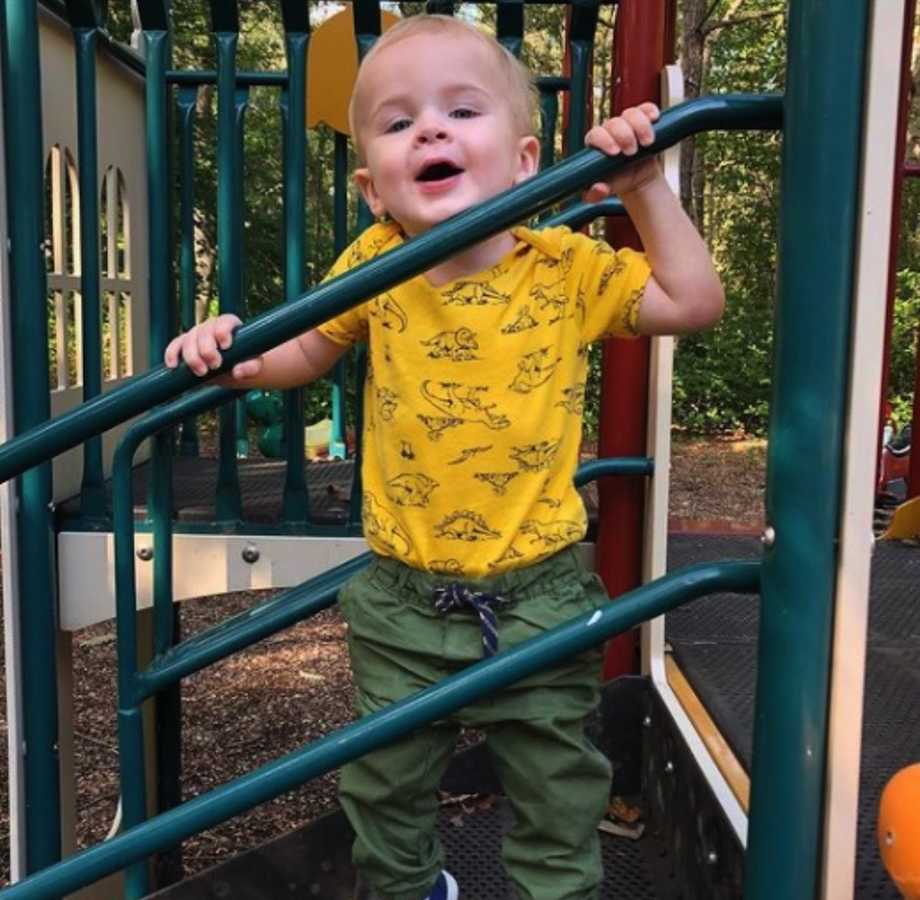
As Owen grew into toddlerhood, our concerns only grew. He developed intense fixations on seemingly ordinary things—the texture of a hairbrush, the feel of clothing tags, even the sound of our dog’s collar as it moved in a certain way. Social interaction held little interest for him; he preferred sitting alone, lining up his trains and cars with painstaking precision. If he invited us to play, it was merely for us to observe. Any attempt to move his toys or change his setup triggered frustration, tears, and screaming.
Around Owen’s second birthday, we brought up these behaviors again with his pediatrician. Once more, we were told it wasn’t a cause for concern. When I asked if he might have autism, the doctor replied, “He’s not autistic; his speech is too good.” And indeed, Owen’s speech was excellent. How could I question a doctor?
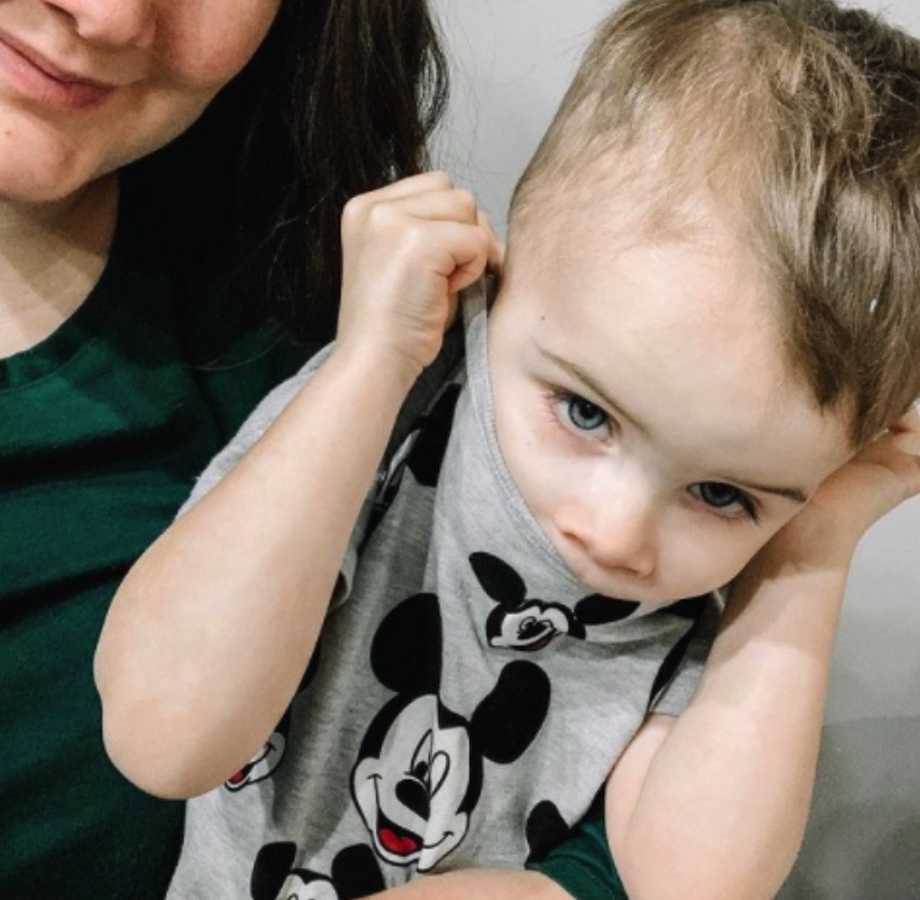
A turning point came when my husband began a new job as a pediatric emergency department RN, which required us to change insurance. We found a pediatrician we trusted—one who actually listened. I shared everything we had observed, from Owen’s aversion to crowds to his reactions to bright lights and loud, abrupt sounds. These sensory experiences could overwhelm him to the point of complete shutdown, leaving him curled up, ears covered, and withdrawn from the world.
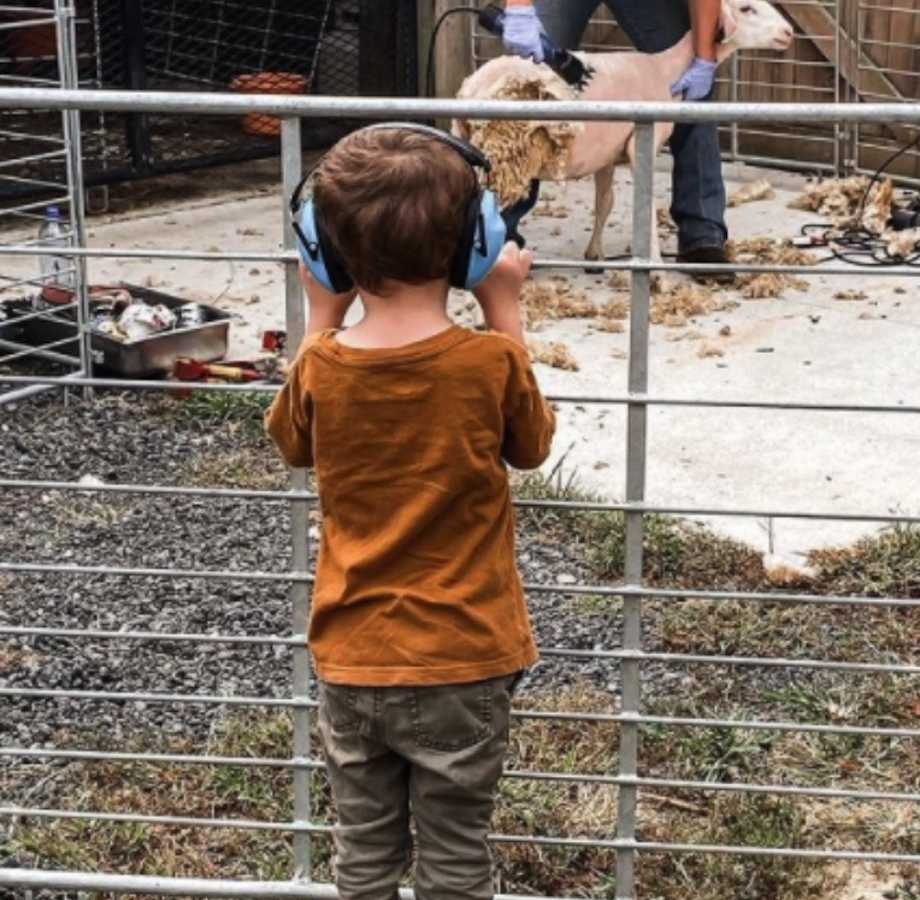
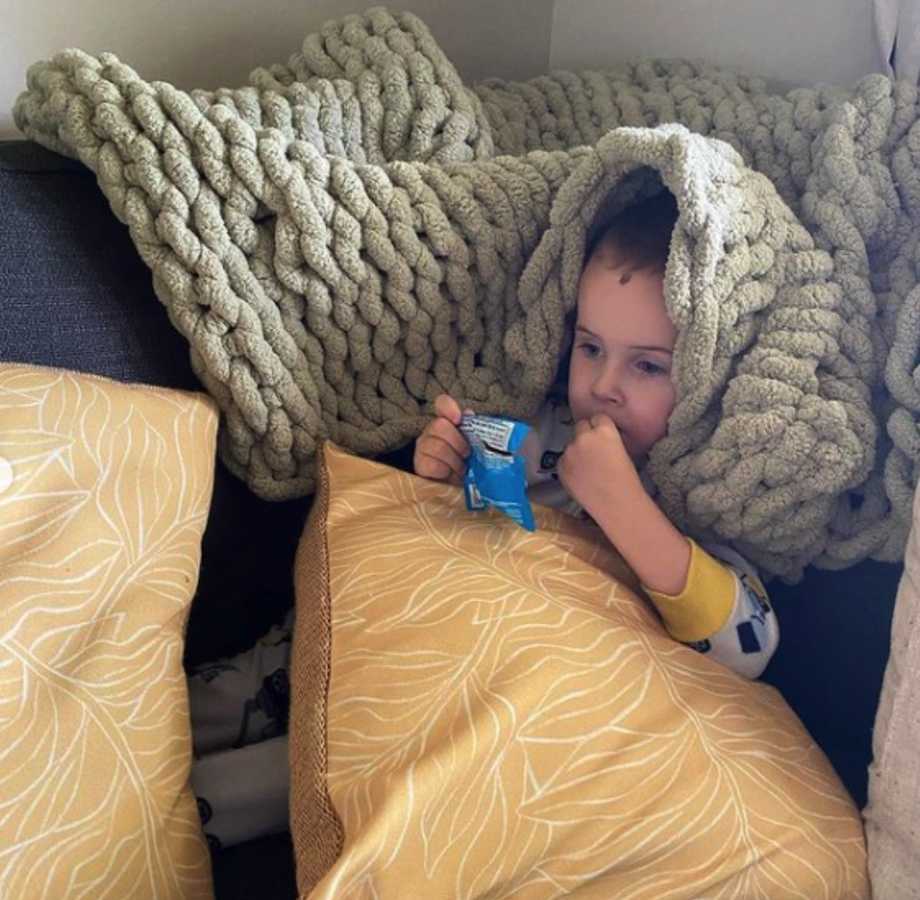
I remember one Sunday when we took a drive to a local sheep farm and craft market. We had hoped for a fun family outing, but it quickly became a vivid example of Owen’s struggles. While he enjoyed watching the sheep, the noise, the crowd, and the sheer number of stimuli were too much. Our usually intelligent and joyful little boy seemed like a shell of himself. He sat on the ground, covered his ears, refused touch, and just wanted to go home. These sensory overloads weren’t rare occurrences; they often left him hiding under a blanket until bedtime, emotionally drained for the rest of the day.
After hearing our concerns, our pediatrician recommended getting multiple opinions but felt confident in diagnosing Owen with Sensory Processing Disorder (SPD). She also referred us to a specialist for an Autism Spectrum Disorder (ASD) evaluation. Though I knew little about SPD or ASD at the time, she provided referrals, set up occupational therapy appointments, and guided me to resources to better understand Owen’s needs.
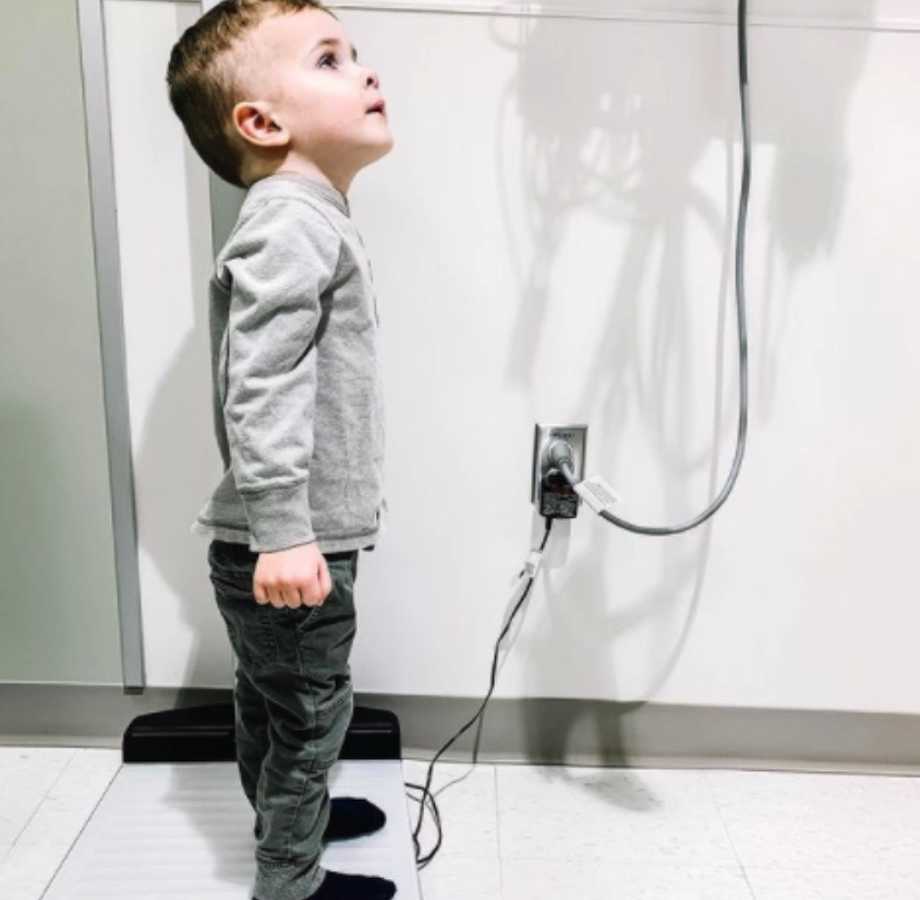
March 2020 was when our journey with appointments and evaluations officially began, right after Owen turned three. But then, COVID-19 shut everything down, halting progress and adding a new layer of uncertainty. We eventually had a telehealth appointment with a developmental-behavioral pediatric specialist, who took the time to truly understand Owen—quirks, intense interests, and all. He had an encyclopedic knowledge of dinosaurs for a three-year-old, particularly the pachycephalosaurus, and this doctor recognized the uniqueness in his mind. Through this process, Owen received a preliminary ASD diagnosis, confirmation of SPD, and a referral to evaluate for ADHD.
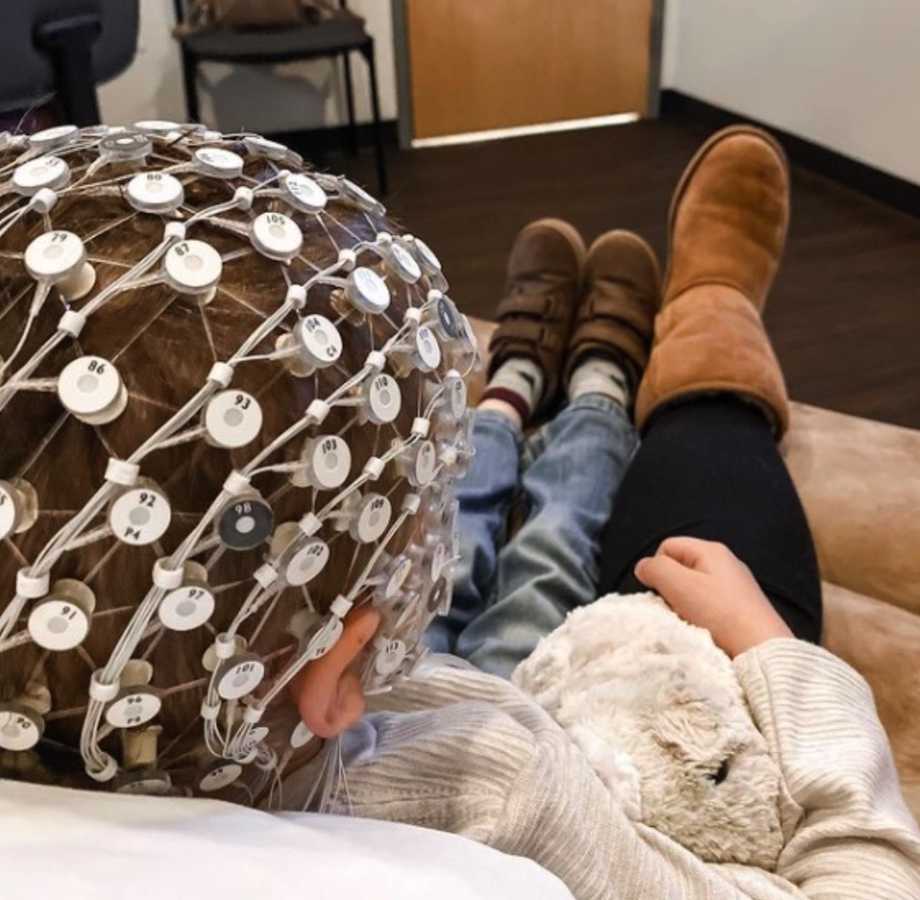
Finally, a sense of relief and clarity came from having professionals truly listen to and support us. Since then, Owen has been receiving occupational therapy, undergoing an EEG to rule out seizure activity, completing ADOS testing to confirm his ASD diagnosis, and exploring therapies to help him regulate emotions and impulses. Navigating all of this is overwhelming on its own, but doing so during a global pandemic added challenges no parent could have anticipated.
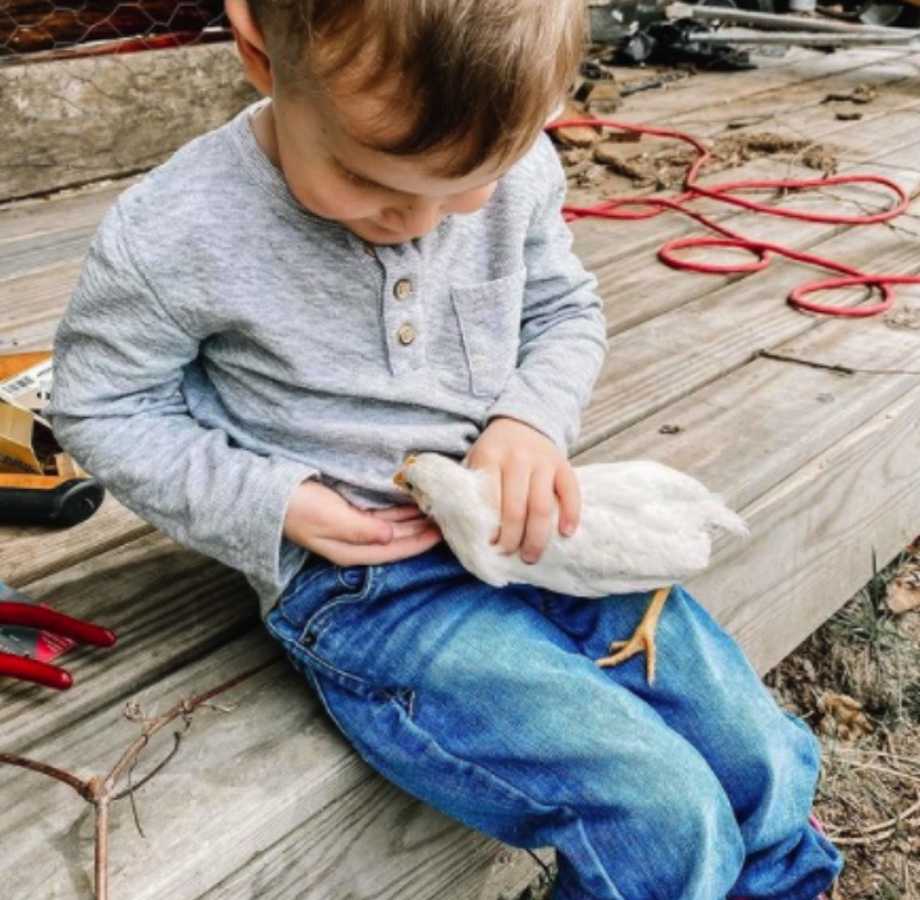
Now, with resources and education in place, our daily life feels far more manageable. Owen is less anxious thanks to visual schedules, sensory-friendly spaces, and an endless love for dinosaurs. He enjoys reading and helping care for our chickens—a favorite hobby of his. Fun fact: chickens are related to dinosaurs!
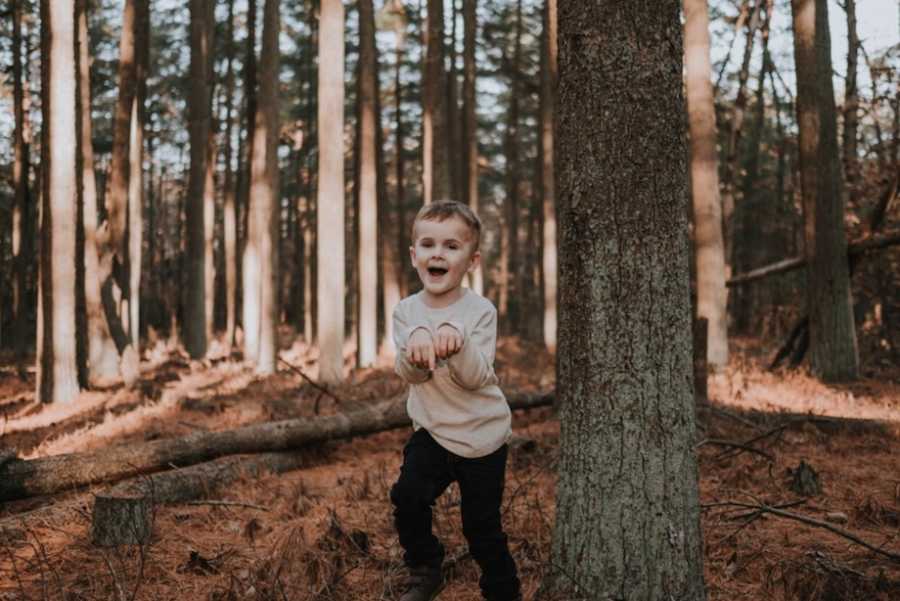
As Owen’s mom, I can only share the story from my perspective. I can’t fully know what it’s like to live inside his beautiful, complex mind. All I can do is advocate, support, and love him as best I can, hoping that one day he will look back and say, “My mom loved me, she listened to me, and she did her best.” And that, above all, is enough.