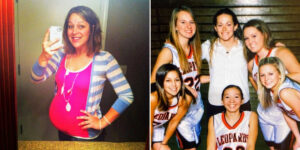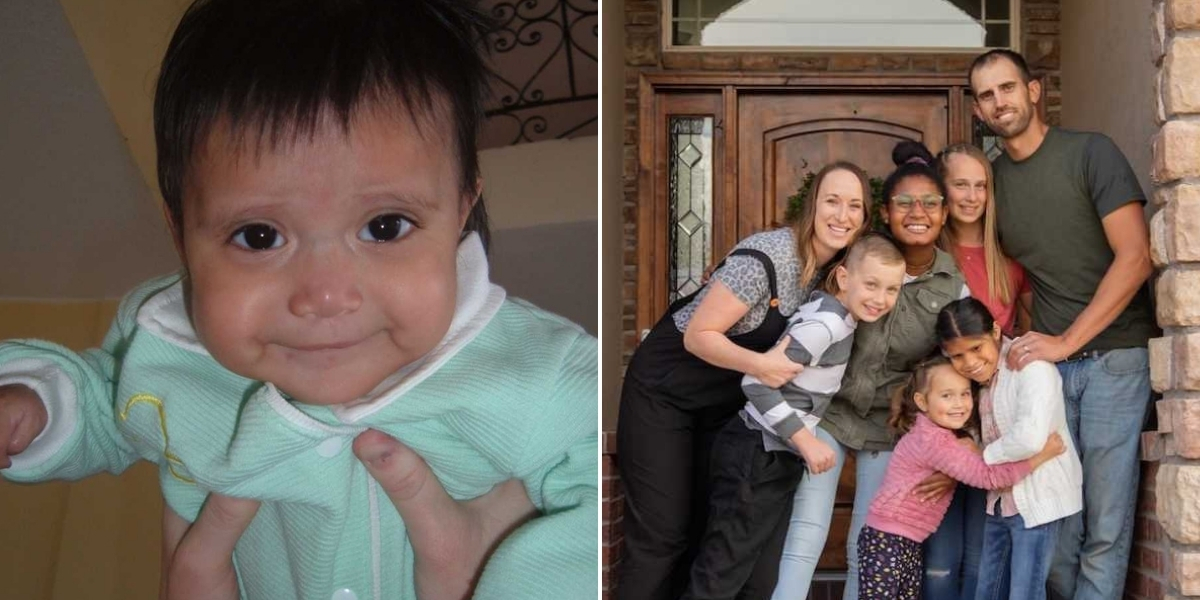
At 19, I discovered an opportunity to volunteer in Quito, Ecuador. I spent three months working in various orphanages, caring for the sweetest little children and infants. I went with a group of twelve other volunteers, all strangers to one another. Our very first night there happened to be New Year’s Eve, 2005. The director of the program asked for a volunteer to spend the night at a local children’s hospital with a baby who had special needs and was chronically ill. She had spent most of her first year in and out of that hospital. Unsurprisingly, no hands went up. After all, who would choose a night at the hospital over a New Year’s Eve party with new friends?
After a pause, the director scanned the room, pointed at me, and said, “I’m going to send you.”
Soon, I found myself at the bedside of this tiny girl in an old, worn-down hospital. She was in a room with three other babies, each with a mother by their side. I immediately felt scared, alone, and frankly, upset that I was the one chosen. I didn’t fit in, I didn’t speak the language, and I felt completely unprepared to care for this child I had never met. Why was I here, instead of at the party? Why me?
She was a tiny bundle, wrapped in a pink blanket, with a tuft of unruly black hair. Though almost one, she looked the size of a 3- or 4-month-old. She sat quietly in her crib, clearly accustomed to solitude. I reluctantly settled in at her bedside for hours, barely looking at her, instead staring out the window or counting the cockroaches that scuttled across the floor. After some time, she began to cry softly. Hesitant, I finally picked her up and rocked her—and soon she was fast asleep in my arms.
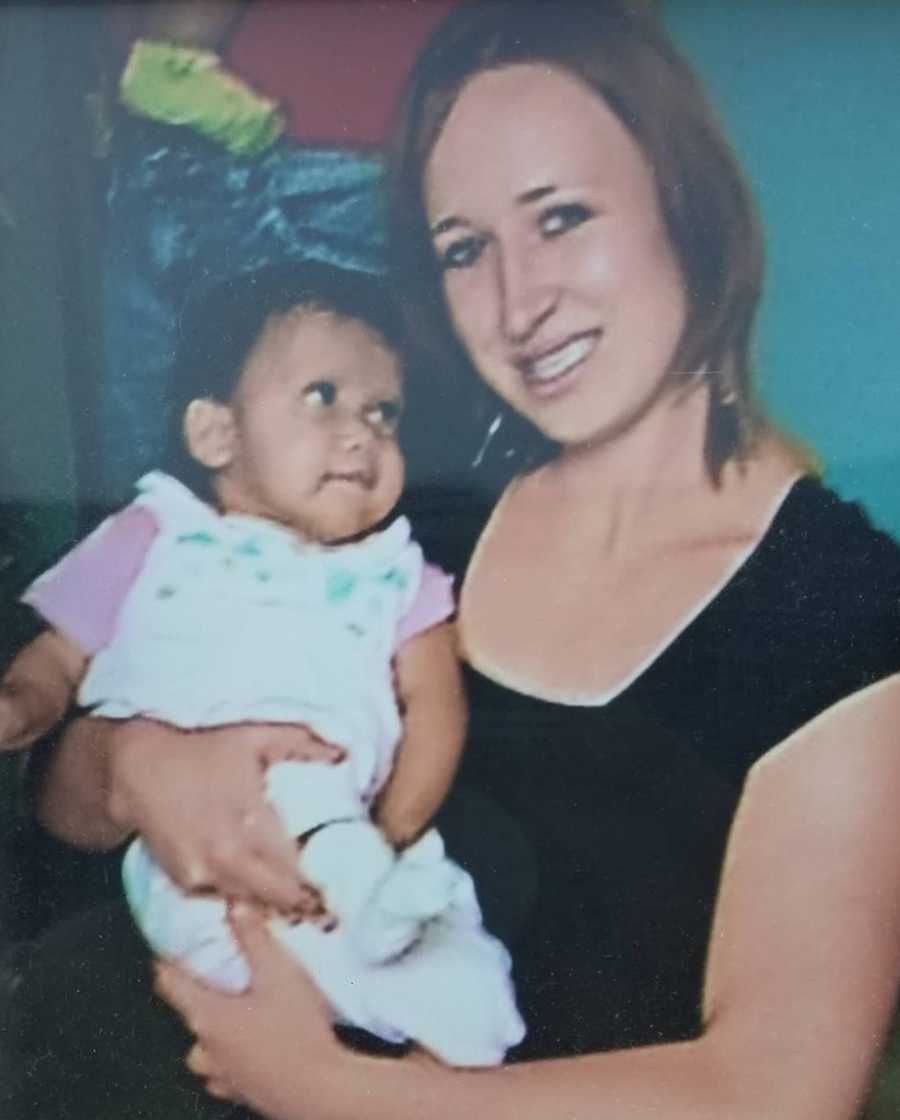
Over the course of that night, my heart completely shifted. What had felt like punishment transformed into a sacred privilege. This little girl had no one in the world to call her own, and my “loss” of a party was nothing compared to all she had endured in her young life. Looking into her dark brown eyes, I felt the weight of her struggles—medical challenges she had faced alone, without a consistent caregiver. It was heartbreaking, and yet profoundly humbling, to realize that I was there to offer her comfort in that moment.
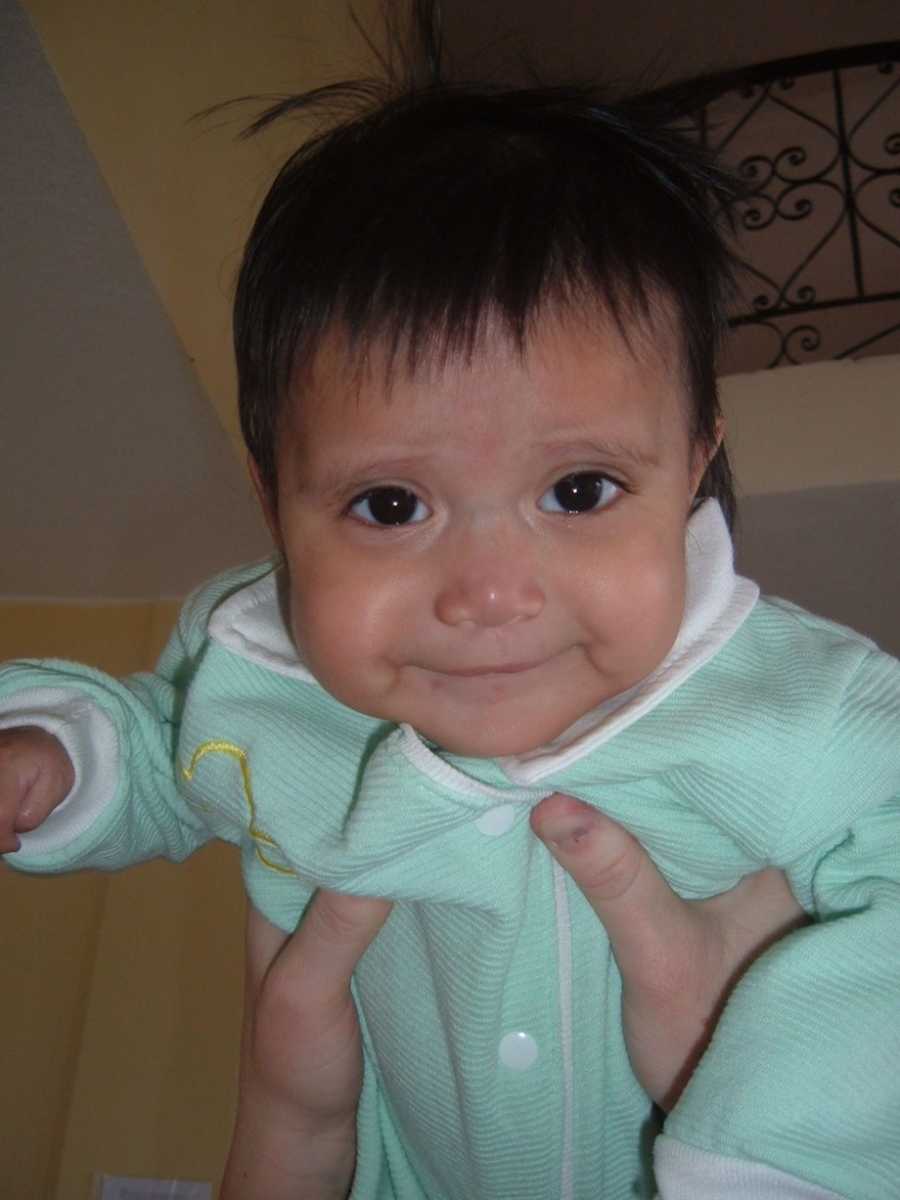
From that night forward, I volunteered daily to spend time with her until her discharge six days later—on her first birthday, January 6, 2006. I remember vividly standing on the street corner with her in my arms, hailing a taxi with a fellow volunteer to take her to her new home at the orphanage. Along the way, we decided to celebrate her birthday and her leaving the hospital. We stopped at a corner bakery and bought a cake, even though she couldn’t eat it. It was simply our way of showing her she was loved and special.
As the days passed, I grew completely attached to this beautiful little girl. Each morning, I went straight to her when our orphanage shift began, and I spent every moment I could with her over those three months. I formed a bond that was deep and inexplicable at the time—one I only fully understood after I had my own child. The love I felt for my baby daughter mirrored exactly what I had felt for this little girl in Ecuador.
At the end of our three months, our volunteer group took a retreat to the Ecuadorian jungle before returning home. Upon returning to Quito, we had just one day to visit the orphanages before flying back to the United States. I rushed to see my sweet girl, only to discover she had been moved to a different orphanage while we were away. I felt devastated, fearing I might never see her again.
By what I can only describe as divine intervention, the program director discovered she had been placed across the city in a better-suited orphanage, run by a woman from the United States. This caregiver spoke English, allowed photos, and even used email—none of which had been permitted at her previous home. I was able to visit her one last time, and over the years, I received countless updates, pictures, and notes detailing her progress. Of all the children I cared for in Ecuador, she was the one I could follow and stay connected with.
When my future husband and I became serious, I shared with him that I was a “package deal”—there was a little girl I had longed to adopt. He was not surprised. I had written him letters during my time in Ecuador, sharing stories and pictures of the little girl who had captured my heart. When I expressed my desire to adopt her, he was unwaveringly supportive.
After we married and began our family, my husband, Devin, gave me an unforgettable gift on my 25th birthday. After opening presents, he revealed one last surprise: a bank account with funds set aside to begin the adoption process for this girl, completely unbeknownst to me.
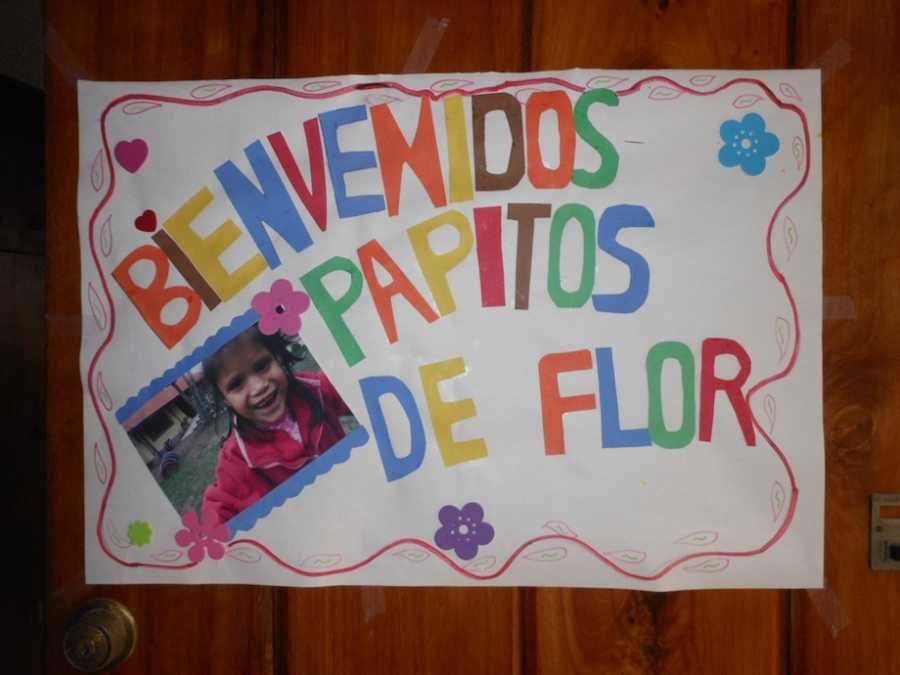
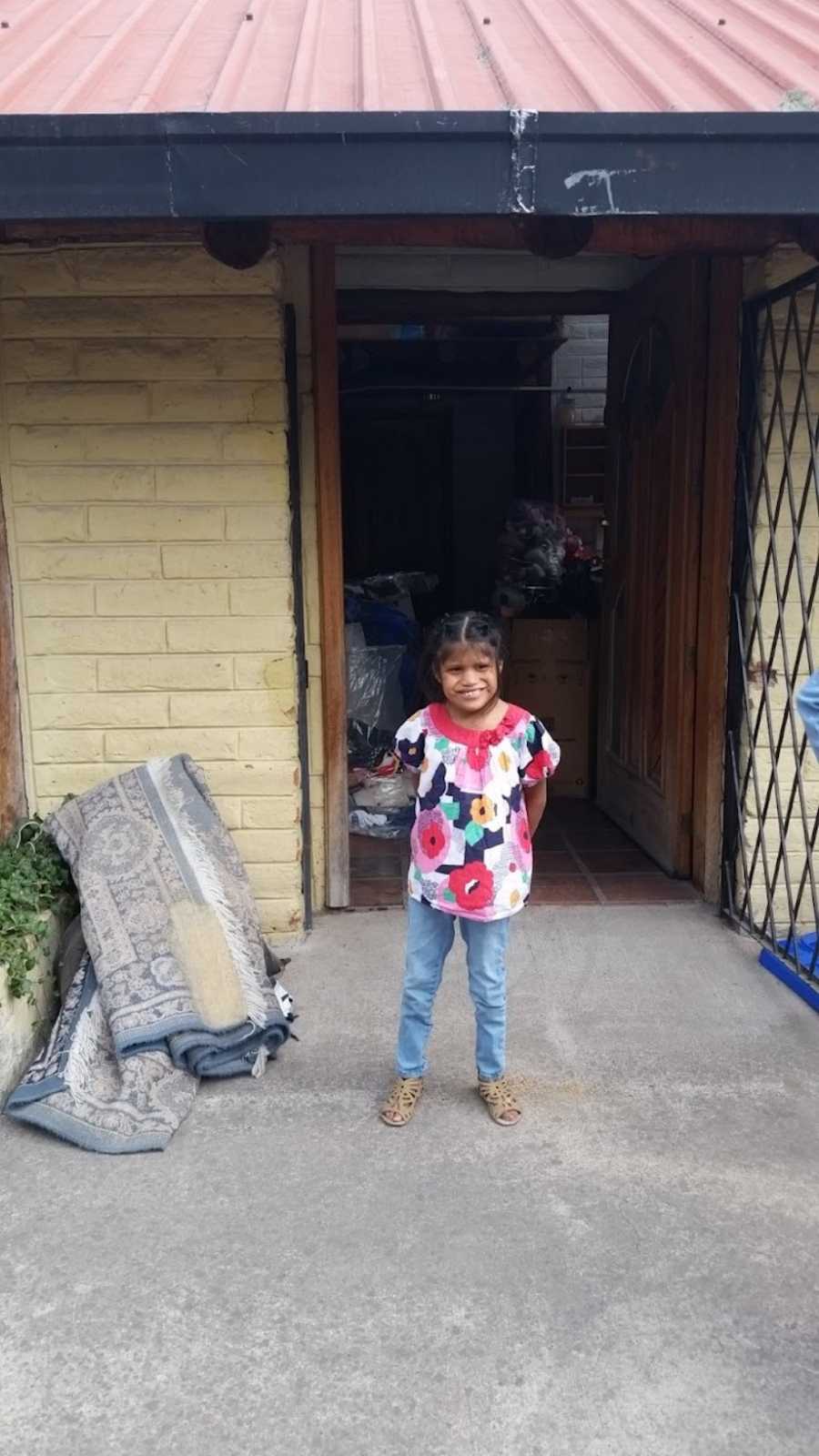
Ecuador’s adoption process was difficult, taking eighteen months, but through what felt like a series of miracles, we finally traveled in December 2011 to bring home the little girl who had stolen my heart six years earlier. Seeing her again after so long was overwhelming. I expected her to run to me—but instead, she went straight to my husband. Their bond was instant and extraordinary.
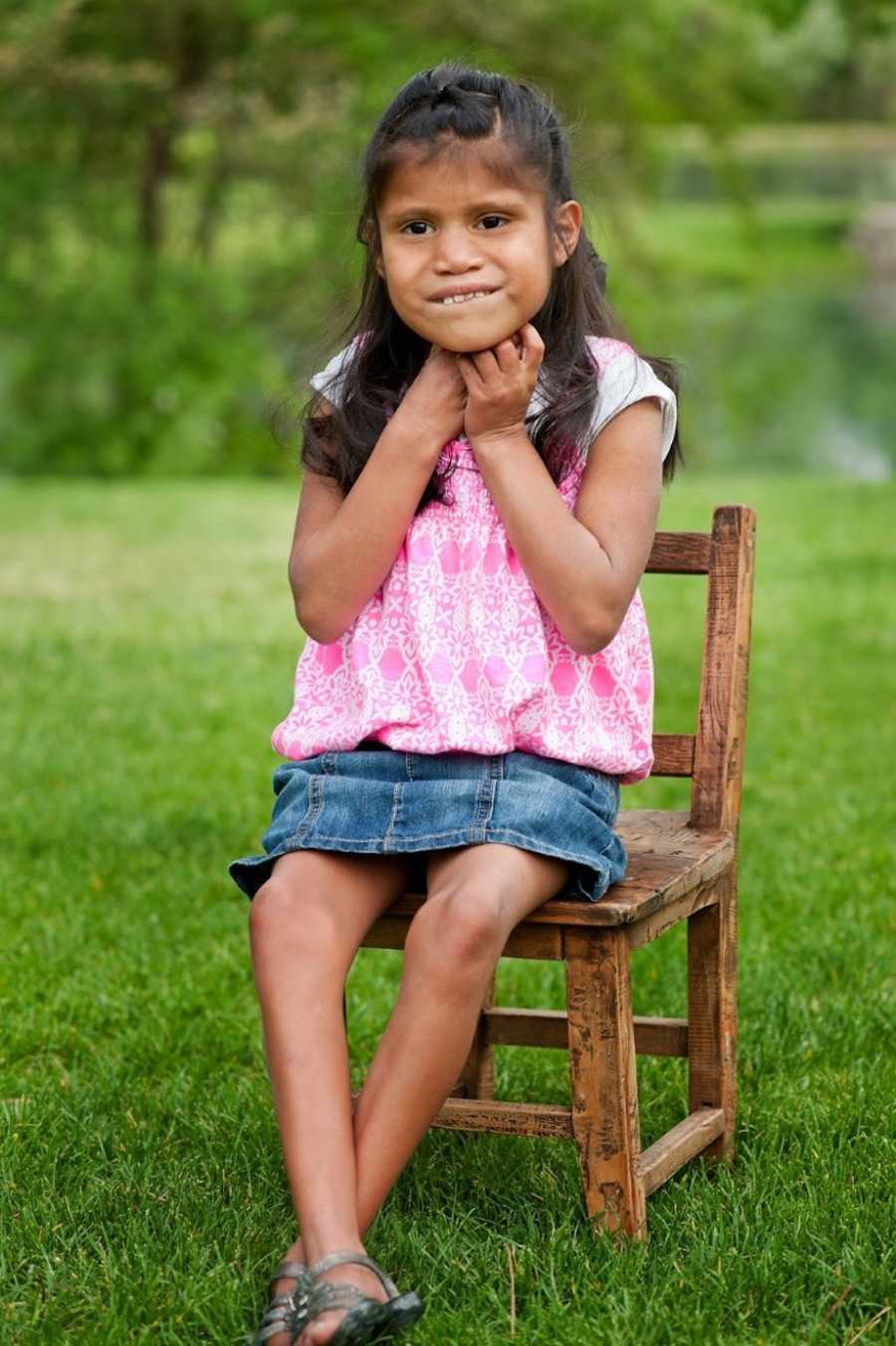
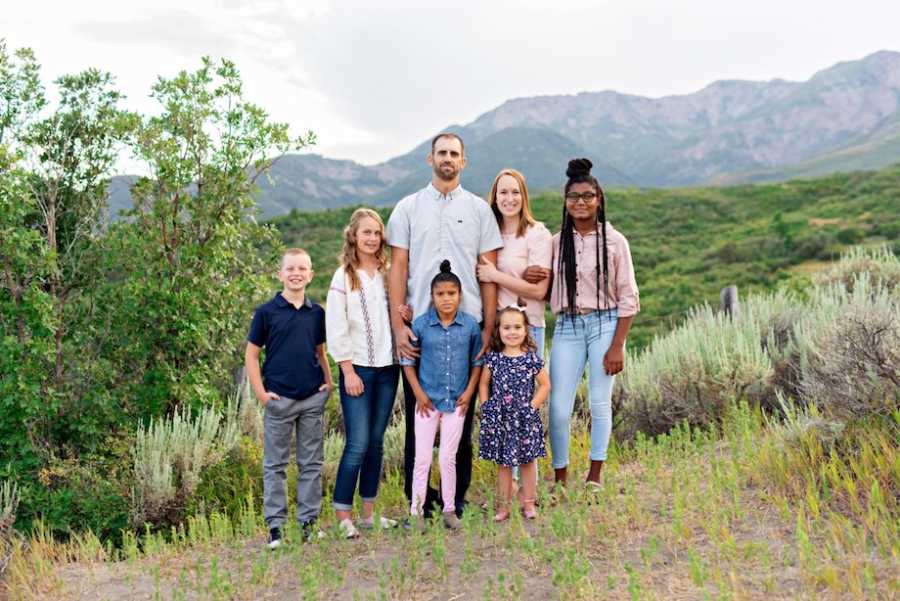
Our daughter, Flor, left the orphanage for the last time just before her seventh birthday. My husband, our then-three-year-old, and our nine-month-old baby spent ten weeks in Ecuador completing her adoption. The adjustment was not always easy—Flor had been in many homes and carried scars from institutional life. Building attachments took time and effort, but it was absolutely worth it. Flor is the joy of our lives. She lives with 1P36 Deletion Syndrome, which causes severe intellectual and physical disabilities, yet her sweet, loving spirit fills every room.
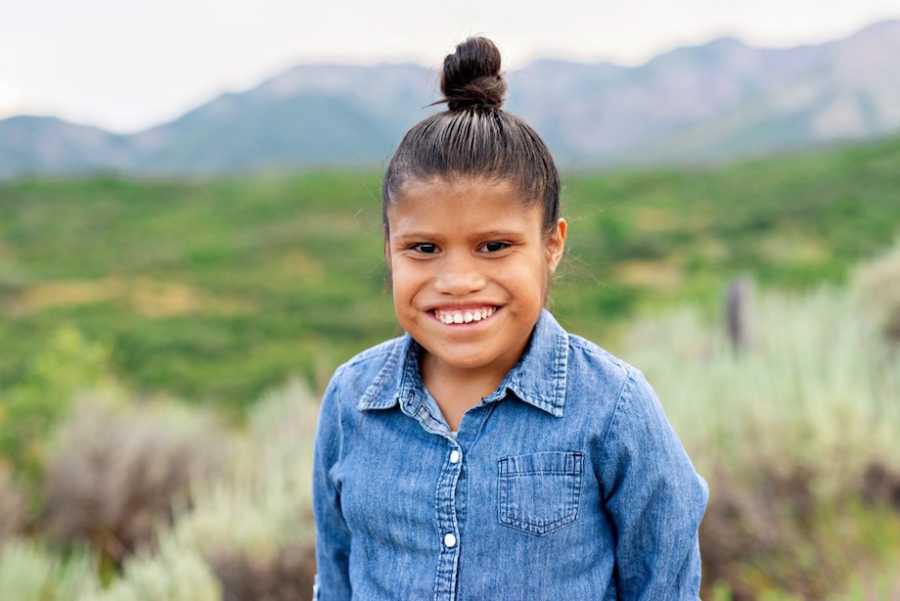
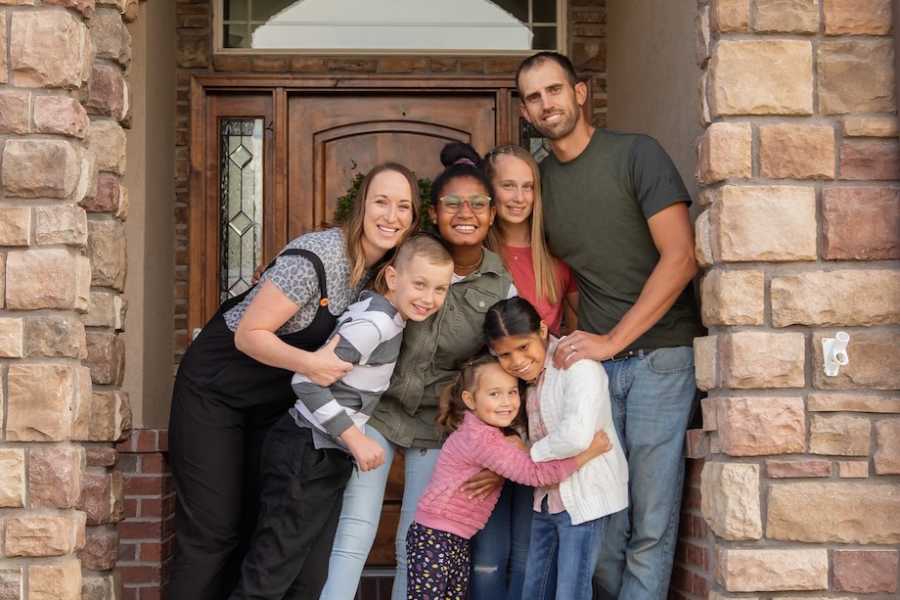
Since Flor’s adoption, we have also welcomed another daughter from Ecuador, Mishell, in 2015, and our youngest, Lizzie, who is now four. Every detail of Flor’s story—the first night in the hospital, the trips, the connections—feels divinely guided. God was in the details, moving mountains to bring her into our family.
For anyone considering adopting an older child, I would encourage education, training, and expert guidance. Love is vital, but children from difficult backgrounds often require more than love alone to heal and attach. There will be challenges and triumphs, but the blessings are immeasurable. To open your heart and your home is to be forever changed, as I have been by Flor and our family’s journey.