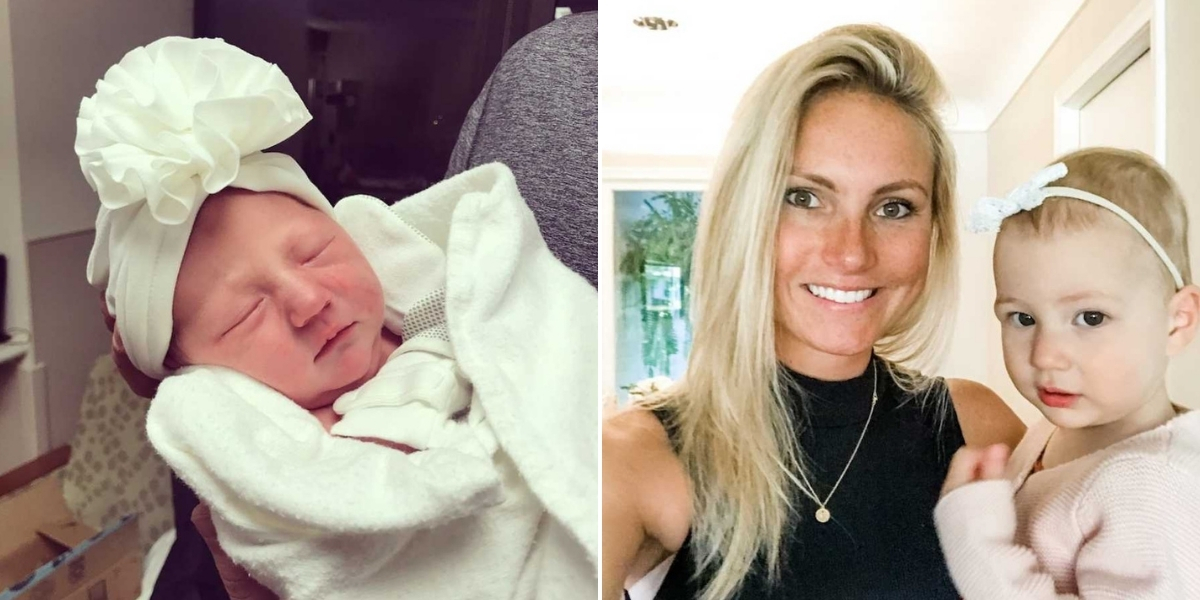
Motherhood
“My whole life, I dreamed of becoming a mother. It was the one consistent dream I carried through every stage of my life. Growing up surrounded by children only deepened that longing. I am the eldest of more than thirteen grandchildren, and I have a brother ten years younger than me. From babysitting infants to playing with kids of all ages, children were always part of my world. Once I reached working age, I began babysitting professionally. That eventually led to working in daycares and summer camps, and ultimately, I became a Pediatric Occupational Therapist. Children weren’t just part of my life—they were my life. And I couldn’t wait to have a child of my own.
I assumed motherhood would come naturally. Working in pediatrics, including with kids who had disabilities, I felt prepared. I thought I had realistic expectations and was fully ready for the challenges of parenthood. Getting pregnant happened relatively easily for my husband and me, and I had no doubts about his ability to be a fantastic father. I truly believed it would all feel seamless, a beautiful extension of the life I had always imagined.
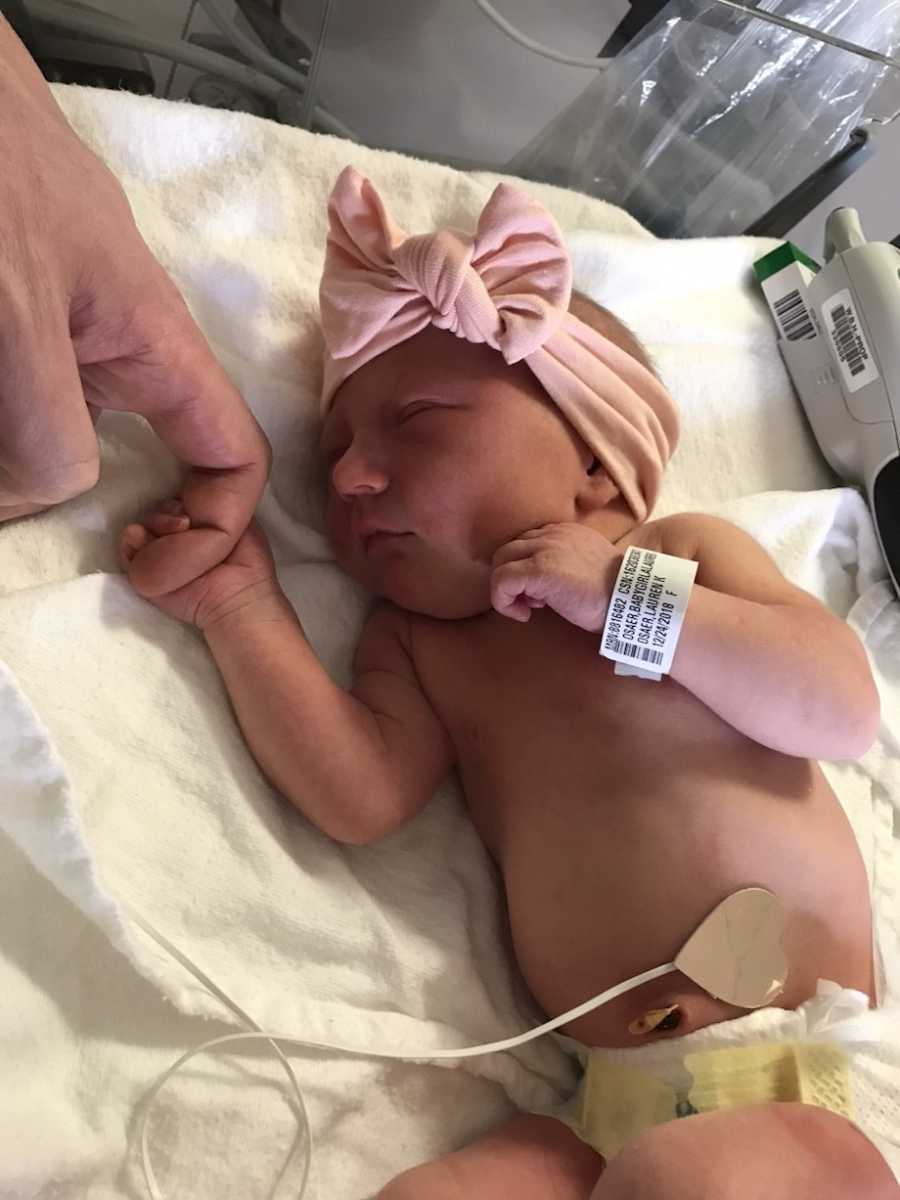
I had often heard other mothers describe falling in love with their children instantly—‘It was love at first sight!’ ‘It was the best day of our lives!’ I anticipated that exact overwhelming joy. I was excited, hopeful, and perhaps a little naive. Spoiler alert: it did not happen that way for me.
The C-Section
At my 36-week ultrasound, we discovered my daughter was breech. I felt devastated. I had planned for an all-natural birth, and suddenly, a C-section became inevitable. In that moment, I found myself oddly frustrated with my unborn daughter. Why wouldn’t she turn? Was she being stubborn? I even caught myself wondering if this was a glimpse of her future sassy personality. Of course, I knew it was irrational to be upset with my unborn child, yet I couldn’t help how I felt. I tried everything to encourage her to flip, stopping short of an ECV because my OB had scared me about the risks. Nothing worked.
In the face of this loss of control, I took back what I could. I requested my arms remain free during surgery, insisted on immediate skin-to-skin contact, and wanted to be with her as soon as possible. Labor came on its own—I dilated to 10 cm within just two hours—but I still ended up needing an emergency C-section. While the surgery went smoothly, I teetered on the edge of a panic attack the entire time. The bright white operating room spun around me, I struggled to breathe, and I was hyper-focused on my oxygen levels, desperately trying to keep myself together.
When they delivered her, I was stunned by my own reaction. They asked if I wanted to hold her, and I said no. They took her to be cleaned and checked. When they returned and asked again, I still said no. I was overwhelmed and disconnected, unable to comprehend my own feelings.
Questioning Motherhood
Back in the recovery room, things slowly normalized. Breastfeeding began, and we moved through the motions. I was anxious to return home and regain a sense of normalcy, but C-section recovery is grueling. For the first three days, I could barely move or care for my daughter beyond feeding her. Even without pain medication, the haze of those early days was intense. Finally, we were discharged.
I thought returning home would bring comfort, but instead, I was confronted with my feelings—truths I hadn’t expected:
- I did not immediately fall in love with my daughter.
- Her birth was not the best day of my life.
- I did not feel an overwhelming, unconditional love.
- I could imagine life without her.
Panic and shame followed. Was I a terrible mother? How could I feel this way about my own child?
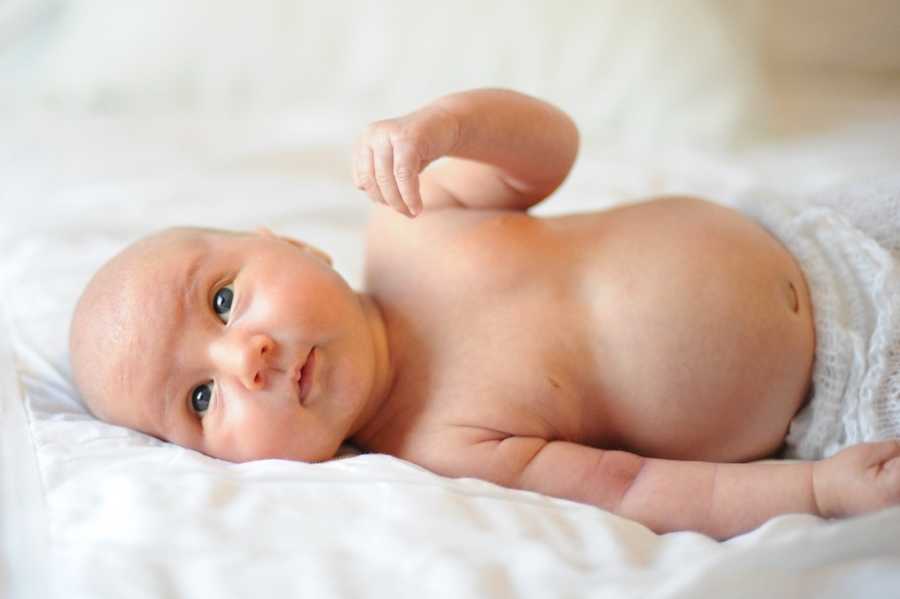
Sleep deprivation and the unpredictability of newborn life worsened my anxiety, especially as someone with a type-A personality. I confided in my husband but found it humiliating to share these thoughts with anyone else. At my one-week OB appointment, my aunt accompanied me. On the car ride, she marveled, ‘Can you believe you can love something so much?’ I had to honestly say no. I loved my daughter, but not in the suffocating, instantaneous way I expected. Resentment mingled with love, and I felt guilty for even admitting it.
I remember one specific moment walking my dog outside. Thoughts spiraled:
- I will never get a real break again.
- I have lost my freedom forever.
- Motherhood is endless.
- I will never feel normal again.
Who resents their baby? Who doesn’t feel an all-consuming love? These thoughts only compounded my self-doubt.
Finding My Way
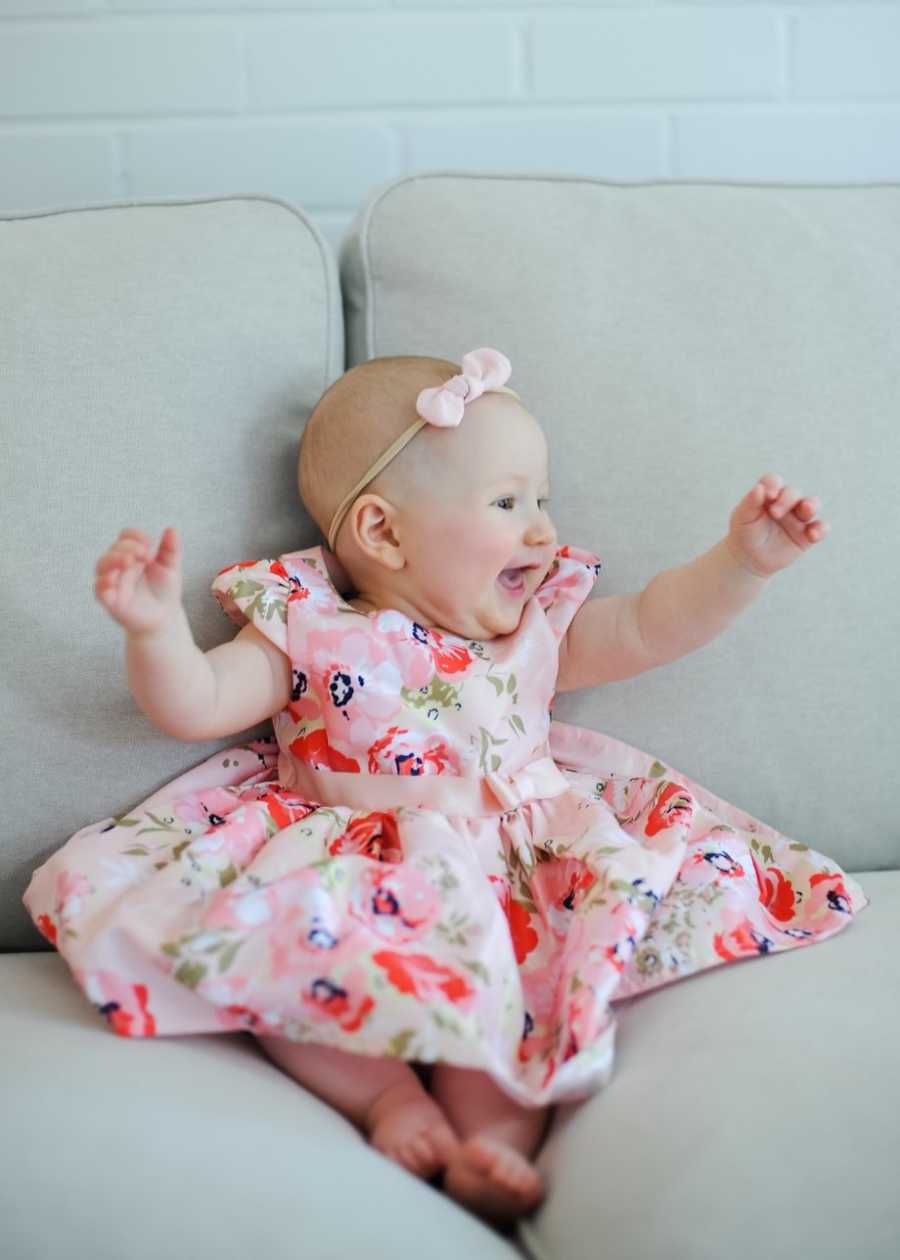
As weeks passed and sleep gradually returned, my feelings slowly shifted. I began confiding, cautiously, to other mothers. A conversation with my nail technician brought relief—she hadn’t loved her child immediately either, not until the baby was about one year old. Hearing someone else’s similar experience validated my own, easing some of the shame.
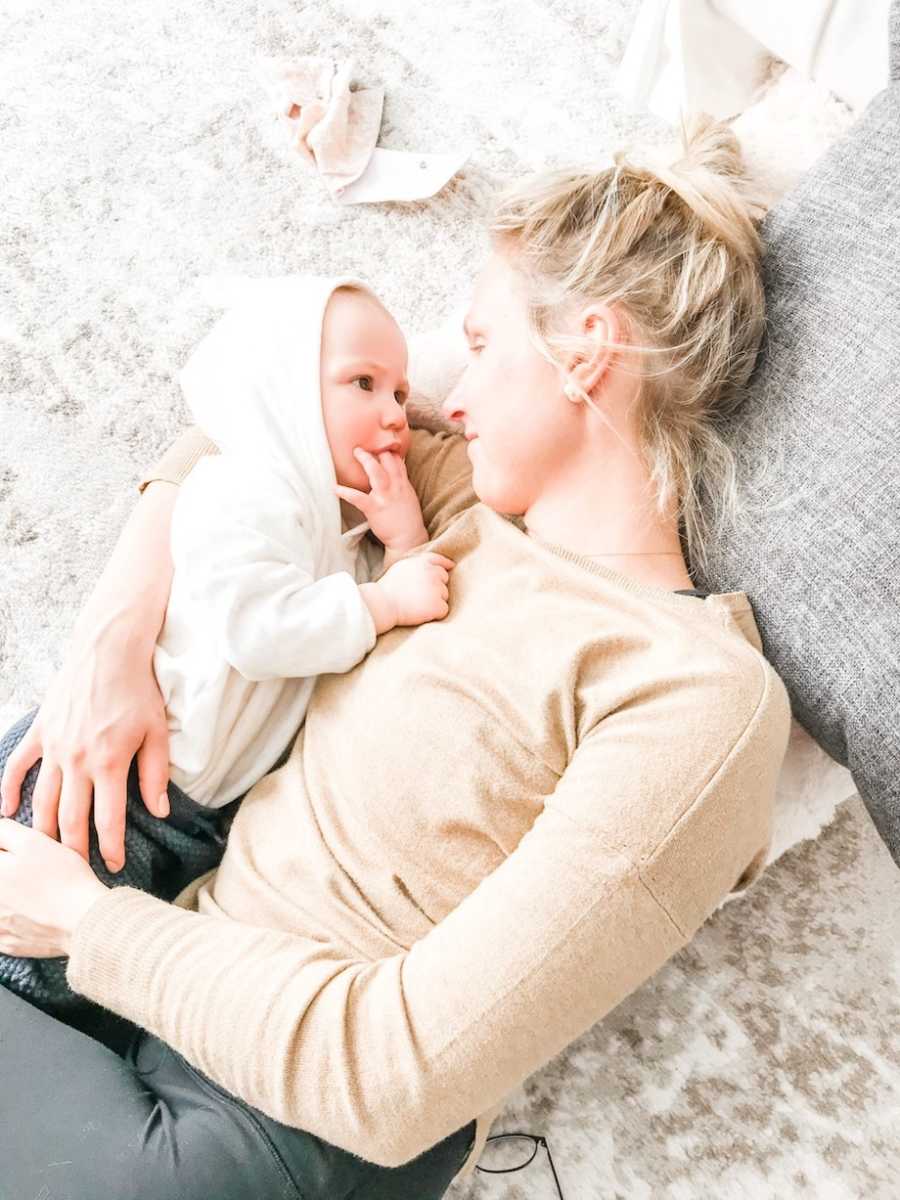
Love did grow, though not as quickly as I had hoped. Each day, my bond with my daughter strengthened, even as I mourned some lost freedom. Somewhere between 12 and 18 months, her personality blossomed, and our relationship deepened. Only then did the overwhelming, unconditional love I had imagined finally arrive.
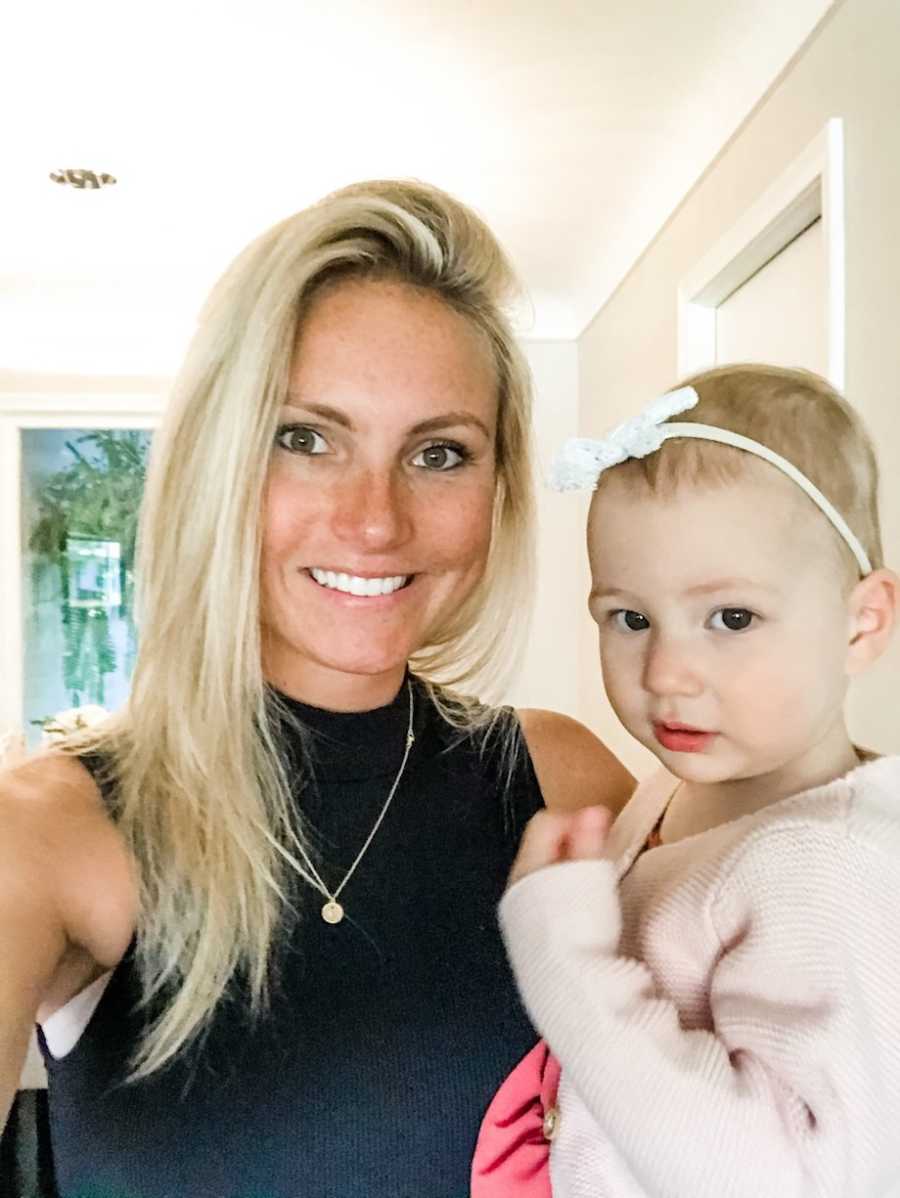
My daughter is now two and a half, and I can confidently say she is the love of my life. I am completely obsessed with her, and our bond is unshakable. My journey to motherhood was uniquely mine, and it doesn’t make me a bad mother for taking a path less talked about.
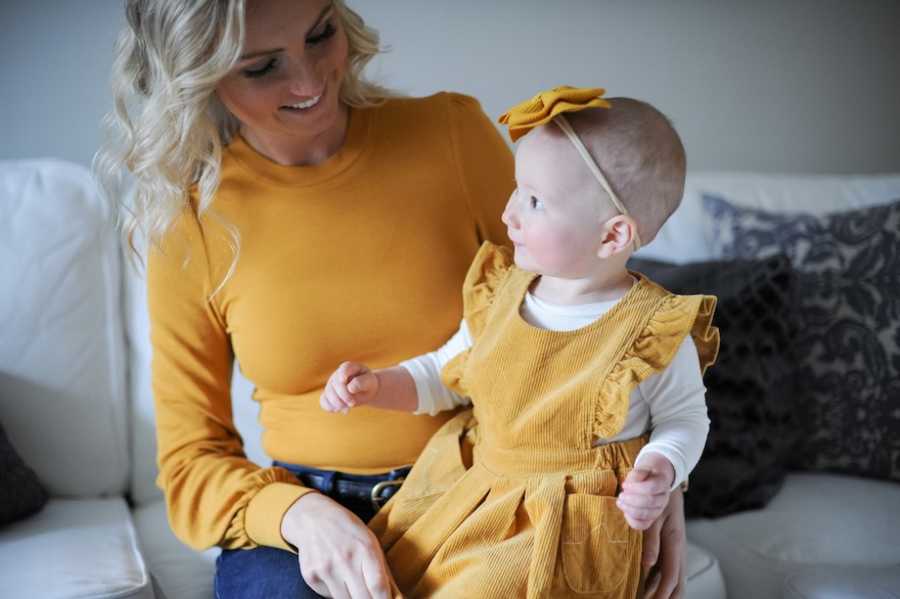
I know other mothers have felt the same doubts and anxieties, and I hope sharing my story offers comfort and reassurance. The transition to motherhood is messy, unpredictable, and raw—and that’s okay. Love may take time, but it grows, and the journey is still beautiful because it’s ours.
I am not a bad mother for my postpartum feelings. My love took time—and that is perfectly okay. All our experiences look different, yet every path is special.”