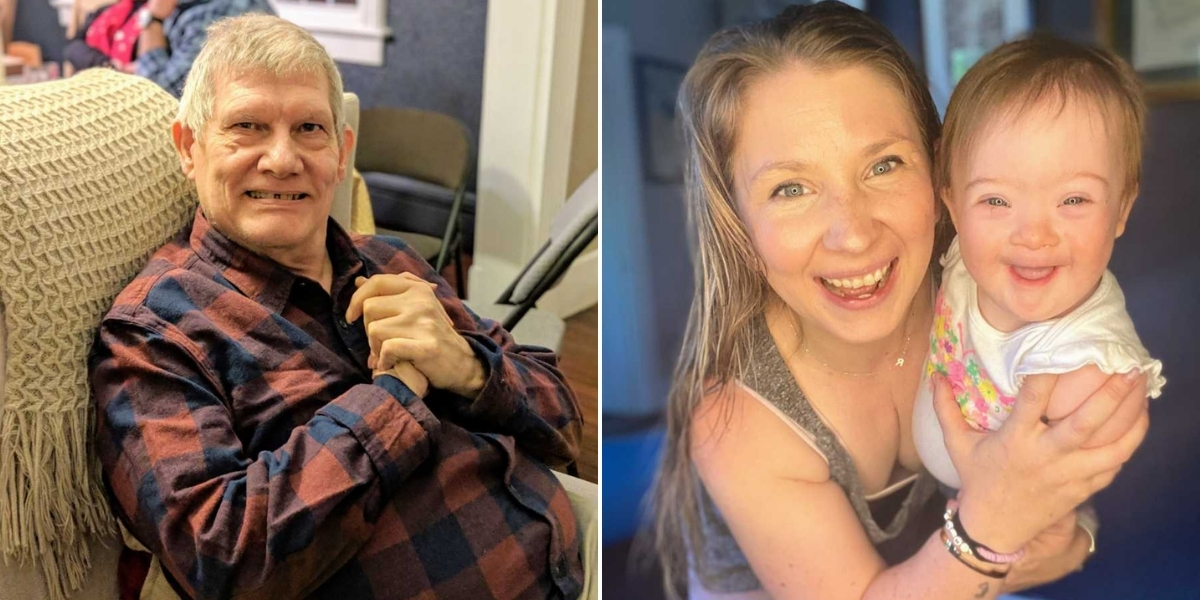
I cannot remember the exact moment I realized my Uncle Robert was different. As my mom’s twin brother, he was always part of our lives, so I likely came to understand his differences gradually, over time. Robert was born with a developmental disability—likely due to a prenatal illness. This was 1951, long before any kind of clear diagnosis was possible. Back then, the term was harshly clinical: “mental retardation.”
The world in those days was unforgiving toward people with disabilities. There were no early interventions, very few supports, and the default path for someone like Robert was institutionalization. But my Grandma Jean, a single mother raising six other children, never even considered that. Robert belonged with family—at every holiday, every celebration, wedding, and funeral, he was there. He was never “sent away.”
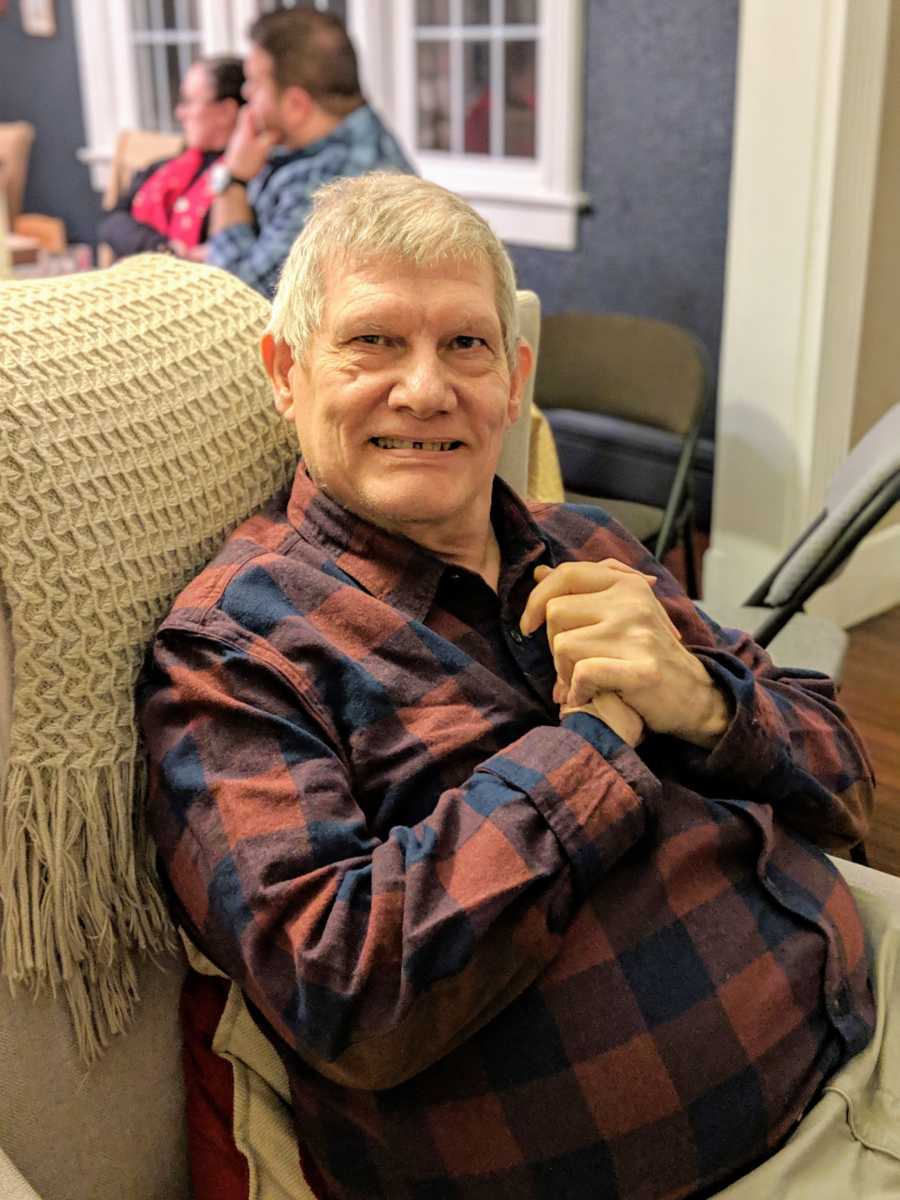
We lived just around the corner from Grandma, so we saw Robert often. When she passed away in 1992, my mom became his guardian. Grandma had full faith that my mom would protect him, advocate for him, and love him as she had—and she did, without fail. For nearly thirty years, I watched my mom dedicate herself to Robert’s well-being. She spent countless hours on calls with local agencies, navigating paperwork, and fighting for the support and care he deserved.
Robert lived with us occasionally, but most of the time my mom found him assisted living communities where he could socialize and thrive. She made sure they were close enough to drive to every weekend. She got him a cat, planned trips, and ensured he had a joyful, full life. Robert loved Elvis, baseball, giant coffees in the morning, a cold beer on the porch, and joking around with my dad. He greeted everyone with a smile, asked about their day, and even checked on people’s moms, even when he had never met them.
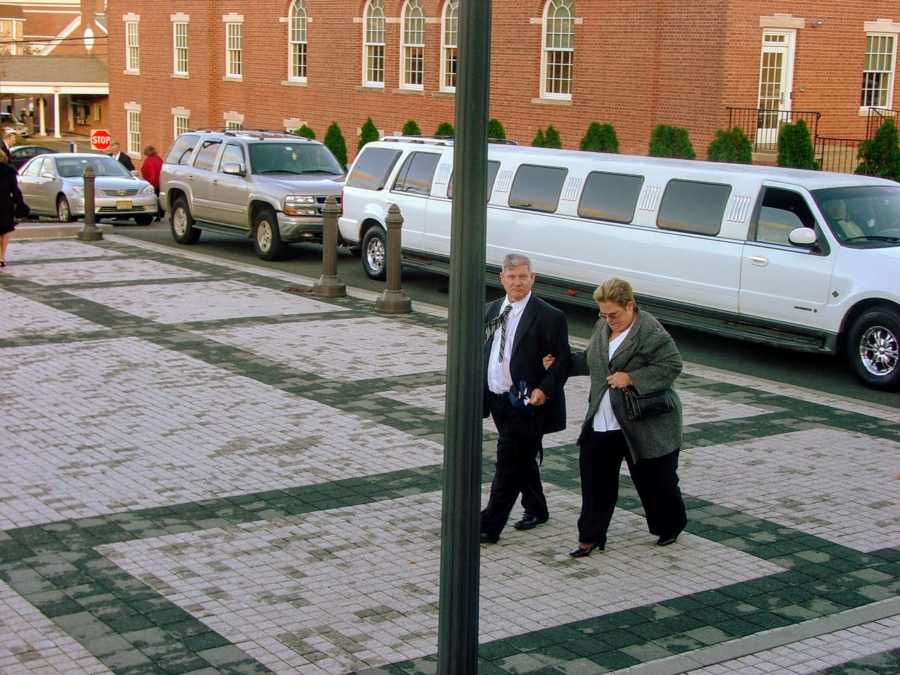
The first time I learned about advocacy—without even realizing it—was when my mom overheard some kids using the “R-word.” I was young, but she explained why it was hurtful and wrong. From that day on, I found my own voice to speak up when I could, teaching others, even subtly, through Robert, the importance of respect and empathy. I like to think some people changed their words because of him.
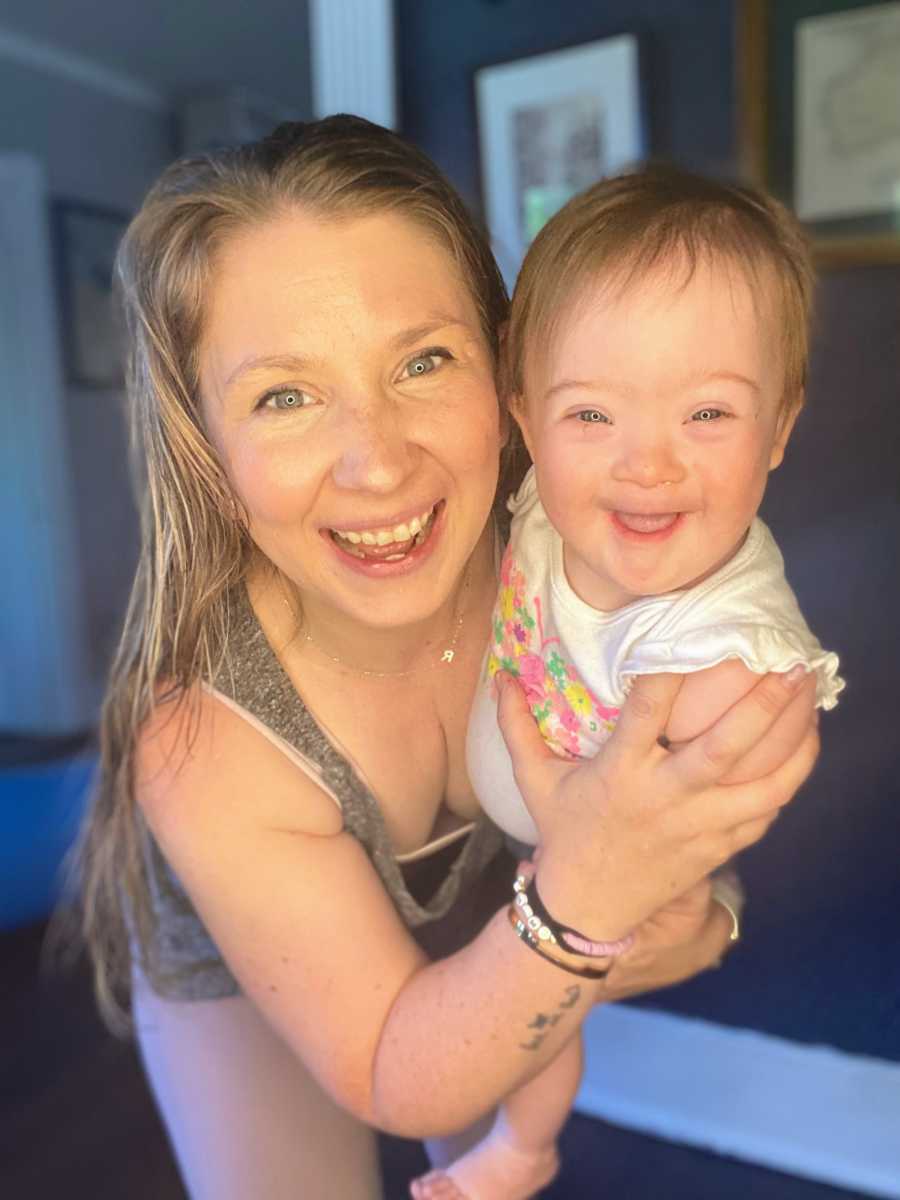
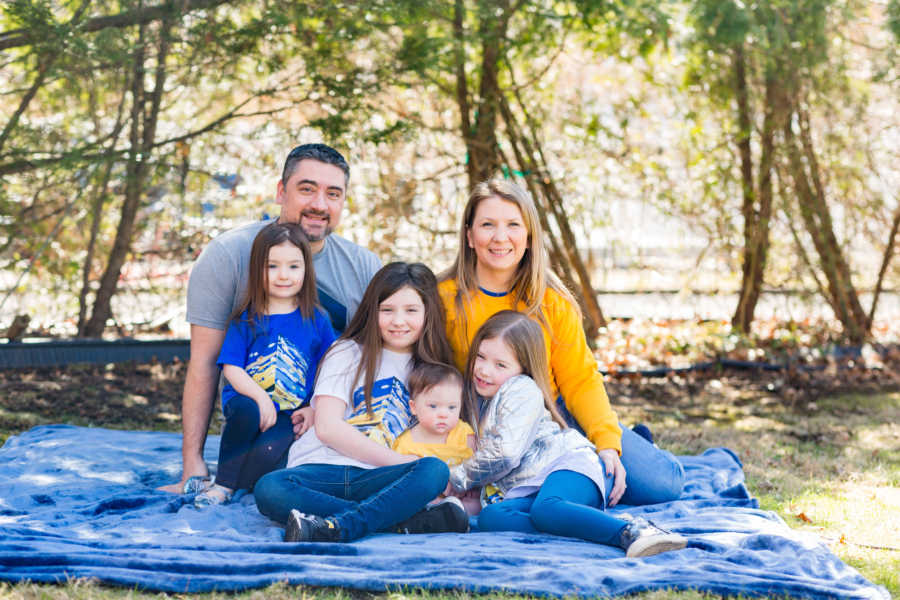
After 38 years of knowing Robert and learning from my mom, I heard the words, “Your baby will be born with Down syndrome.” A very different diagnosis, but one that pushed me deeper into the world of special needs. Still, I never doubted that my daughter Rhea would be okay. The reality is she has far more opportunities than Robert ever did, but I also knew, from everything I had witnessed, that no matter what, her life could be full, meaningful, and joyful.
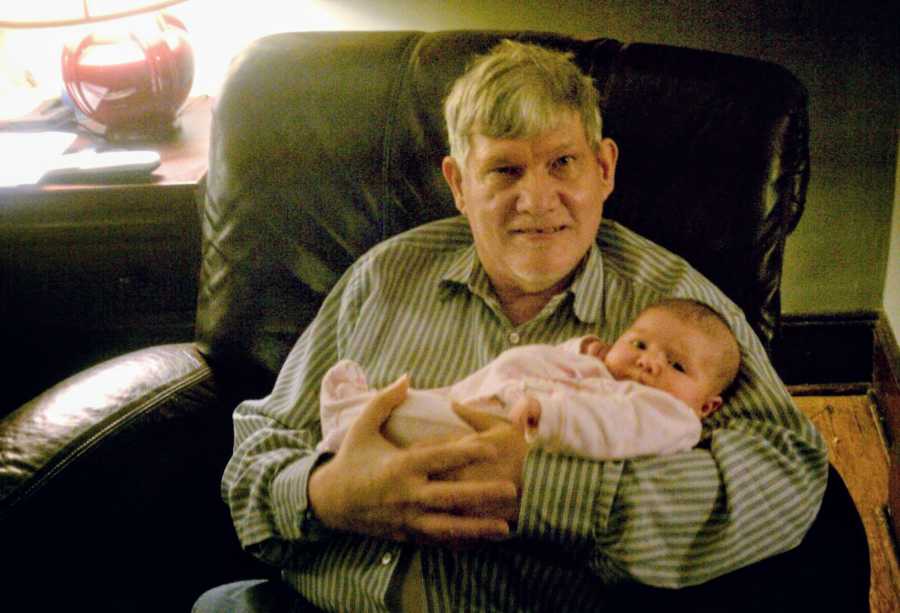
For my entire life, I had watched Robert live fully, experiencing all the emotions we do—grief, love, joy, anger, excitement. I learned firsthand that a person’s worth is not measured by grand achievements or material success. It is measured by kindness, family, and love.
My mom passed away this past April, and just 31 days later, so did Robert. They had been together their whole lives—since the womb, and perhaps, in some way, they were never meant to live apart.
Since their passing, I’ve reflected deeply on their bond and on the gift of having Robert in our family. I wonder what my life would have been like without him, or if my mom or grandmother had “sent him away.” Would I be as compassionate? As patient? As willing to welcome a child with Down syndrome without hesitation? Perhaps. But having Robert shaped my empathy, my understanding, and my heart.
He leaves behind a legacy that is immeasurable—one of joy, love, and profound influence on everyone he met. He left an imprint on my heart, and surely on countless others, a mark many never get the chance to leave. I miss him and my mom terribly, but I am so grateful for everything they shared, everything they taught, and the love that will forever bind them.
When it comes to life, I’ve learned that all you really need is love.