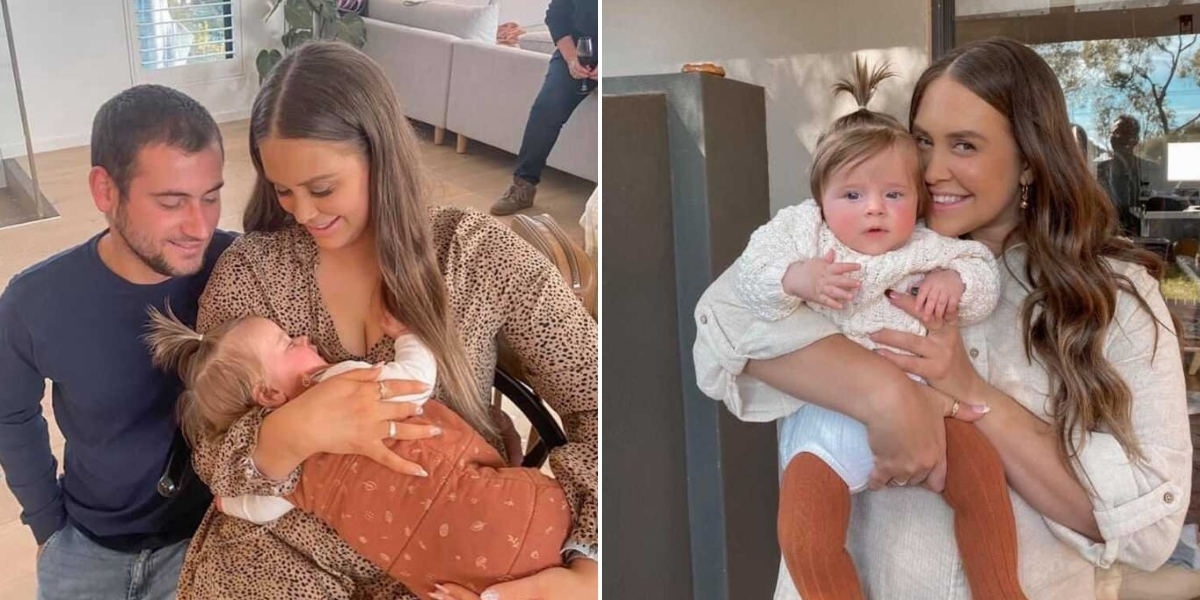
I had been on the pill for nearly ten years. Back then, doctors were quick to prescribe it as a form of contraception. I started taking it at 13, hoping to manage my heavy periods. Over the years, it became more than just contraception—I was taking it back-to-back to avoid having a period at all. I wish I had known then what I know now. If I hadn’t taken a break, I may never have discovered that conceiving could be a challenge for me.
After being in a relationship for almost seven years, we broke up, and I decided it was finally time to step away from the pill. It was May 2017, and I was about to go to Europe with some girlfriends. I threw myself into the trip—partying, eating, drinking, and living fully for myself. I began gaining weight, but it felt joyful rather than a response to heartbreak. I wasn’t starving myself or binge-eating; I was embracing life. Yet, three months after stopping the pill, my period hadn’t returned, and I started experiencing frequent, intense hot flashes. It was winter, and while everyone at work complained about the cold, I was outside trying to cool down. I would wake up in the night drenched in sweat, unable to regulate my temperature. At first, I joked with family and colleagues about going through menopause, but my mom grew concerned and encouraged me to see a doctor.
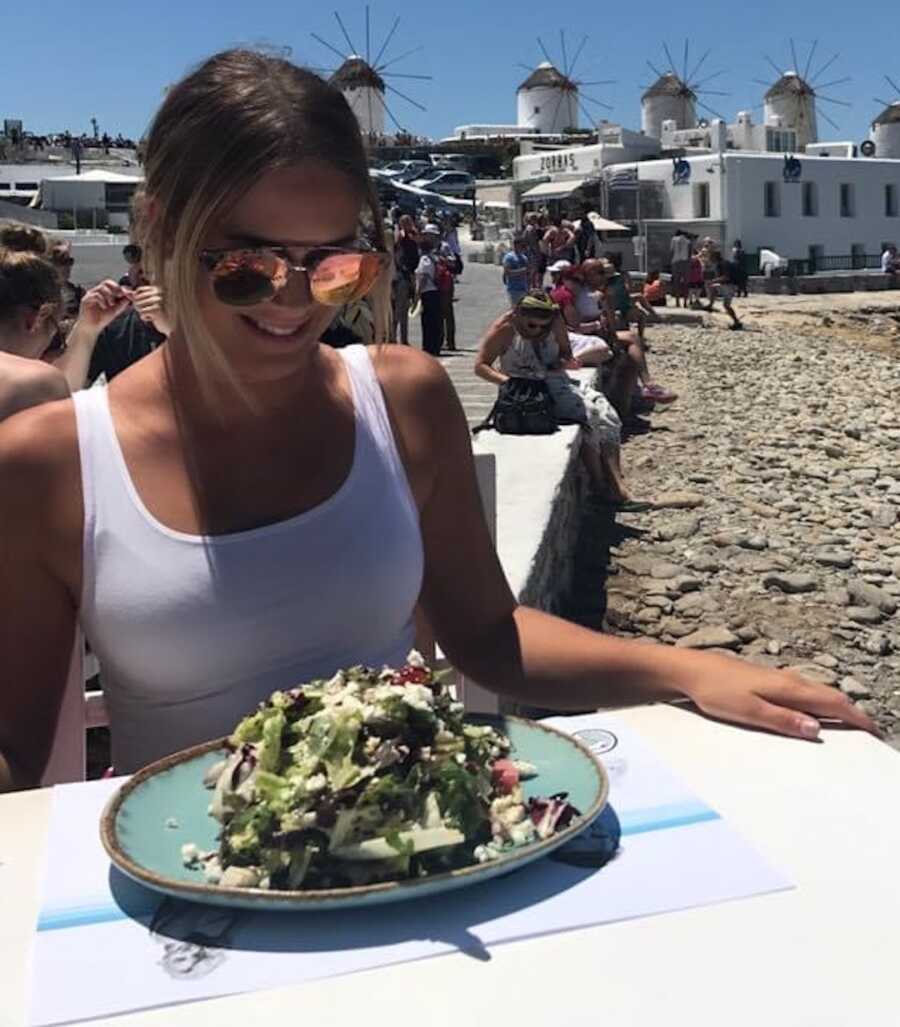
In early 2018, blood tests revealed my FSH levels were 75—well above the average. My doctor looked uneasy and urged me to see a gynecologist. When I asked, “Will I be able to have children?” he simply said, “I cannot answer that.” I was horrified.
My parents came with me to the gynecologist appointment for support. I don’t know how I would have managed without them. The gynecologist seemed anxious as well. She explained that my hormone levels indicated early menopause and began outlining options—egg donors, concerns for brain and cardiovascular health, and bone density risks. My mind raced. My heart sank as she explained I had no eggs left. My parents and I sat there in disbelief. The lump in my throat was unbearable. My mom asked about freezing eggs or having a child immediately. But based on my levels, that wasn’t possible. We needed further tests.
Driving home, we sobbed. My sister came over when we got home, and the first thing she said was, “I’ll give you some of my eggs.” Weeks passed, and I felt hollow. I had always dreamed of having my own family, working with children, and pouring love into little ones as if they were my own. That dream felt shattered.
A glimmer of hope came through my sister’s friend, who had been helped by Lauren Curtain, a specialist in Chinese medicine and acupuncture. Hesitant but hopeful, I booked an appointment with Lauren, and my sister came along for support. Lauren was incredible—knowledgeable, compassionate, and reassuring. She asked about my history, did acupuncture, and prescribed Chinese herbs that were awful to taste, but I followed her advice faithfully. She explained that my body might just need time to adjust after being on the pill for so long. Amazingly, a few days later, my period returned. I couldn’t believe it—I had never been so thrilled to see those familiar signs. Weekly visits with Lauren and follow-up blood tests confirmed that my FSH levels had dropped to around five. My gynecologist was shocked and apologized for the earlier alarm, suggesting an AMH test to measure my egg reserve. Though my reserve was low, I did have some eggs left—a huge relief after being told I had none.
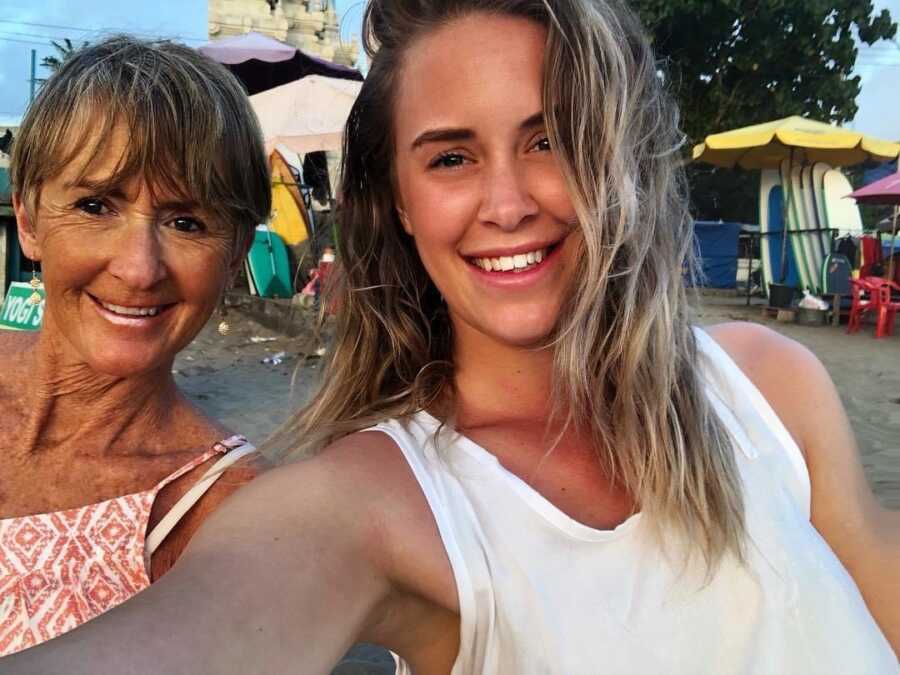
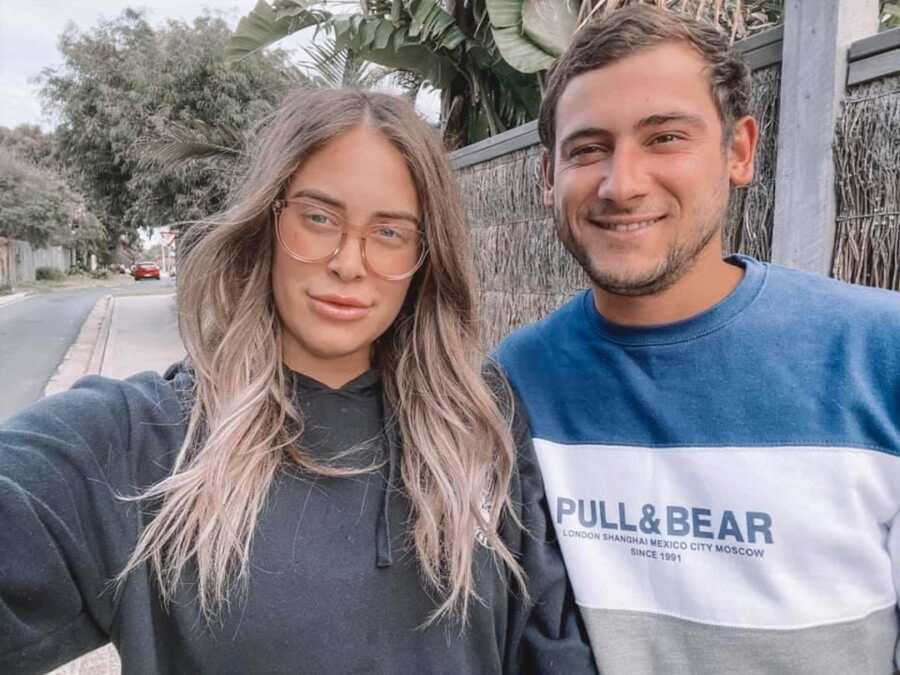
By early 2019, I started seeing Luke, and by May, we were official. I shared my history with him, and we discussed plans for the future. When another AMH test showed my levels had dropped, I began IVF to freeze eggs in June. Three rounds, countless injections, scans, tears, and blood tests later, I managed to freeze just four eggs. One round failed entirely. Exhausted and defeated, I decided to take a break.
At the start of 2020, another doctor put things into perspective: waiting could make it harder to conceive. That day, I told Luke, and he held my hand, saying he wanted to start trying immediately. We began without pressure, using only an app to track cycles. After two months, intuition led me to take a test—negative. But the feeling persisted. Days later, the lines appeared stronger: I was pregnant. Joy mixed with caution, given my history, but we were thrilled.
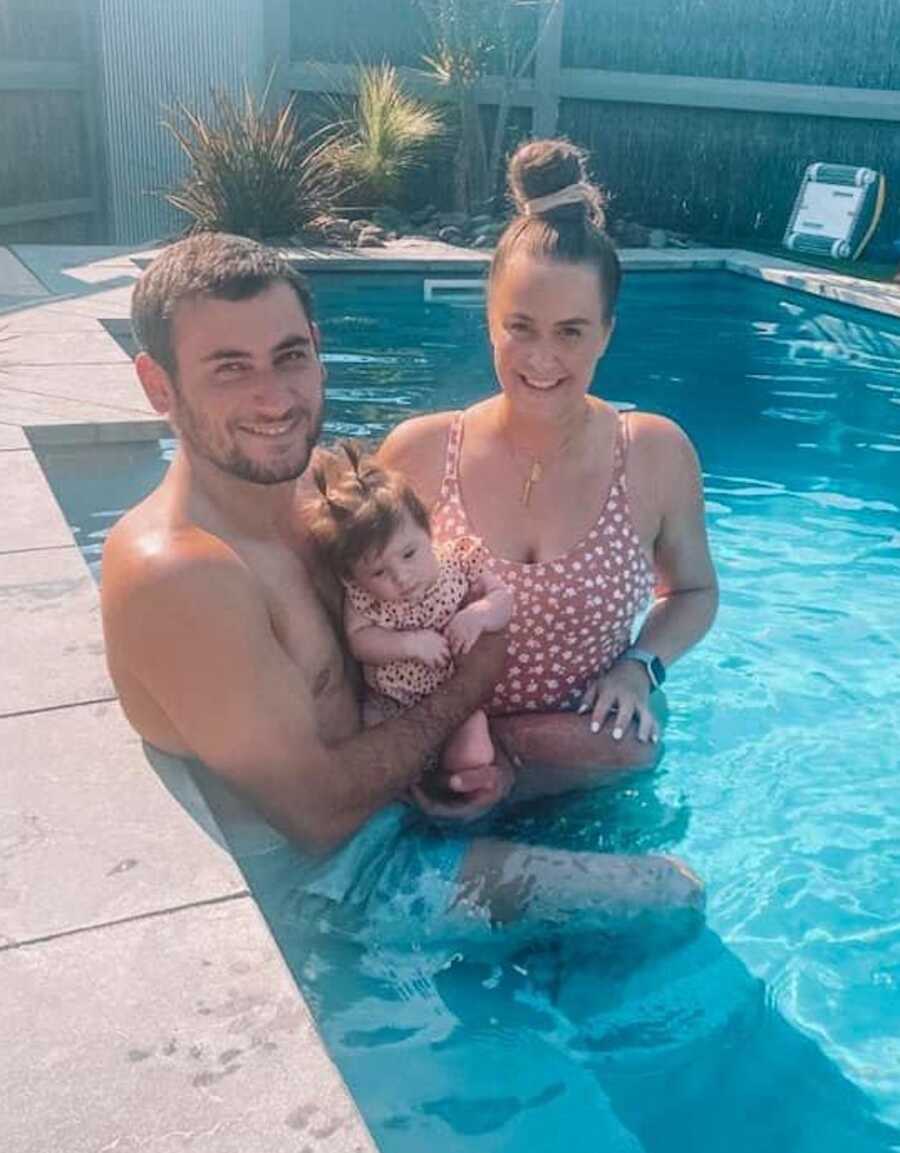
Nearly two years later, our miracle little girl, Aisley, is almost one. The past year has been the best of our lives, filled with laughter, milestones, and precious memories. Being a mom has changed me profoundly. Watching Luke become a father has deepened our love in ways I could never have imagined.
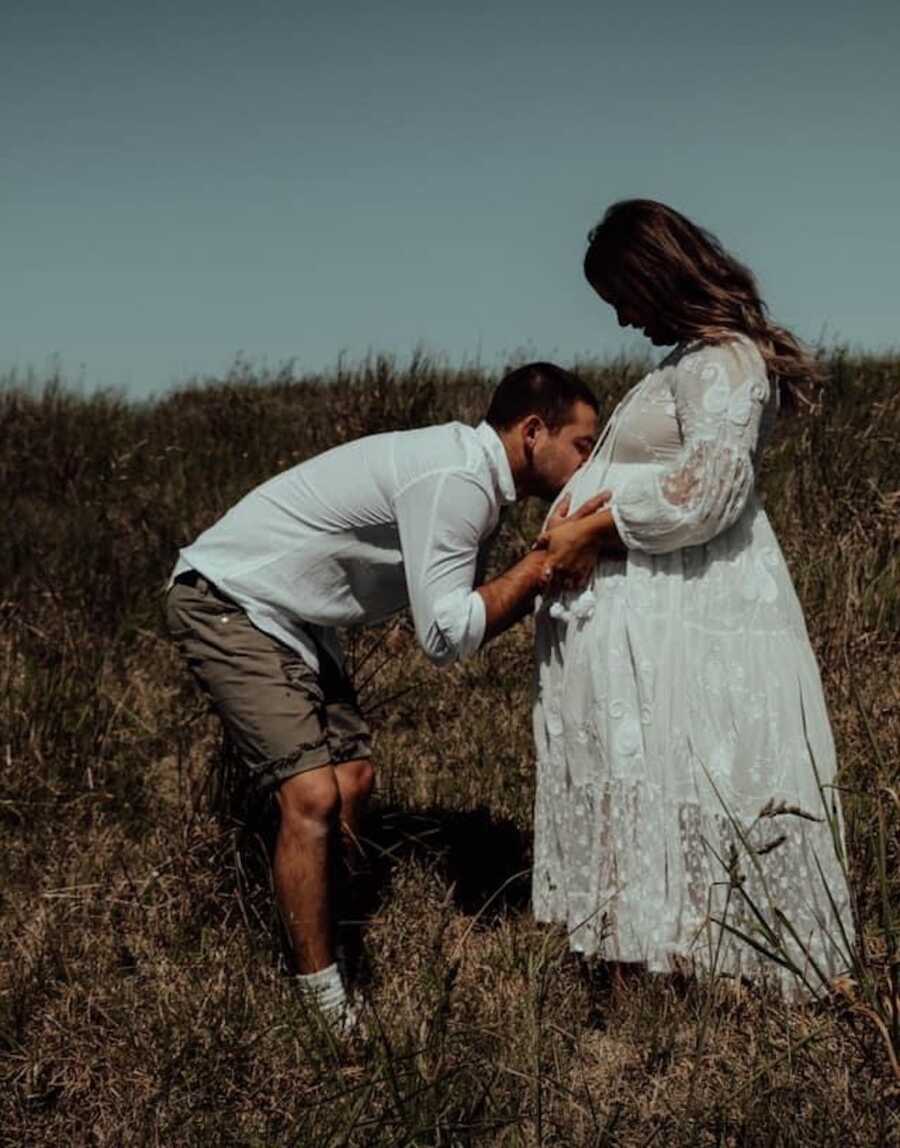
We were open to having another child, and before Aisley was ten months old, we discovered I was pregnant again. But at the eight-week scan, there was nothing inside the gestational sac. Weeks of uncertainty followed, with fluctuating HCG levels, blood tests, and anxiety. Finally, the miscarriage occurred. The trauma and grief were overwhelming. I leaned on Luke, my family, and friends. Holding Aisley close made it bearable. I shared my story online and was humbled by messages from women who felt less alone because of my openness. Meditation, journaling, and reflection helped me navigate the grief.
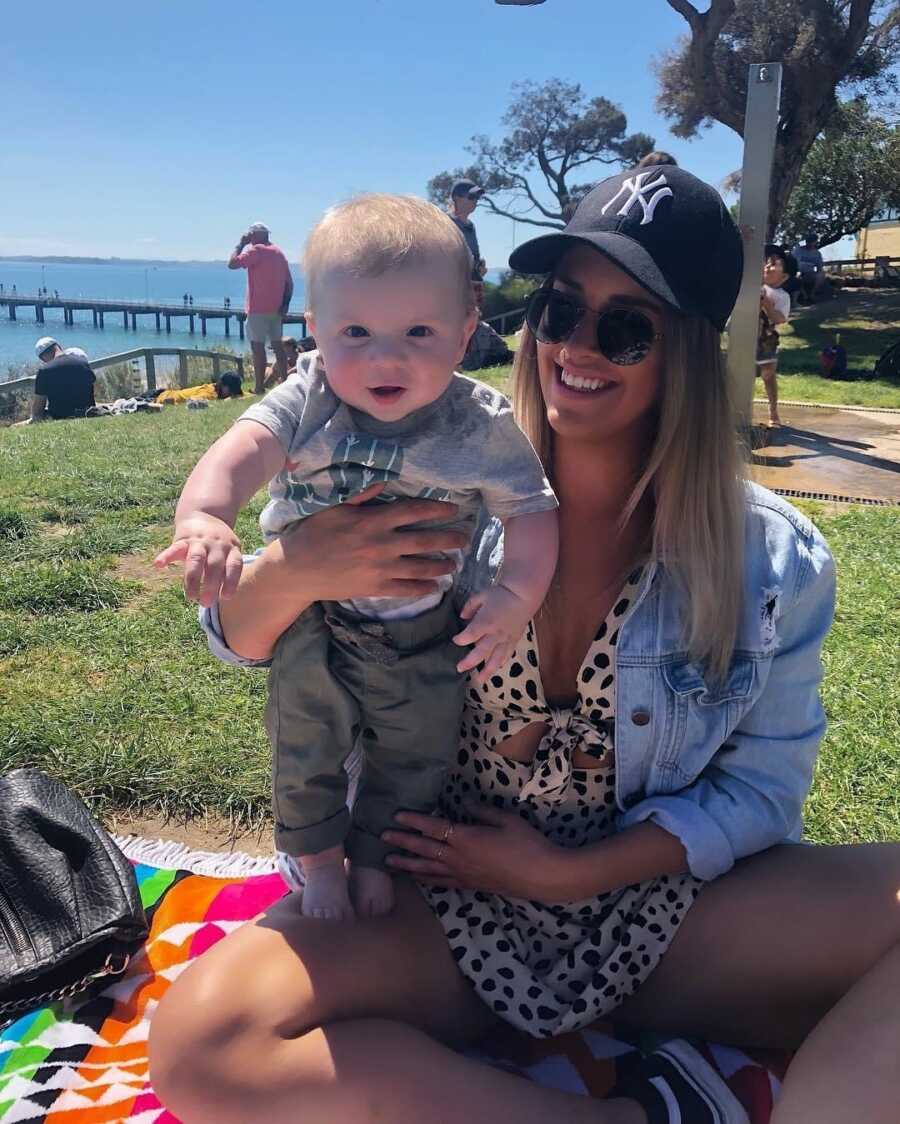
Through it all, I’ve learned that life unfolds in mysterious ways. I see every experience as a lesson, and I hope that by sharing my journey, others know they are not alone. For those on a fertility journey, I see you, I hear you, and I am with you every step of the way.