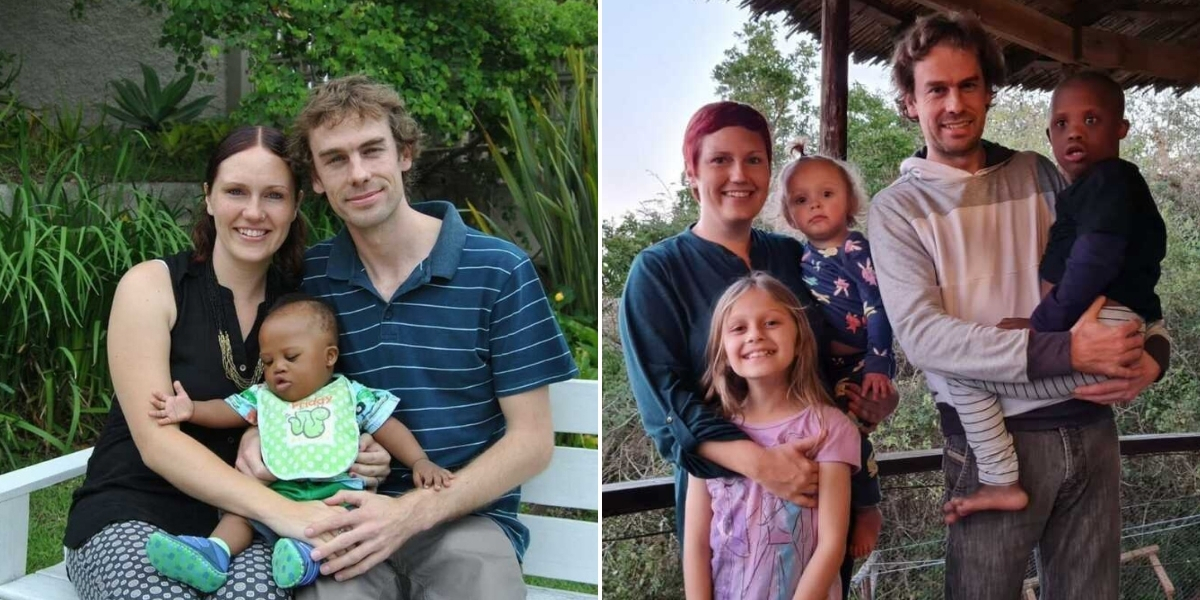
I didn’t wake up one morning and decide that caring for dying babies would be a good idea. Death—and learning to accept it—is a journey, not a moment. Like most things in life, it requires giving yourself fully. Giving your best, your worst, your fears, your hopes, and your dreams. Giving your heart completely, knowing it will shatter again and again. And it does. On this path, you must let your heart break over and over, while also letting it swell with love. There is so much joy, and so much pain, all intricately woven together into this beautiful tapestry called life.
Newlywed Adventures
Eleven years ago, my husband Christoff and I moved from Cape Town to rural Zululand. Newlyweds, we embarked on what was supposed to be a one-year adventure pursuing rural medicine. Christoff, a medical doctor, and I, a social worker, were starry-eyed and brimming with excitement. We imagined helping the poorest of the poor in South Africa, all while enjoying sun-kissed tropical beaches, 4×4 camping adventures, and the kind of carefree life most people only dream of. Looking back, I realize that we did, in fact, live those adventures.
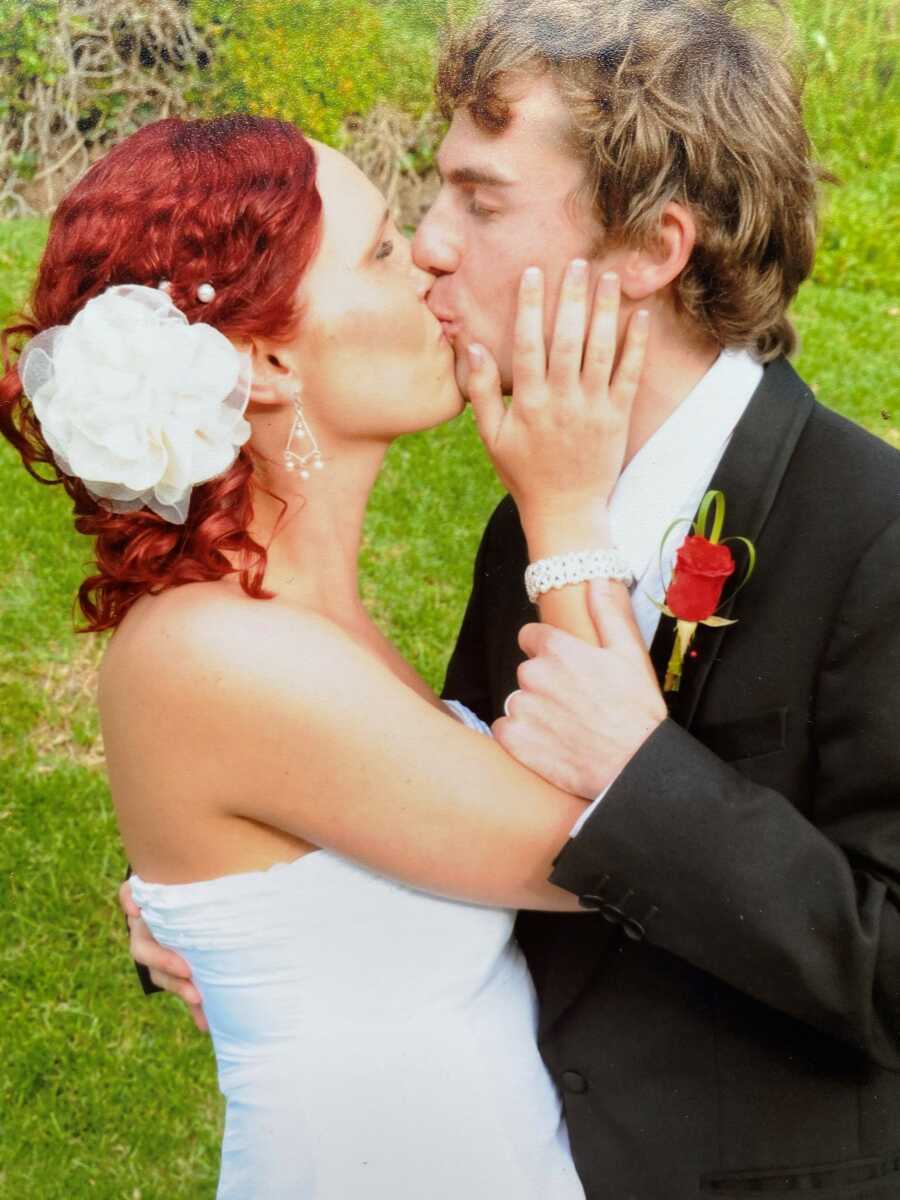
We frolicked along deserted tropical beaches, often the only humans in sight, watched giant turtles lay their eggs, and marveled as tiny hatchlings made their way to the ocean guided by the moonlight. We celebrated unfiltered Zulu festivals, savored traditional cuisine, and went on incredible game drives through the African bush. What we didn’t know then was that this adventure would lead us to our calling: caring for abandoned babies with end-of-life needs.
Meeting Our First Child
It all began in December 2011 with the sweetest little girl I had ever seen. Baby Ncami, with her big, almond-shaped brown eyes, peeked shyly from behind one of the orphanage workers. I had organized a Down Syndrome Awareness Day at our local hospital, and this tiny, delicate baby was one of the honored guests.
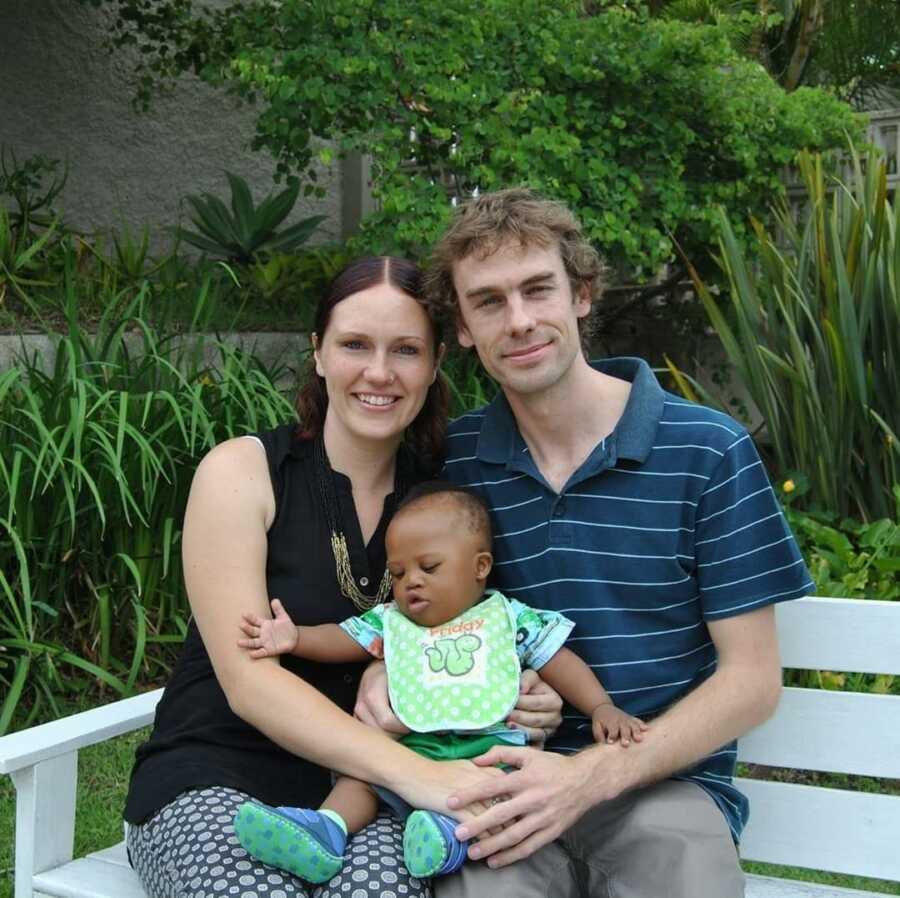
I have always had a soft spot for children with Down Syndrome—my younger brother-in-law has Trisomy 21—but there was something extraordinary about Ncami. When she bravely stepped out from behind the caregiver and flashed me a mischievous smile, my heart completely melted. I went about my duties that day, unaware that this baby would call me “mama” just a year later.
A few months later, in March, Christoff came home from work and asked if I remembered Ncami. She was admitted to his ward and her condition was poor. Of course, I remembered! I couldn’t get her out of my mind. Though we weren’t ready for children ourselves, we began entertaining the idea of becoming “weekend parents” to this little girl.
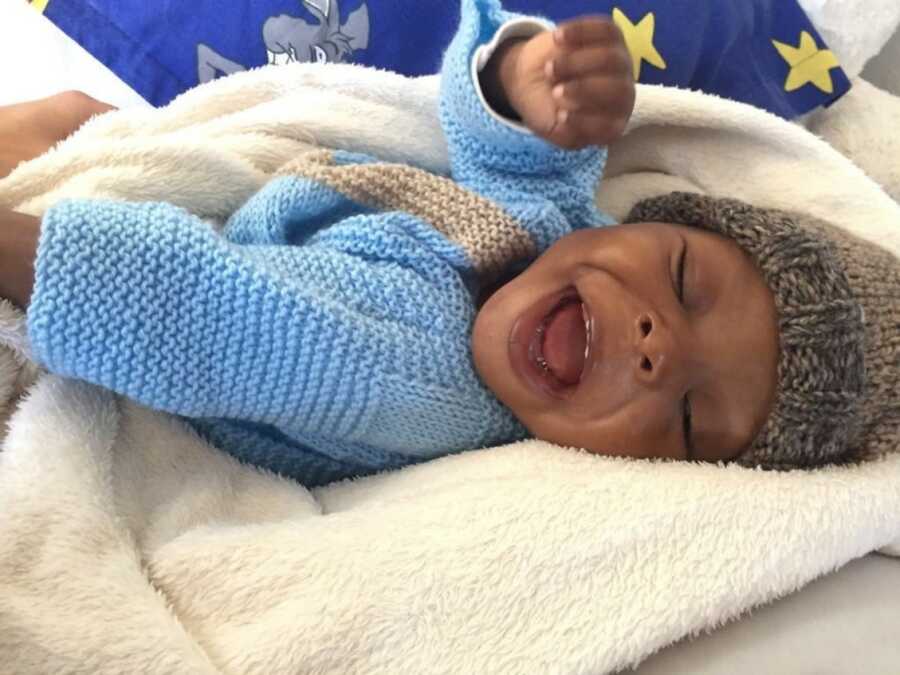
Before long, we were screened by the Children’s Home, assembled a wobbly second-hand camp cot (we’ve since mastered it!), and stocked up on baby essentials from our tiny rural grocery store. And just like that, Ncami was with us. After that first weekend, I knew I could never give her back. We had unofficially, officially become her parents.
Ncami’s Journey
It didn’t take long for us to realize that Ncami had far more complex medical needs than anyone had anticipated. Born to a domestic worker from Mozambique whose body was ravaged by AIDS, her father unknown, Ncami’s mother passed away shortly after her birth. While her older siblings were taken in by her mother’s employer, Ncami—born with Down Syndrome, congenital heart disease, pulmonary hypertension, and hydrocephalus—spent her first year in the hospital before being placed in an orphanage.
The months that followed were filled with hospital visits, occupational and speech therapy appointments, and long, lonely nights with just Ncami and me. There were fears, frustrations, and countless tears—but also immense joy. Ncami’s stubborn spirit, her laughter, her silly kisses, and her songs to her reflection in the oven door filled our days with magic.
Though she was not legally ours yet, Ncami lived most weeks between the Children’s Home and our little cottage. Around four months in, a cardiac check-up in Durban revealed just how fragile she was. A rushed doctor, mistaking me for a social worker, coldly said, “She won’t survive; her lips are turning blue.” I burst into tears, insisting, “I am her mother!” That was the moment I knew we had gone all in—falling in love with a baby who was dying. There was no turning back.
Ncami’s Heart Failure
Watching a child endure heart failure is unbearably difficult. Her tiny heart struggled to oxygenate her blood, leaving her weak and breathless, yet she persisted. Ncami even managed to stand for the first time after turning two. But we soon understood that her little body was exhausted, and we had to temper our encouragement. She was bold, brave, and breathtakingly beautiful.
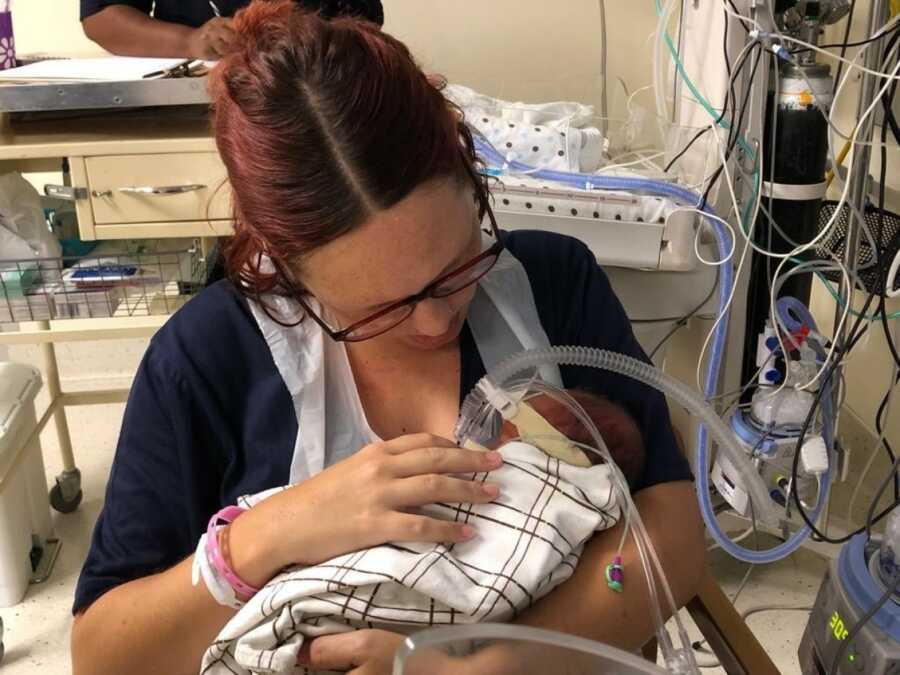
Six months into our journey, the inevitable arrived. I received a call in the early hours that Ncami had been admitted to the hospital. Overwhelmed with guilt that she had spent the weekend at the Children’s Home while we took a brief respite, I rushed to her side. She hardly recognized me, and I knew—it was time. The hospital staff gave us the space to love her until her final moments. Between fluttering moments of consciousness, she called me “mama” and christened Christoff “auntie.” Later that night, cradled in our arms, she took her last breath. Her life, fleeting as it was, left a permanent imprint on our hearts.
Growing Our Family
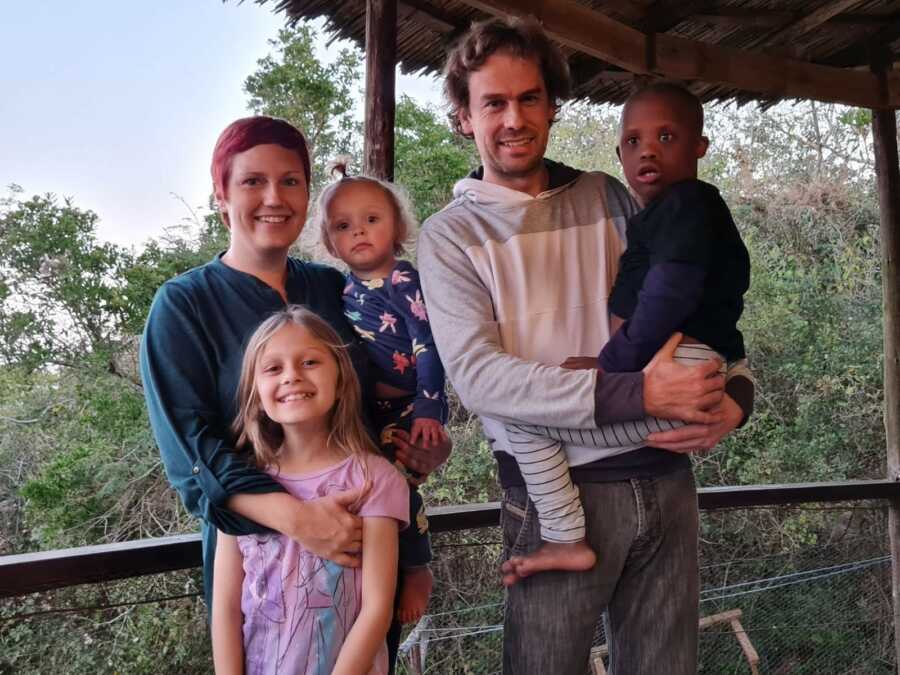
Life slowly returned to normal in the bush, but we were forever changed. We had faced death and were no longer afraid. Deep within, I knew we would love and lose again. The following year, I gave birth to our daughter Illy, adventurous, intelligent, and fiercely loving. When she was nearly two, we adopted our son Joshua, a “Martian-child” born prematurely to a mother who passed from AIDS. He, too, has Down Syndrome and was later diagnosed with Autism Spectrum Disorder. Bonding was difficult at first, but love found its way.
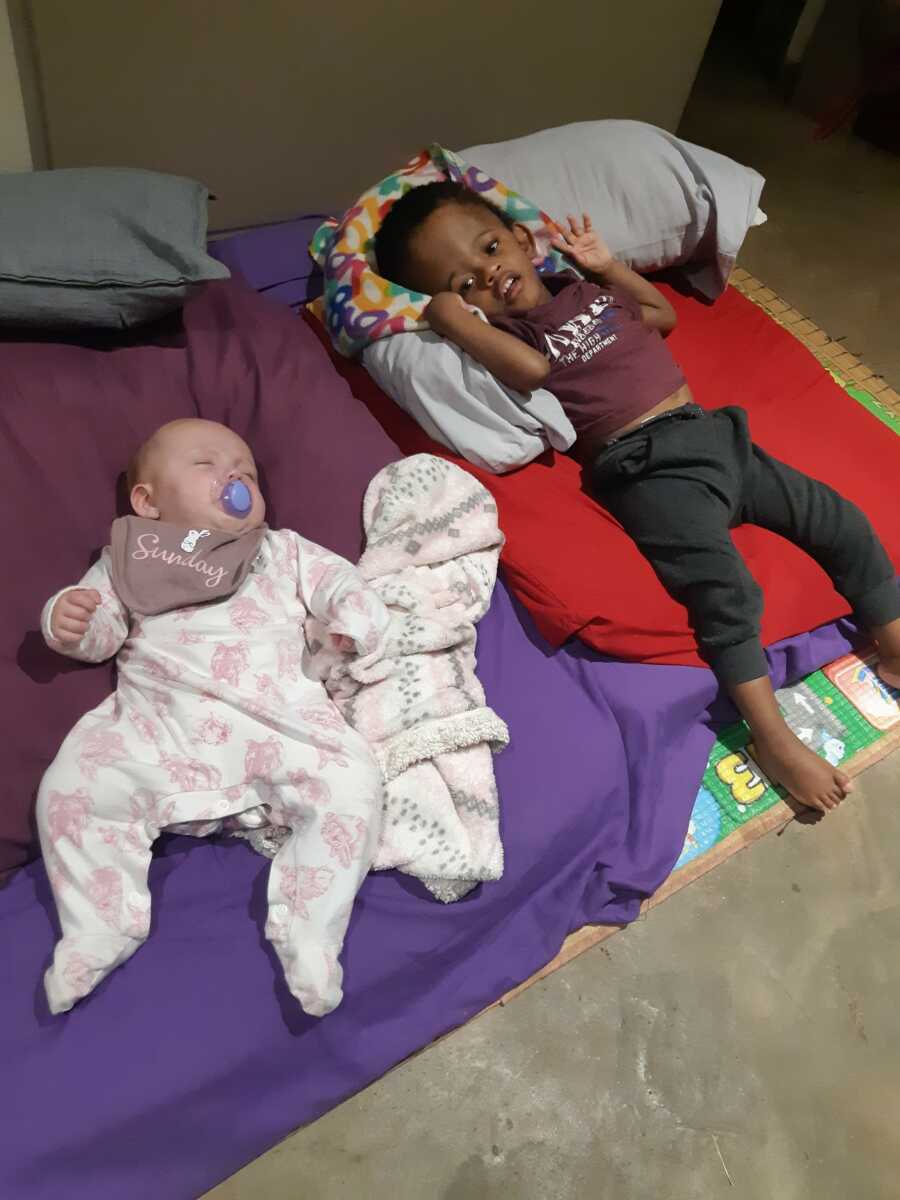
After seven years serving the Mseleni community, we moved to a mountaintop village called Ingwavuma, bordering Swaziland and near Mozambique. Lacking water and electricity, we immersed ourselves fully in the lives of the people there. Our calling remained clear: to love and care for babies with life-limiting conditions.
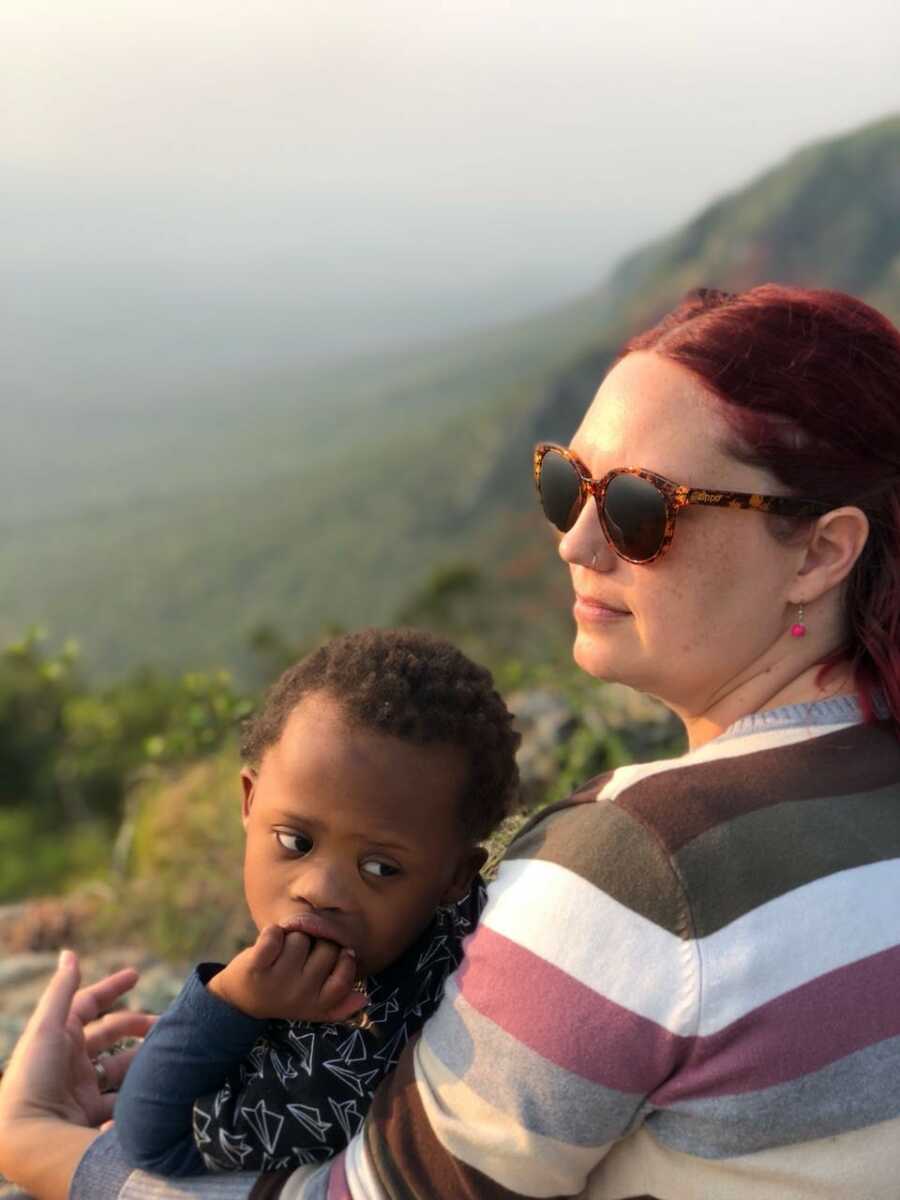
Loving Children With Life-Limiting Conditions
Our first call came in January 2018. A baby boy, abandoned outside a Johannesburg soccer stadium, had Edwards Syndrome (Trisomy 18) and was not expected to survive. Despite being overwhelmed, we took him in. Today, Butterfly Palliative Home runs from our garden in rural Zululand, cared for by a team of incredible local women. We nurture up to six babies at a time, each orphaned or abandoned, loving them until it’s time to say goodbye.
In December 2019, we welcomed Sienna Siyamthanda into our family—bold, loud, stubborn, and incredible. Life is hectic, our hearts full, and our days long. Loving and losing babies is painful, yet profoundly beautiful. And through it all, we wouldn’t have it any other way.