I never imagined that celiac disease and Alzheimer’s would collide in my life at the age of 40. That was the year I became a mom, while also caring for my mother, whose dementia was steadily worsening. My mother had started forgetting small things when I was in my early thirties, and over the years, her memory loss progressed as I endured a series of miscarriages that left me feeling helpless and heartbroken. Finally, at 40, my husband and I were blessed with a baby girl, Sydney—a bright, beautiful bundle of joy who instantly changed our world.
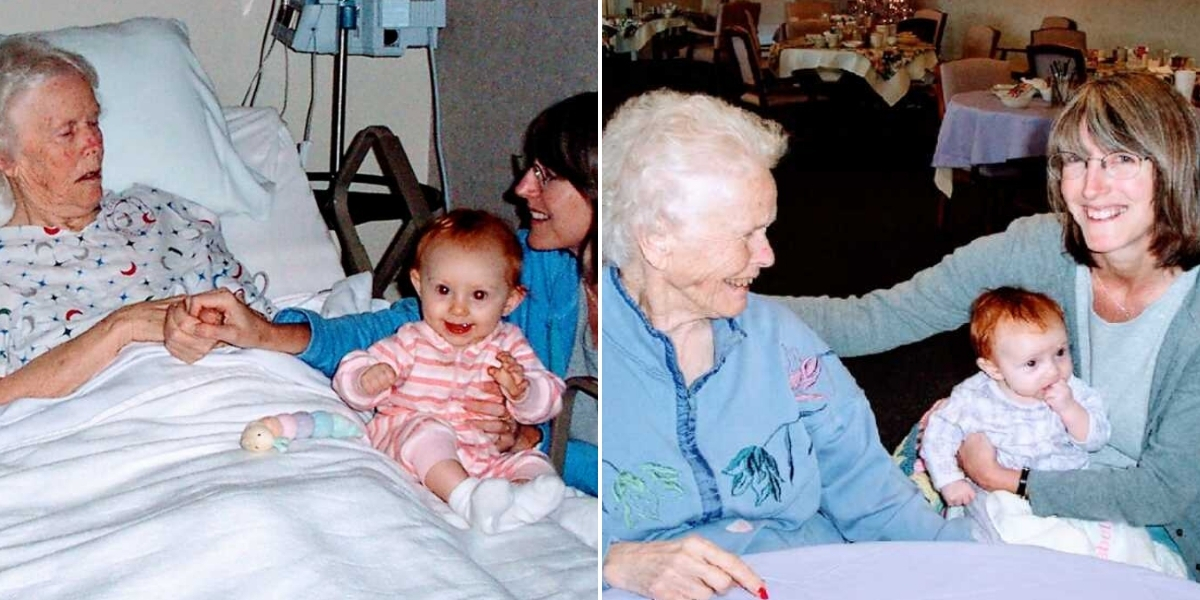
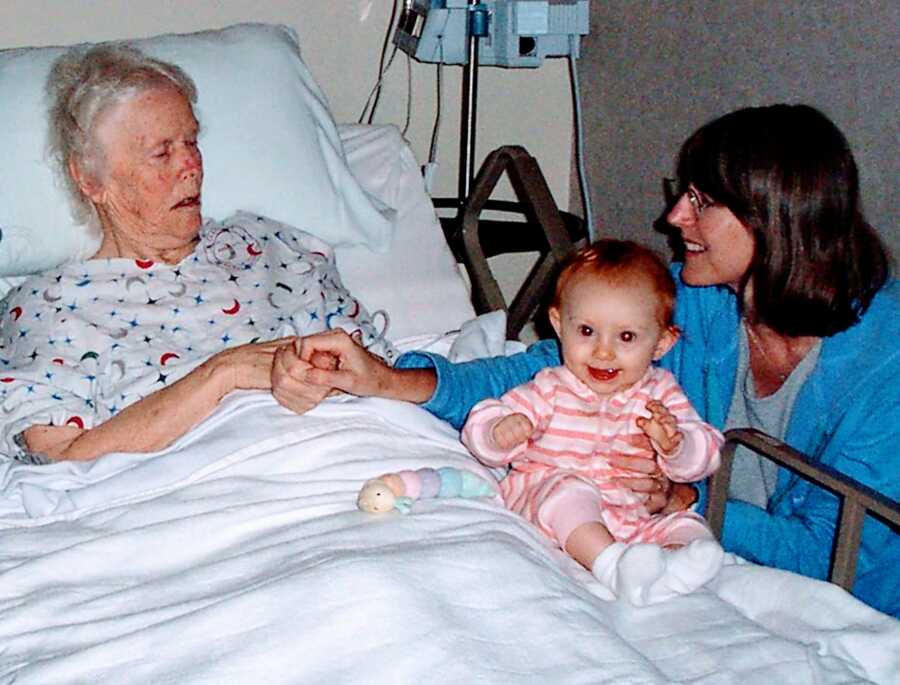
I was overjoyed at the thought of sharing Sydney with my mother, even though she no longer knew my name. Somehow, she understood that Sydney and I were part of her family. I took Sydney to visit her care home whenever I could, and my little girl’s laughter brought fleeting light to my mother’s fading mind. Those moments felt precious, fragile, and fleeting.
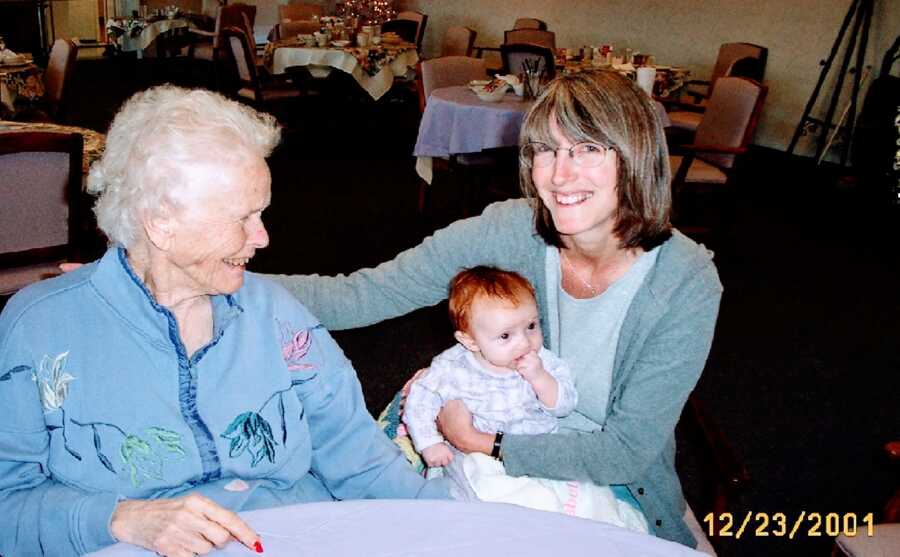
Yet it was also a difficult time. I watched my mother slowly slip away, acutely aware of the impermanence of every smile and every hug. I wanted to savor each second with her while also immersing myself in the wonder of my daughter. But Sydney cried often, more than I expected, and each wail tore through me. Her cries weren’t the typical signals of hunger, wetness, or fatigue—they felt deeper, more urgent, a silent plea for relief I couldn’t immediately provide. I would cradle her, stroke her soft hair, rub her tiny back, desperate to ease whatever discomfort she felt. Looking back, I now realize her little body was quietly battling celiac disease, an invisible inflammation that dulled her joy.
By the time Sydney was two, her growth had slowed dramatically. She endured intense stomachaches after breakfast, rarely napped, and sleep at night was almost unheard of for either of us. I chalked my own insomnia up to juggling the constant demands of caregiving. I worried endlessly about my mother—was she eating enough, safe, and comfortable? Would she recognize me today? The stress mounted when my mother had a series of falls, sending her to the hospital and stretching me even thinner.
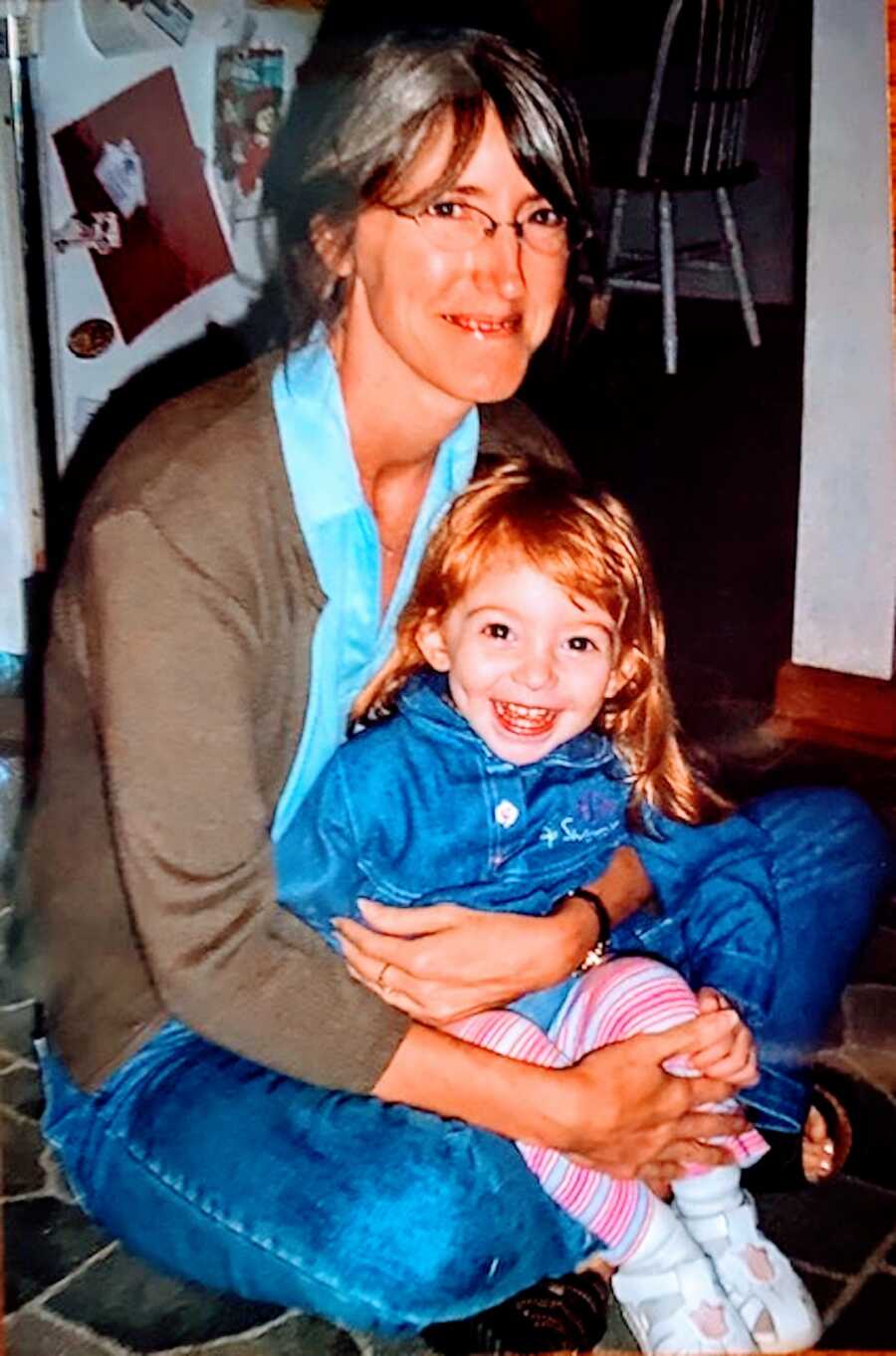
Sydney’s struggles became more apparent over time. She developed severe constipation, a bloated stomach, and an insatiable appetite that left me bewildered. She would finish a full meal only to ask for seconds minutes later. Doctors assured me she would “outgrow it,” while friends, though well-meaning, suggested it was just normal toddler behavior. I began to question whether my stress was affecting her—but deep down, I knew something more serious was going on.
Finally, when Sydney was five, a breakthrough came. Though initial blood tests were inconclusive, a specialist who truly listened believed in my concerns and referred us to a pediatric gastroenterologist. The endoscopy revealed severe scarring in her small intestine—clear evidence of celiac disease. We learned that every time Sydney ate gluten, her immune system attacked her own body, flattening the villi in her intestines and preventing nutrient absorption. She had been literally starving, despite eating enough food to fill a small army.
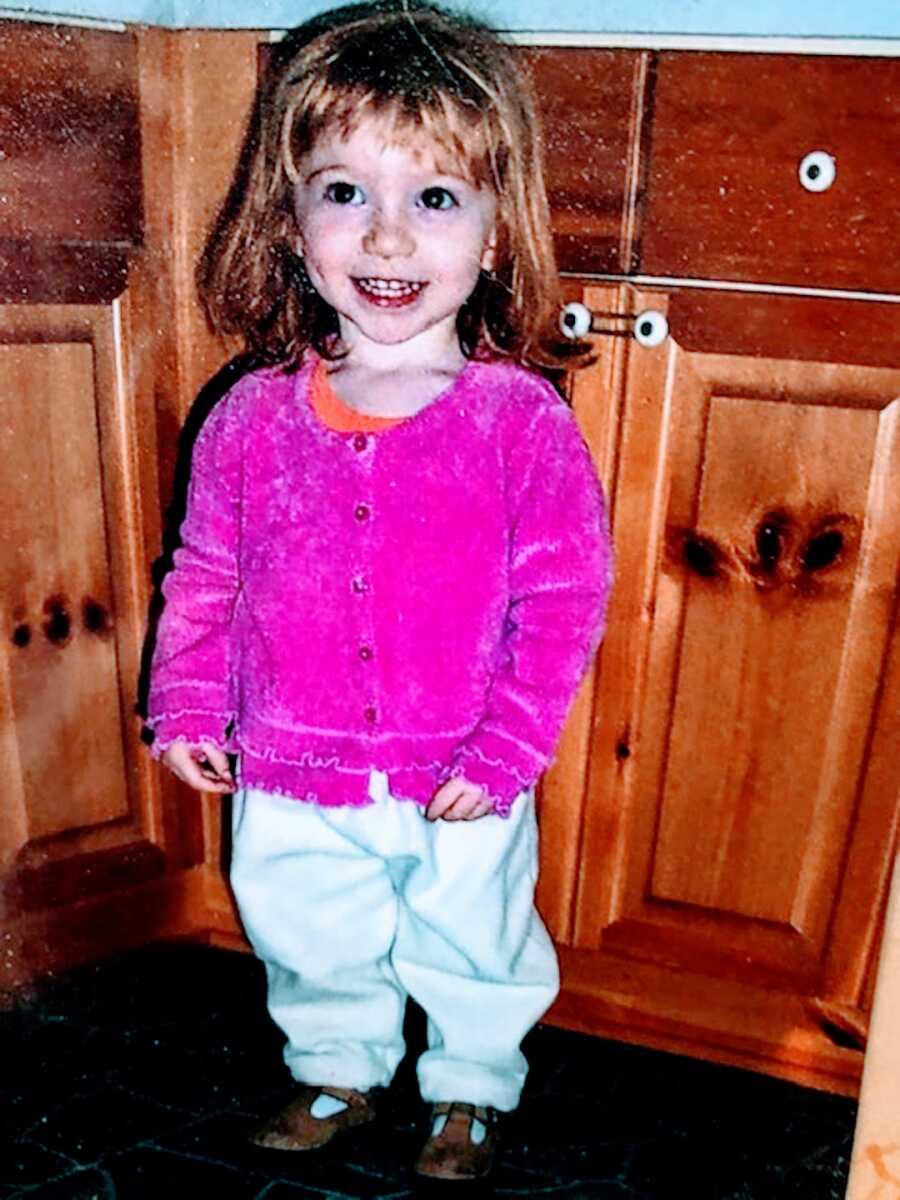
The flood of emotions I felt was overwhelming. Relief washed over me—validation that I hadn’t imagined her suffering—but it was tempered by sorrow for the years she endured unnecessary pain. I wondered if my preoccupation with caring for my mother had blinded me to what my daughter was experiencing. Yet now, with the diagnosis in hand, I could finally act. I wanted to remove every crumb of gluten from our lives and help Sydney begin to heal.
But it wasn’t easy. As someone who didn’t cook much—and whose mother hadn’t either—I had to completely relearn how to feed my family. Suddenly, eighty percent of our meals—bread, pasta, cookies, cakes—were off-limits. I threw myself into clearing our pantry, consulting a dietitian, and learning the intricacies of gluten-free cooking. The first year was filled with trial and error, grief over giving up familiar foods, and the challenge of maintaining family traditions without wheat. But over time, this new way of eating became a blessing. My husband and I discovered our own sensitivities and embraced a healthier lifestyle.
Sydney flourished. That summer, she grew several inches, slept through the night, and her stomachaches and bloating disappeared. Meanwhile, my mother’s Alzheimer’s advanced. She lost the ability to walk and speak and passed away just over a year after Sydney’s diagnosis. I couldn’t help but wonder: could celiac have affected her as well? Both Alzheimer’s and celiac are autoimmune conditions—perhaps, if my mother had been on a gluten-free diet, she might have enjoyed several more years with a clearer mind.

As a journalist, I turned to writing to process these overlapping challenges. My first memoir, Motherhood: Lost and Found, chronicles my mother’s descent into Alzheimer’s alongside my own journey into motherhood. I have since become an advocate for dementia caregivers, serving as Manager and Director of AlzAuthors.com, which provides resources, blogs, and over 300 books to support families facing dementia. Motherhood: Lost and Found was honored as one of the ‘Best Alzheimer’s Books of All Time’ by Book Authority for two consecutive years.
My second memoir, Celiac Mom, tells Sydney’s story: her early symptoms, her diagnosis, and our family’s transition to a gluten-free lifestyle. Sharing her journey, I hoped to guide other parents searching for answers. In 2020, I launched my Instagram account, @glutenfreeforgood, to raise awareness about celiac disease—a community that now reaches over 2,500 followers.
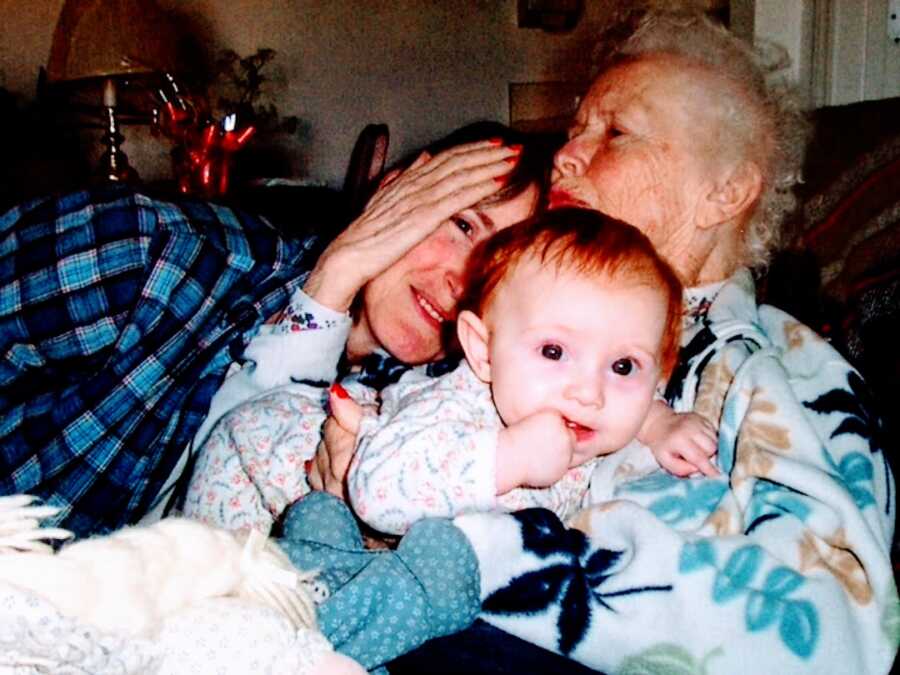
Alzheimer’s and celiac continue to shape my daily life. I make deliberate choices to eat healthfully, exercise, and avoid gluten, aiming to preserve an engaged and vibrant future. I volunteer, offer support, and encourage others to find answers and advocate for their loved ones.

By sharing our story, I hope to give others courage, clarity, and comfort. My memoirs serve as handrails through life’s uncertainties. While Alzheimer’s and celiac can devastate families, I have learned that with awareness, care, and perseverance, it is possible not just to survive these challenges—but to thrive, embrace joy, and cultivate a life full of love and connection.