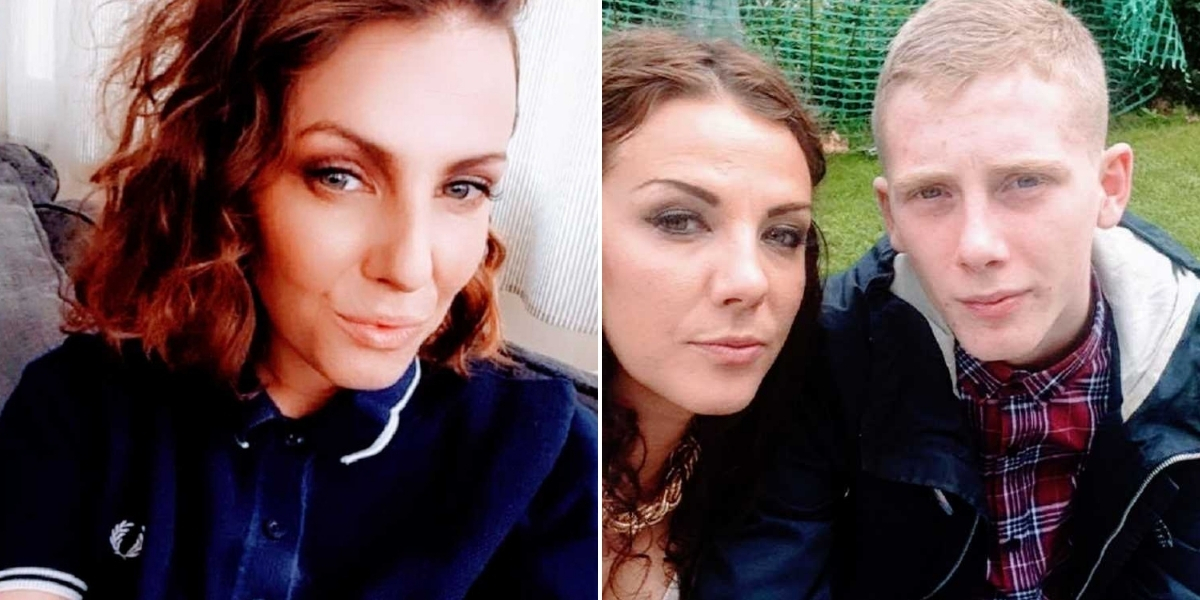
Before I became ill with Tarlov Cyst Disease, my life felt full and vibrant. I worked as a regional accounts manager and marketing executive in a role I truly loved. I had a fantastic boss, supportive colleagues, and a future that seemed bright with opportunity. On weekends and evenings, I enjoyed visiting family, taking long walks, going to concerts, and seeing live bands perform. I was ambitious and excited about my career—I had been offered a promotion and pay raise to start in March 2018, and companies like the BBC and SKY TV were even scouting me. I truly felt like everything was falling into place. Then, in a single day, everything changed.
I had been experiencing sciatic pain in my left leg and hip since I sprained my ankle in June 2017. My doctor referred me for a hospital examination. The appointment seemed routine until I was asked to move in a specific way while lying on my front. Suddenly, I felt a sharp pop and intense pain. The doctor told me I had a slightly prolapsed disc that could be treated with physiotherapy. I left feeling relieved—if only I knew what was really coming.
I returned to work that day, confident I’d be fine. Within an hour, however, I had to leave, wracked with excruciating pain in my back. I went home, hoping rest would help, but overnight everything worsened. The next morning, I had lost all sensation in my left leg, could no longer control my bladder, and the pain was unbearable. It began affecting other parts of my body as well—and it remains largely the same today.
When I finally saw a physiotherapist, she immediately noticed swelling in my back and refused to treat me. She sent me to a pain clinic, where I had my first MRI scan. The results were devastating: degenerative disc disease and multiple discs out of place. They recommended spinal injections—later, I learned that these could have caused far worse complications for someone with Tarlov Cyst Disease. I am incredibly grateful I never had them.
Weeks later, my MRI report accidentally arrived at my parents’ home. I took the opportunity to study the full findings myself, and it was then I discovered something called a Tarlov cyst. Information online was scarce, but the few details I found resonated deeply with me. These cysts, first discovered in 1938, were long thought to be non-symptomatic—a belief still held by many doctors today. Seeing terms like “meningeal cysts” and “bone erosion” on my report was terrifying, and I felt completely lost.

Determined to understand my condition, I found a private UK Facebook group for people with Tarlov cysts. Every post mirrored some part of my own experience. I introduced myself and was met with overwhelming support, advice, and information. For the first time since becoming ill, I felt heard and empowered. Michele, the group organizer, has been an incredible mentor, despite her own struggles with multiple cysts. This community gave me the courage to advocate for myself and demand the care I needed.
Armed with knowledge, I insisted the pain clinic refer me to Dr. Casey, one of only five surgeons worldwide who operate on Tarlov cysts. When my referral was accepted, I felt a mix of relief and hope. My cyst, measuring 3 x 3 cm at L5–S1, was classified as large, and it became clear I could not return to my previous job. By October 2018, I had been laid off, and my life had changed dramatically. I could no longer take long walks, dance to my favorite songs, or visit family and friends with the ease I once did. Living with a chronic illness is exhausting, and many people don’t understand that even a “brave face” doesn’t mean I’m okay.
Tarlov cysts are not simple cysts—they are fluid-filled sacs affecting the nerve roots at the base of the spine. Symptoms vary depending on size and location but can include nerve pain, numbness, incontinence, weakness in the legs, and impotence. Most people assume I just have a bad back because awareness of this disease is so low.
Despite these challenges, my life has found new meaning. The illness introduced me to an incredible online community, gave me a devoted assistance pup, and helped me recognize who my true friends are—the ones who stayed, who didn’t run away because I “aren’t the same.” My circle may be small, but it is strong and trustworthy.
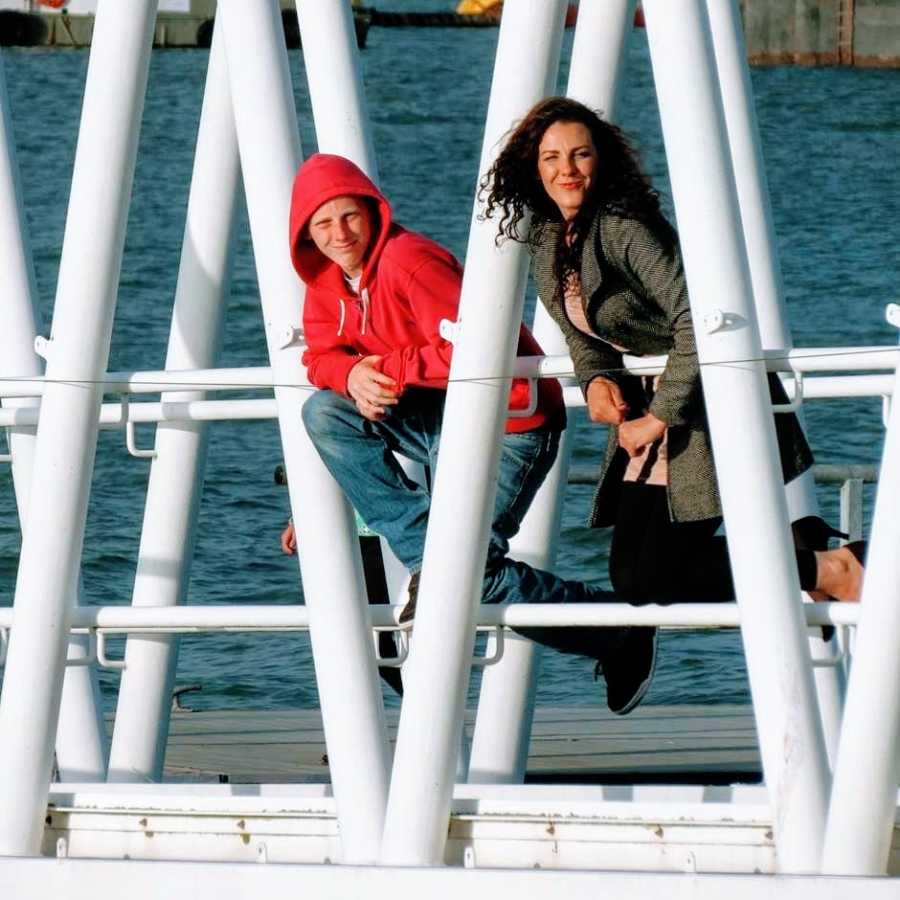
My relationships with my children, now 20 and 21, have grown closer than ever as they have become my main carers. Their love and support mean more than anything. I hope that in the future, I will be able to undergo surgery, recover, and reclaim some of the activities I once loved. I am also beginning a charity project to help others facing similar challenges, and I believe this will open doors to new opportunities.

My journey has taught me the importance of never giving up, advocating for yourself, and trusting your instincts. Life with a disability is still life—valuable, meaningful, and full of connection. Mourning the “old you” is natural, but seeking support, therapy, and community can guide you toward a new, fulfilling path.