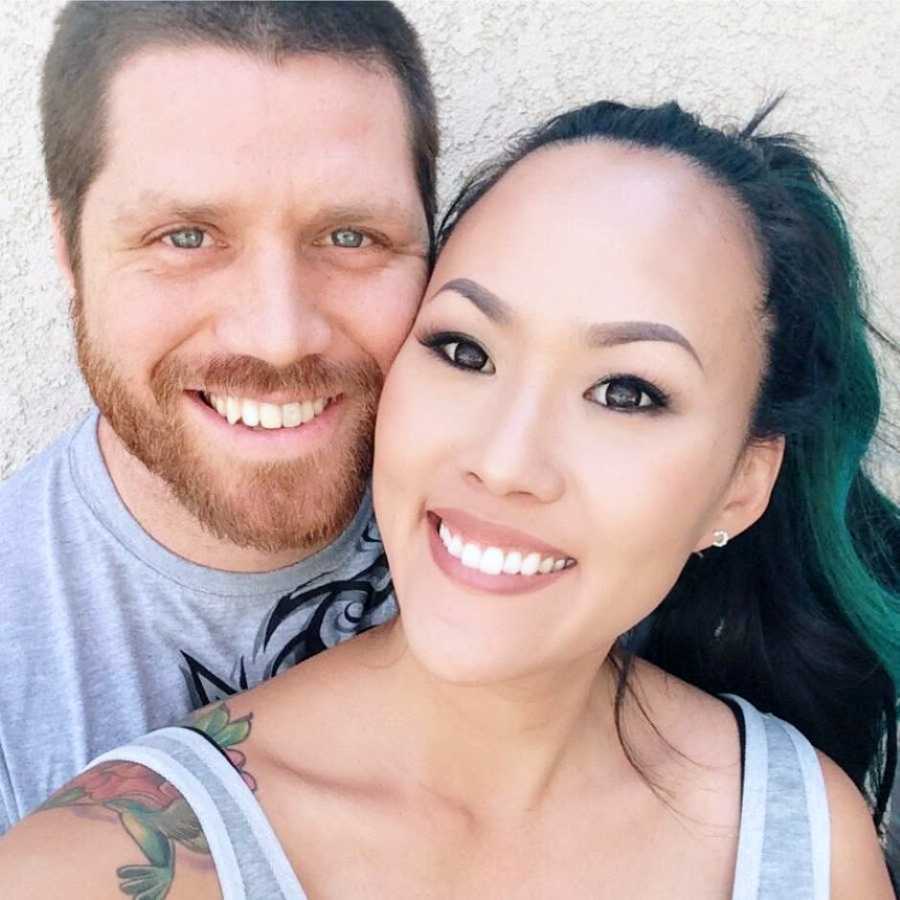
A couple of years ago, I was walking in what felt like the best season of my life. I was married to my best friend, and we had four amazing kids who were finally old enough to do more and be part of adventures with us. We had entered a new phase of parenting—one full of freedom, flexibility, and togetherness. We homeschooled, which allowed us to take frequent road trips, spontaneous day trips, and even engage in ministry together. My husband and I pastor a church in the inner city, and without any paid staff, we handled virtually everything together as a family—office work, events, travel, and community outreach. Life was busy, but we went to bed tired and fulfilled, grateful for every moment.
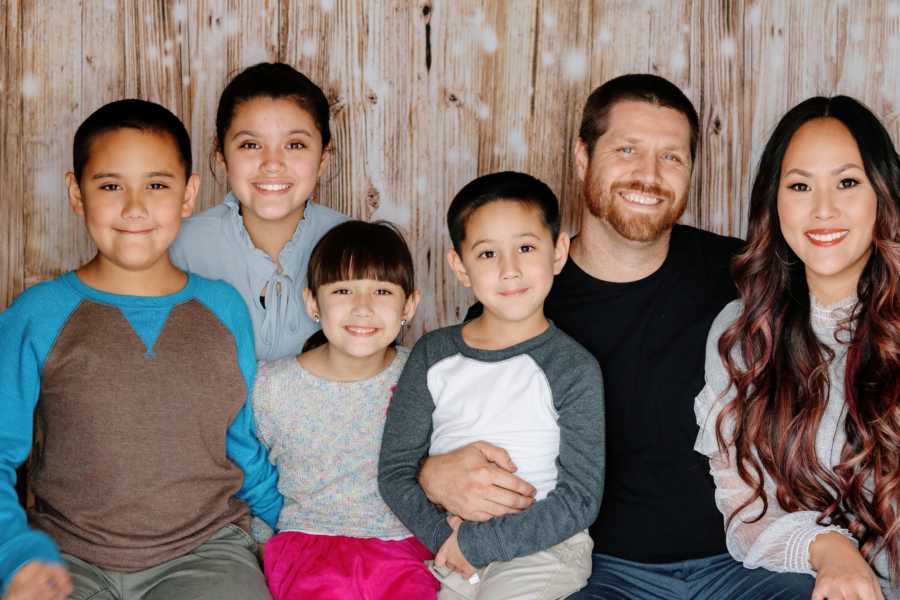
In June of 2018, our calendar was filled with celebrations—my husband’s birthday, Father’s Day, and our church anniversary. I was driving home with the kids to pack for a beach getaway to celebrate him when, suddenly, we were rear-ended by a large, lifted truck. Our van was damaged in the back, but it was still drivable. I felt a little sore, chalking it up to normal accident pain, and didn’t want to cancel our weekend. So, we packed up and headed to the beach.
As the day progressed, the soreness escalated into unbearable pain. By evening, I was doubled over, crying. We went to urgent care, and the doctor immediately insisted I get an MRI back home. At the time, I was healthy and active, without a primary doctor, so the next day I scheduled the scan. About a week later, the results came in. The doctor called with a cautious voice, explaining he had found something in my spine he had never seen before. After consulting with colleagues—none of whom could explain it—he gave it a name: Tarlov Cysts.
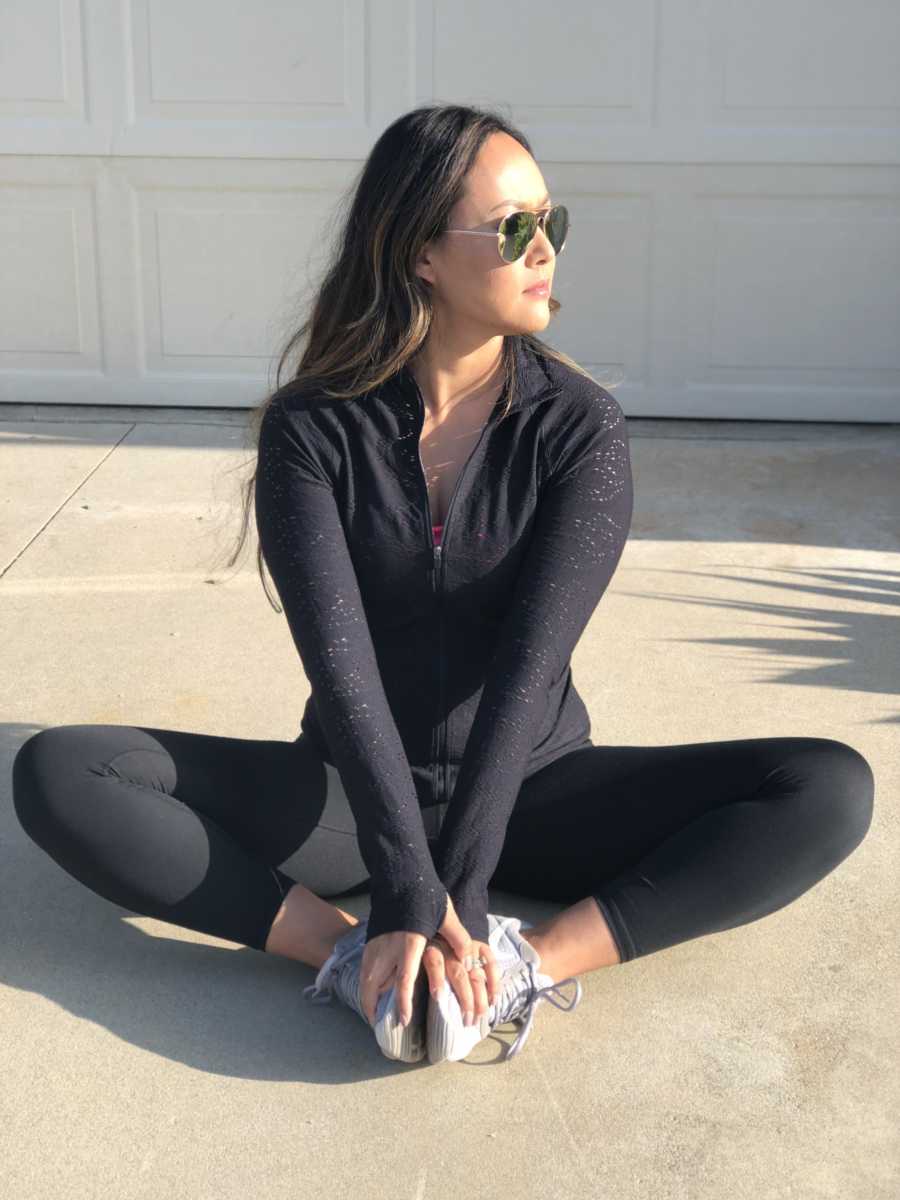
I later learned that these cysts are a rare condition that typically remains dormant until trauma triggers the nerve roots to fill with spinal fluid, wreaking havoc on the body. Often misunderstood and misdiagnosed, Tarlov Cysts can cause excruciating pain and dysfunction. The neurologists in my area were unsure how to treat them, and some insisted they couldn’t possibly be the source of my symptoms. The original doctor who discovered them, Dr. Tarlov, had initially found them in cadavers and assumed they were harmless. Later, after studying them in living patients, he realized their potential impact—but the updated information never made it into medical journals.
Within three months of the accident, my body began to betray me. I started losing feeling in my legs, struggled with bladder and bowel function, and endured constant pain with a growing list of other symptoms. I discovered there were only two specialists in the United States who treated Tarlov Cysts. After sending my scans and consulting with one, I learned that while Tarlov Cysts usually appear in the lumbar or sacral spine, mine were extensive—bilateral along my spine and in my pelvic region. Looking at the MRI felt surreal, as though someone had scattered mini marshmallows throughout my back. I made the difficult decision to undergo surgery, hoping to slow the progression and alleviate symptoms.
After persistent advocacy and many tears, I received a rare disease exemption to have the surgery covered by insurance. Traveling from Southern California to Sacramento was exhausting, as I couldn’t sit for long periods. With ice packs, breaks, and games for the kids, we finally arrived. My sister stepped in, caring for our children and turning the situation into an adventure for them. Her love and support were invaluable.
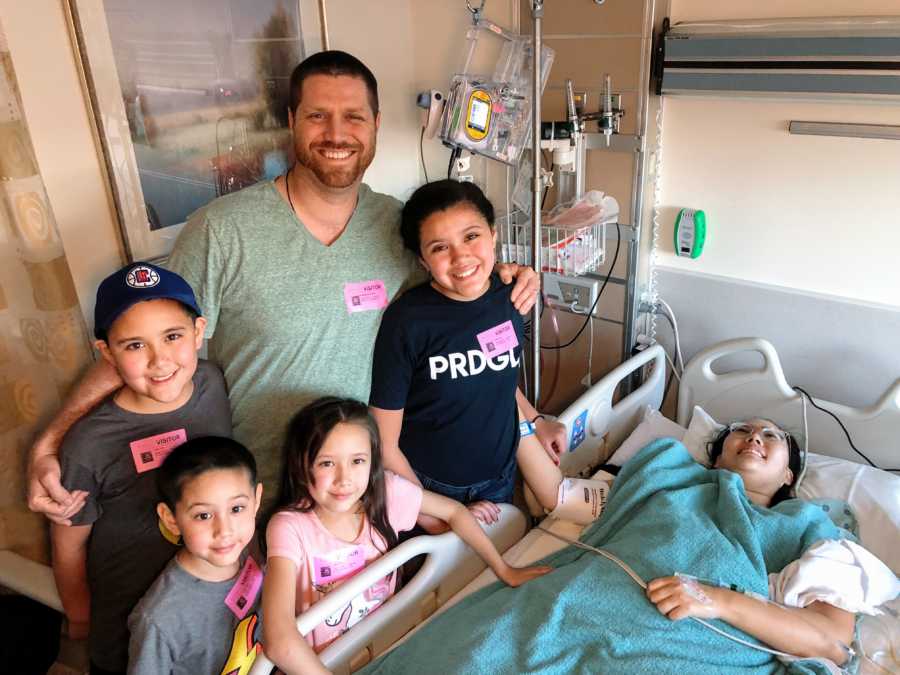
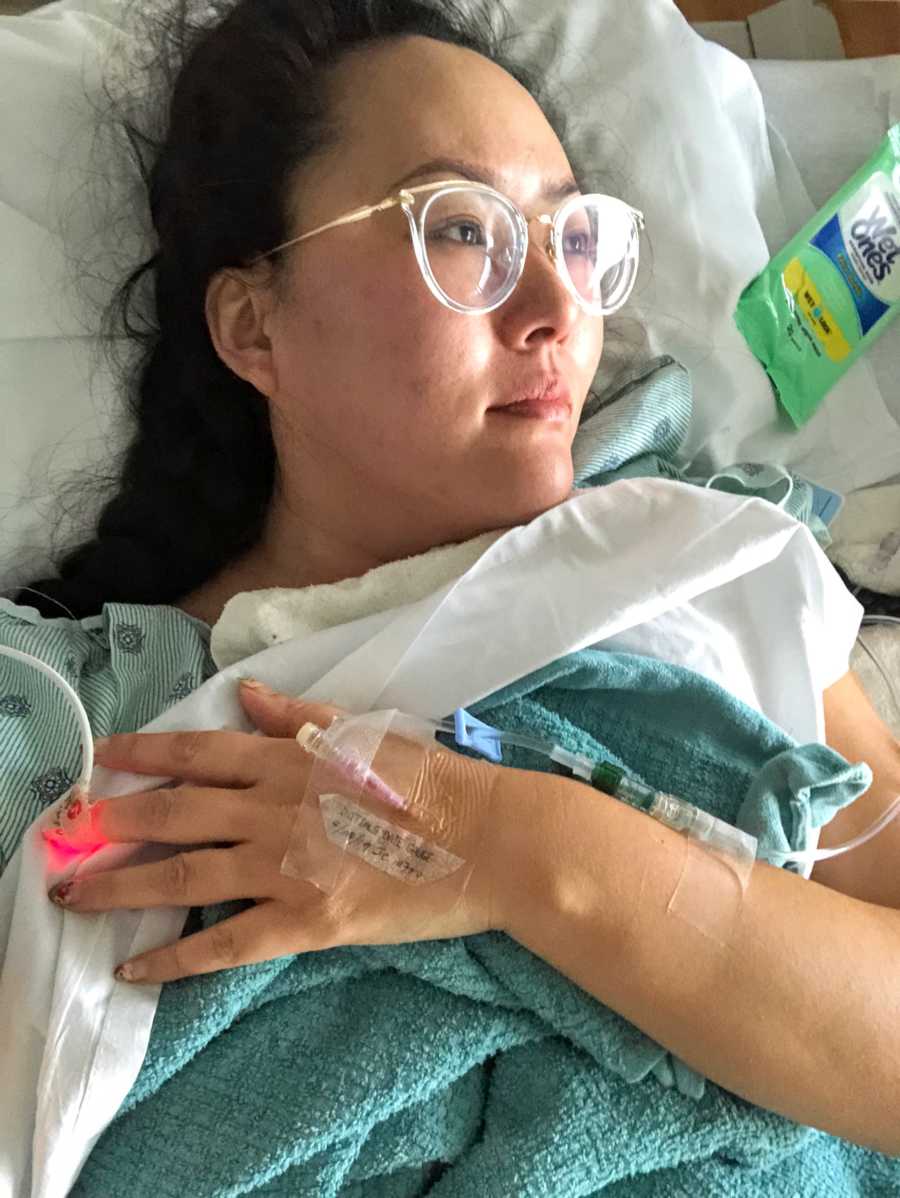
What was expected to be a two-hour surgery extended over seven hours, addressing seven cysts—including two in my pelvic area that had pushed through from the other side. My surgeon called it one of the most complicated procedures of his career. I left the hospital unable to sit, stand, walk, or care for myself, enduring pain worse than anything I had ever felt. For the next few days, we stayed at a nearby hotel for follow-ups. My sister remained with me while my husband returned home with the kids, later flying back to help me get home safely.
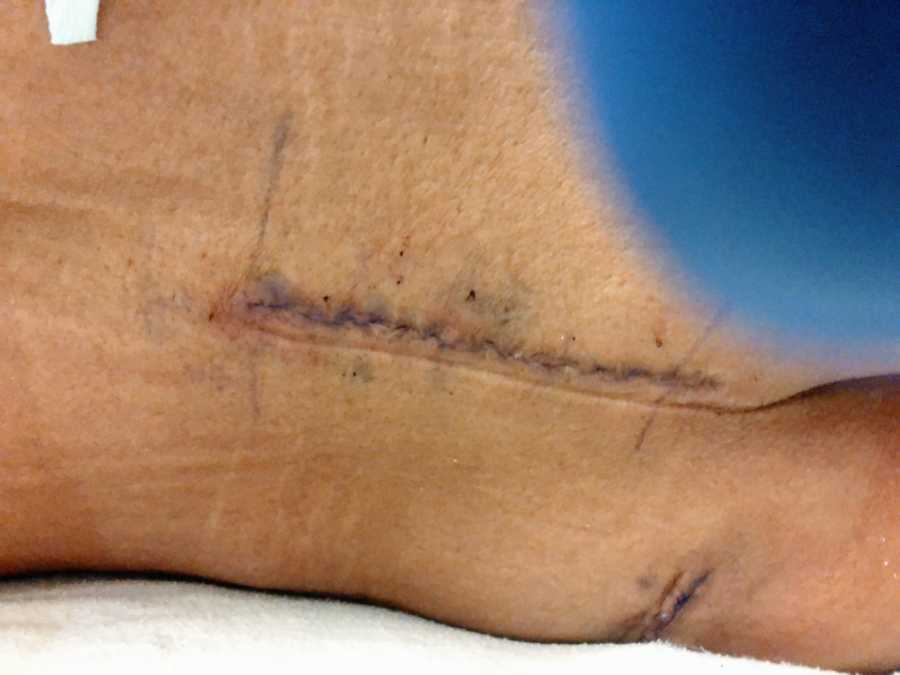
I could not roll, turn in bed, lift my head, pull down my pants, or even clean myself. Losing control of the most basic, private functions stripped away my dignity. Yet my sister’s care was tender and unwavering, reminding me that love is often most powerful in our weakest moments. For months, from my navel to mid-thigh, I was completely numb. Simple tasks, like standing or dressing, were impossible. My husband became my hands, my feet, my support system—managing our home, our children, and my care with selfless devotion.
As the months passed, my symptoms worsened, and at fourteen months, my surgeon declared the surgery a failure. Additional diagnoses followed: Adhesive Arachnoiditis, a condition where nerves clump together causing excruciating pain, and Ehlers-Danlos Syndrome, a connective tissue disorder that had been mostly dormant in my body. Along with a long list of other complications, my life as an active, healthy mom came to a halt.
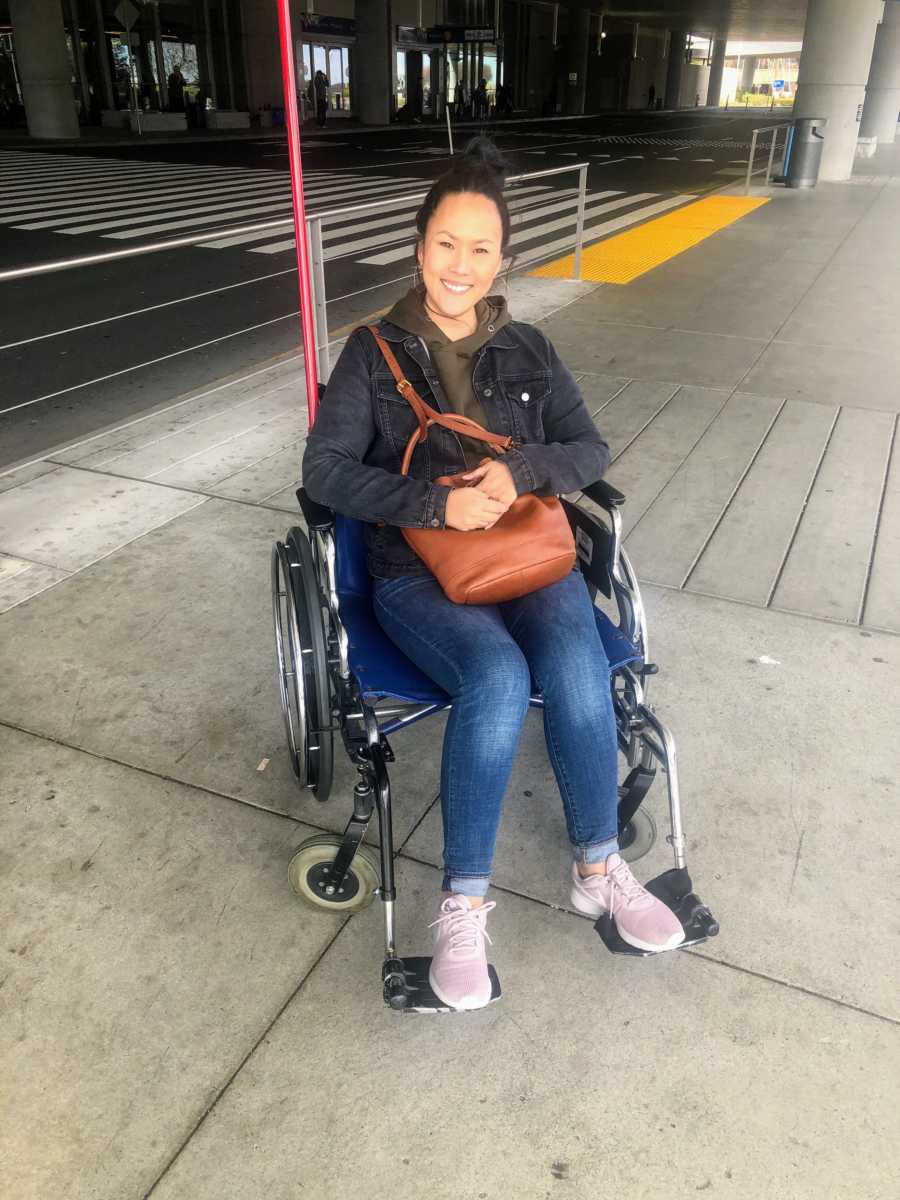
Adjusting to this new reality has been excruciating. I grieved the life I had and the person I once was, battling depression, constant pain, and the loss of independence. Yet through this, I’ve been surrounded by unwavering love—a supportive husband, amazing kids, caring friends, and a faith that has deepened beyond words. I’ve witnessed sacrificial love in its purest form, experienced the true meaning of “in sickness and in health,” and learned to cling to hope even in the darkest moments.
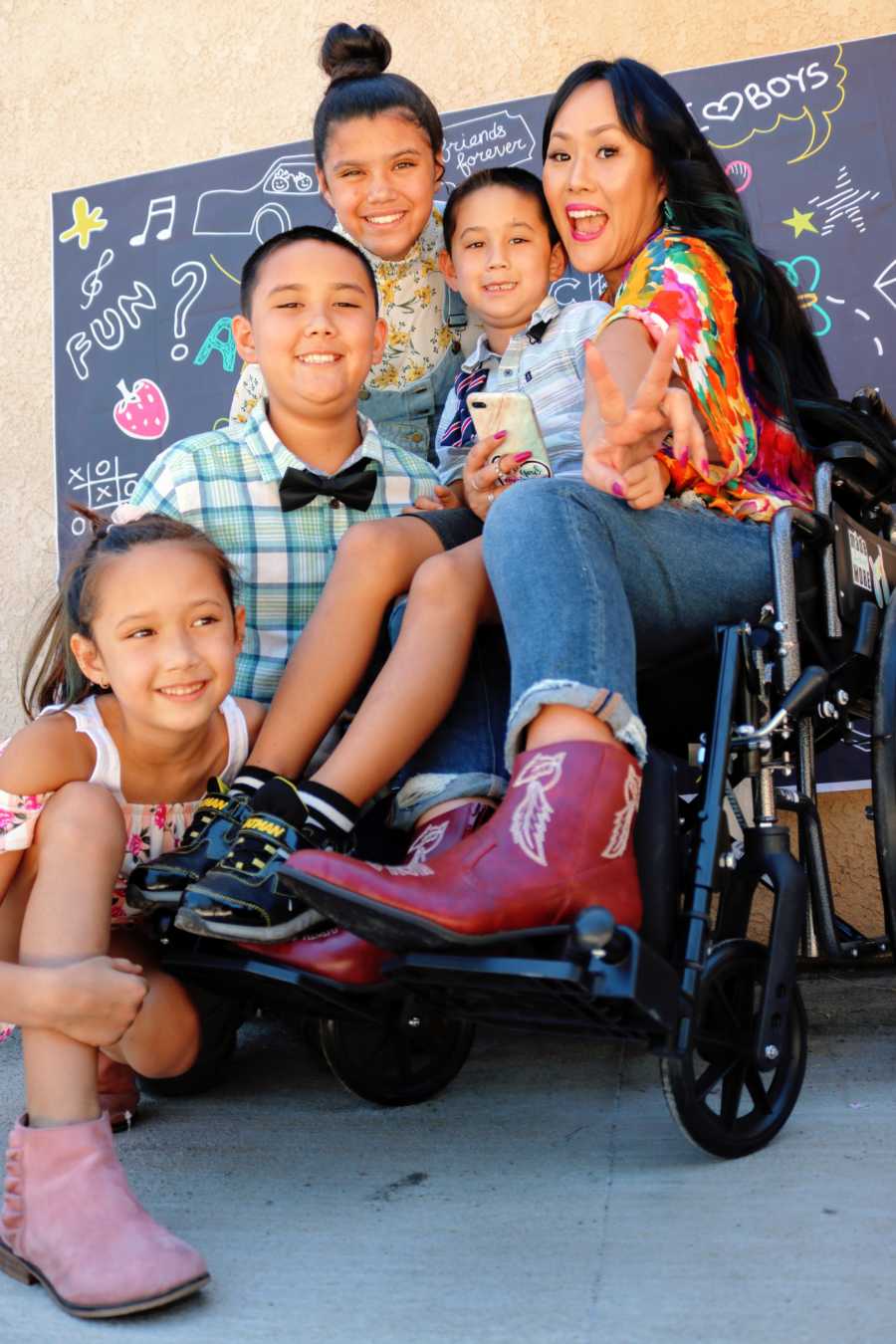
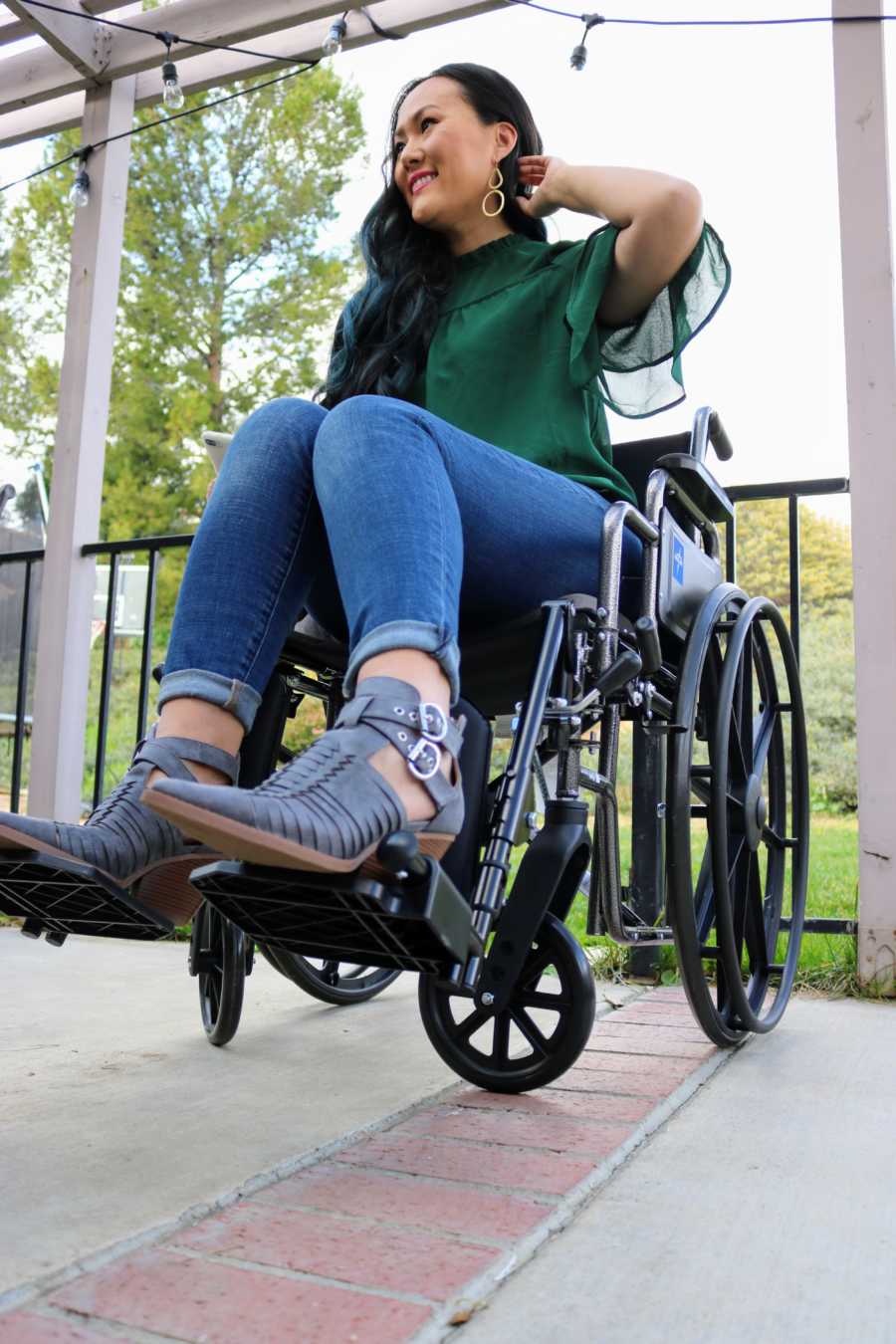
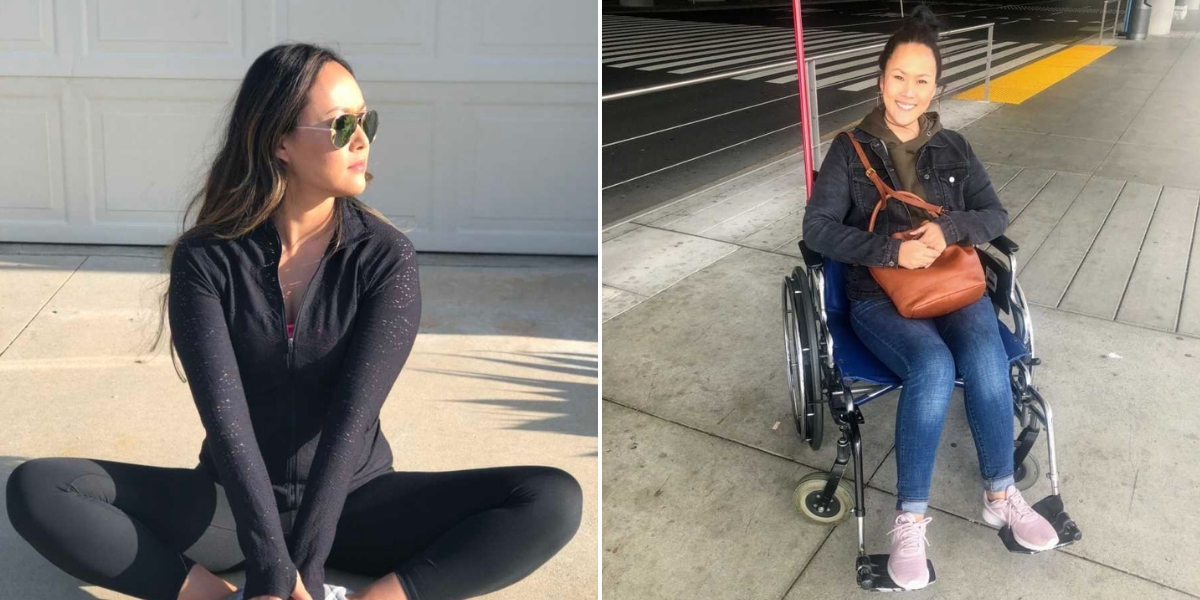
Our daily life has changed drastically. I haven’t driven in almost three years, cannot walk unassisted, and rely on help for everything from getting dressed to personal hygiene. Home health, palliative care, physical therapy, and occupational therapy have become part of our routine. Insurance has provided an electric wheelchair, accessibility modifications, and tools to support my independence. While life is different, our family has grown closer, more empathetic, and more thankful for the things that truly matter.
Through it all, I’ve discovered the power of sharing, empathy, and serving others. Projects like Dressember—raising awareness and funds to combat human trafficking—have reminded me that even in pain, we can lift others. Life has forced me to confront long-standing struggles—people-pleasing, anxiety, boundaries, and self-worth—and in the process, I’ve found my authentic self. When you can no longer “do” and can only “be,” you discover who you truly are.
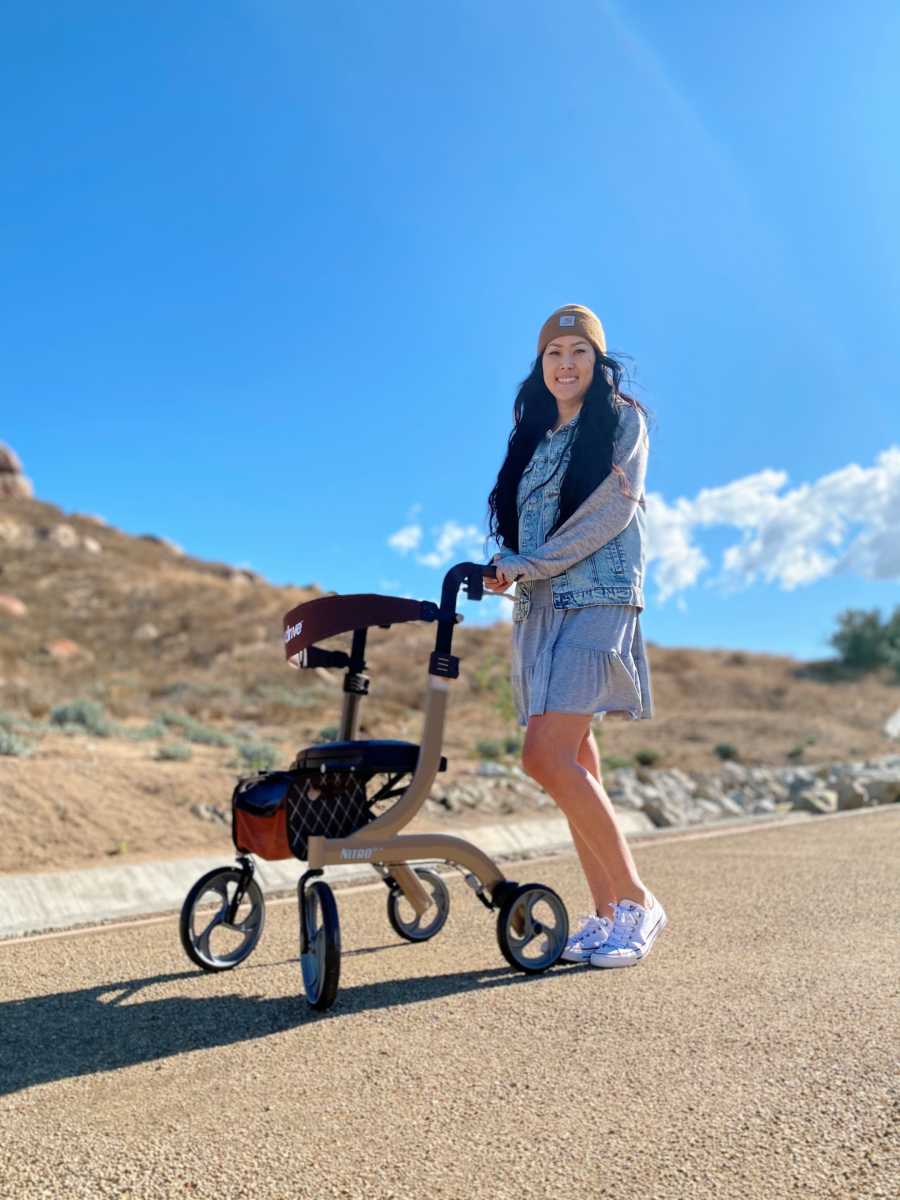
I would never have chosen this journey, yet I am grateful for the lessons it has taught me: the depth of love, resilience, faith, and compassion. Whatever hardship you face, you have the power to overcome. Your story is powerful, but only if you share it.