I am a survivor—and a thriver—of domestic violence. I thought leaving my ex-partner would bring immediate freedom, a sense of peace. I was wrong. Separation happened over three years ago, yet the years that followed have been the most psychologically, emotionally, financially, and spiritually challenging of my life.
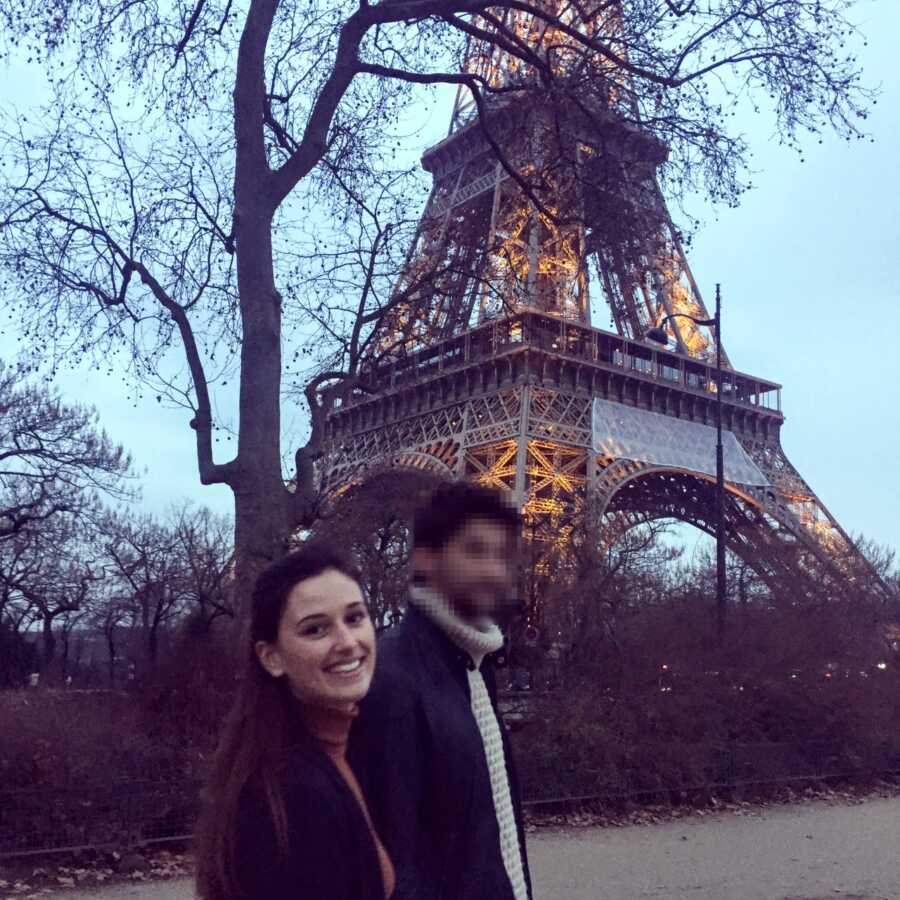
London, England. 2015.
Six years ago, at 22, I fell in love with a man who seemed intelligent, charming, and witty. He was eccentric, worldly, and his life had an unusual spark. Initially, I was cautious, unsure of him—but his attentiveness, devotion, and charisma drew me in. Life with him felt exciting, alive, and full of promise. Boring it was not.
Yet, as the months passed, the laughter faded, the fun disappeared. Slowly, I found myself in a relationship where control overshadowed love. I was financially restricted, locked out of my own home, my belongings taken from me. I could not finish my studies at King’s College London. He belittled me constantly, planting the belief that without him, I would never succeed.
The abuse was subtle at first, insidious. I made excuses: stress from moving countries, starting a business, having a baby—it had to explain it, right? No. It was the unmasking of his true self, hidden until he felt he had complete control. I only fully understood when a psychiatrist told me he was a “narcissistic sociopath.” That moment shattered my illusions—the truth hit me hard, and the real battle began.
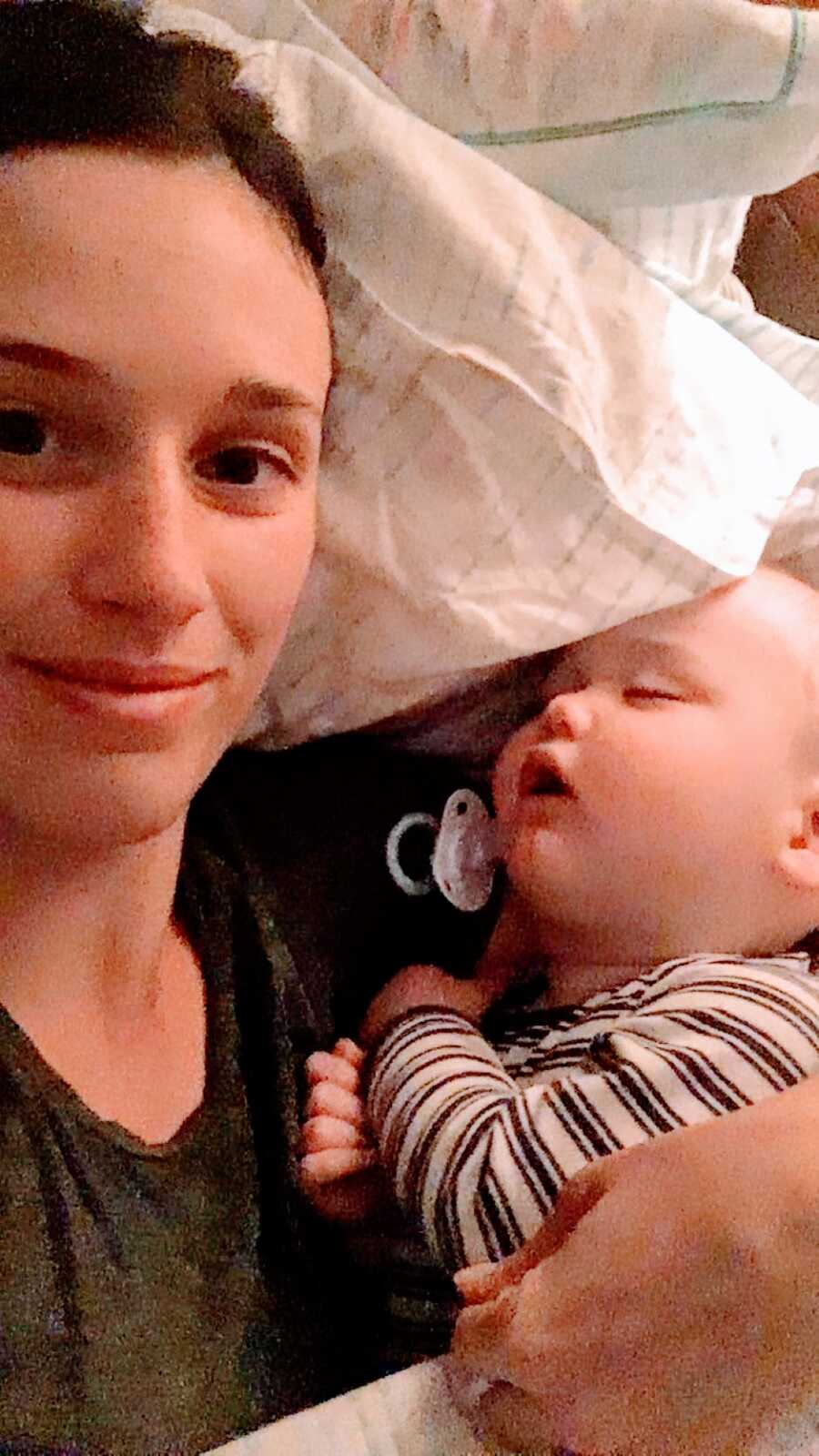
Perth, Australia. 2018.
I left him despite feeling utterly vulnerable—a 7-month-old baby, a nearly empty bank account, no job, a student far from family and friends. Deep inside, I knew I deserved more, that my life and my son deserved more. Yet, instinct warned me: “Be careful. There is a darkness in him you cannot see.” For a while, I appeased him, complied, even compromised my own dignity. It bought me temporary safety, but it also brought anxiety—a warning my body could not ignore.
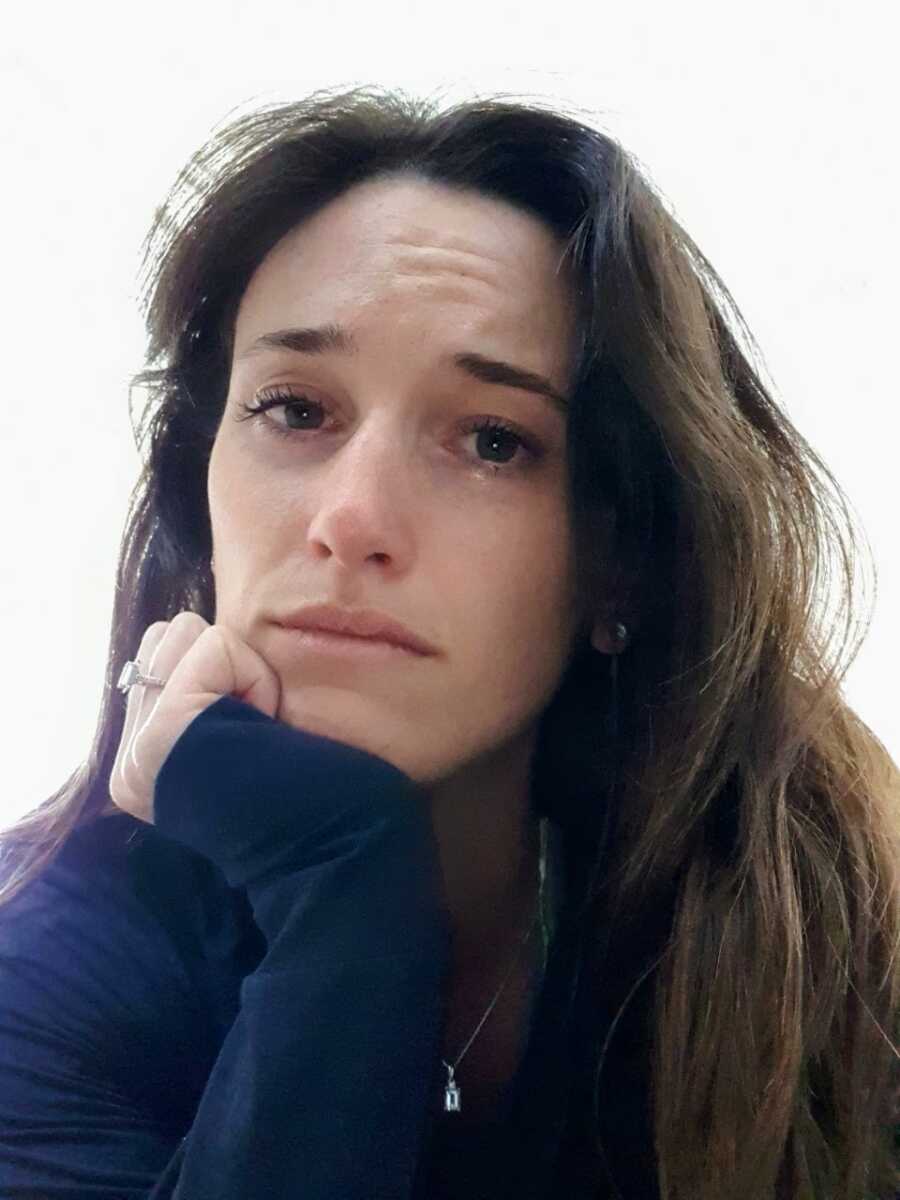
The confrontation was inevitable. When I reported an incident of verbal abuse and suspected stalking to the police, he immediately filed in Family Court for shared custody of our nearly two-year-old son. My fear deepened. I had seen him impatient and neglectful, especially when drunk, which was almost every day. The lows I sank to were profound.
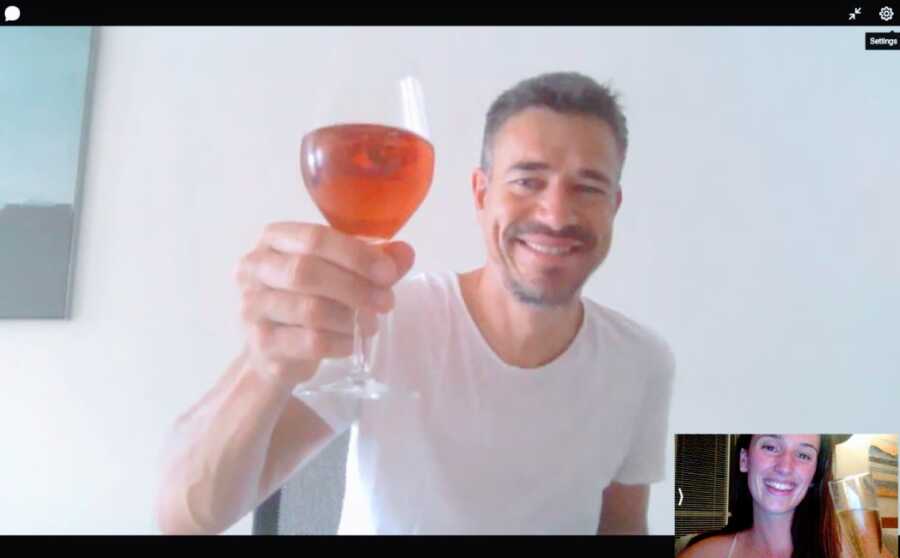
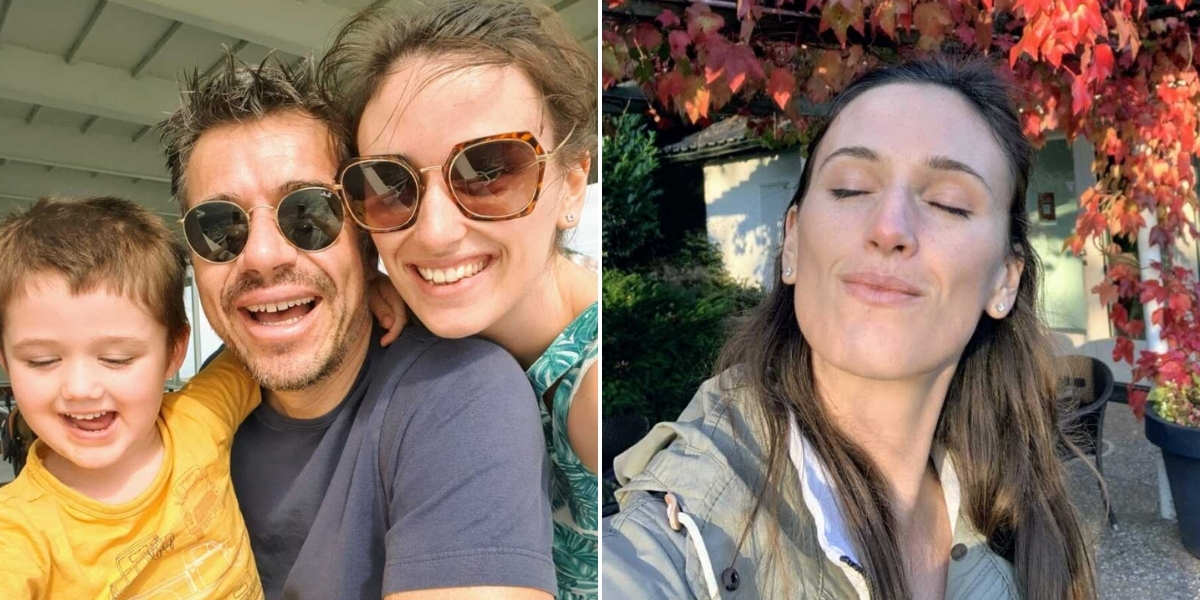
Amid the darkness, love appeared in an unexpected form. David, an old friend from Switzerland, became my source of hope. Trust was hard; my hypervigilance warned me to stay cautious, yet a taste of genuine love kept my heart open. I shared my deepest fears with him early, vulnerabilities most reserve for later stages—but this openness built trust, and he became my anchor, even when COVID-19 border closures kept us physically apart.
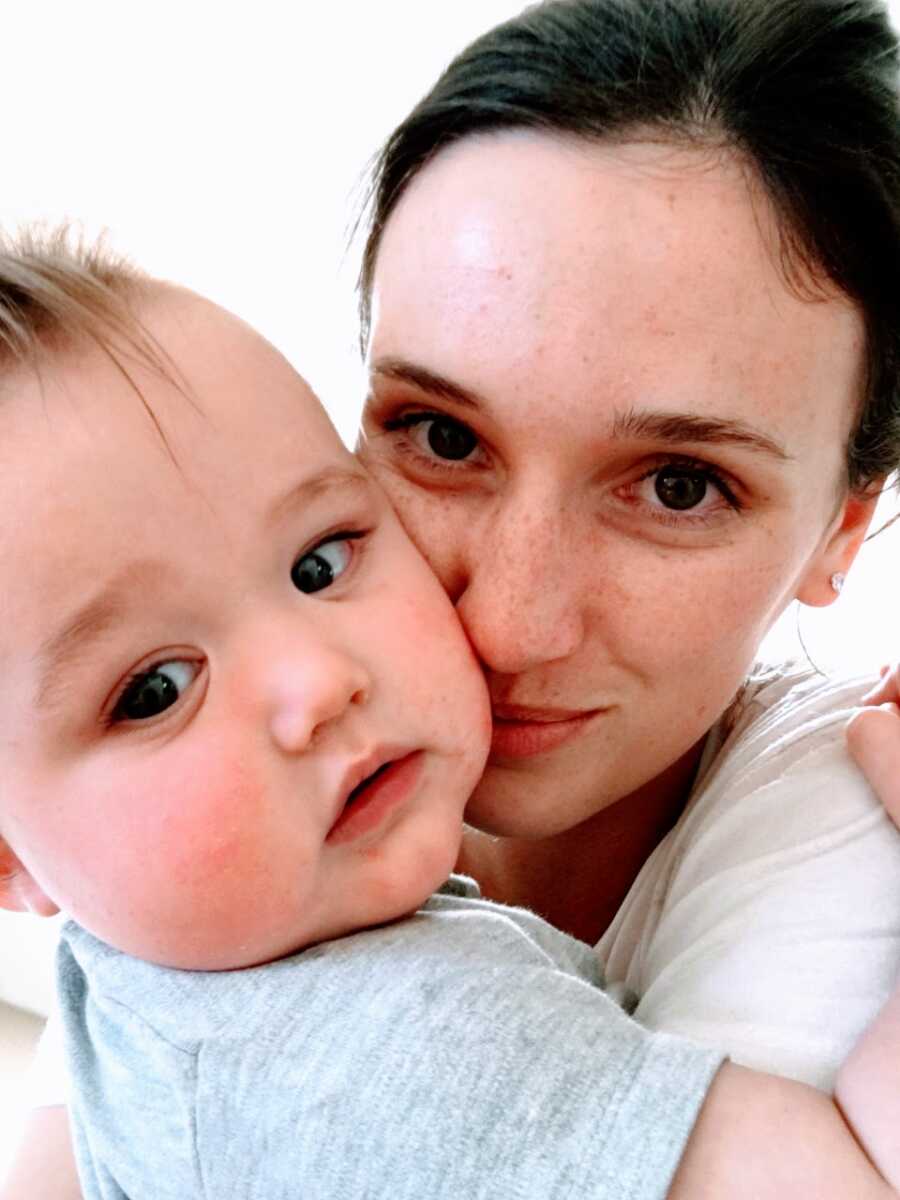
Over the next two years, my life was a constant tug-of-war. One man tried to rebuild my heart; the other sought to destroy it. My ex waged relentless, vindictive legal battles, spreading false allegations, harassing my family, and attempting to isolate me. He even posed under an alias as a criminal lawyer, publicly accusing David of abhorrent crimes. Every week brought new attacks, new emotional blows. At one point, he forced me to resign from my job and pause my university studies. He reduced child support from $350 to $8 per week—and even then, did not pay for six months.
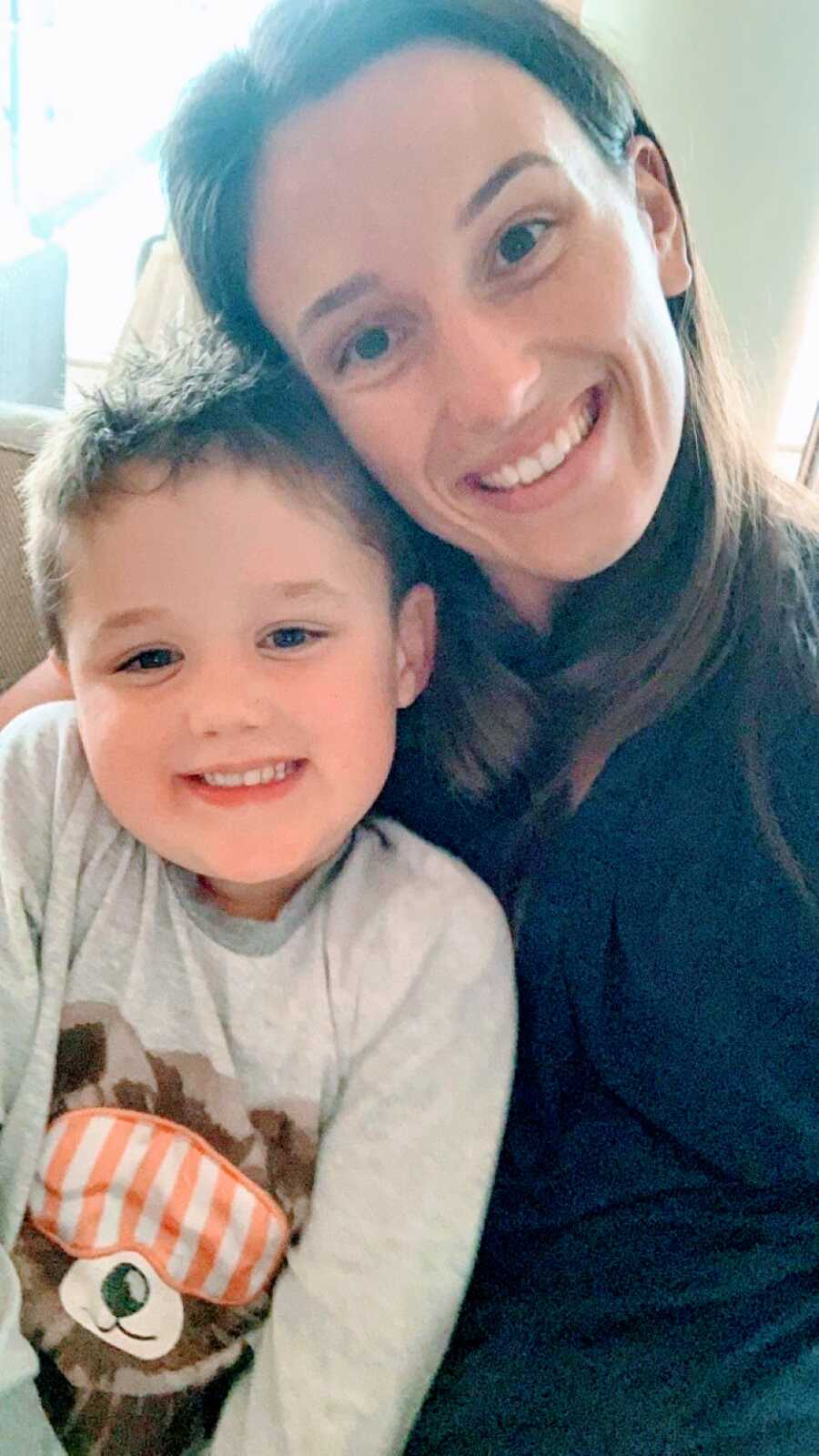
I felt hopeless. I was told to trust the legal system, to be patient, to keep the ultimate goal in mind: protecting my son and gaining the right to move back to Europe. Emotional breakdowns were frequent, counseling countless hours. The distance from David—14 months of border closures—was painfully cruel. But by early 2021, we reached our goal. I gained sole custody of my son, full parental responsibility, and permission to leave Australia.
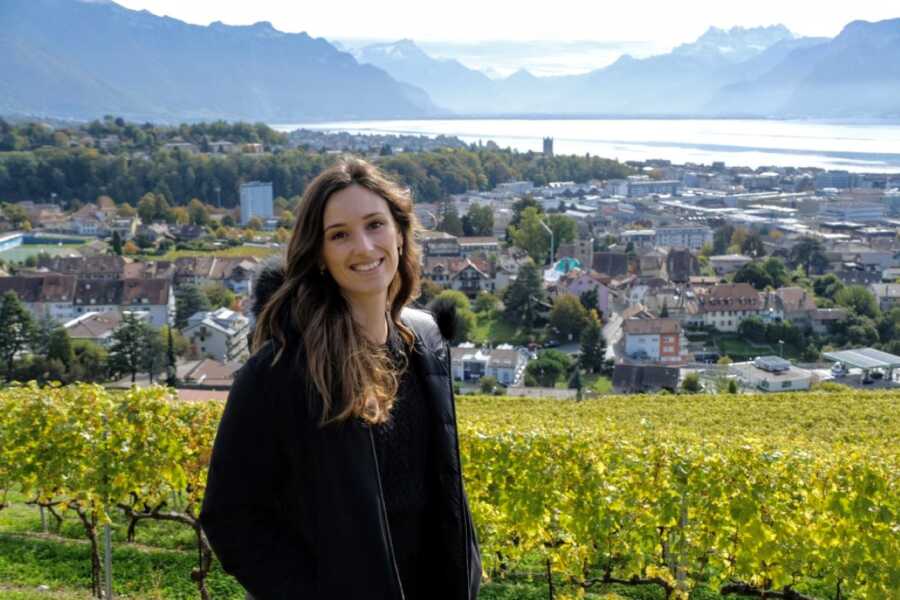
Vevey, Switzerland. October 2021.
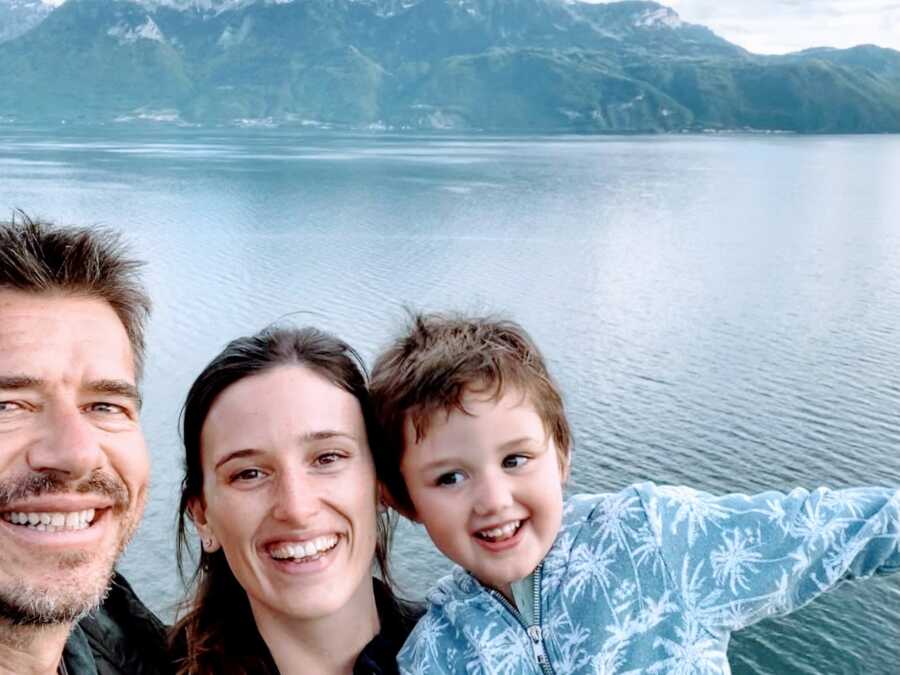
I now write from a café terrace overlooking Lake Geneva. The sun glitters on the water, mountains rise majestically in the distance. I feel peace, gratitude, and relief. My son is safe. We are healing. We are loved—and we love.
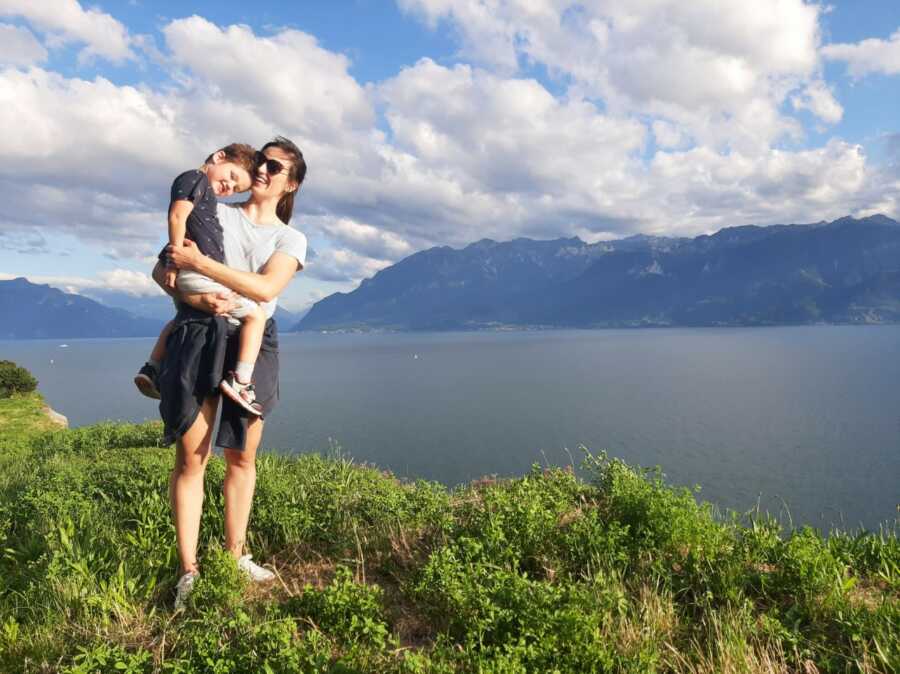
I reflect on Byron Katie’s words: “Everything happens FOR you, not TO you.” At first, I could not understand why I became entangled with someone so dark. But with time, therapy, love, and self-compassion, I recognized the growth in my struggle. I processed the pain, uncovered the vulnerabilities that allowed me to be exploited, and found resilience I didn’t know I had.
Today, I am stronger, wiser, and more self-aware. I am in a loving, supportive relationship. I even see the story from another perspective: the man who hurt me had his own unhealed wounds that eroded his empathy. To fully heal, I must forgive him—not for his sake, but for mine. This is the freedom I claim now, and the purpose driving me to share my journey.
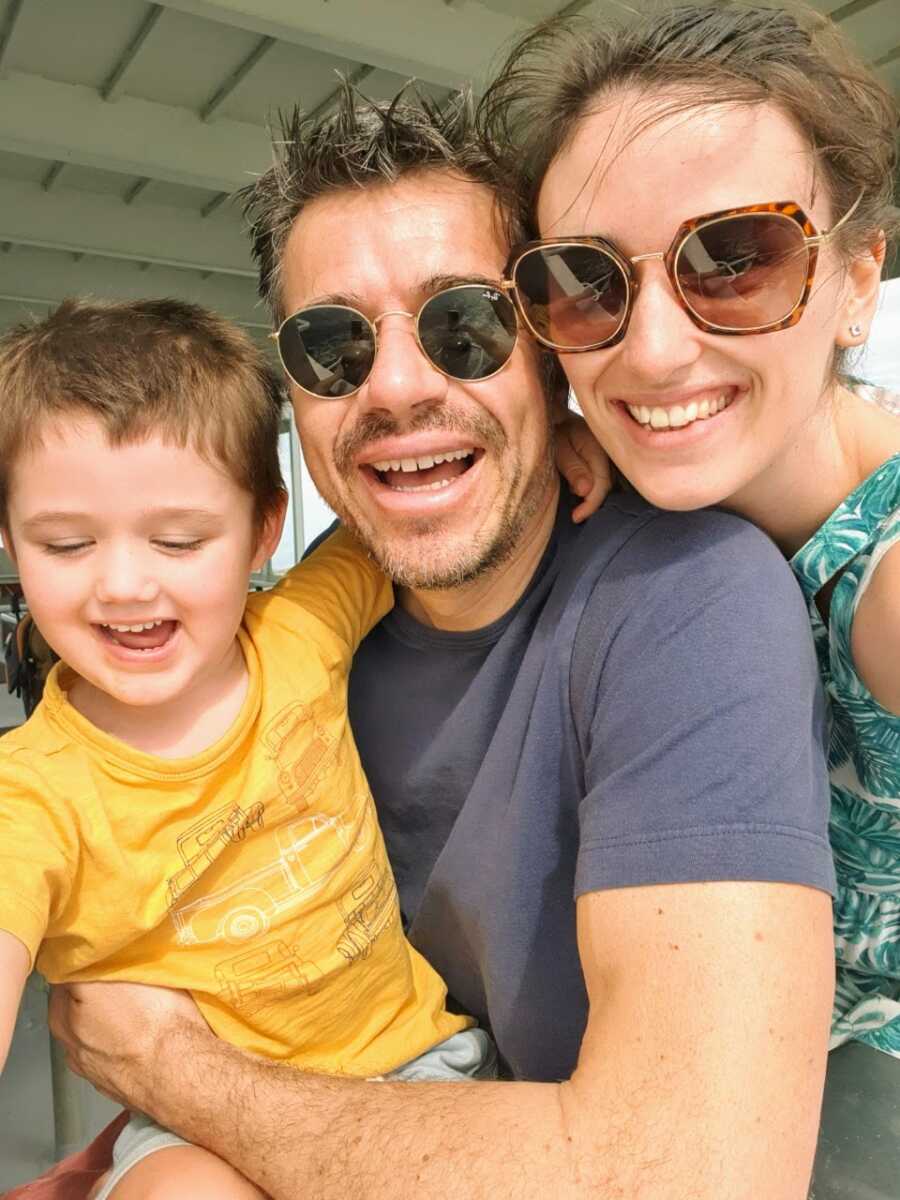
Through this journey to my deepest fears and insecurities, I am learning to love myself again. I am loving, trusting, empathic, courageous, intelligent, resilient, and worthy. I am learning who I am and claiming that identity confidently.
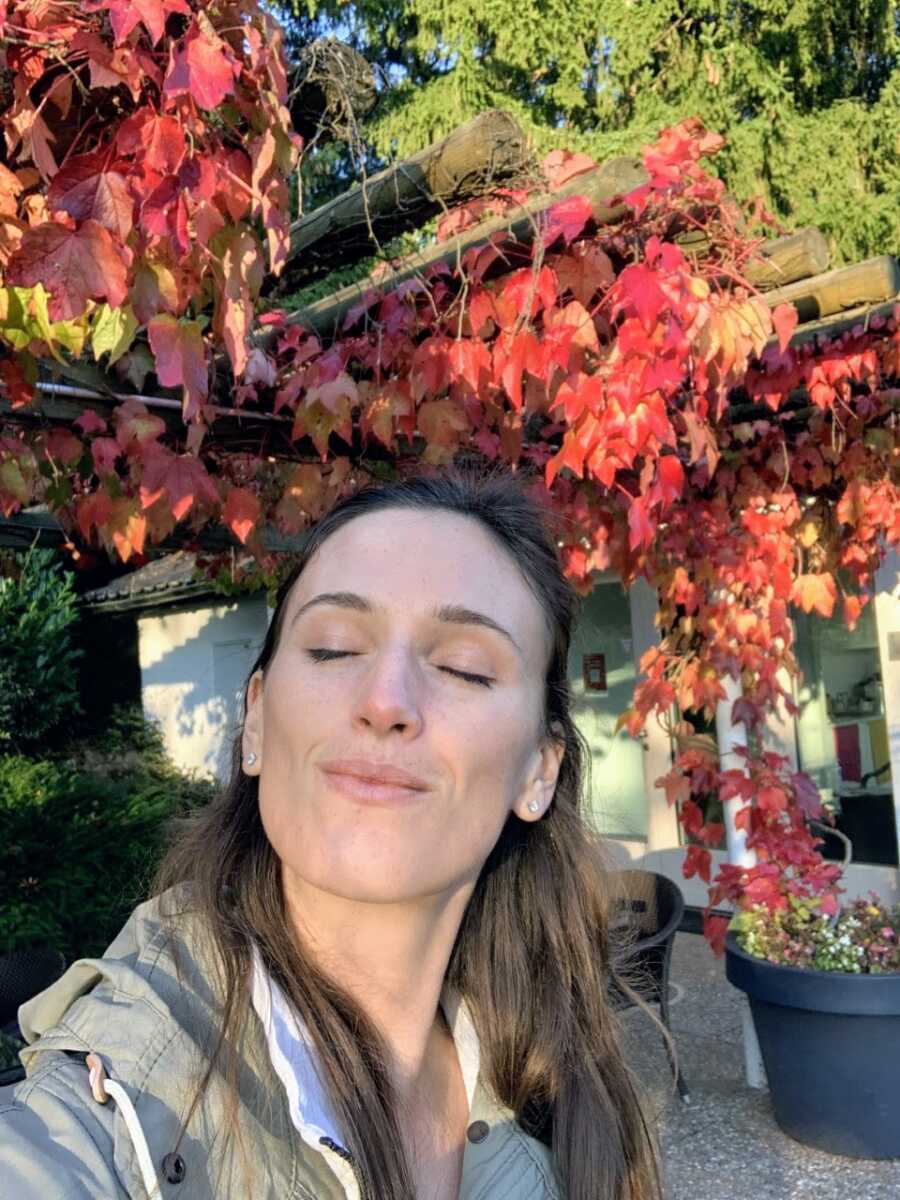
As the saying goes: “When one door closes, another opens.” I could dwell on the closed door of my teaching career, or I can embrace the open doors before me: writing a blog, launching a podcast called Starting Over with Shannon Jenkins, helping translate my partner’s bestselling books, and writing my own book on lessons learned.
This ordeal has redefined courage for me. Courage is not retaliation; it is dignity, patience, and trust in the process. It is opening your heart where it was most hurt, because it is precisely there that joy and love reside. Today, I live in that truth—and I share it so others may find their light as well.