“I think you need to plan for a permanent intellectual and physical disability, not just a developmental delay. It is unlikely she will ever catch up to her peers.”
I nodded numbly, my mind refusing to process the words. ‘Oh, okay,’ I whispered, barely above a breath. My husband and I drove the hour home in silence, both of us swallowed by the weight of that sentence: permanent intellectual and physical disability. The moment I walked through the front door, I collapsed to my knees, pressing my face into the couch and letting out a raw, guttural scream. How could this be happening? Just three weeks ago, I had believed my six-month-old daughter, Juniper, was perfectly healthy, her future wide open. Now, the doctor was asking us to imagine a life so different, so uncertain.
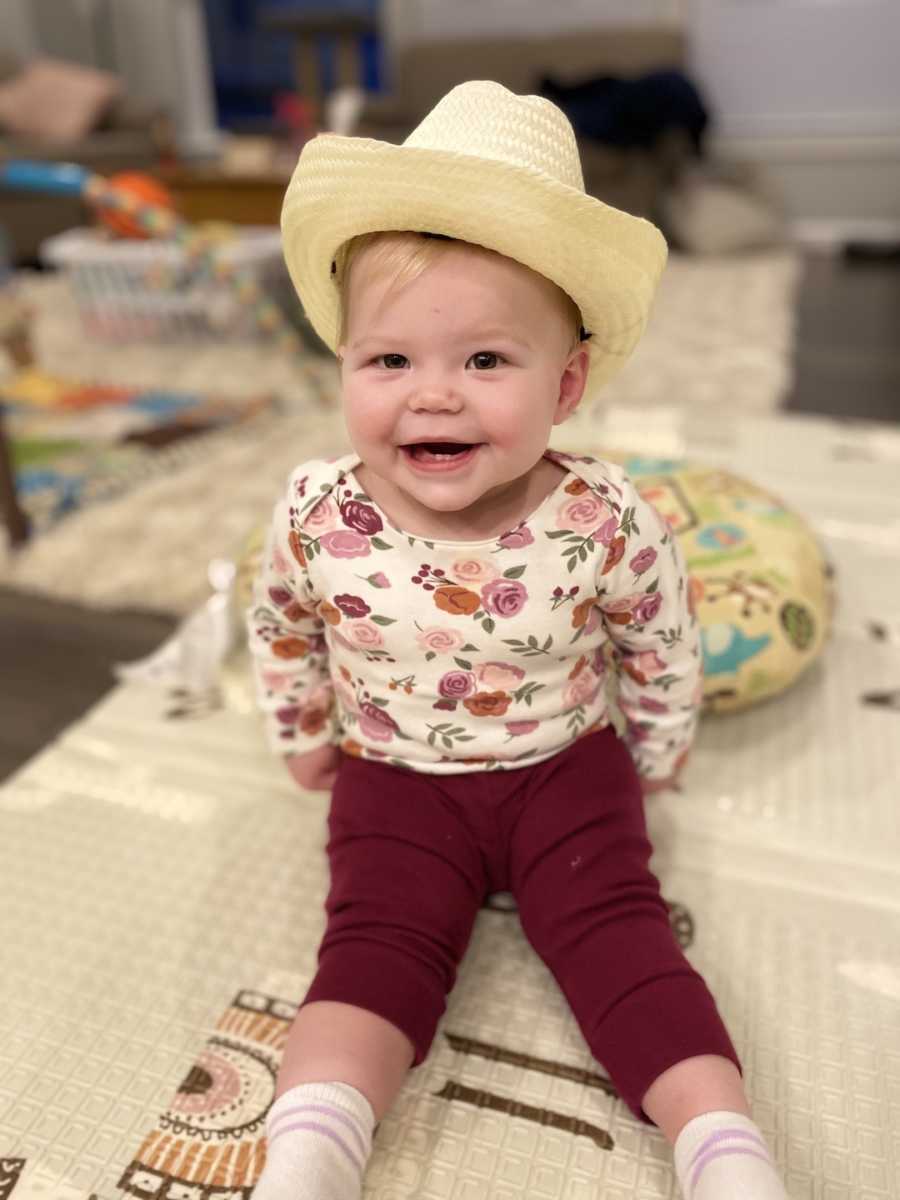
When Juniper was six months old, we started noticing strange movements. Her arms would jerk violently, her body would crunch forward, her head would dip, and her eyes would flicker. At first, it happened only once a week, in clusters of two or three, and I brushed it off. Reflux? Odd baby behavior? She wasn’t my first child—I thought I’d seen it all. But within days, these movements escalated. Every sleep cycle, every awake moment, the spasms returned, twenty, thirty, sometimes forty times in a row. “It’s probably nothing,” I said to my husband, but my heart told me otherwise. “Maybe we should just go to the ER, to be safe.”
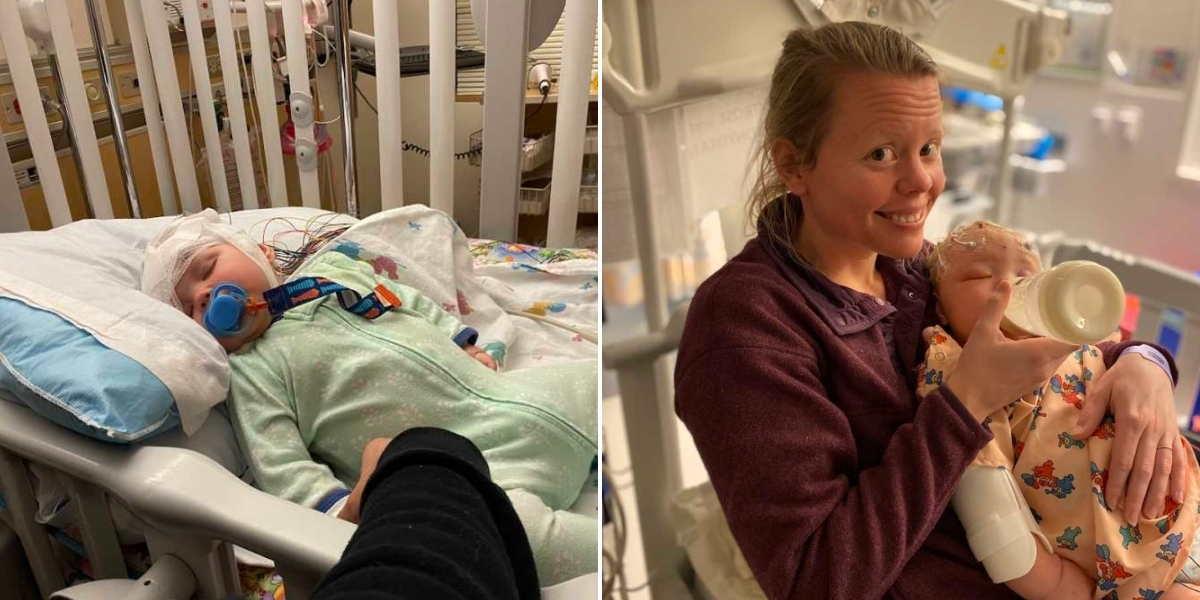
The local hospital examined Juniper and witnessed the movements firsthand. They told us to follow up with a neurologist but assured us it wasn’t urgent. “Don’t worry,” they said. “This won’t permanently impact her life.” I repeated those words to myself as we drove to the children’s hospital the next day, but I couldn’t shake the sense of dread. Juniper was hooked up to an EEG to record her brain activity. When the neurologist walked into the room, the expression on his face said it all: this was bad.
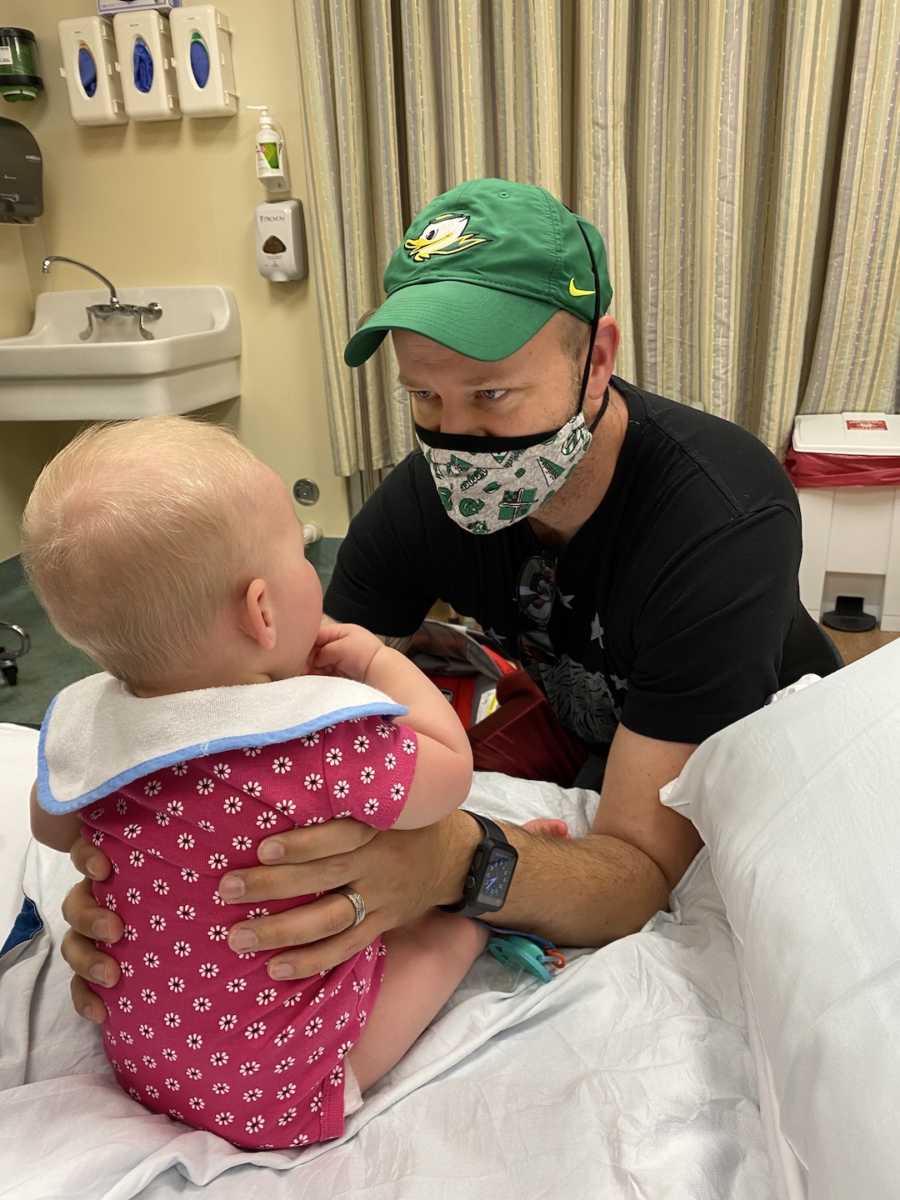
Juniper was diagnosed with Infantile Spasms (IS), a rare and dangerous form of epilepsy also called West Syndrome. Those movements we had been watching were tiny seizures—hundreds each day. Her background brain activity showed a pattern called hypsarrhythmia, which is like static on a radio, scrambling any coherent signal. Each seizure felt like her brain was “rebooting,” shutting down then starting back up again. If we didn’t stop these spasms and the hypsarrhythmia, Juniper’s brain wouldn’t be able to encode anything—her ability to learn and develop would be severely impaired.
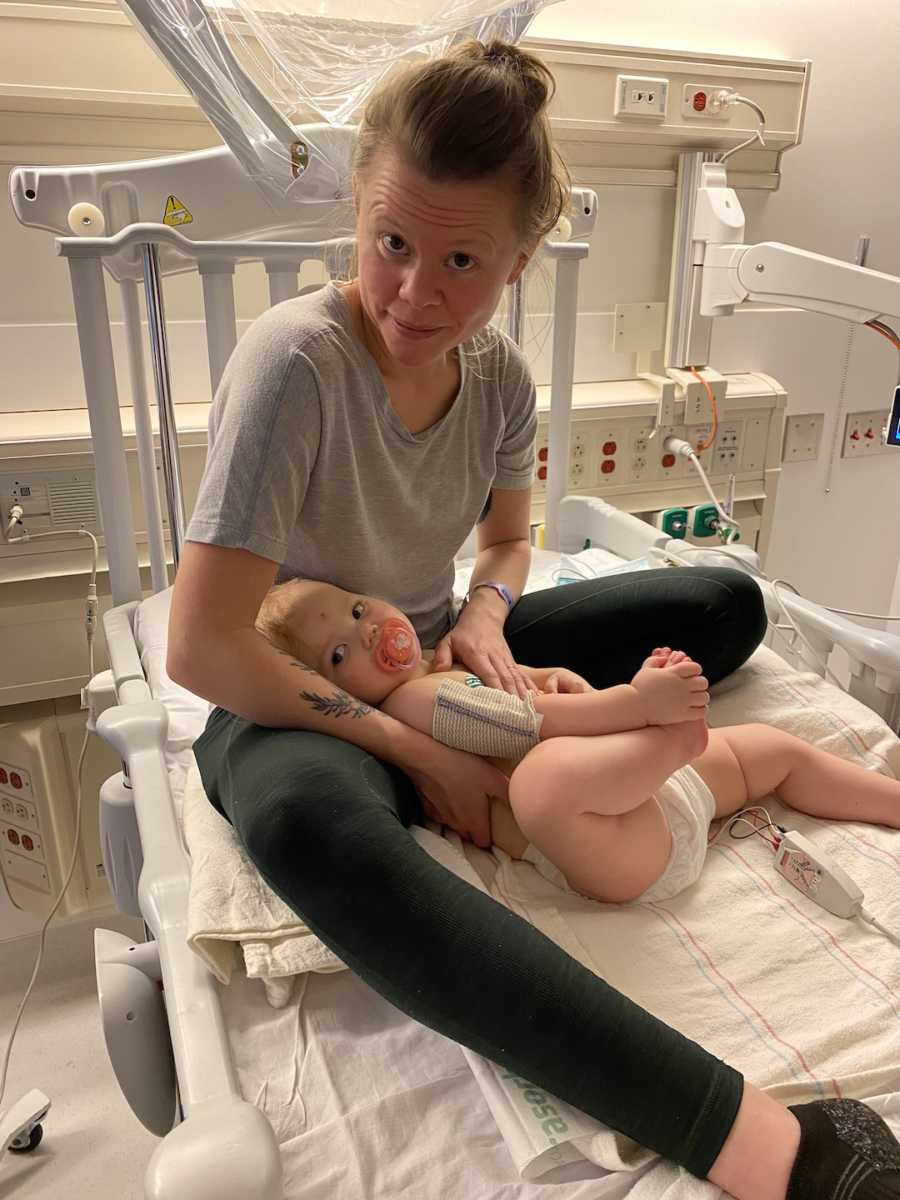
“Don’t Google,” the nurse warned me. But I did. I scrolled through my phone, and my stomach dropped. Words like catastrophic, debilitating, regression, and global developmental delay flashed across the screen. IS is unpredictable: the outcome depends on the treatment response and underlying cause, which could range from genetic mutations to brain malformations. I cried more in that five-day hospital stay than I had in my entire life.
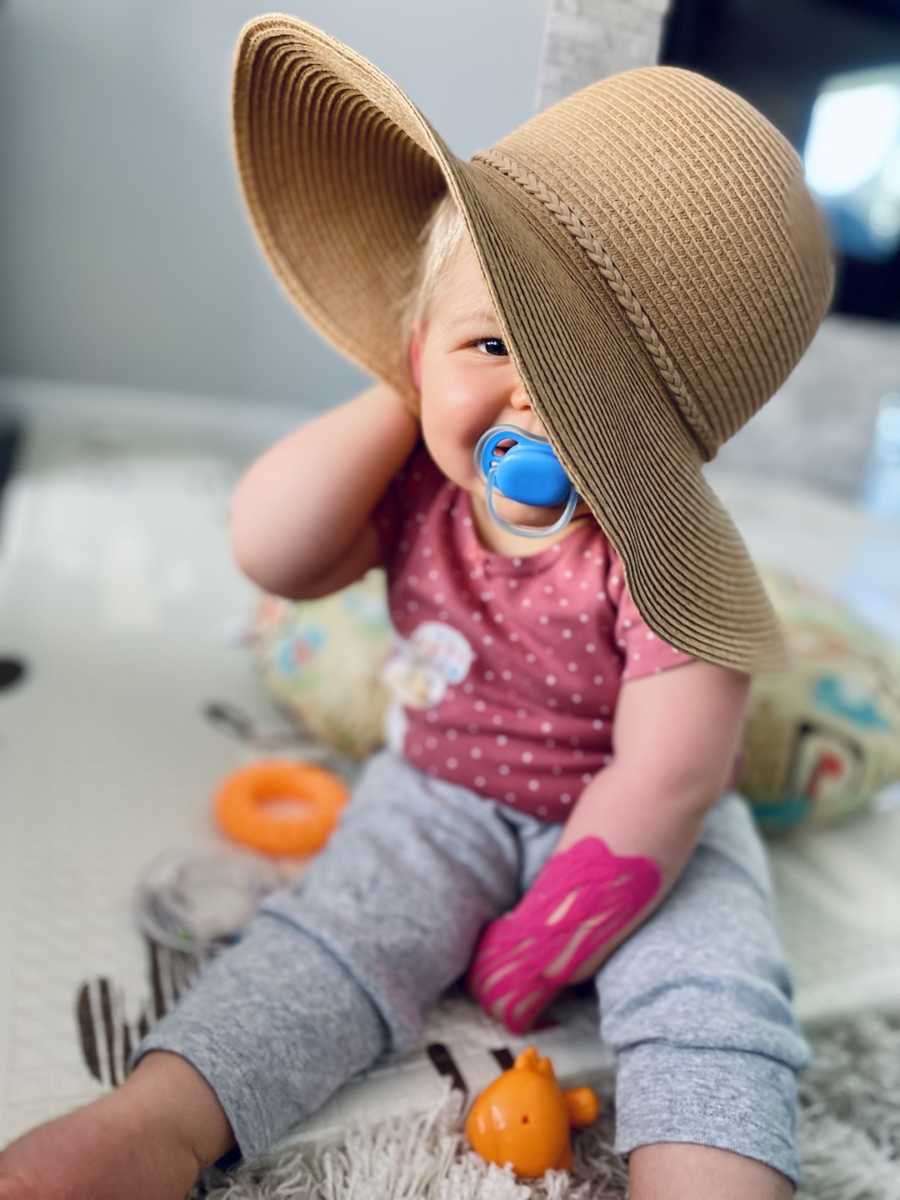
“She presents really well,” the neurologist said gently. “Most kids with IS aren’t this engaged, but I think this treatment could work for her.” I appreciated his optimism, but part of me wished he hadn’t given me hope. Juniper was started on high-dose steroids, which I learned to inject into her tiny thighs twice a day. In a month, my once-smiling, happy baby gained five pounds but became miserable—screaming from discomfort, refusing to eat, writhing as if trying to escape her own skin. I reminded myself, This is hard, but we can get through it.
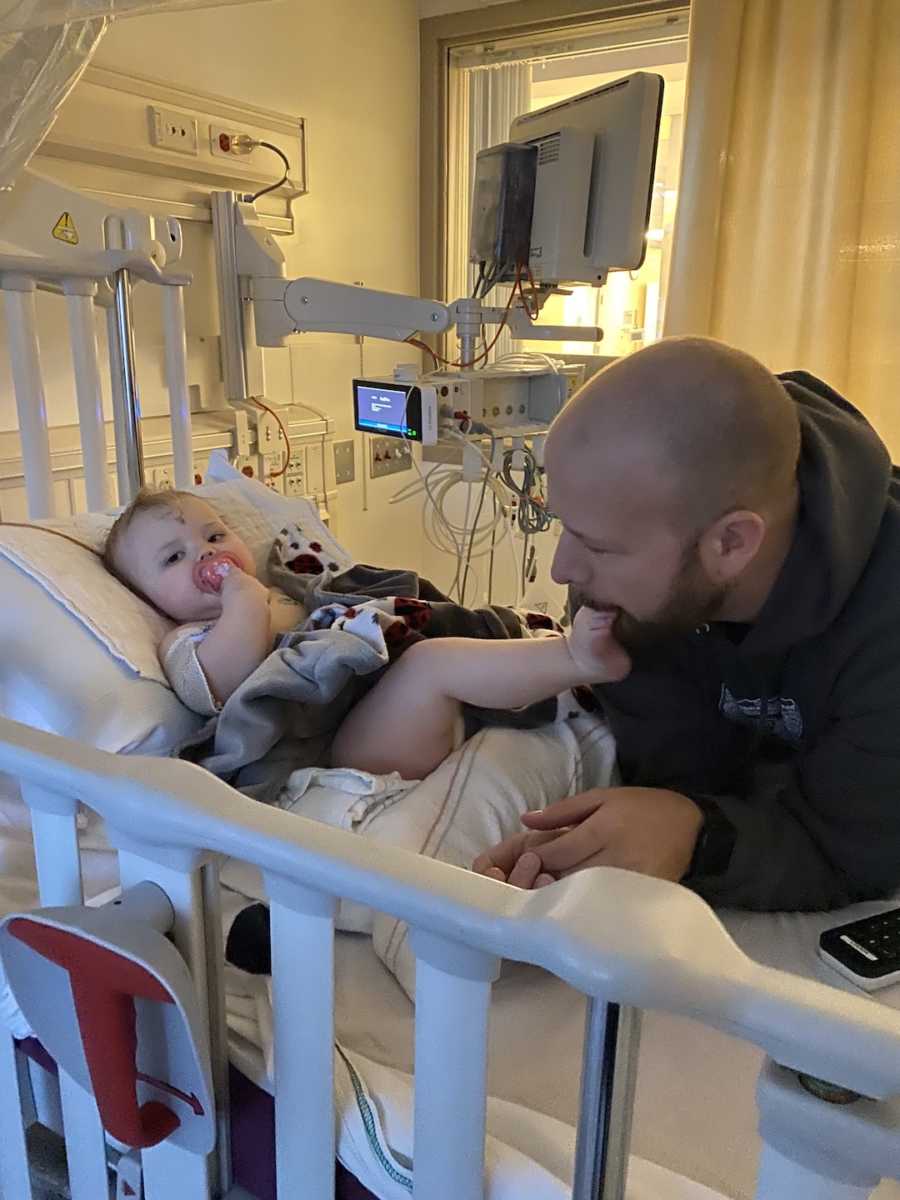
Two weeks into the treatment, we returned to the doctor. The steroids had stopped the hypsarrhythmia, but the spasms persisted. I pleaded for reassurance, for any sign that she would be okay. The doctor’s words pierced me: “I think you need to plan for a permanent intellectual and physical disability, not just a developmental delay.” I refused to accept it. Another medication was prescribed, one with severe side effects. It temporarily stopped the spasms, but only for six weeks. Then the hypsarrhythmia returned. For the first time, I realized this might not be a journey with a clear ending.
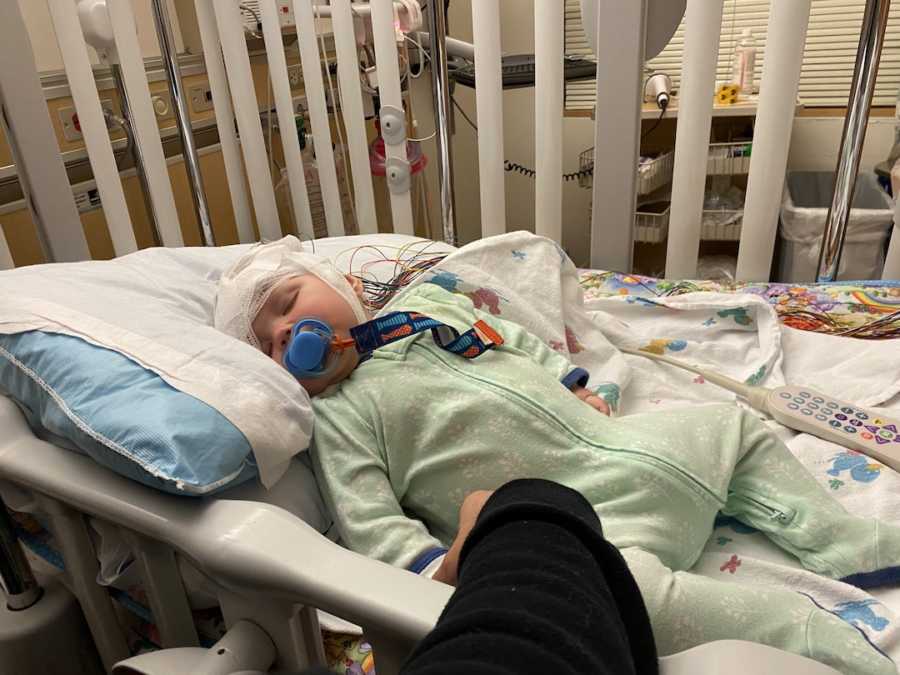
After exhausting frontline treatments, we sought a second opinion. EEGs, MRIs, and a PET scan revealed the cause: a brain malformation called focal cortical dysplasia (FCD), formed during early brain development. Some neurons had clumped together instead of migrating properly, creating a hotspot for seizures. Relief mingled with terror: we finally knew the cause, but the only path to stopping the seizures was brain surgery.
Due to COVID restrictions, I spent the night before Juniper’s hemispherectomy alone with her in a dim hospital room. She had just celebrated her first birthday hooked up to an EEG, laughing and rolling around as if nothing was wrong. The surgeons planned to remove the affected half of her brain, hoping her young brain would rewire and give her the best chance at a seizure-free life. But the surgery came with heavy costs: she would lose vision on her left side, have mild paralysis in her left arm and leg, and likely never gain fine motor skills on her left hand. Challenges with memory, sensory processing, self-control, and communication were all possible. She might never walk, might never speak. The little girl I had just been admiring in the hospital bed would emerge forever changed.
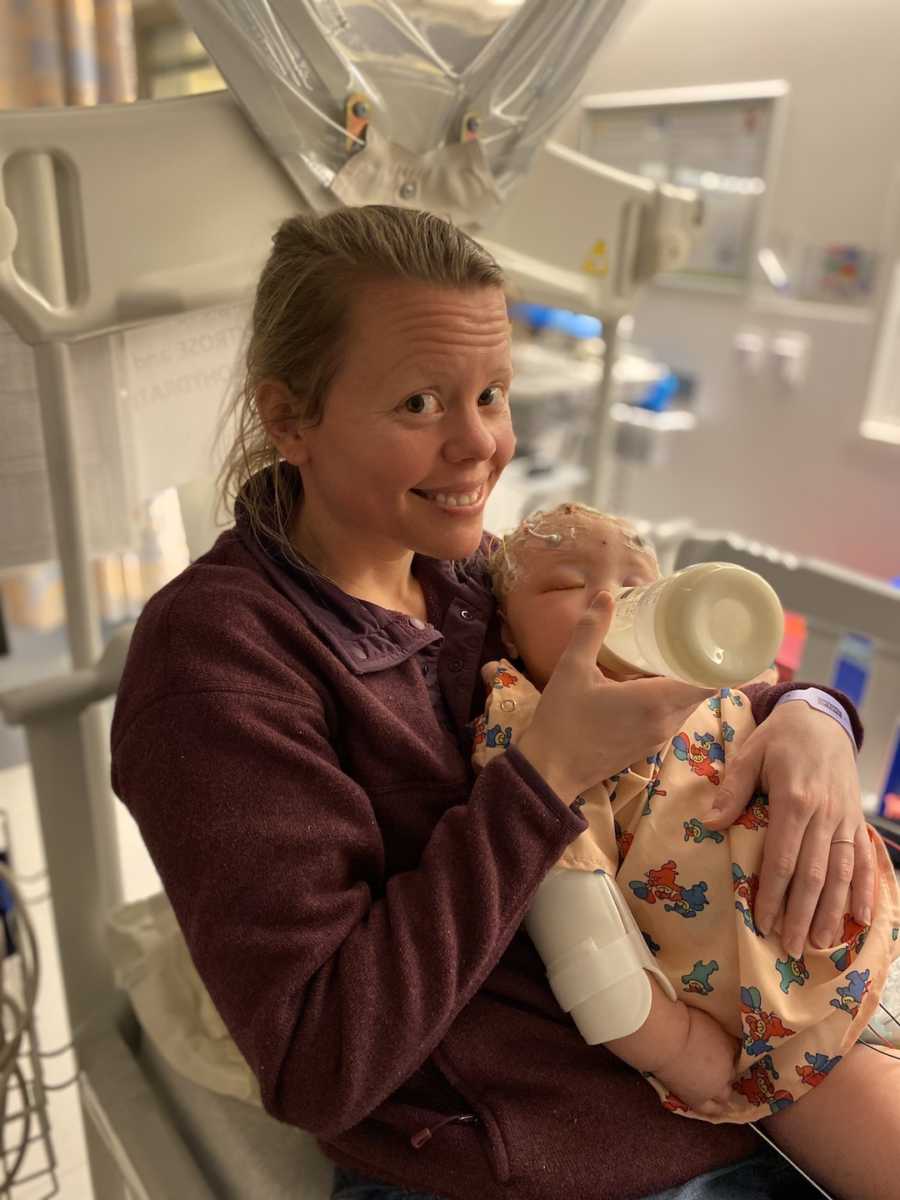
The morning of surgery is etched in my memory. I sat in the hospital crib with Juniper as they wheeled us to the operating room. She turned and smiled at me, oblivious to what was coming. I fought back tears, kissed her head repeatedly, whispered my love and prayers, and handed her to the nurse. As she disappeared behind the double doors, I collapsed to the floor, sobbing, and ran to my husband’s arms. “She will be okay,” he assured me. “We are doing the right thing.”
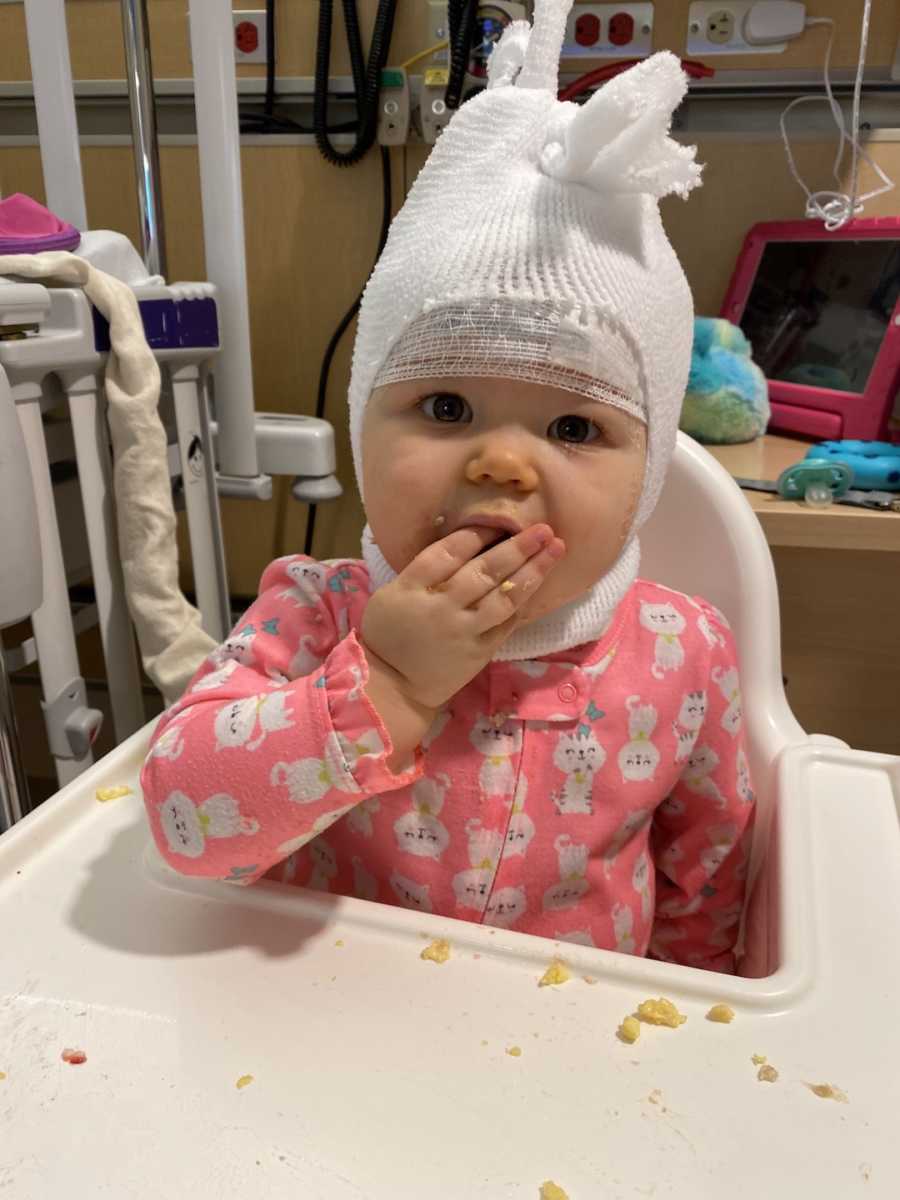
Looking back, I remember that doctor’s prediction about her future. In some ways, he was right: Juniper will not ‘catch up’ to her peers. She has permanent disabilities and will face challenges that most children will never know. But Juniper has never been one to follow expectations. She was supposed to be an easy case of IS, a textbook FCD patient, a predictable outcome. She wasn’t. Yet her unpredictability has been a source of strength. She smiled during seizures, played through spasms, and defied every expectation from the very start. She continues to surprise doctors, and she continues to inspire us.
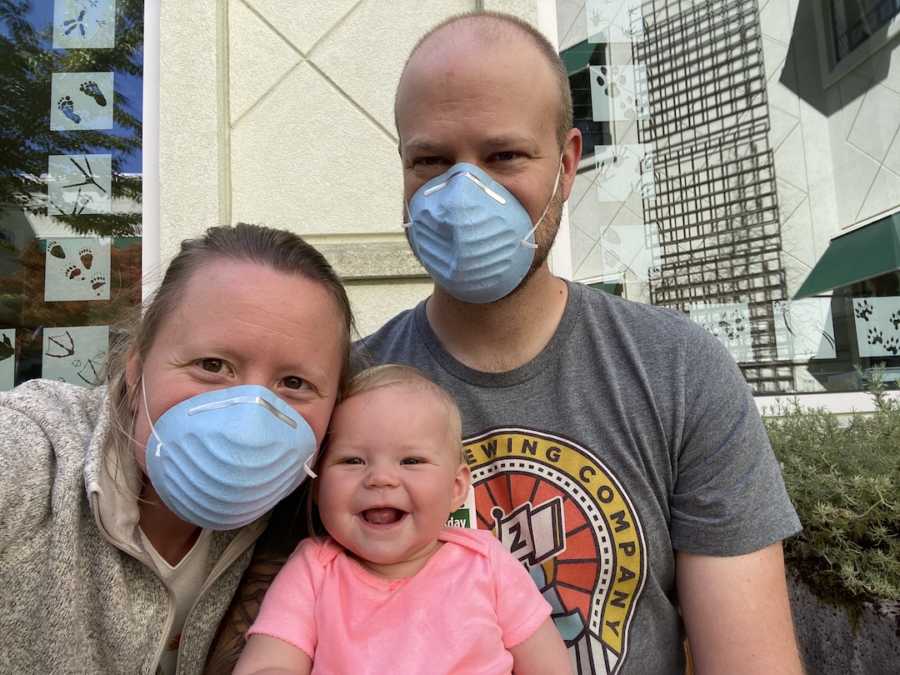
I refuse to let anyone predict Juniper’s life. She is paving her own path. While she doesn’t crawl or walk, doesn’t speak words, doesn’t respond to commands, and doesn’t have normal brain waves, she is far more than her medical chart. She has a sparkle, a joy, a love for life that no diagnosis can diminish. She smiles endlessly, laughs uproariously, adores her big brothers, dances with her dad, and pulls my face to hers for kisses. She hates socks, loves hats and sparkles, and squeals with pure delight whenever she sees me.
Yes, Juniper has epilepsy. She has half a brain. She has permanent disabilities. Her life will be different than we imagined. But different doesn’t mean bad. Her life is full of love, laughter, and joy. She is the rarest of rare. She is my heart. She is my joy. She is perfect.