I’ve lived my entire life in pain. Pain is meant to protect us—to warn us when something is wrong. If a tiger bites you and you later see that tiger again, your body and brain should sound the alarm. That response is natural and healthy. But as a chronic illness warrior, my relationship with pain has always been different.
As a young girl, I was told to stop complaining and push through. As an athlete, coaches encouraged me to push harder. As a tall kid, doctors dismissed it as growing pains and told me to push through. So I did. I kept playing sports, captained teams, and earned starting positions. My knees would dislocate mid-run—I’d pause just long enough to pop them back in and keep sprinting to catch up.
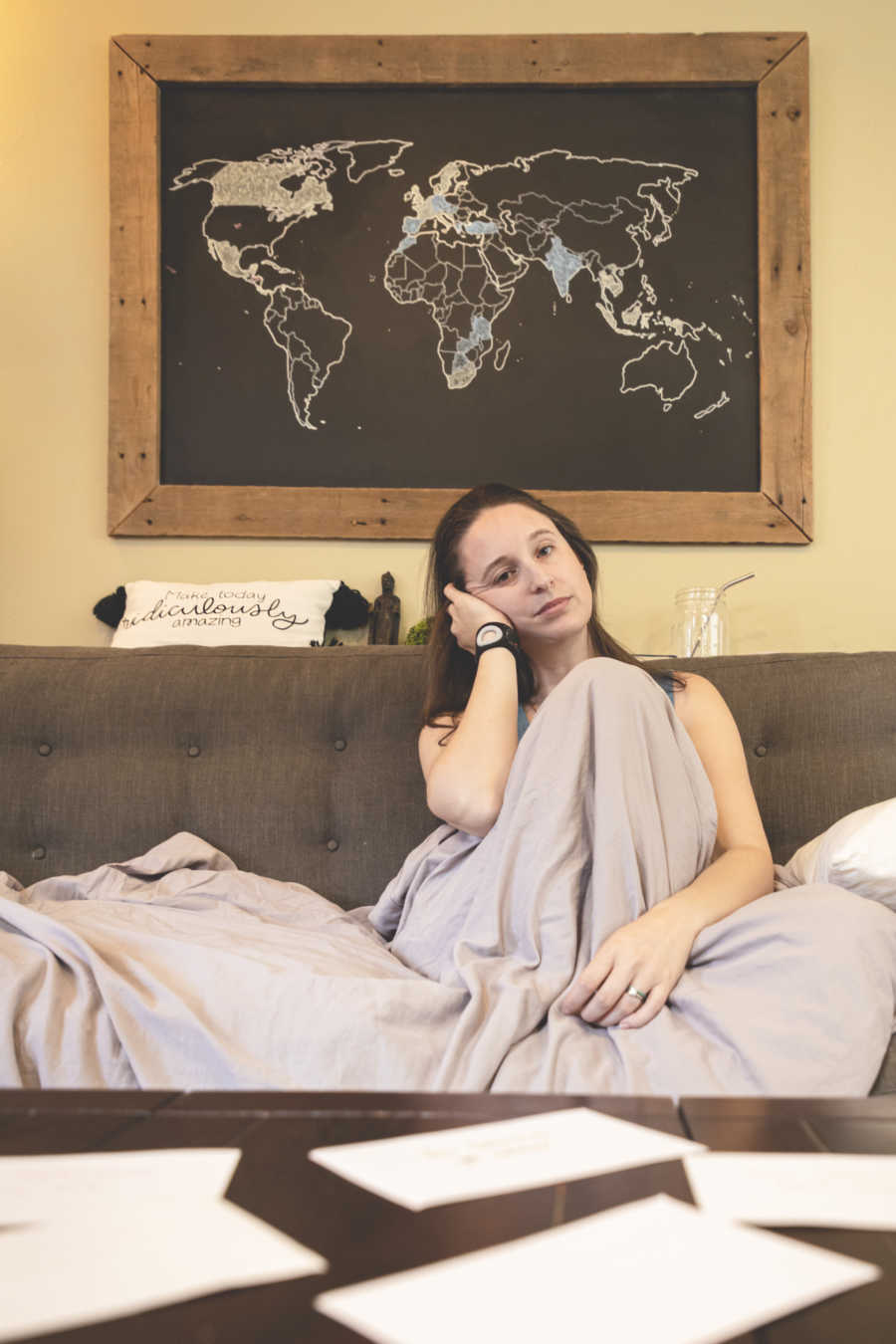
Eventually, I reached a moment I couldn’t ignore. During a tennis match, I had to default because I physically could not push through anymore. That was the first time someone told me my pain wasn’t normal. I was 15 when we began searching for answers. Instead of clarity, I entered a world of dismissal, discrimination, and trauma.
“You’re too young.”
“You don’t look sick.”
“Your tests came back fine.”
“It’s all in your head.”
“You just want attention.”
“Try yoga.”
Over and over, doctors made me doubt the very symptoms that were stealing my quality of life.
Living with a rare, invisible illness is HARD. First, you must understand your symptoms well enough to explain them out loud. Then you need a doctor willing to see past stereotypes and truly listen. But listening doesn’t always mean believing. And even belief isn’t enough if they don’t understand rare disease.
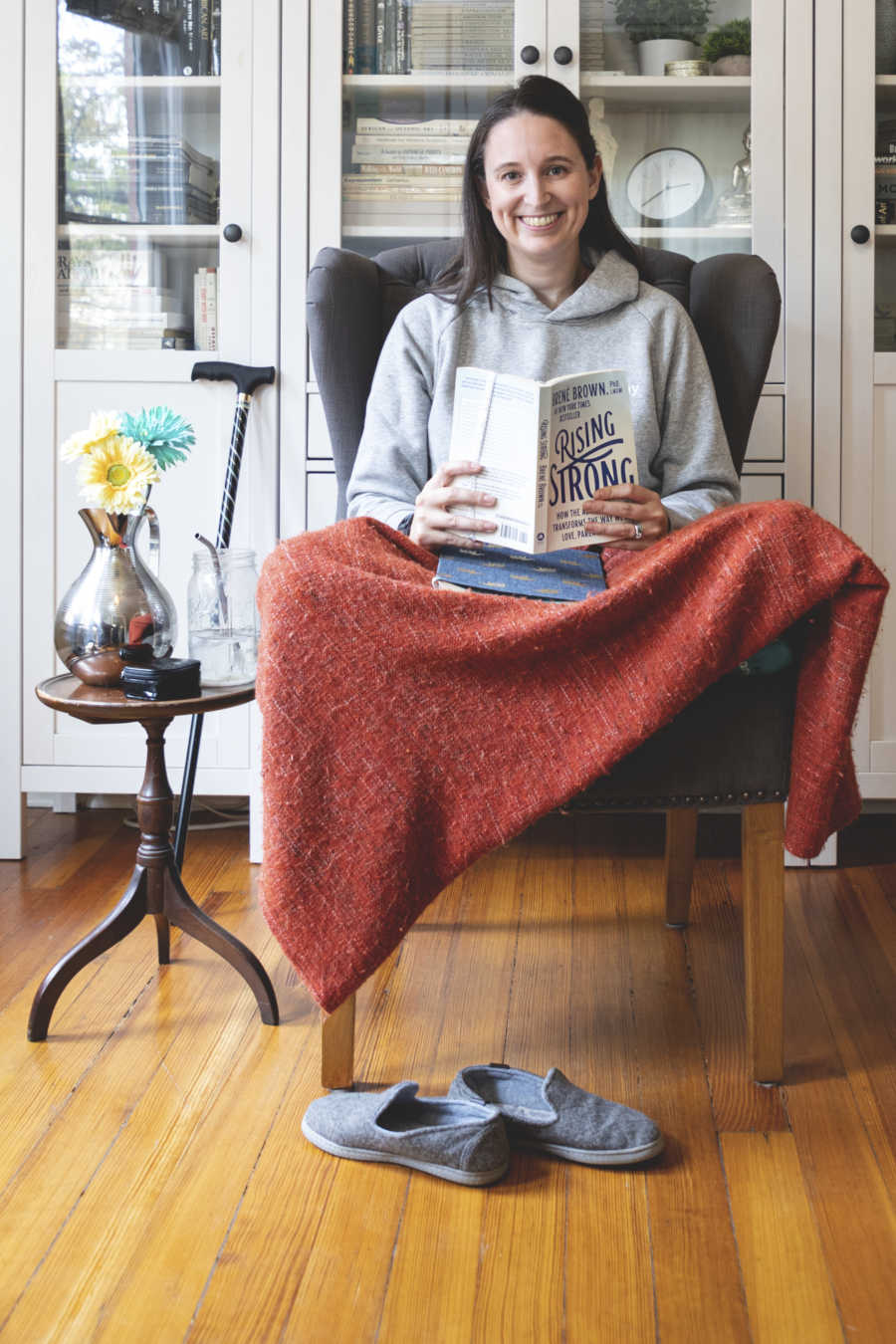
For 29 years, I thought I was weak—that this was all imagined. Then I met the rheumatologist who changed my life. She walked into the exam room, glanced at my chart, looked at me, and calmly said, “It’s not lupus.” Words I will never forget. Even now, they transport me back to that moment.
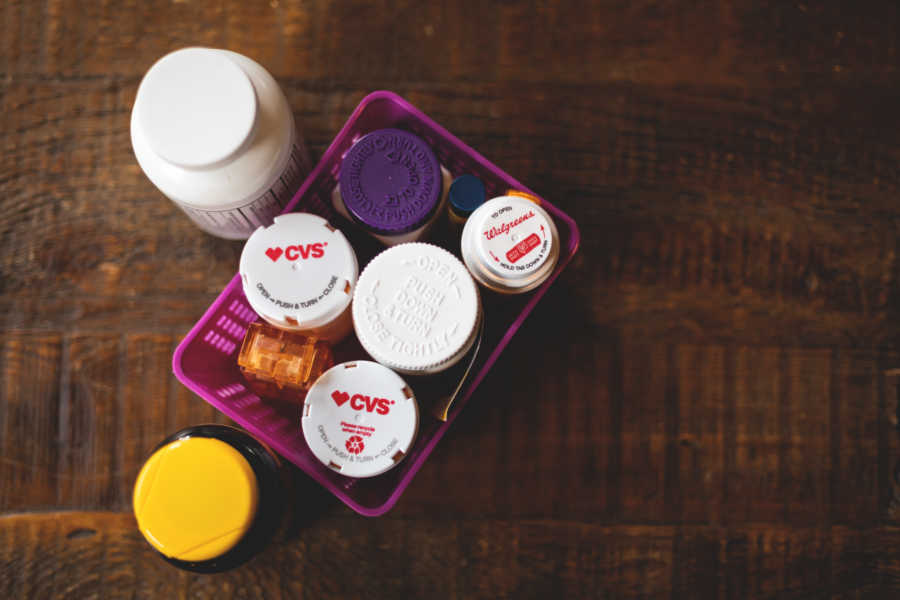
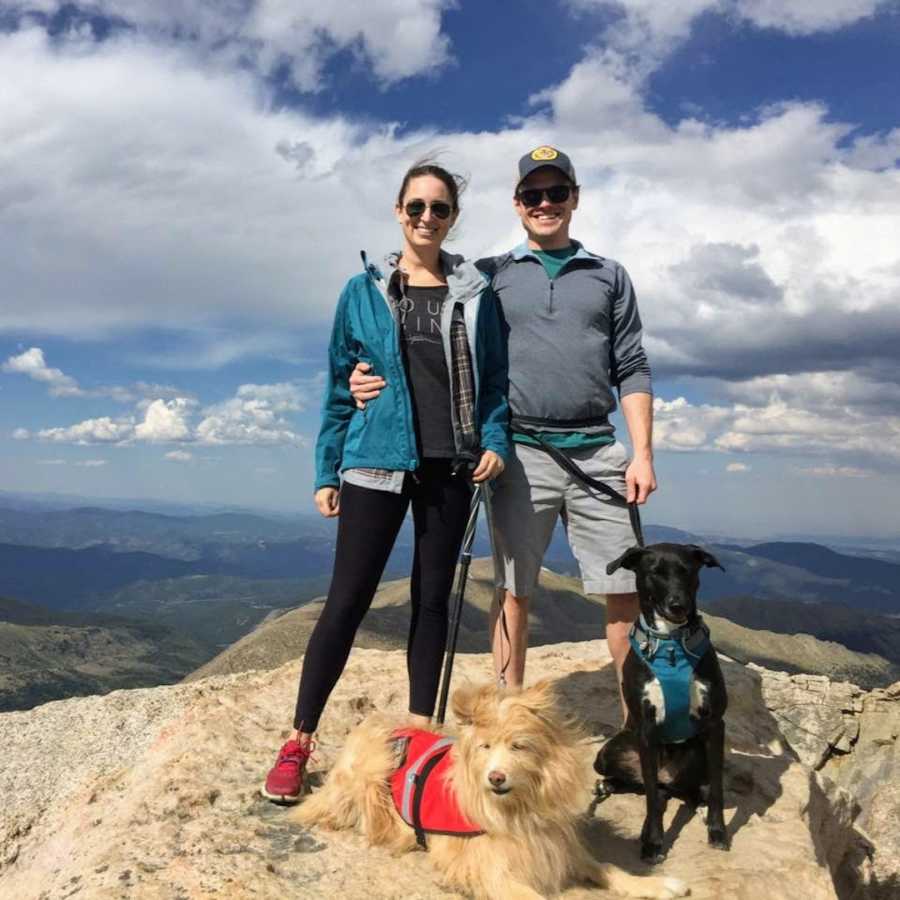
After 14 years, she validated everything. She told me my pain was real and that I was incredibly strong for surviving it. She also told me I shouldn’t walk more than ten minutes a day—context that makes it even wilder that I was still skiing the Rockies. She diagnosed me with hypermobile Ehlers-Danlos syndrome (hEDS), fibromyalgia, osteoarthritis, and degenerative disc disease. A year later came a POTS diagnosis. Then GERD, vocal cord dysfunction, and allergy shots for severe allergies.
Answers changed everything—but they weren’t the end. Within a year of my diagnosis, the doctor who saved me passed away. My care transferred to one of her partners, and suddenly I felt like I was 15 again. He didn’t believe me, told me it was psychological, and refused referrals or treatment.
This time, though, I knew better. I knew I could fire him. Before I did, I asked him to document his refusal in my chart. Pro tip: if a doctor won’t test or refer, ask them to write that down. Often, they reconsider.
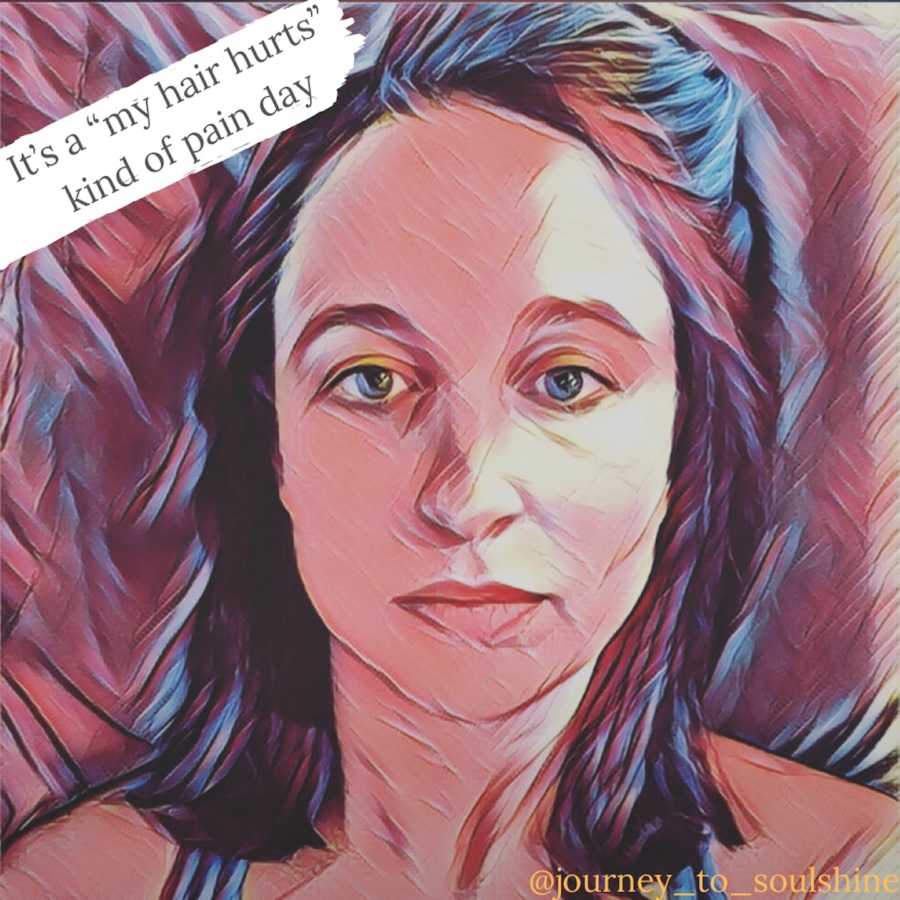
This journey taught me to believe myself. What I feel in my body is REAL. I now view my providers as a “health board of directors.” Each has a role, but if they don’t listen, believe me, or understand my conditions—I replace them.
With the right team, I finally had language for my symptoms: different types of pain, fatigue, joint instability, subluxations, dizziness, tachycardia, low blood pressure, slow gut motility, shortness of breath, and sensitivities to touch, taste, smell, sound, light, and temperature.
I found proper treatment. I traveled to the Mayo Clinic Fibromyalgia Clinic and built a care team of specialists and therapists—physical, mental, occupational, and speech. I learned biofeedback, diaphragmatic breathing, somatic experiencing, and lifestyle tools that changed how I lived. I learned to identify triggers, plan for flares, and ask for help. I learned just how resilient I truly was.
And I would need that strength—because after 14 years of searching for answers, I faced infertility. Like many women, I needed medical intervention. Like 20% of known pregnancies, I miscarried. My hormones continued rising, leading to a gynecologic oncologist who explained I had a partial molar pregnancy—placental tissue growing like cancer. I needed chemotherapy, followed by a six-month wait before restarting fertility treatment.
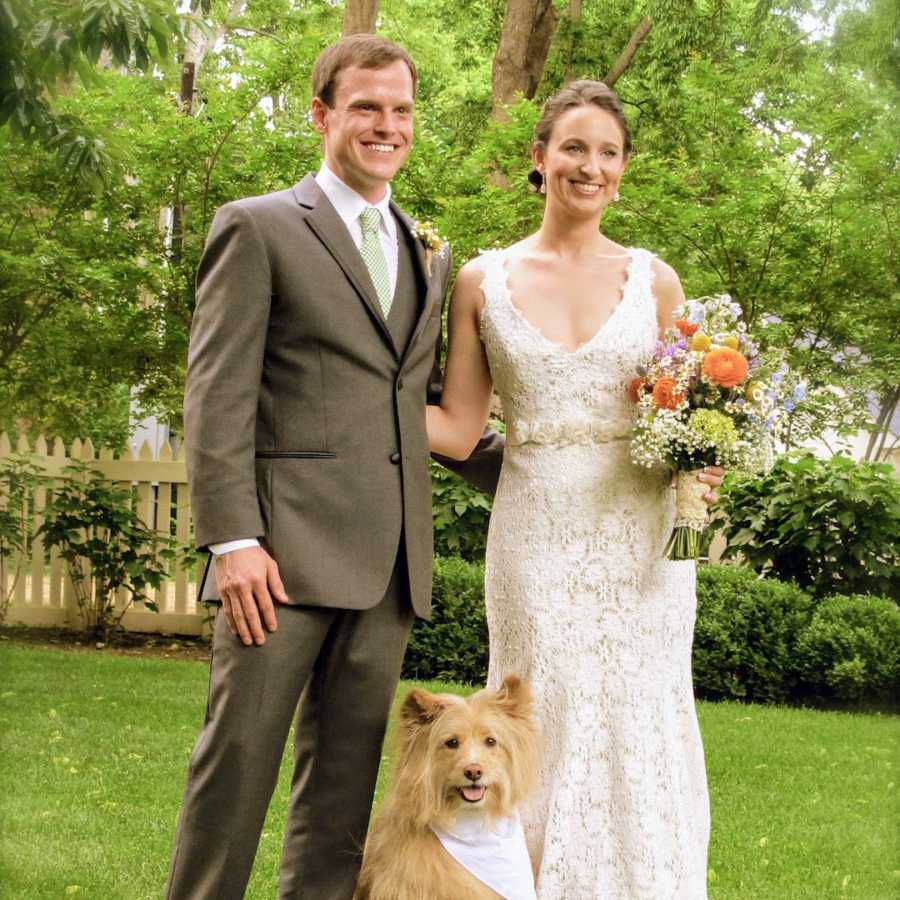
That’s when everything shifted. I refused to be a victim. I threw a chemo party—with bright yellow “chemo drinks.” I surrounded myself with laughter and love. I filled a journal with support. I accepted help. I chose vulnerability.
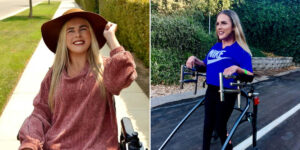
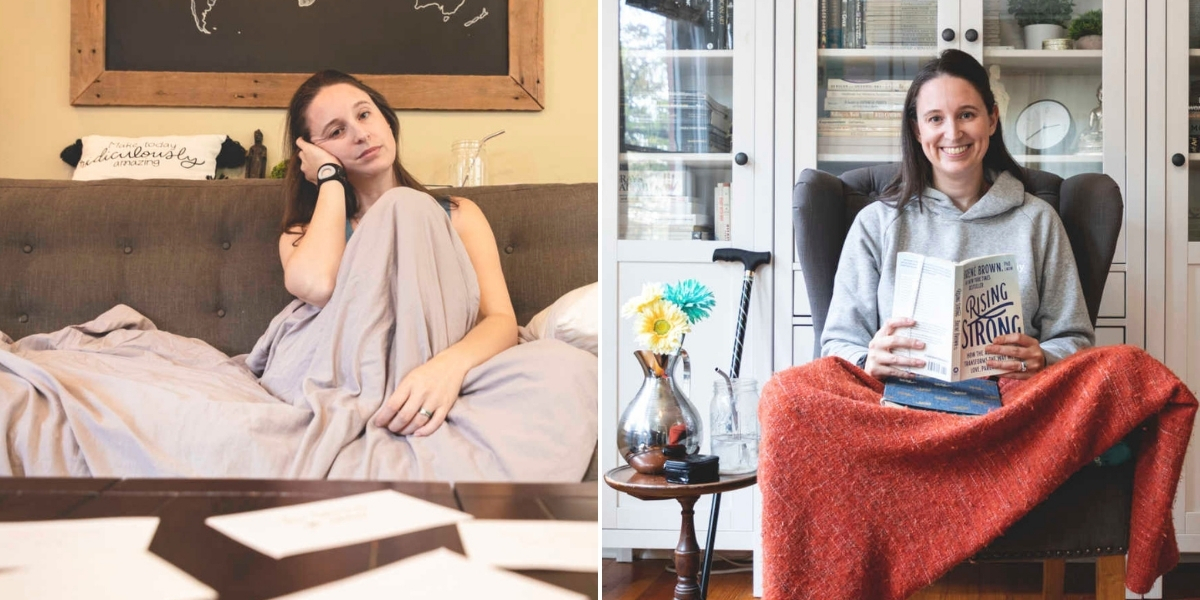
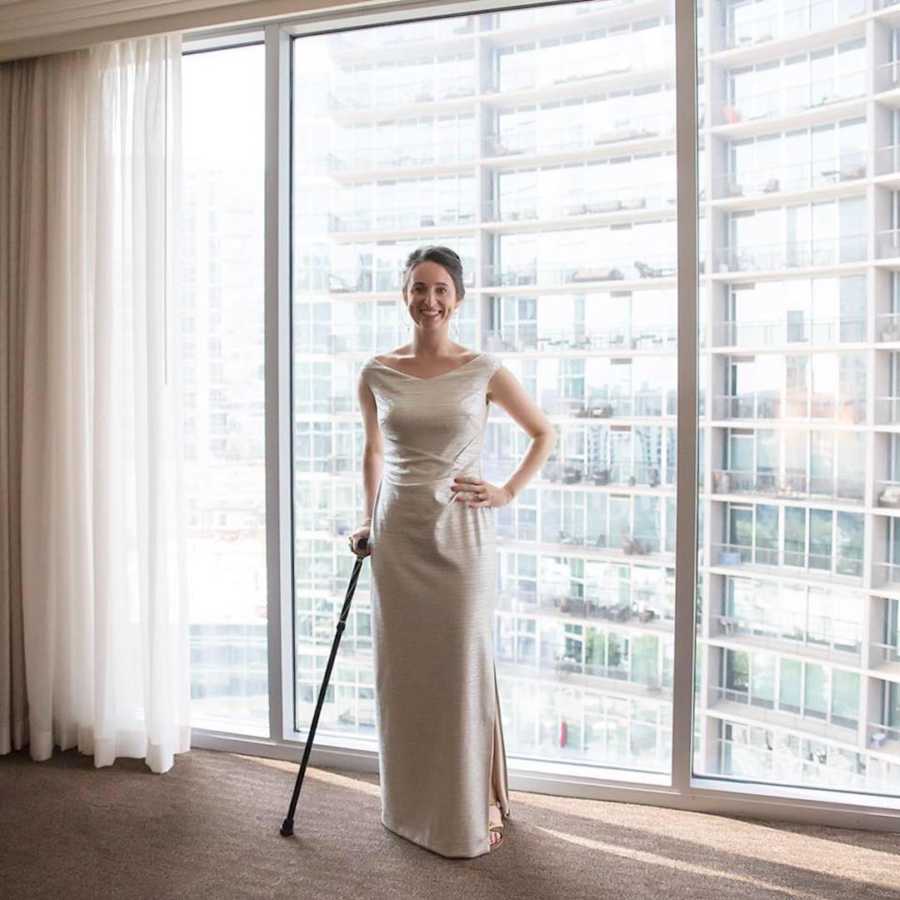
During the waiting period—yes, while ironically taking birth control—I accepted my reality. I faced my own judgment and began using a cane. I named her Candy, decorated her with stripes, and claimed her.
I embraced mobility aids, a service dog, a handicap placard, and the word “disabled.” I spoke up in appointments. I focused on tools instead of limitations. I learned I could feel frustrated with my health and still love my life.

After three more fertility treatments, I was pregnant with my rainbow baby. Three days later, I learned I had mono. (You truly can’t make this up.) Thankfully, pregnancy went smoothly, and I was induced at 39 weeks.
Labor—the moment I once feared most—was peaceful. I welcomed the pain instead of resisting it. Every interaction, every contraction, every breath brought me closer to my daughter. When a nurse reviewed my chart and said, “Wow, I’m so sorry,” all I thought was, It’s okay—we’re here.
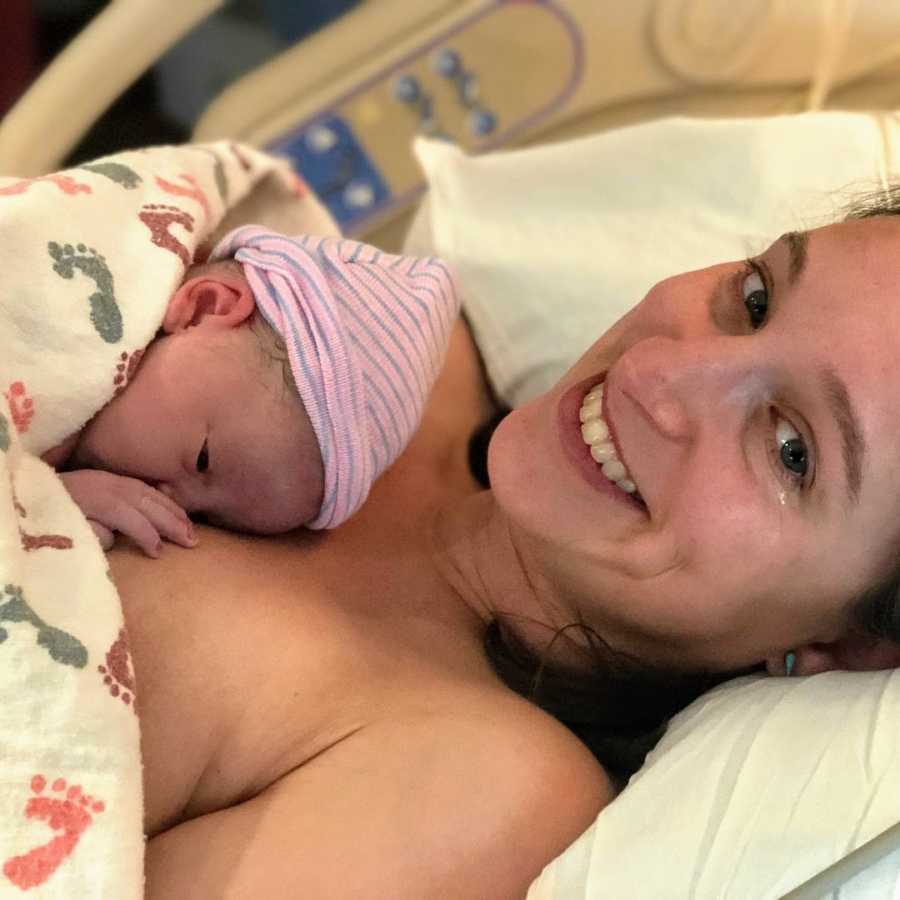
On July 3, 2018, we welcomed Liliana Rae with no complications. I recovered well and breastfed her for 15 months. She’s now a strong, sassy, brilliant little soul.
As a chronically ill mom, people ask me constantly how I do it. Here’s what it really looks like:
- I balance expectations with reality.
- I never make my health her responsibility.
- I always offer alternatives.
- I include her in my care.
- I hype up doctor visits—because her relationship with healthcare matters.
Parenting looks different for us—and that’s okay. Whether Lily grows up able-bodied or disabled, I’ll teach her there’s joy in the journey.
Today, I help others navigate their own paths through Journey to Soulshine Coaching, LLC—combining lived experience, education, and compassion.
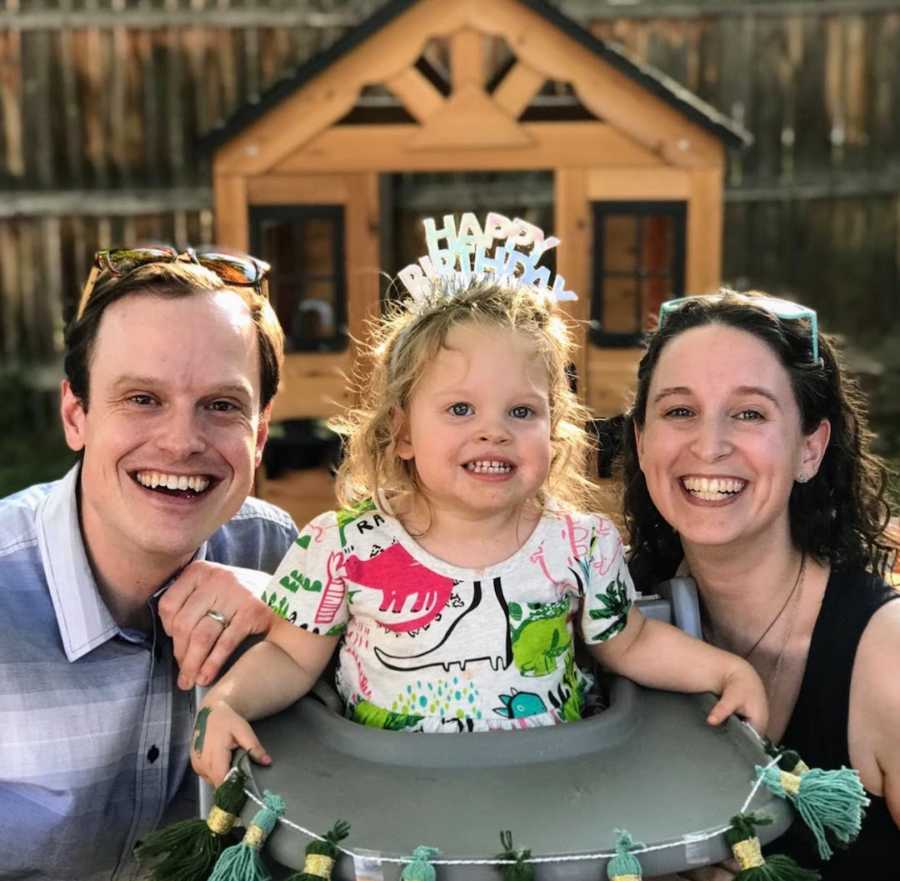
If I could speak to my 15-year-old self, I’d say this: don’t wait to live. Don’t wait for answers to find joy. Let go of expectations. Use the cane. Choose happiness now.
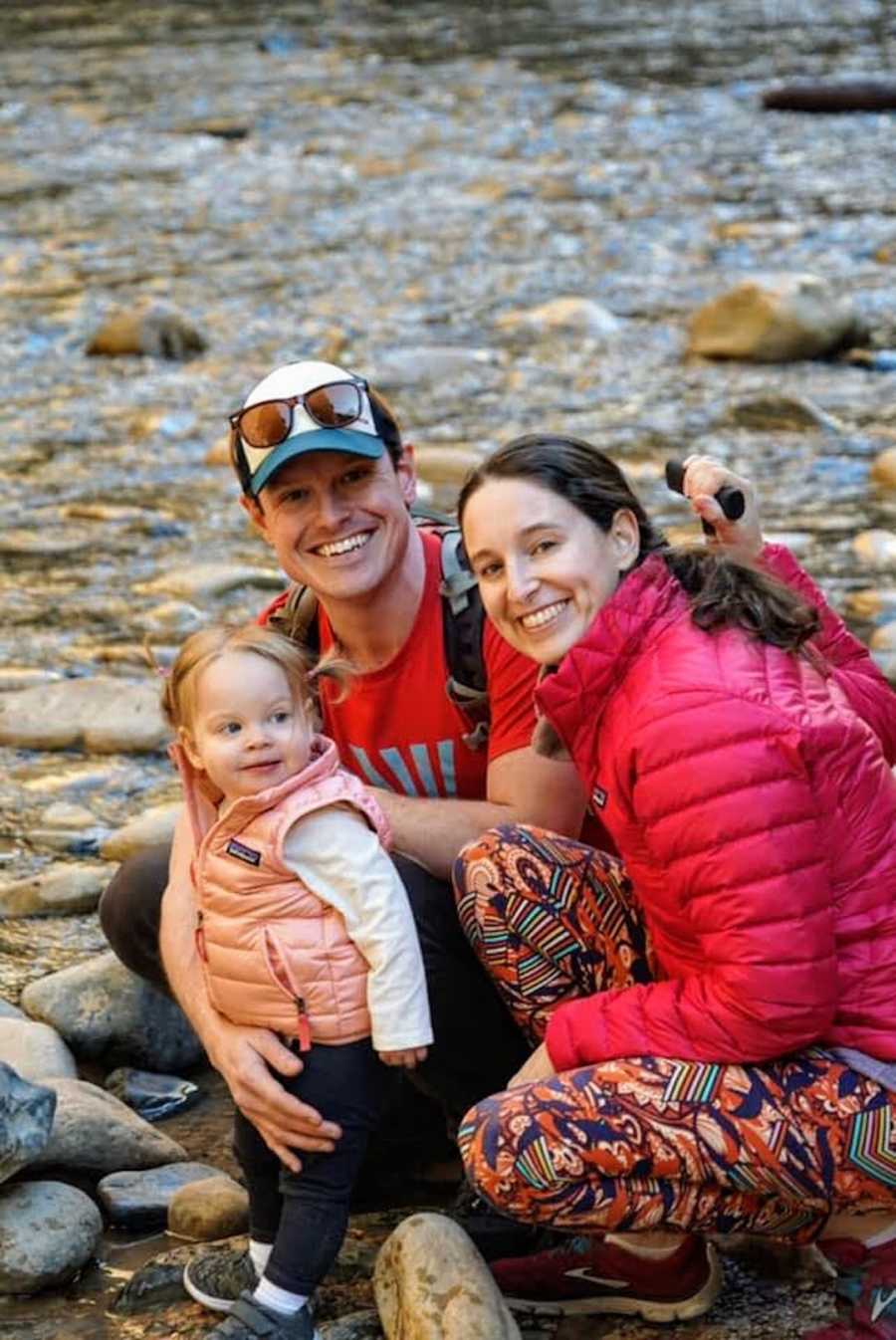
My journey is one of adversity and triumph—and I’m proud of it. Not despite these experiences, but because of them.
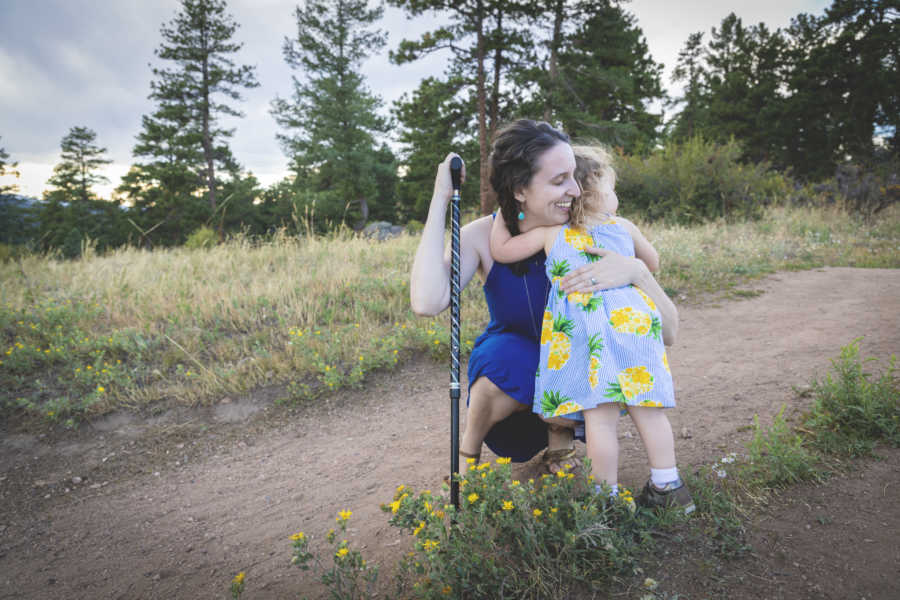
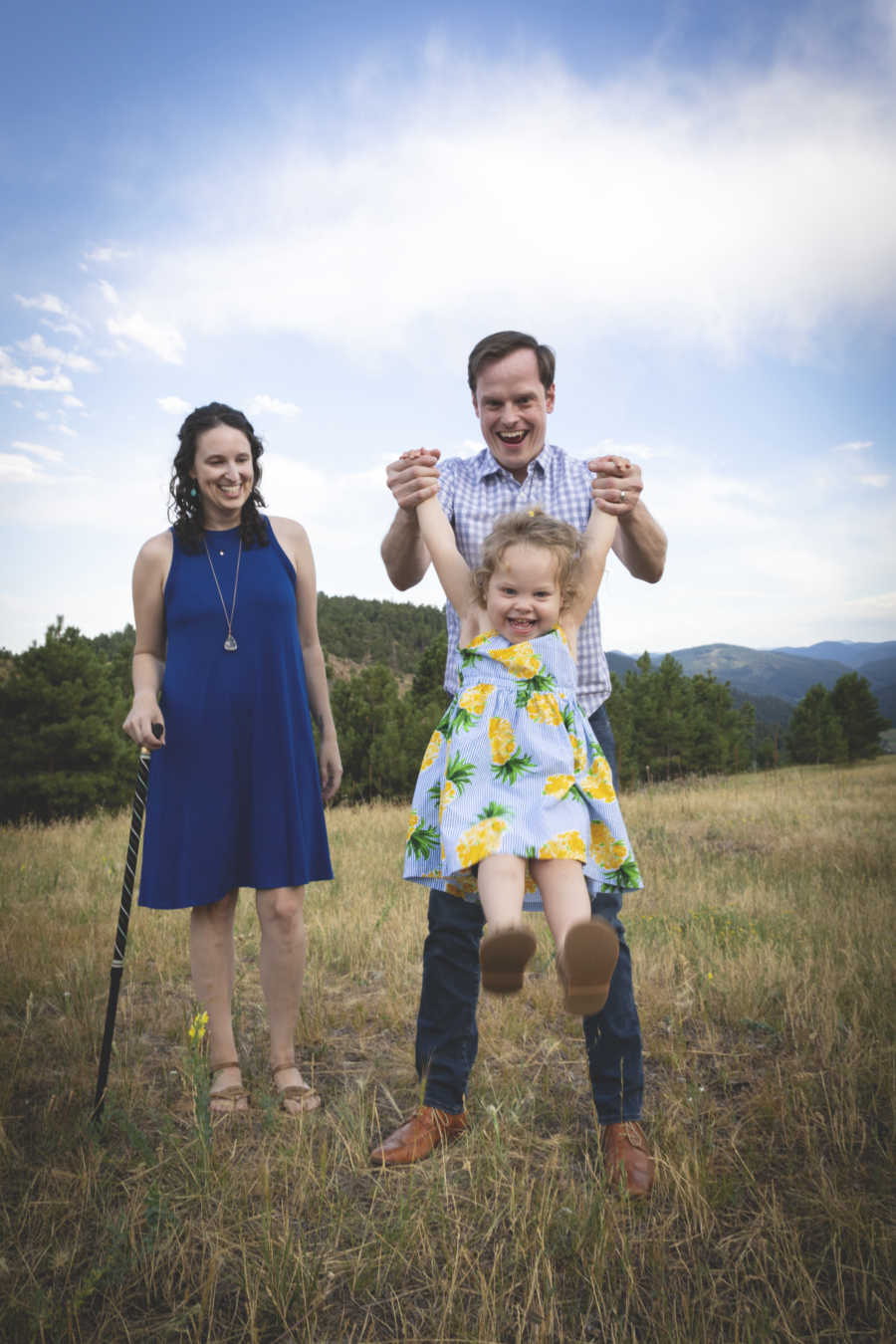
When your body won’t shine, let your soul shine.