“You have seven months to live if we don’t begin treatment right away.”
Seven months. I silently counted them out in my head — 1, 2, 3, 4, 5, 6… 7 — as if saying the number over and over might somehow make it less real.
It was October 2018. I was working 60–70 hours a week, laser-focused on climbing the corporate ladder, convincing myself I didn’t have time for anything — especially not illness. For six months I’d been dealing with strange symptoms: itchy legs, fatigue, dizzy spells, shortness of breath, and unexplained weight loss. Doctor after doctor reassured me everything looked fine. I thought, Perfect. I don’t have time to be sick anyway.
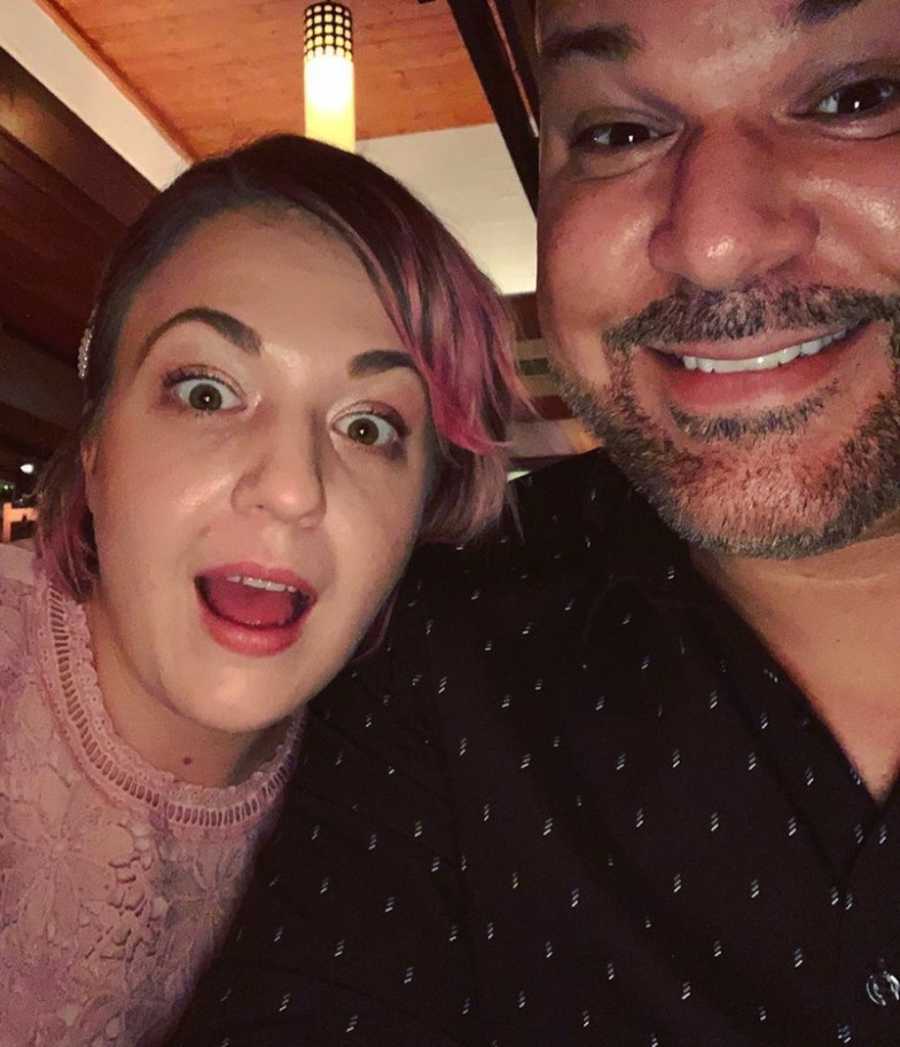
Then the back and neck pain started. Reluctantly, I headed to yet another appointment searching for answers. While sitting in the waiting room, I reached up to rub my neck and froze. There, on the lower left side, was a large lump. My stomach dropped. Instinctively, I pulled out my phone and asked Dr. Google — and of course, it told me what it always tells everyone: cancer. I pushed the thought away, convincing myself Google is dramatic.
I’m an anxious person by nature, so I kept touching the lump, showing it to family and friends. Each time someone said, “It’s probably nothing,” it soothed me for a moment — except my mom. She insisted I go to the ER. My husband and I walked in, explained why we were there, and were taken back immediately. That alone scared me. The ER doctor examined the lump, called it a swollen lymph node, and said it was probably nothing — but ordered a chest X-ray “just to be safe.” She told us we’d likely be out within the hour.
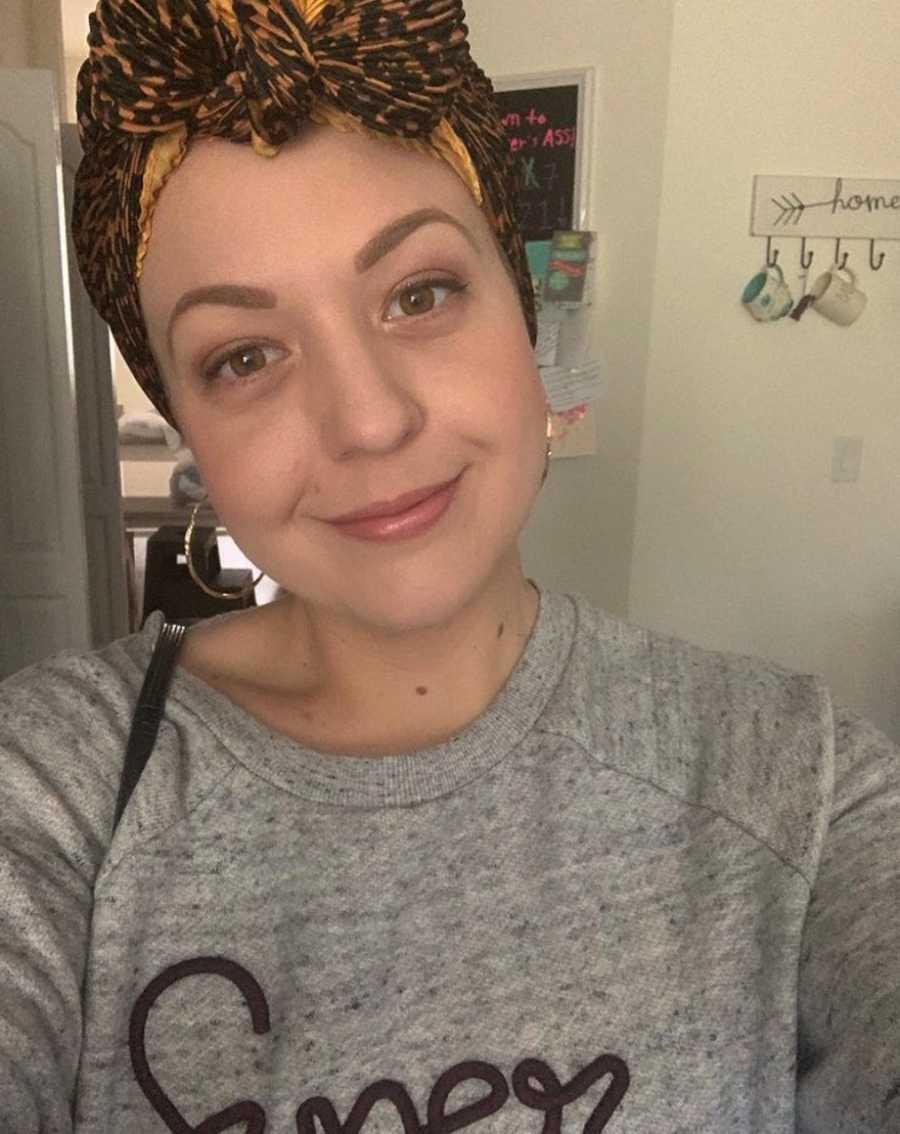
While waiting for results, I was already mentally planning my evening: deadlines, emails, projects. No room for sickness. Then the doctor walked back in — crying — holding a teddy bear. She sat beside me and gently said words that split my life into before and after: “I’m so sorry. We found large masses in your chest. I believe it may be lymphoma. Cancer.” Later I learned she’d once had a friend with lymphoma — and that connection was why she insisted on the X-ray another doctor might have skipped.
The moment she left, I turned to my husband and sobbed, “I don’t want to lose my hair.” Within 24 hours I had my first surgery, an oncology appointment scheduled, and a new title stamped on my life: patient. Wife, mom, friend, employee — all of it faded behind that single word.
A week later, my biopsy results appeared on my phone while I was eating at Chick-fil-A. Cancer with a side of chicken sandwich. I went home, lay on the floor, and cried until I couldn’t breathe. Soon after, I sat in a cancer center listening to my oncologist explain I had Hodgkin’s Lymphoma — the so-called “good cancer.” But in the next breath he said I had seven months to live without treatment. It didn’t sound good at all.
For the next seven months, I endured 12 rounds of brutal chemotherapy and countless complications. People kept calling me brave, strong, inspirational. I didn’t feel like any of those things. I felt broken — like the person I used to be had vanished.
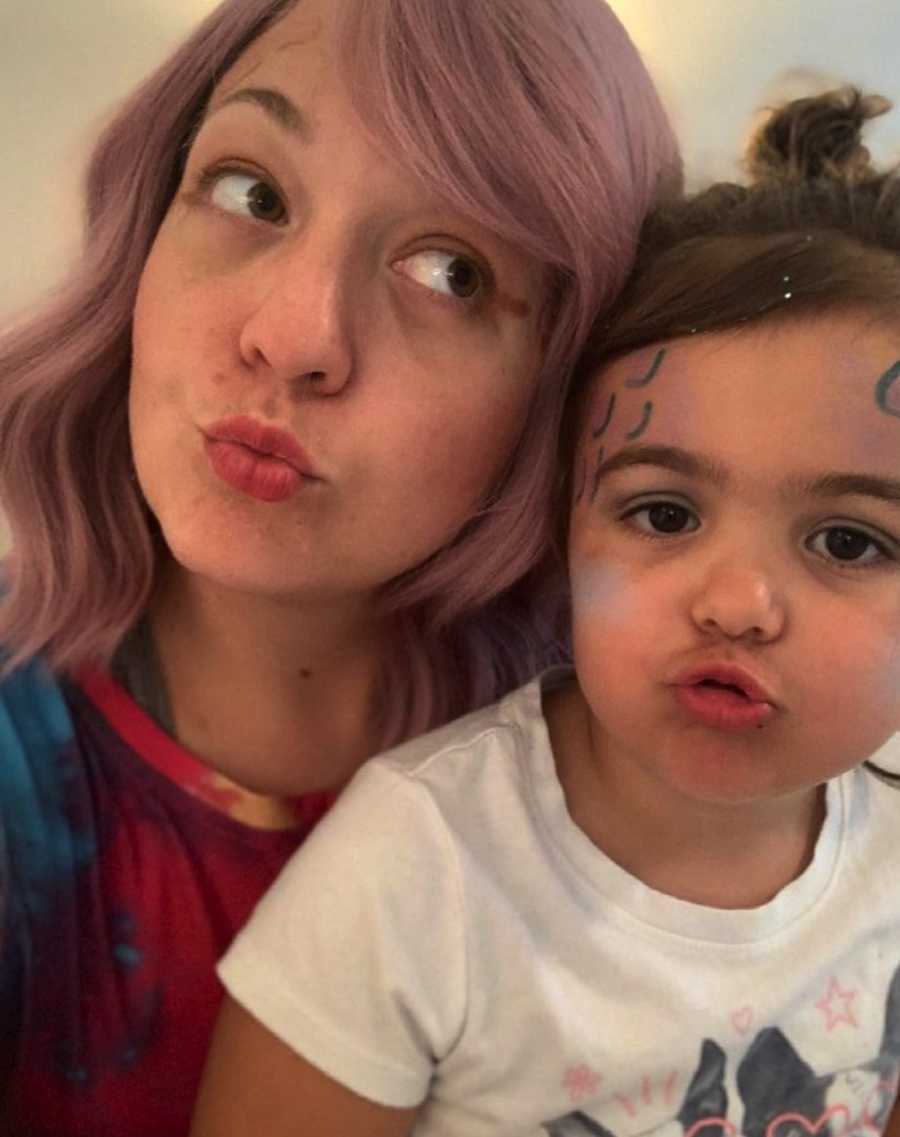
Six weeks after finishing chemo, desperate to feel normal again, I went back to work. My coworkers looked at me as if they’d seen a ghost. They complimented my “haircut,” not realizing it wasn’t a style choice. Someone joked about my “seven-month vacation.” I smiled, but inside I wanted to scream. I was alive — when I wasn’t supposed to be — and somehow that was supposed to make everything feel okay.
Two months later, I completely unraveled. Driving home, I burst into tears. I had fought for my life, and now I was expected to care about office gossip. My oncologist gave me the standard “See you in three months,” and suddenly I felt abandoned, terrified the cancer would return. No movie prepares you for how hard life after treatment truly is.
By October 2019, it did return. My PET scan — scheduled almost exactly a year after my diagnosis — showed relapse. I felt like I’d failed everyone. I went to work the next morning just to finish my tasks, sat at my desk staring at meaningless papers, and then quietly left. I never went back.
I transferred my care to Mayo Clinic, where I learned I needed a stem cell transplant. High-dose chemo, weeks in the hospital, and an entire year living like a newborn with no immune system. It was terrifying, but the alternative was death — and I had a child to stay alive for.
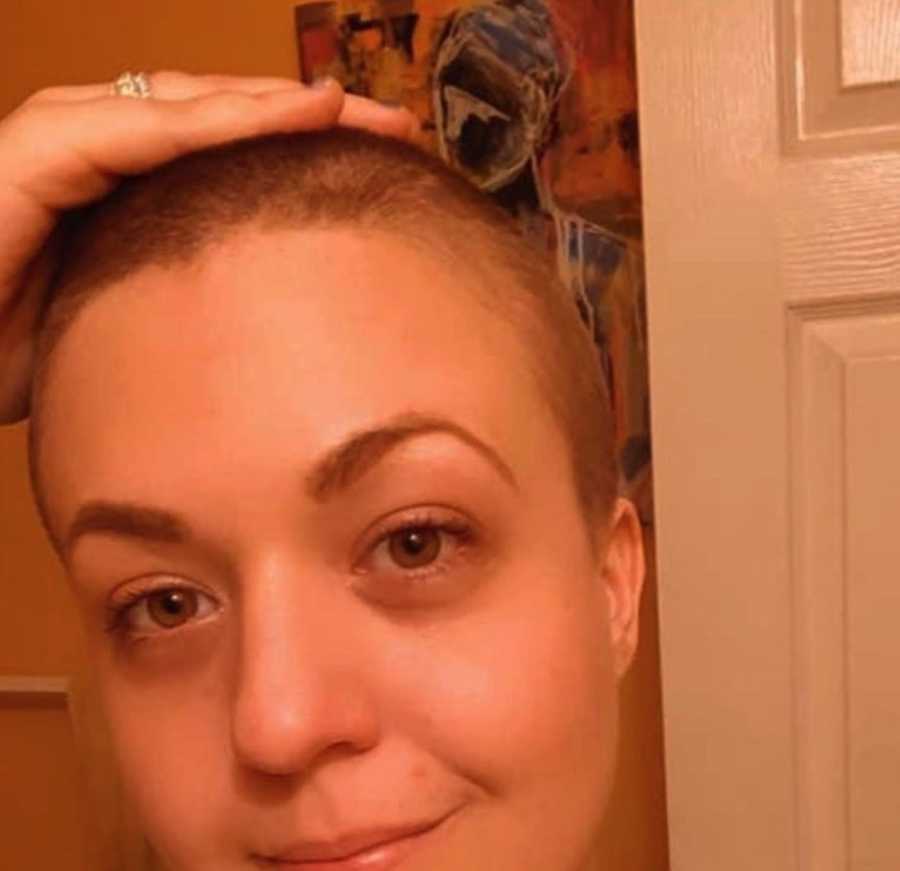
Before I could qualify for transplant, I needed remission. I started a newer, lighter treatment that allowed my hair to stay a bit longer. At the same time, I stopped pretending everything was fine. I turned on my camera and started talking honestly — about fear, loneliness, and the lies wrapped inside the phrase “Let me know if you need anything.” Sharing on YouTube became therapy and a lifeline for others who felt the same.
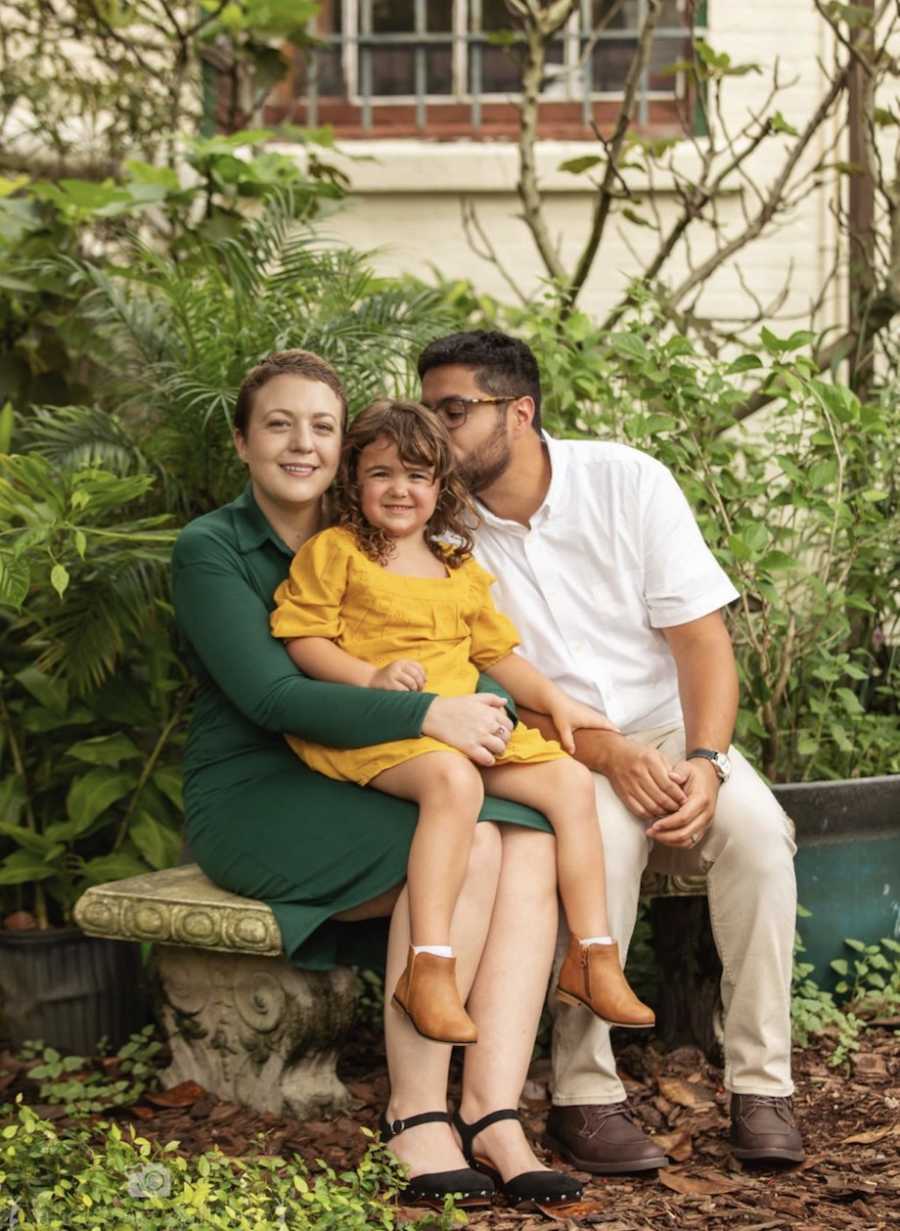
After three treatments, I scanned again. My doctor was sure I’d be in remission — but the results showed the cancer had spread. I saw sadness flicker in his eyes. I felt certain I was going to die. I was admitted for intense inpatient chemo and became sicker than ever before.
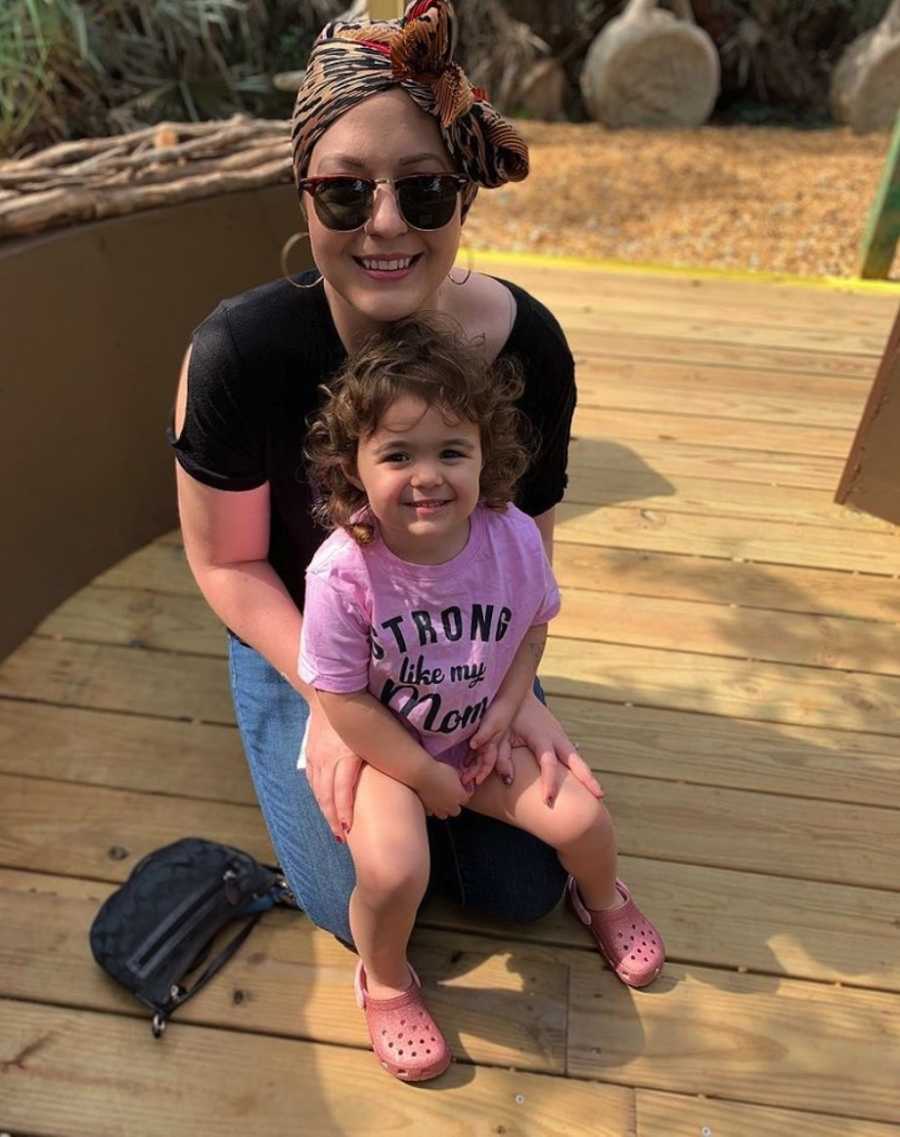
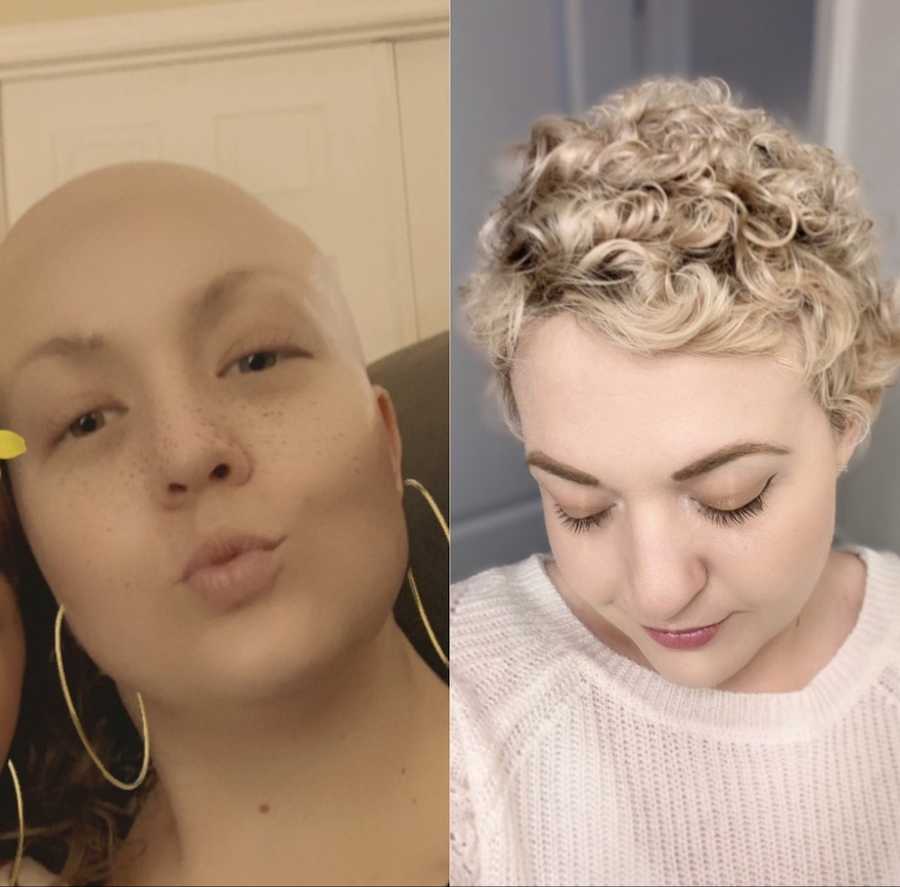
Two weeks later, my hair fell out again — and somehow it hurt worse the second time. I filmed myself pulling it out, showing the raw reality no photoshoot could sugarcoat.
Then March 2020 arrived. While the world shut down for a pandemic, I learned I was finally in remission and cleared for transplant. My stem-cell “re-birthday” was delayed one day due to a pending COVID test and landed on April Fool’s Day — fitting, because life truly felt like a joke.
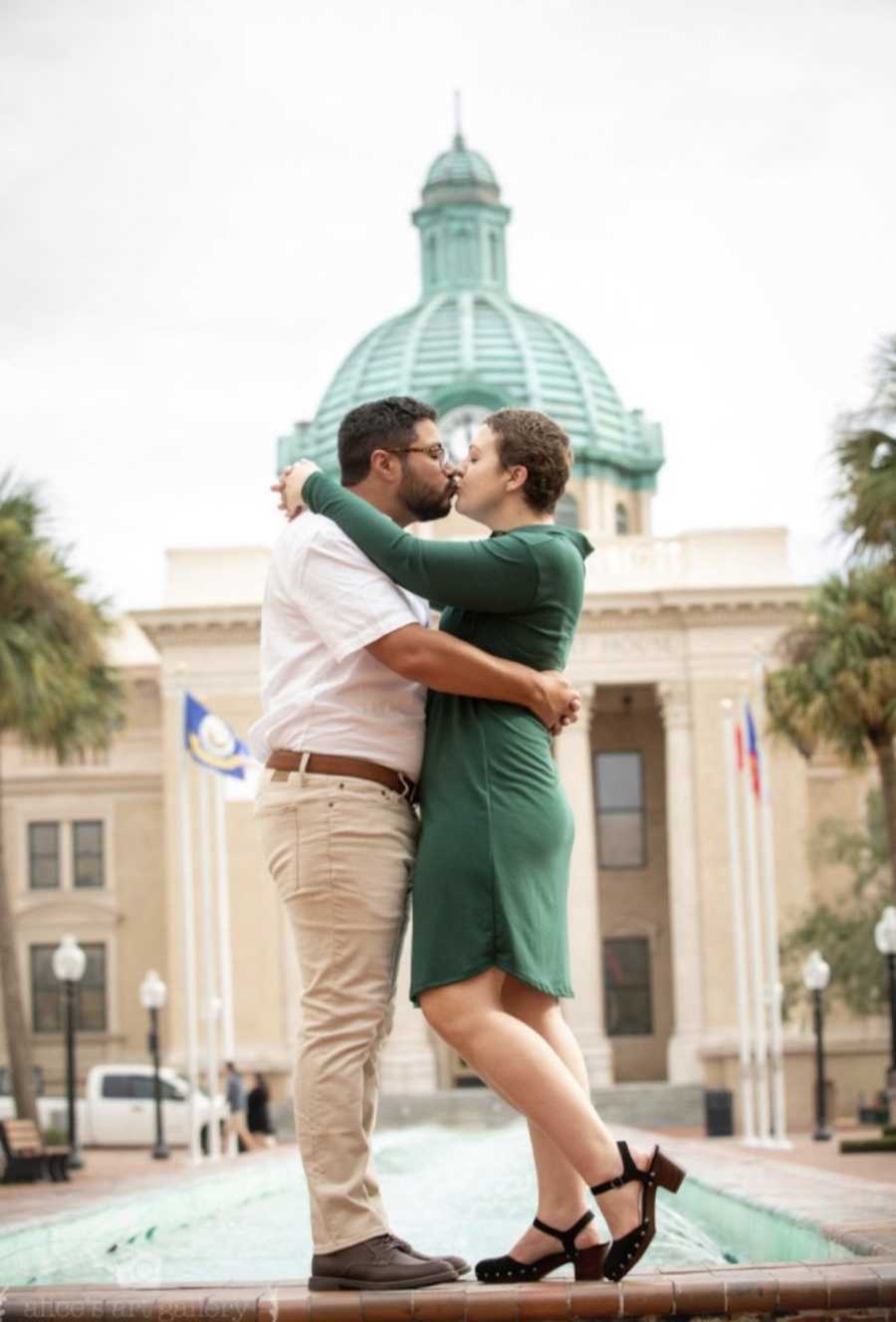
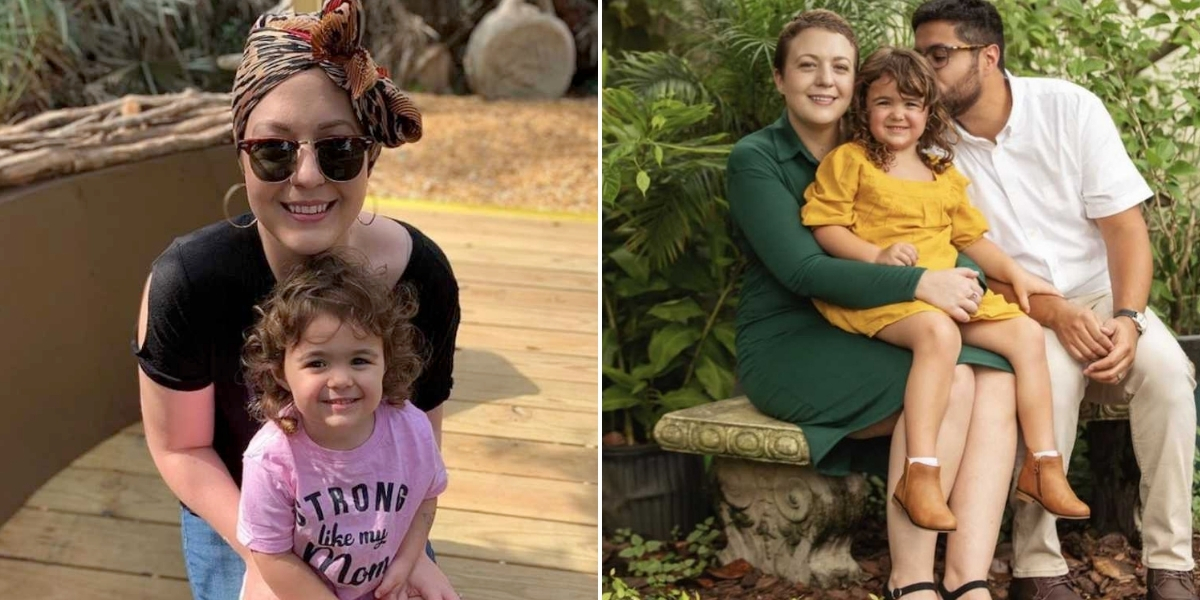
The transplant was the hardest battle I’ve ever faced. My husband cared for me when I could barely walk. I was only 29 but felt ancient. The transplant saved my life — but it took things too: infertility, PTSD, depression, anxiety, ADHD, and the constant hum of cancer in the back of my mind.
But it also gave me purpose. I began drawing — honest, sometimes funny illustrations about cancer realities: losing hair everywhere, mental health struggles, body image issues, grief. People online responded immediately, telling me my honesty made them feel less alone. On days I felt isolated, their messages reminded me that maybe all of this meant something.
Today, a little over a year post-transplant, I’m still in remission. My scans have stretched to every six months, and each clean result feels like another breath I get to take. I once read that people who survive fires carry buckets of water back for those still burning. That’s what I hope my art does — even in some small way — and for that, I’m deeply, overwhelmingly grateful.