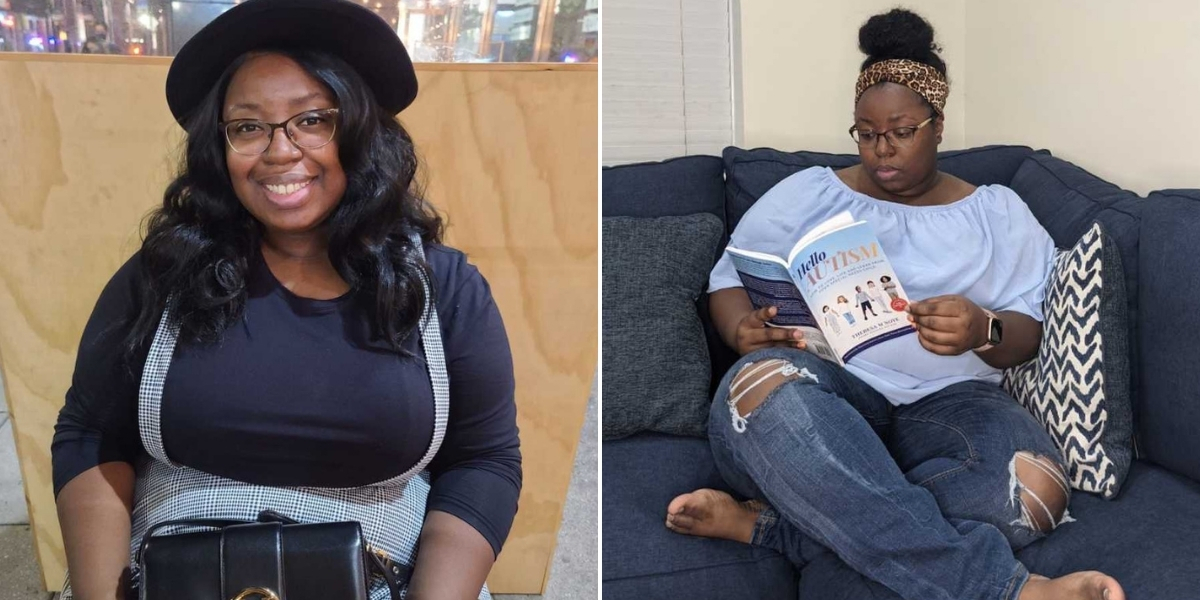
When I woke up one morning in late November 2019, something felt off. From the middle of my right eye upward, my vision was clear, but from the middle down, everything was extremely blurry. I contacted my eye doctor, and within a week, it seemed to resolve on its own. Not long after, I began feeling numbness in my toes. By the time I finally saw a neurologist, that numbness had slowly crept upward, reaching all the way to just beneath my breasts.
On December 31, 2019, I found myself sitting in a hospital bed, hooked up to an IV of steroids, unable to feel my hands or my body from my breasts down. A team of neurologists stood around me, their heads heavy, their expressions serious. “We’re sorry, Ms. John. You have Multiple Sclerosis.” In that moment, I felt more numb emotionally than I did physically. I couldn’t process what I was hearing. “I’m only 28 years old. How do I have Multiple Sclerosis?” Just months earlier, I had been completely fine. One severe flare had shattered my sense of safety and certainty, and I couldn’t believe this was now my reality.
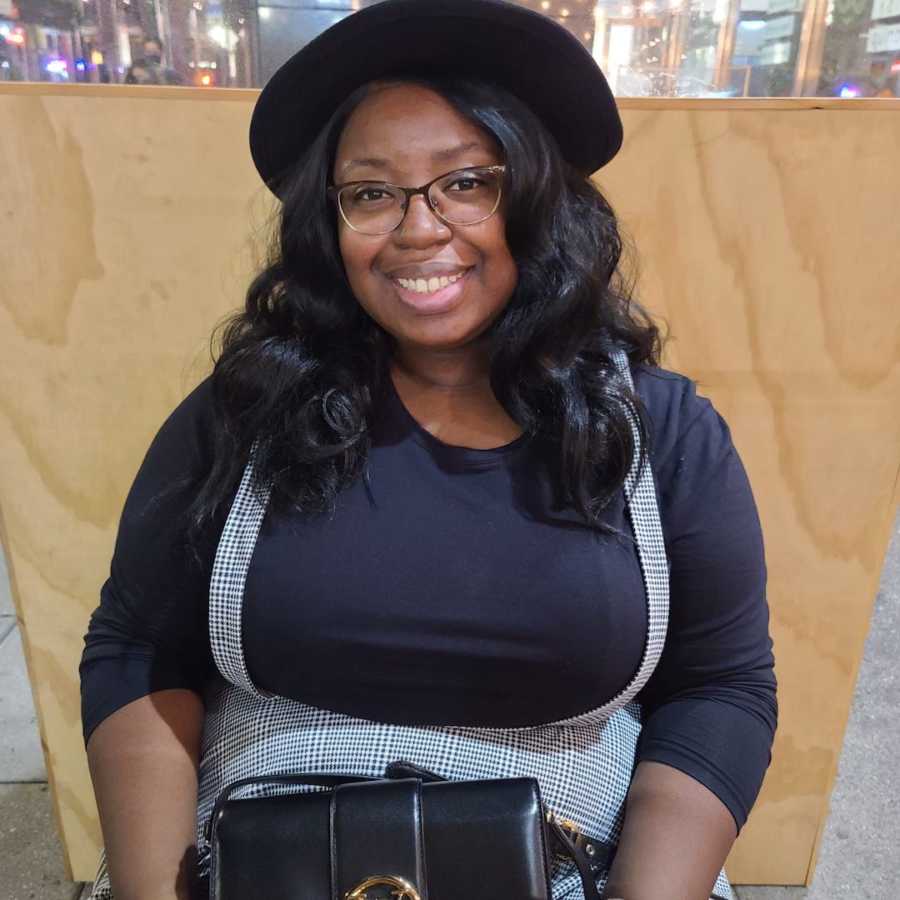
Three months later, the world shut down. New York entered a pandemic, and I was newly diagnosed, completely lost, and unsure of how to exist in this new version of life. Uncertainty became my constant companion. One day, it all hit me at once, like a Mack truck. Every emotion I had been pushing down came rushing out. I cried from the pain, screamed from the anger, and felt utterly defeated. The only word that made sense was grief. I was mourning the life I had before and all the things I feared I would never accomplish. How could life be this cruel? Why me? What had I done to deserve a permanent disease? My life felt like it had stopped just as it was beginning. “My life is over, and I’m only 28.”
Going through the hardest moment of my life without my family and friends physically nearby felt surreal. We talked on the phone and video chatted often, but it wasn’t the same. COVID felt like a glass wall separating us. I felt exposed and vulnerable, like a sideshow attraction, while no one could truly reach me. I could see their sympathy and their desire to help, but they didn’t know how. “At least it’s not something people can see,” some would say. None of us really understood MS yet. Conversations felt awkward. People didn’t know what to say, and everyone was processing my diagnosis in their own way. “Have you tried yoga? Going gluten-free? Vegan? Some product that will cure MS?” “How are you feeling now?” Even innocent questions became overwhelming when asked repeatedly. Instead of being comforted, I often felt responsible for comforting others, which only deepened my loneliness.
The isolation intensified everything—emotionally and physically. It forced me to confront my diagnosis head-on, every single day. I sank into a deep depression and questioned whether life was even worth living. What would my future look like? The unknown terrified me. I couldn’t feel most of my body. Would I ever walk without assistance again? Would sensation return?
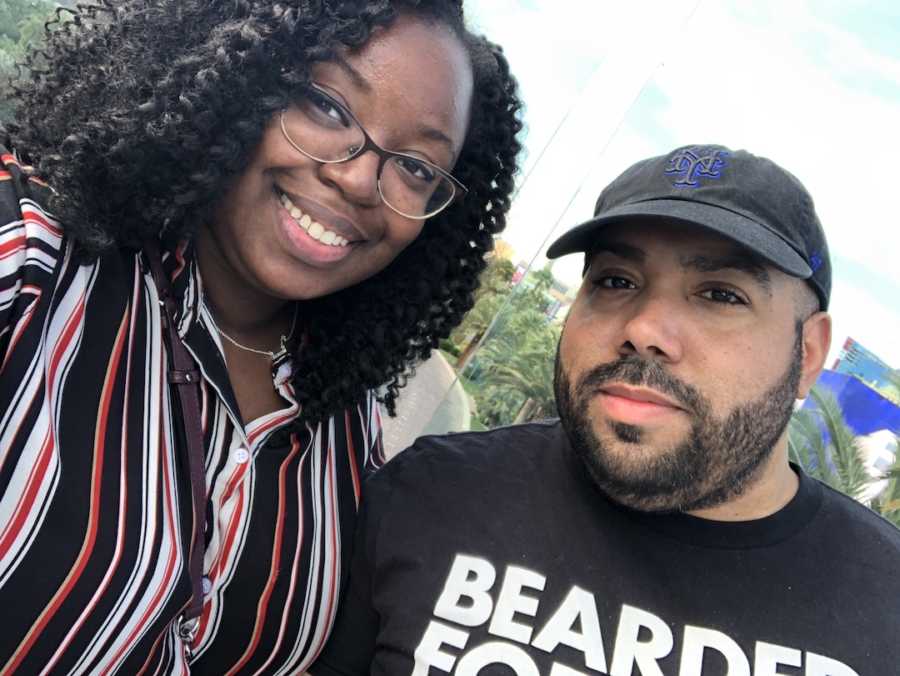
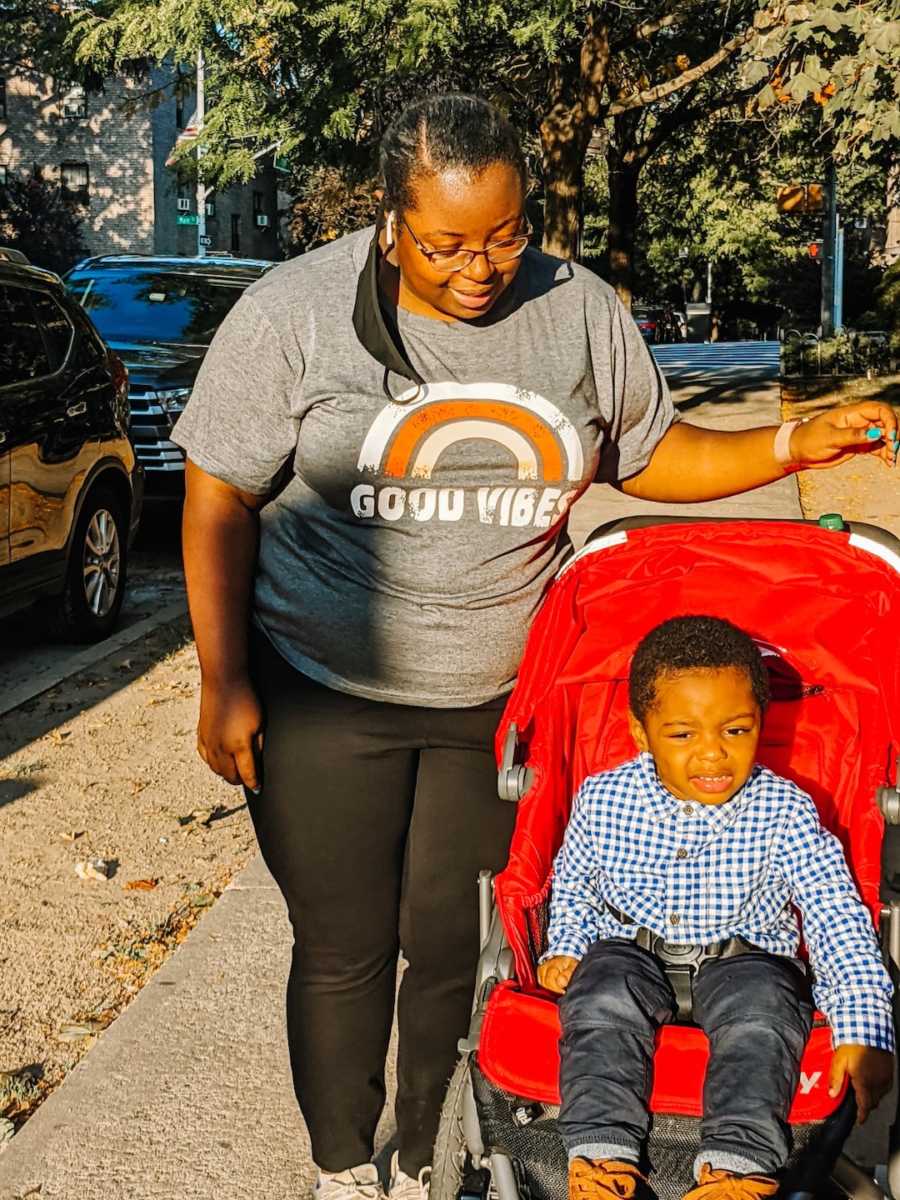
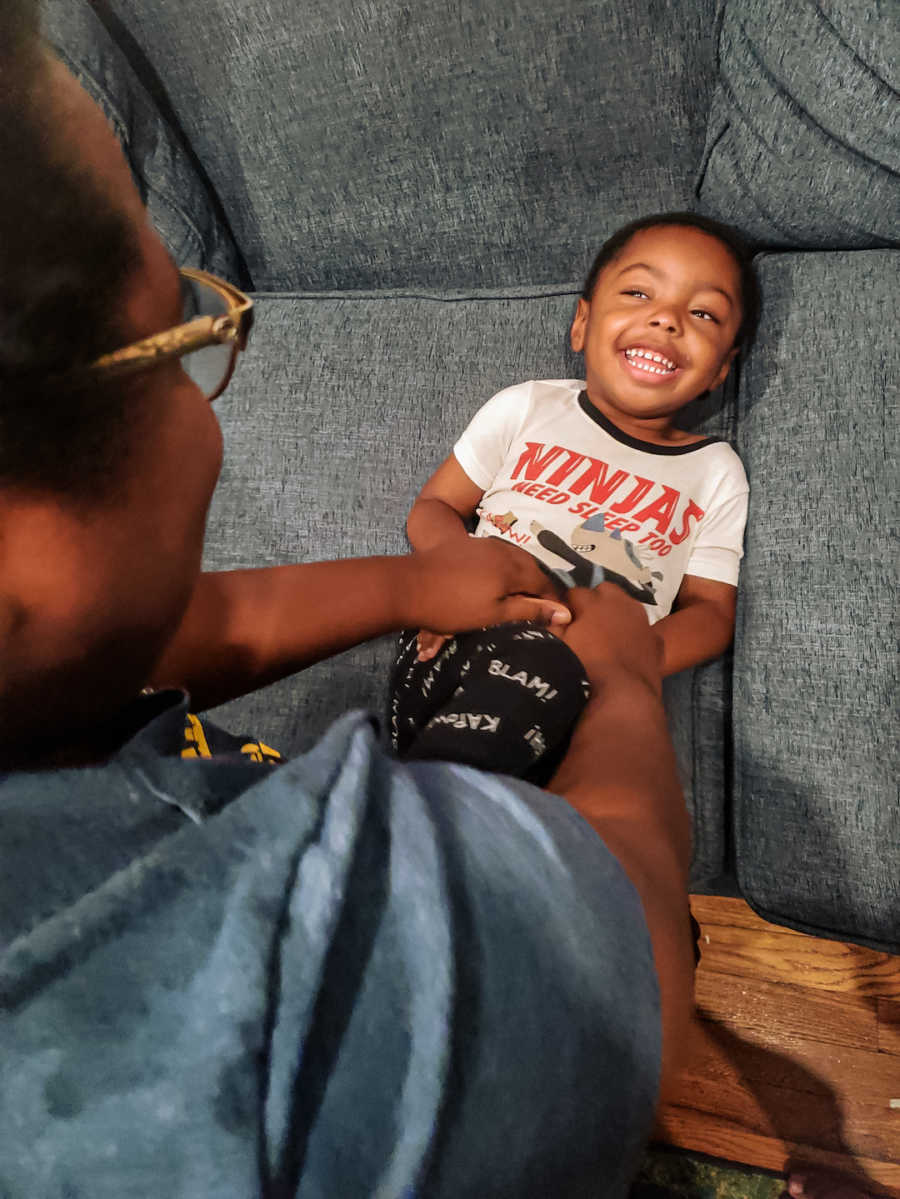
My thoughts constantly returned to my son. How do I raise him like this? Is MS hereditary? He was only two years old, far too young to understand any of it. I couldn’t feel him when he touched me. I struggled to play with him, and even changing him felt nearly impossible. I feared he was cursed with a mother who couldn’t be fully present, that he would grow up learning to take care of me instead of the other way around. The questions felt endless, and there were no clear answers. Watching me go through this was incredibly hard for my partner, Nick. I’m deeply grateful for his patience, his understanding, and the space he gave me to process everything I was feeling.
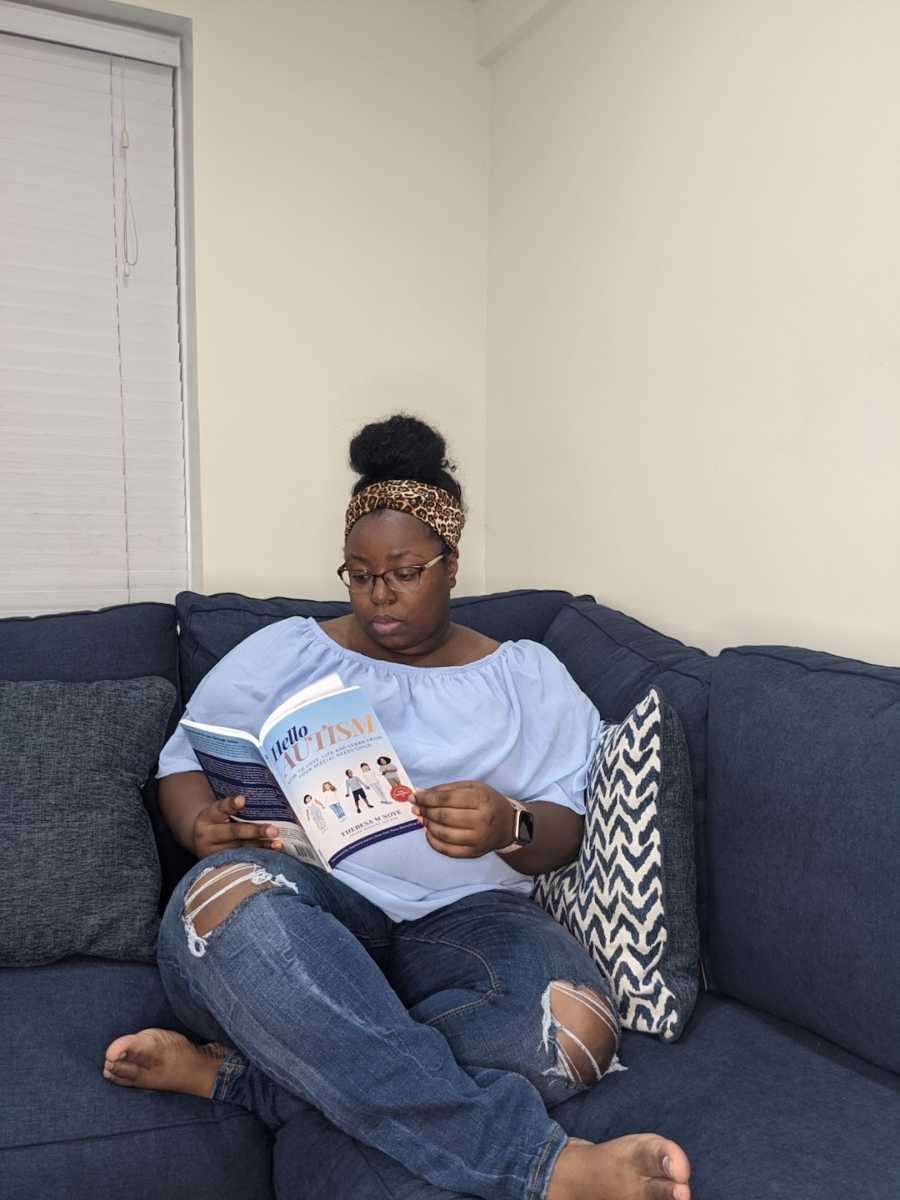
After my diagnosis, I turned to Google, desperate to understand what MS looked like. I searched for support groups, hoping to find a space where I felt seen, but I noticed a pattern. Most groups were dominated by an older, white crowd. It felt like MS was portrayed as a white disease. But it’s not. A 2013 study published in Neurology found that African American women are diagnosed with MS at higher rates than previously believed, and research suggests our disease can be more aggressive.
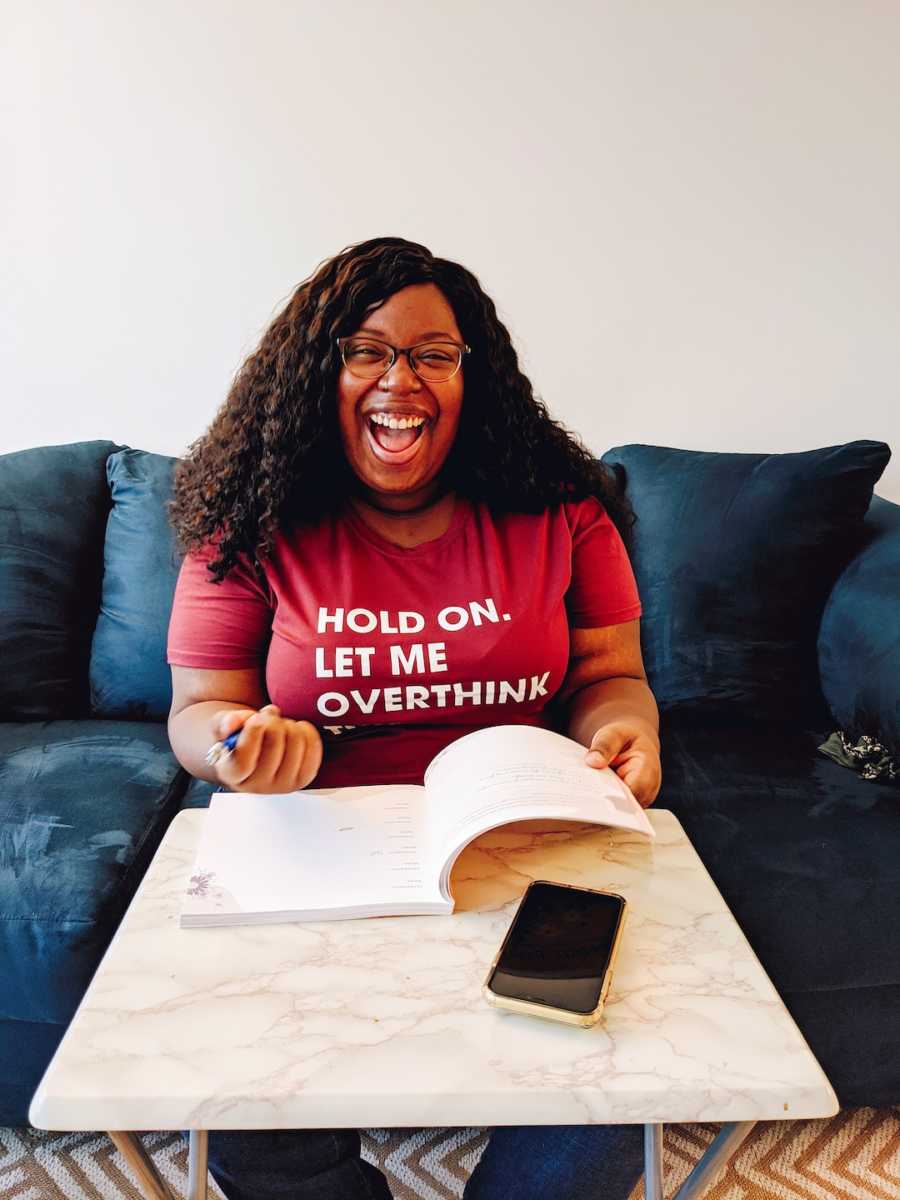
Last May, while venting to Nick about how invisible I felt, how isolated I was, he said something simple but powerful: “Why don’t you create something?” That moment changed everything. I created Life With Moyna on Instagram and later launched my blog, lifewithmoyna.com, to bring representation into the MS community. It’s an incredible community, but it needs to be more inclusive. My platform focuses on MS advocacy, lifestyle, and motherhood, sharing the journey of a young, Black, professional mother living with MS in NYC. I also share information about MS-friendly products and treatment options. I receive messages from Black women who feel comforted seeing someone who looks like them openly living with MS. I engage in real conversations, check in, and share experiences. I hate having MS, but I’m grateful for the connections it’s allowed me to make.
Looking back, I don’t know how I managed to cope with both MS and the world coming to a standstill at the same time. It would have been easy to completely unravel. I had no control over my body, my circumstances, or my future. Strangely, I found comfort in knowing I wasn’t alone in uncertainty—everyone was navigating the pandemic and their own emotions. I had to give myself permission to feel everything. Some days I was emotionally steady; other days, I completely broke down. It took months, but eventually, the constant crying stopped. I began to understand that my life wasn’t over. It would be harder, yes, but not impossible. I held onto the belief that I would be okay. My life was still unfolding, and I had so much left to do. I still mourn on some days, but for every bad day, there are several good ones. It’s about finding the silver lining within MS.
My journey hasn’t been linear. I’m still dealing with severe flares. It’s January 4, and for the second year in a row, I’m in a hospital room. I started 2020 here, and now 2021 looks similar, with a few differences. This time, instead of numbness throughout my lower body, it’s confined to my left arm. I feel tightness and pressure in the center of my chest, making it difficult to breathe. In 2020, I was grateful simply to walk. In 2021, I’m thankful that I can breathe.
I’m doing my best to process my emotions instead of letting them pile up and explode. I try to find silver linings, even when it feels cheesy or forced. MS makes it harder and harder to stay positive. When does this get easier? Why does a night of a few shots of sake with my cousin turn into a five-day hospital stay? What should I expect this year? The questions never stop. The uncertainty keeps me anxious, always on edge. I know life will never return to what it once was, and I’ve accepted that. I just need to know that this life can still be livable. For now, I’m taking it one day at a time.