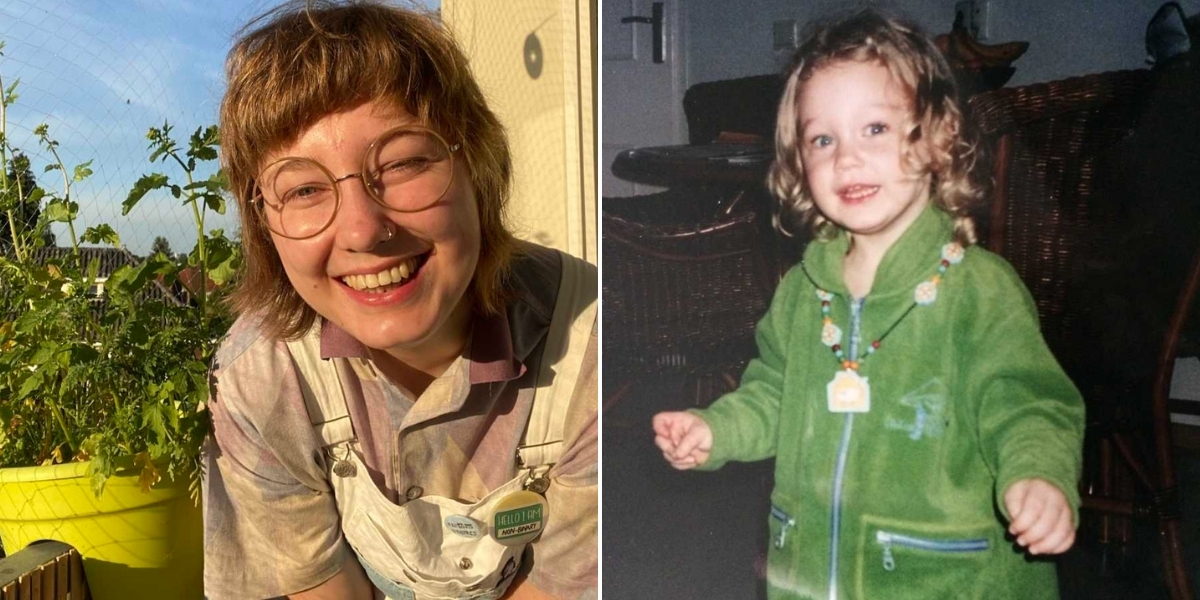
My mother once told me that when I was born, the doctor said something was different about me. She remembers him saying something along the lines of, “You’re going to have your hands full with that one.” Looking back, I have to admit—he wasn’t entirely wrong. Though, honestly, that’s not the kind of thing you want to hear as a new parent, is it? From the very beginning, my parents sensed something unique about me. They often felt like they couldn’t reach me, and I couldn’t reach them. But it wasn’t just them—I didn’t understand the world around me either. I would get frustrated and angry, often feeling completely misunderstood. I had an unusually large vocabulary for my age and spoke like an old soul, interpreted everything literally, and couldn’t stand it when plans changed. I was different, and my parents couldn’t help but be puzzled.
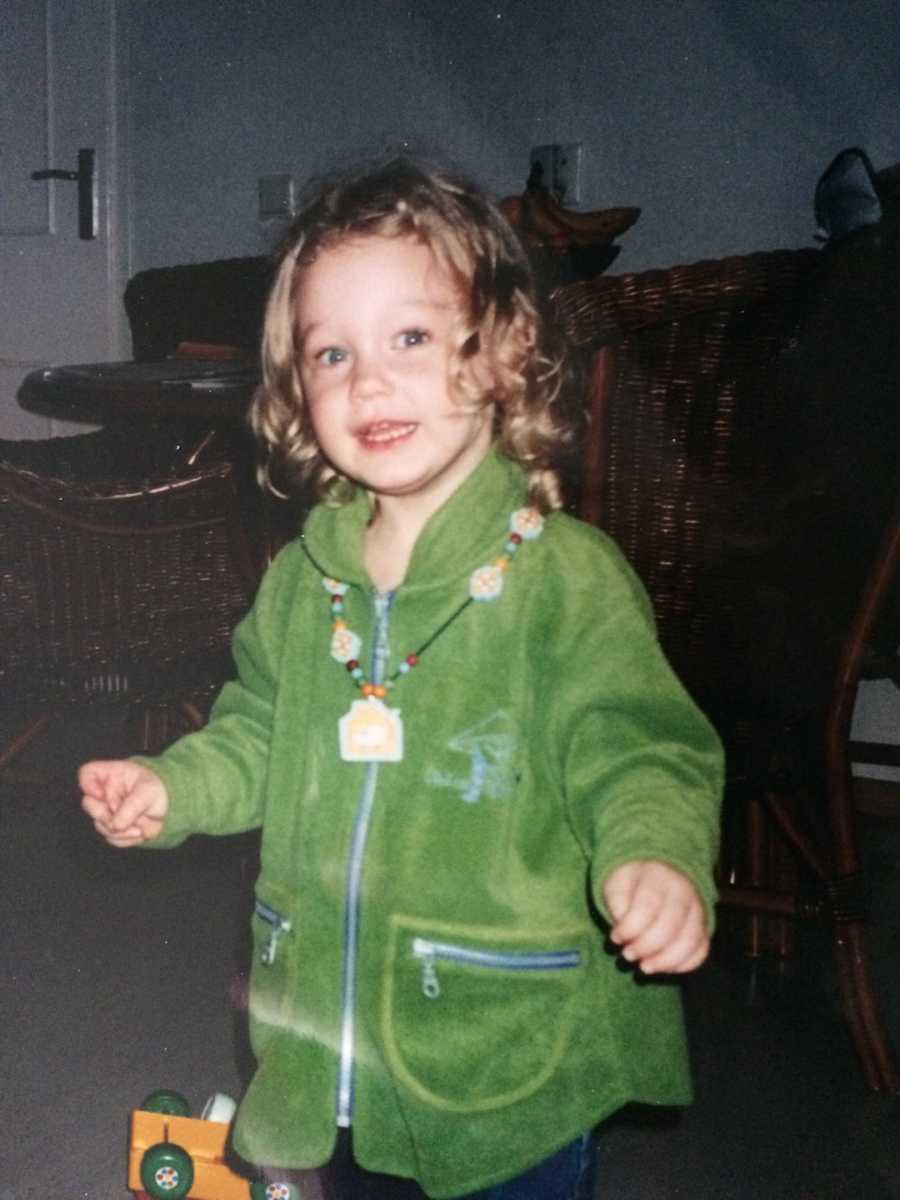
Thankfully, my parents never gave up on figuring out what made me tick. They weren’t afraid of labels if it meant I could get help. When I was five, I received my autism diagnosis, and shortly after, at age six, I was diagnosed with ADHD. For my parents, it was a bittersweet moment—finally, an explanation for my behavior, yet also a new worry about what it might mean for my future. Looking back now, I can say everything turned out okay, but the path there was far from smooth.
Growing up with autism and ADHD wasn’t easy. No child wants to feel different, and having documentation to prove it made me upset. I remember crying to my parents multiple times, telling them I didn’t want to be different. My labels made me hyper-aware of myself and insecure around peers. I didn’t have many friends in primary school except for one best friend, who remains close to this day. Other kids accepted my presence but didn’t really understand me. I once gave a presentation about autism, hoping it would help—but it barely changed anything. Most classmates just considered me “weird,” so my best friend and I stuck together, keeping mostly to ourselves.
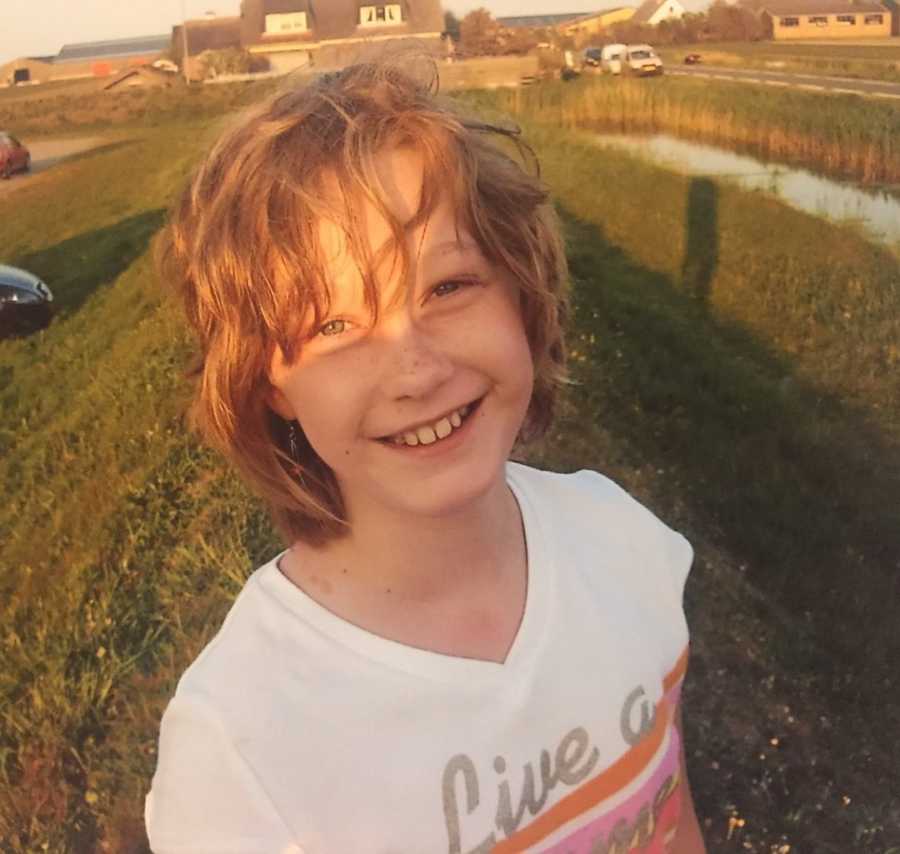
Things weren’t helped by weekly sessions with a student counselor to improve my social skills. At the time, it made me feel even more different. Now I realize it sent the message that the way I interacted with the world was wrong. While I’m grateful for the tools I was given to navigate a neurotypical society, it was also confusing and damaging. Autistic people aren’t the problem—the world is. We’re often forced to adapt, and that early message can crush self-esteem and contribute to mental health struggles. In my case, those struggles were already present. I still have a piece of writing from when I was five where I told my mom, “I didn’t like life anymore.” That was before my diagnosis, and things only got more difficult afterward.
Middle school brought another wave of challenges. My best friend moved to Germany, and suddenly I had no close friends at school. I was accepted, but I didn’t fit in. People sometimes took advantage of my eagerness to belong, subtly teasing or manipulating me. It wasn’t overt bullying—it was more subtle, like being included in jokes just to be laughed at. Even when I had my first boyfriend, classmates interrogated me under the guise of curiosity. That kind of slow, creeping exclusion left deep marks, fostering anxiety and eventually depression.
By the age of 15, my mental health became critical. I remember descending from my room one day in tears, telling my mom, “I’m afraid I might hurt myself.” It was terrifying, but I knew I could confide in my parents. My mom offered advice, my dad offered hugs, and my siblings—also autistic and with ADHD—created a safe, understanding environment. Our family life was chaotic but loving, and my parents’ persistence and support have always been remarkable.
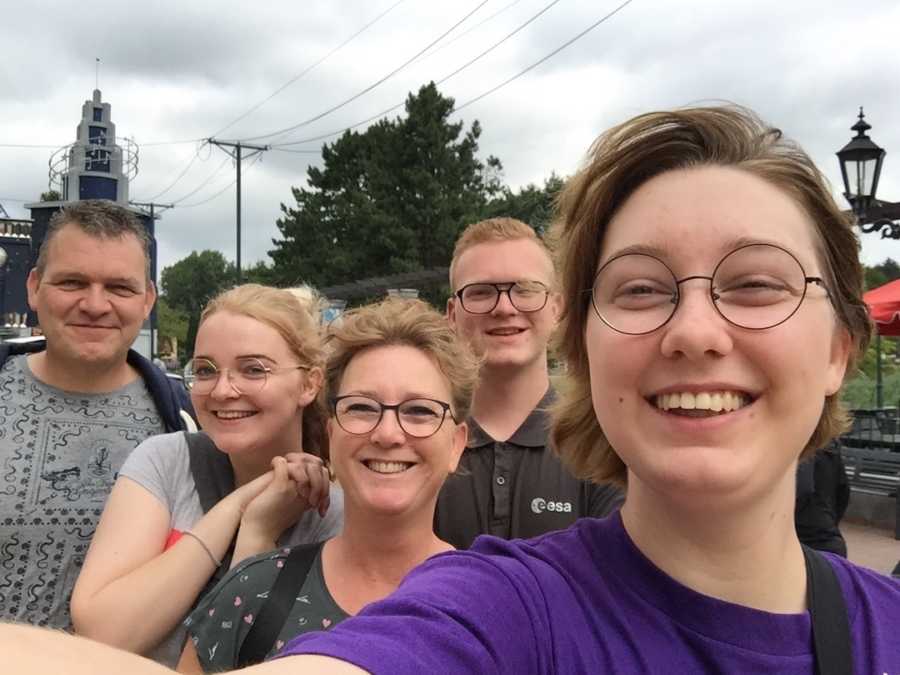
Despite family support, my late teenage years were dark. Suicidal thoughts emerged, and I sometimes engaged in self-harm. Friendships existed, but I still felt misunderstood. Online spaces became my refuge. I joined Twitter at 14, connecting with people who shared my interests and values. Some I even met in real life. These friends showed me I wasn’t inherently “wrong” or “weird”—I simply hadn’t found my community yet. Meaningful conversations online helped ease my depression and gave me hope for genuine human connection.
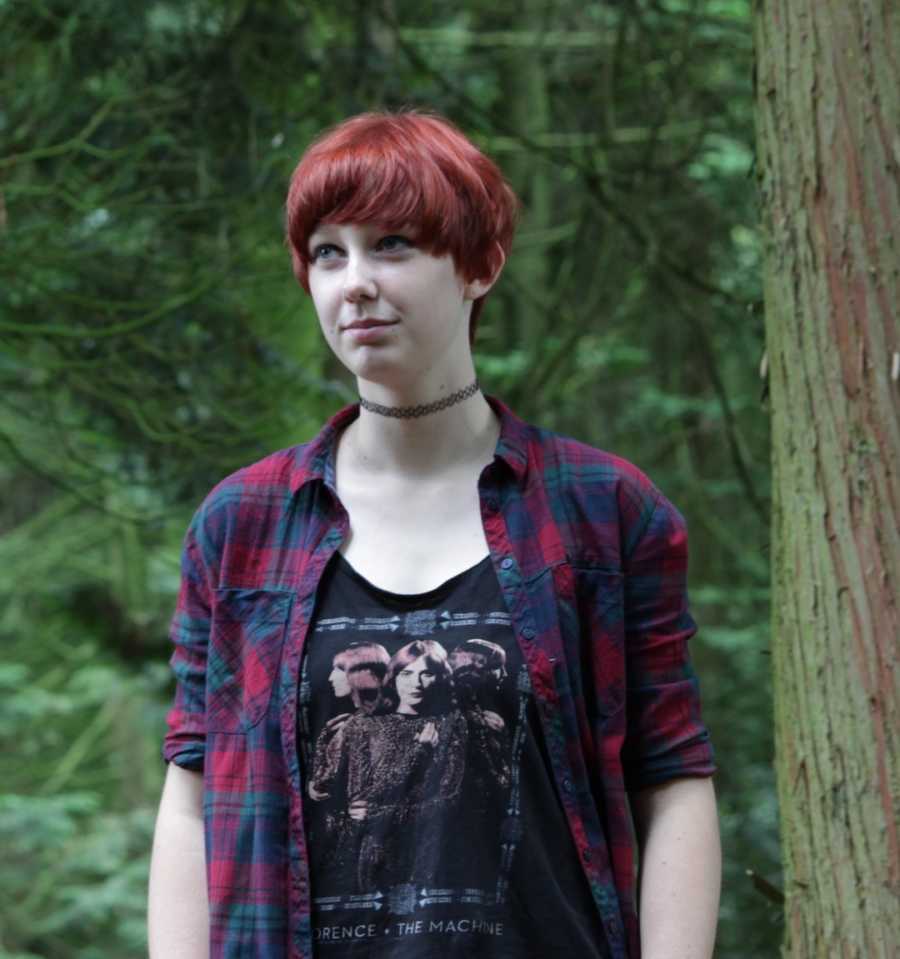
During this time, I was also exploring my identity. I never fully felt like a girl, even as a child. I remember telling my mom that pink shoes weren’t for me, though I also didn’t feel like a boy. At 16, I discovered the term non-binary online and felt immediate relief—it finally described what I had felt all my life. I also discovered I’m asexual and attracted to multiple genders. Understanding my identity was liberating, though it also brought new complexities in navigating a gendered world.
Between 17 and 21, I sought psychiatric and therapeutic help for depression and social anxiety, adding antidepressants to the medications I had taken since age six. I moved to a new city, studied at university, and made friends who genuinely cared about me. I remember throwing a birthday party and realizing, mid-celebration, that all these people were there simply because they wanted to be. That moment felt magical and deeply affirming.
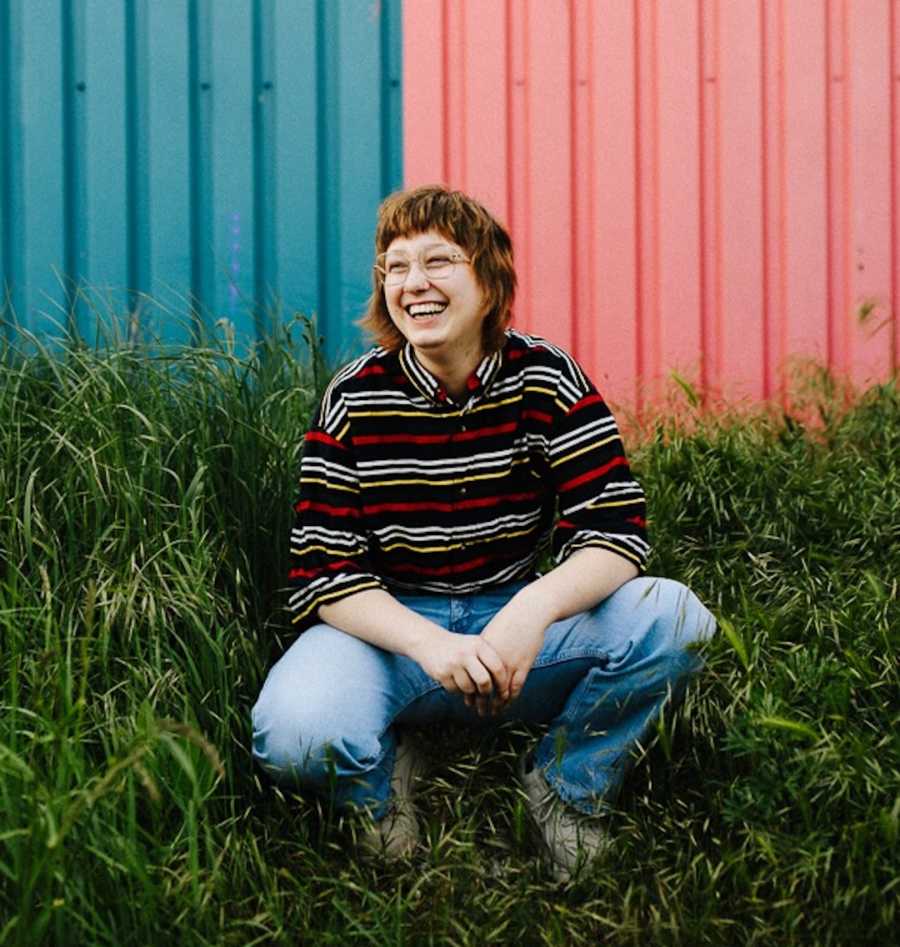
Around that time, I came out to my parents as non-binary. They accepted me unconditionally, as they always had with my sexuality. Coming out to friends was easier; many were queer and understanding. I requested gender-neutral pronouns, and they respected it immediately. I finally felt aligned with my identity, though I still had to navigate the challenges of a world structured around binary norms.
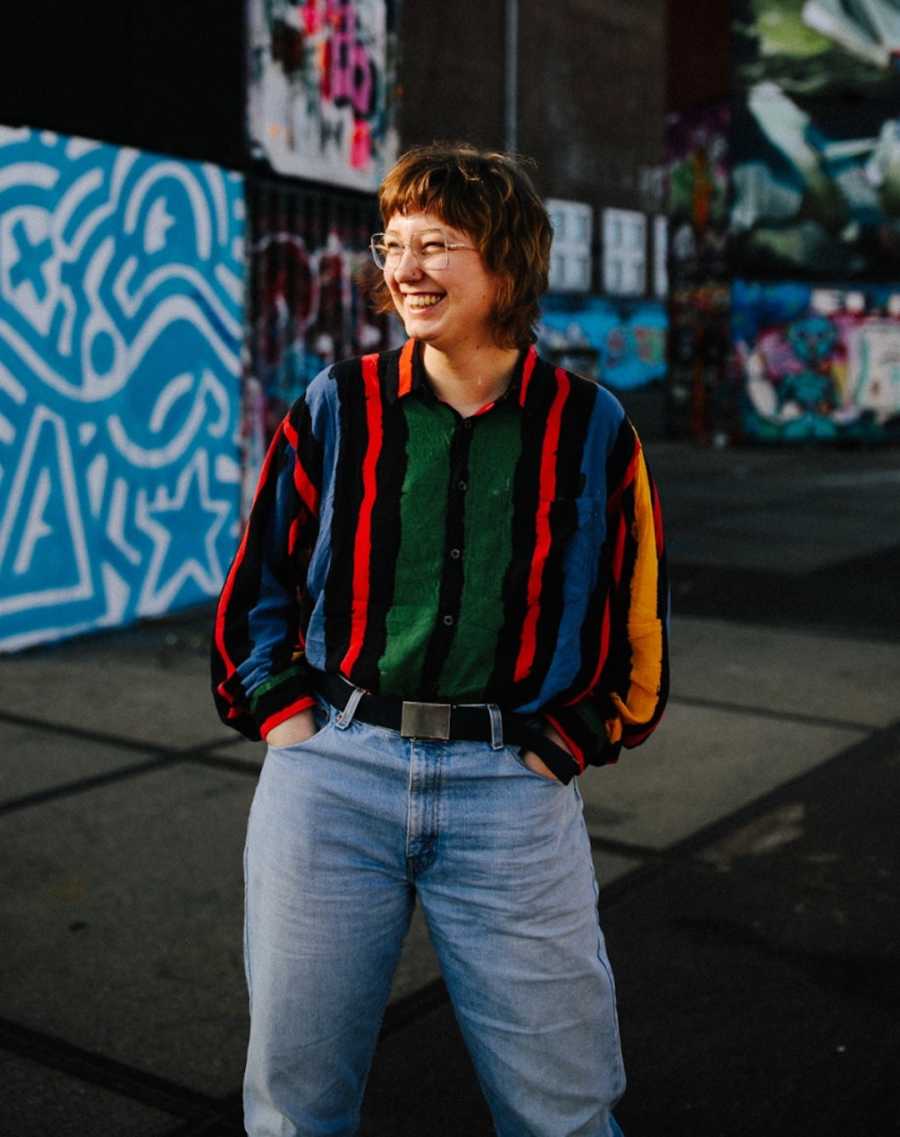
After university, I started a full-time marketing job, but it quickly became overwhelming. Masking my autistic traits for 40 hours a week led to burnout. In February 2020, I broke down and cried for three days straight. I couldn’t continue full-time, and living alone made me uneasy about my safety. I called my parents for help, stayed with them briefly, and made a bold decision: I would become a freelancer. By March 2020, I started part-time, then fully by May. It was risky, especially during the pandemic, but it was the best choice for my mental health. Being my own boss gave me freedom, control, and peace. I even stopped taking antidepressants as I learned to accept myself fully.
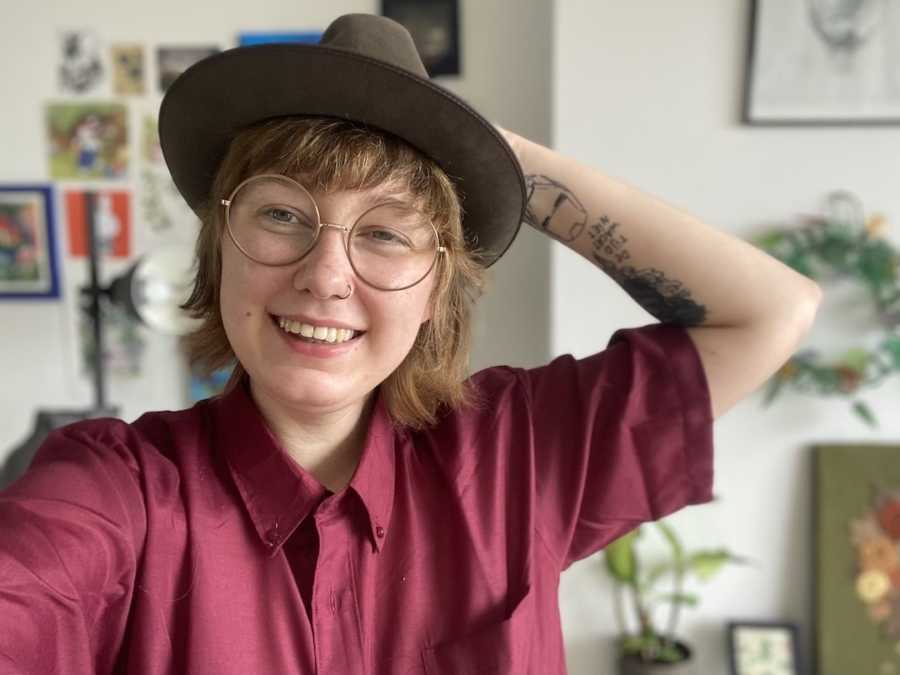
Now, I focus on creative writing and comics. Last autumn, a short comic of mine was published, and more are in the works. I make it a point to include authentic autistic characters, striving to improve representation where harmful stereotypes often dominate. Growing up without proper role models motivated me to create stories that can inspire and validate others.
Today, my life is fulfilling. I have a beautiful apartment, a loving family, and incredible friends. I recently realized I’m most likely aromantic, which suits me perfectly—I enjoy my independence and my own company. While struggles remain, I can finally breathe, feel grounded, and embrace my identity. To the doctor who warned my parents I’d be a handful: yes, perhaps I am, but I’m also resilient, proud, and unapologetically me. I am autistic, and that pride is unshakable.