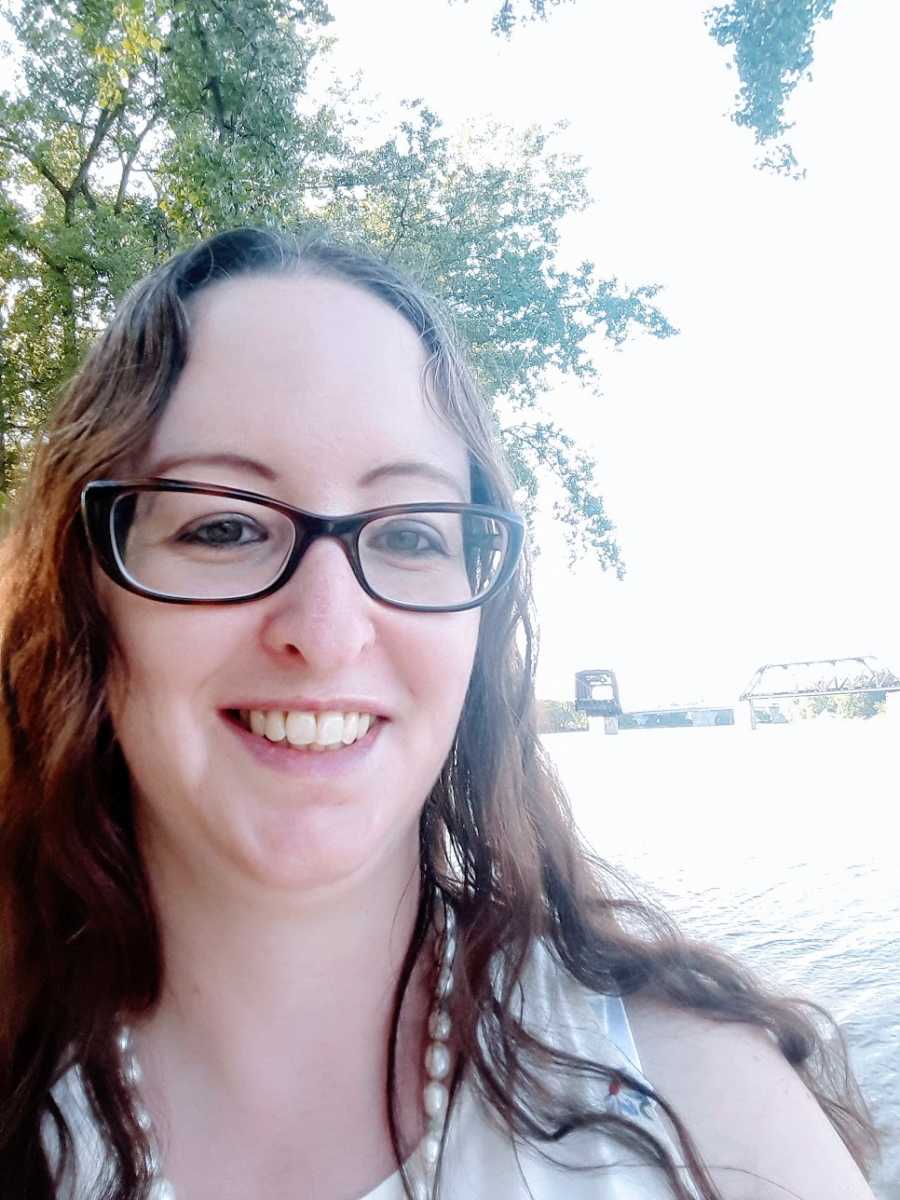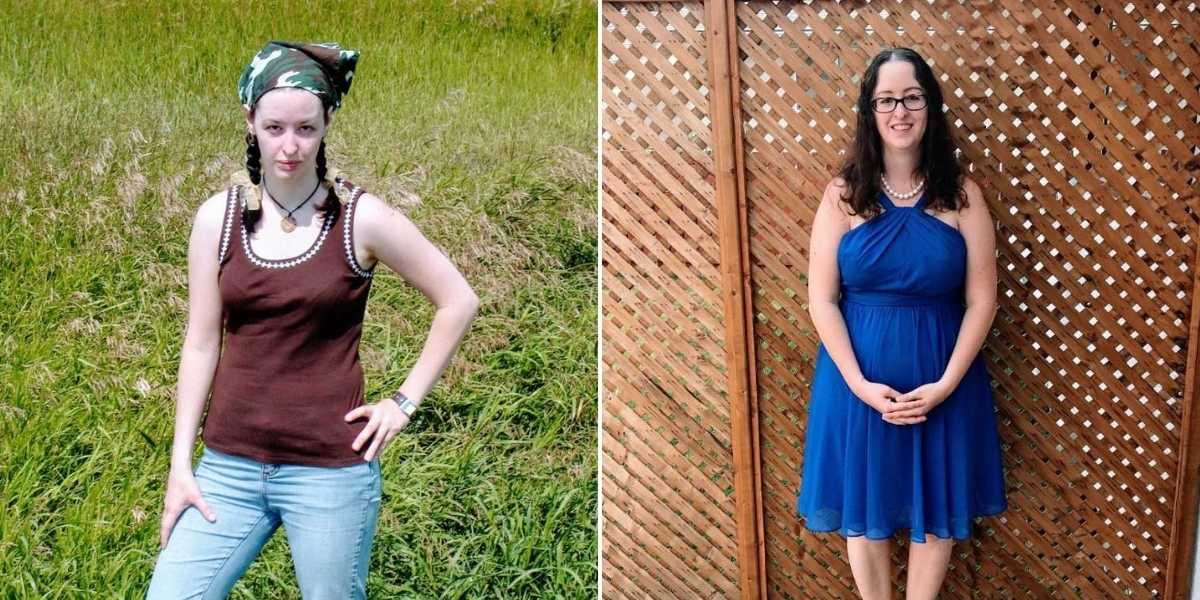
I was an extremely thin girl in my early adolescence. In fact, I was so skinny that people often called me scrawny, pinched my skin, and told me to put some meat on my bones. At first, I didn’t realize these remarks about my weight—or lack thereof—were meant to hurt me. That changed the day a classmate bluntly asked if I was anorexic.
We were twelve years old. I had never even heard the word anorexic before, but from her tone and confrontational attitude, I immediately sensed it wasn’t a compliment. I replied, “No. How could I be something I didn’t even understand?” But my classmate wasn’t satisfied. She insisted I was lying, and it wasn’t the suggestion that I might be anorexic that stung the most—it was the assumption that I couldn’t tell the truth. That assumption made me angrier than anything else.
After school, I asked my mom what anorexic meant. When she learned why I was asking, she became angry and told me to ignore my classmate, insisting she was just jealous of me. I didn’t understand. Why would anyone be jealous of me? This girl was prettier, already showing signs of blossoming into womanhood, while I remained a flat, skinny child. What was there to envy?
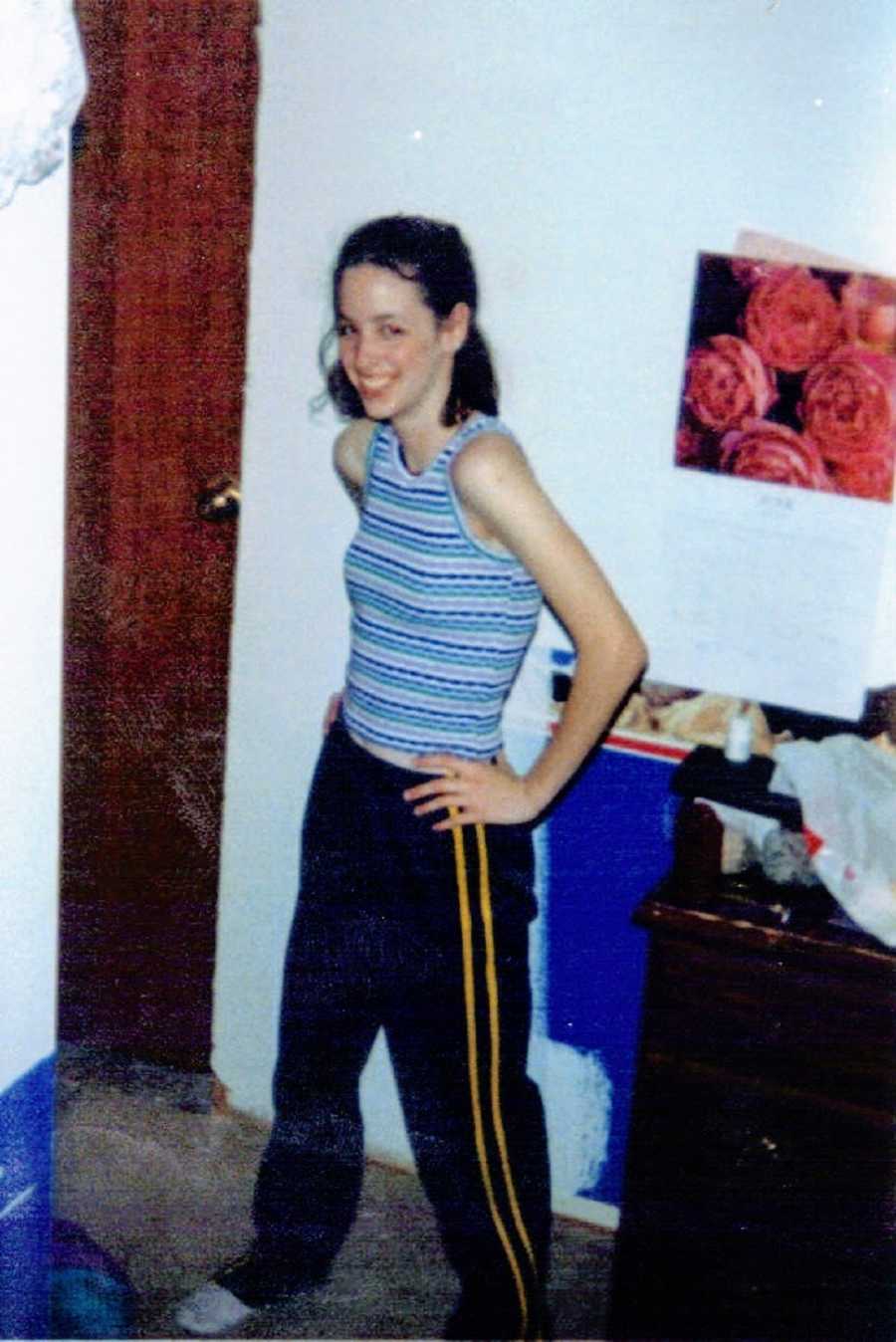
Before that day, I had been completely unaware of my own body image. I was just a carefree girl, living my life and having fun. But after that encounter, I began noticing my body and, more importantly, how others perceived it. My childlike innocence around my appearance started to fade.
As I entered junior high, the comments increased. Friends and classmates alike remarked on my skinniness. They would complain about their own bodies, calling themselves fat. I couldn’t understand it—by all measures, they weren’t fat, yet they seemed convinced they were. One day in seventh grade, I finally pointed out a grossly obese senior and told my friend, “You’re not fat. That is fat.” I thought comparing her to someone larger would make her stop obsessing over her weight. It didn’t. She kept gazing at other thin, beautiful girls, longing to look like them.
It wasn’t just my peers who caused insecurity—boys in school contributed too. They hurled cruel insults at anyone they deemed too fat, too scrawny, or unattractive. Even popular girls joined in, laughing and adding their own barbs. Gym class was unbearable. One boy would shout from the bleachers as I ran laps, “Watch out! Your legs are going to break!” When I complained to my mom, she said he was teasing me because he had a crush on me. I was furious. How could I be attractive to someone who made me feel humiliated and small every day?
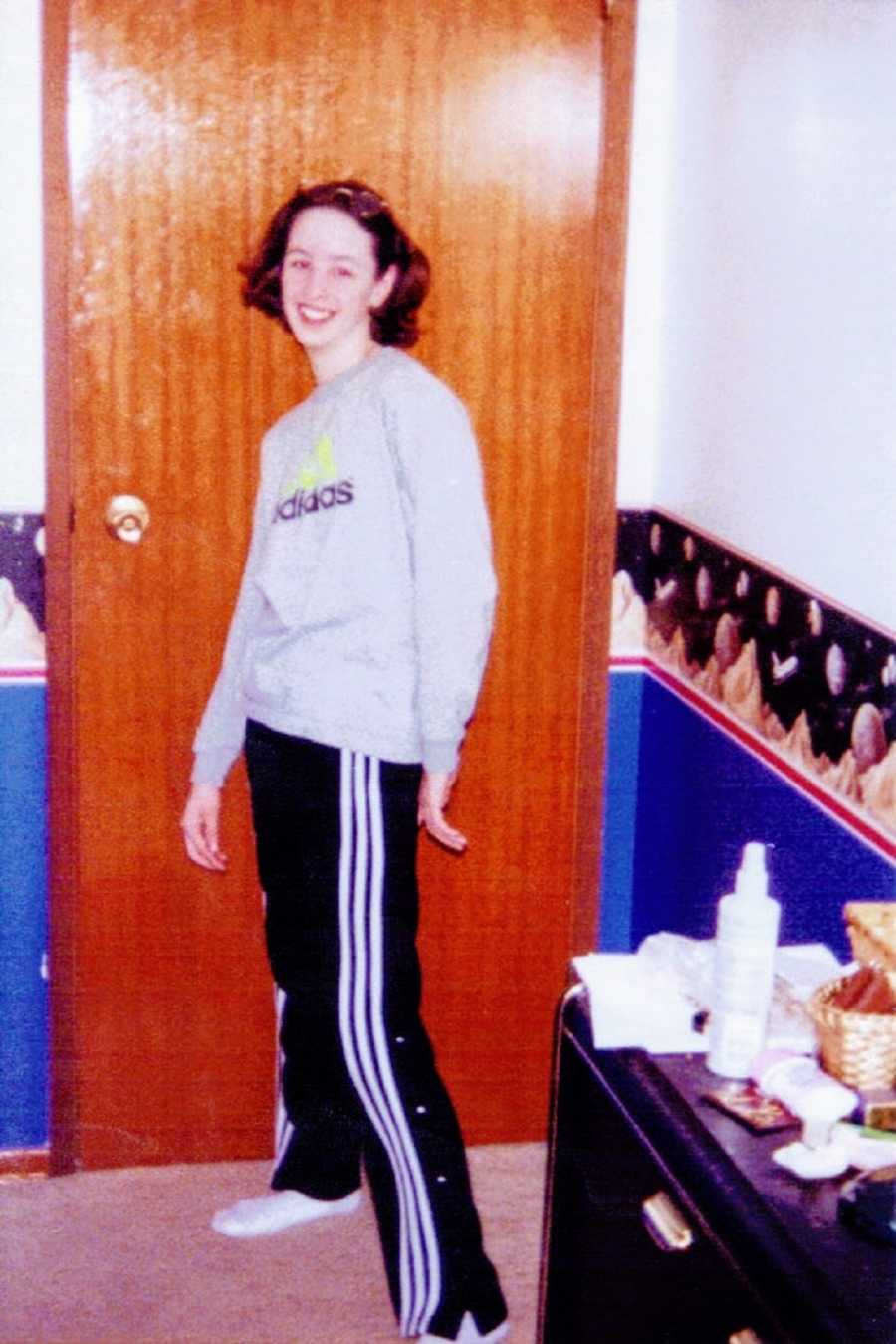
Despite the constant teasing, I continued to eat normally. When kids asked if I ever ate, I would get defensive, pointing to my lunch and insisting, “Of course I eat! Didn’t you see me eat everything in my lunch bag?” They doubted me, asking again, “So you’re not anorexic?” And again, I would say, “No.” This cycle repeated throughout high school.
Eventually, I became ashamed of my thinness, particularly my legs. I refused to wear shorts outside of gym class and avoided dresses, even in the height of summer. I hid my body under wide-legged pants and oversized sweaters, trying desperately to make my appearance invisible in hopes the comments about my weight would stop.
Before I go further, I want to clarify something about thin privilege. I am fully aware that my experiences as a thin teen do not compare to systemic oppression others face due to body size. But this does not make body shaming acceptable. Thin, fat, or anywhere in between—no one should endure ridicule or shame because of their body. Conversations about body acceptance, thin privilege, fat-shaming, and fatphobia are necessary to create change.

The bullying only worsened in high school. Ninth grade brought the dreaded “fat test,” which measured our body mass index. I had feared this day since eighth grade, anticipating that it would become another weapon to shame me. In my late teens, a women’s magazine article claimed men preferred women with curves over thin women. Devastated, I felt hopeless. Not only had my thinness made me a target for ridicule, but now I was led to believe I would never be considered attractive by men.

I spent adolescence feeling ashamed of my body. I avoided mirrors, never wanting to confront the body I believed was ugly, something to despise.
So when my metabolism slowed in my mid-twenties and I gained weight, I was relieved rather than upset. That weight gain meant I would no longer be pinched or told to put meat on my bones. I could finally wear women’s clothes that fit, shop in the women’s section, and feel a sense of belonging among other women discussing their insecurities openly. It even meant the possibility that men would find me attractive, that I could feel desirable in a new way.

Even now, though I’m no longer thin—in fact, now considered borderline obese—the shame from adolescence still lingers. I’m hesitant to wear shorts or dresses and carefully curate how I appear in photos on social media. I rarely post images without makeup or unflattering angles. Friends, family, and even my husband must have permission to take my picture, and I insist on deleting photos I don’t like. These habits are rooted in the deep insecurities cultivated over years of body shaming.

I wish I could erase the past, return to a time when body image was a non-issue. While I cannot do that, I can choose how I speak about my body moving forward. I make a conscious effort to project positivity, especially around my niece and other young girls, so they grow up understanding their inherent beauty and worth.
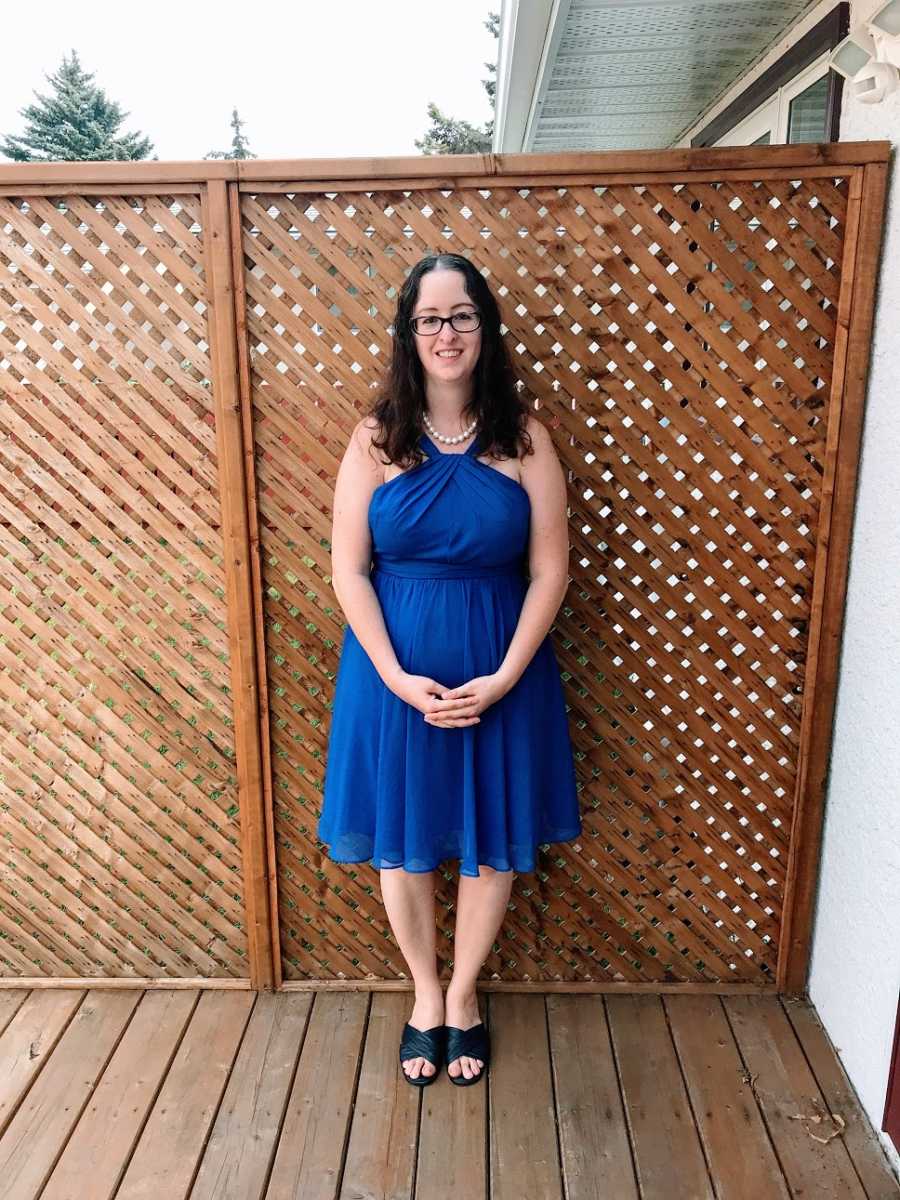
If you are a mother, aunt, grandmother, or older cousin, I challenge you: the next time you see someone scrawny, overweight, or just “different” from you, stop the comparisons. Forget the adjectives. Recognize your own beauty and affirm theirs as well.
We are all intricately and beautifully created by our Heavenly Father (Psalm 139:13-16). You are His masterpiece. Regardless of size, shape, or appearance—you are beautiful, enough, and worthy of love.