We never imagined we would lose a son. When Paul and I began the adoption process, we dreamed of building a family, yet we could not have foreseen the heartbreak and the pieces of ourselves that would be tested along the way. Our lives would be upended, rearranged, and, at times, unravel in ways we could not have anticipated. In the midst of all that, we often missed the bigger picture—the depth of love waiting for us on the other side of loss and struggle.
Paul and I wanted to be parents. That was our simple, unwavering truth. Children were always meant to be part of our future, even before we married. It didn’t matter how they came into our lives or under what circumstances; what mattered was that we could give them love and a home. We longed for family in the truest sense.
It was never a question of if, only when. By the time we officially “tried,” we had been married six years. We assumed pregnancy would come easily, so we did not stress. But month after month, disappointment grew. After seven months of trying naturally, six months on Clomid, and countless hopes dashed, we moved on to artificial insemination, and eventually, in vitro fertilization.
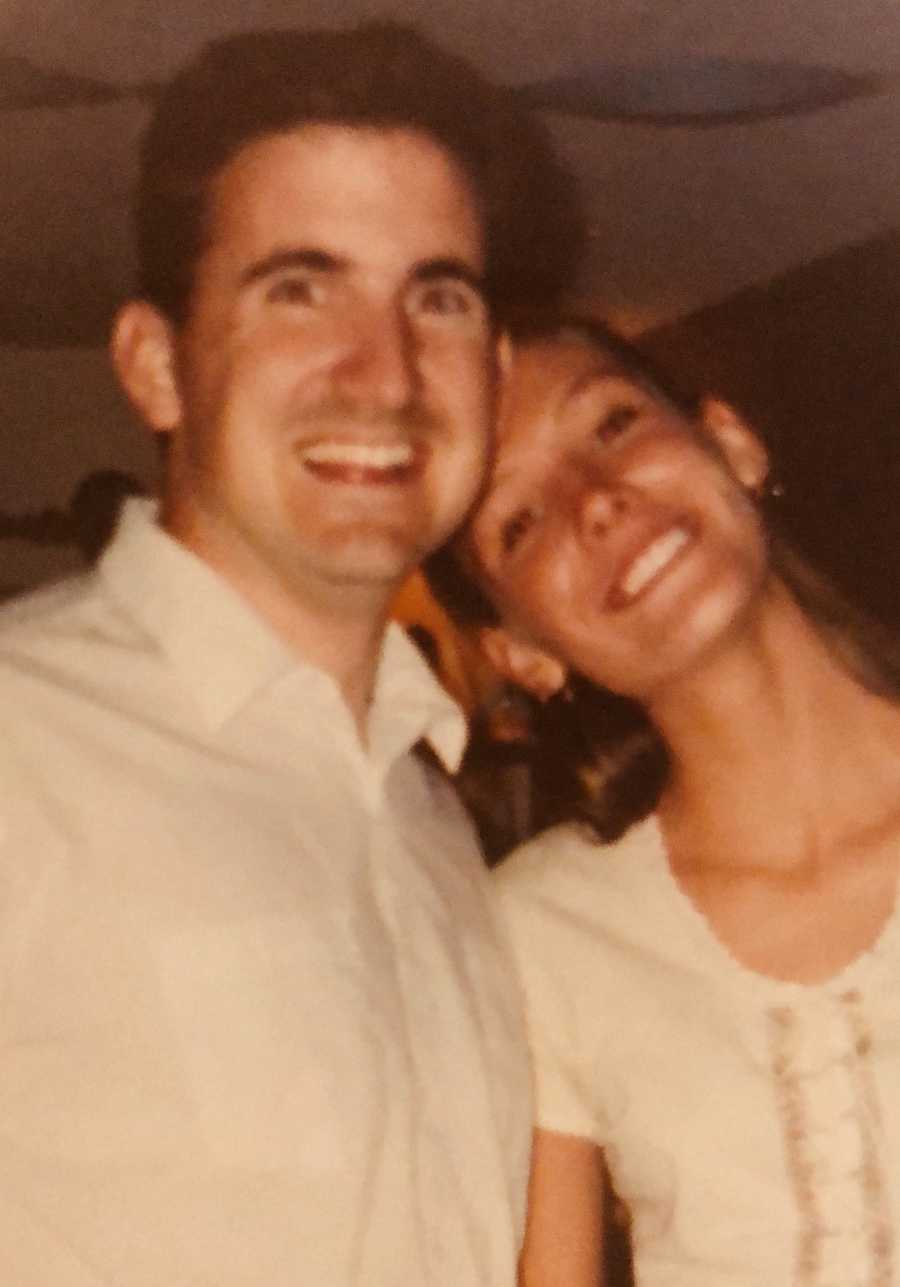
To call it a difficult journey would be an understatement. It was grueling. Each failed attempt slowly pushed us toward the painful realization that a biological child might never come. Because of this, we began pursuing adoption through the County of San Bernardino’s Relinquishment Program while still continuing infertility treatments. Social workers often expressed skepticism and judgment, freely sharing their opinions with us.
We listened politely, but quietly disagreed. Our hope for family didn’t end with natural conception. Adoption had always been part of our plan—two biological children, two adopted, a dream we shared even in the earliest days of our relationship.
It was fall 2002 when we arrived at the Victorville County Office for our orientation. A crisp chill hung in the air as couples shifted nervously, waiting for the doors to open. Once inside, we dove into licensing classes—six-hour PRIDE trainings over four consecutive Saturdays. Lectures, videos, and discussions detailed the challenges we might face with foster and adoptive children, attempting to prepare us for every nuance. It felt overwhelming at times.
Our home had to be ready, our finances reviewed, background checks completed, and our social and emotional readiness examined. We poured ourselves into every requirement, determined to finish quickly. Within four months, we were licensed. The next step was the relinquishment portion of training—answering personal questions and creating a book for expectant mothers to review. Waiting to be chosen was agonizing. Seven months passed before we were officially “on the market,” licensed and ready, yet still uncertain. Friends and family were having children; each new birth felt like a reminder of our own longing.
Then, nine months after we began this journey, the call came. I was at school, preparing to teach another day, when a purple sticky note caught my eye: “Call Chaite St. Frances.” My heart froze. I tried to slow my racing thoughts and process the moment. My body, conditioned to do everything right, felt the familiar sting of fear and hope intertwined.
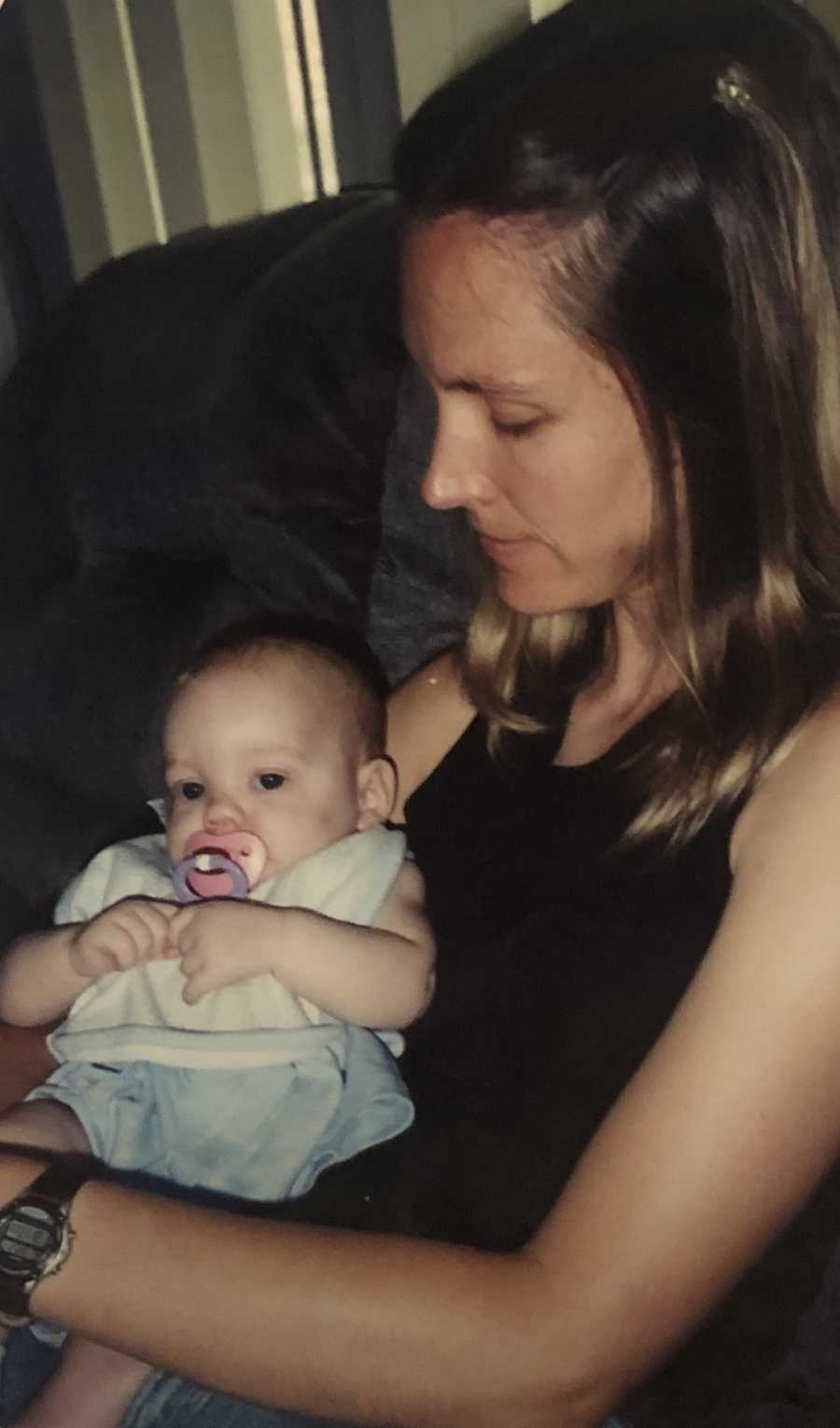
I called Chaite, and as she gathered the papers, I listened intently. And in that moment, everything changed. We became parents. A little girl, three months old, with blonde hair and blue eyes, had been chosen for us. Lydia. Our hearts bonded instantly, in a way I could not explain, but felt deeply in every fiber of my being.
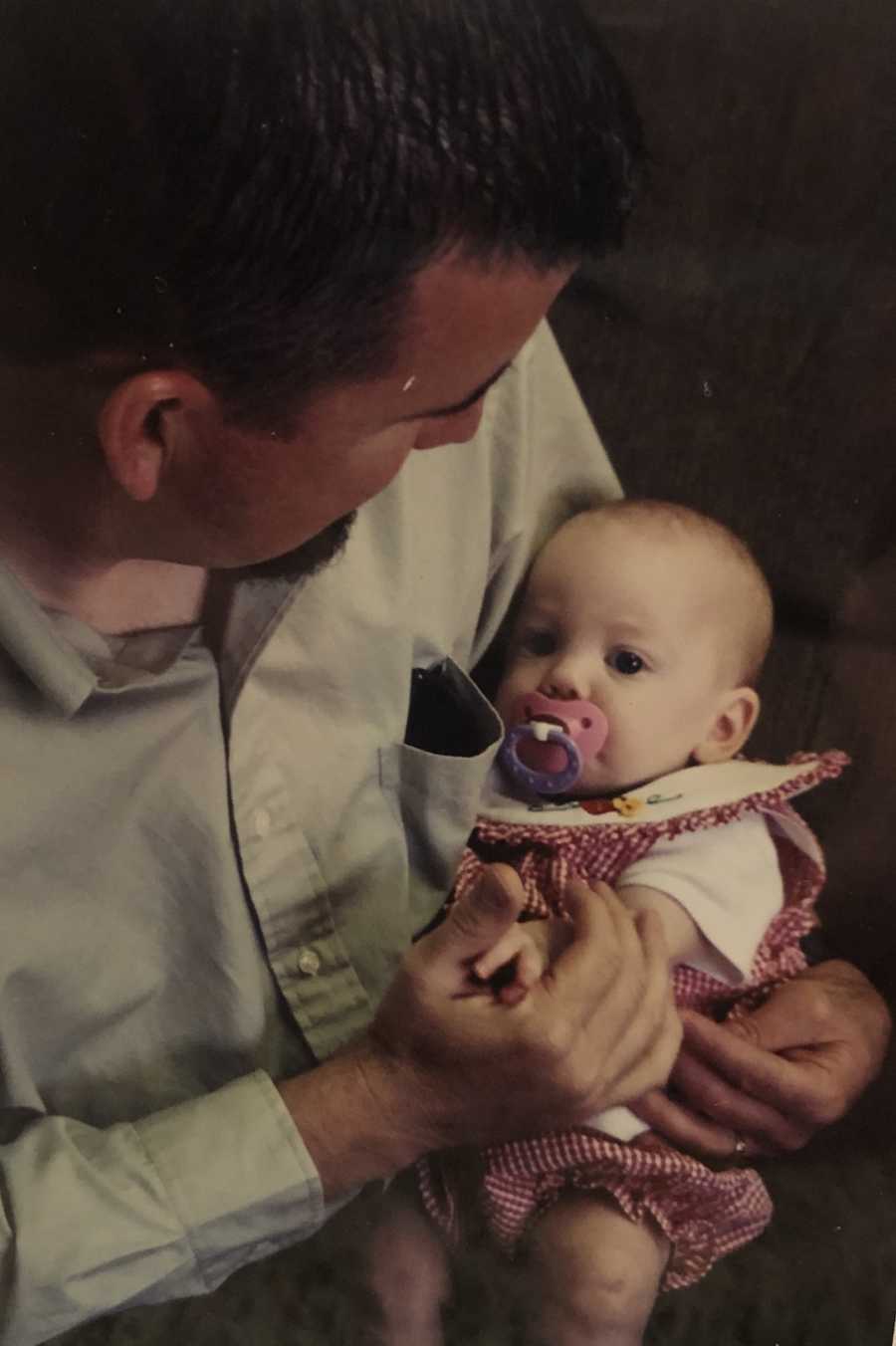
Lydia was the first of four children who would come into our family through adoption, each story unique, each with its own journey and trials. Yet, the path of adoption held more complexity than we had ever imagined. Lydia had a family—siblings, parents, extended family. Each of our children did. And when Daniel came to us, a court-dependent child, we learned that love and loss often come hand in hand. Daniel lived with us for eleven months, a time full of joy and heartbreak, before custody was returned to his father.
Through these experiences, I saw the brokenness in adoption and the depth of loss it could bring. It reshaped me as a parent, expanding my compassion and my willingness to love beyond circumstance. Where we had once offered “open adoption” cautiously, after Daniel, we embraced it fully. Birth mothers shaped the relationships—Shayla with letters and photos, Noelle with meals at Larsen’s Steakhouse, Pam with open visits and calls. Each choice brought richness and love into our home.
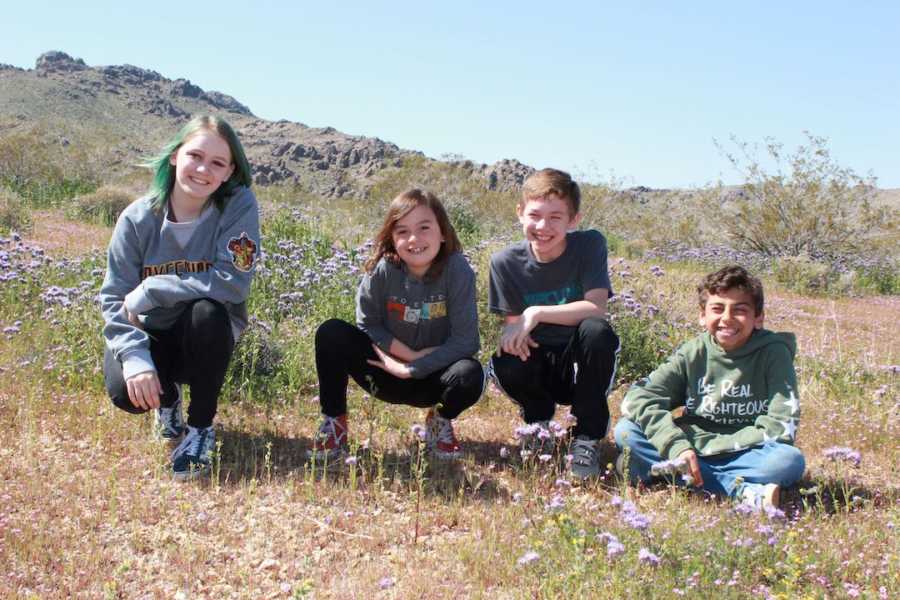
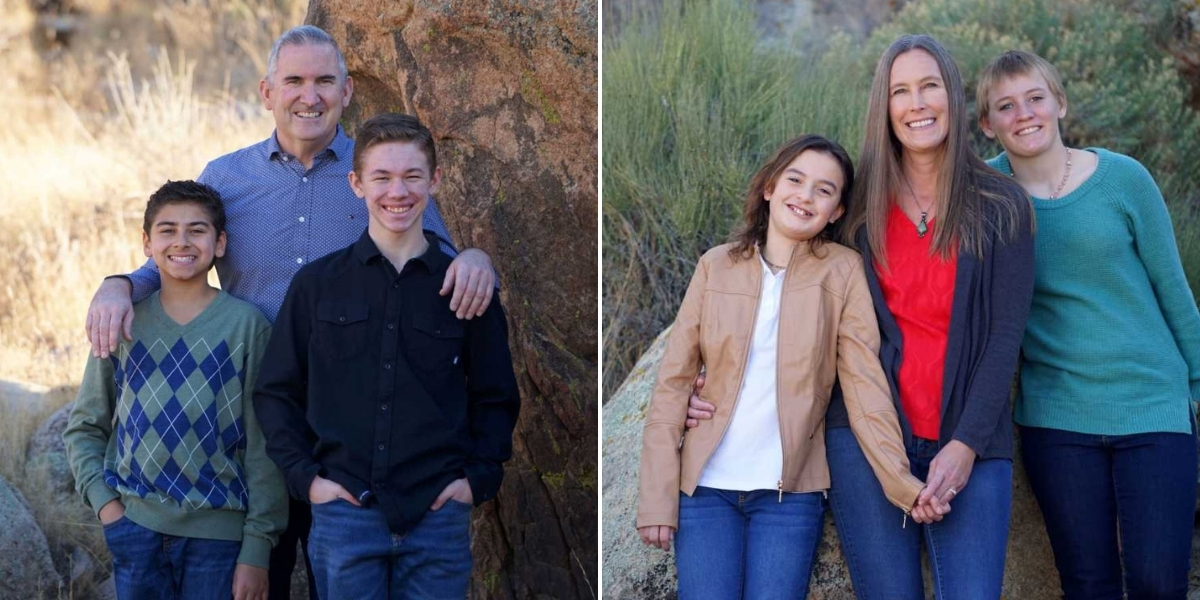
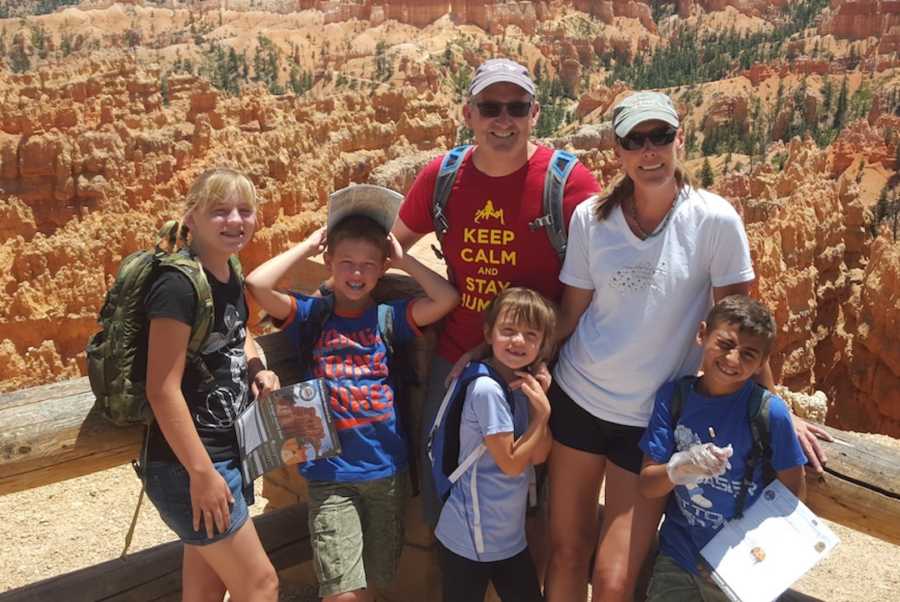
Our family grew, not just in numbers, but in connection, compassion, and understanding. We held Lydia’s baby-blue eyes close each morning, shared David’s infectious smile, Elijah’s warm cheek, Naomi’s sweet disposition. We created memories in America’s National Parks and cherished every ordinary, extraordinary moment.
Over the years, our relationship with the birth families deepened. Visits, calls, texts, and social media connections became a thread weaving our children’s stories into theirs. Adoption had brought not just children, but extended family, a tapestry of love and shared history we could never have anticipated.
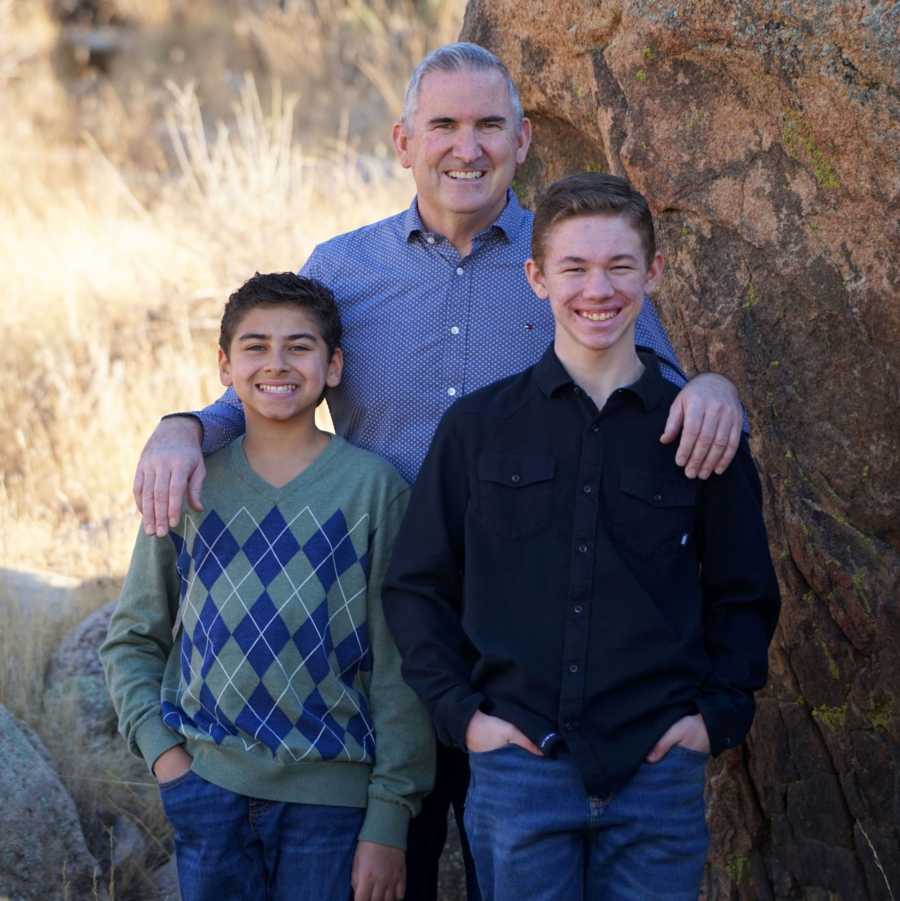
Recently, Lydia turned eighteen and explored her genetic heritage through ancestry.com, connecting with siblings, her birth mother, and extended family. Watching her joy and the peace that came with knowing her story reminded me that adoption is not about filling a void—it is about creating identity, belonging, and connection.
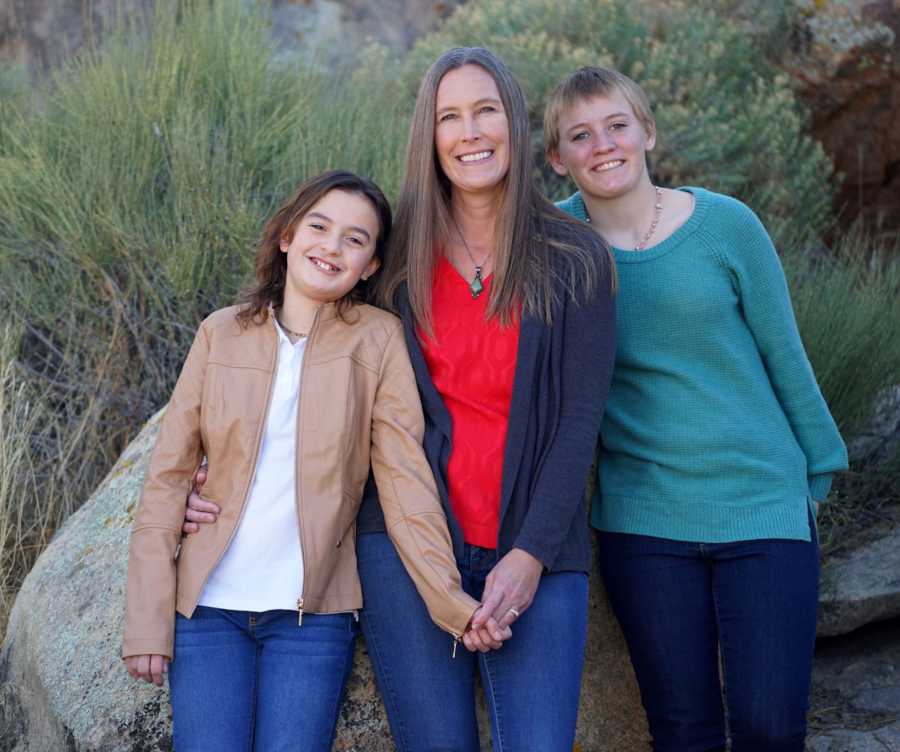
Our children are ours to hold, nourish, and cherish. Life brought us more than we could have imagined—not just children, but family in its fullest sense. We opened our arms to possibility, and in doing so, the world became a smaller, brighter, and infinitely more loving place.