Have you ever paused and really looked at your life? At the path you’ve walked, the moments that shaped you, the dreams you once held? And then asked yourself: Is this what I imagined? Is this what I hoped for? I find myself doing this often now, as my husband and I enter our seventh year of trying to conceive. I’m 32, almost 33, and childless. Would I have ever imagined this would be my story? Never in a million years.
I was born to be a mom. From the moment I could carry a baby doll, my mother said I would never put it down. I was always pretending to “play house,” nurturing, caring, imagining a little one of my own. Being the youngest of three, I never had the experience of a baby sibling, but every time I visited friends with little brothers or sisters, I’d rush to hold the baby, to cradle them, to feel that connection.
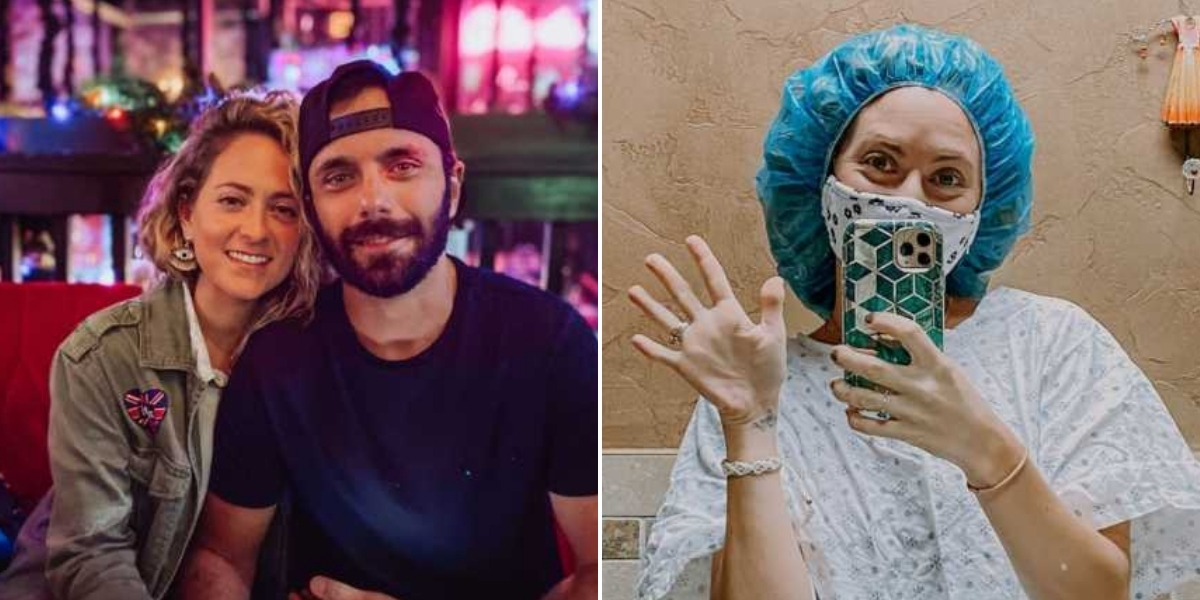
Fast forward thirty-some years, and that longing hasn’t faded. My husband, Tom, and I grew up together in a small town south of Detroit, Michigan. We went to the same schools, played in the same little leagues, shared the same circle of friends. There was always a connection between us. We went on our first date in the summer of 2010, and the rest, as they say, was history. By summer 2011, we moved in together, and by fall, we were engaged. He was the calm to my storm, the steady to my whirlwind. He gave me butterflies, and he still does. I just knew he was the one.
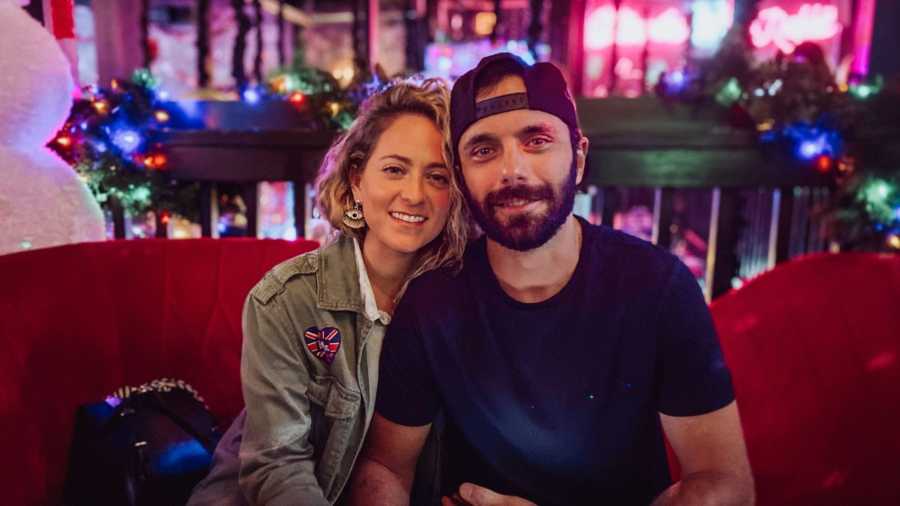
After getting married and moving to Houston, we began talking about starting a family. I was ready—I thought we were ready. But I had been diagnosed with Polycystic Ovarian Syndrome (PCOS) in my late teens. My periods were irregular; I didn’t even get my first until I was 14, and even then, I’d only have them four or five times a year. Deep down, I always feared that becoming a mom might be a harder journey for me. Tracking ovulation and cycles felt frustrating and futile. Every month, I’d hope, only to feel the heartbreak of a negative pregnancy test. That ache became a familiar, unwanted companion.
After a year of trying, we realized we might need help. My new OB/GYN ran blood tests, ultrasounds, and exams, officially beginning our path toward parenthood through science. Around that time, we also realized we weren’t happy in Houston. We missed Michigan, so we packed up, moved north, and started over. With jobs to organize and a new life to build, fertility took a backseat temporarily. But soon, things looked up: I accepted a nursing position in the University of Michigan’s emergency department, a role that would eventually give us the financial and logistical chance to pursue IVF.
Our first big hurdle was Tom’s semen analysis. When his results showed a low sperm count, I saw the weight of the world fall on his shoulders. But I quickly reminded him—we were in this together. These challenges weren’t anyone’s fault; it was just the hand we were dealt. We were determined: we would have a family, no matter what.
Tom was referred to a urologist and diagnosed with bilateral varicoceles, which could explain the low count. Surgery was recommended, and I remember feeling a swirl of helplessness and guilt. But he never wavered. “If this is what we have to do to have our family, then we’ll do it,” he said. We were a team, 100%.
The surgery, however, brought no change. Devastation hit hard. Both our doctors confirmed that, biologically, IVF was now our only path to conceiving. Fear, shock, and uncertainty washed over us. IVF? What even is IVF? Who talks about this? We felt exposed, alone in a crowded room, and ashamed. But soon we discovered we were far from alone. There was a community of couples walking this exact path.
We dove in: blood draws, ultrasounds, consults, medications, and the emotional rollercoaster that comes with them. The first round of stimulation was gentle due to my PCOS, but only three eggs were retrieved. Heartbreak followed when none of them survived. We cried, held each other, and prepared to try again.
Round two brought more hope: over ten eggs were retrieved, and three embryos made it to day five. The transfer day was surreal—we held hands in the clinic, hair nets on, listening to The Beatles, my husband’s favorite. It wasn’t a storybook conception, but it was perfect for us.
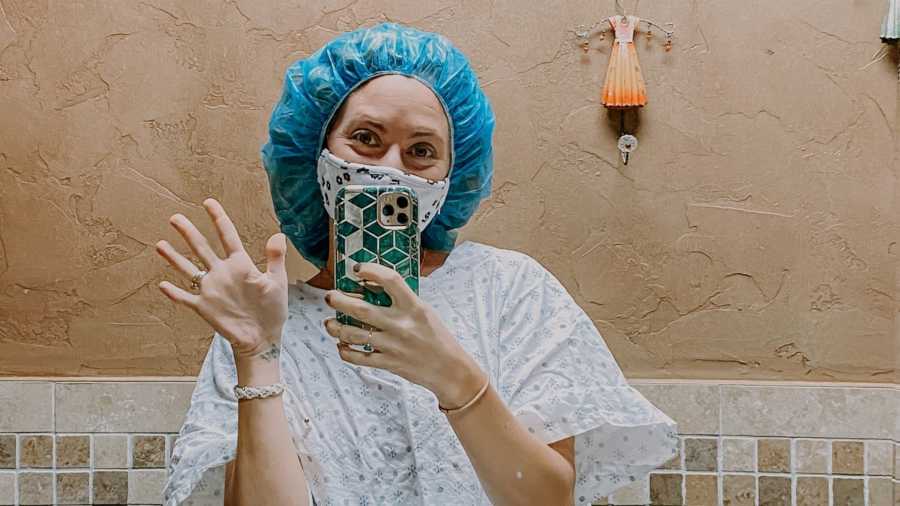
The two-week wait was excruciating. I daydreamed about announcing the pregnancy, decorating a nursery, and choosing names. But the result of the second transfer was another failure. Anger started to mix with sadness. Another invitation to a baby shower felt like a knife to the heart.
Transfer three brought a glimmer of hope. I approached it cautiously, guarding my heart. But when I took a home test before the blood draw, the plus sign appeared. Positive. I ran to show Tom, who was on the phone, and he burst into tears. Our joy was uncontainable.
Then came our first ultrasound, on Christmas Eve. Our hearts sank: no heartbeat. The doctor suspected a blighted ovum. Hope turned to despair. A week later, it was confirmed. I chose a D&C. The grief was crushing. I withdrew from work, family, friends—feeling more alone than ever.
Exhausted and drained, we decided to step away from IVF. Financially and emotionally, we were done. We sold our house, quit our jobs, and became traveling nurses, journeying across the country with just our dogs, focusing on joy and healing. Our hearts slowly mended.
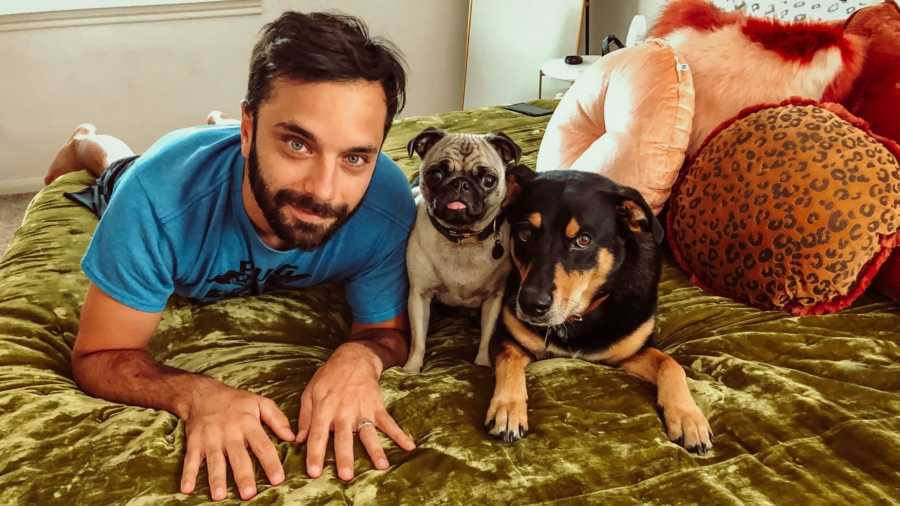
COVID-19 changed our plans, and we returned to Houston. Surrounded by nieces and nephews, the desire for a child reignited. We bravely resumed testing, only to face more challenges: Tom’s sperm count had dropped drastically. Yet hope remained. Twenty-three eggs were retrieved, and though initial attempts failed, we explored embryo donation—a concept we hadn’t even known existed.
In January, a friend from my hometown reached out: she and her husband wanted to donate two of their frozen embryos to us. Joy, disbelief, and gratitude flooded over us. They were our angels. They gave us a chance we had never imagined.
Today, we prepare to transfer those embryos in Houston. Whether it works or not, our hearts are forever grateful. We have been given hope, a connection to our donors, and a renewed belief in miracles.
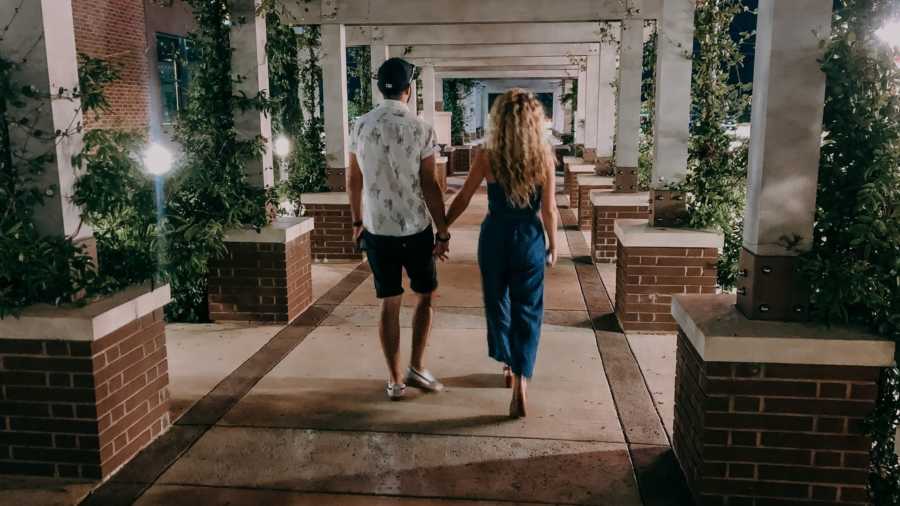
I may not yet have a child to hold, but I feel like a mother. Every failed transfer was a tiny heartbreak, a piece of my soul. If our story resonates with anyone walking a similar path, know this: you are not alone. Reach out, share your pain, and let others help carry the weight. There is light, hope, and love waiting for you too.