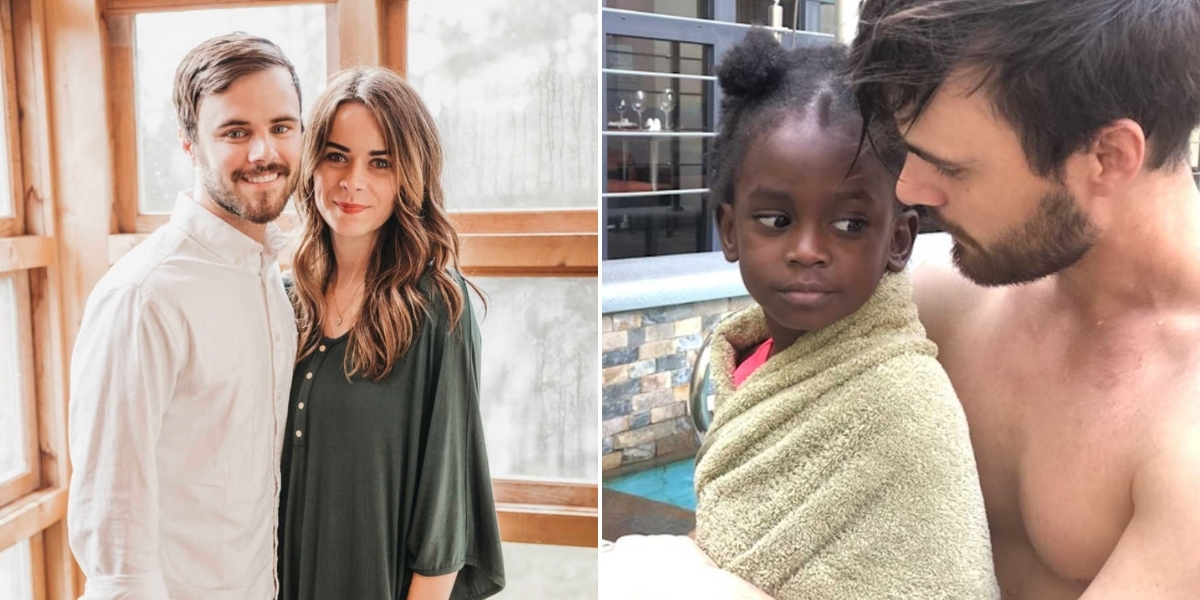
When we were dating, Caleb and I had a deep conversation about the possibility that we might not be able to conceive children naturally. Caleb had survived childhood cancer twice, and we knew it could affect our fertility. Even so, we both always knew that adoption would be a part of our journey. Having spent time volunteering in developing countries around the world, the idea of building a family through adoption felt natural and full of purpose.
We got married in March 2013. By the end of that year, we decided to do some basic fertility testing—not because we were actively trying, but because we wanted to know. In what might be the worst timing imaginable, our fertility doctor called us with the results on Christmas Eve. It was a difficult holiday, filled with complex emotions, but we navigated it together, leaning on each other for comfort and hope.
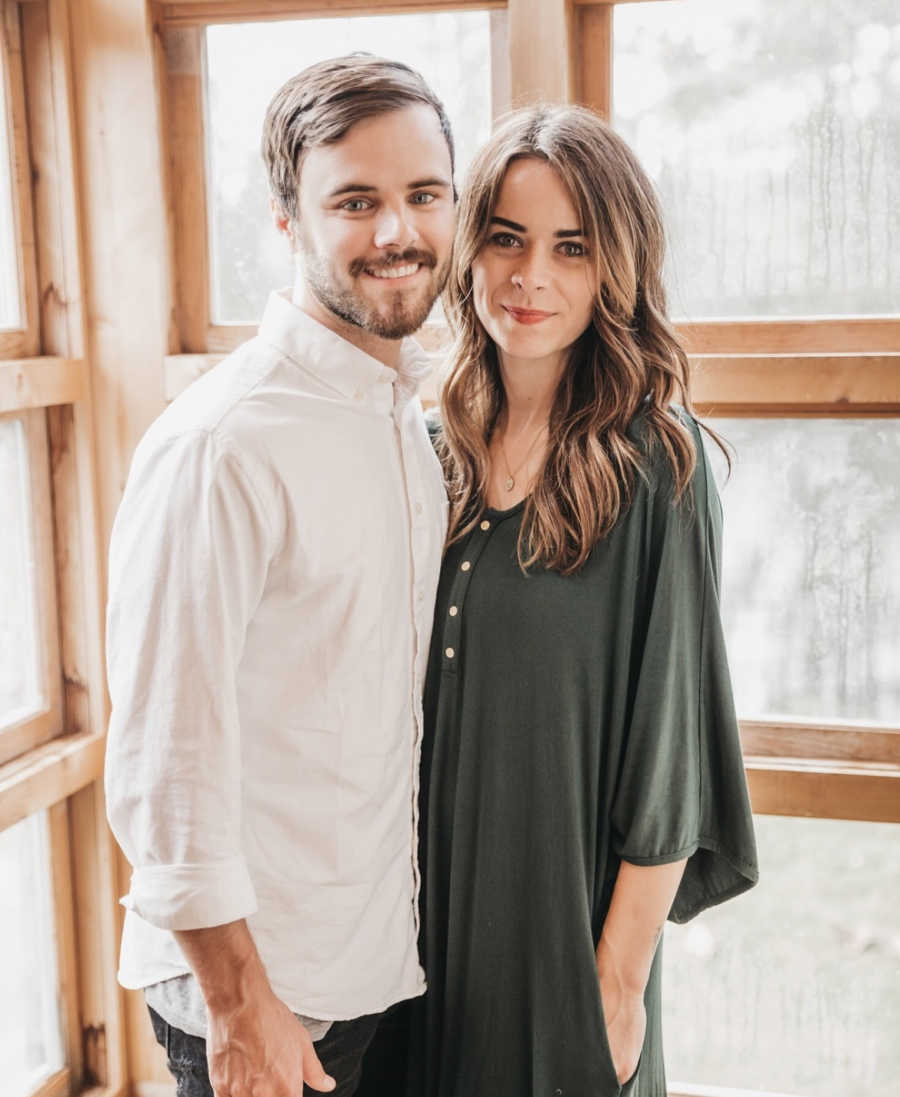
The following spring, we moved back to Florida to plant a church. There, we found a supportive community of friends, and by the fall, we officially began the adoption process, fully aware it would be a long and challenging journey. We felt drawn to international adoption, and after researching the varying requirements of Hague and non-Hague countries, we decided on a pilot program in Tanzania. We were told it might take about two years to complete, and having friends who had adopted internationally, we were mentally prepared for delays.
During the waiting period, our lives were consumed by the adoption process: home studies, doctor appointments, fingerprinting, education courses, grant applications, and fundraising. Though it was rewarding, the process was also emotionally and physically exhausting. It was painful to realize that so many loving families are held back from adopting—both domestically and internationally—because of financial barriers.
After two long years, in the fall of 2016, we received devastating news. The agency called to tell us that Tanzania would not be sending a referral. I don’t know what crocodile tears look like, but mine would have matched them. The grief was suffocating. Thankfully, we had incredible support around us—my boss, unusually empathetic that season, and our church community were both compassionate and understanding. Caleb’s presence, steadfast and loving, was my anchor.
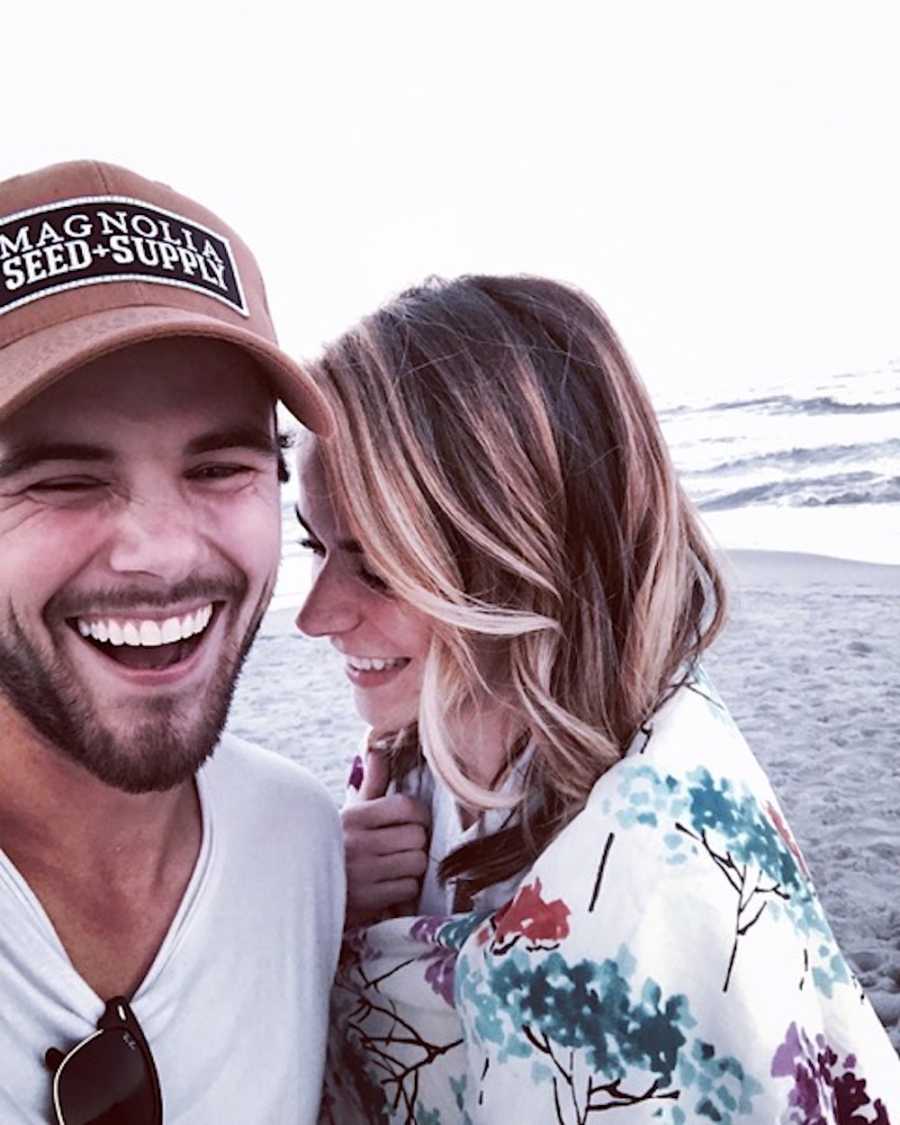
One thing about me is that I’m a doer. I rarely plan every detail; I start and adjust as I go. Our agency offered the option to transfer to another program in Eastern Europe without losing our funds, but it didn’t feel right. We applied with a new agency for a shorter program, willing to risk losing some of our fundraising efforts, believing it might be best for our journey.
But God had other plans. Just two weeks after the Tanzania news, our original agency called again. A new program was opening in Nigeria—specifically Lagos, the only state allowing international families at the time. Even better, we could transfer our funds completely. We said yes immediately.
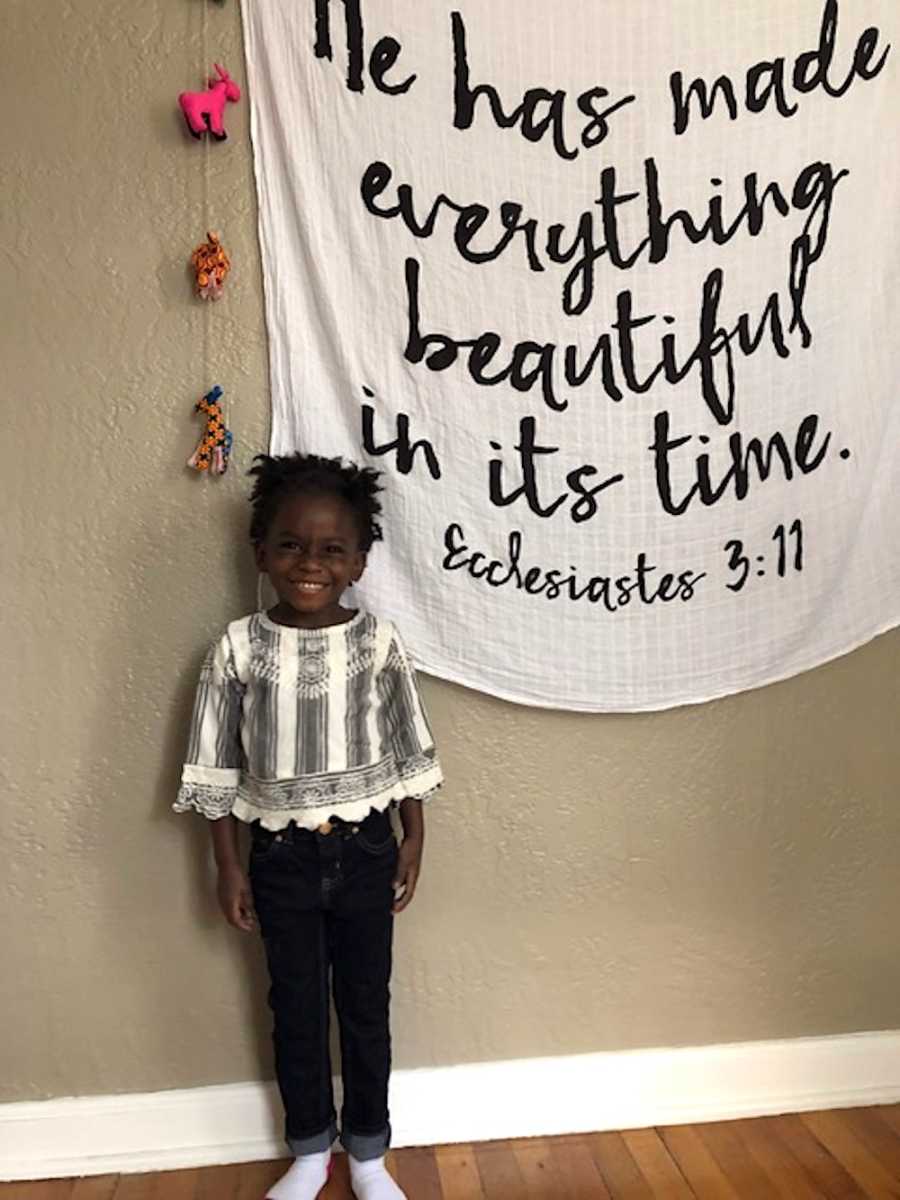
Within days, after an on-the-fly home study update to meet Nigerian requirements, we received a referral for a little girl named Ebube. I sent Caleb her packet at work so we could see her together. Our two best friends joined us, and together we looked at her photos, medical records, and social reports. Her tiny, posed little hands, her squinting smile in the sun—it all captivated us. And remarkably, her expression mirrored mine as a child. It felt like destiny.
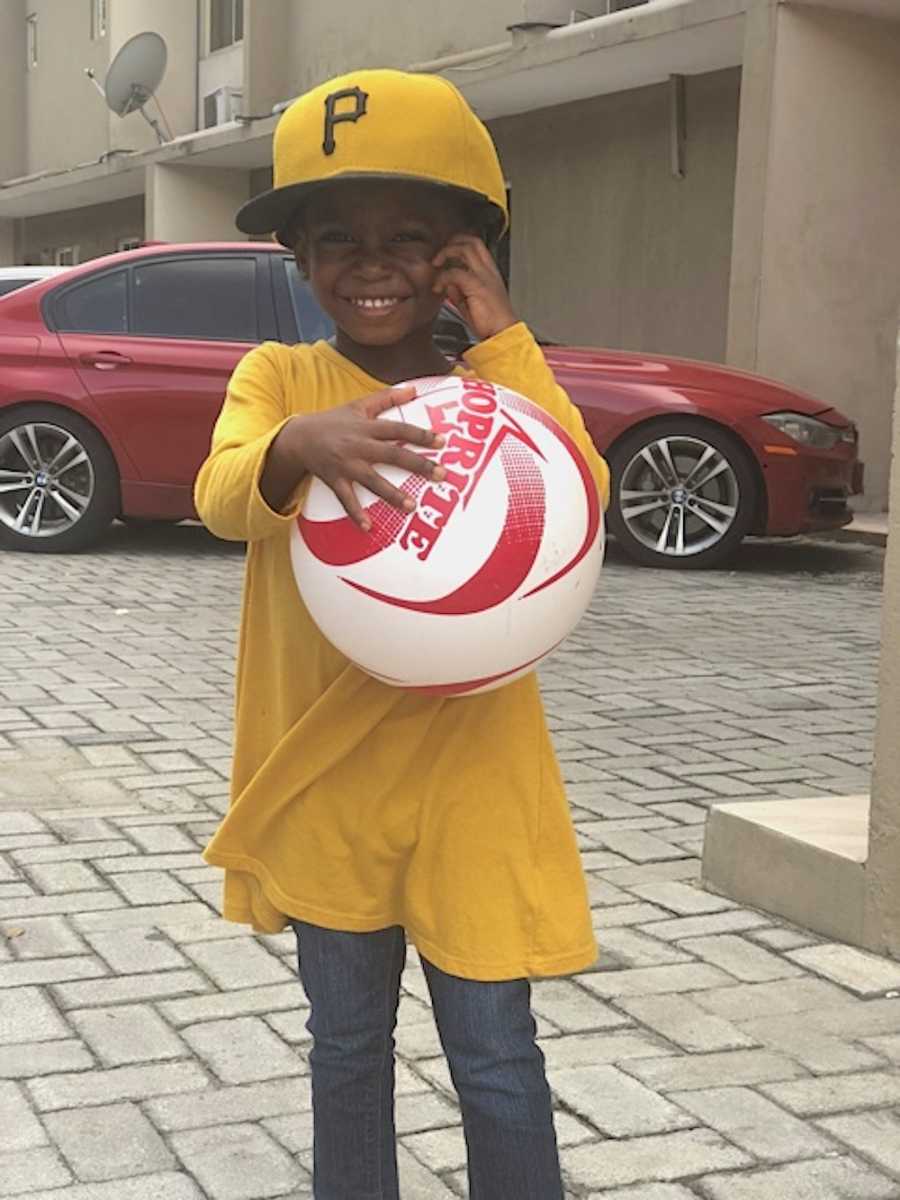
Reading her file, we pieced together her early life. Ebube had been abandoned at roughly two weeks old at a church in a remote part of Lagos. The police attempted to locate her biological family but found no leads. She was taken to a hospital, then to an orphanage that could care for her, as she was very sick. The sacrifices of that orphanage, and their dedication to helping her heal, laid the foundation for her future. They likely saved not only her life but enabled care for countless other babies with similar diagnoses.
On November 2, 2016, we were officially matched with Ebube. The program required a one-year wait before we could travel, so we planned for Thanksgiving 2017—almost three years after starting this process. But a major obstacle arose: the Nigerian Consulate refused to issue our visas and held our passports, investigating the new international adoption program. We were set to be the second American family in the process, and all our plans, reservations, and funds were tied to this trip. It was heartbreaking, feeling like we were letting her down before we had even met her.
After months of prayer, strategic planning with our agencies, tears, and another Christmas without our girl, we decided to take a leap. By March 2017, we retrieved our passports and went, hoping for visas on arrival.
It worked.
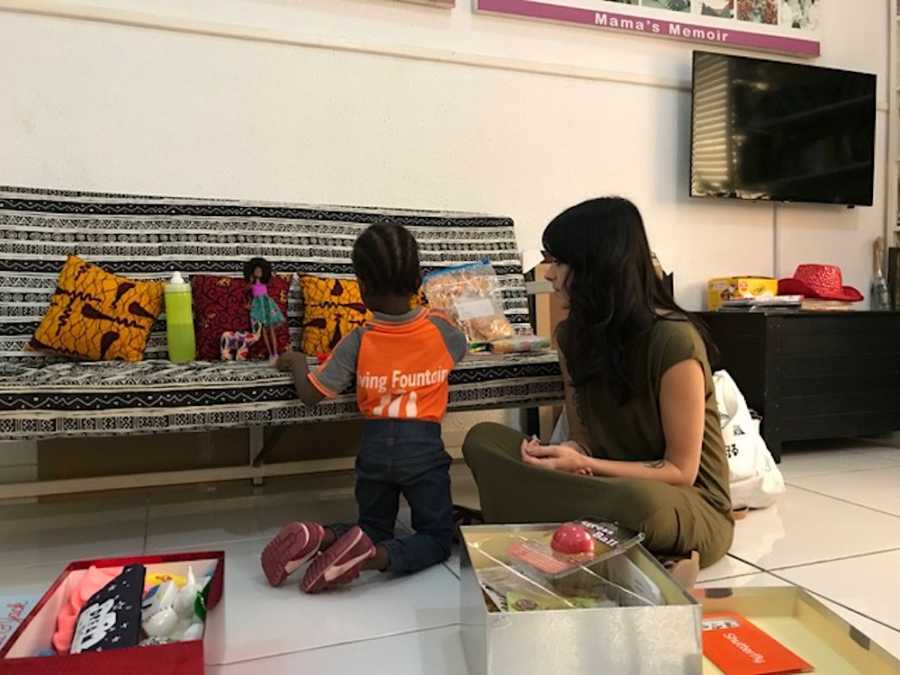
We passed through immigration, collected months of luggage, and met our driver to head into Lagos. Our first meeting with her wasn’t the cinematic, heartwarming scene I had imagined. She was terrified, and understandably so—she had barely left the orphanage and had only seen our faces in photos. Suddenly, there we were: life-sized “mommy” and “daddy,” faces she didn’t yet understand or know to trust.
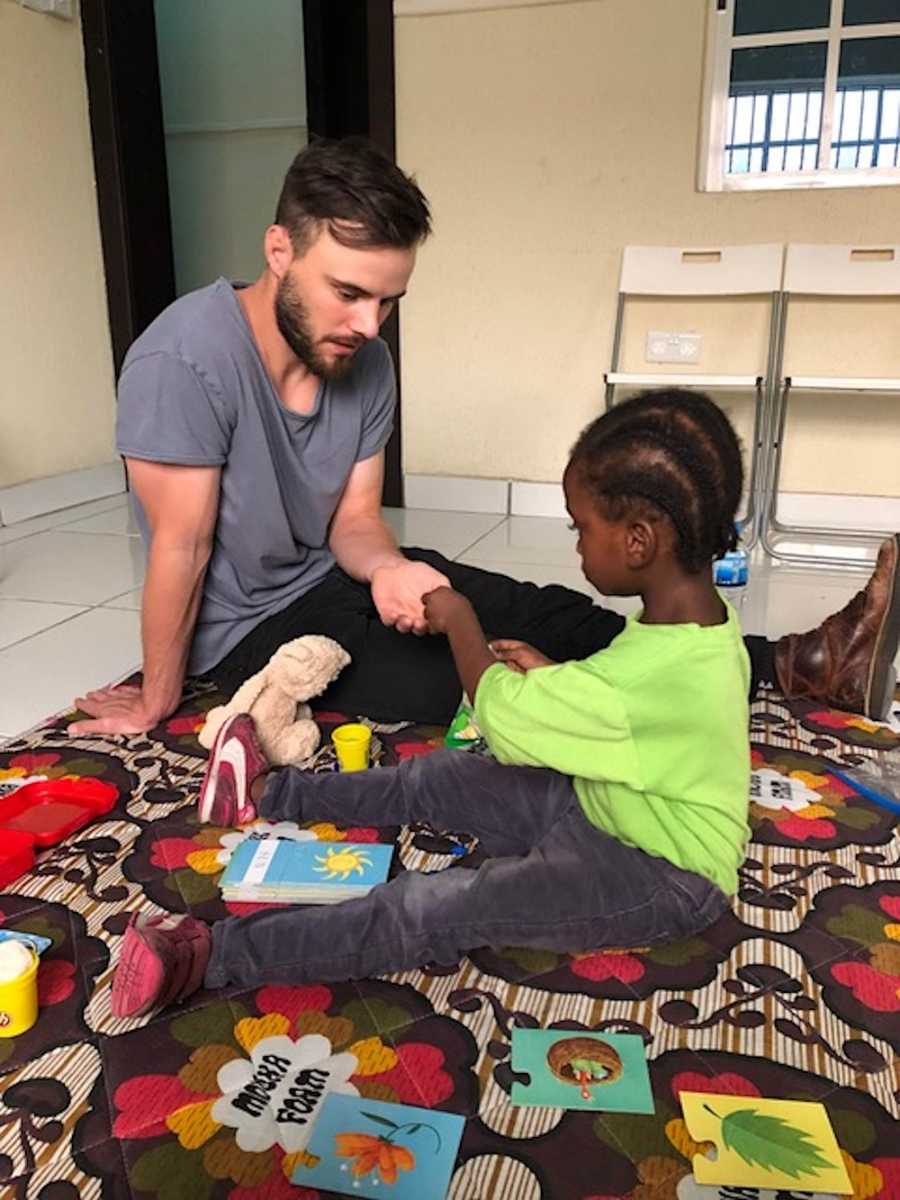
The next three months were neither easy nor beautiful—they were challenging and traumatic at times, both for her and for us. Nigeria was a difficult, unfamiliar environment. We immersed ourselves in learning her culture, but mostly we were in survival mode. She was cautious, adjusting to new sights, sounds, and routines. And yet, slowly, we bonded. We made it through.
By mid-June 2017, we arrived home in Orlando to a small, joyful welcoming party. I remember laughing in the car as we buckled her into a car seat—a completely new experience for her—and drove home. In that moment, we were finally a family of three.
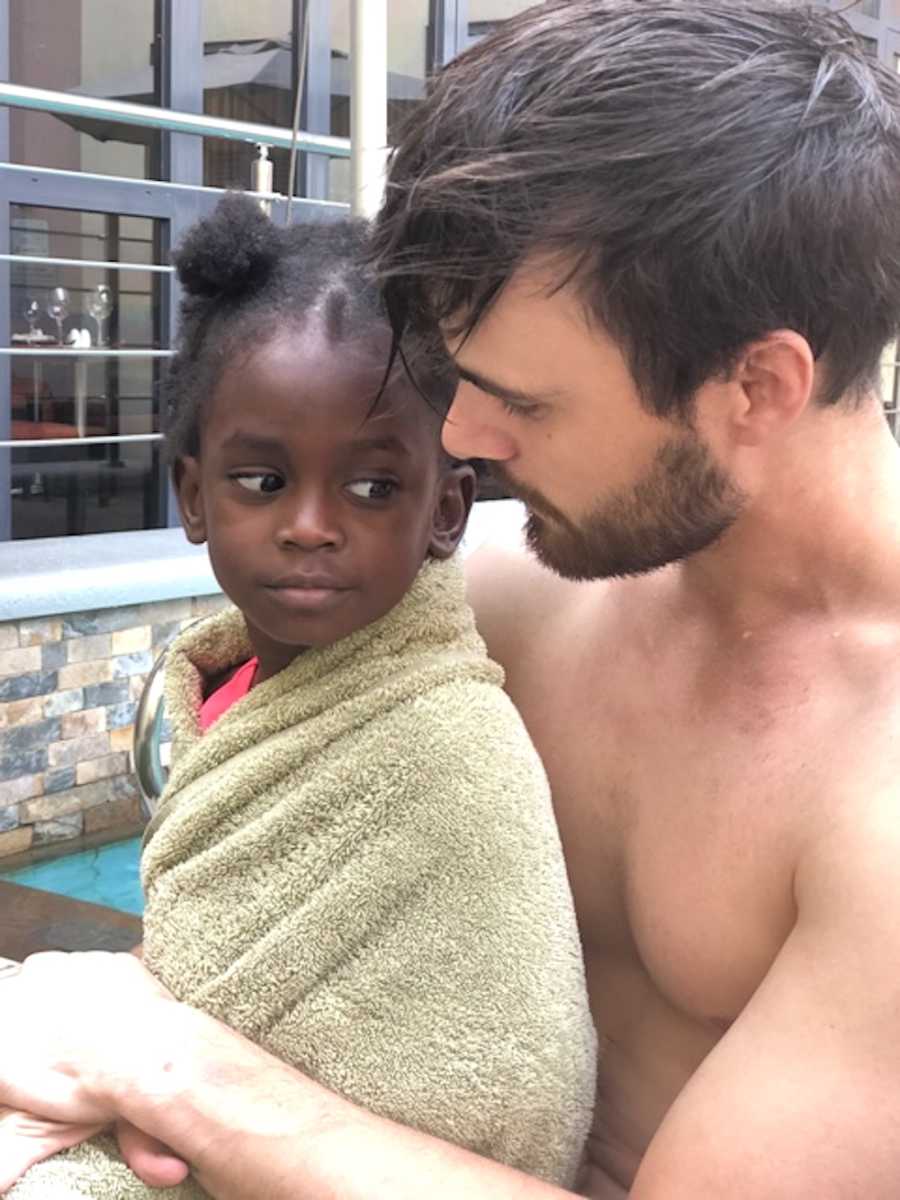
The years since have been a rollercoaster of highs and lows. We’re learning what it means to parent and love unconditionally. Ebube is learning what it means to belong in a family. We’ve leaned on supportive friends and professional counselors to navigate trauma and attachment, recognizing that early experiences shape a child’s brain and heart long before adoption. Mistakes happen, but we make space for forgiveness and correction, slowly seeing valleys of struggle grow fewer and farther between.
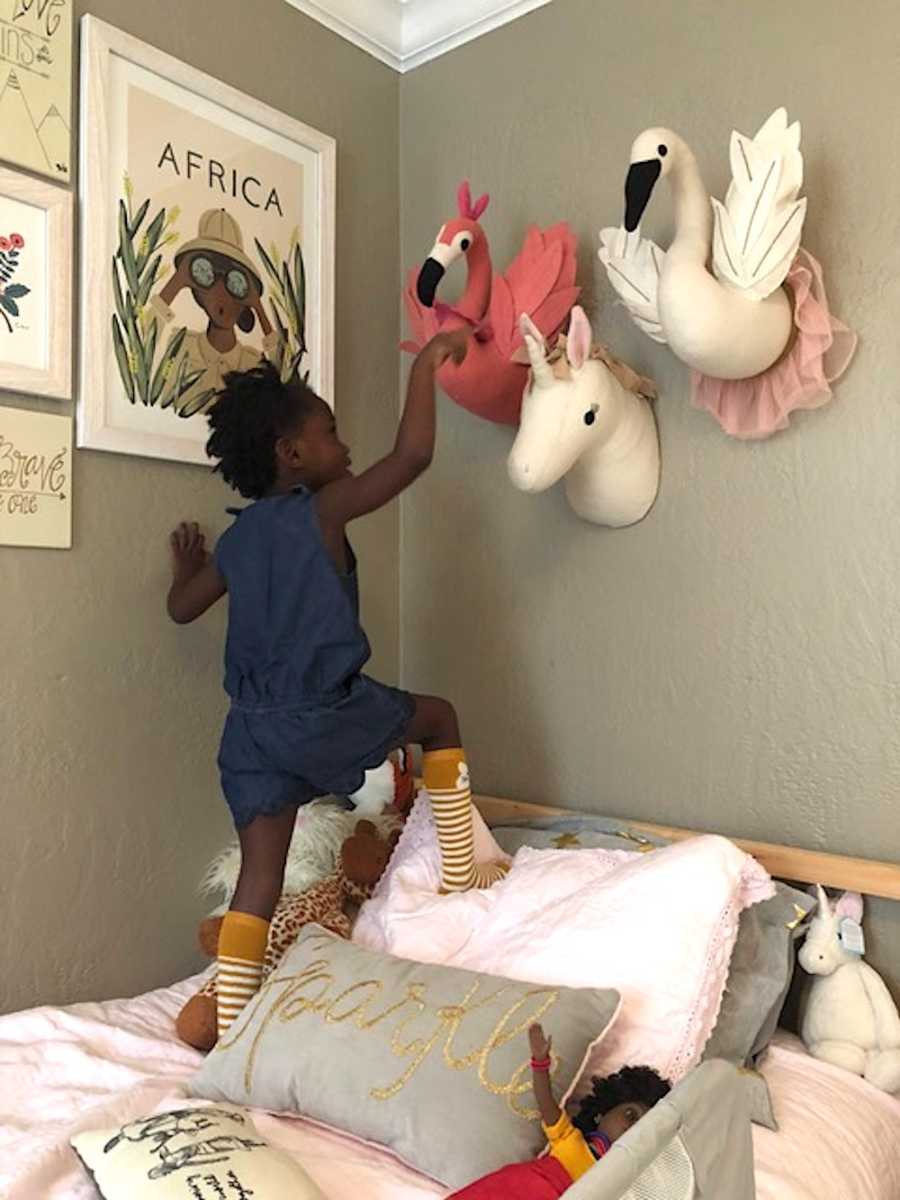
This summer will mark four years since Ebube came home. This fall, Caleb and I will celebrate being together longer than we’ve been apart. The journey of international adoption isn’t for the faint of heart. Had we known the challenges ahead, we might have hesitated. But God guided us through each step, and for that, we are deeply grateful.
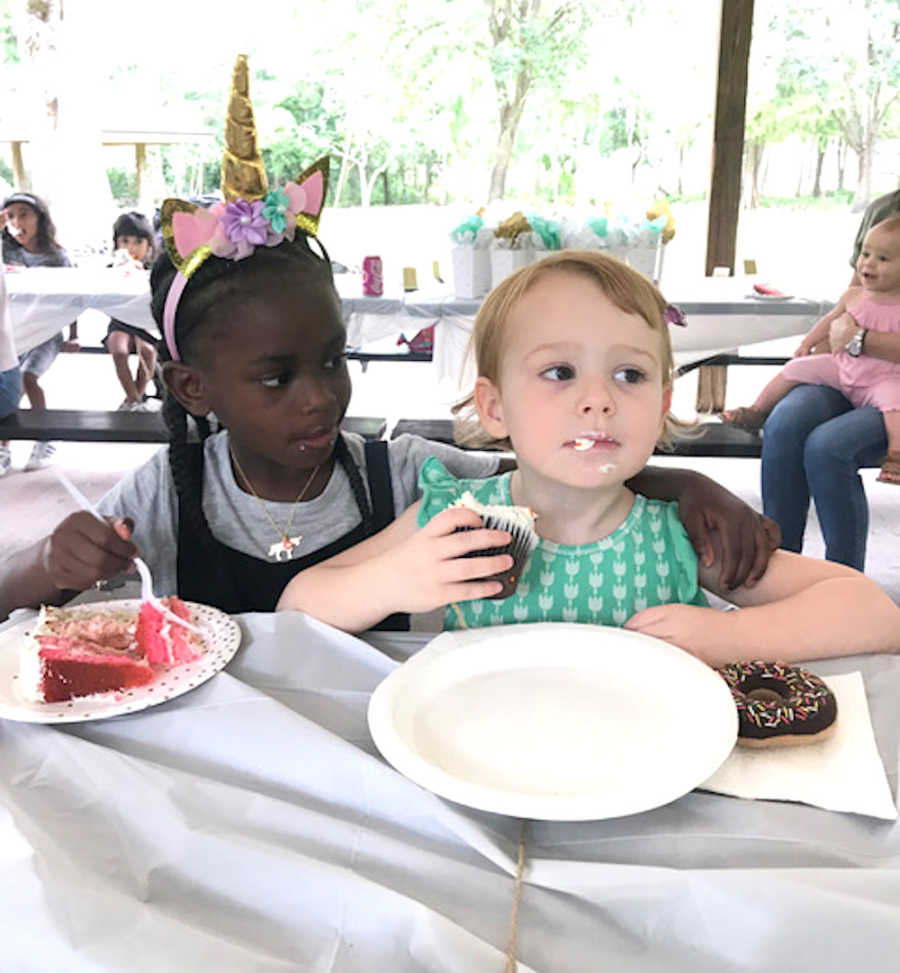
Fun Facts:
- Ebube means “God’s Glory” in Yoruba.
- Her legal name is now Josephine Mae-Ebube Douglass.
- Josephine means “Added by God.”
- Some of our best friends later adopted Josephine’s friends from the same orphanage, and they remain close. They may not realize how lucky they are to still have each other.