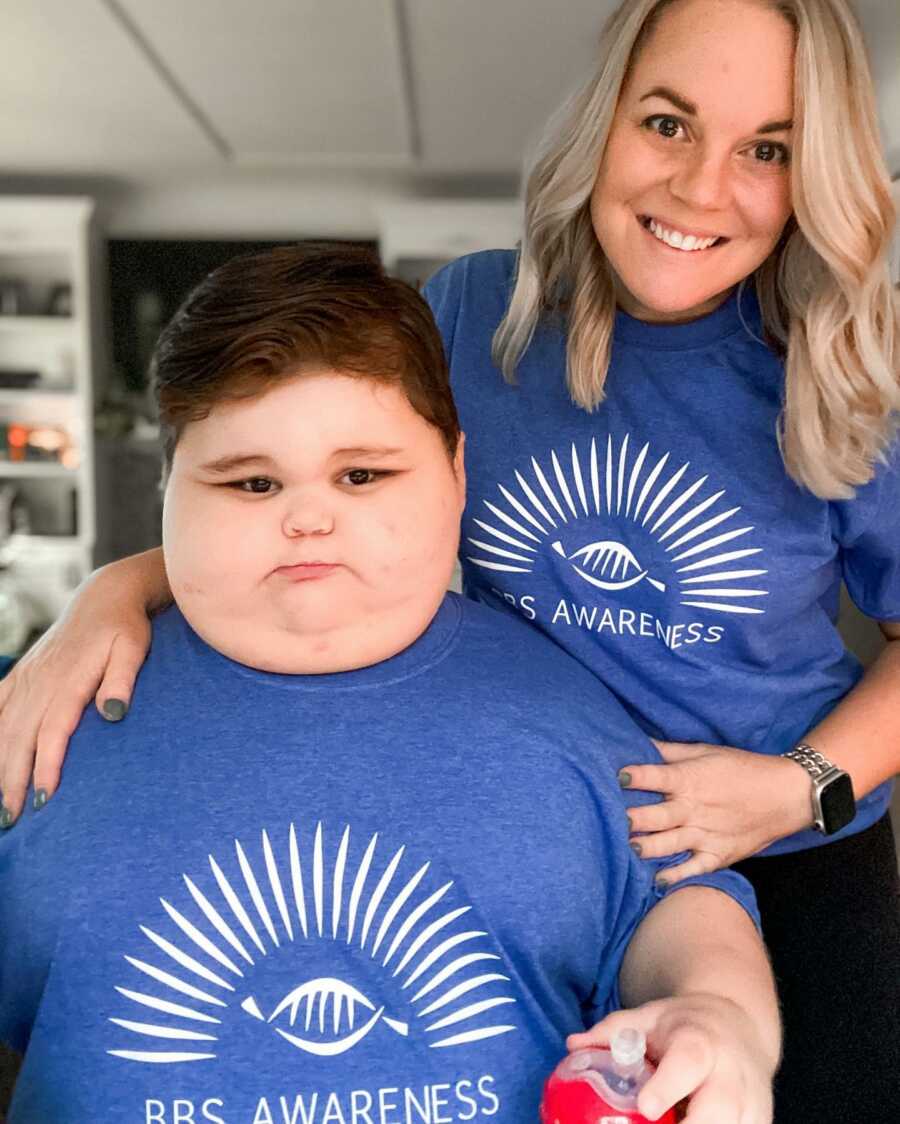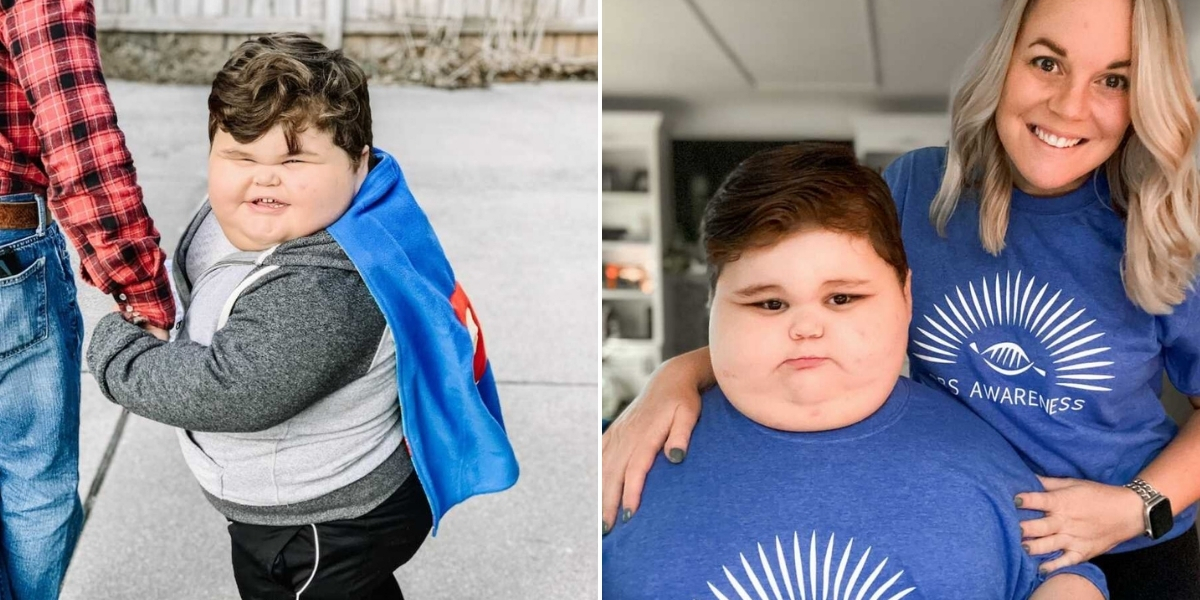
“It’s been 84 years,” as the famous Titanic quote goes—but for our son Joshua, it felt like 1,826 days of unanswered questions. For five long years, Joshy lived undiagnosed, and we searched tirelessly for answers.
When I wrote our article for Love What Matters just over a year and a half ago, we were still in that place of uncertainty. Frustration, exhaustion, and moments of wanting to give up had become our constant companions. We faced judgment from people who had never seen anything like our sweet boy, and countless doctors seemed to hit dead ends at every turn. Yet, I refused to surrender. The hope of answers—and the potential for treatments that could shape his future—kept me moving forward.
To briefly recap, Joshua was born a normal-weight baby, growing steadily in both height and weight. Alongside his growth, we noticed other health concerns and his autism. My husband Chris and I, parents of two older children, instinctively knew something was different. Over five years, we visited specialists in multiple states, keeping meticulous notes in a Google Doc just to track appointments, symptoms, and suggestions. Each visit felt like a repeat: evaluations, lab tests, questions, only to leave with no clear answers. We heard terms like “Rare Genetic Disorder of Obesity,” but no official diagnosis emerged. Every doctor treated him based on symptoms, making educated guesses, while Joshua’s “undiagnosed” status quietly became a part of our identity.
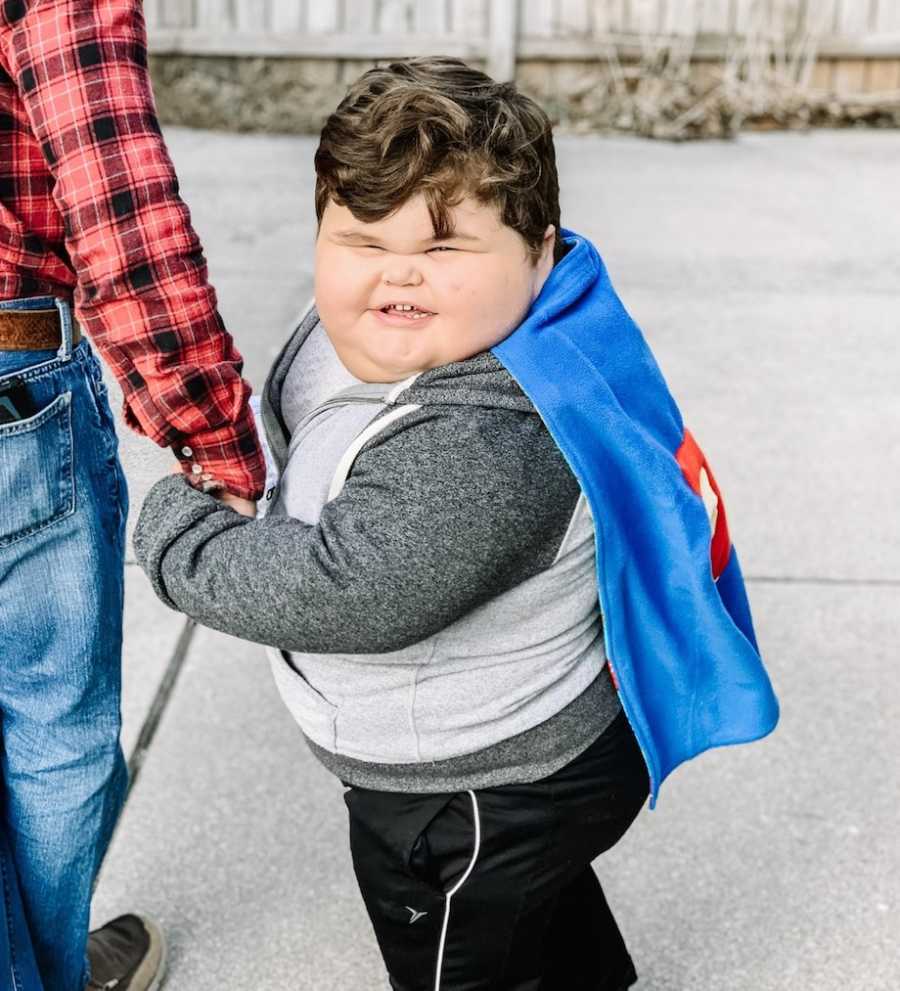
This journey has been exhausting—physically, emotionally, and mentally. There were times when we wanted to step away, to live quietly and shield ourselves from the anxiety and scrutiny. But a deep, purpose-driven mission kept me from giving in. I clung to the hope that someday we would find answers, even if it took years. That hope became reality in the winter of 2020, when a Zoom invitation from a research group changed our lives.
Joshua was invited to participate in a research case study at Marshfield Clinic in Wisconsin. In April 2020, we drove eight hours one way, filled with both excitement and apprehension. Over four intense days, Joshy had nineteen appointments—labs, tests, evaluations, consultations—each doctor examining him thoroughly, from head to toe. Every specialist offered insights, home care suggestions, and recommendations for his doctors back home. It was a whirlwind of “aha” moments, connecting observations we’d made for years to the possibility of a rare genetic disorder. Even subtle behaviors and body structures we had noticed finally made sense in the context of his condition.
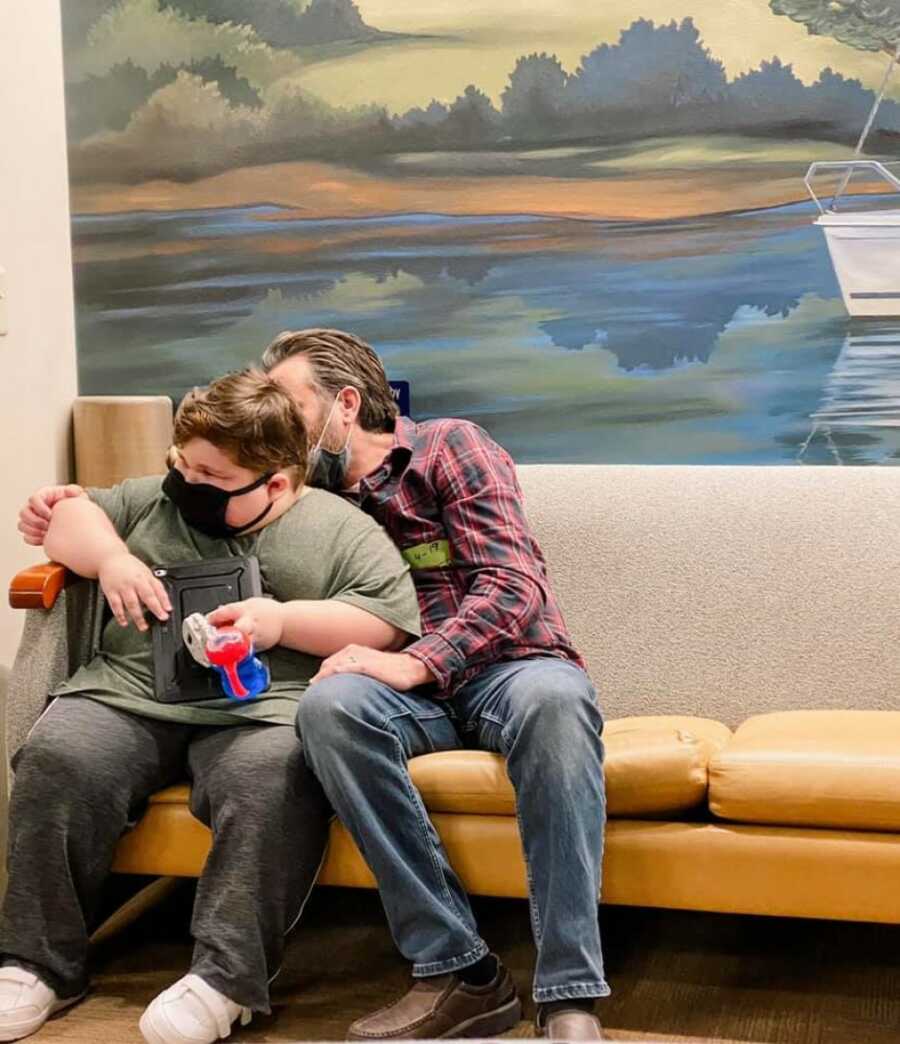
The highlight was meeting the leading Bardet-Biedl Syndrome (BBS) specialist in the U.S.—possibly the world. Calm, kind, and thorough, he reviewed each evaluation and shared his insights. Seeing Chris break down in tears of relief beside me, I realized we had finally arrived in the right place. For the first time, someone truly understood our boy. That day, we left with hope, validation, and a care plan—but still awaited genetic confirmation, which would take four weeks.
The trip itself was transformative. In four days, we went from feeling isolated and misunderstood for five years to being fully seen, heard, and supported. We had a care team and a community that embraced us, lifting a weight we didn’t realize we had been carrying for years.
Weeks later, we received devastating news: the genetic results were inconclusive. My heart sank. After five years of searching, the emotional roller coaster of relief, hope, and uncertainty continued. As any parent of a child with special needs can attest, grief, anxiety, and even PTSD are all part of this journey.
But then, one ordinary day, a letter arrived in the mail that changed everything. With shaking hands, I scanned it and emailed Joshua’s pediatrician: “Am I reading this right?” After 1,826 days, the confirmation was finally there—Joshua has Bardet-Biedl Syndrome.
While our journey doesn’t end with a diagnosis, Joshua can now receive specialized care. We will travel to Wisconsin every two years for follow-ups, treatments, and evaluations. Our hope is to continue sharing our story, advocating for Josh and raising awareness about BBS. It’s estimated that ten times as many people may live with BBS in the U.S. than are diagnosed—fewer than 300 confirmed cases. The more awareness spreads, the more testing, research, and treatment options become possible.
Sharing our journey has already made a difference. It has reminded us—and others—to choose kindness, to withhold judgment based on appearances, and to seek answers for themselves or their loved ones. For those living with Rare Genetic Disorders of Obesity, or caring for someone who is, let this story be a reminder: never give up searching, and know that understanding and hope can arrive when you least expect it.