My labor felt endless. In reality, it lasted 26 hours, but when you’re submerged in mind-numbing pain, hours blur into eternity. My mom hadn’t stopped pacing the room all night, counting down every moment until our baby’s arrival. My husband, meanwhile, wandered the hospital halls, trying to mask his own panic. At one point, he disappeared for three hours, only to return sheepishly, admitting he had dozed off in the car, convinced he’d missed our baby’s birth. When he realized he hadn’t, nausea hit him like a wave. He collapsed onto the couch, almost heading to the ER. By the time I shot him a death stare strong enough to rival any dramatic movie scene, he had downed three cans of ginger ale, absorbed some serious pep talk from my mom, and was finally ready to meet our baby.
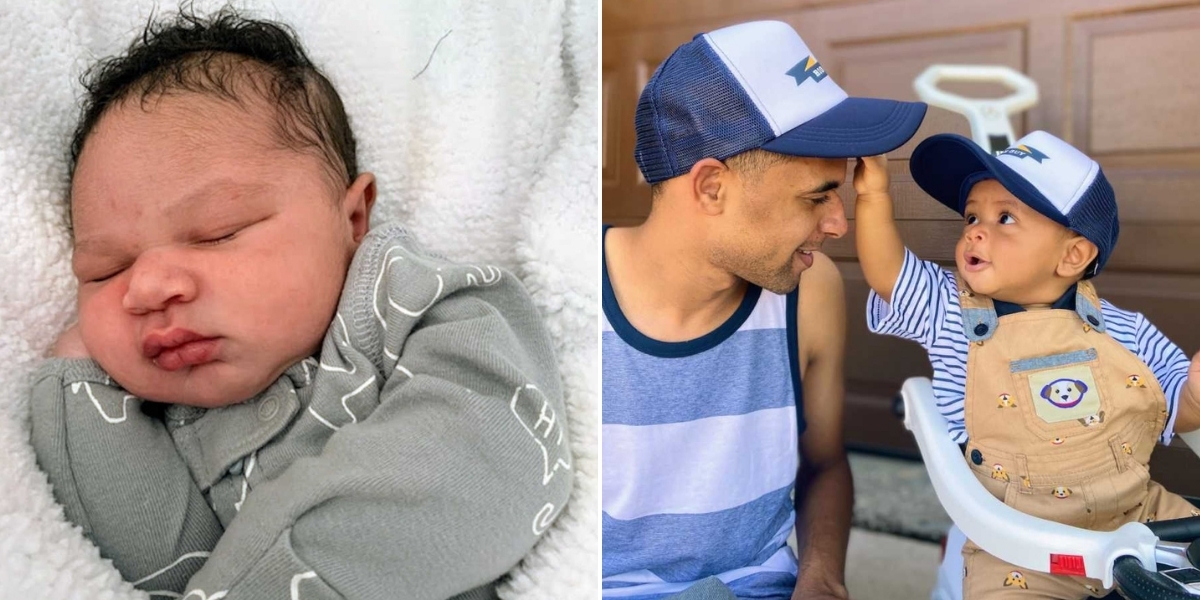
I had reviewed my birth plan countless times, feeling prepared—until the last-minute twist. My doctor urged me to consider an epidural, just in case emergency surgery became necessary. Hours later, I realized the pain medication hadn’t worked as intended. The tension in the room became tangible as doctors mentioned the possibility of forceps or a C-section after more than a full day of labor. Faced with these options, I made a bold choice: I pushed with every ounce of strength I could muster. At 9:45 p.m., Gabriel arrived, weighing a hefty 8 pounds and 13 ounces. His nana was the first to hold him, and our family, having flown from across the country, rotated support as I began recovery.
We had expected a typical 24- to 48-hour hospital stay, but instead, we were engulfed by rounds of nurses, tests, and retests. Though some nurses whispered that certain procedures seemed unnecessary, our doctor insisted they were crucial. The newness of parenthood, coupled with constant poking and prodding, left us on edge. My husband trailed behind Gabriel, holding him through every test, guarding him as if the world might snatch him away—my Lifetime movie–fueled paranoia creeping in. Two days later, the on-duty doctor informed us that Gabriel wouldn’t be released until she personally approved his results. Frustration mounted until my sister intervened, giving the doctor a gentle-but-firm reality check: “We are not leaving without my nephew.”
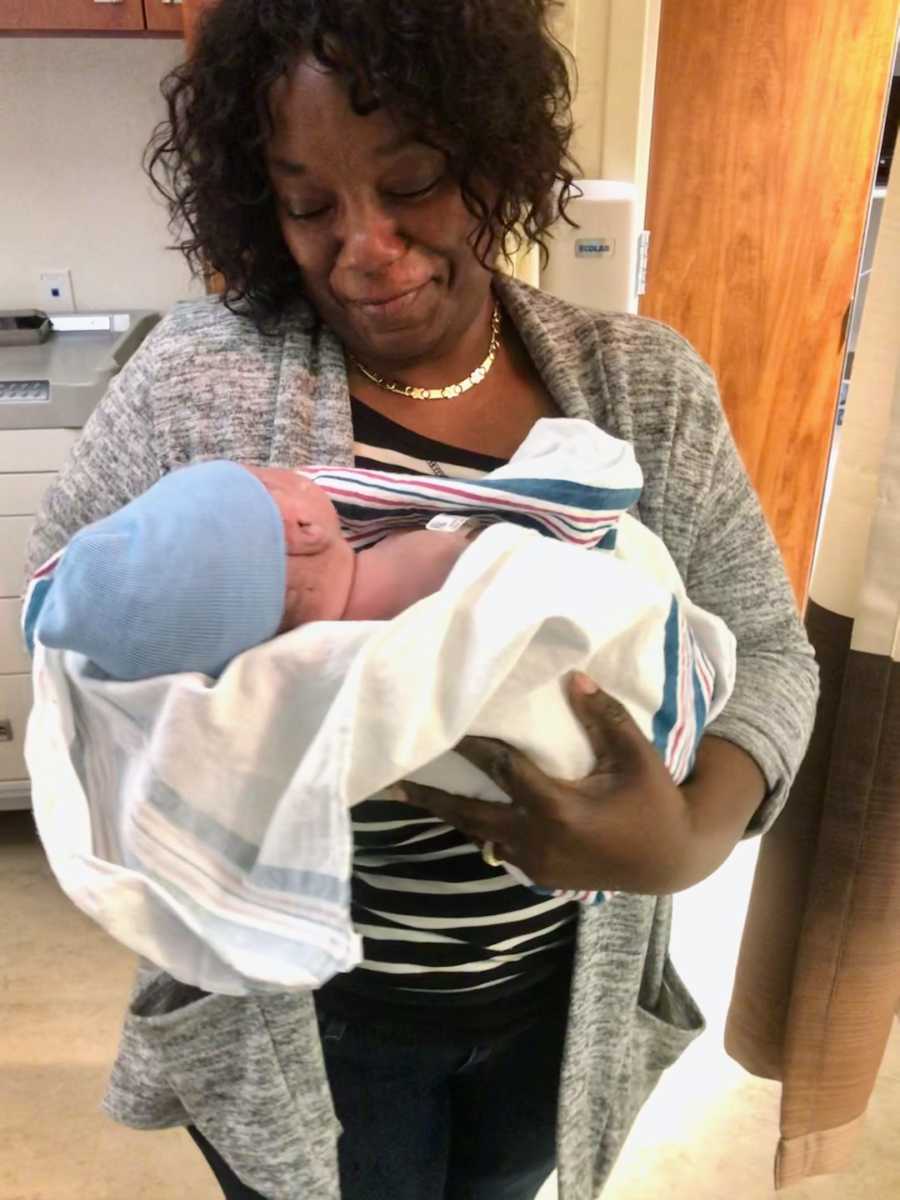
Though we had a short victory, the question of affording another night lingered. Tears threatened, but I refused to give in. Exhausted from labor and sleepless nights, I held my composure. Our nursing team was exceptional. Jenny, the nurse who pricked Gabe’s heels for countless blood draws, became a hero of sorts, helping us extend our stay until his release three days later. Less than 24 hours later, we were at our family pediatrician for his newborn visit.
Hospital tests had taken their toll—Gabe had lost weight, despite my explanations of irregular testing schedules and sleepless nights. His pediatrician scheduled more appointments to monitor the results, but over the next three days at home, Gabe thrived. He fed, slept, and cried like any newborn, free from constant needle pokes. When we returned for a weight check, his doctor was shocked to see he had gained six ounces in three days, moving out of the danger zone. Relief finally settled over us, and for the first time in days, I exhaled fully, sharing the good news with family.
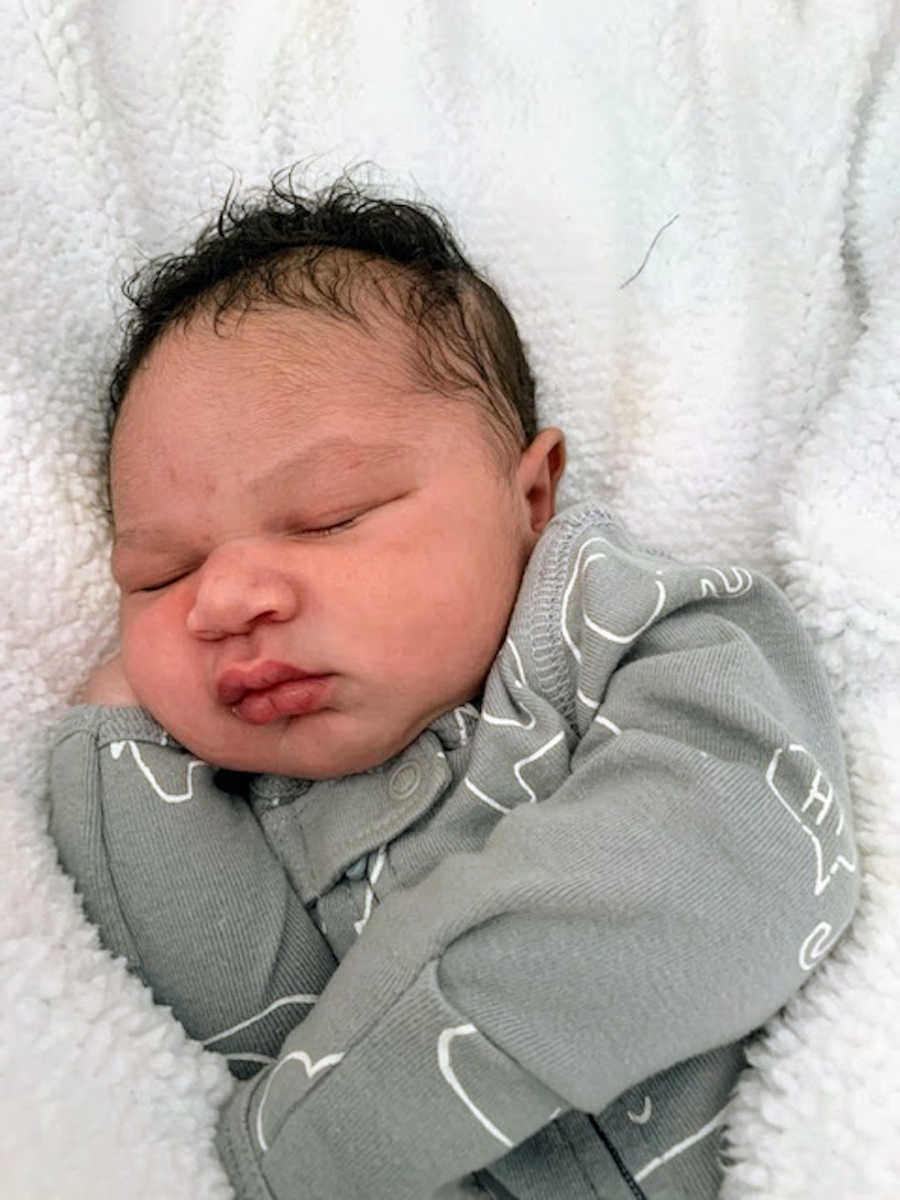
But just as we allowed ourselves a moment of calm, the phone rang. My husband answered groggily, and when he mentioned the doctor’s name, my heart sank. He looked at me, confused: “The doctor said he tested positive for something called sickle cell?” My body flooded with despair. Memories of my mother’s childhood stories about her friend, a “Sickler,” rushed back. My thoughts twisted with guilt—had I unknowingly given him something painful? Tears sprang unbidden, and I struggled to control the ugly sobs clawing at my throat. My husband’s confusion shifted to fear as he asked, “What is sickle cell anemia?”
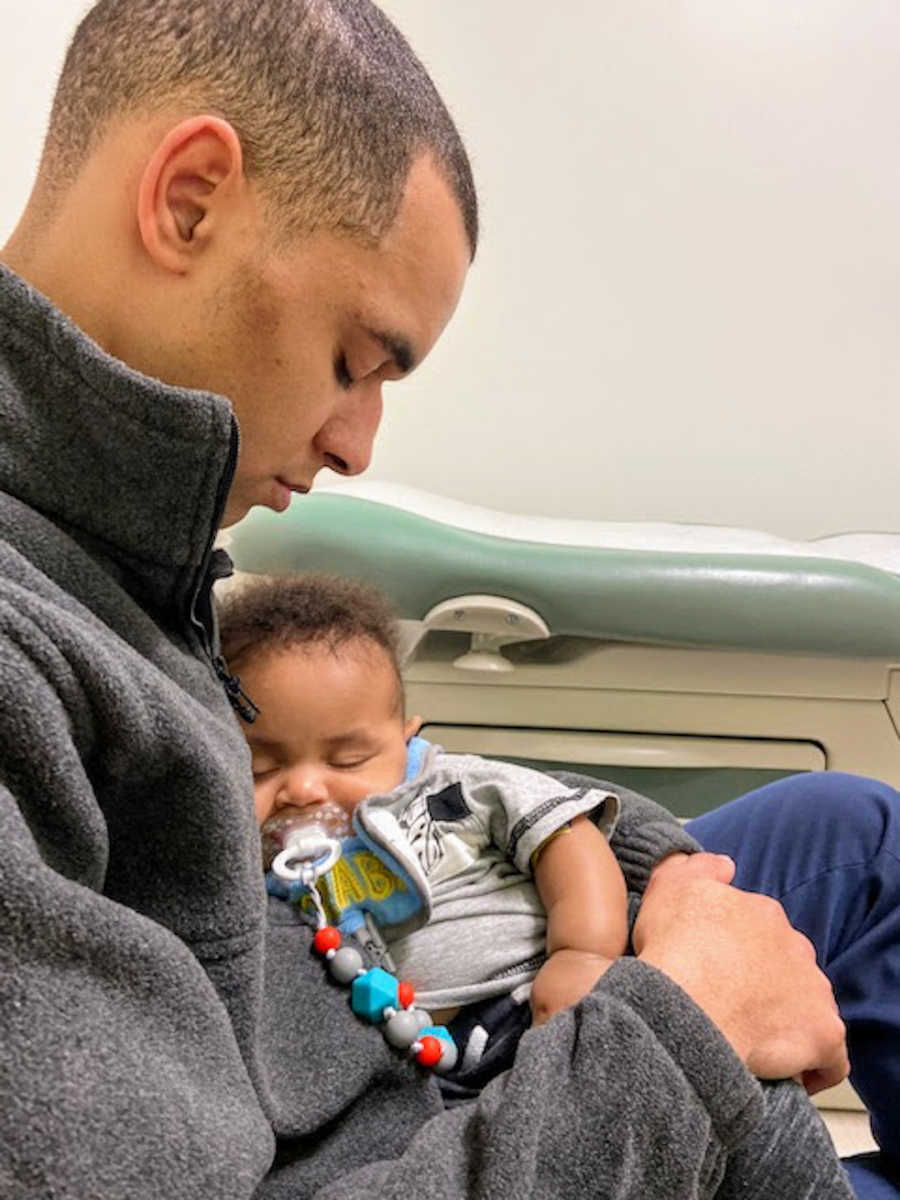
We cried together briefly, until my sister and mom stepped in, grounding us with calm, comforting words. My mother reminded us, “He will be okay. God has a plan.” That was the first and last time I cried over Gabriel’s diagnosis. After a few moments of self-pity, we went to work, navigating a world of hematologists, pediatricians, and precautions. Every temperature shift, every prolonged cry, every small symptom was scrutinized. We read, researched, prayed, and learned to differentiate normal newborn behavior from potential crises.
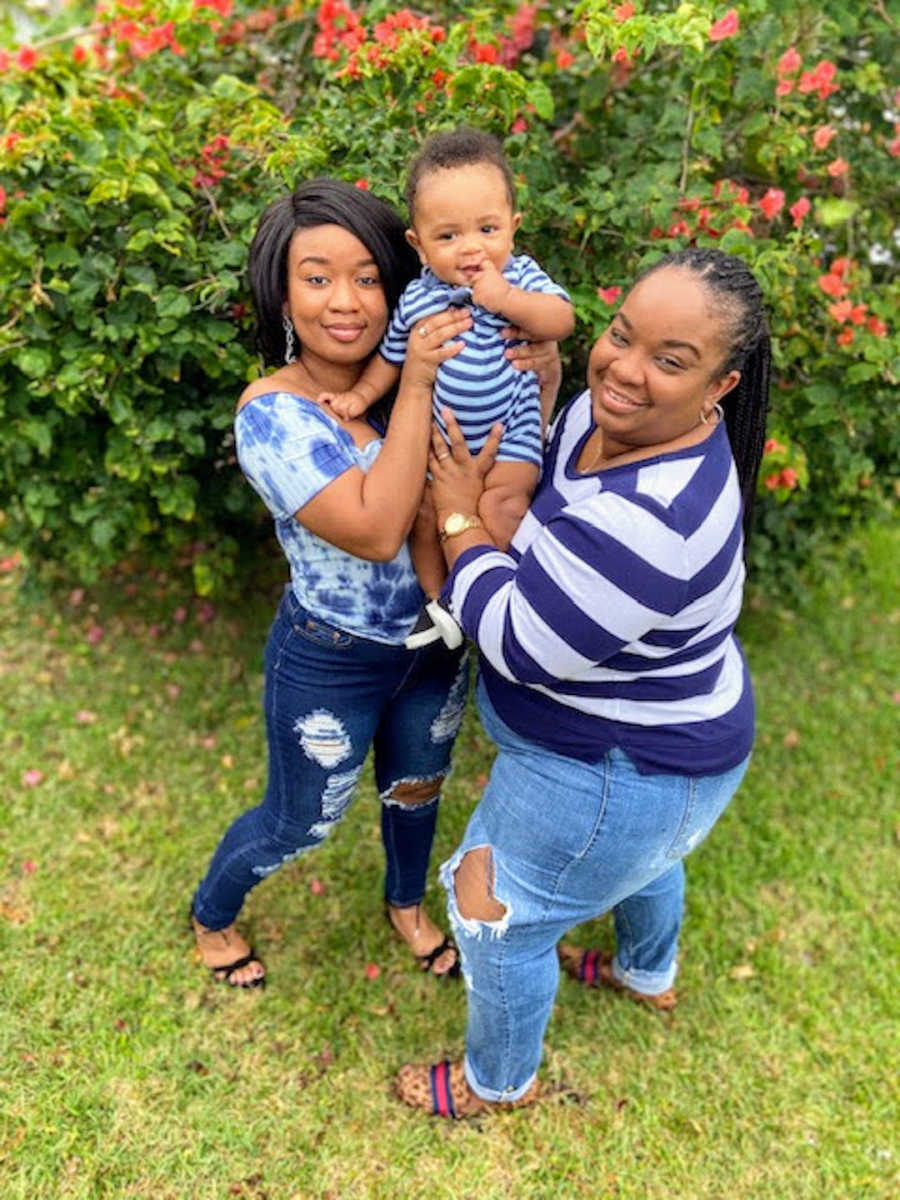
A routine visit months later brought hope. Gabriel’s test results had improved, and for a moment, we celebrated. But our hematologist calmly informed us he would start a new medication—for life. The weight of that reality hit me like a slow punch. We had eight months of vigilance behind us, yet now the decisions spanned a lifetime. Isolated by COVID-19, without guidance from other parents, I questioned my faith, my choices, and my ability to navigate uncharted territory.
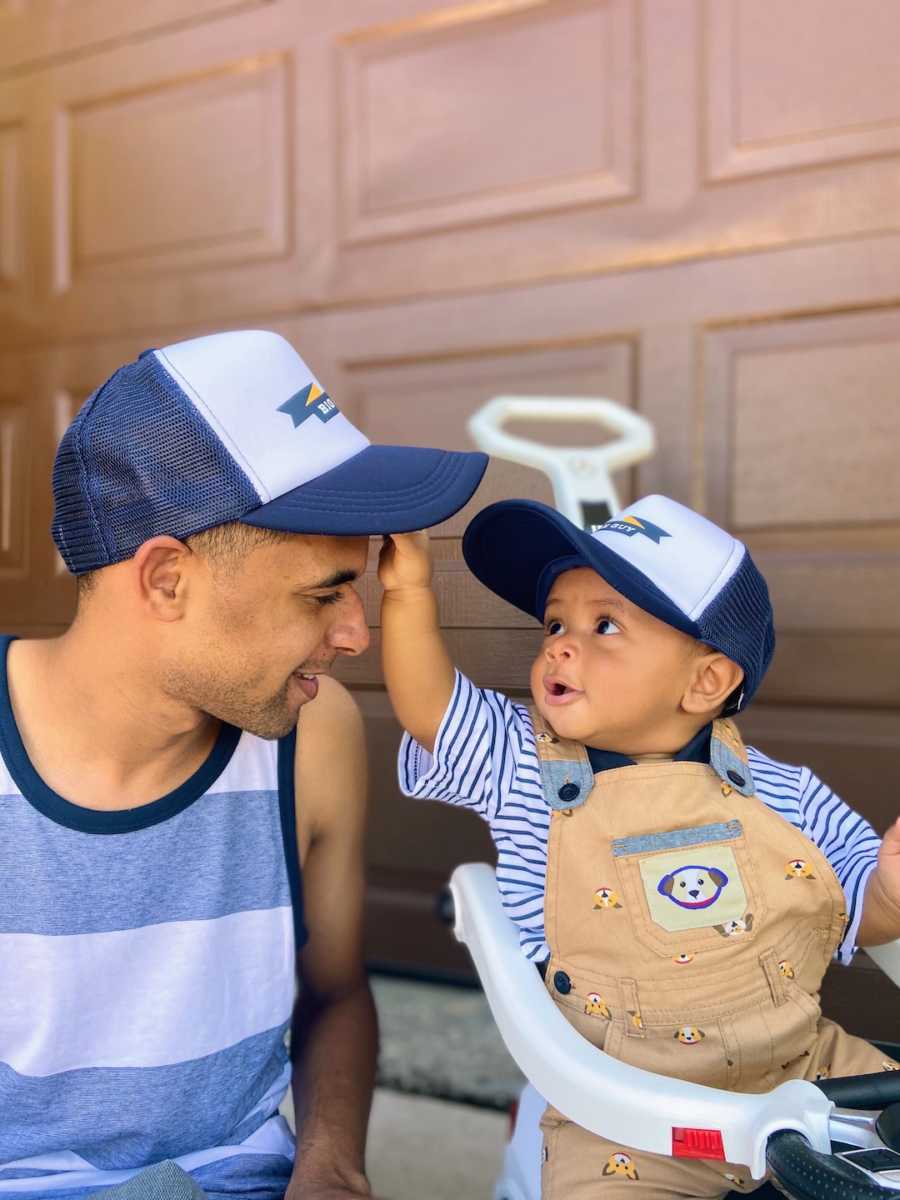
Through it all, I leaned on family, faith, and Gabriel himself. I envisioned him growing: a toddler, a pre-teen, dancing at his wedding, and eventually snuggling a grandchild. One year later, with a new medical team who listens and understands, we continue our journey. A holistic approach—natural vitamins and nutrient-rich foods—has been our path to managing potential sickle cell and beta-thalassemia symptoms. Gabriel thrives: chubby, energetic, stylish, funny, and, above all, healthy.

I am grateful to our village—family, medical professionals, and support networks. Through this journey, I’ve learned courage, resilience, and gratitude. Gabriel is not wounded; he is a unique warrior, carrying the legacy of our ancestors. Every moment—parenting, spoiling, playing—is a treasure. And with Gabriel, I’ve found purpose beyond parenting: raising awareness for sickle cell anemia, advocating for research, care, and support, and showing the world the faces behind the condition.
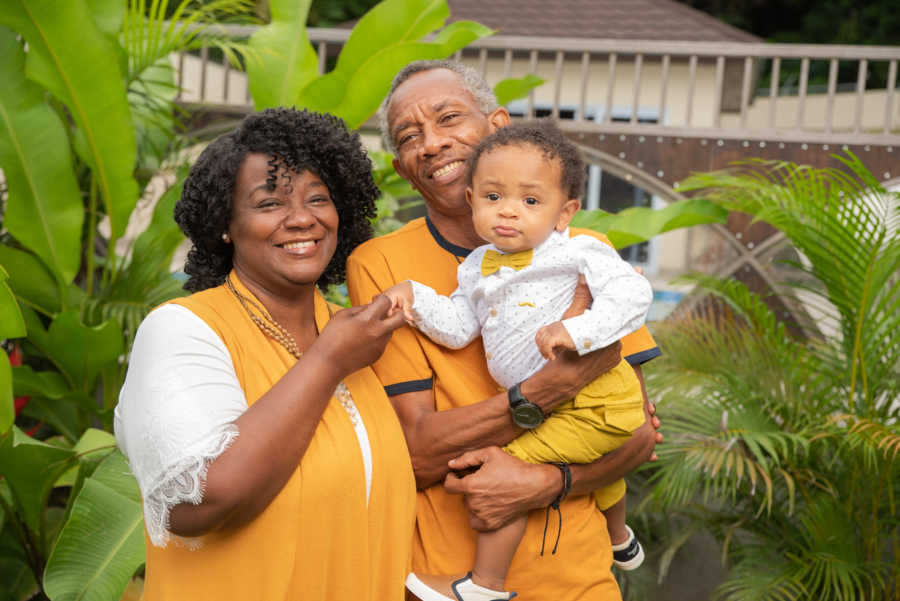
In a world often marked by uncertainty, fear, and isolation, I want others to know: you are not alone. Hope exists, and when we share our stories and act together, we can create change. No one can do everything—but everyone can do something. And this—this is my something.