Pain in the Neck: How Wine Led Hollie to a Hodgkin Lymphoma Diagnosis
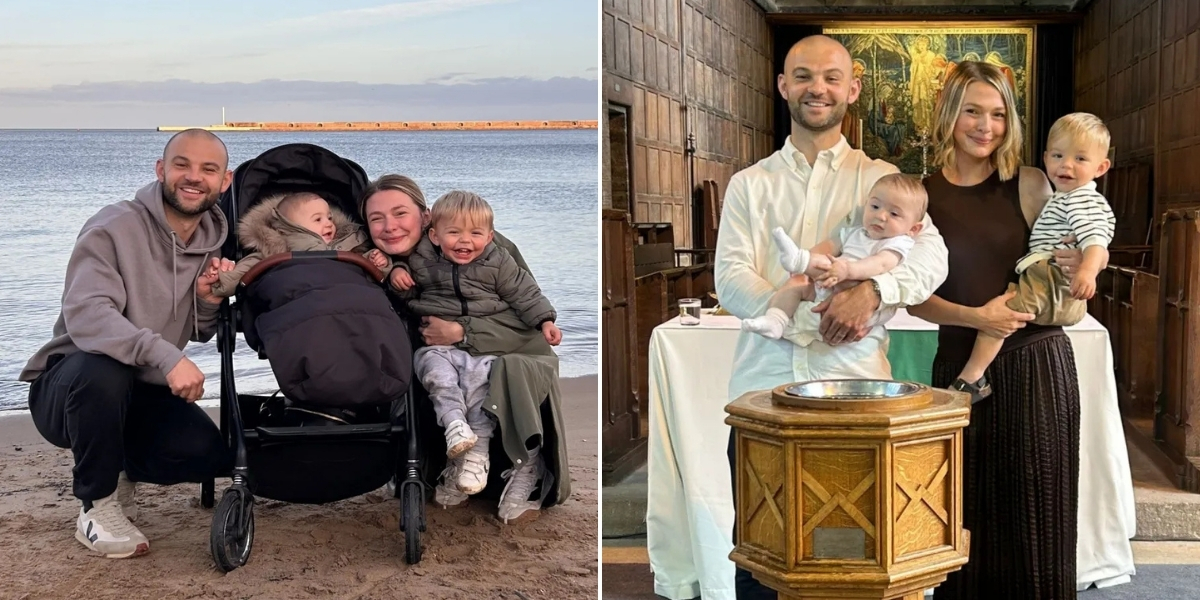
Hollie Thursby, a 28-year-old mother from Sunderland, never imagined that something as simple as a glass of wine could become a red flag for a life-threatening illness. Following the birth of her second son, Jack, in December 2024, Hollie began noticing an unusual pain that seemed to follow her enjoyment of a couple of glasses of wine. “I could drink lager with no issues,” she recalls, “sometimes prosecco would hurt a little, but with wine, it really, really hurt—right behind my ear and down the side of my neck.”

At first, she brushed off the symptoms, thinking they were a temporary quirk. When she mentioned the pain and severe itching on her legs at her six-week postnatal check in January 2025, she said doctors dismissed it as a hormonal side effect of giving birth. “I was shattered and exhausted, but I had two babies under two, so I thought it was just the usual fatigue of being a busy mum,” she explains. She found herself needing naps during the day, something she admits didn’t feel normal, but she continued to push through.

It wasn’t until July 2025 that the alarm bells became impossible to ignore. Hollie discovered a lump on the left side of her neck. Concerned, she booked an appointment with her GP, who promptly arranged a CT scan. The results revealed a large cluster of swollen lymph nodes, prompting further tests. By October, Hollie received a diagnosis that would change her life: stage two Hodgkin lymphoma, a rare cancer of the white blood cells.
The diagnosis was devastating, but Hollie’s experience had an unusual clue: the very pain she first noticed when drinking wine turned out to be a recognized, though rare, symptom of Hodgkin lymphoma. “My blood cancer doctor told me she’d only seen this once before in 17 years,” she said. “Apparently, the acidity in wine can trigger pain in the lymph nodes in people with this type of cancer, which doesn’t happen with other alcohol.”

Hodgkin lymphoma is rare, affecting around 1,950 people in the UK each year. It is most commonly diagnosed in people aged 20–24 and 75–79 and has been linked to weakened immunity, family history, smoking, and obesity. Symptoms can include painless swelling in the neck, armpits, or groin, unexplained weight loss, night sweats, persistent itching, and shortness of breath.

Now undergoing chemotherapy, Hollie faces daily battles not just with the side effects of her treatment, but also with the emotional strain of being unable to care for her two young sons. “That’s the hardest part,” she admits. “Thankfully, they’re so young they don’t understand, but I worry constantly. I can’t help but think, ‘What if I don’t get to be there for them?’ I just can’t imagine leaving them without a mammy.”
Her fears are compounded by a family history of blood disorders—Hollie’s mother died when she was just 10 years old from myelodysplasia, a rare blood disorder often described as a type of blood cancer. “It feels too much like a coincidence that I’m facing this now,” she says.

Through it all, Hollie wants to share a message with others: never ignore unusual symptoms and trust your gut. “I wish I’d pressed on sooner when I first felt the pain and the itchiness. Even if a doctor tells you it’s nothing, listen to your body. Something that feels off might really be important.”
Her journey is a stark reminder of how subtle symptoms can mask serious conditions and how crucial it is for parents, especially new mothers, to prioritize their health. “I hope my story encourages other people to speak up and get checked. If my experience saves even one person from a delayed diagnosis, it’s worth sharing,” she says.
Hollie’s story is one of courage, resilience, and the power of listening to one’s own body—showing that even in the face of fear and uncertainty, there is hope and strength to be found.