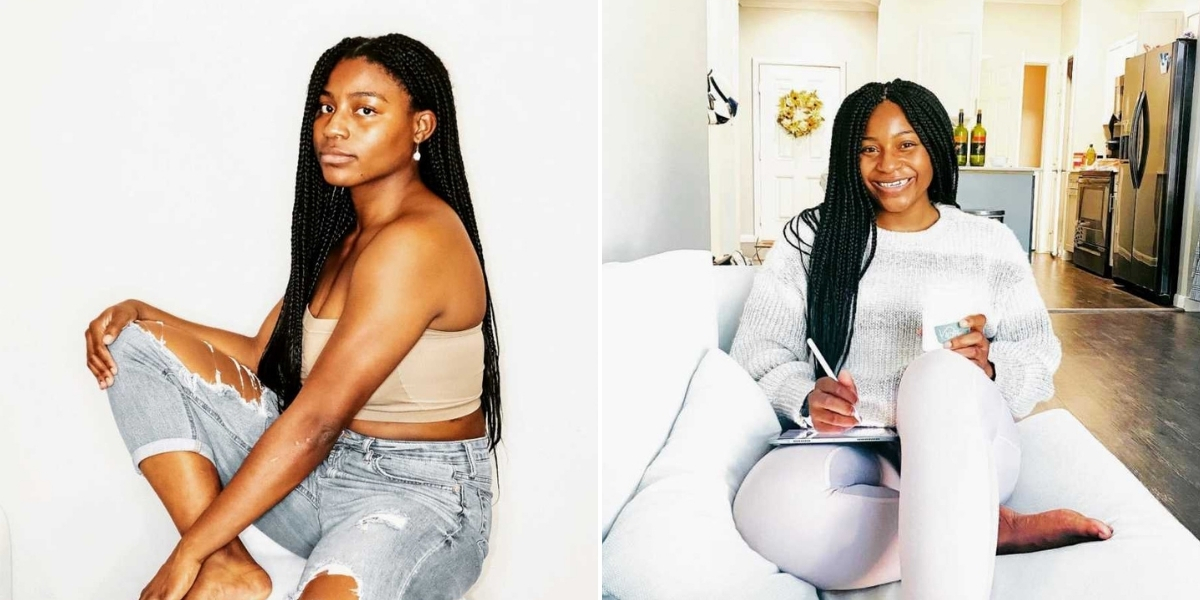
Growing up without a label meant I didn’t have to face the stigmas often associated with being autistic. Yet, I was still acutely aware of being different, something I now identify as neurodivergent. Growing up as an African American girl in poverty, the idea of seeking an early diagnosis was far from my family’s priorities. My siblings and I were focused on survival, meeting basic needs, and navigating a world that was already challenging enough. Diagnostic assessments were simply out of reach. And yet, looking back now as an adult, the signs of autism were always there. They just didn’t stand out because, like many autistic women, I had learned to camouflage my differences.
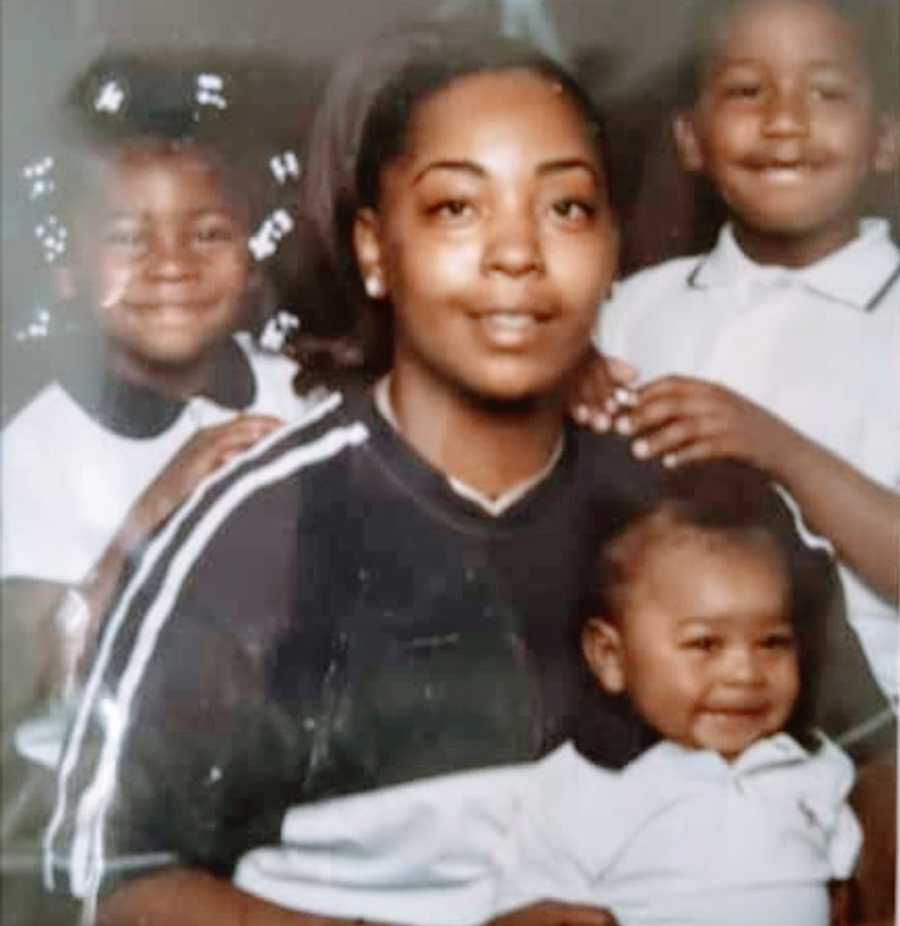
Before I fully understood that I experienced the world differently, my family and friends often called me “special” or “unique.” As a child, these differences were considered cute quirks rather than meaningful clues about something deeper. I was a toe-walker, something my mother joked about as my “high heels,” never considering that it might stem from sensory sensitivities. My rigid eating habits—favoring raw vegetables over meat—were labeled healthy instead of recognized as part of extreme picky eating. Even my stimming behaviors, like sucking a binky, were charming until age seven, when I was abruptly forced to stop, leading to thumb-sucking, which I was also made to give up.
My sensitivities were often misunderstood. When they came from external sources, like a sad music video, they were deemed adorable; when they surfaced in response to things happening at home, they were problematic. My mother once explained the difference between real and fictional emotions when I cried over a TV show, a lesson I still remember vividly. Yet my intense emotional reactions at home—crying when overwhelmed or scolded—were rarely accepted. Because I spoke well and had developed language early, my mother assumed my social skills were fine. Meanwhile, my younger brother, who didn’t speak much, was more easily recognized as being on the spectrum. My early “quirks” were interpreted as signs of advancement rather than indicators of deeper neurological differences—until those quirks persisted into adolescence, when the charm of childhood faded.
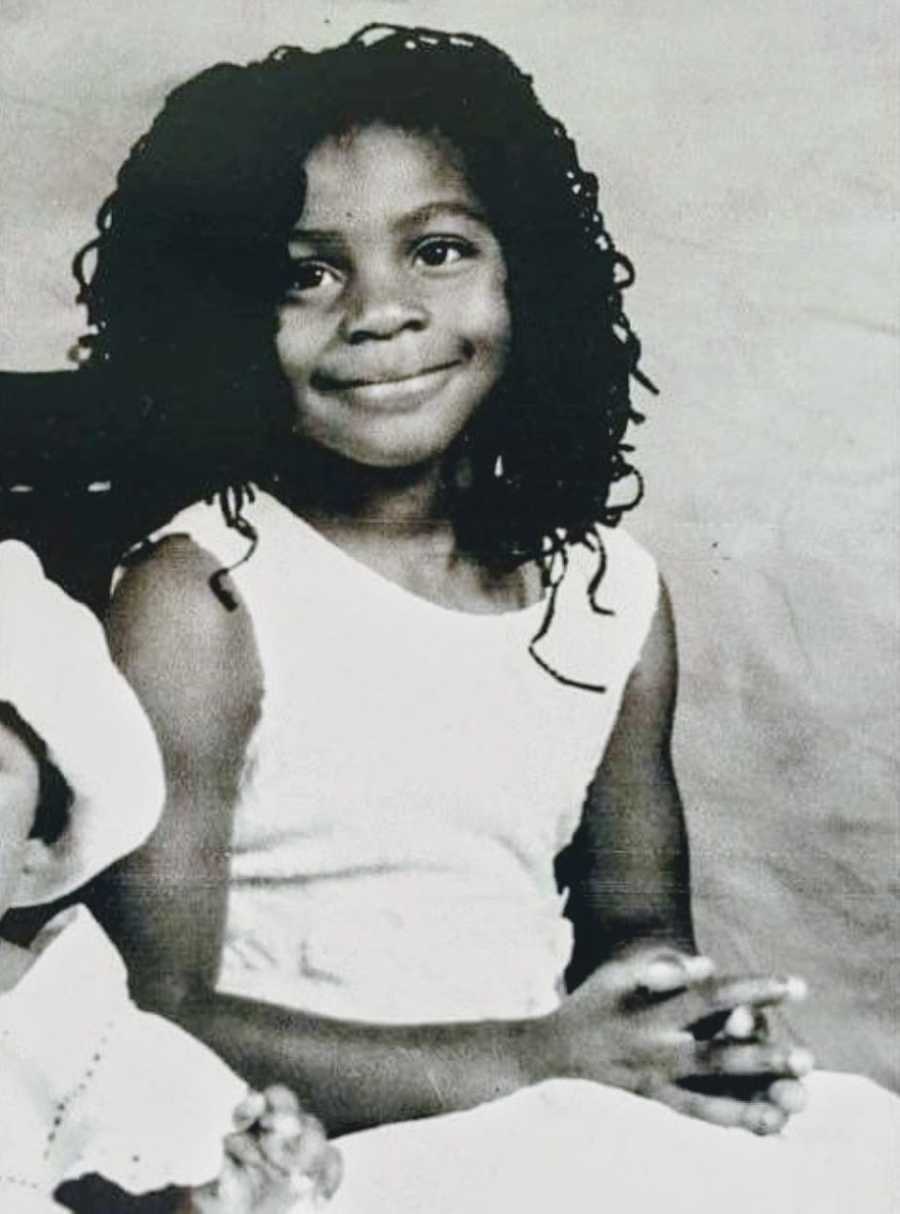
Junior high was particularly brutal. The bullying I faced was relentless, and by seventh grade, I begged my grandmother, with whom I lived, to remove me from school. She agreed, and I was homeschooled for a year. The following year, I skipped eighth grade entirely, going straight to ninth grade to avoid my bullies. My difficulty reading social cues and societal norms often made me stand out—and not in a positive way. Everything about me, from my clothing to my speech to my actions, was judged as wrong. I couldn’t fit in with what others deemed “normal.” High school didn’t change that reality; the only difference was that I began imitating other girls—what they wore, said, and did. Externally, I appeared socially successful, but internally, I felt fractured, invisible, and profoundly alone.
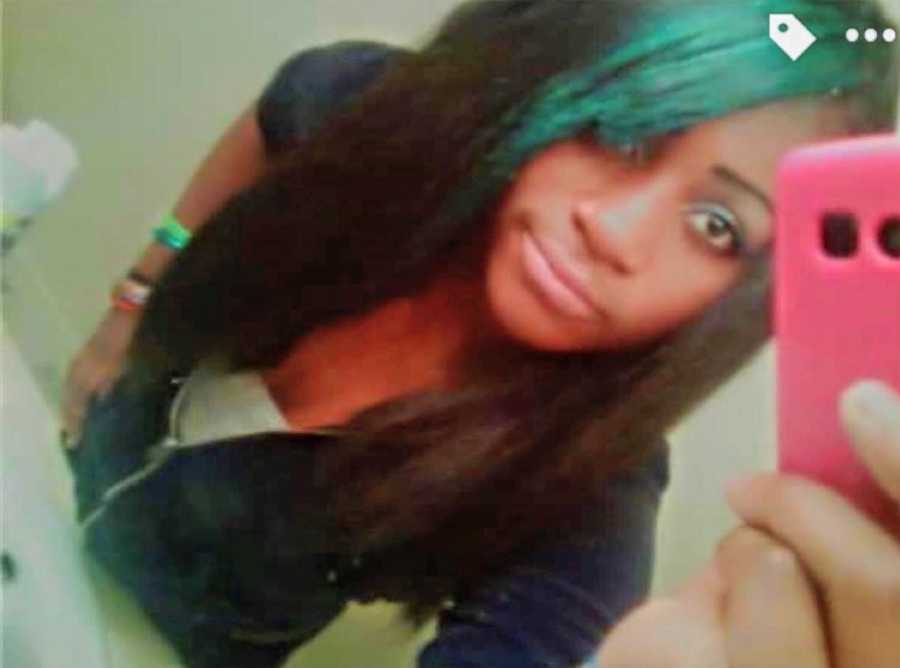
My freshman year of high school, I was diagnosed with depression and prescribed Lexapro. I stopped taking it after a few weeks, knowing the problem wasn’t me—it was the world around me. In my sophomore year, I was diagnosed with bipolar disorder and ADHD. While these diagnoses explained some behaviors, they didn’t capture the entirety of my experiences or how I perceived the world. By 15, under the weight of family dysfunction and social isolation, I attempted to take my own life. I gathered pills, wrote a note, and held them as I went to sleep, expecting never to wake. I’m grateful now that I did, and I kept this attempt secret, carrying the pain alone.
To cope, I developed strategies to conserve the energy required for masking my true self, maintaining social appearances, and navigating daily life. This masking carried me through high school and college, though each evening alone was a stark reminder that internally, I was unraveling. Multitasking social life and academics took a toll on my grades; I had to repeat courses and spent an extra year completing college. I struggled with testing not for lack of effort, but because my thinking didn’t align with the conventional methods professors expected. I perceived the world differently, and nothing about masking felt natural. Still, pretending to fit in felt safer than confronting the loneliness of being fundamentally misunderstood.
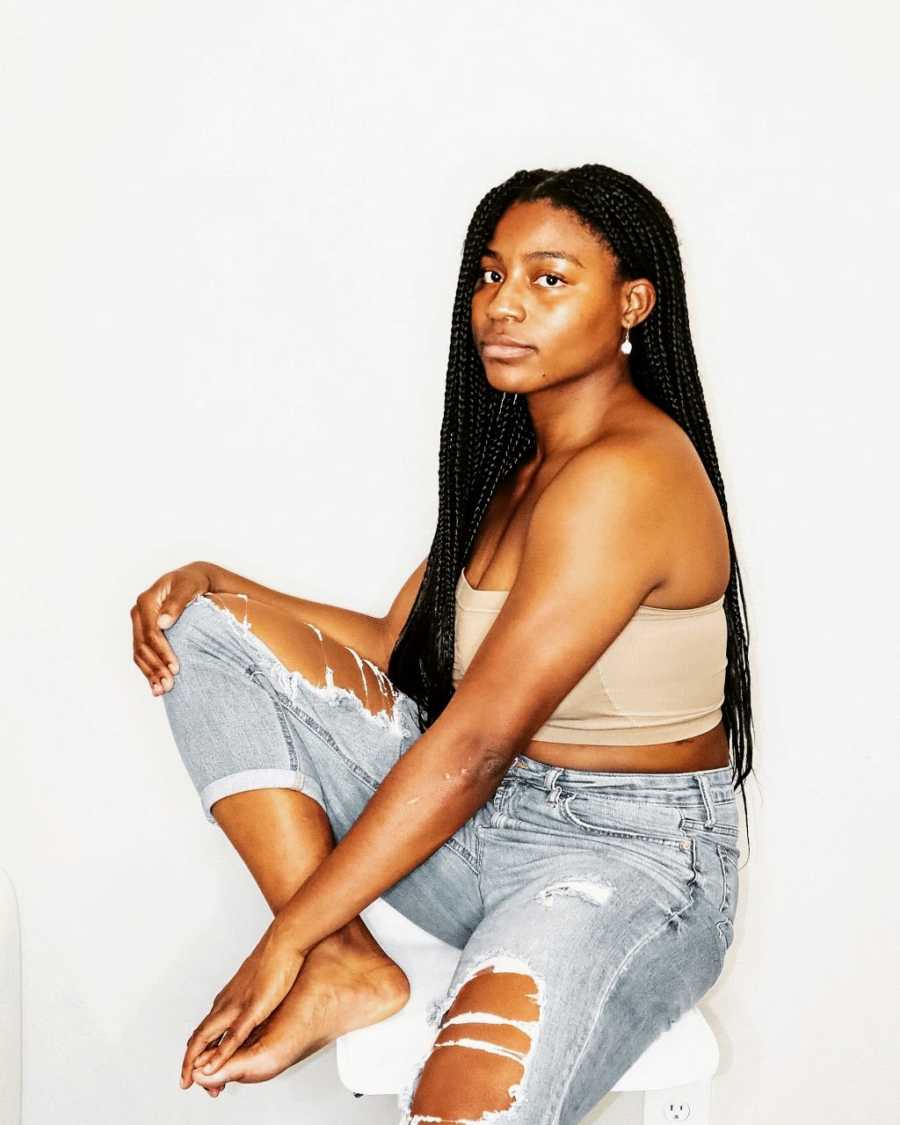
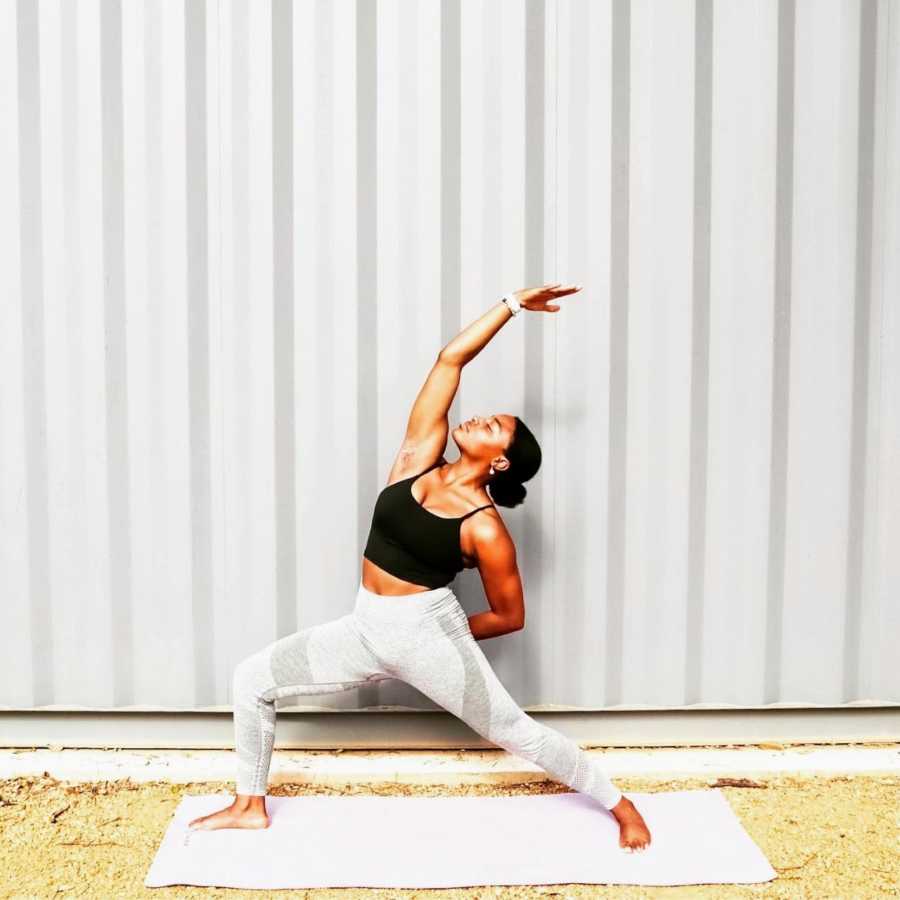
As my energy waned, the aloneness intensified. My relationship with my boyfriend and my full-time job demanded attention, and my love for yoga became a sanctuary. Yoga offered a space where I could move my body, release tension, and soothe the sensory overwhelm I experienced daily. It became my therapy, a way to simply exist without masks or expectations. Eventually, I became certified to teach yoga, turning this practice into a source of purpose and empowerment.
Around the same time, I began seeing a talk therapist, initially for relationship challenges but soon for self-discovery. With gentle encouragement, I began examining my behaviors, needs, and the mask I had glued to myself for safety. The little girl who had been bullied into hiding was finally trying to speak. During this journey, I came across an article describing how autism manifests differently in girls. I recognized traits in myself that mirrored my younger brother’s experiences, sparking curiosity about my own neurological makeup.
Research became my lifeline. I devoured stories from other women on the spectrum, and the resonance was astonishing. Heightened sensitivity, stimming, repetitive behaviors, strict routines—all the traits I had suppressed felt validated. For the first time, I saw the part of me no one understood written plainly, and I felt an unprecedented sense of recognition and belonging.
I finally pursued a formal assessment, undergoing a nine-hour ADOS evaluation. Even before the results arrived, I felt a tremendous release, as if a boulder had been lifted from my chest. I had permission, confidence, and courage to be myself. Weeks later, the report listed ADHD (predominantly inattentive), Social Phobia, and recommendations for monitoring mood and depression, along with below-average executive functioning and challenges in socialization. Yet, despite the detailed observations, the conclusion stated I didn’t meet criteria for autism because I lacked stereotyped behaviors. The doctor remarked, “If you had autism, you’d be a unicorn,” and suggested reading The Highly Sensitive Person. It was devastating. All the masking and effort I had put into fitting in had obscured my true self from a system that judged according to a narrow standard.
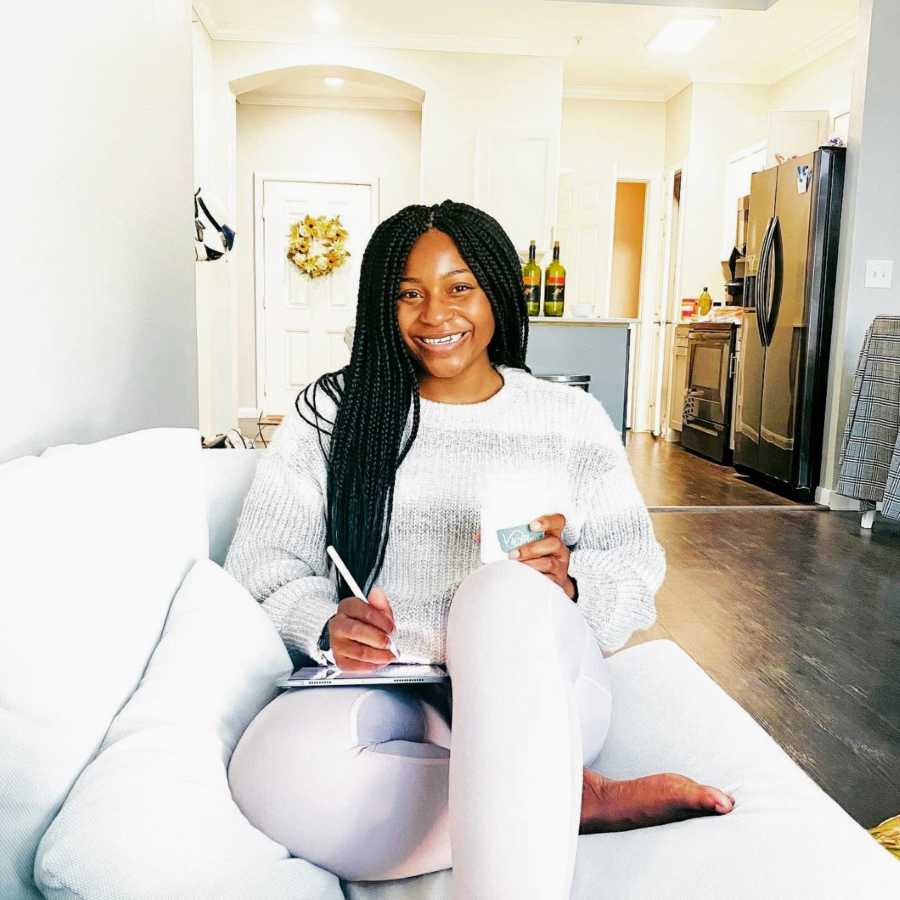
Determined, I sought a second opinion from a psychologist specializing in women on the spectrum. After reviewing my 15-page report, he said, “I’ve been doing this long enough to know that women are often misdiagnosed. You do have autism.” Relief washed over me, but more importantly, he promised therapy focused not on changing who I am, but on understanding myself and identifying my needs.
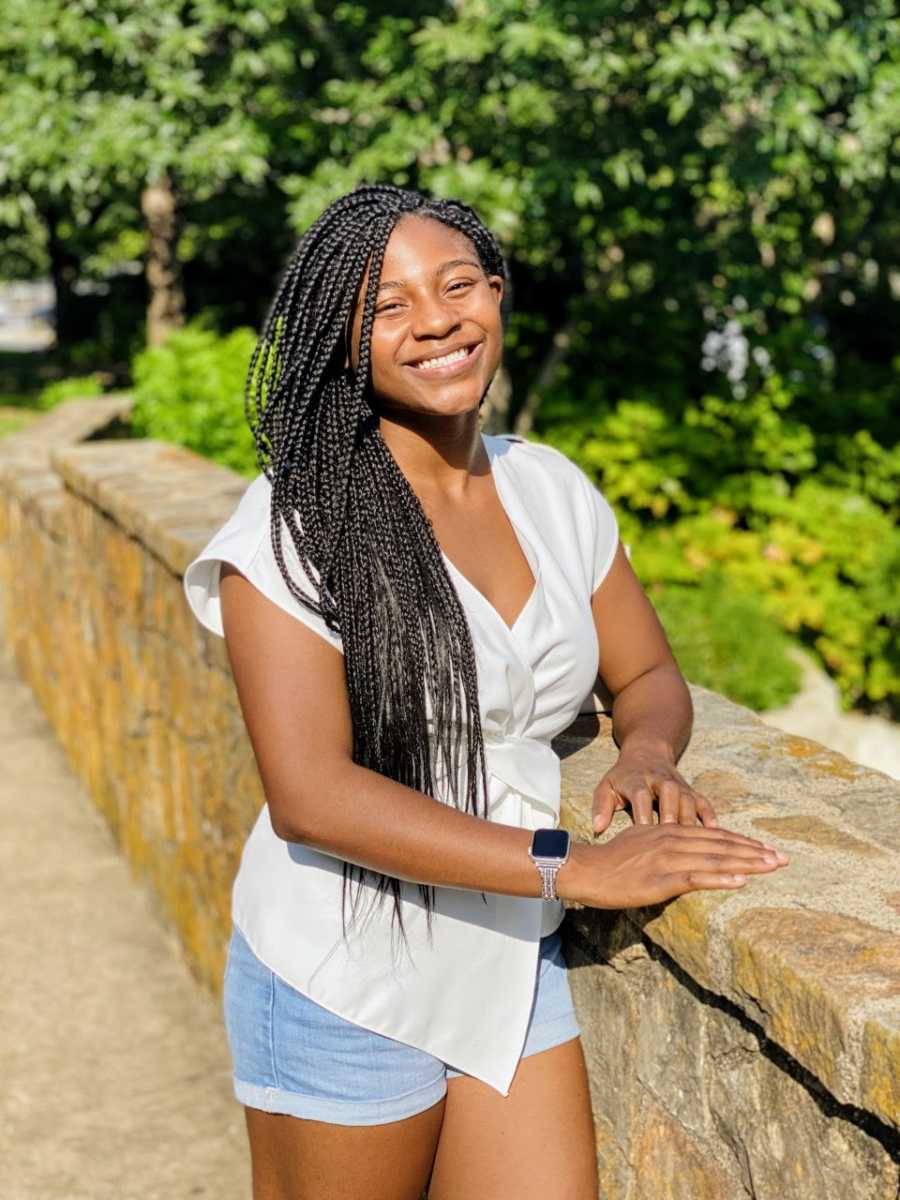
Growing up without a label leaves many feeling alienated, alone, and mischaracterized. Society will fill the gaps with labels like “weird,” “slow,” or “special,” which many internalize as truth. Being a Black woman with autism presents its own challenges—expectations based on culture and stereotypes clash with neurological realities. People rarely consider that behaviors may stem from neurological differences rather than flaws.
Autistic people do not have a universal look, skillset, or stereotype. You’ve likely met more autistic people than you realize. Autism is not a disorder—it’s a way of perceiving and existing in the world. Masking may be necessary to navigate society, but it cannot erase the core of who we are. Autistic children do not grow up to be “normal,” and that’s not a deficit. Autism is simply part of who we are, and there is nothing wrong with that.