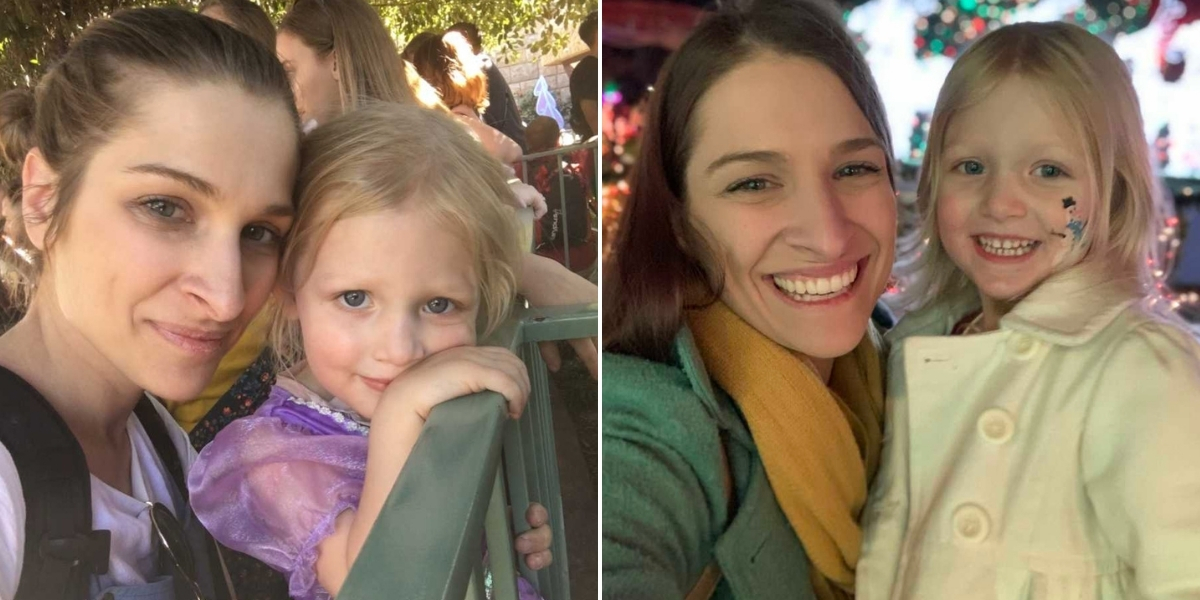
“‘Rico called me nasty.’
I froze. I had just picked up my four-year-old daughter, Adi, from preschool, and those were the first words out of her mouth as we drove away. Surely I had misheard her. She was only four. Why on earth would anyone call her nasty?
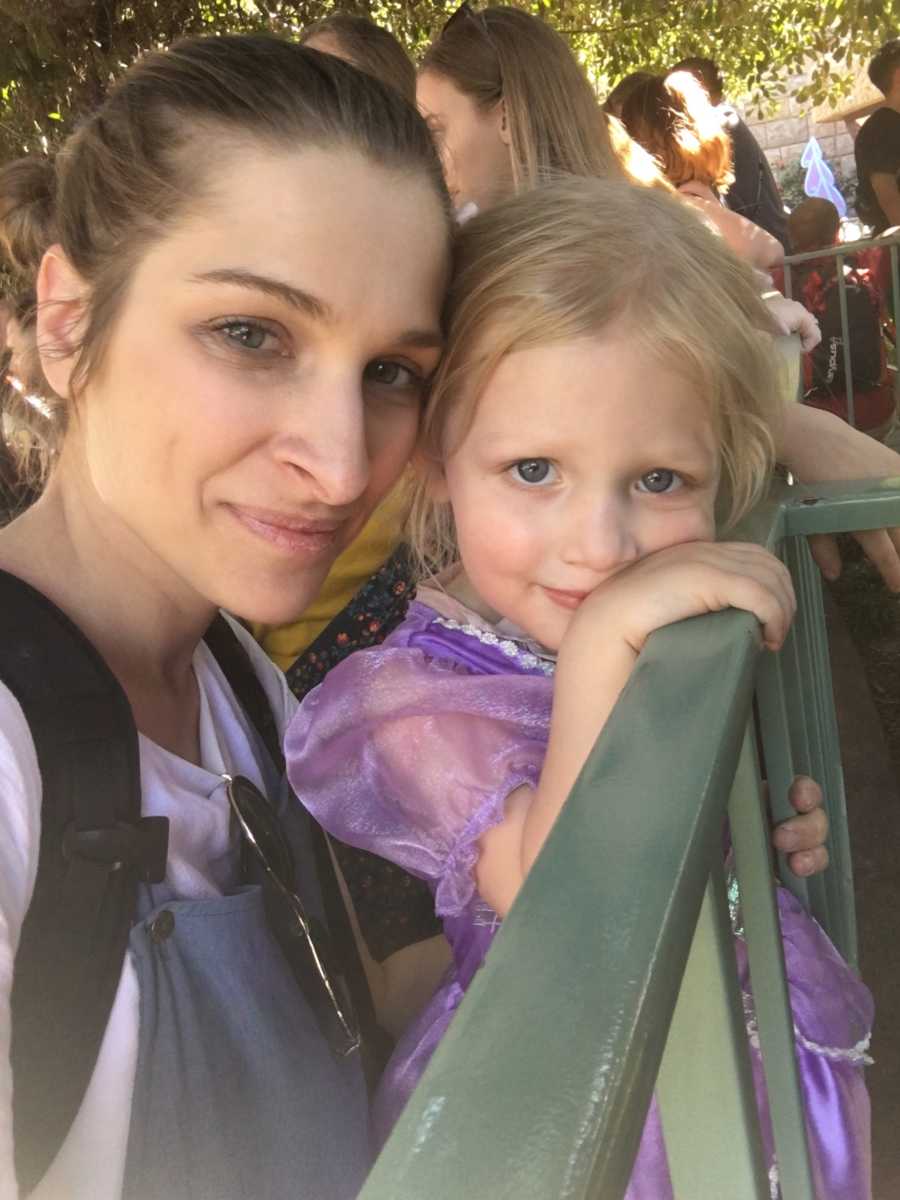
‘What’d you say, hun?’ I asked, my voice carefully even, hoping against hope that I hadn’t heard her correctly.
‘Rico called me nasty,’ she repeated, her small voice matter-of-fact, like she was reporting a simple observation rather than sharing something meant to sting.
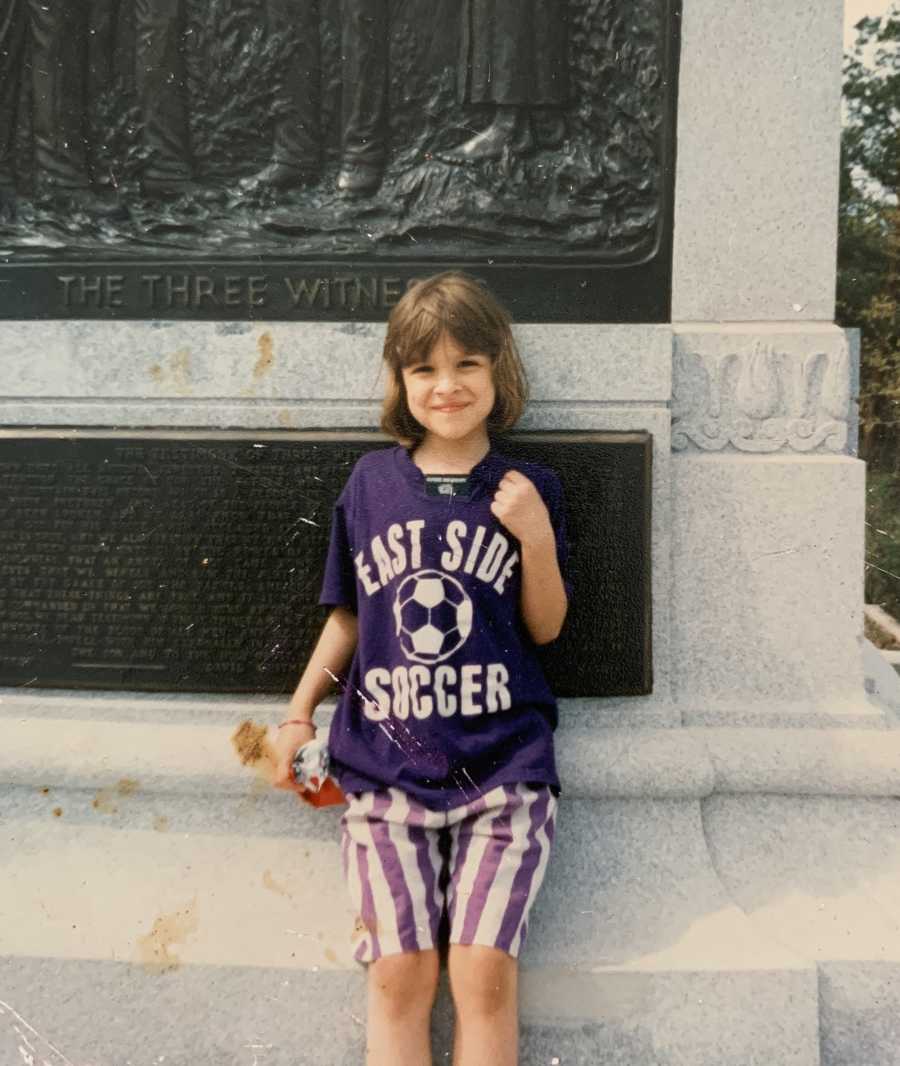
In an instant, I was six years old again. On a school bus, another little girl had snickered, ‘Buttery teeth,’ at me. I didn’t need to look back to know who it was; I already knew. I stared out the window, pretending to focus on the passing trees and cars, trying not to listen. But I did hear her say something else, and my heart sank.
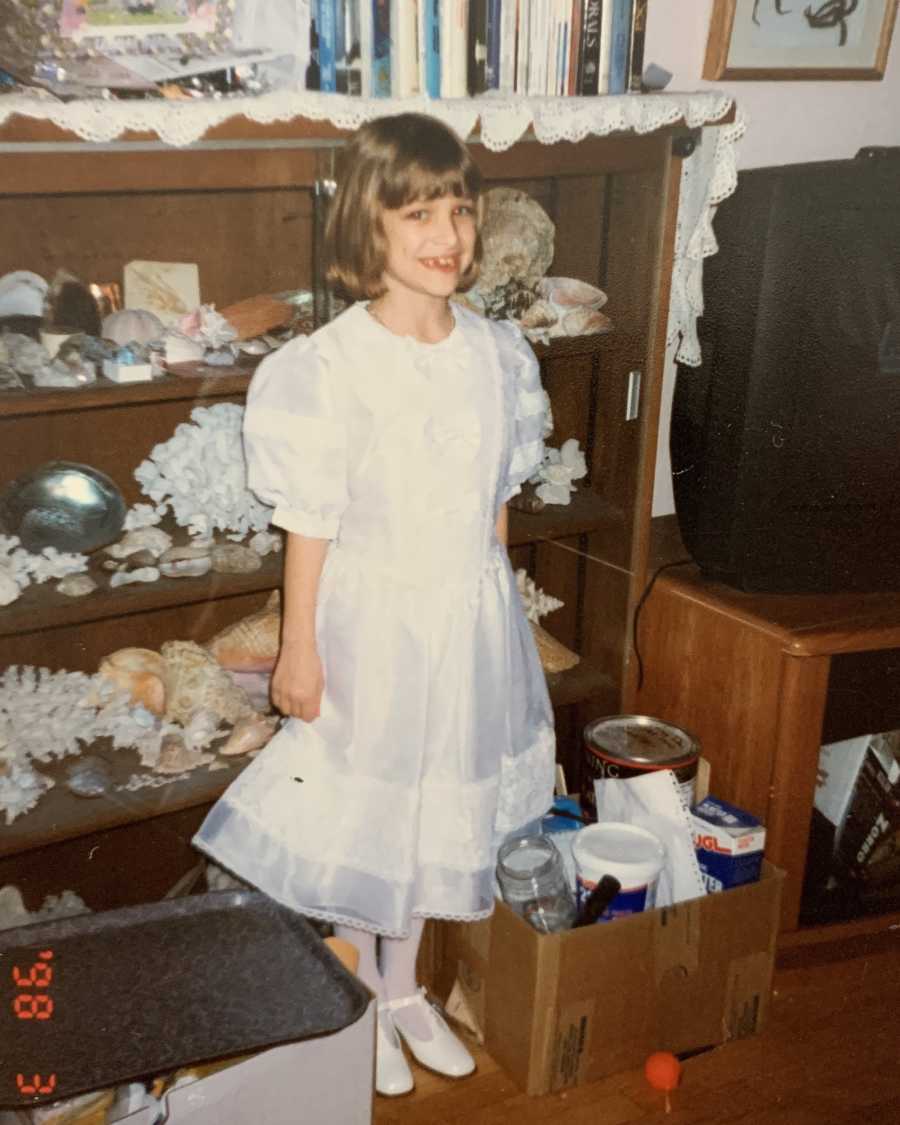
When the bus finally shuddered to a stop, I stood to get off. Just as I moved, I felt the whisper behind me, sharp and deliberate: ‘Buttery teeth.’ I ignored it, hurried off, dropped my backpack at home, and slipped into the bathroom. Thank goodness no one else was there.
I leaned close to the mirror, staring at my reflection as if I could will the problem away. I examined my teeth obsessively, scraping at every yellowing spot with my fingernail, rubbing them with a paper towel. Why did my teeth feel so huge? My front two baby teeth had already fallen out, replaced by adult teeth that seemed far too big for my face. Soon, someone entered, and I turned on the faucet, pretending to wash my hands, but the sting of those words lingered.
Of all the moments in my life, I can’t explain why I remember this one so vividly, twenty-four years later. So many seemingly bigger events have blurred over time, but I can still see that girl’s mocking smile, feel the discomfort of being watched, and remember my desperate wish to disappear.
Back in the present, Adi repeated herself again, louder this time: ‘Rico called me nasty.’ Over and over, she said it. I tried to guide her gently.
‘Adi, do you know what nasty means?’ I asked. We hadn’t really used that word in our house.
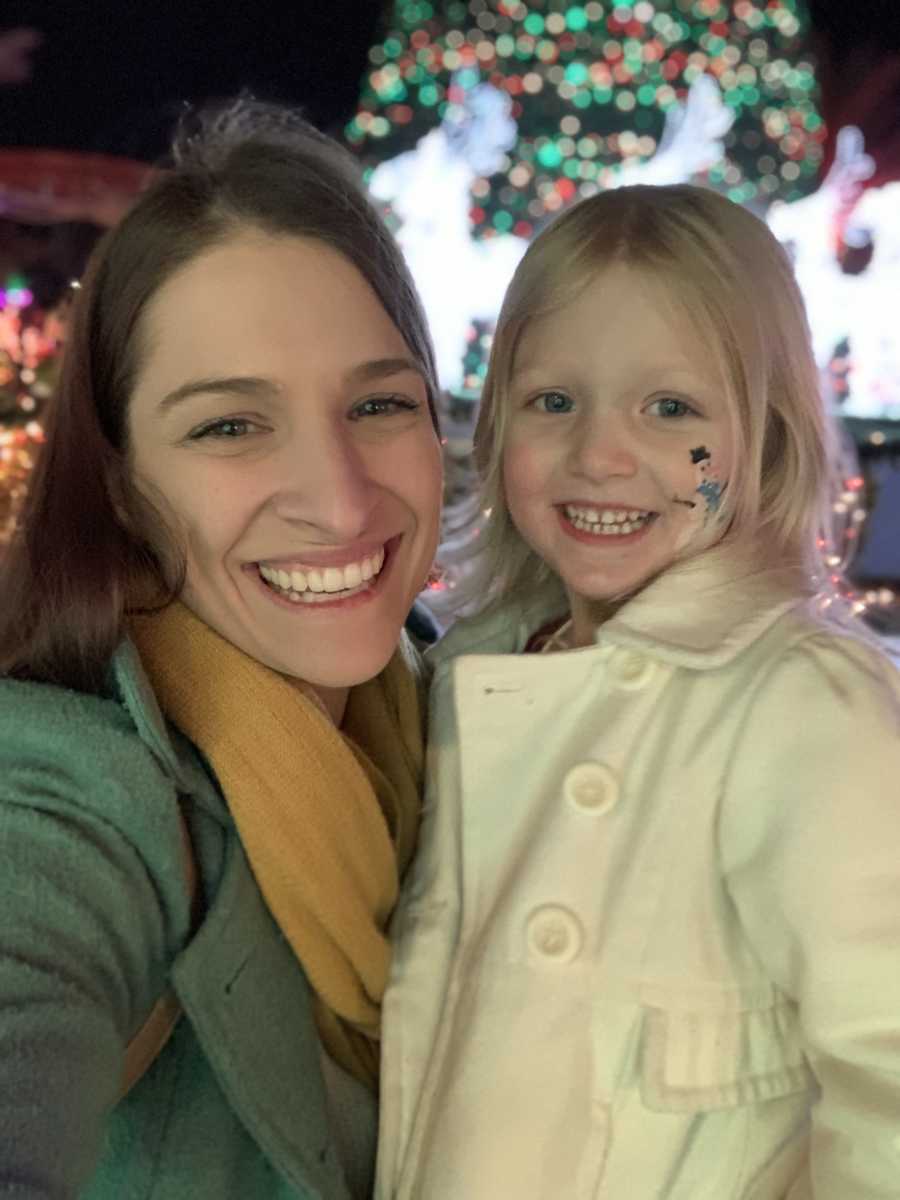
‘It means yucky.’ My heart sank further. She was FOUR. How could another child be calling my sweet, courageous, brilliant daughter nasty at four years old?
‘Adi, did you tell your teacher?’
‘Yeah…’
‘And what did she say?’
‘She said to just leave Rico alone. But I WAS leaving him alone!’
I drew a deep breath. ‘Adi, you are NOT nasty or yucky. You are strong, kind, adventurous, and brave. Remember?’

‘Rico called me nasty,’ she whispered again.
Later, when her dad came home, she told him too. During her nightly phone call with her grandparents, she announced it there as well. After hours of repeating it, she finally moved on—but the weight of those words stayed with me.
That night, after the girls were in bed, I sat with the words in my mind: “Rico called me nasty.” Anger bubbled first. How dare anyone speak to my daughter that way? But then I paused, considering the bigger picture. Rico was just another four-year-old. Maybe he meant to be mean, maybe he didn’t fully understand his actions, maybe he didn’t know any better.
I reached out to friends for advice, but most suggested irritation at the boy or simply telling Adi to ignore him. Neither option felt right.
The next evening, I helped Adi into pajamas, brushed her teeth, and tucked her into bed. Then I climbed in beside her, careful not to fall asleep right there in the dark. I pulled her close and whispered: ‘I am strong. I am kind. I am smart.’
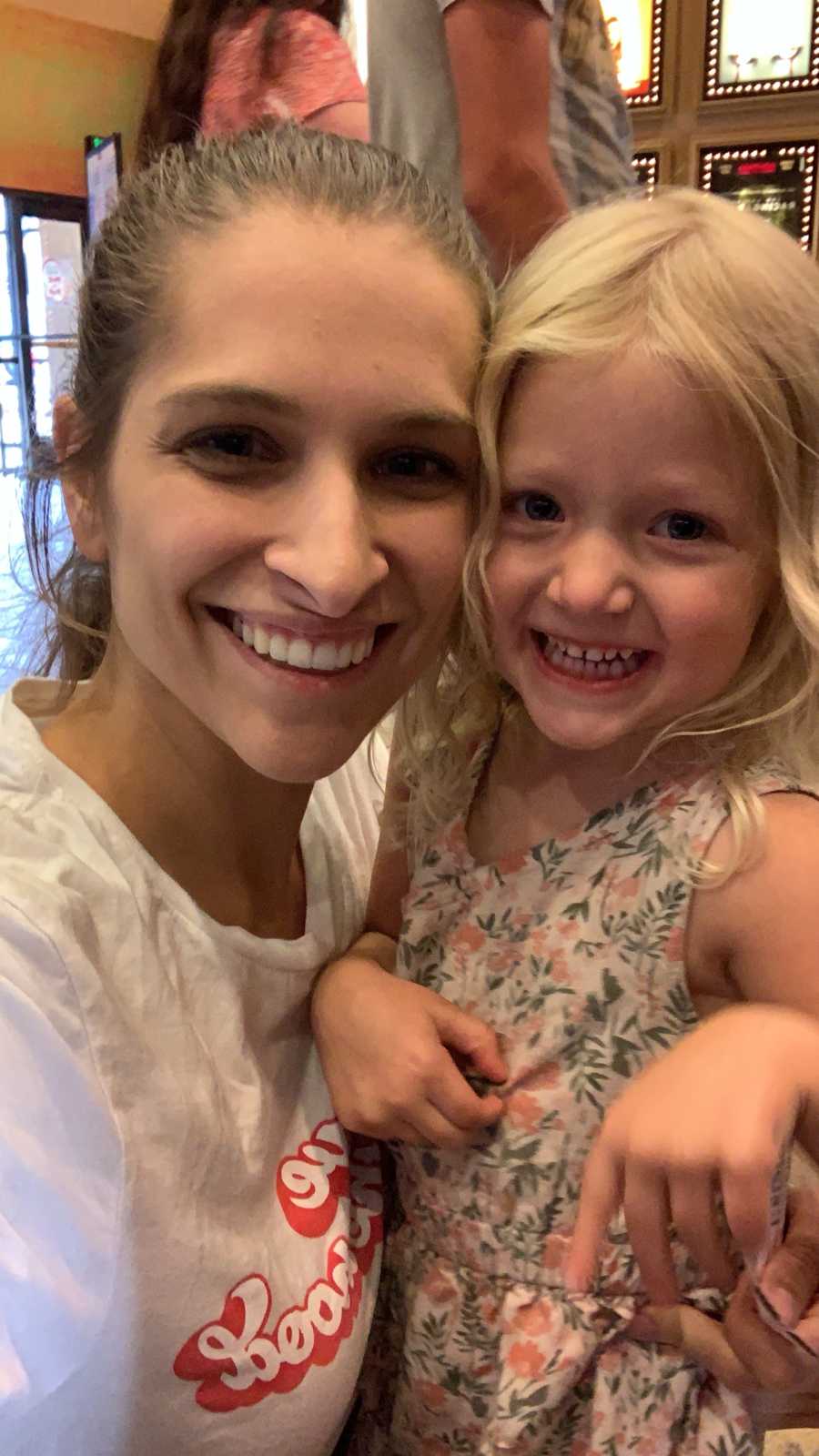
Quietly, she repeated after me: ‘I am strong. I am kind. I am smart.’
We used to do affirmations almost every night. They began during a time when our relationship was strained—a spirited two-year-old and a mom physically sick with severe pregnancy nausea and untreated mental health challenges were a volatile combination. There was too much yelling, too much crying, too much anger. The affirmations were a lifeline, a way to remind her—and myself—of all the goodness we held inside. She repeated phrases that celebrated her intelligence, courage, creativity, and kindness. She learned that she was loved, strong, brave, and capable of anything.

It had been a long time since we’d done them consistently. That night, I reminded her: ‘I am NOT nasty. I am NOT yucky.’ Adi whispered back, her voice soft but steady.
‘Adi, what should you do if Rico calls you nasty again?’
‘I don’t know, mom.’
‘Then you tell him affirmations. You say, “Rico, you are strong; Rico, you are brave; Rico, you are smart; Rico, you are kind. Just like me. I am NOT nasty, and neither are you.” Sometimes when people are mean, they’re just not happy with themselves.’
She thought for a moment. ‘Rico doesn’t have a lot of friends.’
‘Maybe you can be his friend. Tell him he is brave, smart, and kind. He is NOT nasty.’
Her voice brightened. ‘Okay, mom!’

That night, snuggling with my adventurous, brave, strong, kind little girl, I realized I didn’t need a perfect plan. I knew we had a better approach: kindness, love, and affirmations, not retaliation. The words we repeated together had power.
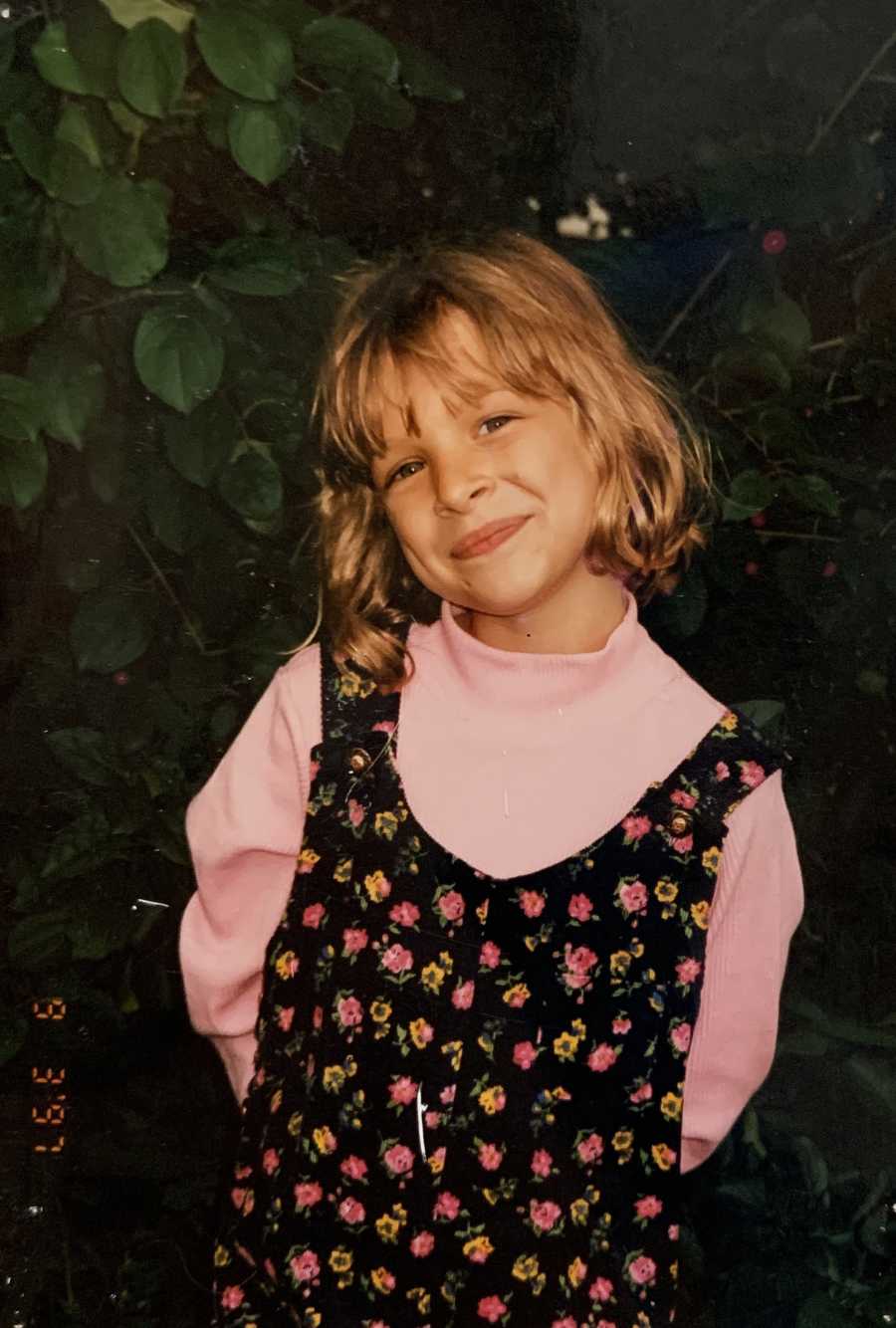
I thought back to myself at six, plagued for years by the memory of ‘buttery teeth.’ Those words shaped me for decades, quietly influencing my confidence. And now I had the chance to change the story for my daughter. To ensure that when she remembers Rico, she won’t remember his words as defining her. She will remember that she is kind, brave, courageous, strong, beautiful, and so very special.
Because we’re going to keep saying those words. Together. Every night. And in twenty-four years, she will carry them with her—far louder than anything a bully could ever say.”