“It’s all right, it’s OK, I’ll get away from him someday. It’s all right, it’s OK, I’ll get away from here someday.”
When I was in middle school, I started writing a book. It centered on a little boy with an abusive, alcoholic father. Whenever his dad’s drunken rage erupted, the boy would lock himself in the bathroom and quietly repeat this chant to survive the moment. Oddly enough, this story was not a reflection of my own childhood. I grew up with two loving parents, both teachers, and my dad was a respected basketball coach in our community. My parents divorced when I was in sixth grade, but I didn’t experience trauma, neglect, or instability. I never wondered where my next meal would come from, and I always felt safe.
Even now, I wonder why I was drawn to write about alcoholism and escape at such a young age. I think, somehow, I already sensed that my brain worked differently. Maybe I envied that boy’s ability to mentally check out when things felt overwhelming. Whether real or imagined, I often felt like I didn’t quite belong anywhere. Looking back, I know this feeling likely stemmed from my mental health rather than the people around me, but at the time it left me constantly feeling like I was either too much or not enough.

I had my first drink in middle school. A friend and I snuck vodka into our sodas, probably not much, but enough to feel it. I remember my arms feeling lighter, the uncontrollable laughter, and peeing into a cup in the closet so her parents wouldn’t notice multiple bathroom trips. I remember calling boys and laughing for hours. What I didn’t realize then was that, for the first time, the constant noise in my head had gone quiet.
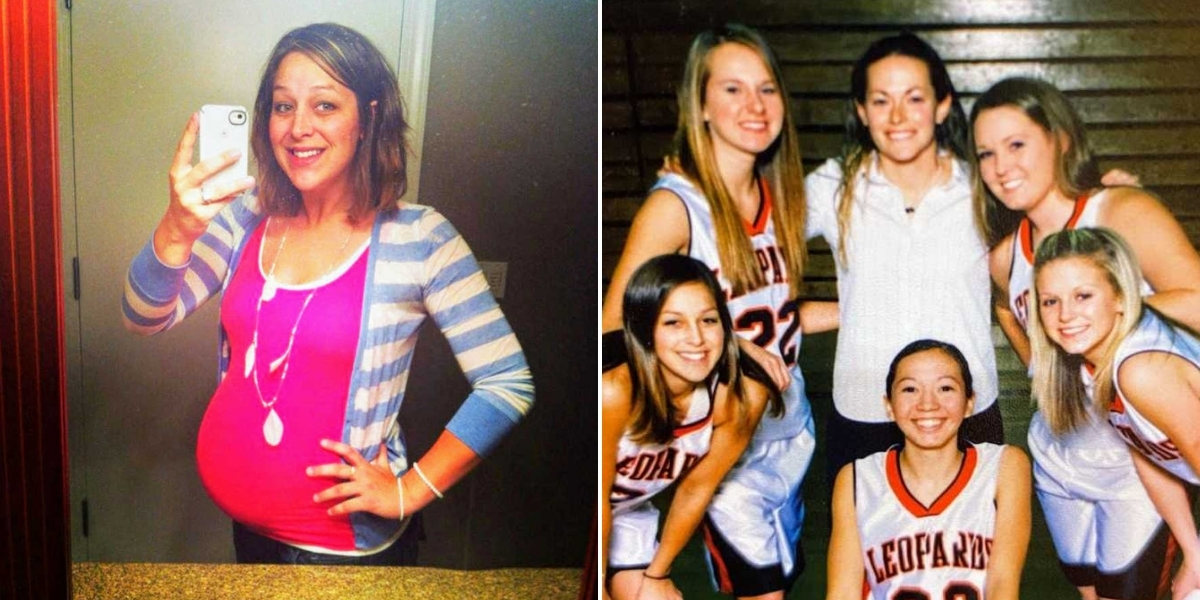
I didn’t immediately spiral into chaos. I was a fairly good kid—played three sports, earned A’s and B’s, and stayed involved in student leadership throughout high school. I learned early, though, that as long as I looked responsible when people were watching, I could justify drinking, smoking, and vandalizing when they weren’t. Weekend drinking felt manageable because I still had structure. But after graduation, all of that disappeared. My hometown felt like “Cheers”—everyone knew my name, and that familiarity carried both comfort and risk.

College changed everything. Suddenly, there were no mandatory practices, no expectations, no one checking in. I was free, invisible, and deeply lonely. During my first fall quarter, I tried cocaine. The first high felt different from anything else—clear, quiet, and oddly grounding. A few days later, I landed in the hospital with alcohol poisoning after a weekend of not eating, not sleeping, and mixing vodka with energy pills to push through exhaustion.
I don’t remember that night, only what I was told: I passed out in the dorm bathroom wearing someone else’s pants. When the medics asked my age, I joked, “Not old enough to drink.” I was humiliated and ashamed. I apologized to everyone, wrote letters, and genuinely wanted to do better. But addiction is strange. Hearing stories about my behavior felt like watching someone else from above. I laughed it off publicly while privately wondering why I couldn’t just be normal. Robin Williams once said, “As an alcoholic, you will violate your standards quicker than you can lower them,” and nothing has ever felt more accurate.
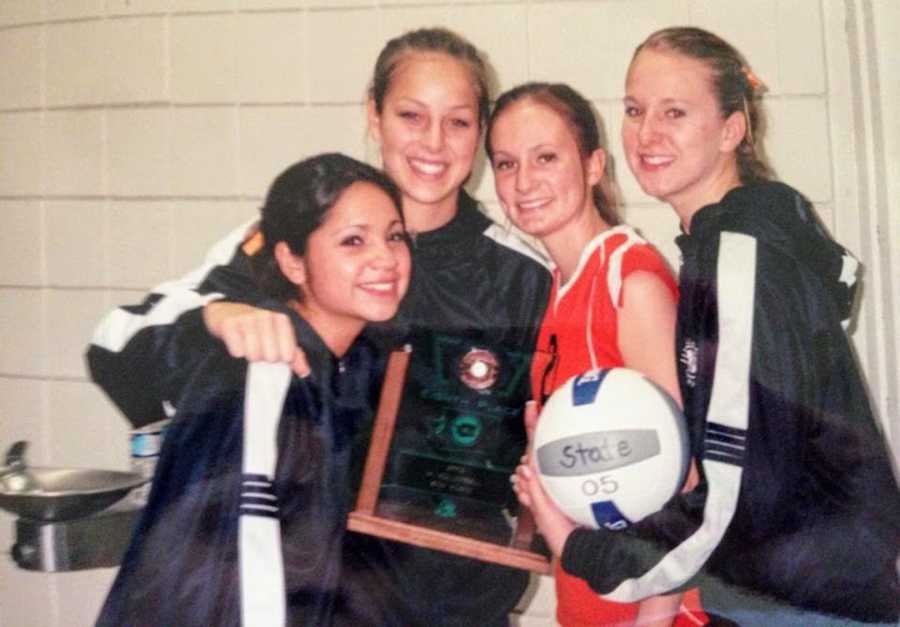
Over the next two years, I kept my grades up to ease my parents’ worry while living a double life. I found myself surrounded by drugs, befriending dealers, convincing myself charm could protect me. Eventually, the switch flipped—the party stopped being fun, and I became the mess. I hurt people I loved and embarrassed myself repeatedly. After blacking out and waking up half-naked at a stranger’s house, I attended my first AA meeting at nineteen and decided to run. I moved to Seattle, hoping proximity to my siblings would somehow keep me safe. But addicts tend to find other addicts.
Even in recovery spaces, we gravitate toward those who “get it.” I didn’t do the work on myself, and I didn’t truly believe sobriety could make me happy, so I found a new crowd just like the old one. I did, however, find a mostly sober boyfriend, which felt like proof I was trying. One night at a Mariners game, I disappeared. I woke up in a cab on the way home, unaware that my friend had spent hours panicked, searching downtown, eventually finding me passed out. Moments like that added up, and I knew something had to change.
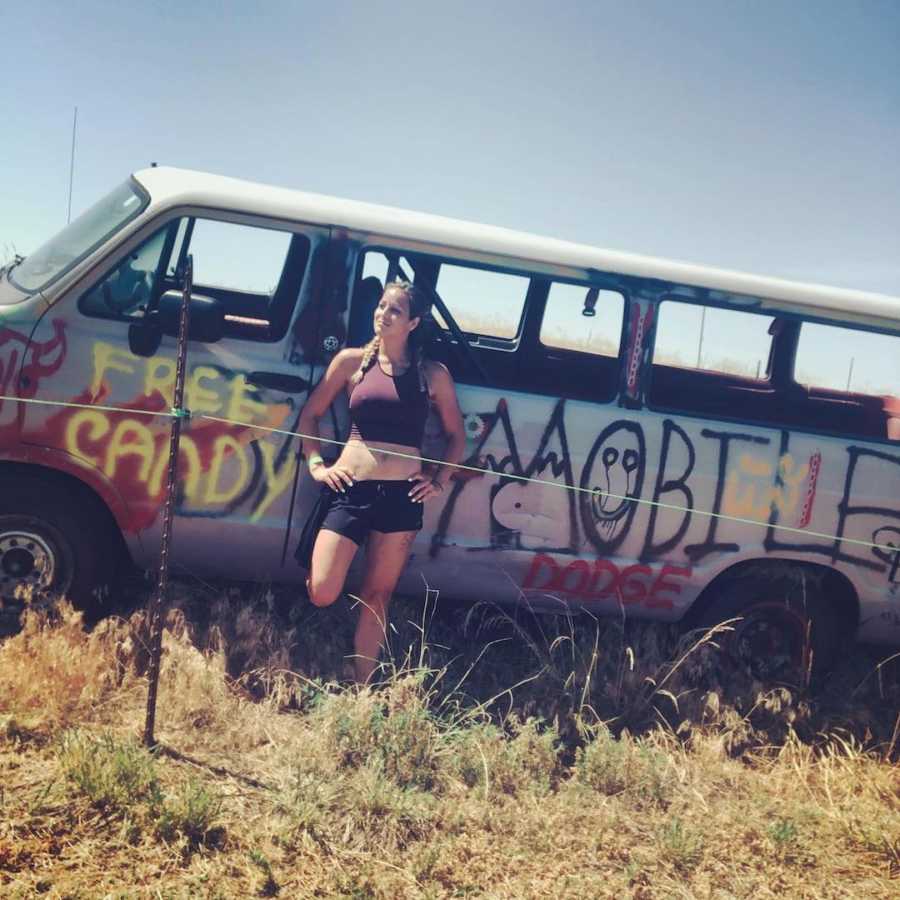
I tried cutting back. Working nights helped, structure helped—until it didn’t. One night, my shift was canceled, and I sat frozen, debating whether to drive to the liquor store. Within seconds, I was sprinting to my car. The high began before the first sip. I bought vodka and tequila, took a swig in the parking lot to calm my nerves, and knew, finally, without denial, that I had a problem. Six months after my 21st birthday, I checked myself into rehab.
Rehab gave me confidence, but not tools. I came home irritable, lonely, and deeply sad, convinced sobriety had revealed a miserable version of myself. Wanting unconditional love, I made a reckless decision—I got pregnant. The relationship wasn’t stable, but we tried. Anxiety followed, then therapy, and eventually I moved home while pregnant. That move led to one of my greatest blessings: my first son.

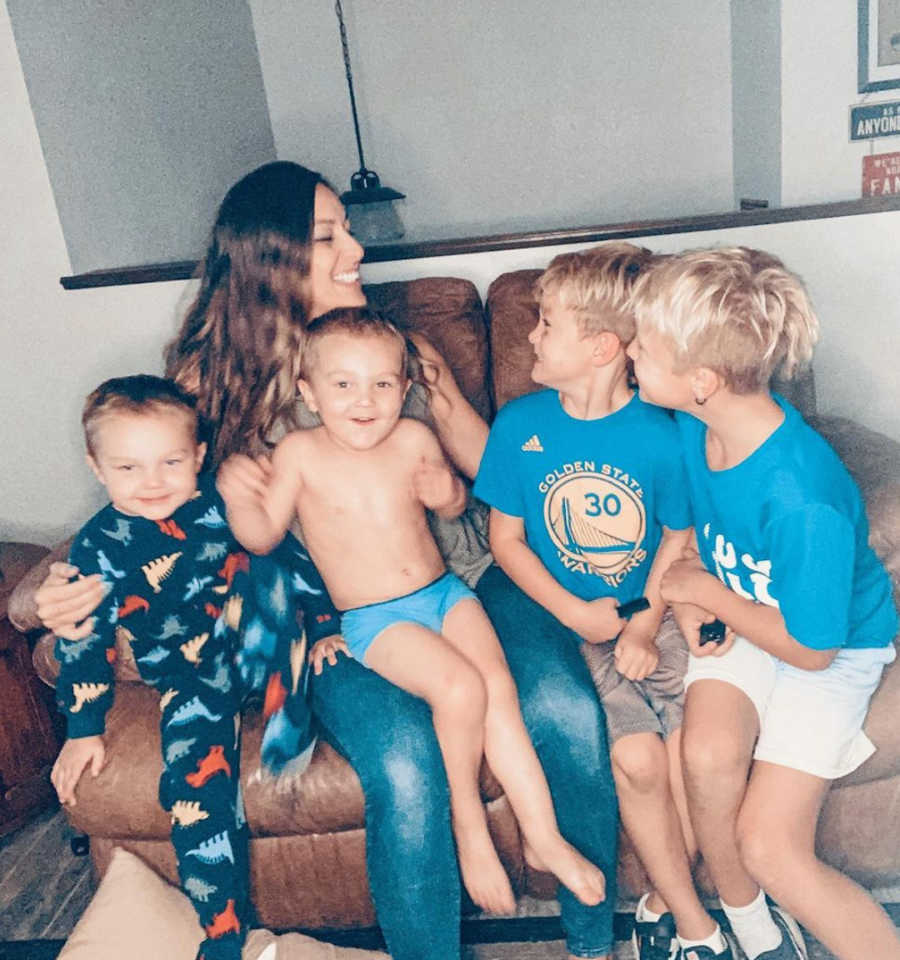
Motherhood helped—for a while. I drank less, stayed sober longer, but once I started, I couldn’t stop. I filled my life with distractions: marriage, school, internships, another child. I lived two lives successfully—until I got a DUI after I stopped breastfeeding my second son. The shame, the cost, and the reality hit hard. I stayed sober for five months, then convinced myself I could drink again. That belief kept me trapped for years.
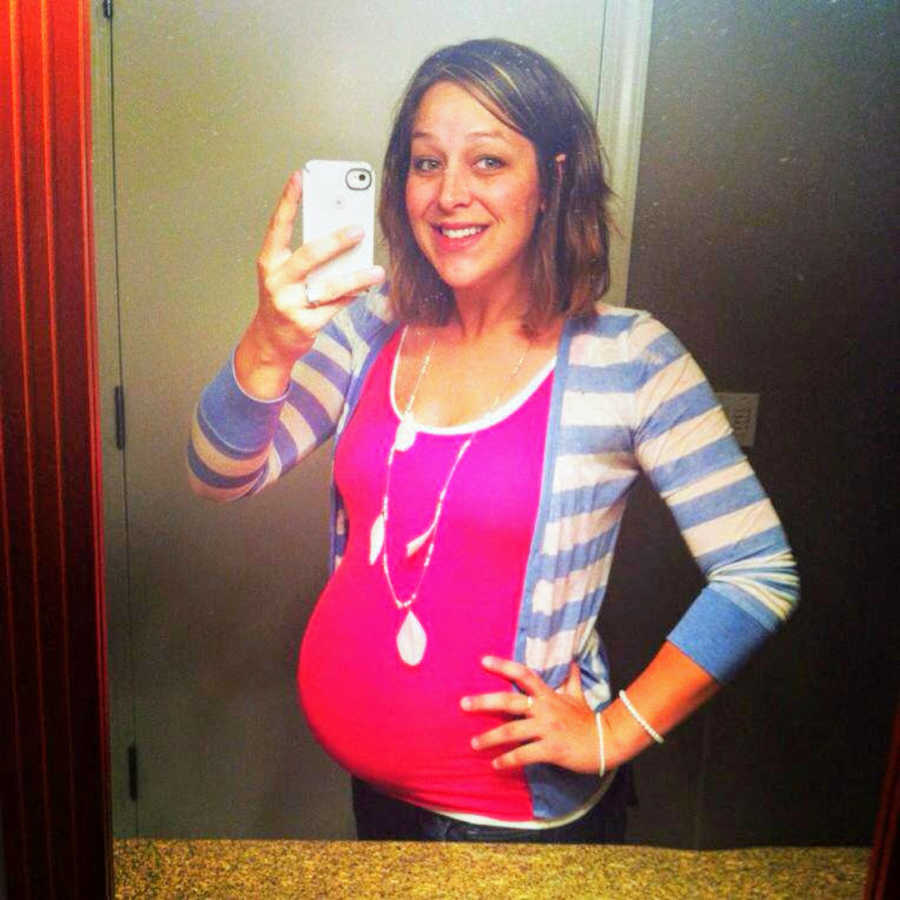
Another pregnancy came—twins. I stayed sober while pregnant, but relapsed afterward. Postpartum depression crept in quietly. I loved my babies, but felt disconnected, just surviving. A week after their first birthday, I finally surrendered. After a relapse that ended in a three-day bender and a breakdown at work, I felt utterly hopeless. For one terrifying moment, I believed my family would be better off without me.
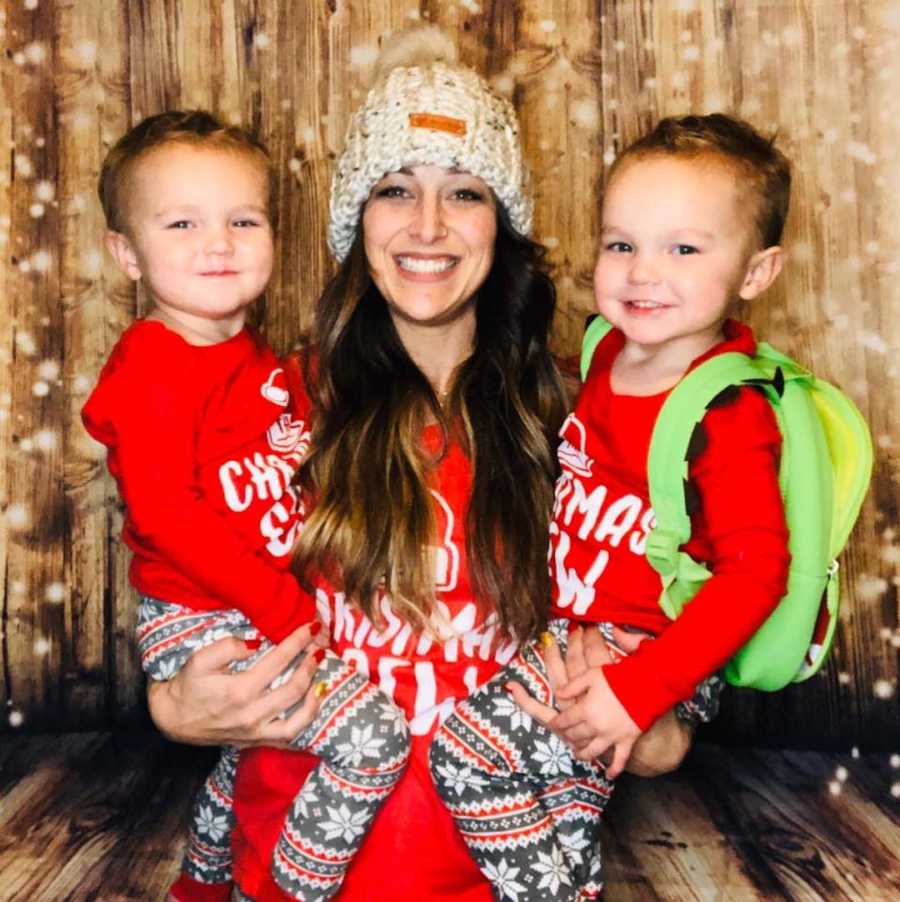
But that wasn’t the end. That was the surrender.
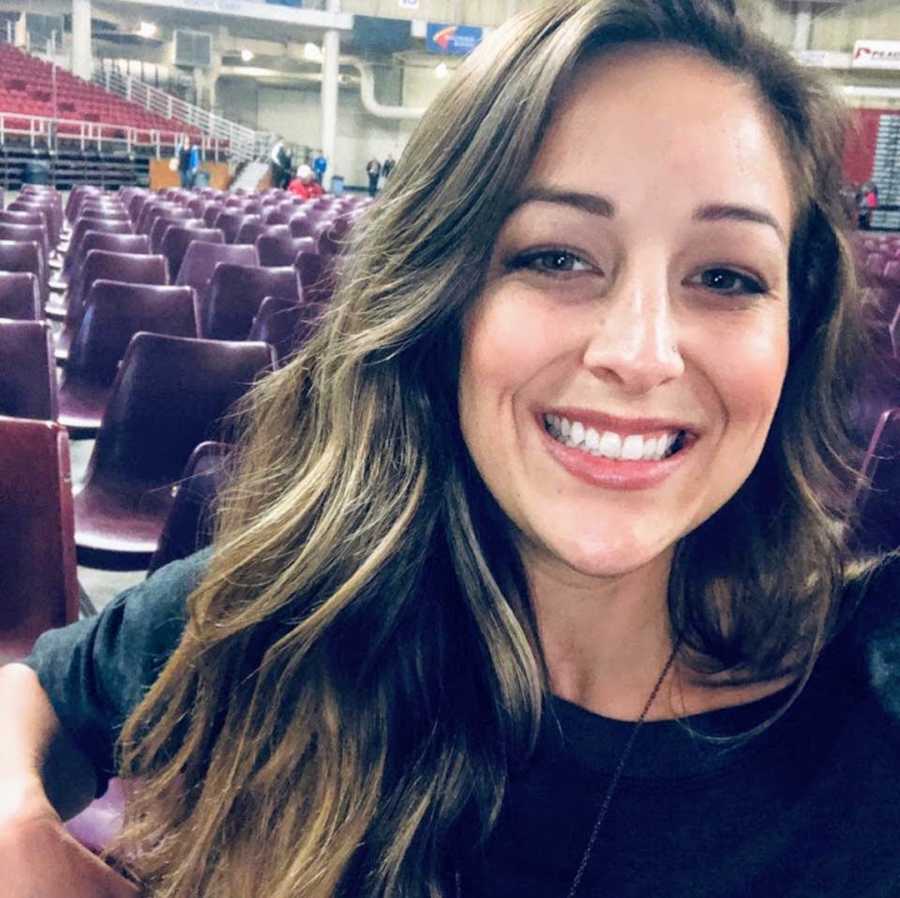
Today, I have over 2.5 years sober. Recovery hasn’t been perfect, but it has been honest. I am grateful—even for the addiction—because it forced me to know myself deeply. If you’re still struggling, please hear this: you are not alone. Your feelings are valid, but the lies addiction tells you are not. There is help. There is hope. And you are worth it.