When I was first asked to write about my experiences parenting two children with ADHD, I felt a surge of excitement. I’ve wanted to share my story for about ten years, but being an expert procrastinator and naturally private made it feel almost impossible. I’m not embarrassed or ashamed of my journey, but I am anxious about finding the right balance—sharing honestly without oversharing, being heartfelt without melancholy, and keeping the humor light enough that my Mum could read this without shock! But here we are, and I think it’s time.
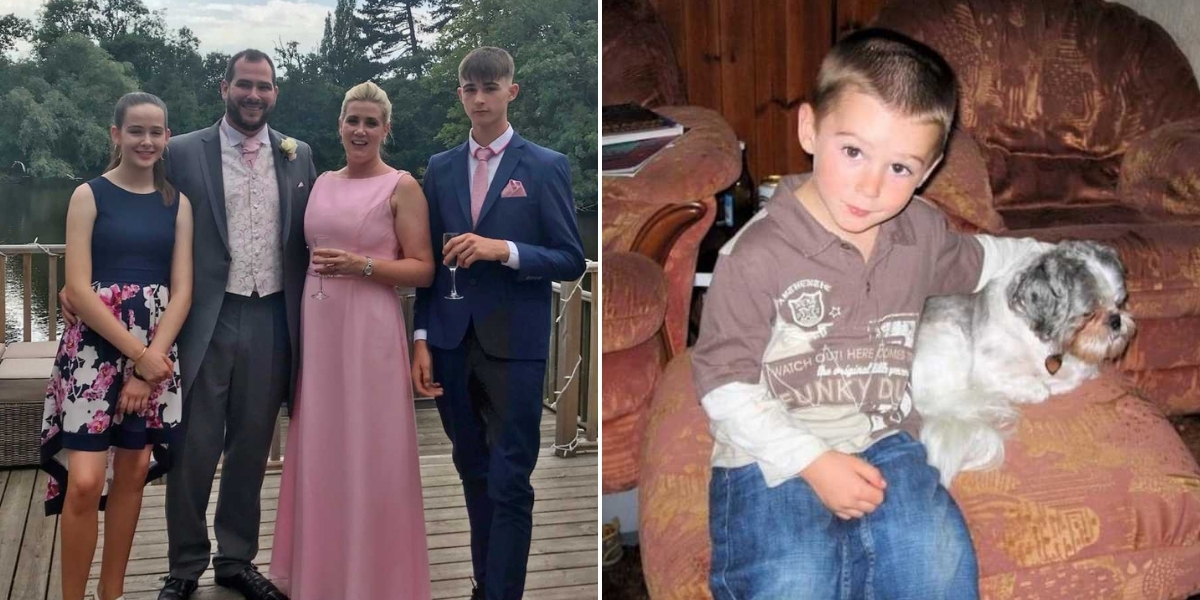
My son turned 18 at the start of January—a milestone I honestly wasn’t sure we would reach all in one piece, or together. The last 18 years have been far harder than I ever imagined. Life certainly didn’t follow the plan I had envisioned. My marriage nearly ended multiple times, I’ve experienced deep mental health crises, my eyes bear circles no miracle cream could fix from sleepless nights and endless tears, my physical health has been affected, I’m constantly exhausted, and yes, I probably drink a little too much.

Yet, through the struggles, trauma, and exhaustion, I discovered something remarkable: I am resilient, a warrior queen of my own story. I’ve gained knowledge through parenting courses, classes, books, and research. I am blessed with a network of friends and family who are always just a phone call away. These experiences have shaped me into a better, kinder, more patient person—someone who can remain calm when crises arise, whether at home or in my work in early years education. The last 18 years have taught me that so much is out of our control, and the only way to cope is to ride the wave, steady and unshaken.

My son, R, was born in 2003. I was 22, overwhelmed with love and excitement. Being a mum was pure joy. That first year, R hit all his developmental milestones early—running at nine months and speaking with a vocabulary far beyond his age by the time he turned one. He was endlessly energetic, full of mischief, and impossible to sit still—except when strapped into his highchair, eating. Meal times became a precious moment of respite.

Then he discovered climbing. Oh, how he climbed! Any opportunity was a chance to scale walls, furniture, and anything in between. I often joked he had Spider-Man’s sticky fingers. But as every parent knows, what goes up must come down—and R’s preferred method of descent was jumping. I’ve lost count of the times I held my breath, rushing to catch him, but somehow, like Spider-Man, he always landed on his feet.
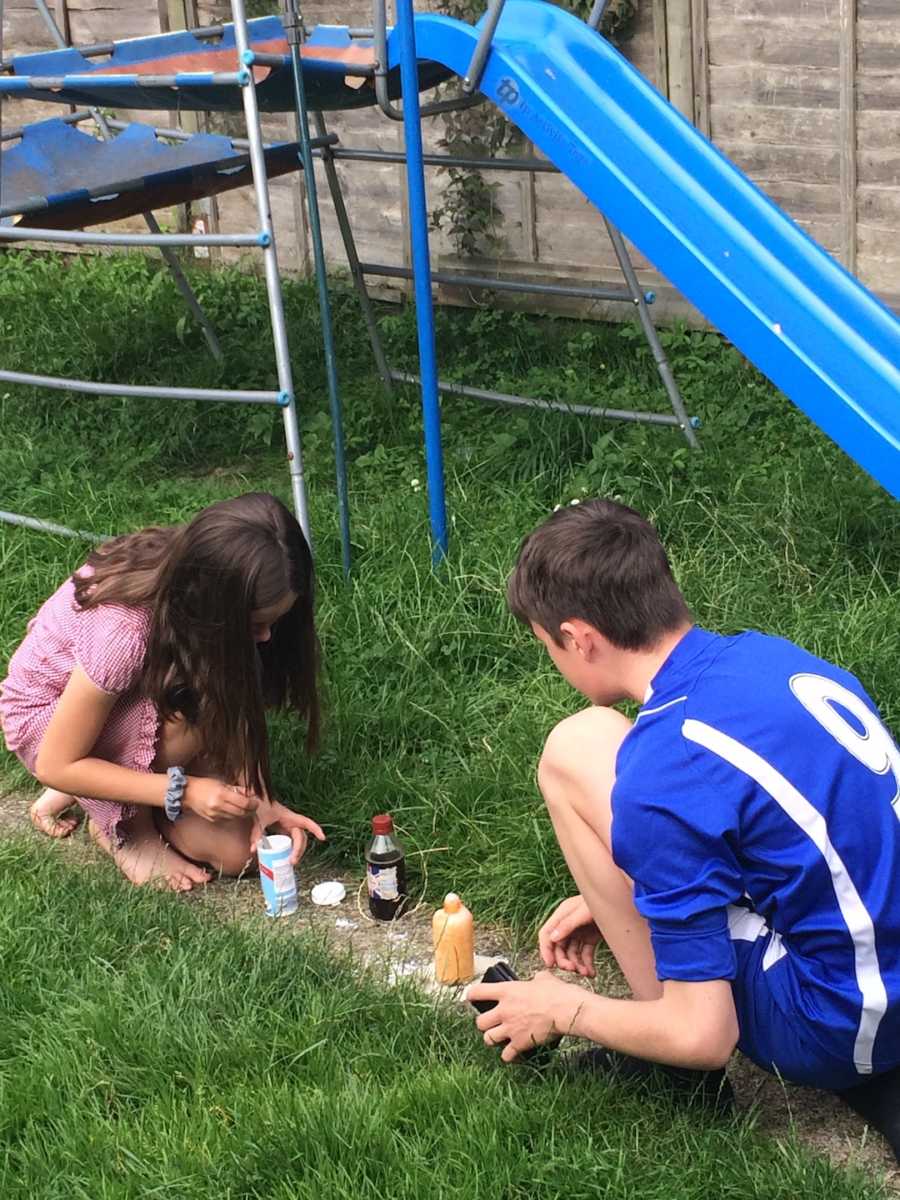
As the years passed, parenting R became less about fun new experiences and more about risk assessment, vigilance, and constant supervision. He was diagnosed with pediatric asthma, frequently struggling with chest infections and breathing difficulties. Did that stop him? Absolutely not. We’d sit in doctors’ offices debating whether to call an ambulance while he ran around the room, climbing furniture or attempting escape. Looking back, I realize his ADHD actually helped him. His relentless activity strengthened his body, preventing him from succumbing to illness in ways that might have been unavoidable otherwise. My GP and I often joked that if R ever slowed down, I’d be dialing 999 immediately.
By the time R was two, I was worried about his unending energy and need for constant stimulation. Sleep had become scarce, and no combination of discipline or rewards seemed to work. Feeling frustrated, I booked an appointment with the health visitor. She reassured me he was bright and fine—but during that appointment, R ran out of the room multiple times, forcing her to lock the door. Once locked, he ingeniously pulled drawers from a filing cabinet to climb. I left embarrassed, exhausted, and defeated.
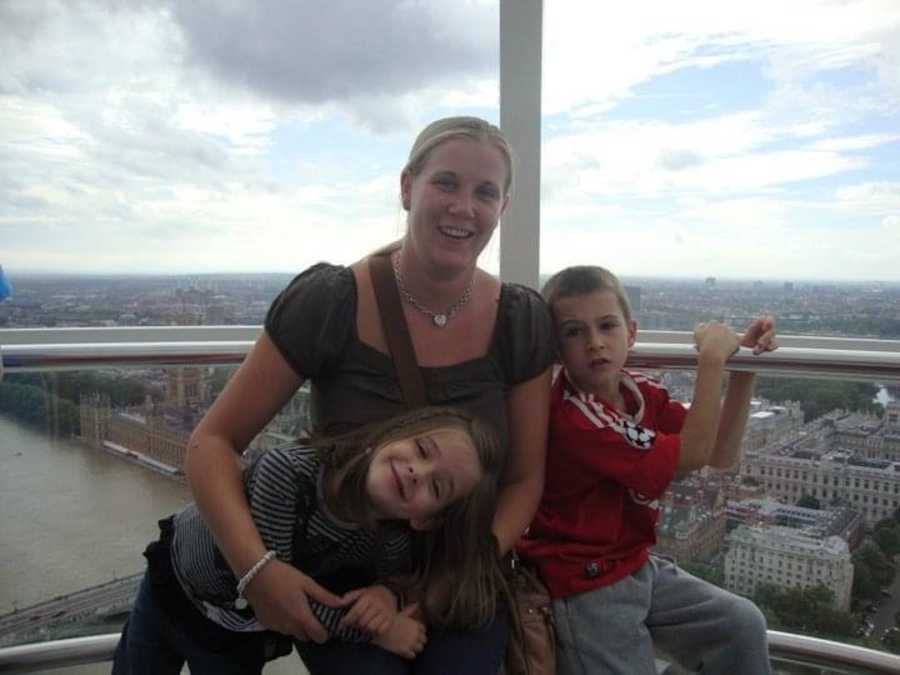
R’s antics extended beyond appointments. One day, on a walk to the supermarket, I abandoned the buggy because he would escape from it anyway. At the checkout, he loudly asked, “Why is that lady so fat?” The floor did not swallow me. The lady glared, I stammered, “We’ll talk about this later,” and we left. Once home, I calmly explained why it was unkind. R looked at me seriously and said, “But she was fat.” That was R—unfiltered, endlessly curious, and always honest.
While working as a nanny, I could bring R along, but navigating toddler groups and public spaces was challenging. Tall for his age and articulate, people often assumed he was older, and he barreled through life like a bull in a china shop. But R was charming too. Most adults warmed to him, even in chaos—but not all. I still carry the memory of a parent at soft play telling me, “I don’t care. He’s a horrible little boy.” He was two. My heart shattered, and parts of it never fully healed.

Eventually, R was assessed for ADHD. After a rough first appointment that left me in tears and our parenting blamed, we found hope with a supportive nursery teacher and GP. After several appointments, the diagnosis came: ADHD at four years old.
We chose medication to help R, particularly at school, where his needs were most pronounced. His energy, impulsivity, and emotional intensity made education challenging—sometimes fantastic, sometimes disastrous. When unhappy, he would throw things, scream, swear, and try to escape. Nights were often sleepless, yet through it all, I’ve been his advocate, fighting for what he needs, being his voice.
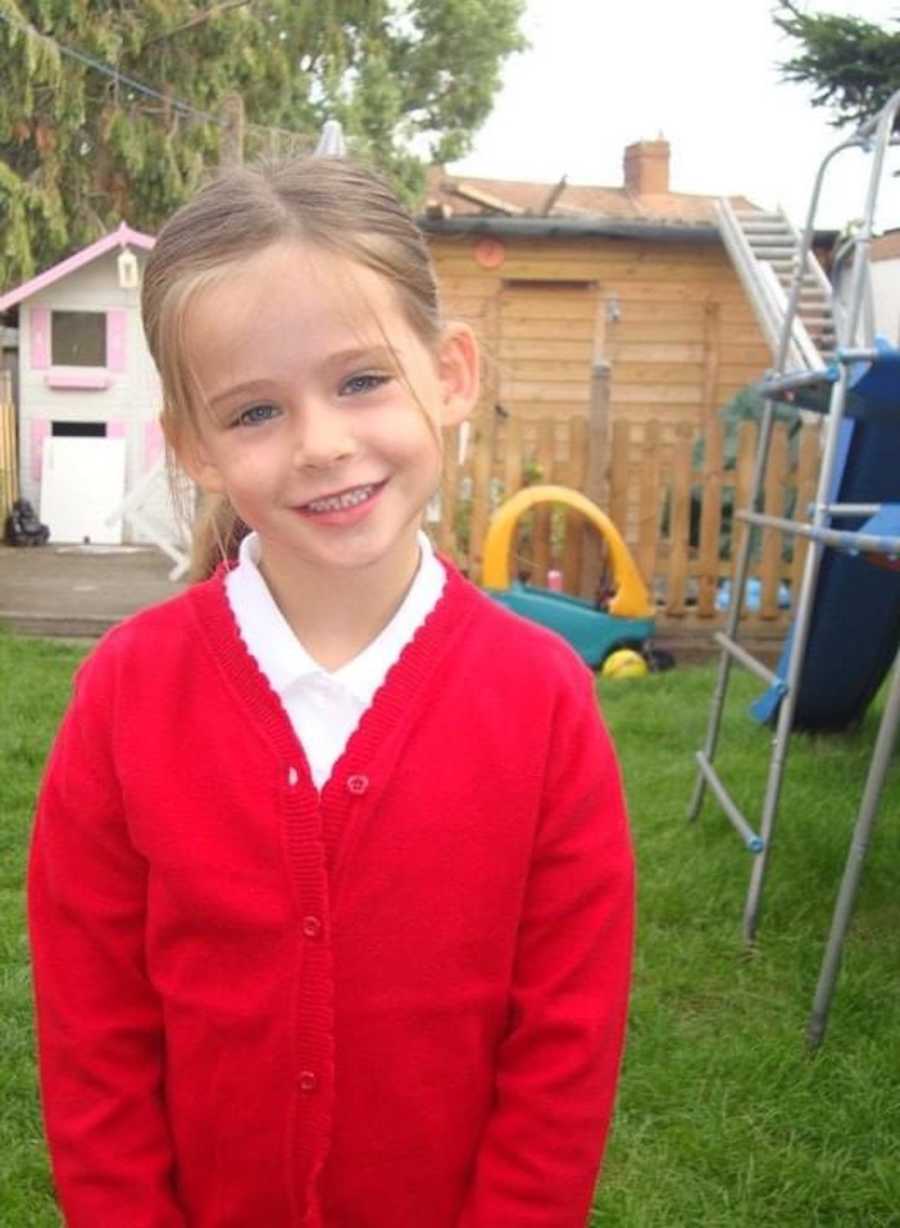
Then came my daughter, O, born in 2006. She was a completely different experience. Quiet, sweet, and laid-back, she met all milestones without fuss. Yet as she grew, it became clear she faced challenges too—handwriting, processing instructions, and maintaining focus. On a parenting course, I realized her traits mirrored ADHD in girls. The GP referral was quick, and O was diagnosed with Primarily Inattentive ADHD. Later assessments showed she wasn’t dyslexic but did struggle with processing information. Yet she amazes me academically and personally every day. We are navigating her medication journey together as school demands increase, and she continues to thrive despite challenges.

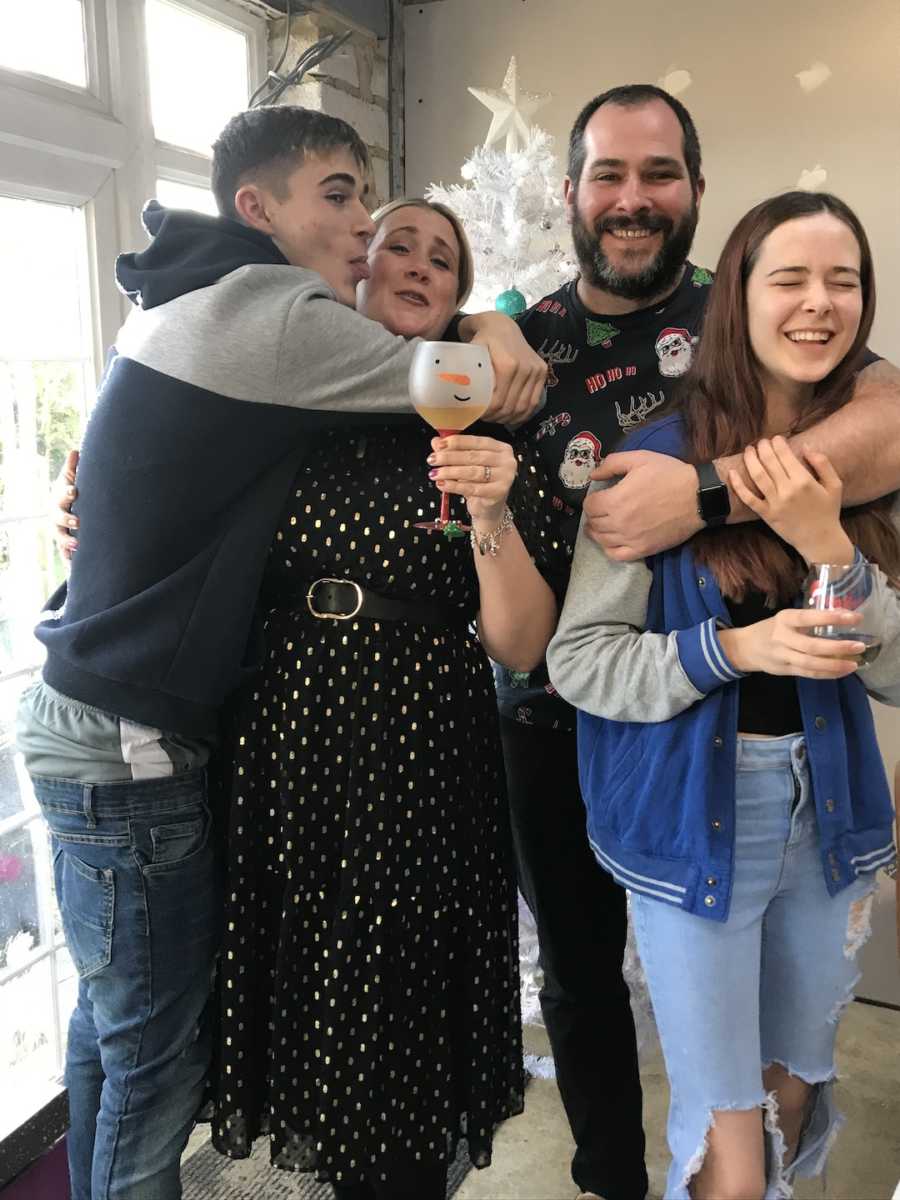
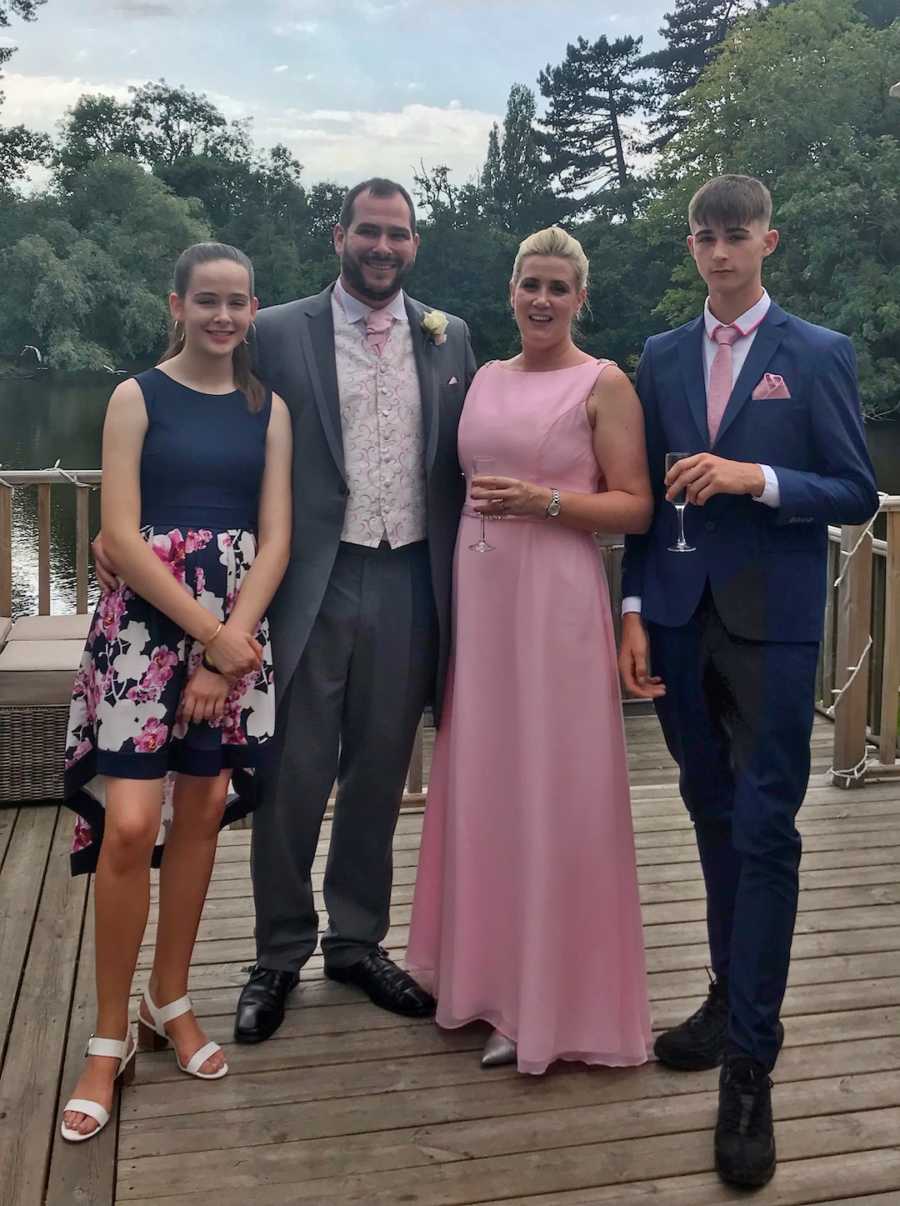
For those who doubt ADHD, I can assure you: it is real. Our home is filled with home-cooked meals, structure, discipline, and love. Meltdowns, tantrums, and chaos are part of our everyday. My children understand that ADHD is a disability, not an excuse. I am a relentless advocate, a mother constantly learning, teaching, and adjusting. At a recent family wedding, people marveled at my children. That moment—a parenting high—made every struggle worth it.
Am I perfect? No. Far from it. I mess up constantly. But I always try again. Parenting two teens with ADHD—one now legally an adult—is a walk in the park if that park is Jurassic Park. Quick thinking, agility, humor, and thick skin are essential. Children with ADHD will challenge you, embarrass you, and test your patience. But if you meet them with love, advocacy, and resilience, you will see the spark, the mischief, the brilliance beneath the chaos.
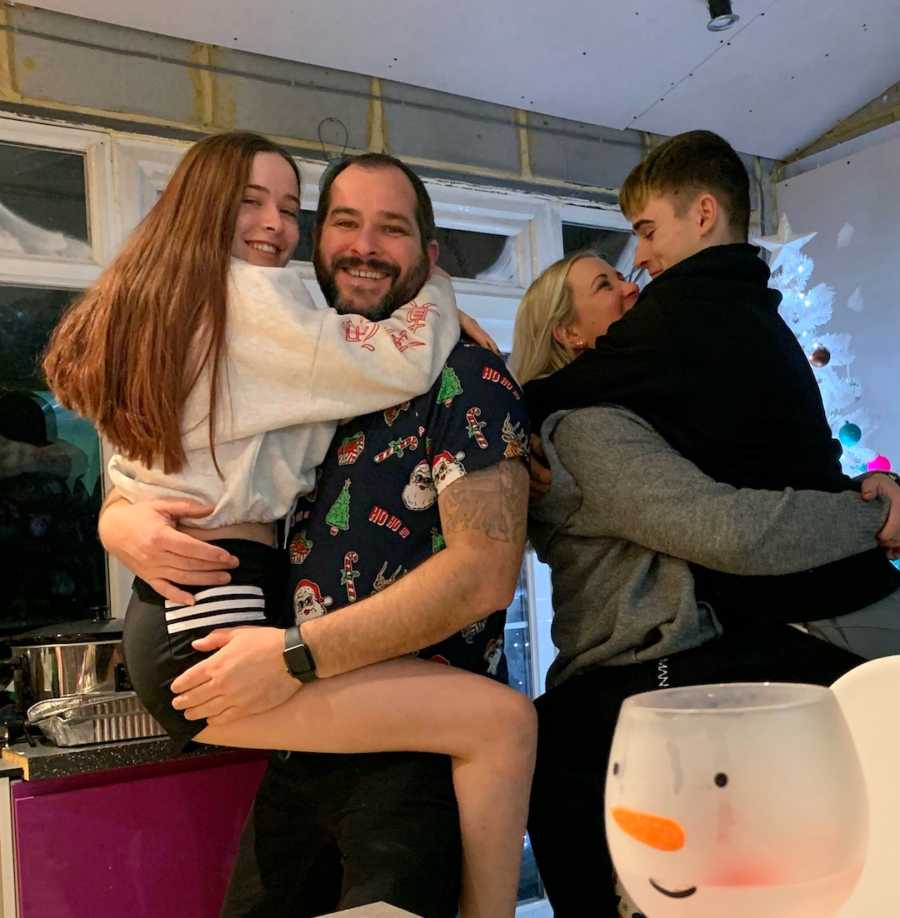
Welcome to our beautiful, messy, wonderfully imperfect chaos.