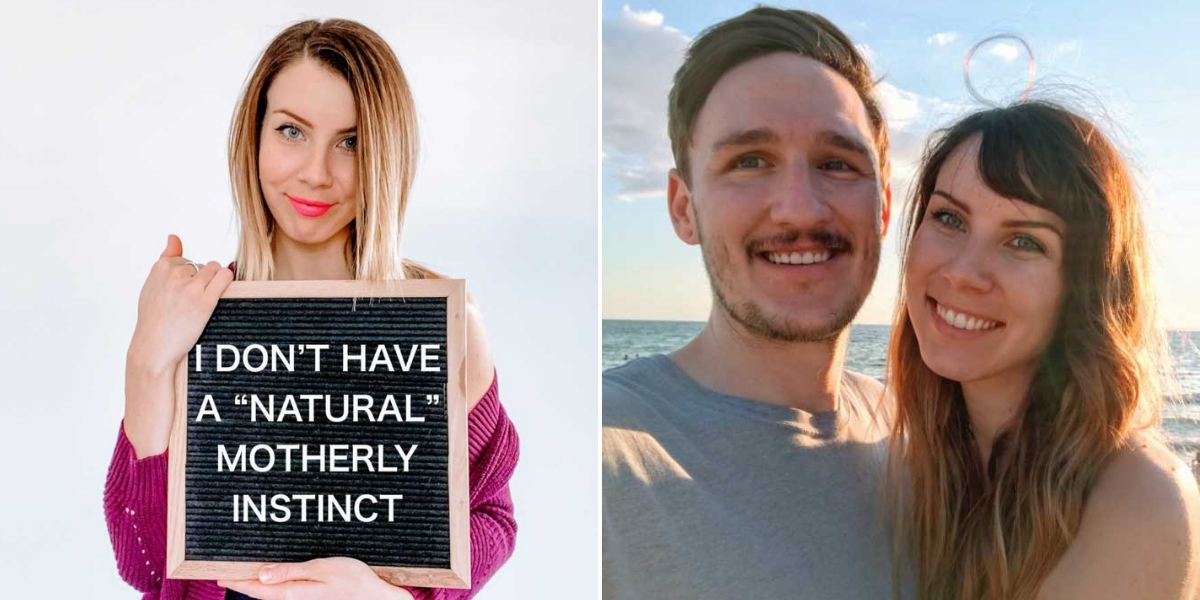
I’ve never had what people call a “natural” motherly instinct, but I’ve come to realize I am still a good mom. Before having kids, I never felt entirely comfortable around them. Sure, I thought babies were cute, but I never knew how to act around them. How do you hold them? Should I make funny faces? How do you change a diaper? And what do you do when they cry? For most of my life, I avoided being around babies altogether. I even tried babysitting as a teen, but I didn’t enjoy it the way some of my friends did. That uncertainty stayed with me as I got older, and when I started thinking about having children of my own, I couldn’t help but wonder if I’d ever be able to do it. I was honestly uneasy at the thought of caring for kids, even my own nieces and nephews.
A couple of years after my husband and I got married, we started thinking seriously about having a baby—it just felt like the next step in our lives. We tried for months, but nothing happened. After many failed attempts, we discovered I wasn’t ovulating. I began taking medication to help with ovulation, and after nine long months of trying, we finally received the news we had been dreaming of: I was pregnant. Excitement, relief, and joy all flooded us at once. We were going to be parents.

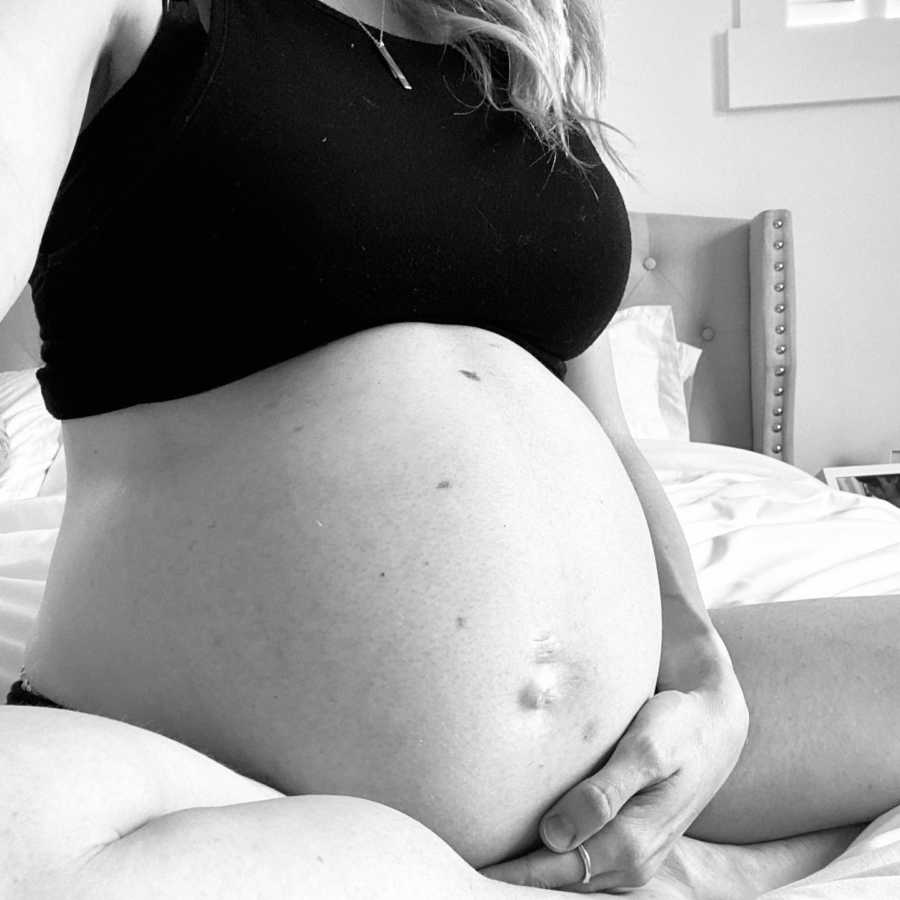
But as soon as that positive test appeared, waves of worry followed. How would I know what to do? I read countless parenting books, trying to prepare myself for every scenario. I confided in a few people about my fears that I lacked maternal instinct, and each of them assured me the same thing: “You’ll just know what to do once the baby is here. Mama always knows best.”
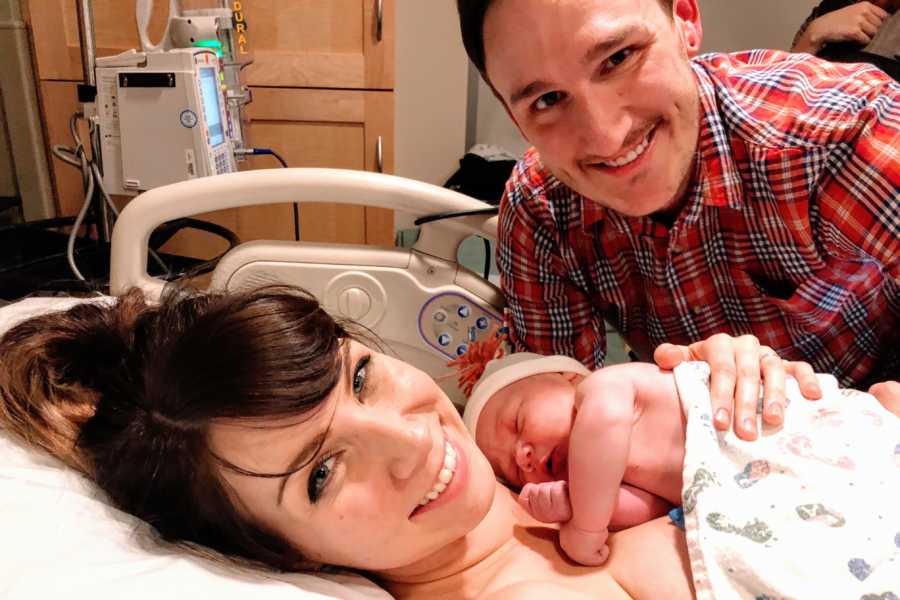
When my daughter Harper was born on October 23, 2017, it was the most incredible day of my life. She arrived ten days early after my water broke. After being admitted to the hospital, I was terrified—not of labor itself, but of what came after. Ten hours later, holding her in my arms, I was filled with joy, yet still unsure of what to do. The first time she cried after the nurses left, I looked at my husband and whispered, “What do we do?” Neither of us had a clue. We tried rocking her, nursing her, changing her diaper—but nothing seemed to soothe her.
Those first nights were a blur of joy and fear. I was thrilled to have her in my life, but I felt completely unprepared. Breastfeeding was especially painful, and despite my best efforts, latching never felt right. Pumping and bottle feeding were exhausting when sleep deprivation had already taken its toll. I kept asking myself, “Why can’t I do what other moms seem to do effortlessly?”
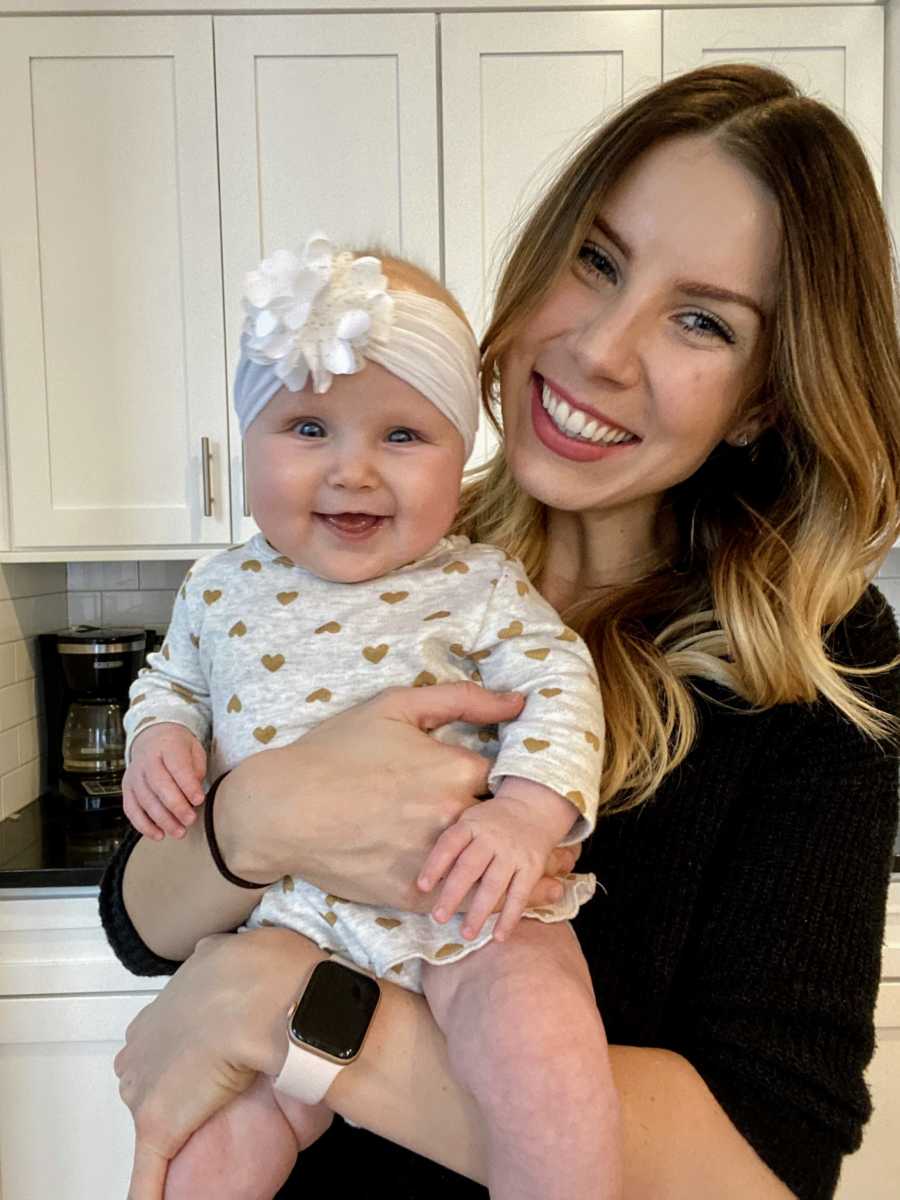
On top of that, Harper had severe colic. I had no idea at the time that her intense crying was due to colic. I voiced my concerns to her pediatrician, who dismissed them, saying all babies cry. I internalized it, believing I was doing something wrong. It wasn’t until connecting with other mothers later that I realized colic was common, and that there was an entire community of moms navigating the same struggle. Those early days, I constantly questioned myself: “Why can’t I stop her crying? Am I failing her?” Meanwhile, social media made it worse. Seeing other moms’ seemingly perfect lives made me feel even more inadequate. I hadn’t showered in days, I barely recognized myself in the mirror, my marriage was strained, and I barely left the house. Eventually, I was diagnosed with postpartum anxiety and began therapy and medication, which slowly helped me regain my footing.
Therapy, time, and support taught me an important lesson: not all moms are naturals, and that’s okay. I started unfollowing Instagram accounts that made me feel inadequate and began following moms who shared the real struggles of motherhood—where it’s safe to say “I’m struggling” without fear of judgment. I even started my own account, honestly.kaitlyn, to document my journey—the highs, the lows, and the honest moments in between.
Now, Harper is three years old. I still don’t feel “natural” all the time, but I’ve learned to be okay with that. Motherhood is a constantly changing journey—just when you think you have one phase figured out, a new challenge emerges. We are currently navigating tantrums and boundaries, taking it one day at a time, and I feel confident in our approach, even if we’re not always perfect.
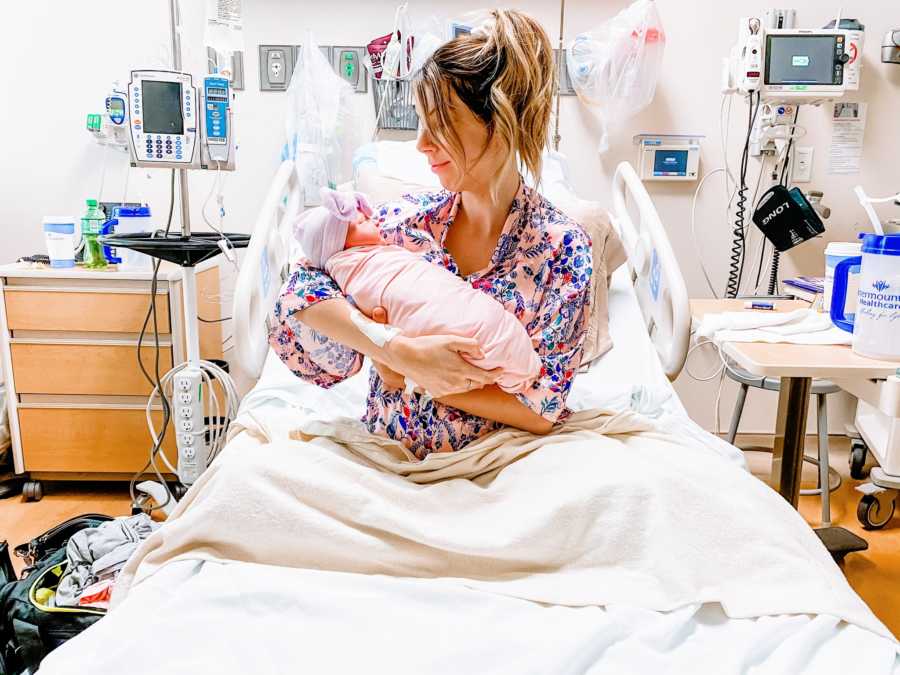
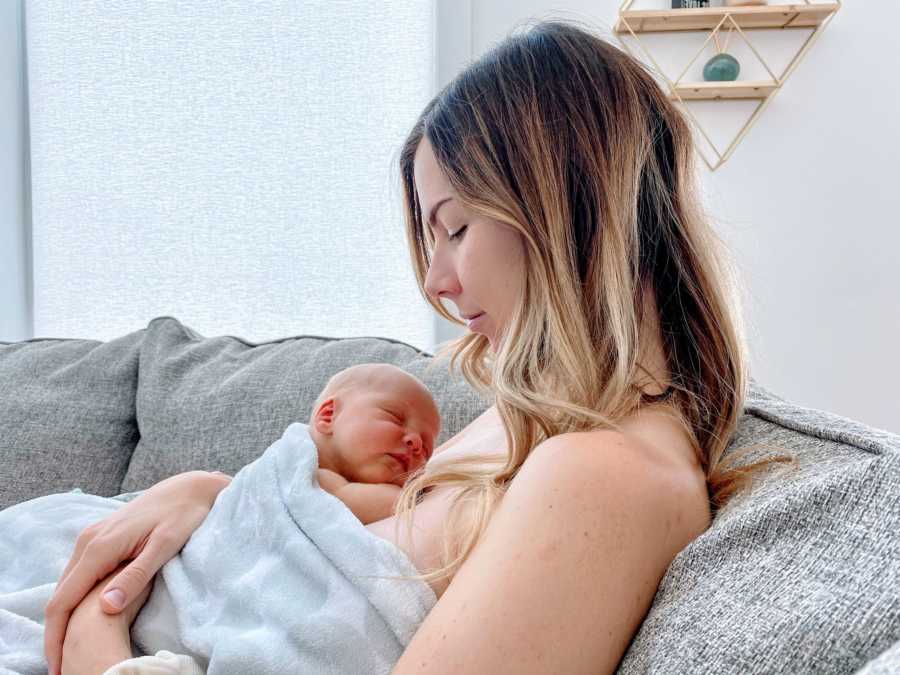
I also have a six-month-old daughter, Daphne. My second postpartum journey has been so much easier. Daphne didn’t have colic and is generally a happy baby, though we still face challenges like breastfeeding and nighttime wake-ups. What has made this journey smoother is adjusting my expectations. Accepting that I won’t always know what to do and that each baby is different has made all the difference. What works for one child doesn’t necessarily work for the next—and that’s completely normal.
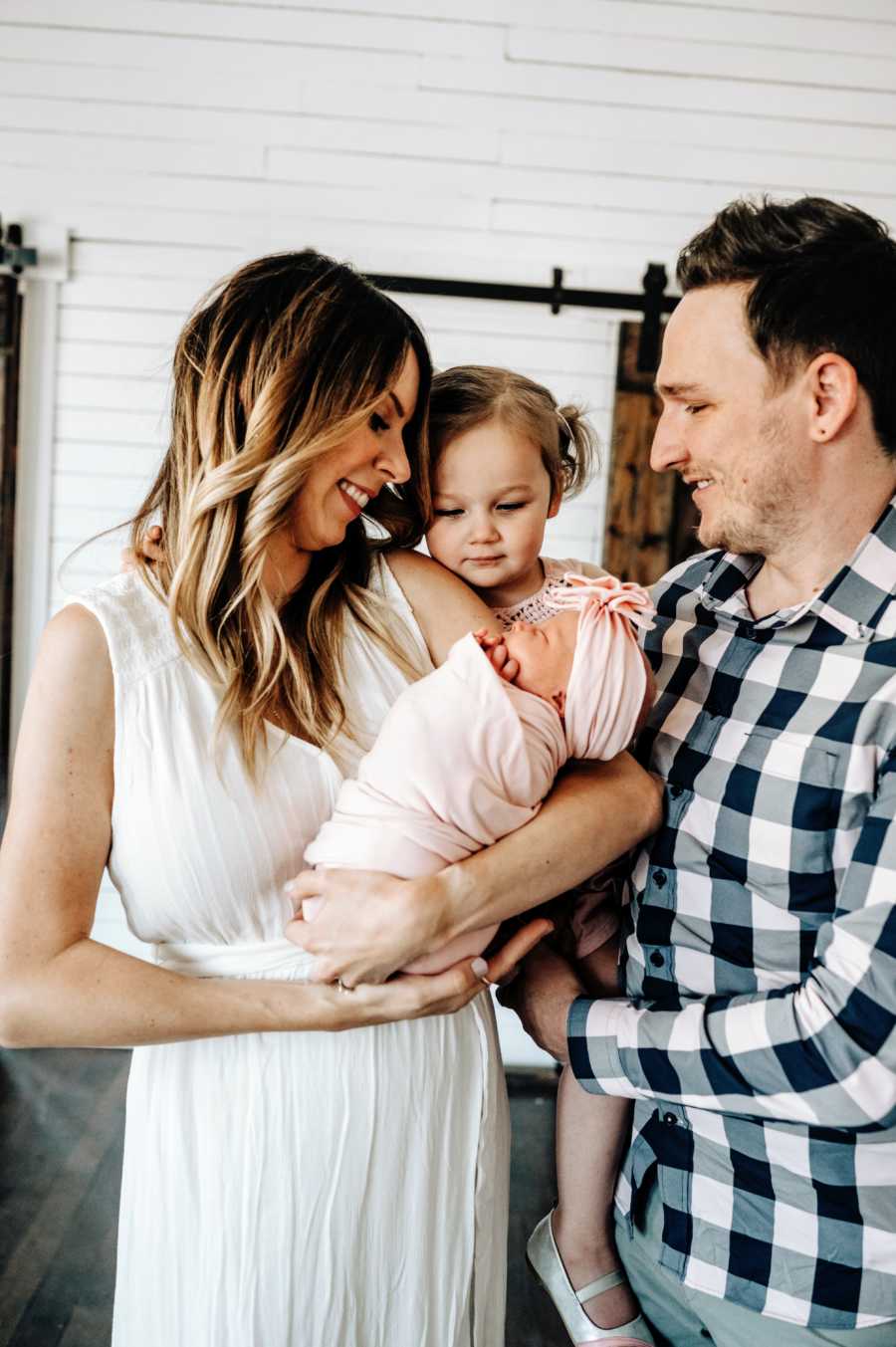
If I could offer one piece of advice to a new mom, it would be this: you won’t always know what you’re doing, and that’s okay. You will find what works for you and your baby, in your own way and on your own terms. Don’t compare your journey to anyone else’s. You are a good mom, even if it doesn’t feel natural every day.