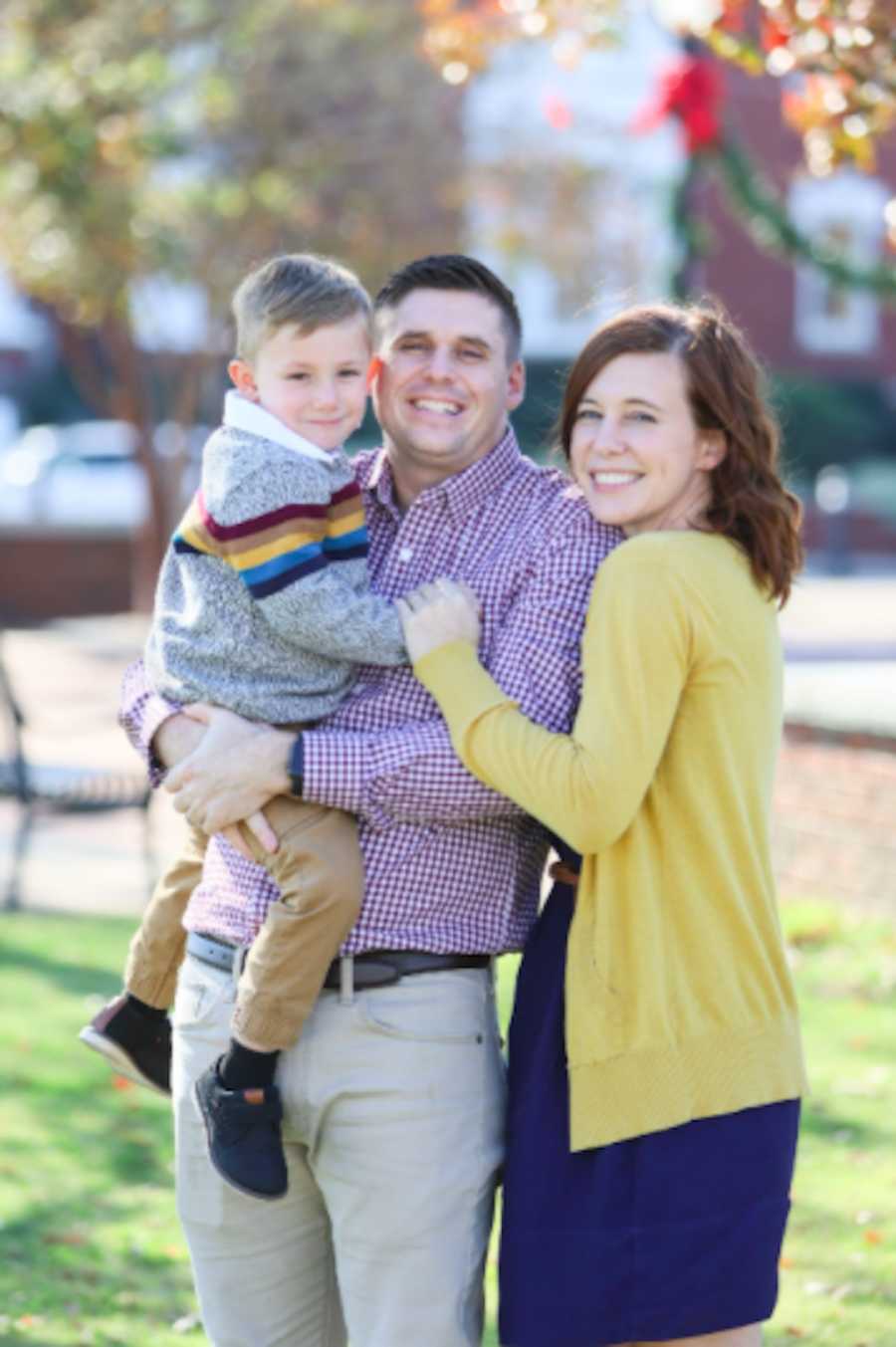
My knuckles were white as I gripped the steering wheel. My cheeks burned with a mix of anger, frustration, and embarrassment, and I fought to keep my tears at bay. Danny, my 6-year-old foster child, sat obliviously in his booster seat in the back, humming and gazing out the window. He was an unusually perceptive child—like so many in foster care—and I silently reminded myself to use the coping skills I had been teaching him whenever he began to feel overwhelmed: “Deep breaths, Malerie. Deep breaths.”
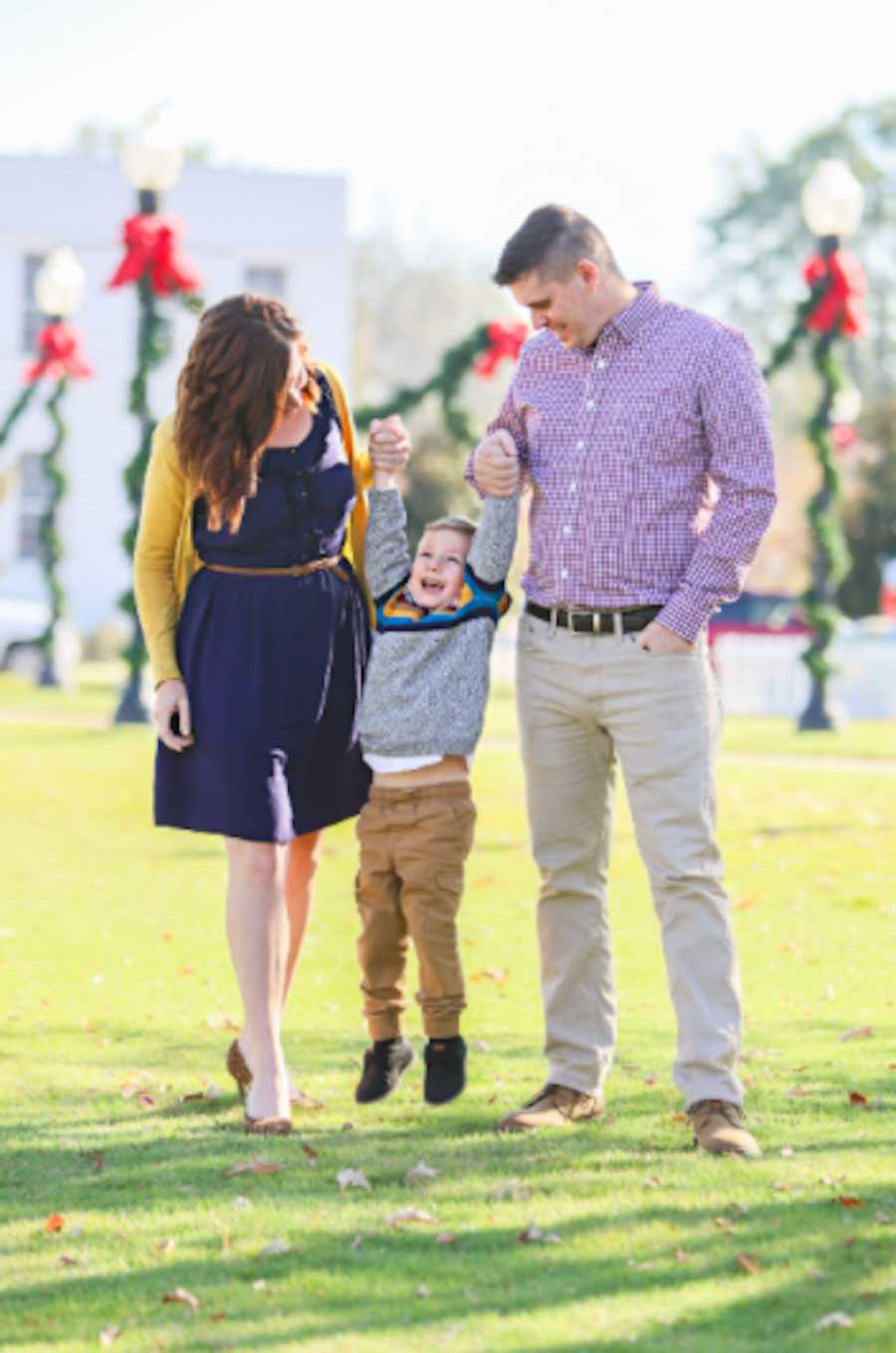
We had just left what might have been the shortest court date in the history of foster care court dates. Danny’s mother, who had been working hard toward reunification and eagerly awaiting his return, had driven three hours to attend. But this wasn’t a routine hearing. The judge had called us in response to a letter I had written. Danny’s court-appointed guardian ad litem had failed in her duties, as defined under Alabama law, and her neglect in following through on the judge’s ruling was directly harming him. After repeated attempts to get help from our local foster agency went unanswered, I had turned to the one authority I could—writing directly to the judge.
Court is intimidating, especially for a new foster parent. Danny was our very first placement, and when I first stood in that wood-paneled courtroom months earlier—surrounded by attorneys, the judge, his birth parents, and county officials—I felt impossibly small. I am bold and educated, but I was completely out of my element. I generally avoid anything that would place me in front of a judge. And now, because of my advocacy, I had been summoned back. Summoned.
As fate would have it, the juvenile judge I had addressed was out sick that day, and a substitute presided. He skimmed my letter and told me that guardian ad litems were in short supply in our area. Then he confirmed what I had already sensed: in our county, foster parents have little to no standing in the courtroom. Danny’s representation would remain unchanged. In less than five minutes, we were ushered out with what the court deemed “justice.” As I drove Danny back to school, a crushing wave of powerlessness hit me. I had taken my concerns to the most powerful voice in our county’s foster system, only to have them minimized and dismissed. The professional charged with advocating for Danny’s best interests had failed him, and no one seemed to care.
But if there is one thing I know about myself, it’s that I don’t give up in the face of injustice. This drive is what had led me to foster parenting in the first place—my husband and I wanted to open our home to vulnerable children, to love them, protect them, and support their families however we could. This courtroom experience only fanned that flame brighter. If I couldn’t get Danny what he needed within the system, I would have to find a way to change the system itself. As theologian Dietrich Bonhoeffer reminds us, “We are not to simply bandage the wounds of victims beneath the wheels of injustice. We are to drive a spoke into the wheel itself.”
I began researching ways to address systemic issues in child welfare, and repeatedly, my search pointed me toward public policy. Within a month, I had applied to Auburn University’s Ph.D. program in Public Administration and Policy, completed my GRE, and received acceptance to begin studies in the fall of 2019. What had started as a personal goal—to provide a loving home for a child—had transformed my entire life: my home, volunteer work, social media, daily conversations, and now my career ambitions were all intertwined with this mission. I had set out to change the life of one child, and in the process, my own life was being transformed.

If someone had told me ten years ago that I—perfectionist, overachiever, Type A, meticulous planner—would willingly embrace a life filled with heartbreak, unpredictability, and a complete lack of control, I would have laughed. When Danny returned to his mother after eight months in our home, a piece of my heart went with him. And yet, I am overwhelmed with joy whenever she updates me on his school achievements, recounts his wins on the football field, or sends photos of him smiling wide with a missing tooth. She is one of the strongest people I know, and she has built a beautiful life with him. I sit in the tension of grief and gratitude—mourning the loss of a child I loved deeply while rejoicing in his happy, thriving life. I am learning not to fear grief, but to embrace it as part of the messy, beautiful journey of foster parenting.
I am also noticing a shift within myself: my desire to be liked has faded in comparison to my desire to create change. Advocating for children and working to reform a broken system often puts you up against people who want to maintain the status quo. You can rarely be a world-changer and a people-pleaser at the same time. You must stand, sometimes trembling, in front of those with far more power and speak the truth. I find courage in remembering my why. I keep Danny’s photos close, not just to remember him, but as a reminder of the 445,000 children still in foster care across the nation who need advocates willing to fight for them.

After Danny left, my husband and I took a pause to heal. We returned to fostering, and during this season, met a child who unexpectedly became a long-term placement. In November 2020, amid the whirlwind of my Ph.D. program, my husband’s promotion, and a global pandemic, this special boy became our son forever. Foster care has rarely aligned with my preferred timeline, and it has rarely gone as planned. But I have learned that the safe, predictable life I once valued would have left me without some of the most profound, soul-stretching experiences and gifts of my life. These children, this work, and this journey have shaped me in ways I could never have imagined.