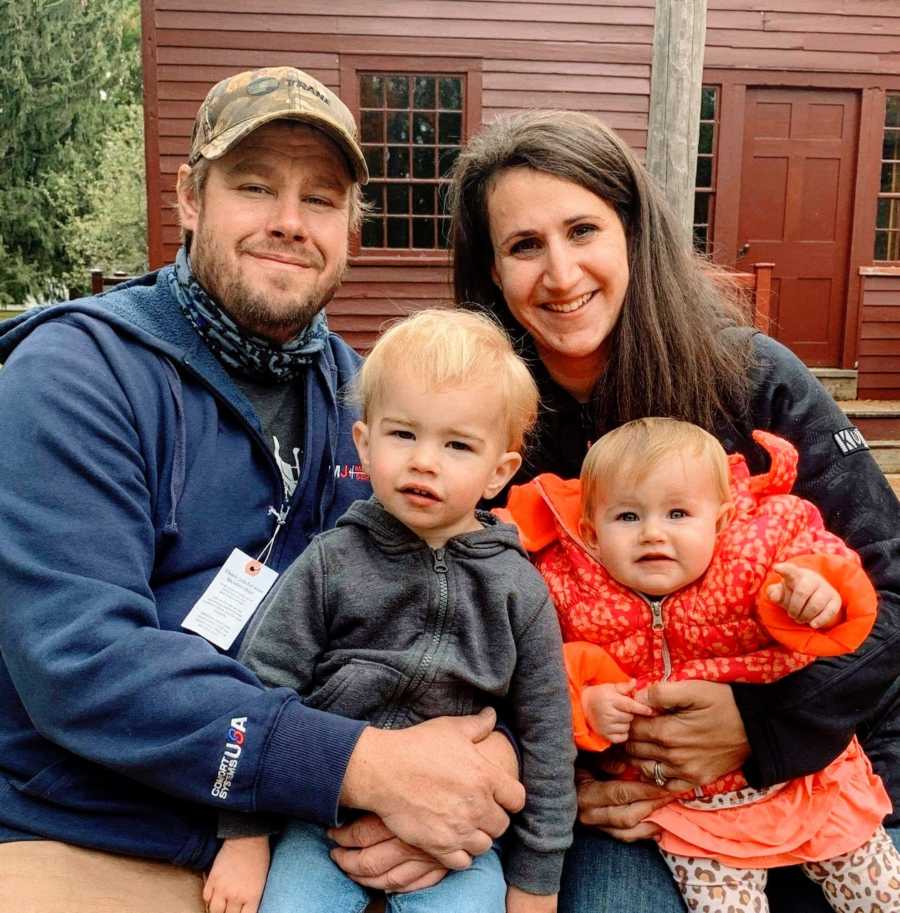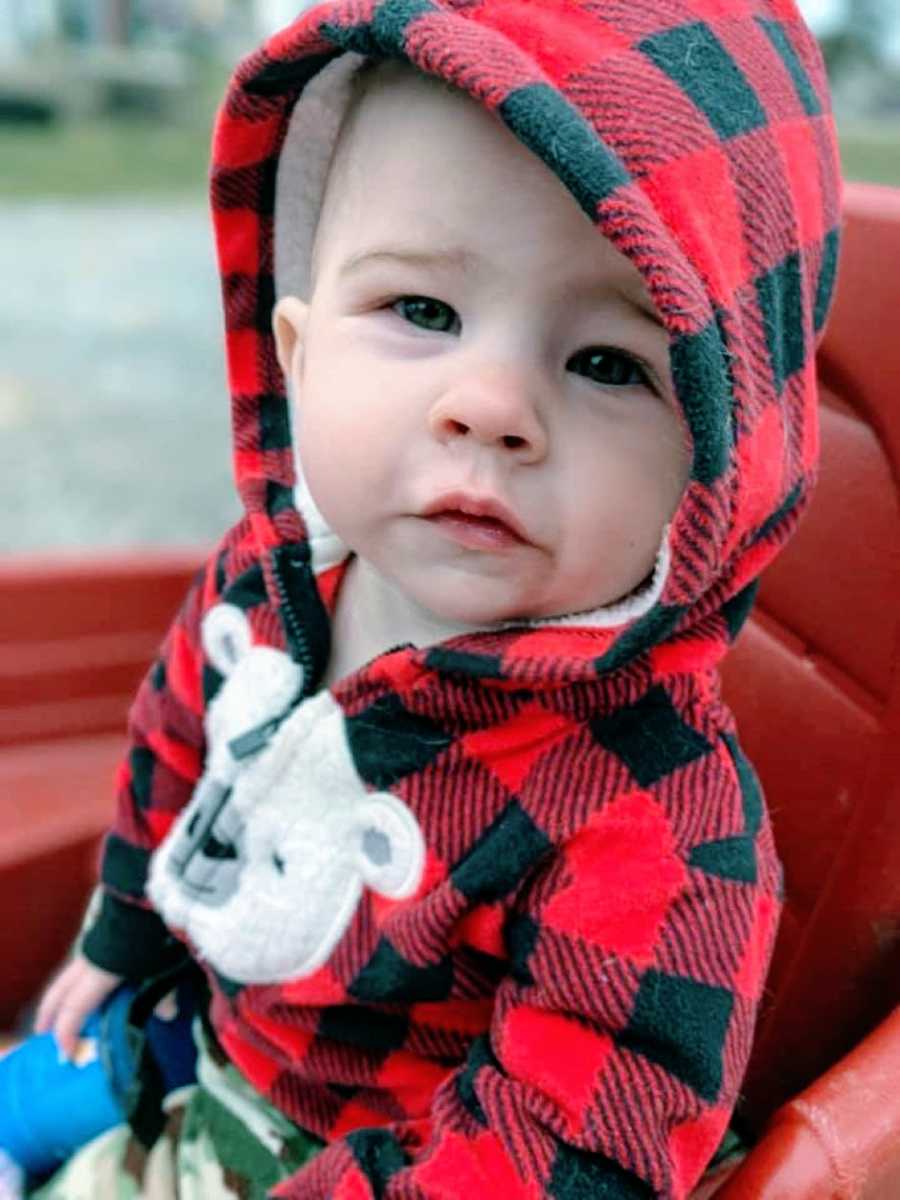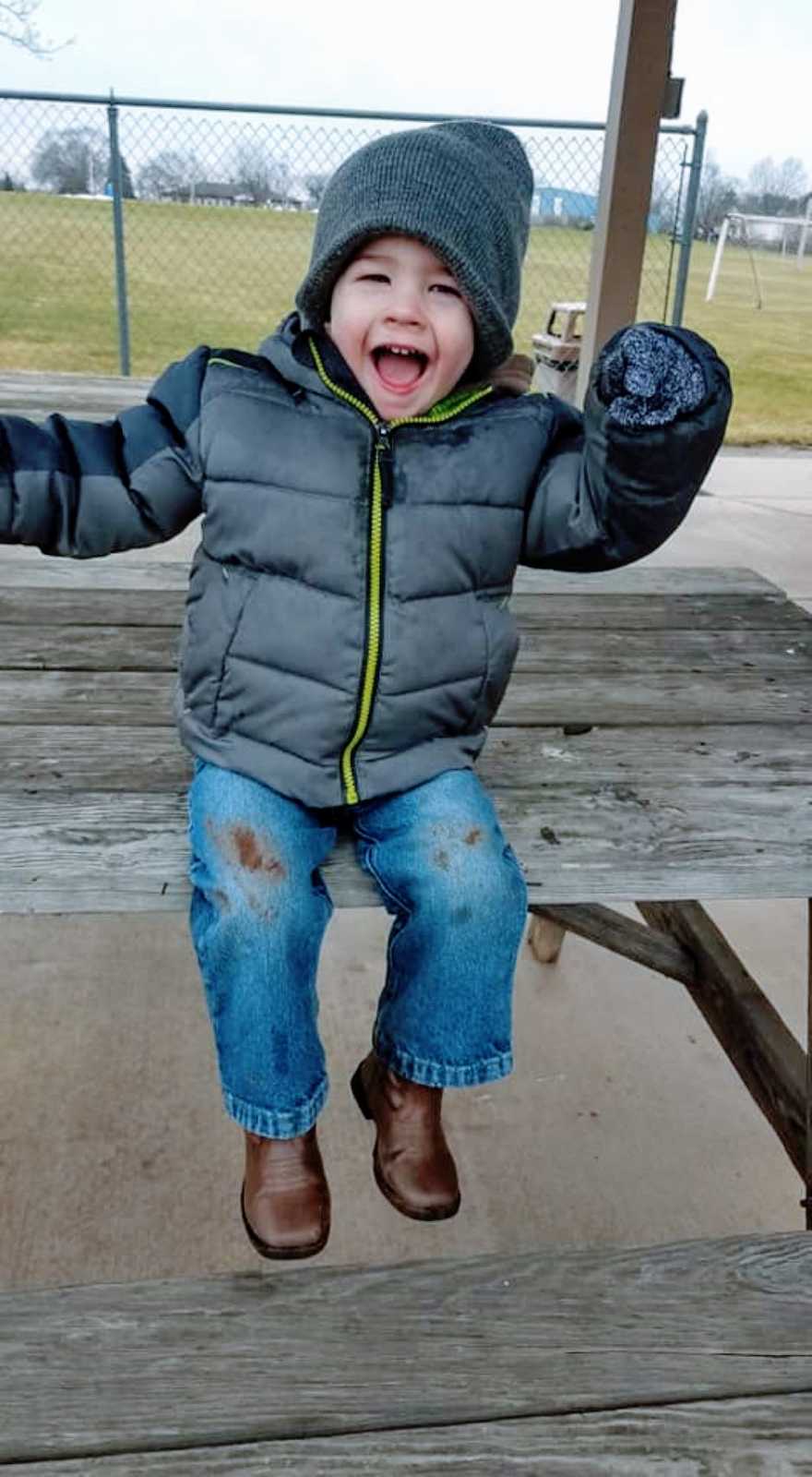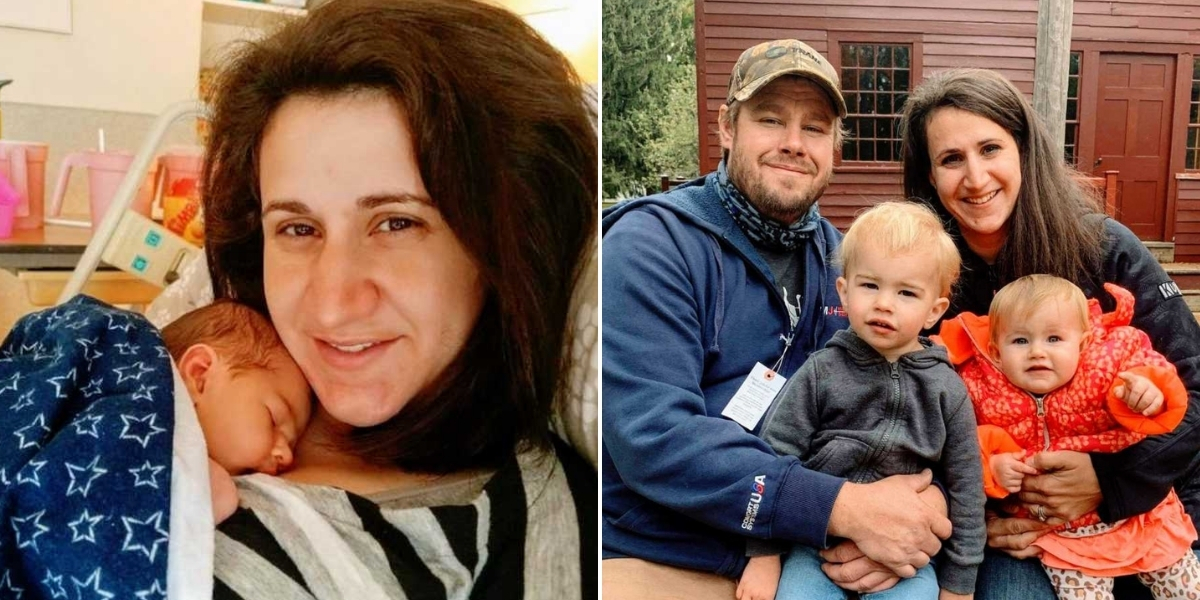
It’s easy to look at my two-year-old son and assume he’s perfectly healthy. From the outside, he appears just like any other toddler—full of energy, curiosity, and smiles. And in many ways, he is incredibly healthy. But beneath that innocent exterior is a story that has shaped every moment of our lives.
I was both terrified and, strangely, relieved when he was diagnosed with Tetralogy of Fallot, a congenital heart disease (CHD), at just two days old. Relief, because at least we knew what we were facing—better then than discovering it while I was still pregnant. Tetralogy of Fallot is a serious heart condition with four defects that prevent blood from getting enough oxygen. Left untreated, it is fatal. He is my first child and my rainbow baby, born after I endured two back-to-back miscarriages. My pregnancy with him was filled with a constant fear that I might lose another baby. Knowing about a CHD while pregnant would have added a layer of anxiety I’m not sure I could have handled.
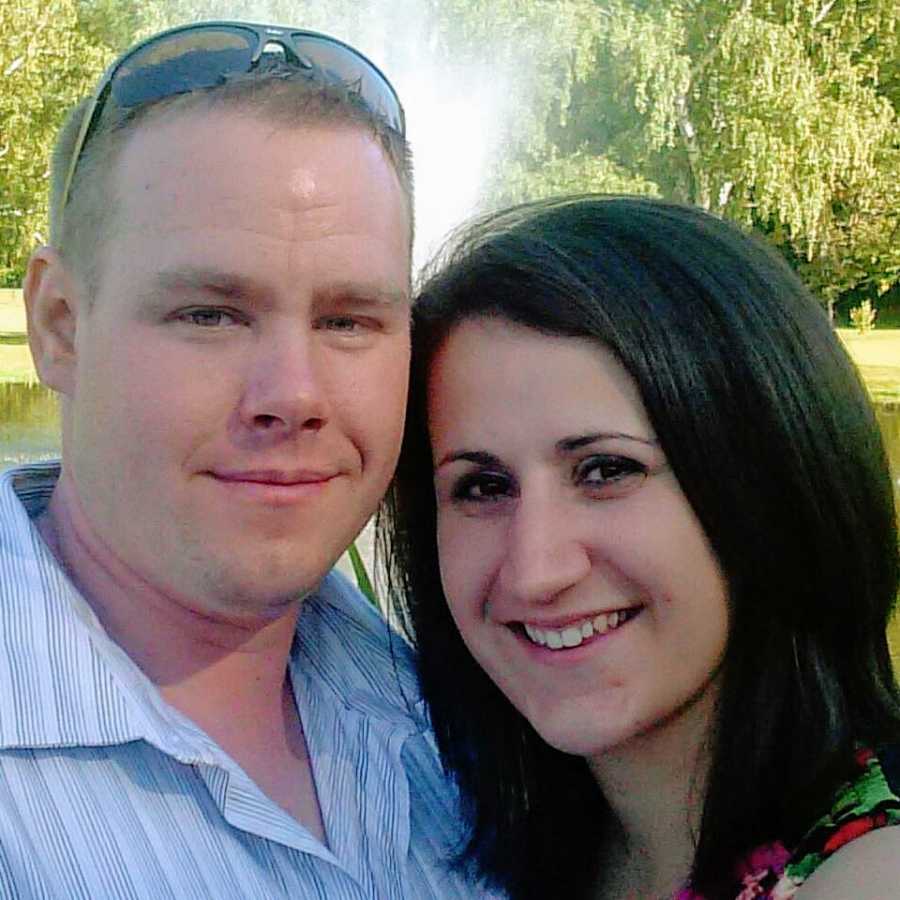
The story really began long before he was born, back in 2007, when I met my husband, Nicholas. We’ve now been married for over ten years, and he is an extraordinary man—intelligent, kind, patient. I couldn’t imagine navigating life, or parenthood, without him by my side.
Fast forward to June 2018. My son was a week overdue. I was induced at the hospital, and eventually, I had an epidural. Labor felt endless, and despite my pushing, his heart rate kept dropping. Forceps didn’t help, and suddenly I was being rushed into an emergency C-section. That’s how our son arrived: seven pounds and ten ounces of absolute perfection, a tiny life that immediately filled our hearts.
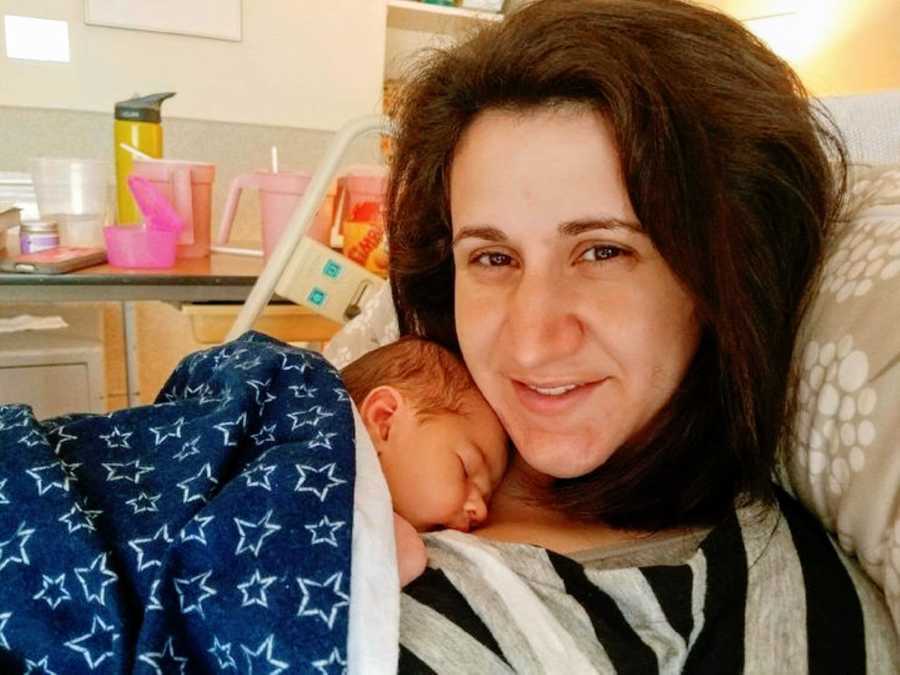
The day before we were discharged, a nurse performing a routine check asked, “Did you know he has a heart murmur?” We didn’t. That moment set off a whirlwind of tests, doctor visits, and, eventually, the diagnosis: Tetralogy of Fallot. The doctor who delivered the news—now our beloved pediatric cardiologist, Dr. B—was compassionate and deeply skilled. Even when she later relocated, we chose to drive to the Cleveland Clinic annually because we trusted her so completely. At the moment of diagnosis, though, I won’t lie—I wasn’t grateful. She was the one who had to tell us something was wrong with our baby.
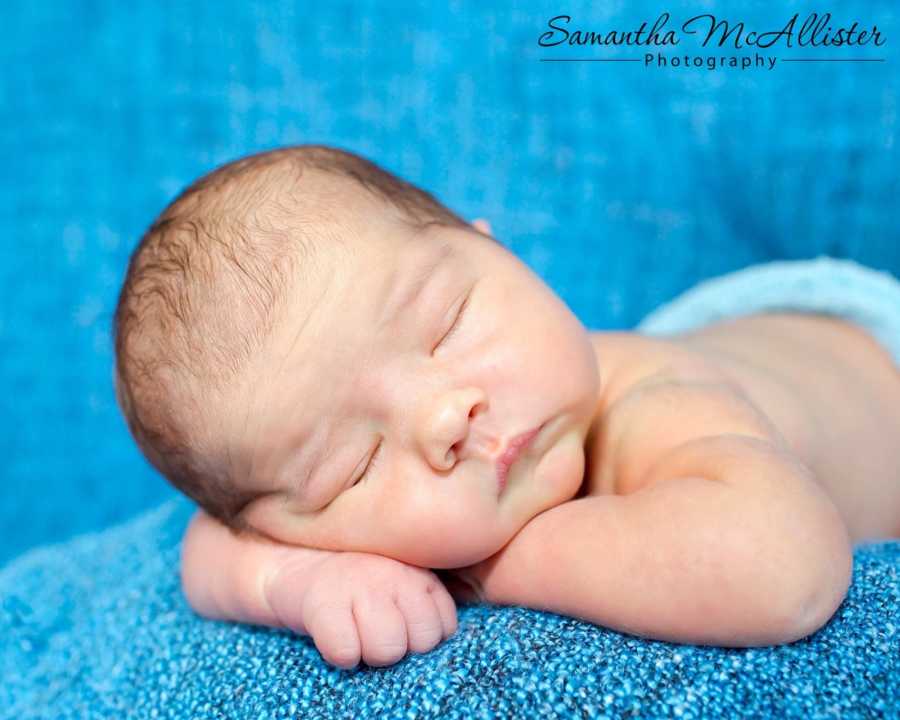
One bright spot in those early days was our newborn photo session. I had told the photographer about my son’s CHD, and she shared that her own daughter had a repaired heart defect. She encouraged me to treasure his bare chest in the photos because soon it would bear a lifelong scar from surgery. Her words stuck with me, a mixture of comfort and quiet sorrow.
Motherhood, for me, felt different than I had imagined. Instead of leisurely days bonding with my newborn, I was driving him to appointments—sometimes an hour away—watching closely for “tet spells,” dangerous episodes where his skin could turn blue, even fainting. We were told to call an ambulance immediately if it happened.
I remember one particularly hot summer night. After dinner, Nicholas had dozed off on the couch, exhausted from work. Our little boy was inconsolable, crying and fussy, and I felt completely overwhelmed. Desperate for calm, we stepped outside and sat on the back porch. Instantly, he began to relax. I looked up at the stars, thought of the song “Yellow” by Coldplay, and sang softly to him. He snuggled into me, calm at last. Years later, we realized that night he probably had a tet spell we didn’t recognize—yet somehow, we both survived it with hearts pounding but intact.
Originally, doctors optimistically anticipated that he could wait until six months old for surgery. But his oxygen levels began dropping, and that timeline was cut short. August 31, 2018, became the hardest day of my life—the day he underwent open heart surgery at just nine weeks old. We were fortunate to have one of the country’s top pediatric heart surgeons, but the fear was unbearable. What if he didn’t survive? What if complications arose?
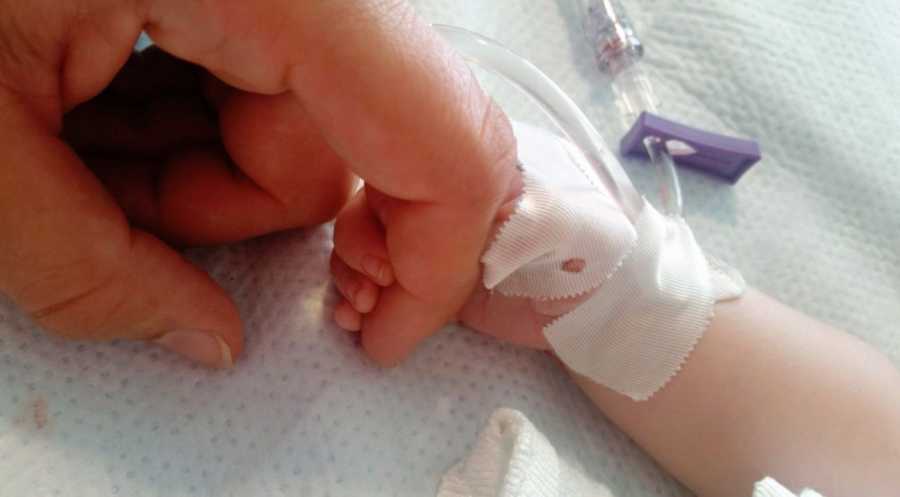
Sitting in the hospital, waiting for updates, I felt helpless. How do you hand over your tiny, perfect baby to the unknown? How do you occupy the hours while praying for his safety? We survived it, in real time, in the only way we could: by staying present, holding hands, and holding on to hope.
Thankfully, the surgery was successful. Complications were managed. And while we are eternally grateful for his recovery, the experience remains etched in my memory—a mixture of grief, relief, and awe at our son’s resilience. Pictures from that day exist, stored safely away, reminders of both the fear we endured and the victory we achieved.
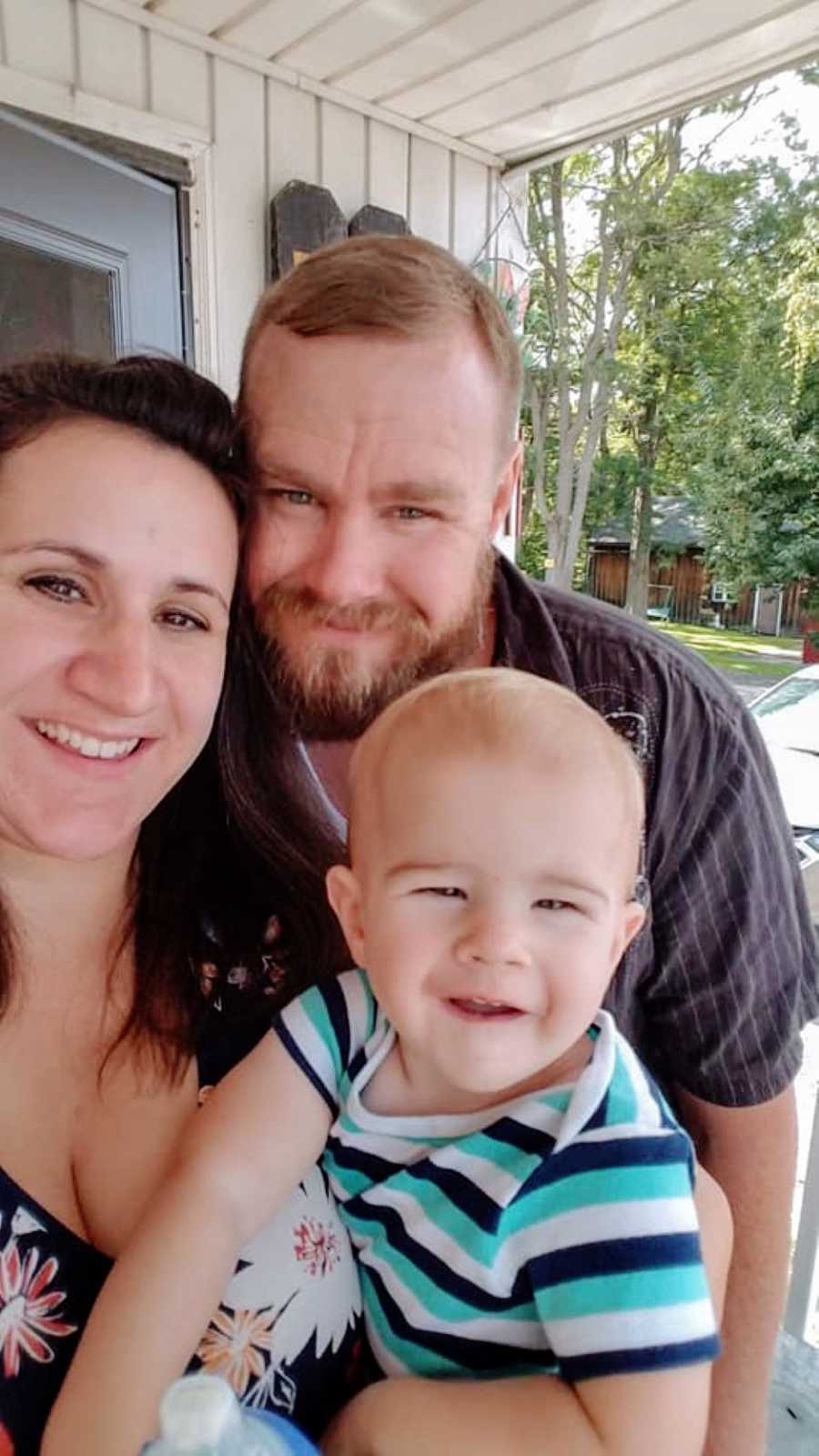
Today, my son is remarkably healthy for a child with a heart defect. He’s light for his age but growing, active, and athletic. He meets—or even exceeds—developmental milestones and rarely falls ill. His love of life is infectious, his curiosity boundless.
Yet, every parent’s worry remains. With a firstborn who has a CHD, you constantly question: Is he small because of the heart defect or just naturally? Is that panic or related to his heart? Are we overprotecting him? What will school, sports, and adulthood bring? While we were told the initial surgery was the hardest, worry lingers—because that’s what parents do.
His chest bears a small scar, like an exclamation mark, and every time it is exposed, I am reminded of both his vulnerability and his strength. It’s a scar that marks a battle won, a life saved, and a child thriving. It’s a reminder that while the CHD will always be part of him, it does not define him.
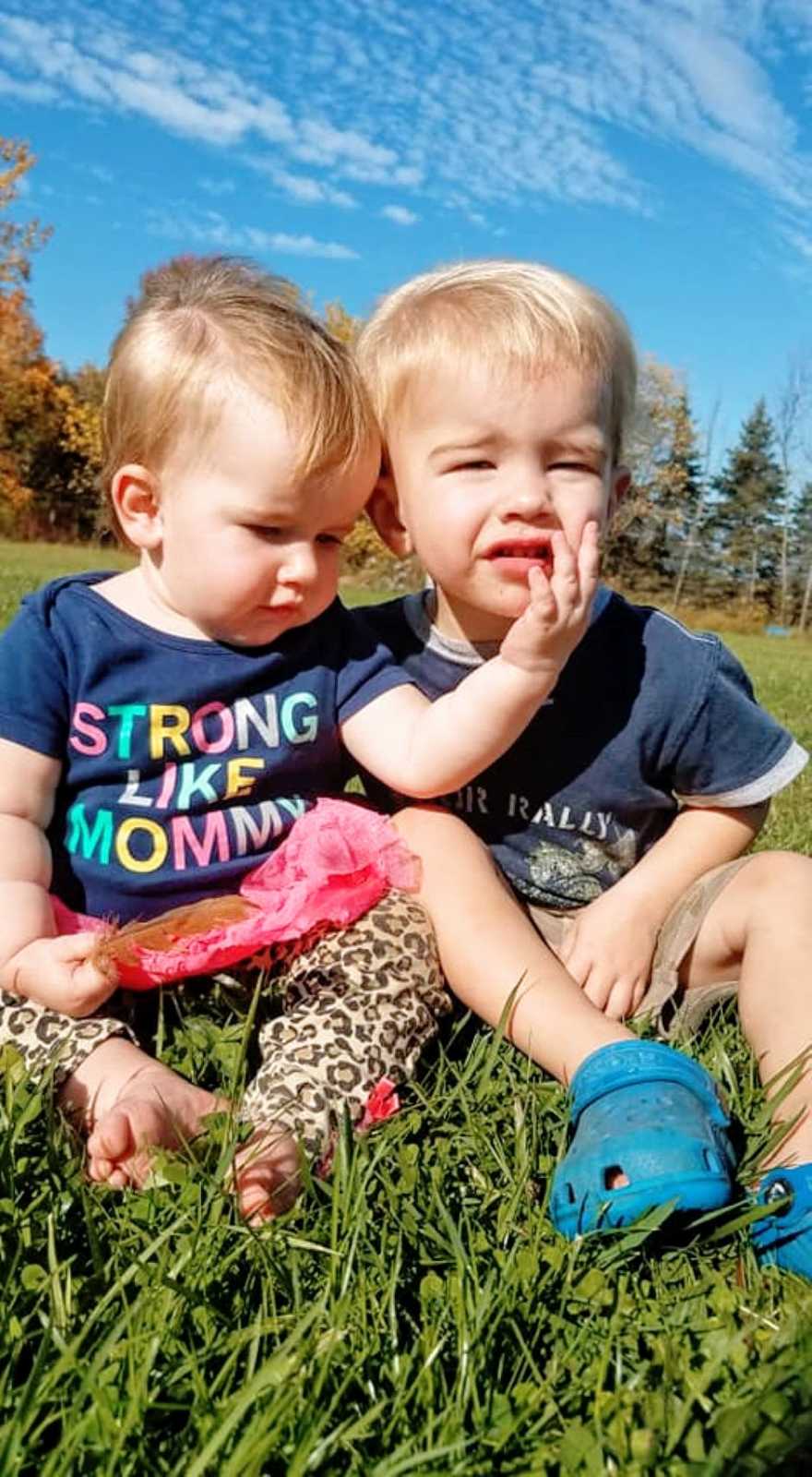
We strive to treat him like any other child, embracing life fully, playing, exploring, and learning every day. His doctor appointments are now little adventures, trips to Cleveland filled with sights and moments of joy. He loves tractors, bugs, piles of dog poop—every detail of the world is an exciting discovery.
The lesson we hold close is simple: don’t set limits if they’re unnecessary. People with CHD have defied expectations time and again. We look at our son and see a toddler defining his own boundaries, exploring life fearlessly. He is as spectacular as any child could be—curious, resilient, and utterly alive.