I felt a strange mix of pride and thirst that day. I had just downed three full bottles of soda at a birthday party—and I was still thirsty! I was nine years old, a kid who barely drank enough water, no matter how many times my parents reminded me. But when I told them about the sodas and my unquenchable thirst, they didn’t look impressed—they looked concerned. They immediately understood something was wrong. Diabetes ran in our family, and without hesitation, they took me to the hospital.
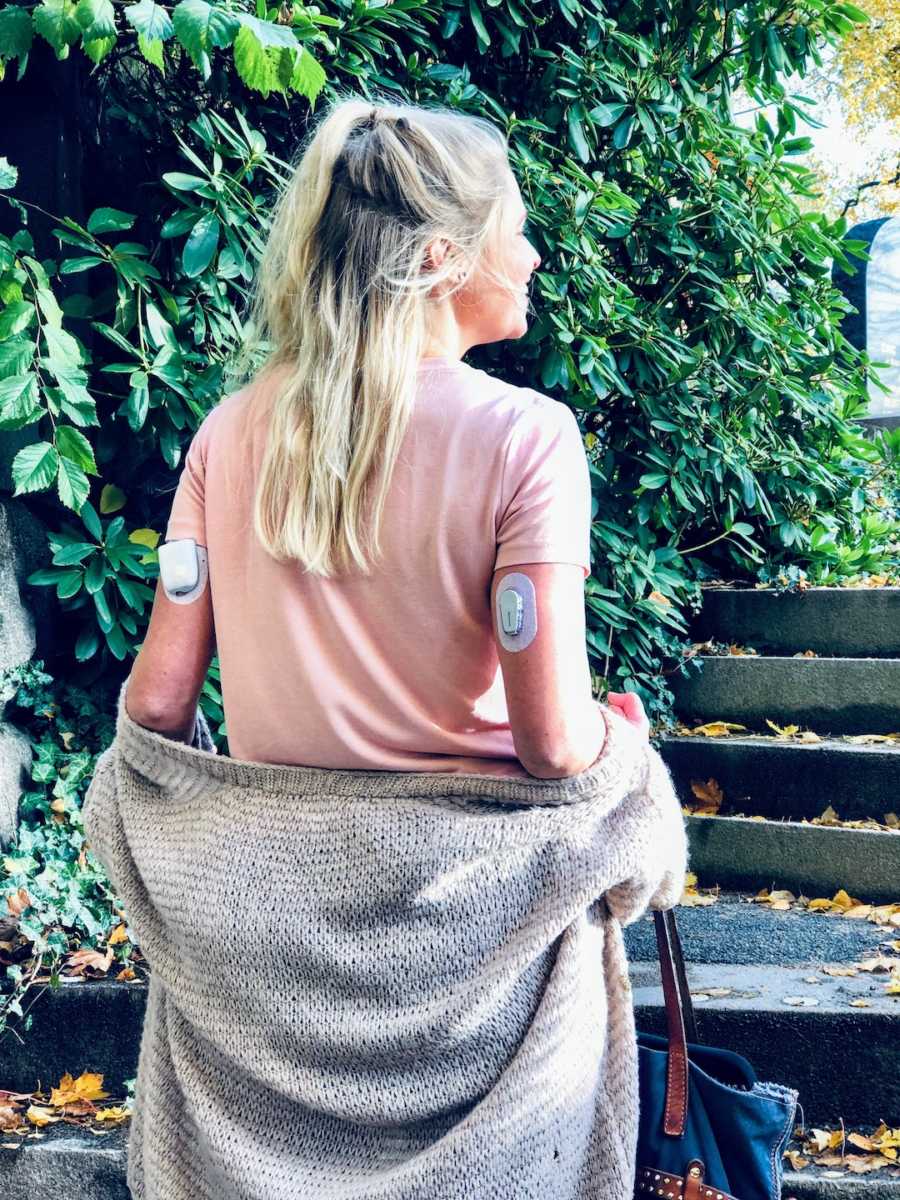
I didn’t fully understand what was happening, but it wasn’t long before I heard the words, “You have type one diabetes.” I remember feeling sad, but even then, a part of me decided: I will make it through this. I will learn to live my best life with this disease, and it will never stop me from doing what I love. What I didn’t know at the time was that this would only be the first of five chronic autoimmune diseases I would face. Through it all, my mindset has stayed the same: THE DISEASES WILL NEVER STOP ME.
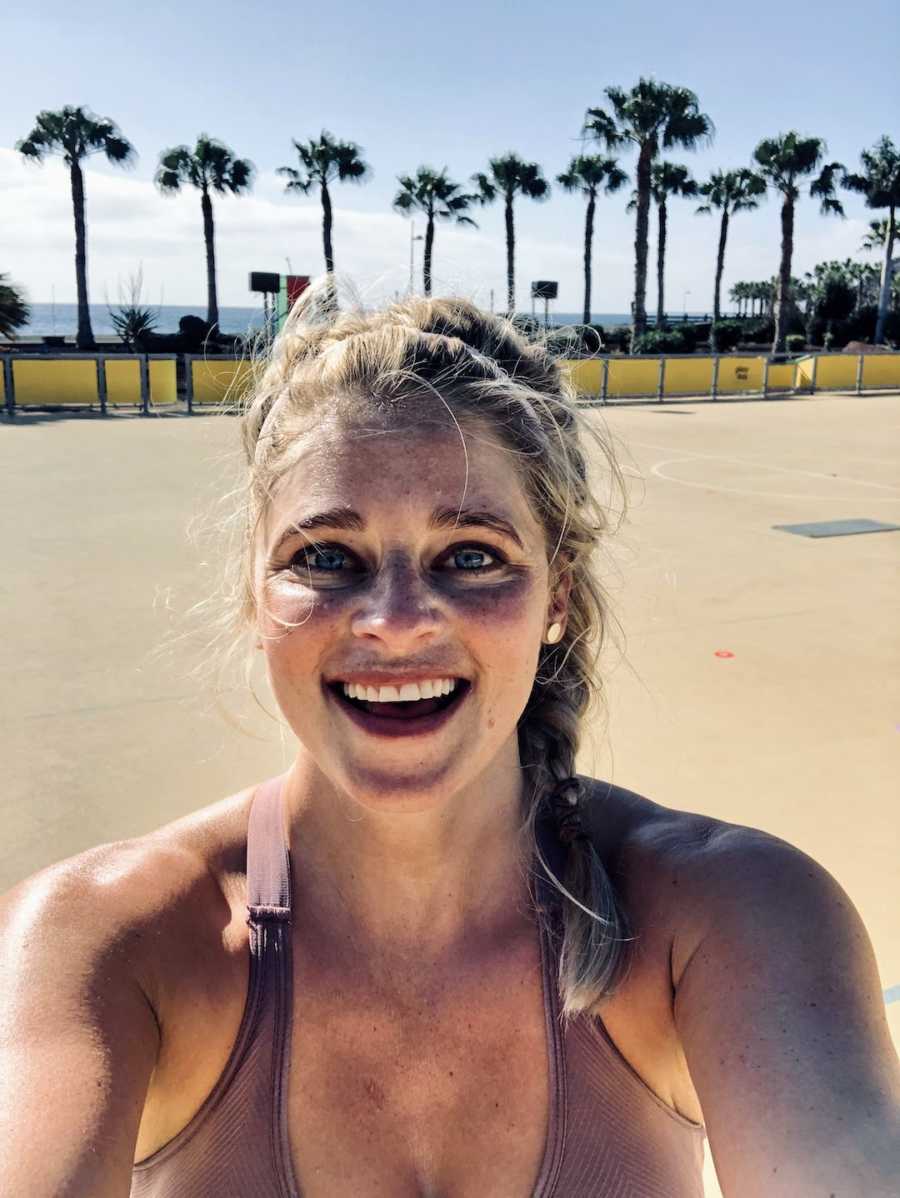
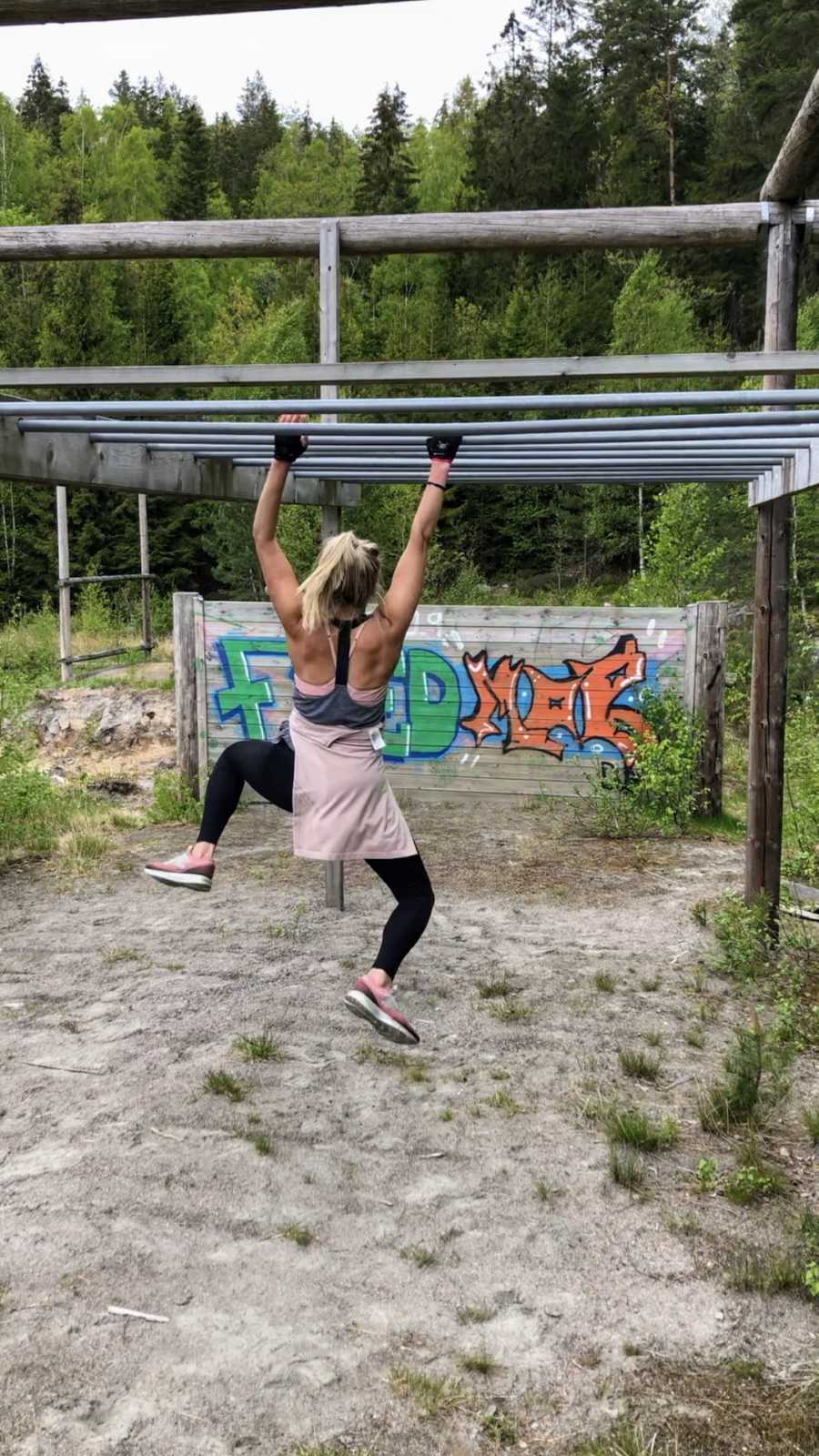
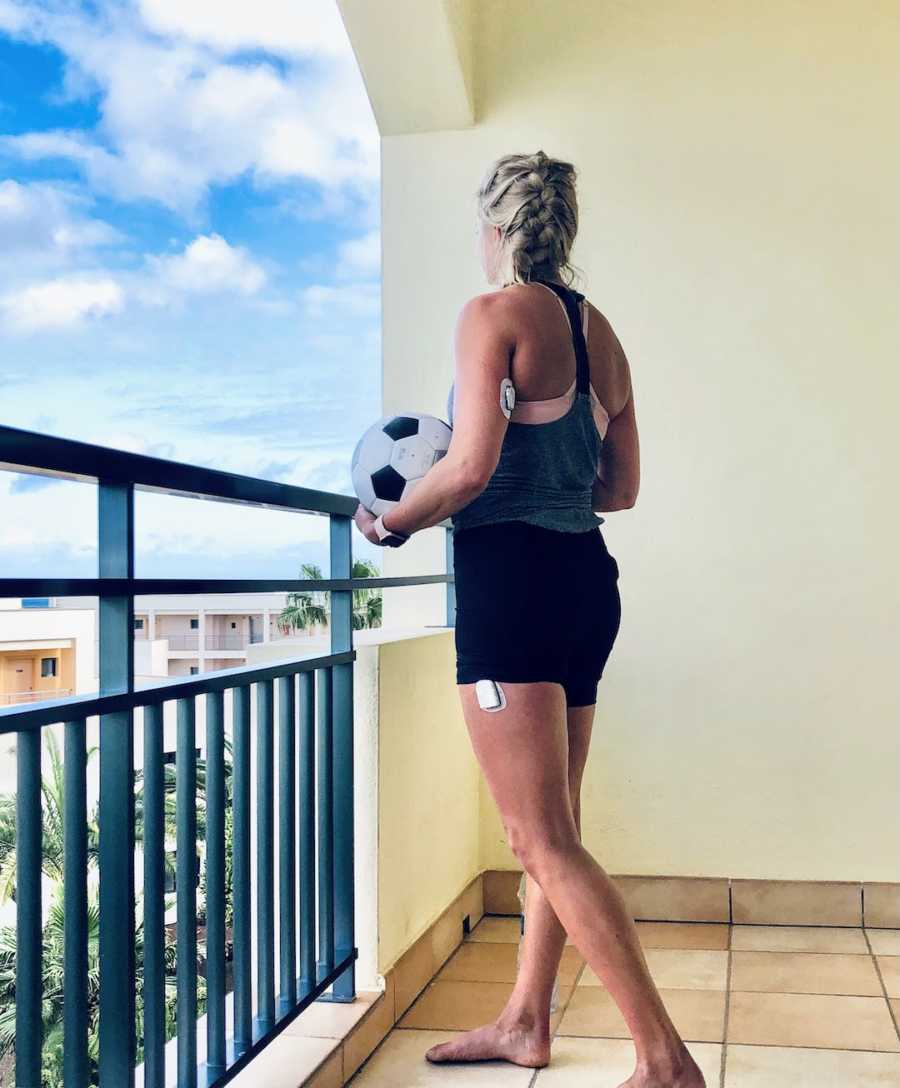
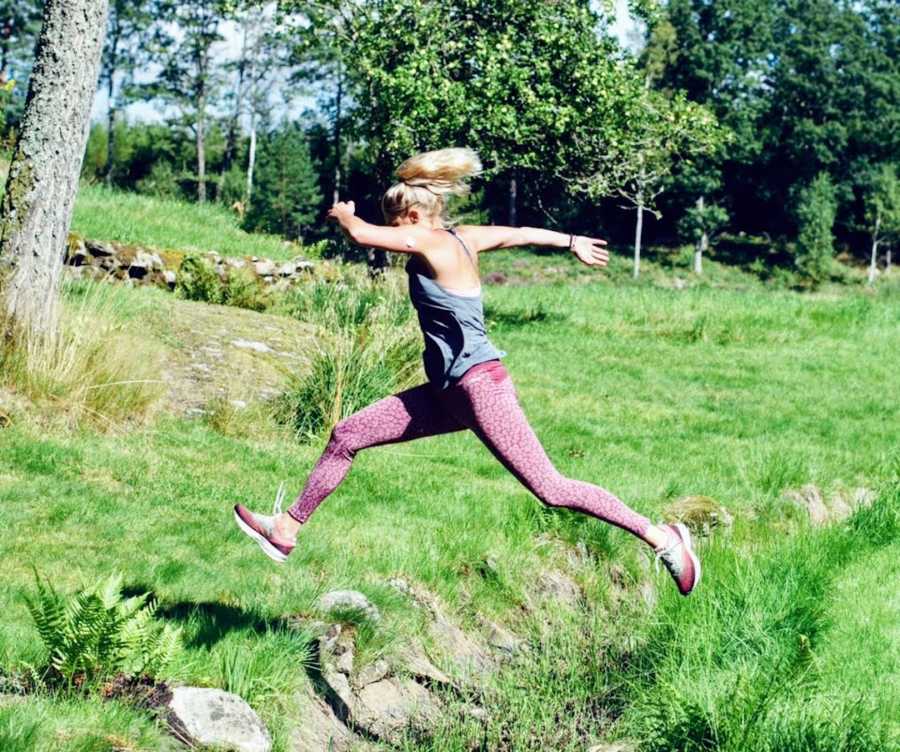
I’m Lisa from Sweden. I don’t define myself as a person with diseases. I am a person full of passions, hobbies, travel plans, high ambitions, and a life that’s always buzzing (sometimes a little too much, haha). I laugh often and love being surrounded by family and friends. Sports and intense physical activity have always been a huge part of my life. As a child, I played football every day. When I wasn’t on the pitch, I was running, playing racket sports, or pushing myself through workouts. Today, I still play football and racket sports, but I also love the gym, interval training, and dancing. Managing my diseases while staying active—especially diabetes—can be challenging, requiring planning, preparation, and constant attention.
Yet exercise is my medicine. It fuels me, gives me joy, strengthens my body, helps control my autoimmune conditions, and defines who I am. Beyond the physical benefits, working out has always been my escape. When I’m stressed, it’s the perfect release—a place where I can forget worries, negative emotions, and even feel less sick. That feeling after an exhausting workout, like completing ten uphill intervals until every muscle aches, is one of the purest joys I know.
When I was a child, I was very skinny and struggled to grow. Not surprising, given my body couldn’t properly assimilate nutrients. At twelve, I was diagnosed with celiac disease, my second autoimmune condition. It often appears alongside type one diabetes and, while inconvenient, it didn’t stop me. Gluten-free food wasn’t as accessible or exciting back then, especially bread, which I found boring. Still, I remained active, motivated in school, and outdoors training whenever I wasn’t doing homework. Managing blood sugar swings while working out was challenging then—and still is—but I never let it deter me.
As I grew older, life became busier with university, work, and my sports activities. But in 2007, at 22, I sensed something was wrong. People often ask, “Where do you get all your energy from, Lisa?” even when I feel exhausted. I’ve gotten good at pretending. One day, during a 5K run in the forest—one of my favorite workouts—I realized something was seriously off. I had no energy. For the first time, I stopped mid-run and cried. I felt my body betraying me. Multiple hospital visits followed, but each time I was told I looked healthy, my blood tests were fine, and I should just rest.

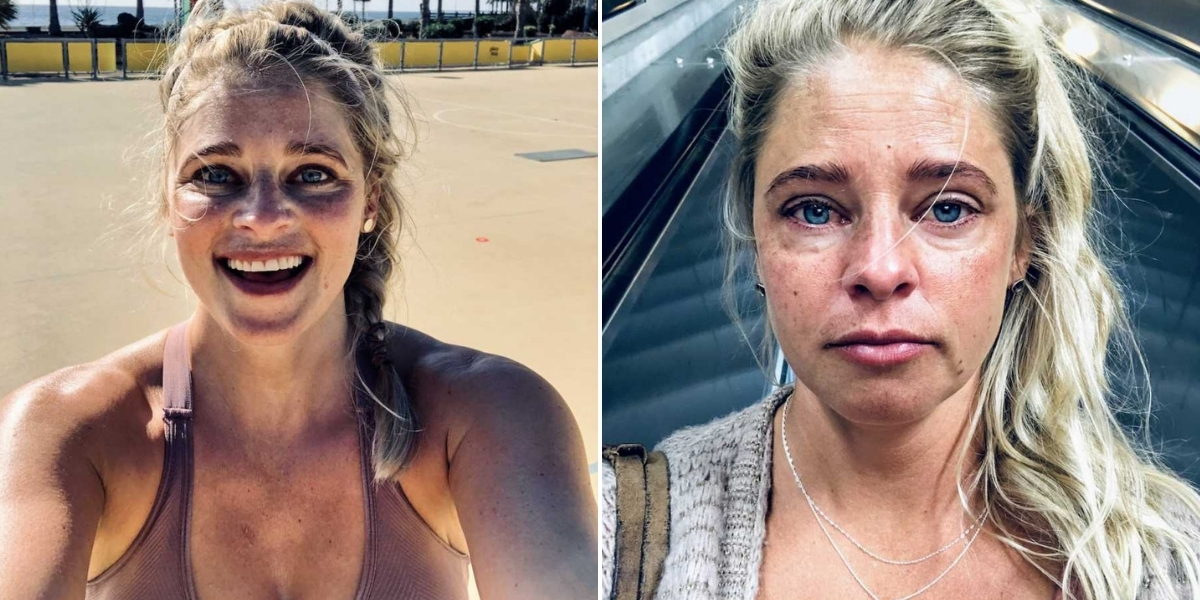
It worsened. I barely recognized myself. The girl full of energy and happiness felt gone. I was sick, craving salt, losing appetite, and obsessed with salted licorice and crackers. Even in winter, my skin had an unnatural tan. Weak and exhausted, I moved back in with my parents. My mom tirelessly took me to the hospital again and again, but I always left feeling dismissed. I was embarrassed; after all, there was nothing wrong—or so they said.
Finally, my mom insisted. She had researched my symptoms online—salt cravings, dark tan, exhaustion—and suggested my adrenal glands might be failing. At last, the doctors listened. My condition was urgent; I would not have survived much longer without treatment. I was rushed to intensive care and diagnosed with Addison’s disease, a rare condition where the body cannot produce cortisol, a vital steroid hormone.
Instead of sadness, I felt relief—a sense of victory. Finally, there was an explanation for months of suffering. Even though it meant lifelong medication, I was elated to finally have answers. After a few days in the hospital, with cortisol back in my body, I returned home determined to resume life—studies, work, friends, adventures, and of course, my workouts. Recovery took time, but after my diagnosis, I reached some of the best physical shape of my life. Not long after, I was diagnosed with hypothyroidism, my fifth autoimmune disease—a condition I rarely discuss but one that has profoundly impacted my life.
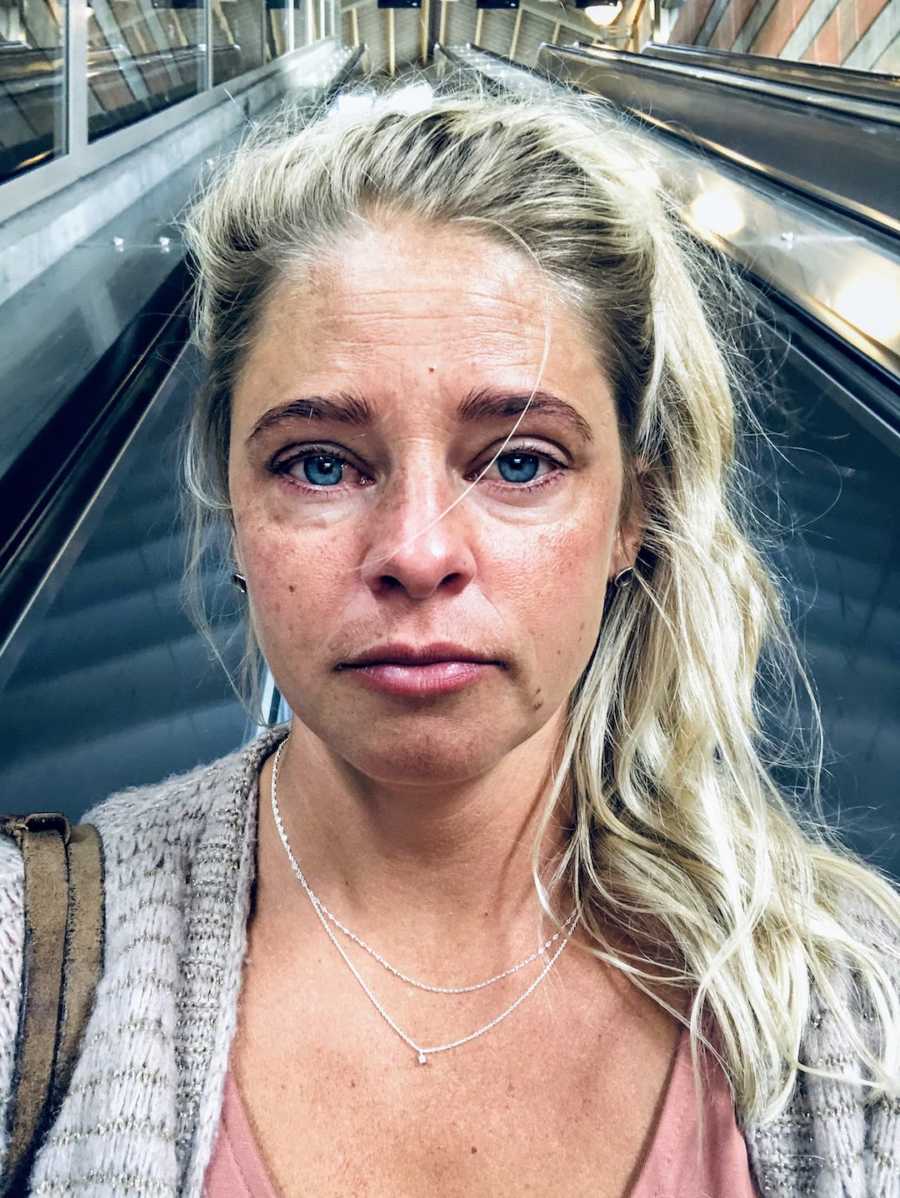
At 26, another challenge arose. My menstruation gradually stopped. Initially, doctors attributed it to excessive training, low body fat, and diet, but deep down I feared another autoimmune condition. Months of consultations confirmed my suspicion: I had premature ovarian failure, a rare form of early menopause. This was the hardest emotionally; it meant I could not have biological children. Attempts at IVF to salvage remaining eggs failed. It was heartbreaking, frustrating, and sad. Yet, I clung to my mindset: my diseases will never stop me.

Managing multiple autoimmune diseases is not easy. Alongside insulin for diabetes, I take medications like hydrocortisone for Addison’s disease. They don’t perfectly mimic natural hormones, so fatigue is inevitable, sometimes mild, sometimes overwhelming. But my willpower, perseverance, and love for life keep me moving forward.

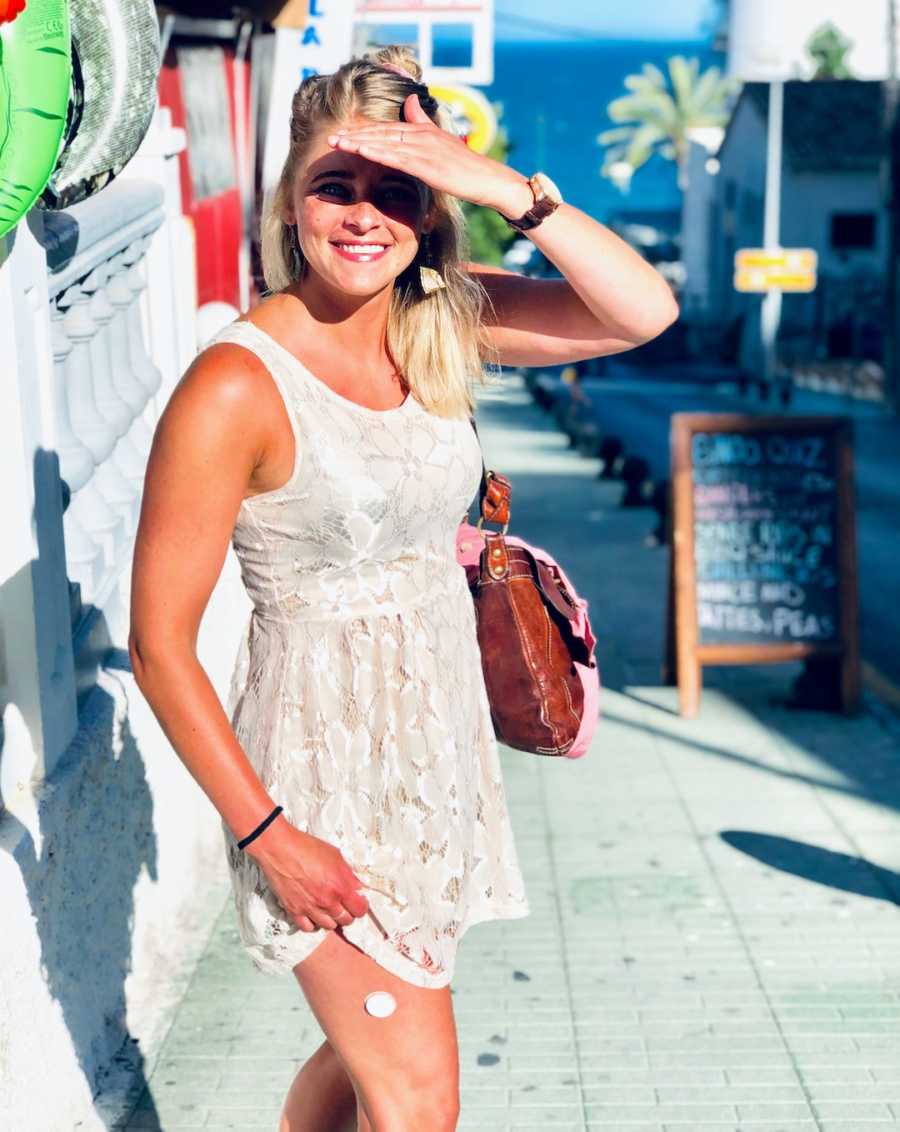
For years, I hid my illnesses, fearing loneliness. Some of my diseases are so rare that I wondered if anyone could relate. A few years ago, I decided to share my story through blogging. I discovered a community of people navigating similar challenges, and that sense of connection changed everything. Today, I run my own company, encouraging people—whether they have chronic illnesses or not—to stay physically active and live healthy, fulfilling lives. I especially aim to show parents of kids with diabetes that exercise is possible, safe, and empowering.
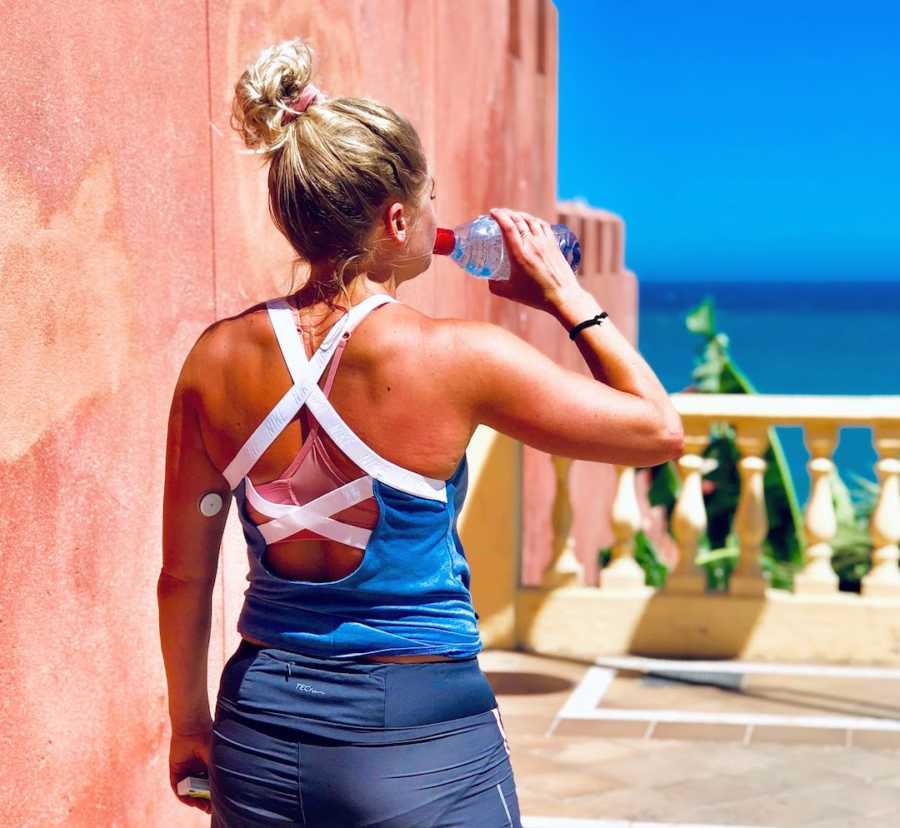

Through it all, my message remains unwavering: THE DISEASES WILL NEVER STOP ME.