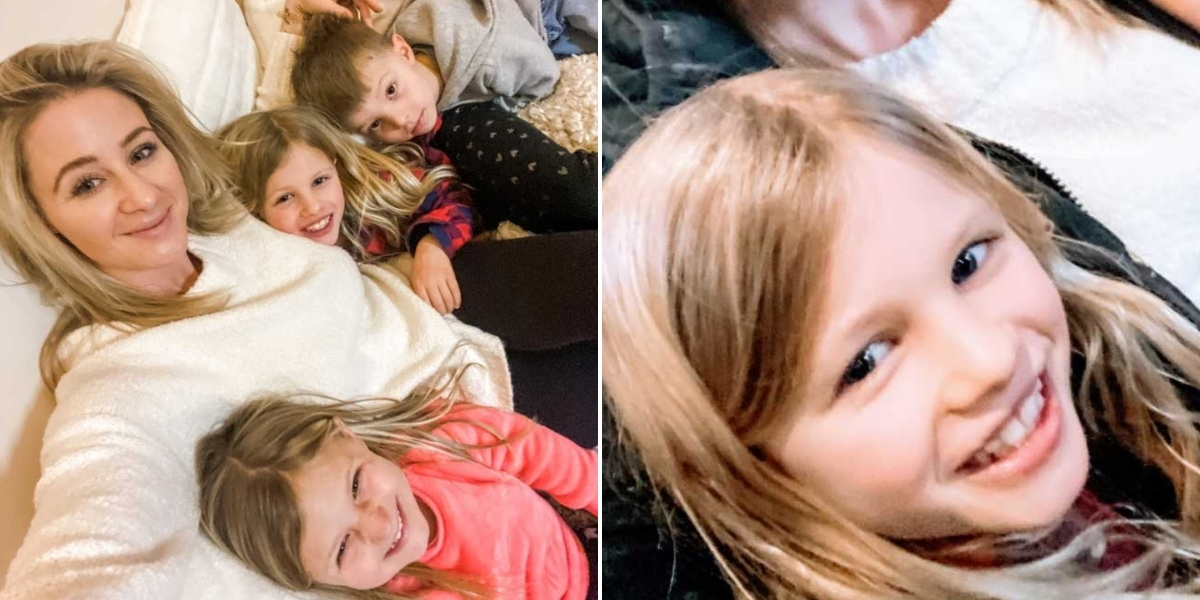
How do you honor the man you love when he dies suddenly? The father of your young children? How do you help them remember him, especially when they were so small when he passed?
It’s been two years since my husband, Marcus, passed unexpectedly while on a work trip. Our children were just 5, 4, and 2 years old. Marcus and I had been married for nine years, a rarity for such young parents—we had married at 20 and 22. We always felt incredibly lucky, grateful that we had found each other so early in life, even before we had truly experienced much of the world.
When Marcus died at just 32, I realized I had no real understanding of grief. I hadn’t lost anyone close before, so I was utterly unprepared for the shock and emptiness that followed. Everything I’ve learned since has been trial and error—a process of discovering what comforts me, what helps the kids, and what feels right. The most important lesson I’ve learned is that there is no wrong way to celebrate or mourn a loved one.
In the week leading up to the anniversary of his death, we make a conscious effort to talk about him. We flip through the children’s “daddy books” and finally read the book Marcus wrote for them. While the anniversary day itself is focused on remembering him, we try to honor the days leading up to it as well. Emotions often swell during this week, not just on the exact date. As the kids’ therapist explained to me, our bodies remember these significant dates even if our minds don’t, a concept called “grief memory.”
On the first anniversary of Marcus’ passing, we spent the weekend with close family friends who had children of similar ages. We shared stories, enjoyed meals at our favorite breakfast spot, visited his grave, and sent balloons to heaven in his memory. That weekend was both tender and joyful—a way to feel connected to Marcus while surrounded by love.
This year, we approached the day differently. We wanted to honor Marcus as a family of four, allowing emotions to flow freely. We kept the kids home from school and declared the day our “Remembering Day.” We started with breakfast, our beloved weekend ritual, sharing stories, laughter, and tears as we reflected on everything we love and miss about their dad.

Later, we joined my now-husband and our youngest daughter to reveal the Remembering Room we created in our new home. A small, partially finished basement room became a special space dedicated to Marcus—a place where the kids could explore memorabilia, sift through photographs, and feel every emotion safely. It’s a private, sacred corner where they can connect with their dad whenever they want.
We had a little art session where the kids painted with watercolors, expressing their feelings intuitively. Each color and brushstroke spoke volumes—Eloise even painted the word “sad.” They also wrote letters to Marcus, an idea that came from them, and I’ll continue to encourage this tradition every year. On the first anniversary, I had written letters to the kids, a gesture they still cherish.
After a reflective morning, we headed out for some fun. We spent hours at an indoor play place, letting the kids burn off energy in the middle of winter, followed by hibachi and ice cream—small joys that made the day feel full and alive. While the day is tinged with sadness, it’s also a celebration of love, memory, and the family we are.

The kids love remembering their dad, though it can be harder for Eloise, who was only two when Marcus died. Talking about him is crucial—not just for them, but for all of us. Shielding children from grief does not protect them; instead, it can make loss harder to process later. By sharing stories, inviting them into our sadness, and embracing the joy of memory, we help them feel connected, validated, and safe in their emotions. I want them to know it’s okay to be happy while still missing their dad.
For anyone who has lost a loved one, especially parents of young children, involve your kids in remembering. Let them take part in rituals, share their feelings, and contribute in ways that feel natural to them. Ask their thoughts, follow their cues, and allow them to see that it’s okay to cry, laugh, or simply sit quietly in memory. The more they are included, the more connected they feel to both the person who has passed and to you.
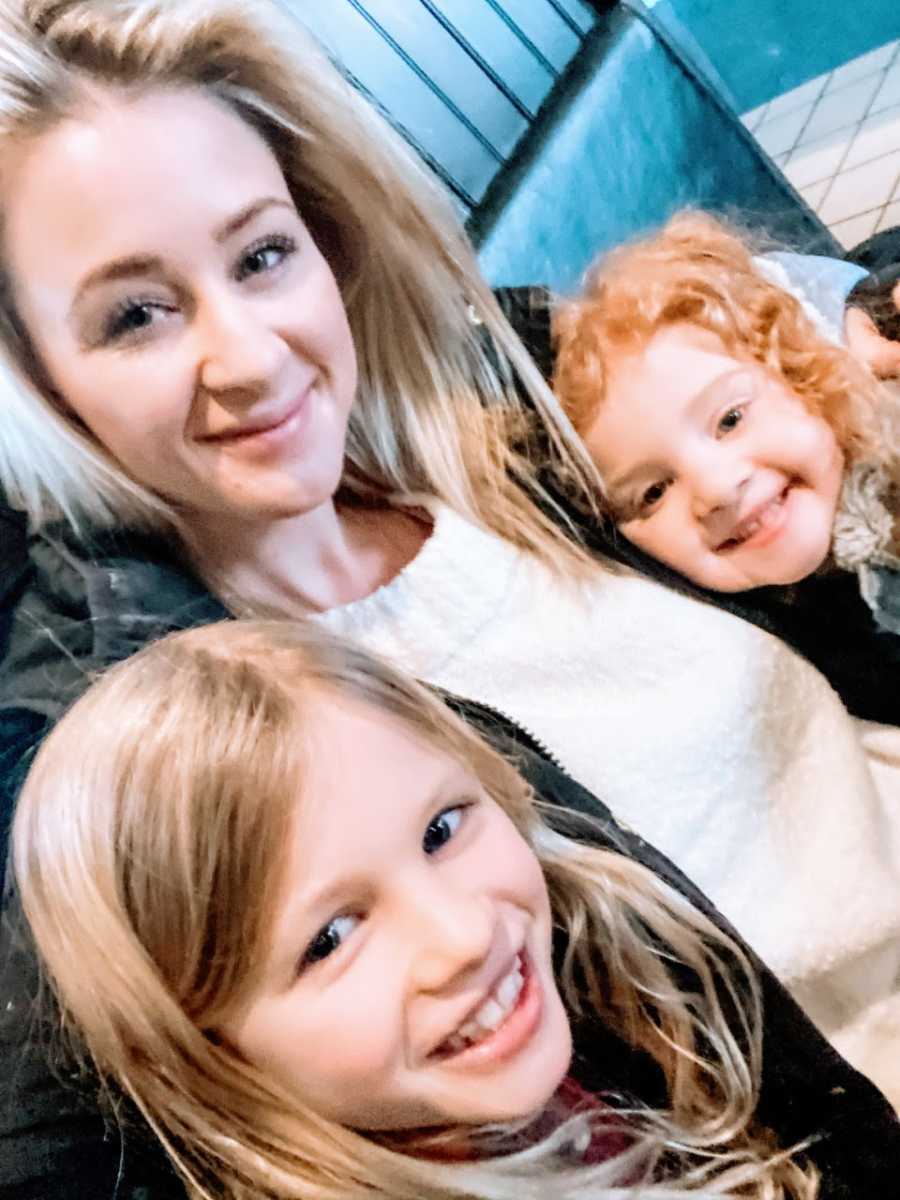
There is no perfect way to honor the anniversary of a loved one’s death. Do what feels right for you and your family. Some people want quiet reflection, others a big celebration of life. There’s no rule book—only your heart. What matters most is holding space for love, grief, and memory, together, on your own terms.