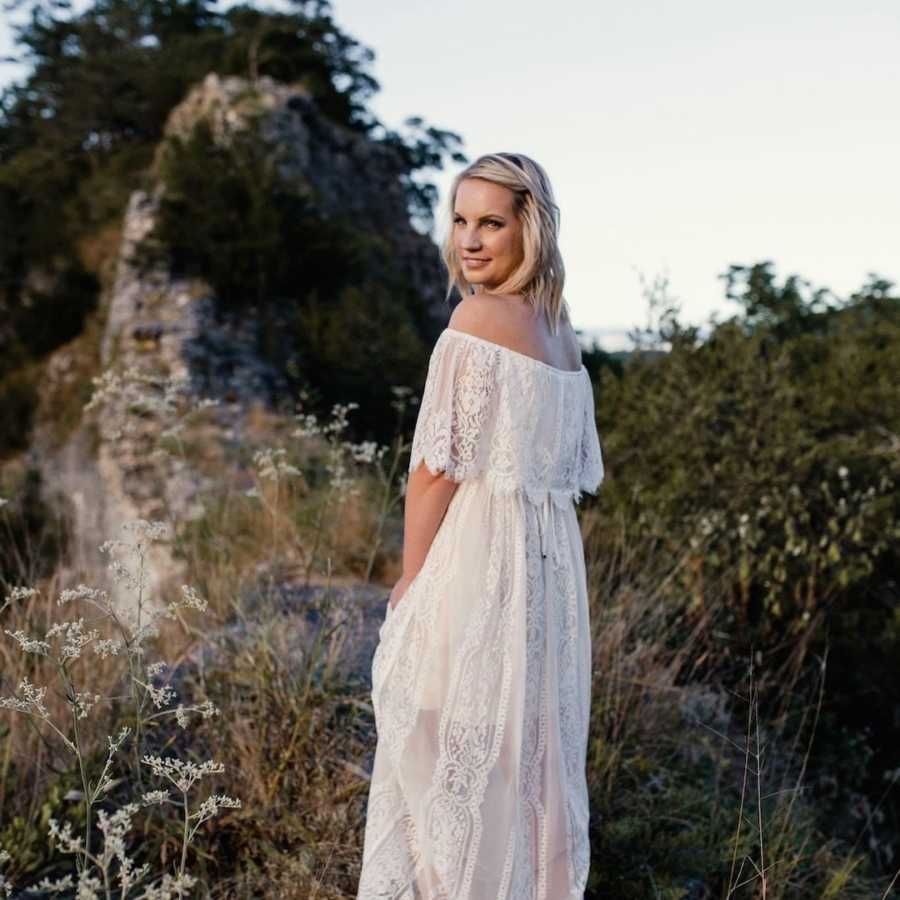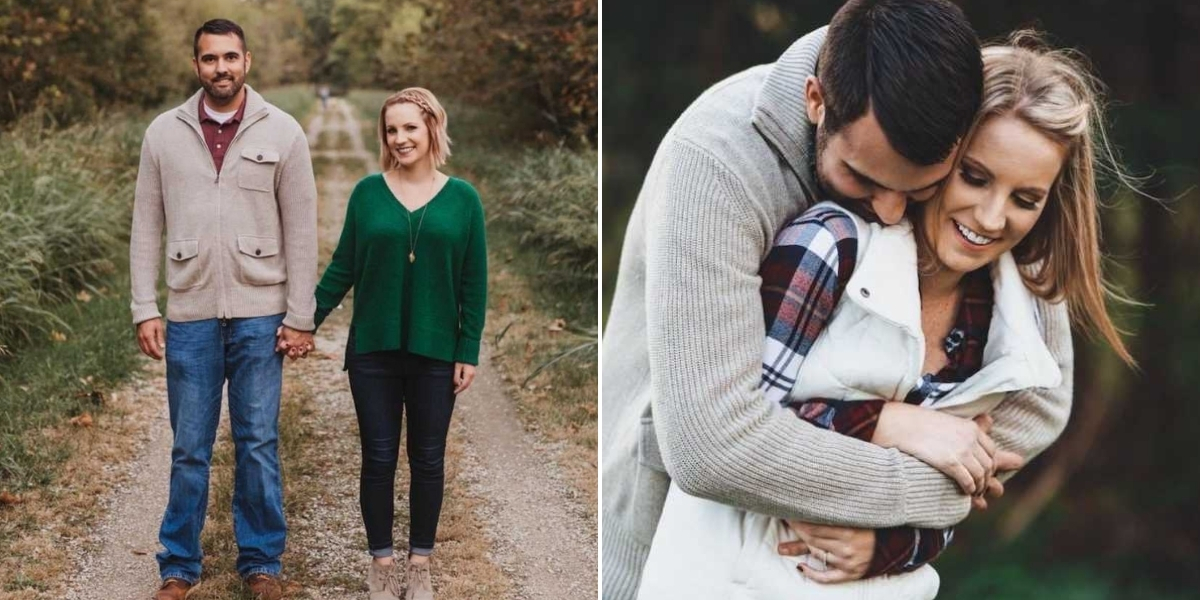
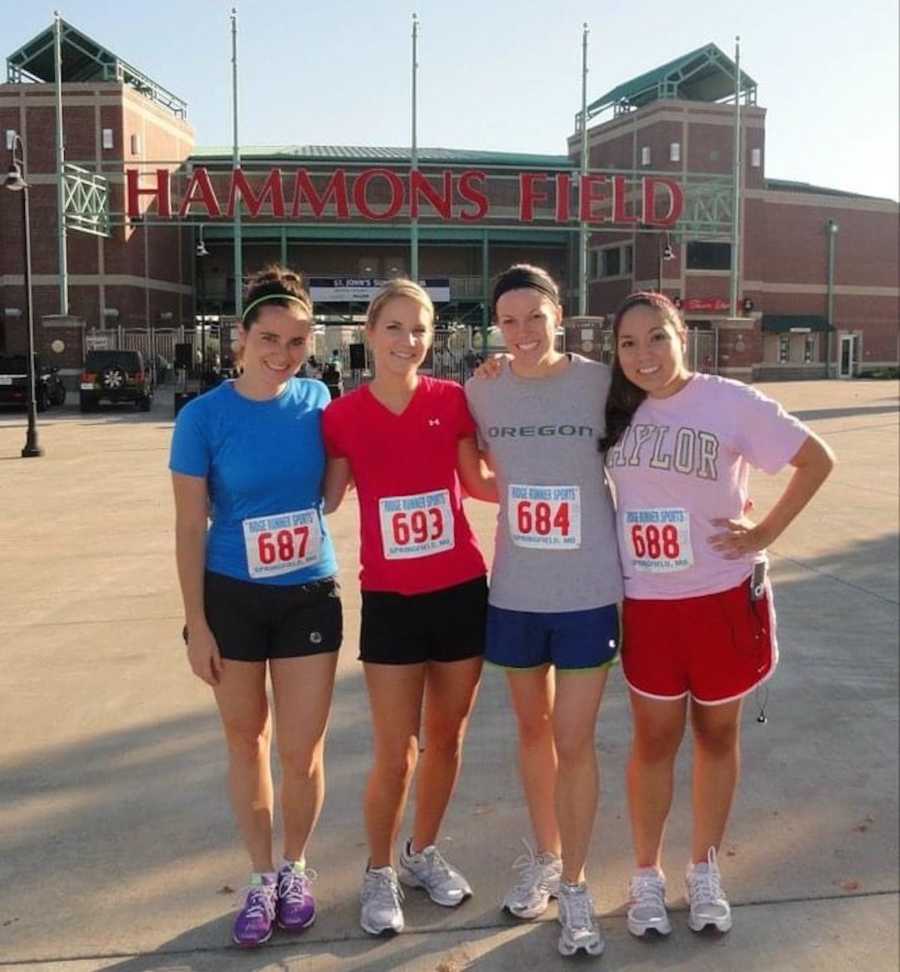
When I was 29 years old, I was feeling incredible. I believed I was in my prime. I was a competitive runner, deeply committed to a healthy lifestyle, and four years into a fulfilling career as a speech-language pathologist. I was newly engaged to be married, and my then-fiancé, Ryan, and I had just begun planning our wedding. The venue was booked, the future felt wide open, and everything ahead of us seemed bright and full of promise. Family planning and life planning filled our conversations as we imagined merging our lives, our families, and all the places we would someday go. At that point in my life, it felt as though the sky was only the starting point of my limits.
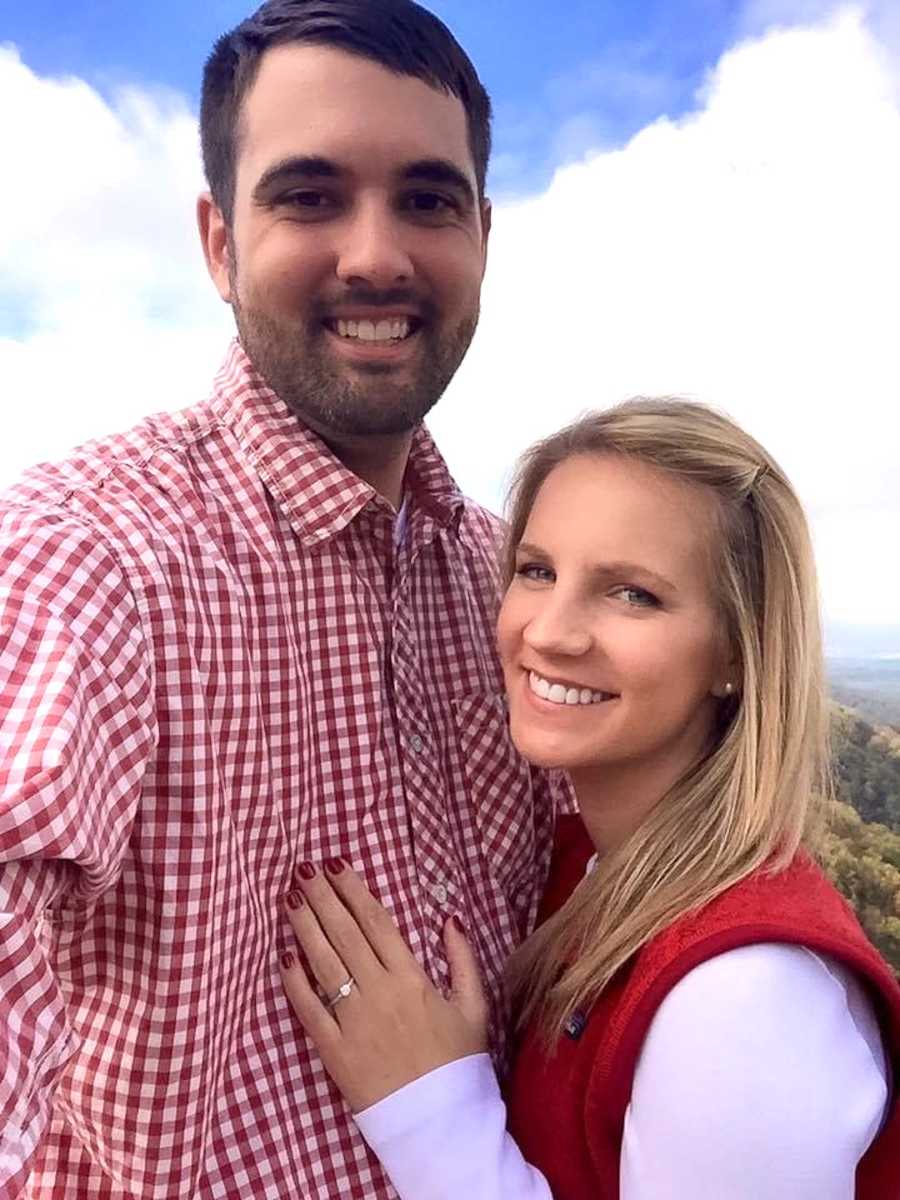
Little did I know that our lives would still merge—but the beauty we would find would arrive by a very different path. The places we would go would largely be scheduled for us, appointment after appointment, our tickets issued in the form of medical bracelet after medical bracelet. The miles we would cover would be by car, driving to and from our local medical center, and I would become a professional passenger in my own life.
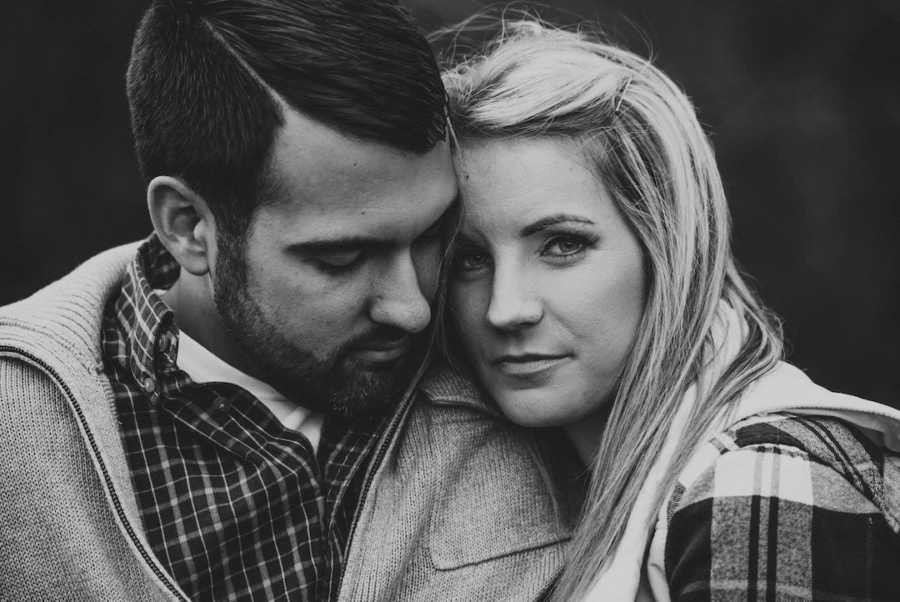
It was a cold Missouri Sunday afternoon. I had just come inside from running hills in the brisk, 18-degree late-January weather and sat down on my couch to catch my breath and warm up. I crossed my arms in a gentle self-hug when I felt something alarming at the top of my left breast—something that had not been there just one or two days prior, something that did not belong. It was hard but painless, slightly smaller than a golf ball, and immovable, firmly anchored to my chest wall.
Knowing my body and what was normal for me, I understood immediately that this required further assessment. I contacted my primary care physician the very next day and was sitting in her exam room shortly after. She palpated the mass and agreed it was concerning and needed additional diagnostic testing. Before I knew it, I was scheduled for a diagnostic ultrasound and mammogram.
However, there is a piece of this story I have not often shared. Out of fear and denial, I called back and delayed those appointments by two weeks, citing an inconvenient time with my work schedule. My priorities were clearly askew. Ryan gently brought me back to reality, and thankfully, my original appointment was still available. I resecured it. Let this serve as testimony to the power of emotion and how completely it can cloud judgment—even when we know better. I did know better. I just didn’t want to.

Two grueling weeks passed. Nights were sleepless. Hours felt multiplied. Ryan attended my diagnostic appointments with me, waiting patiently across the hall. I vividly remember chatting comfortably with my ultrasound technician as she scanned my breast. We talked about life, family, and favorite travels—until she suddenly fell silent. Though she tried to maintain the rhythm of our conversation, the shift was unmistakable. I saw her cheeks flush and sensed her internal panic. In that moment, I knew. The conversation resumed, but it was never the same.
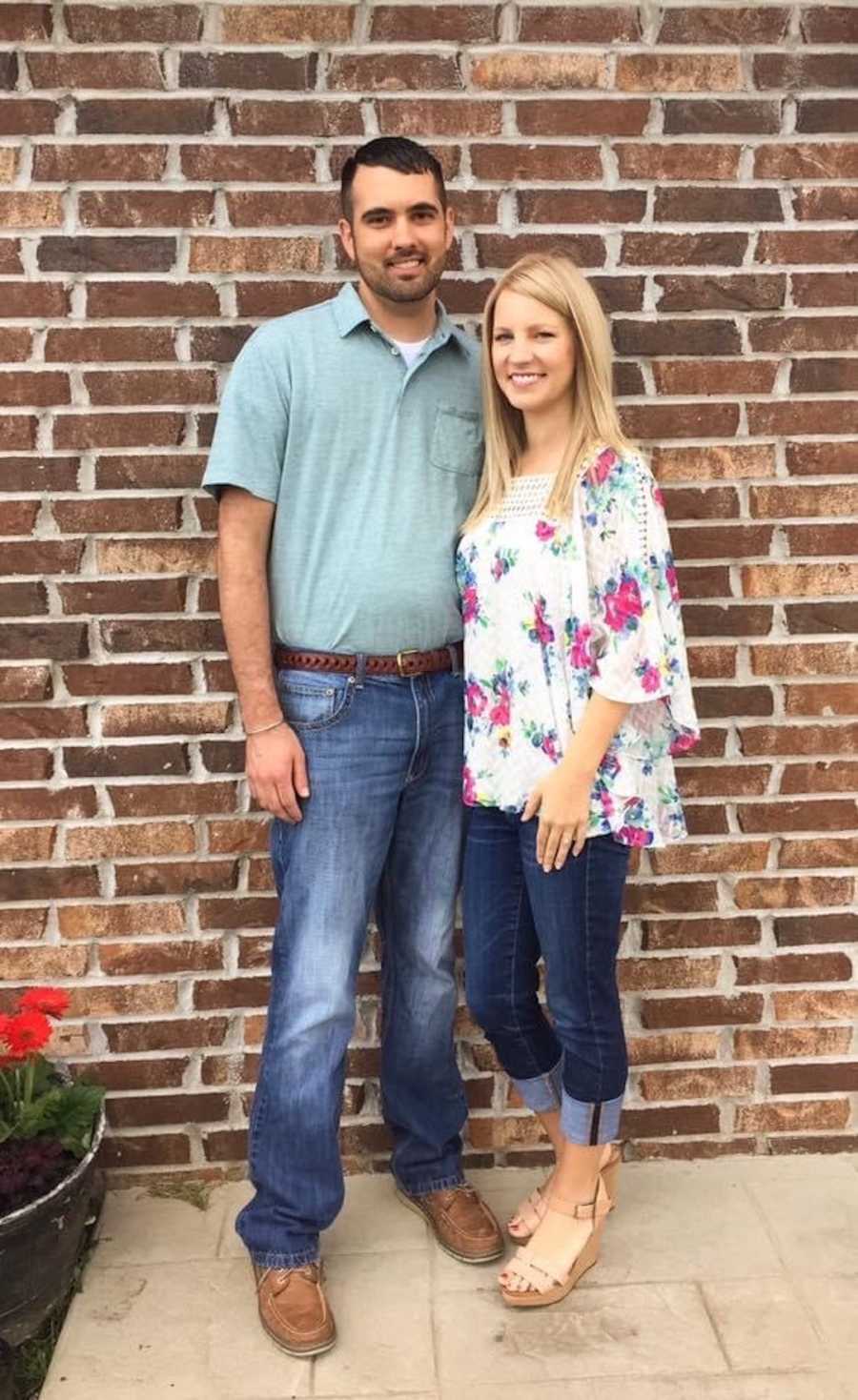
Next came the diagnostic mammogram. The technician was kind and thorough, positioning me carefully to capture precise images. Afterward, I sat alone in a small, windowless room awaiting results. The breast radiologist entered and sat beside me, strongly encouraging me to bring my fiancé in for the conversation ahead. Stubbornly, I asked her to speak only to me. She gently explained her concerns about the imaging and the need for an ultrasound-guided biopsy to determine pathology. I felt myself slipping into numbness as reality began to settle in. I scheduled the biopsy and left the breast center. Through the glass wall, I signaled Ryan, pointed toward the elevator, and lowered my head—wordlessly asking us to leave immediately.
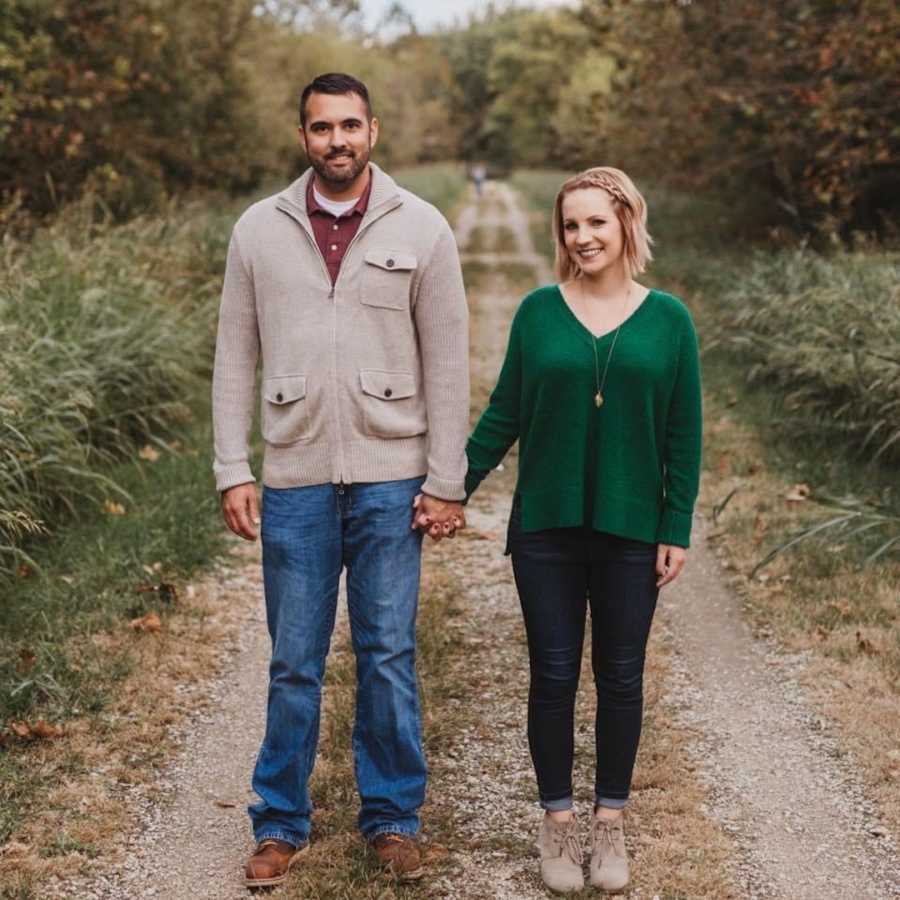
The biopsy came and went. I was awake as the radiologist bored into my anesthetized breast, retrieving tissue like a geologist mining for answers. I watched every movement on the ultrasound monitor and prayed with everything I had, though my thoughts were tangled and fragmented. Mostly, I asked God to hear my heart and carry me through the discomfort. After another agonizing week, I took the call at work. I sat in a quiet space between patient visits, a close coworker nearby. I answered immediately. It was my nurse navigator.
She told me she had both good news and bad news. The good news: a second concerning area was benign—a fibroadenoma. The bad news followed swiftly. I had an aggressive stage 2 malignant tumor that had broken through a duct in my left breast and spread to a local lymph node. Its rapid proliferation meant it was at risk of traveling further.
My coworker began crying before I did. Soon, others gathered, laying hands on me in prayer, all of us in tears. That sacred moment remains etched in my memory. The trauma blurred the rest of the day. At my request, a coworker called Ryan to come get me. I was trembling, overwhelmed, dizzy with tears. This was my worst nightmare unfolding in real time. I was 29. Healthy. This wasn’t supposed to happen. But it had—and everything changed.
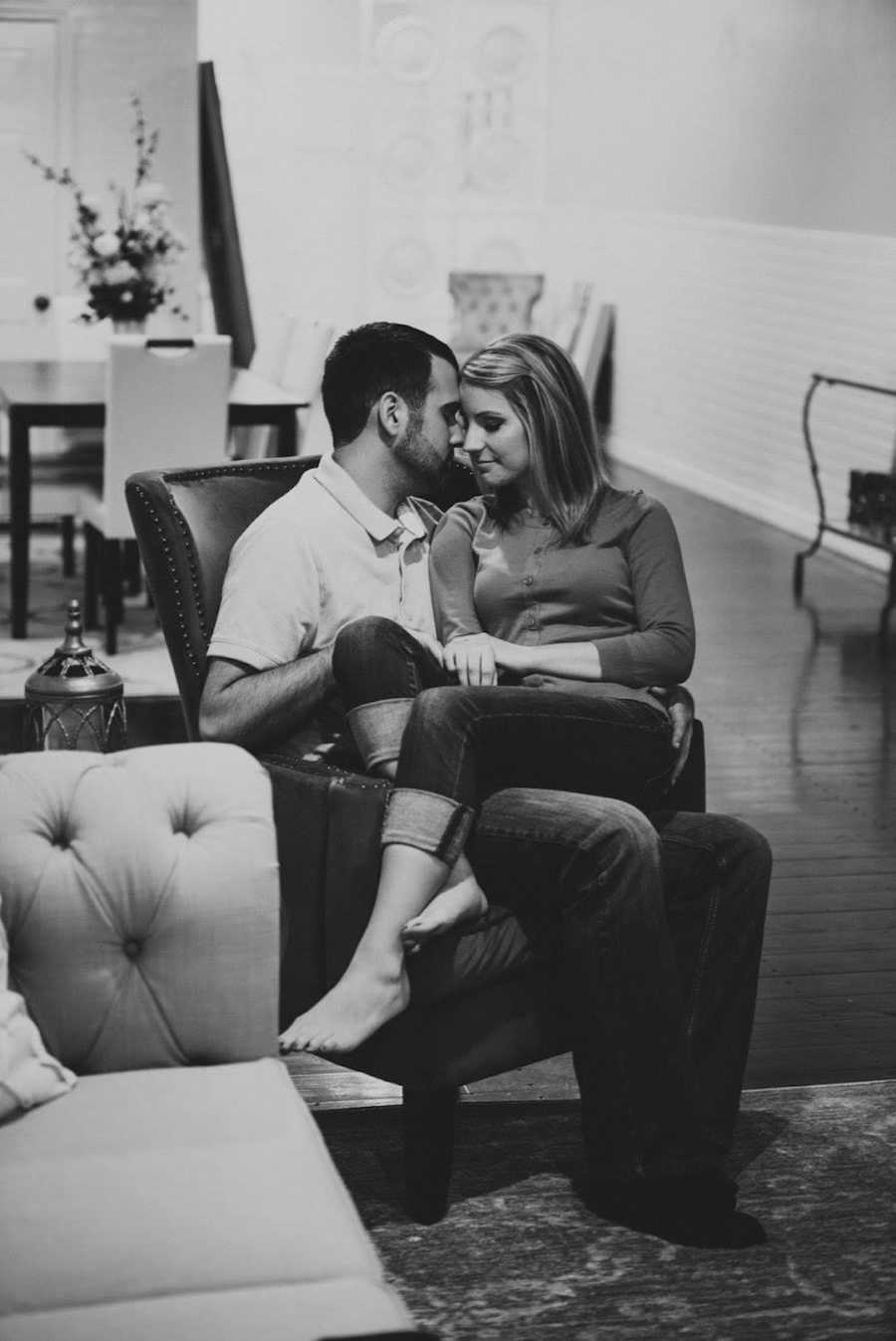
Ryan arrived, and we held each other, barely speaking. That night, we chose to keep our dinner reservation. Instead of letting cancer dictate our plans, we went anyway. We laughed and cried over candlelight, setting the tone for how we would face this journey together. Even flickering light is still light.
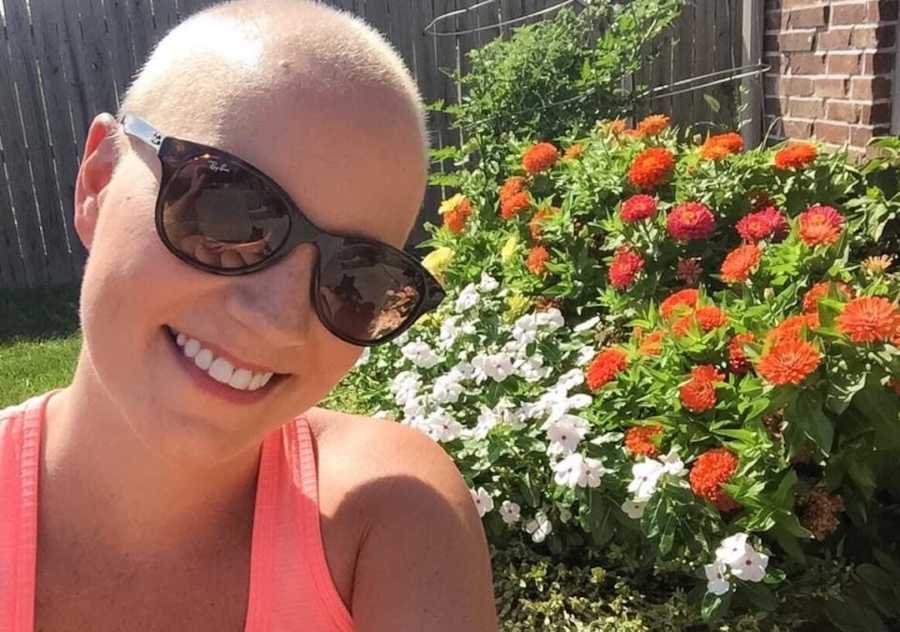
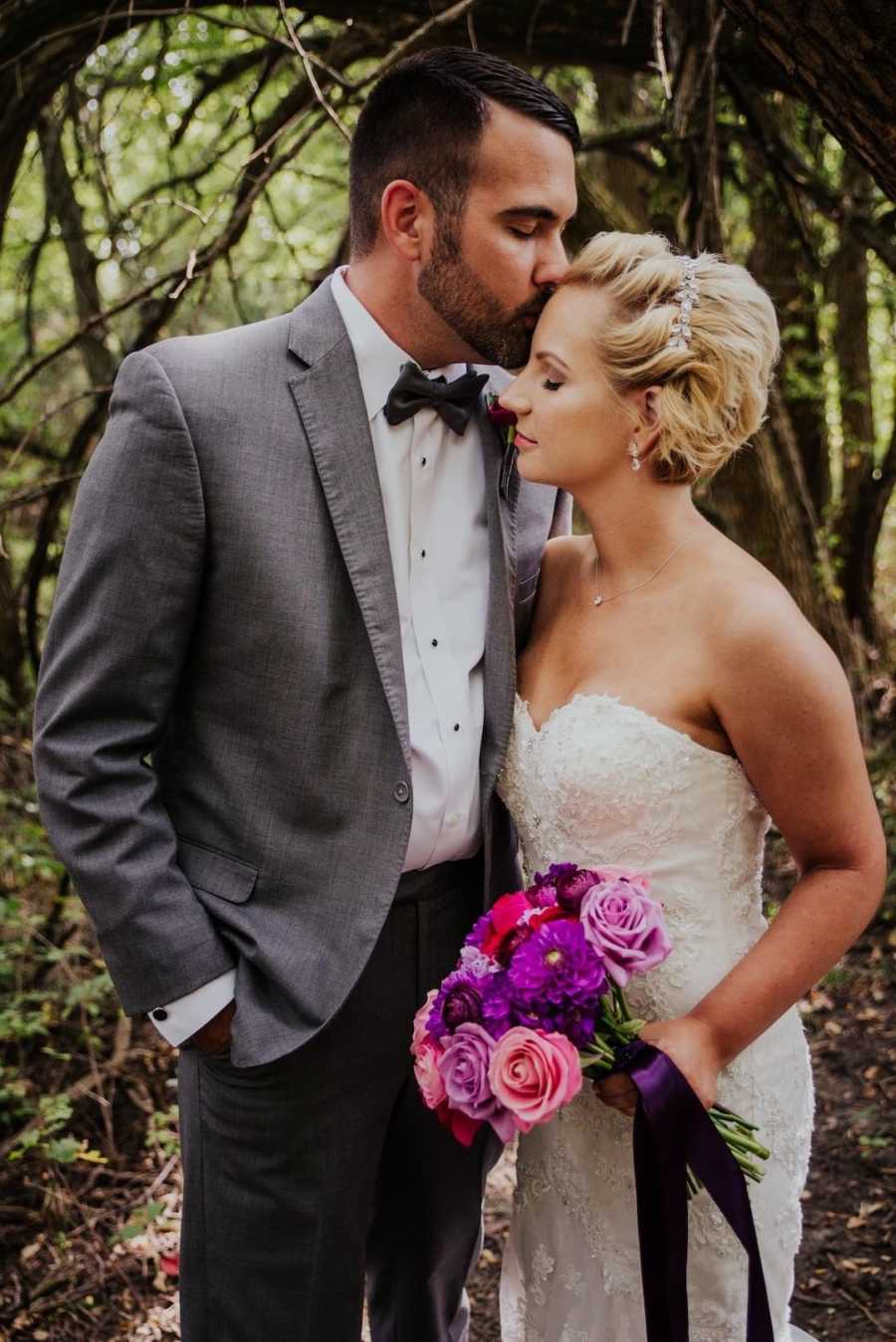
My greatest fear was not death—it was losing my joy. I refused to let cancer steal it. We postponed our wedding a year and grew closer through chemotherapy, mastectomy, and reconstructive surgeries. By the time we stood at the altar, we already understood “in sickness and in health.” That day was not just a wedding—it was a celebration of life. And when I met Ryan there, I finally exhaled.
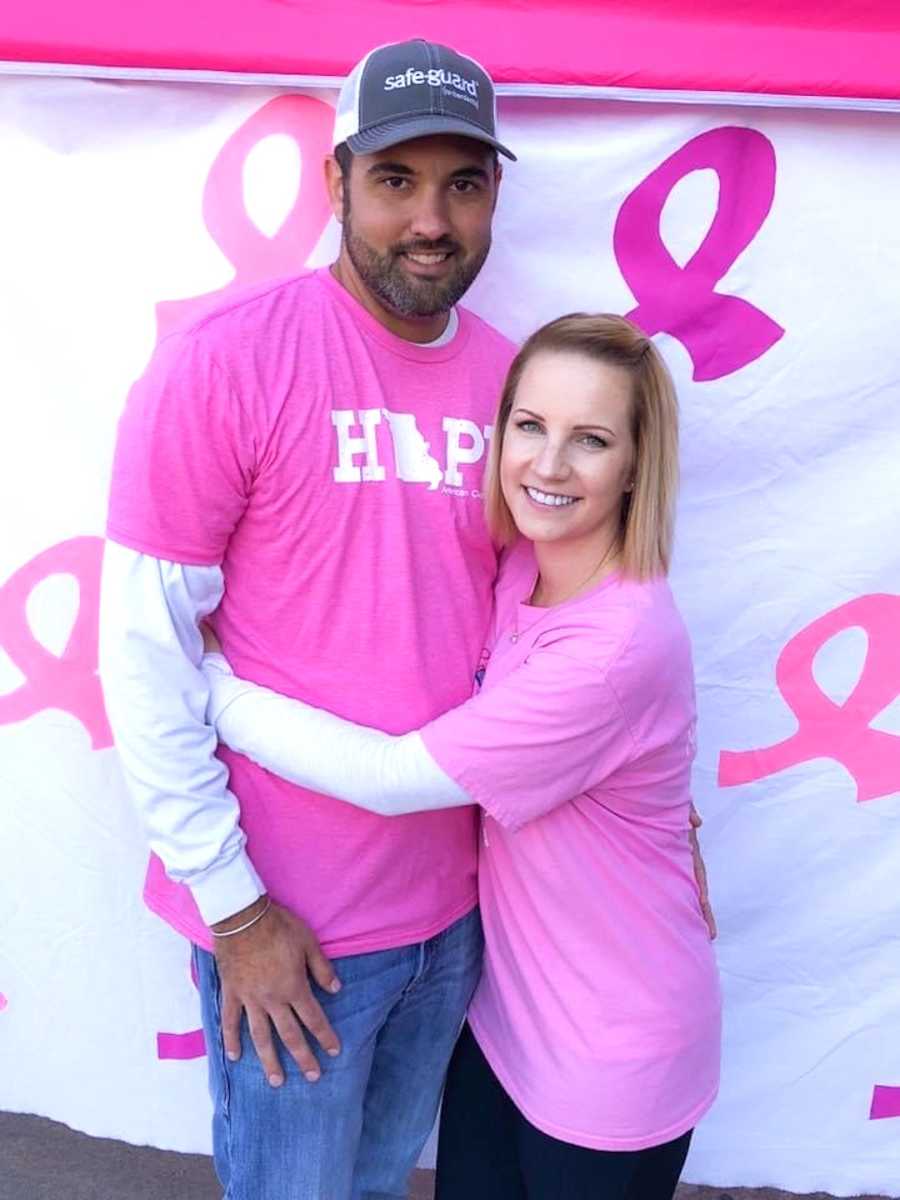
As I approach five years cancer-free, I see how much this story matters. Sharing it offers hope to young adults navigating diagnosis and survivorship. Cancer does not erase joy. Healing is not linear. Rest is productive. Survivorship is complex. But there is life during and after cancer—and it is worth pursuing, one moment at a time.
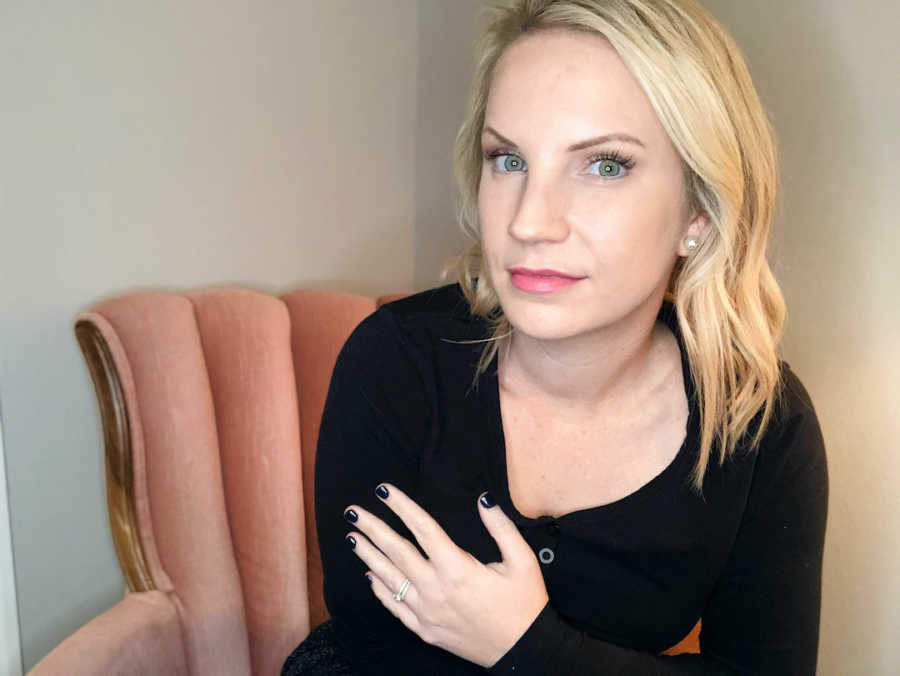
And no matter the prognosis, our capacity for happiness comes from within—and from community. We are never alone.