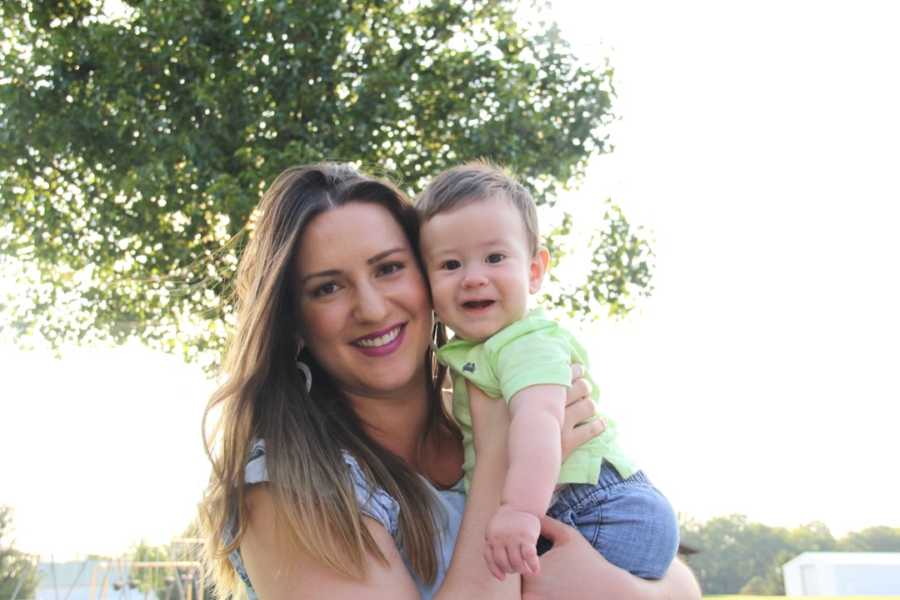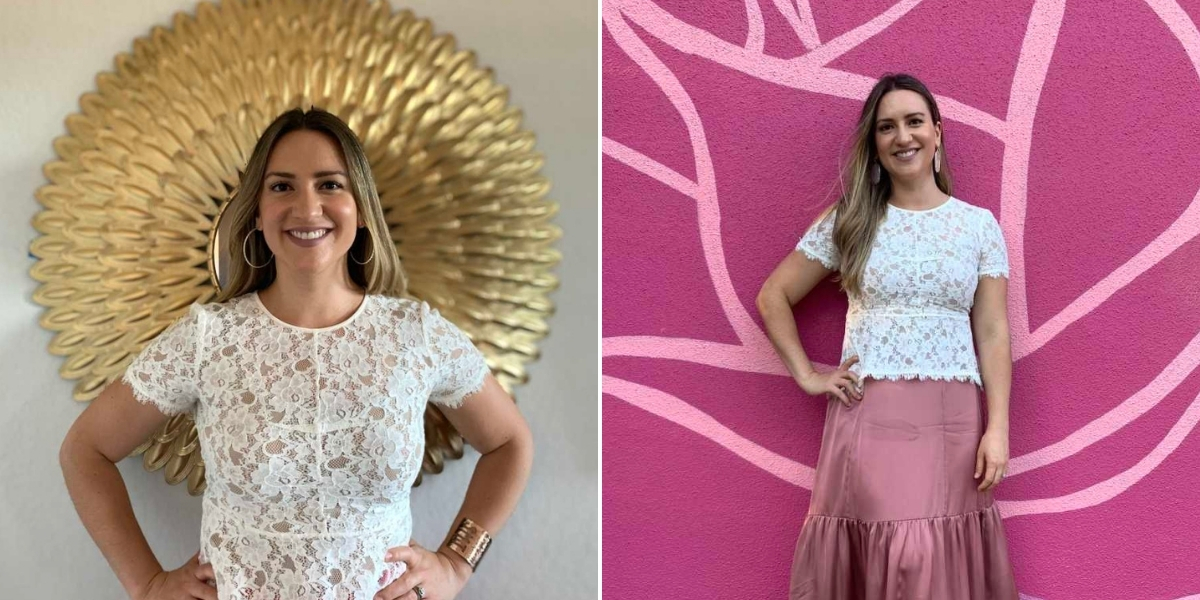
For some reason, vulnerability has long been mistaken for weakness, as if showing our emotions is somehow a flaw. But I have always believed the opposite: vulnerability is a bridge to our truest selves. It is not about being fragile or endlessly talking about feelings—it is about connection. It is about recognizing how you feel and giving yourself permission to express it, knowing it is okay to do so. To be vulnerable is to be fully human. It is about being comfortable in your own skin, understanding your emotions, and connecting with them deeply so you can care for yourself. When we embrace vulnerability, we care for ourselves because we allow ourselves to feel—fully and freely. That connection, that awareness of our own hearts, is what allows us to grow, heal, and thrive. It is something we are all searching for, in one way or another.
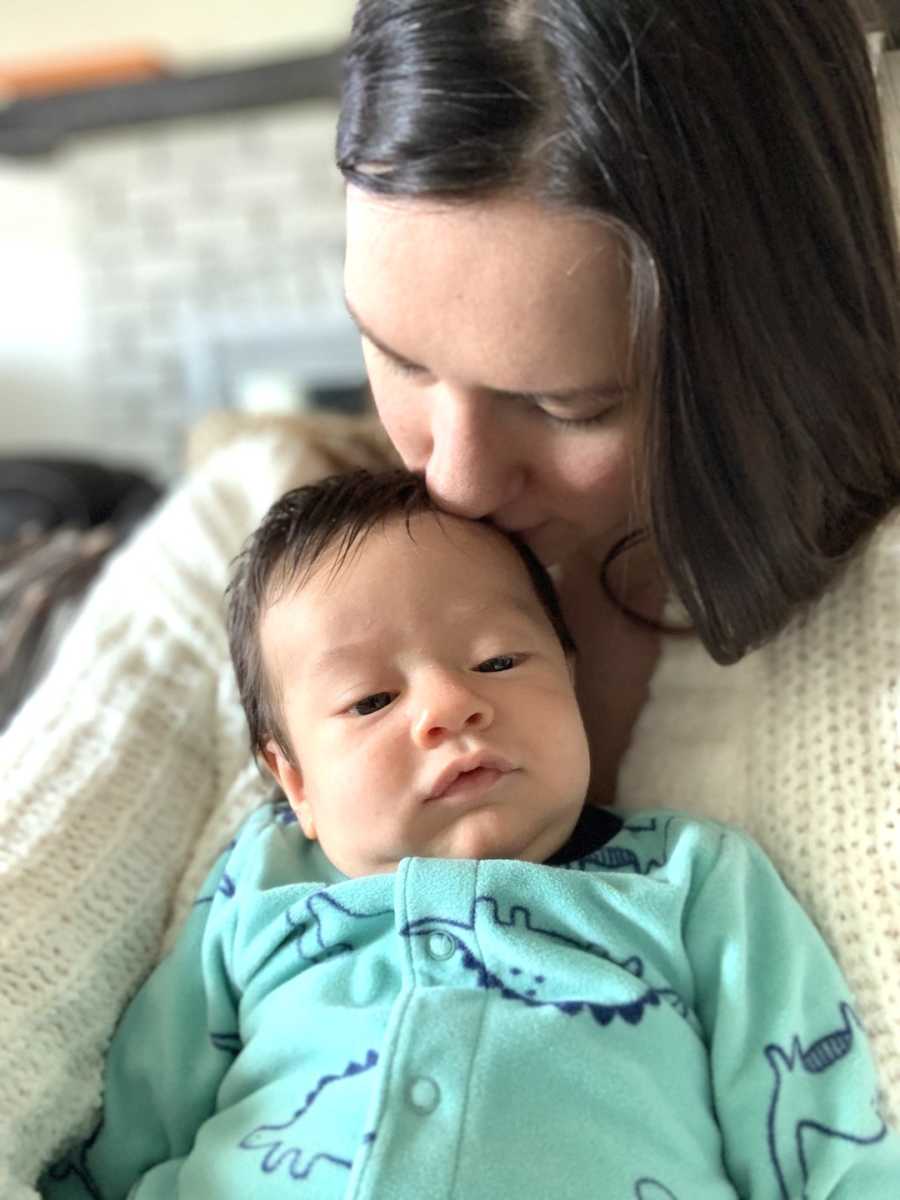
“Vulnerability isn’t good or bad. It’s not a dark emotion, nor is it always light or positive. Vulnerability is the core of all emotions and feelings. To feel is to be vulnerable.”
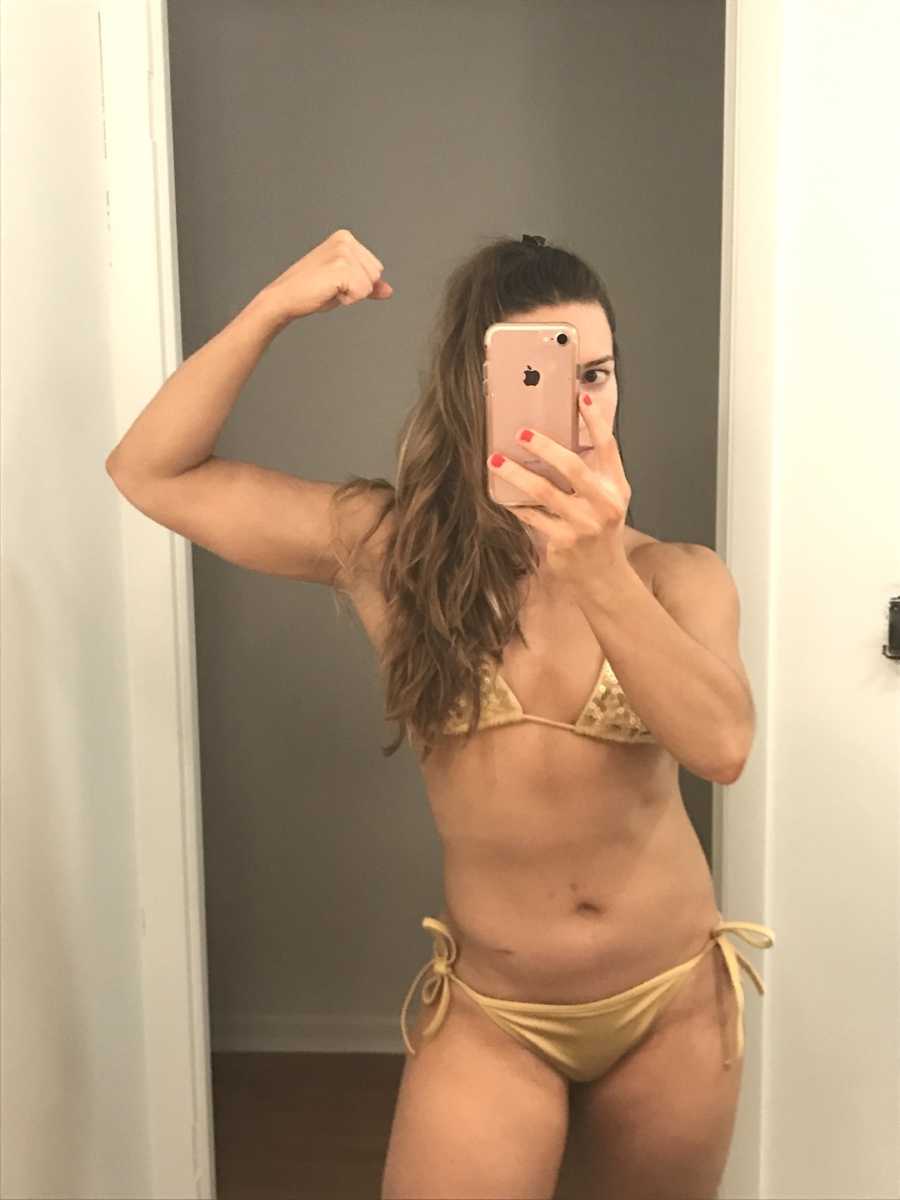
I loved this quote because it gave the word “vulnerability” the power it has always deserved. Why do we fear feeling? Why do we resist connecting with our own emotions? True vulnerability allows us to connect more deeply with ourselves, which in turn helps us connect with others. Once we stop seeing vulnerability as a weakness, we can begin to recognize the strength it offers—a power that comes from feeling and understanding ourselves fully.
As a mother, I have found vulnerability to be one of the most powerful tools I can possess. Over time, it has become an essential part of my self-care. Why? Because it allows me to connect—with myself, with my baby, now growing in my belly, with my husband, and with the world around me. Vulnerability gives us the visibility we need, especially as new mothers. There will be times we must communicate our feelings, but before we can do that, we must first recognize and connect with them.
Being vulnerable is also about honesty. It is about sharing our dreams, expressing our passions, setting boundaries, and asking for help when needed. It means letting emotions flow rather than holding them in. Motherhood comes with so many untold truths—times when we feel isolated or inadequate—but in reality, we are never truly alone.
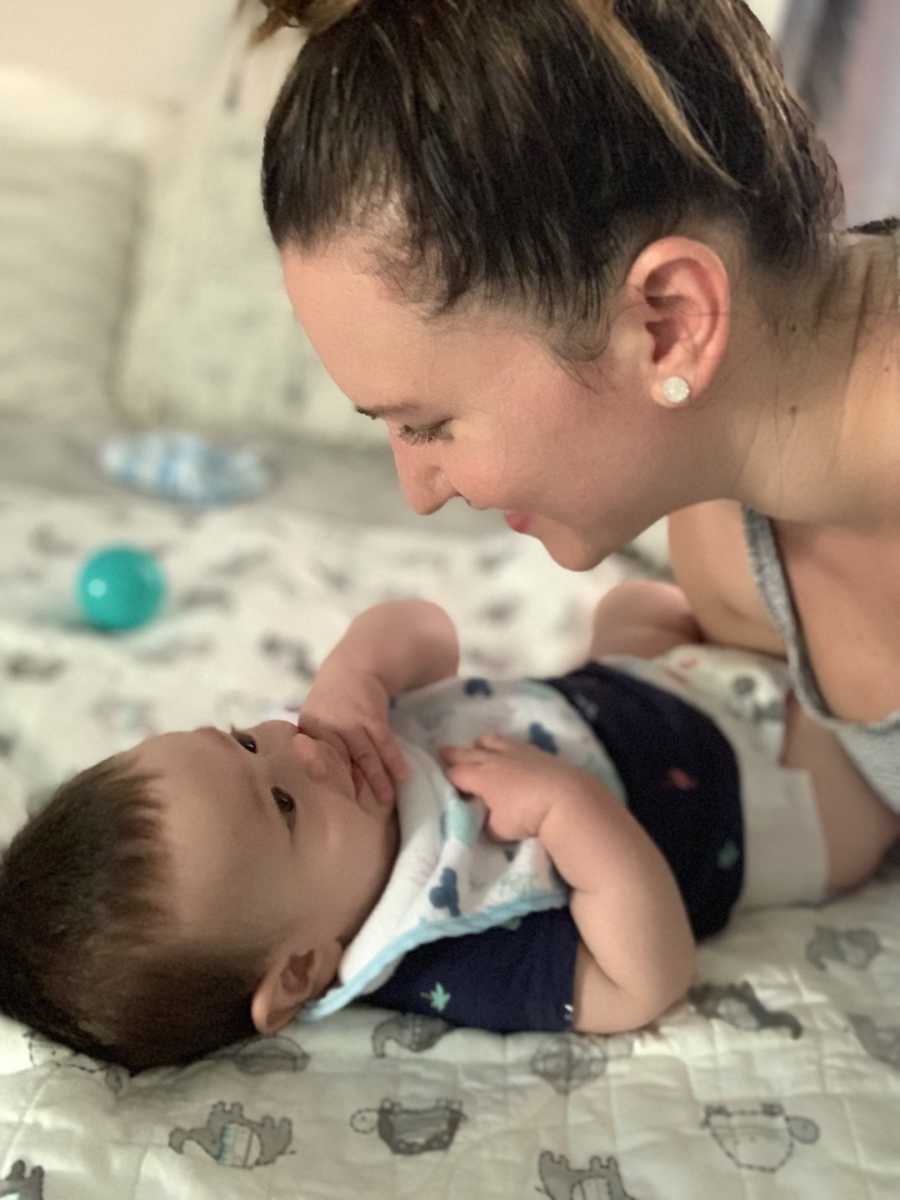
When I first became a mother, I didn’t know how to be a “good” mom. I fell into postpartum depression for over nine months because I hadn’t learned to connect with my own feelings. I felt like a failure. I didn’t allow myself to process the overwhelming emotions of becoming a mother and all the new responsibilities that came with it. The worst part was that I blamed everyone around me for my pain, instead of owning my feelings and imperfections and taking responsibility for my emotional well-being. I tried to control the people in my life instead of paying attention to myself.
I felt like my world was crumbling. Anger and sadness consumed me daily. And looking back, I realize the root of my struggle was not knowing how to be vulnerable. I didn’t understand that I was allowed to express when I wasn’t okay. Imagine enduring nine months of postpartum depression because you feared speaking up, because you thought showing emotion was a sign of weakness.
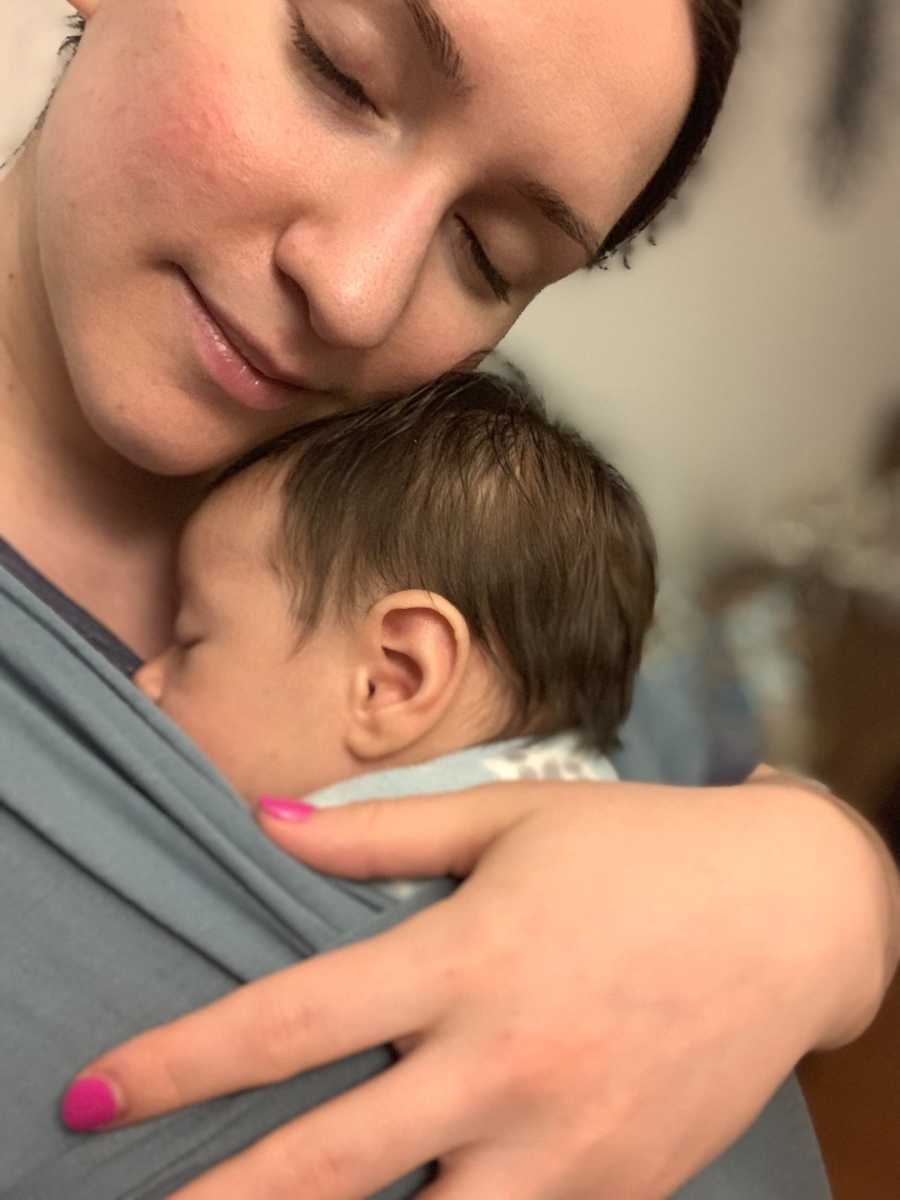
What I didn’t know then was that my fear of expressing myself came from a limiting belief instilled in childhood: that strength meant hiding emotions. I was taught that to be strong, I must hold everything inside, stop showing affection, suppress my feelings, and say, “I’m fine,” even when I wasn’t. But I’ve since learned that true strength comes from acknowledging our emotions, asking for support, and embracing our imperfections. When we know what we need and ask for it, we feel empowered. When our needs are met, we grow stronger.
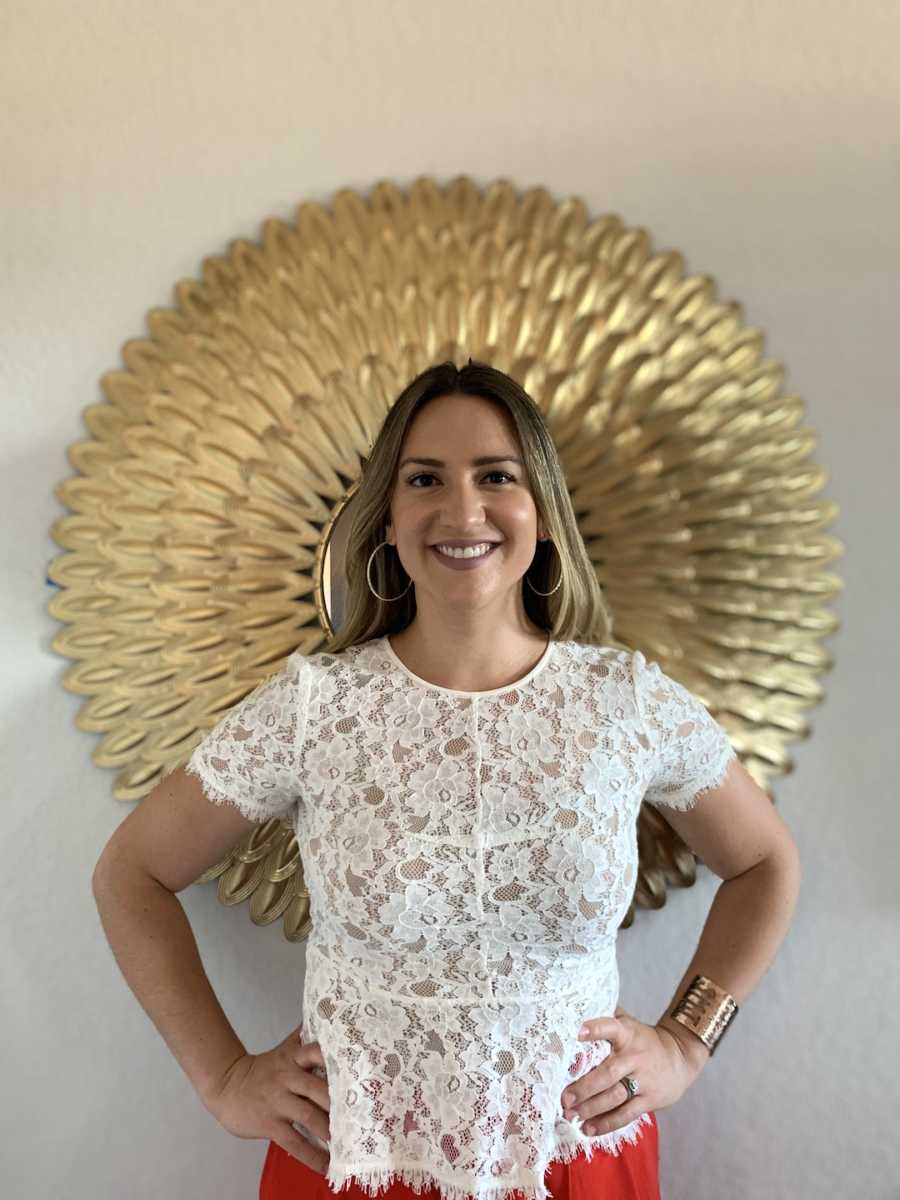
The turning point came when I began owning my imperfections and stopped trying to do it all alone. I asked for help, set boundaries, and sought support. My life started to shift. Suddenly, I could see more clearly what I needed to thrive. This didn’t mean I felt amazing every single day, but I learned that when I felt down, the best thing I could do was connect with myself—to acknowledge my emotions and allow myself to heal.
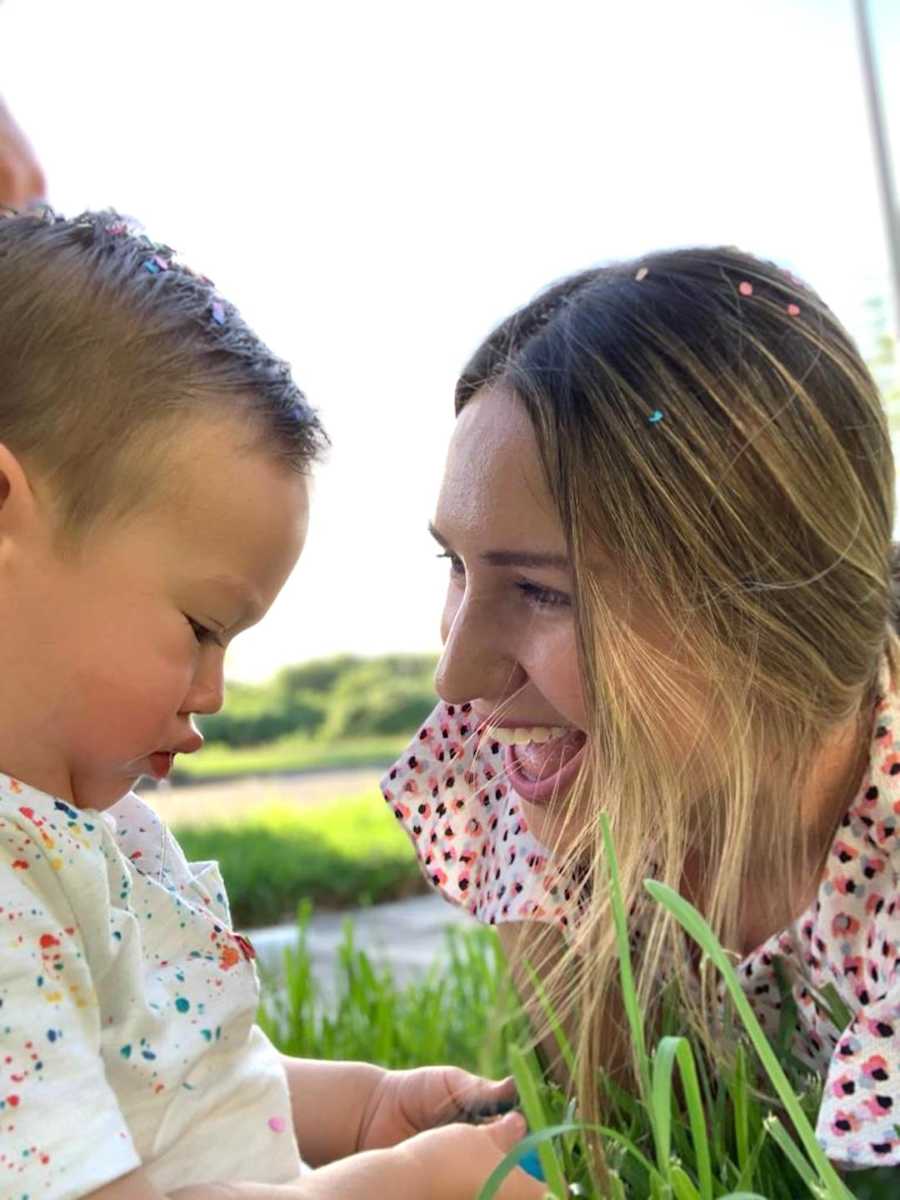
You don’t need to wait for a life-altering moment to start living fully. You are worthy of a beautiful life right now. Start owning your emotions and caring for yourself. Stop blaming others and focus on changing what you can within yourself. Stop comparing yourself to other mothers and set realistic expectations. Motherhood is not a race. Take it one day at a time. Hear the noise of advice and opinions, but find what truly works for you and your family. You don’t need anyone’s approval but your own.
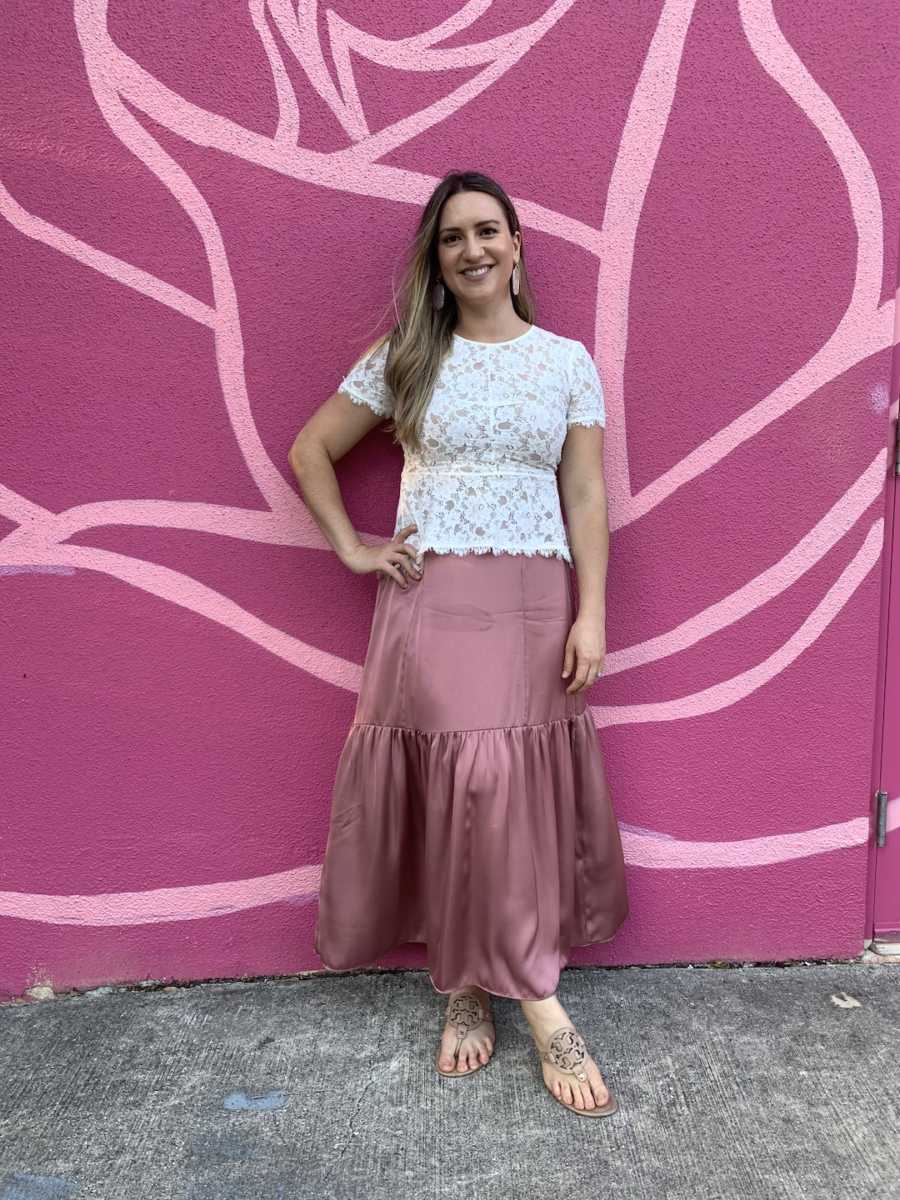
When a child is born, a woman is reborn. Motherhood may feel like it erases your identity as a woman, but it doesn’t. It is simply a new facet of who you are. Too often, mothers lose sight of themselves in their role, believing they exist only as a caregiver. But your identity remains. You can guide yourself back to it, and others can help remind you of this truth.
Mothers rarely talk about their struggles. They share victories, but rarely the raw, messy realities: physical changes, intimacy challenges, shifting marriages, sleep deprivation, anxiety, routines, and the emotional aftermath of childbirth. Social media’s “perfect mother” is an illusion. No mother has it all together all the time. Sharing honest experiences of motherhood is one of the greatest gifts we can give—it makes other mothers feel seen, supported, and understood.
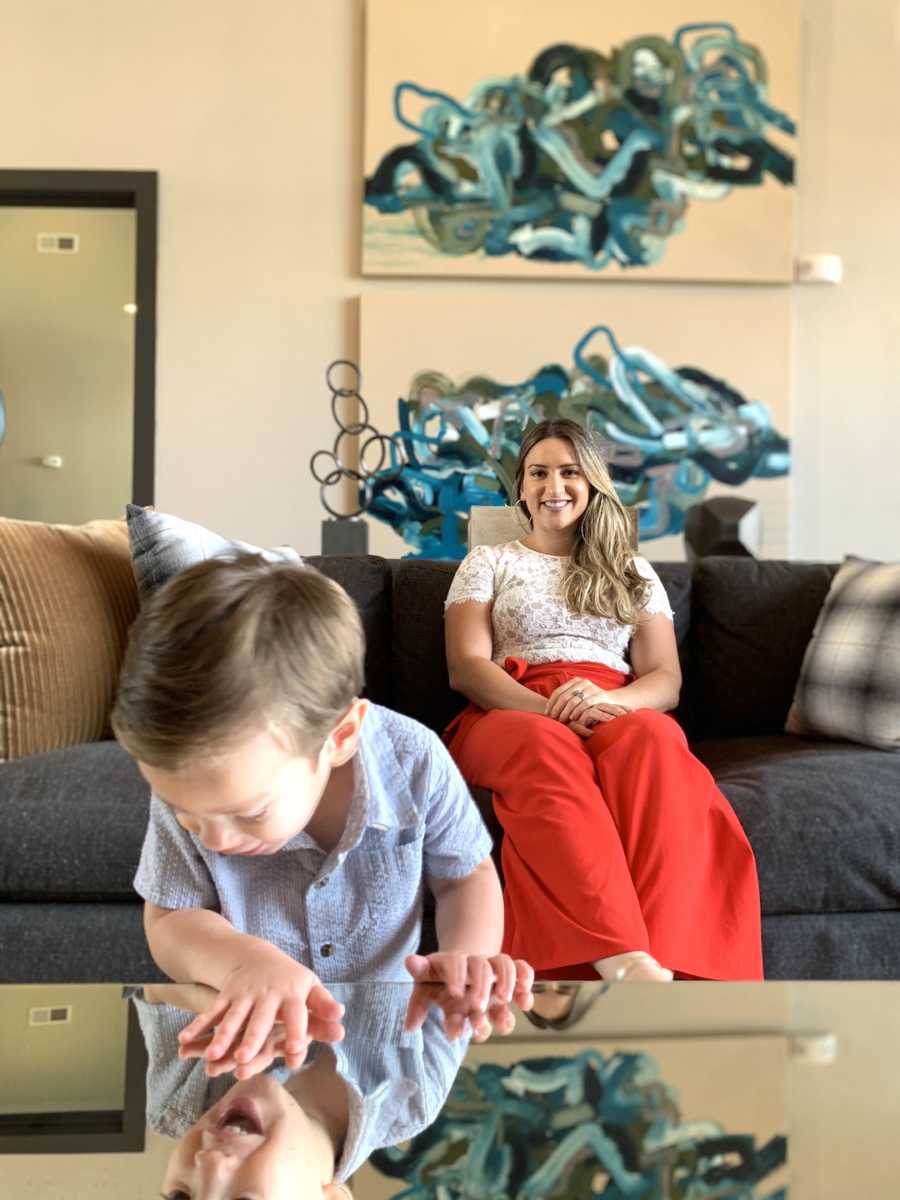
As an integrative health coach and self-care advocate, I have learned that speaking openly about the unfiltered truths of motherhood brings women together. I used to be ashamed of my feelings, but today I share my story in hopes of helping others. One of my greatest intentions is to help mothers release guilt, let go of unrealistic expectations, and embrace their journey at their own pace. Motherhood is not a competition. Look within yourself, ask for support when needed, and always act from a place of love. Begin with vulnerability. Connect with yourself. Learn. Grow.
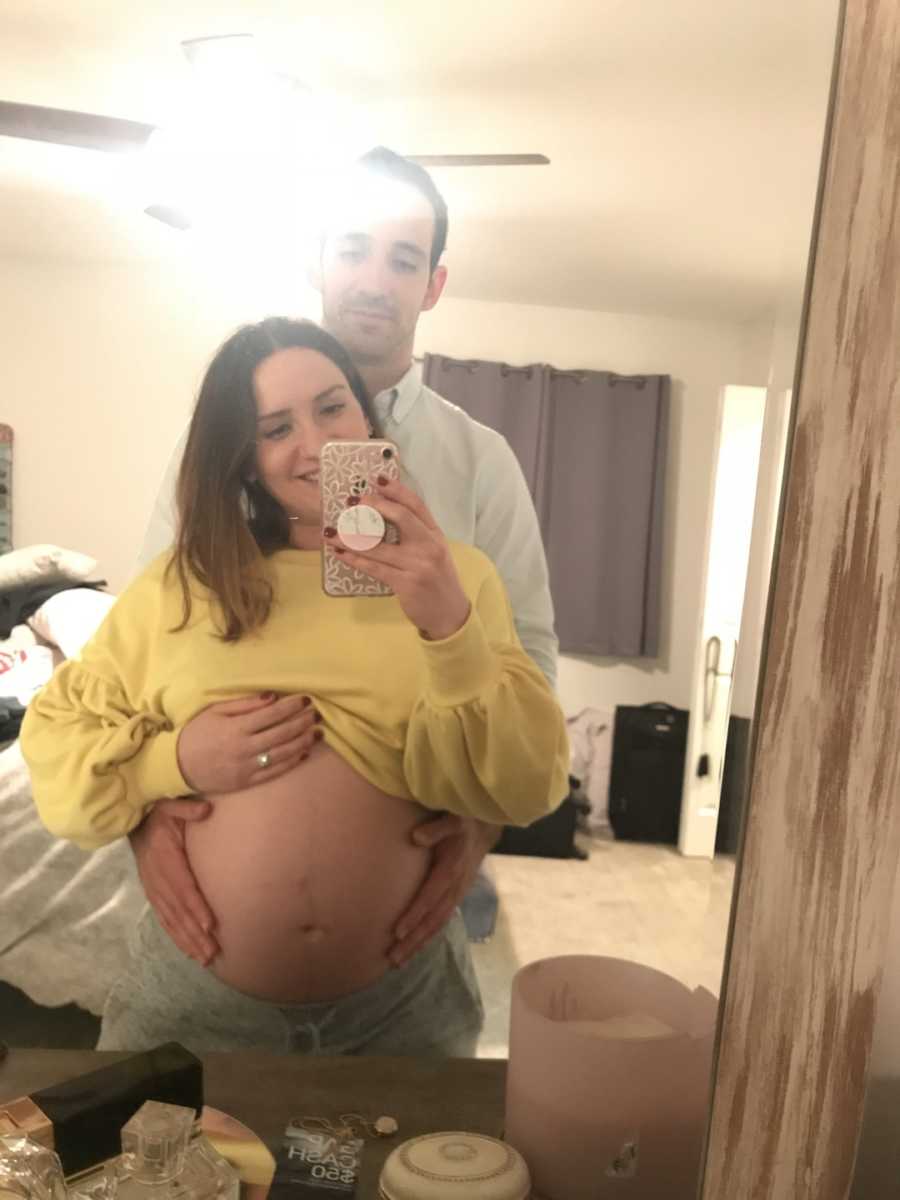
Motherhood is full of unknowns. But one thing I can share with every mother is this: it’s okay to be vulnerable. Dive into your emotions. Connect with yourself on a deeper level. Open up. Your feelings matter.
Change your story. Let go of limiting beliefs that tell you, “You are not enough” or “You cannot do it.” Your intuition is a powerful gift. Listen to it. Care for yourself. Feel empowered. Be seen. You cannot truly care for others if you neglect your own well-being. Self-care is not optional—it is essential.