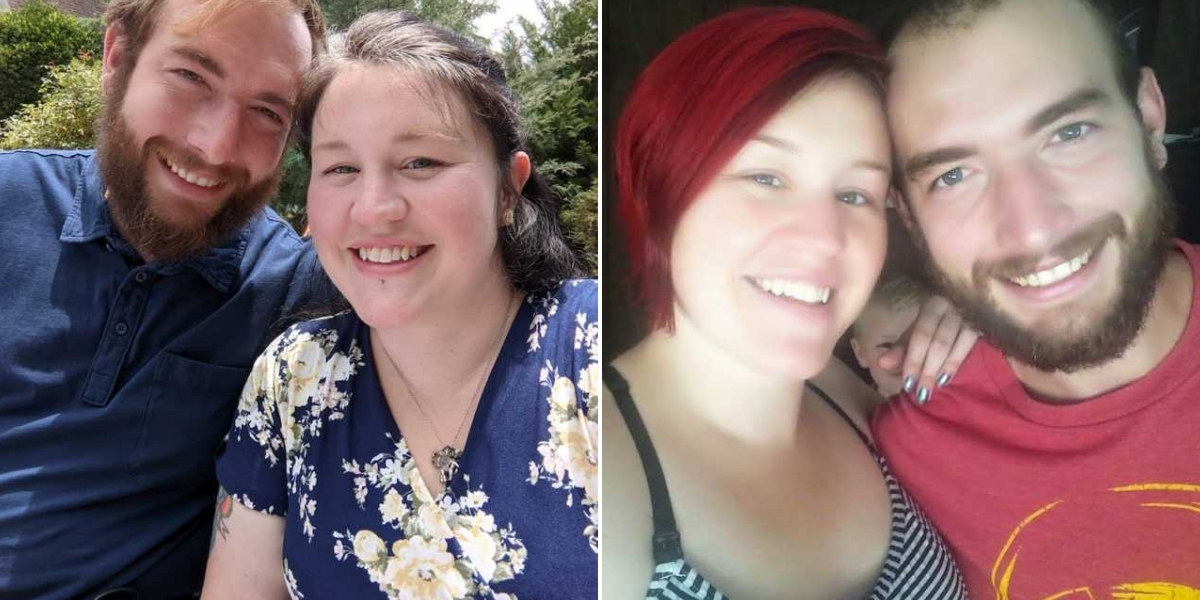
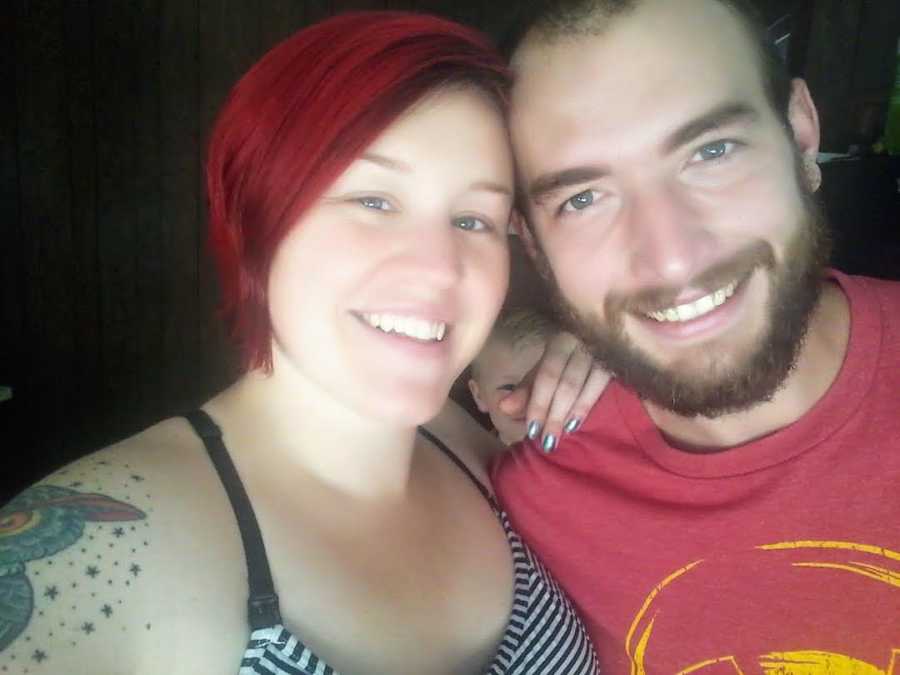
My husband, Mark, and I met in May of 2017. At the time, I was a newly single mother of five, having just come out of a difficult seven-year marriage. I wasn’t searching for love or a relationship. What began—as my sister jokingly described it—as “a joke,” quickly became one of the greatest blessings of my life. Mark served in the same National Guard unit as my brother-in-law, Alex. Alex passed along my information, and from there, the rest truly became history.
Fast forward to September 2019. We were expecting our second little girl together and had already chosen the name Corbyn. Every pregnancy I had experienced before had been textbook easy, including the birth of our daughter Cassyn the year prior. Because of that, we never imagined the devastating news that awaited us just a month later.
On November 26, 2019—a date forever etched in our hearts—I went in for my routine anatomy scan. Mark couldn’t attend due to work, but I wasn’t worried. Everything had always been fine before. My mom came along to help with my 17-month-old, and the scan began as it normally did. The ultrasound tech asked if I wanted to know the baby’s gender. I told her we already knew she was a girl, which she confirmed. She pointed out that Corbyn was sucking her thumb, and while I noticed her shoulders looked a bit large, I brushed it off, assuming she was just a bigger baby like some of her siblings.
When the scan ended, the tech told us she needed to send everything to the doctor and stepped out, taking the printed images with her. In that moment, I felt it in my gut. I turned to my mom and said, “Something is wrong with the baby.” She tried to reassure me, but I knew. About fifteen minutes later, the tech returned and asked us to step into an office across the hall.
Once we were seated, two doctors entered. Dr. Chester looked at me gently and said, “We’re about to have a really hard conversation about your baby.” She explained that our sweet girl had a rare neural tube defect. I asked quietly, “It’s anencephaly, isn’t it?” She nodded. I had heard of anencephaly before—something I’d stumbled upon during countless anxiety-filled internet searches—but it never crossed my mind that it could happen to us. This was baby number seven. Those things were rare… until they weren’t.
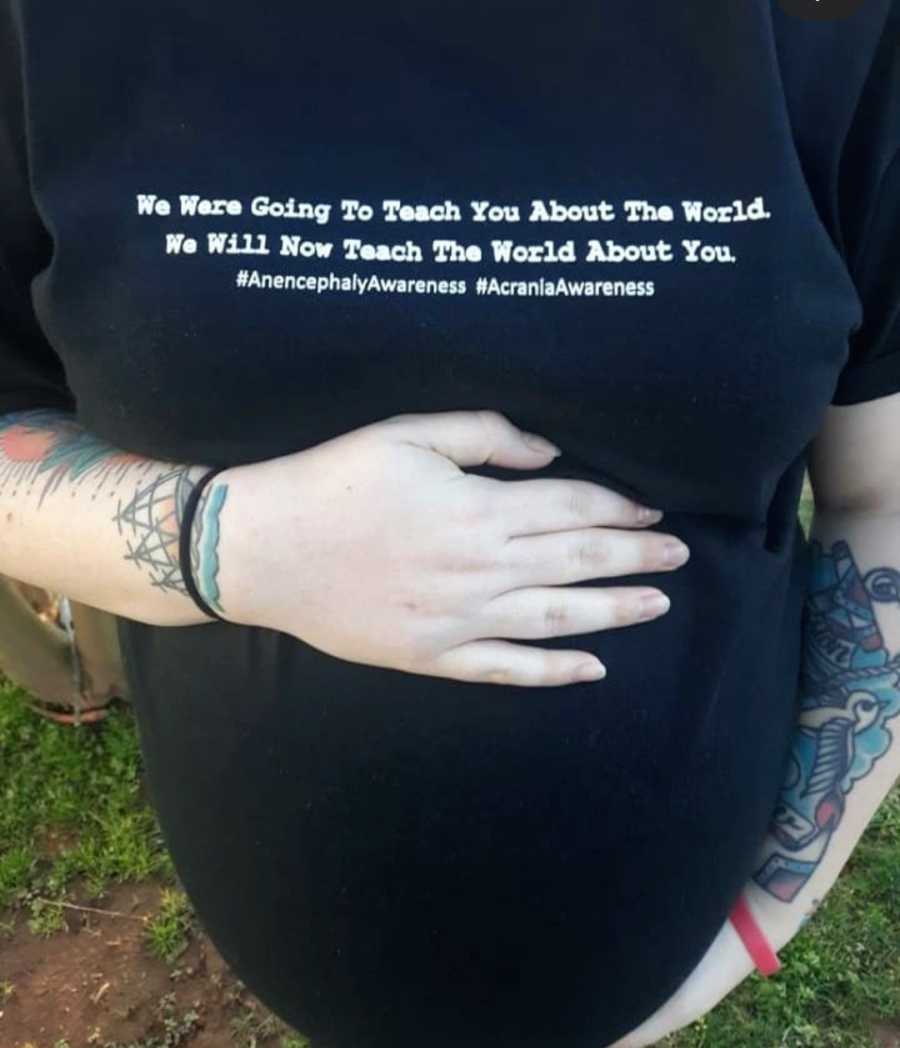
Anencephaly occurs very early in pregnancy when the neural tube doesn’t close properly, preventing the brain and skull from forming. The doctors explained my options: I could end the pregnancy, or I could carry her to term. There was a high chance of stillbirth or premature labor due to polyhydramnios—excess fluid caused by her inability to swallow. Ending the pregnancy never crossed my mind. I knew Corbyn wouldn’t have a long life, but whatever life she was given, I wanted to honor it. I wanted every moment with her.
I asked about organ donation, but initially I was told it wouldn’t be possible due to her size and lack of brain development—a statement we would later learn wasn’t entirely true. I was devastated. She was moving, kicking, alive inside me. How could she not live? How would I explain this to my other children? How would I call her dad and tell him we wouldn’t be bringing our baby home?
As I was leaving the parking deck, a neonatologist called me. She told me she admired my heart—for thinking of others through organ donation in the midst of such devastating news. She gave me the number for Carolina Donor Services and connected me with Chris Tozel, someone who would forever change our story. The next day, Chris called, and we scheduled a meeting to explore our options.
A couple weeks later, we learned that Corbyn could be eligible for heart valve donation if she met the weight requirements. While her organs couldn’t be used for transplant, they could help with research. It was more hope than we ever expected. Even before she was born, Corbyn was already moving mountains.
The months that followed were spent preparing for her arrival. I joined support groups like Anencephaly Hope and anencephaly.info, where Lisa and Monika offered incredible knowledge, compassion, and support. At my 30-week appointment, I was measuring ahead, though Corbyn’s stomach was smaller—something common for babies with anencephaly. My fluid levels were normal, and I still held hope that she would reach the required weight.
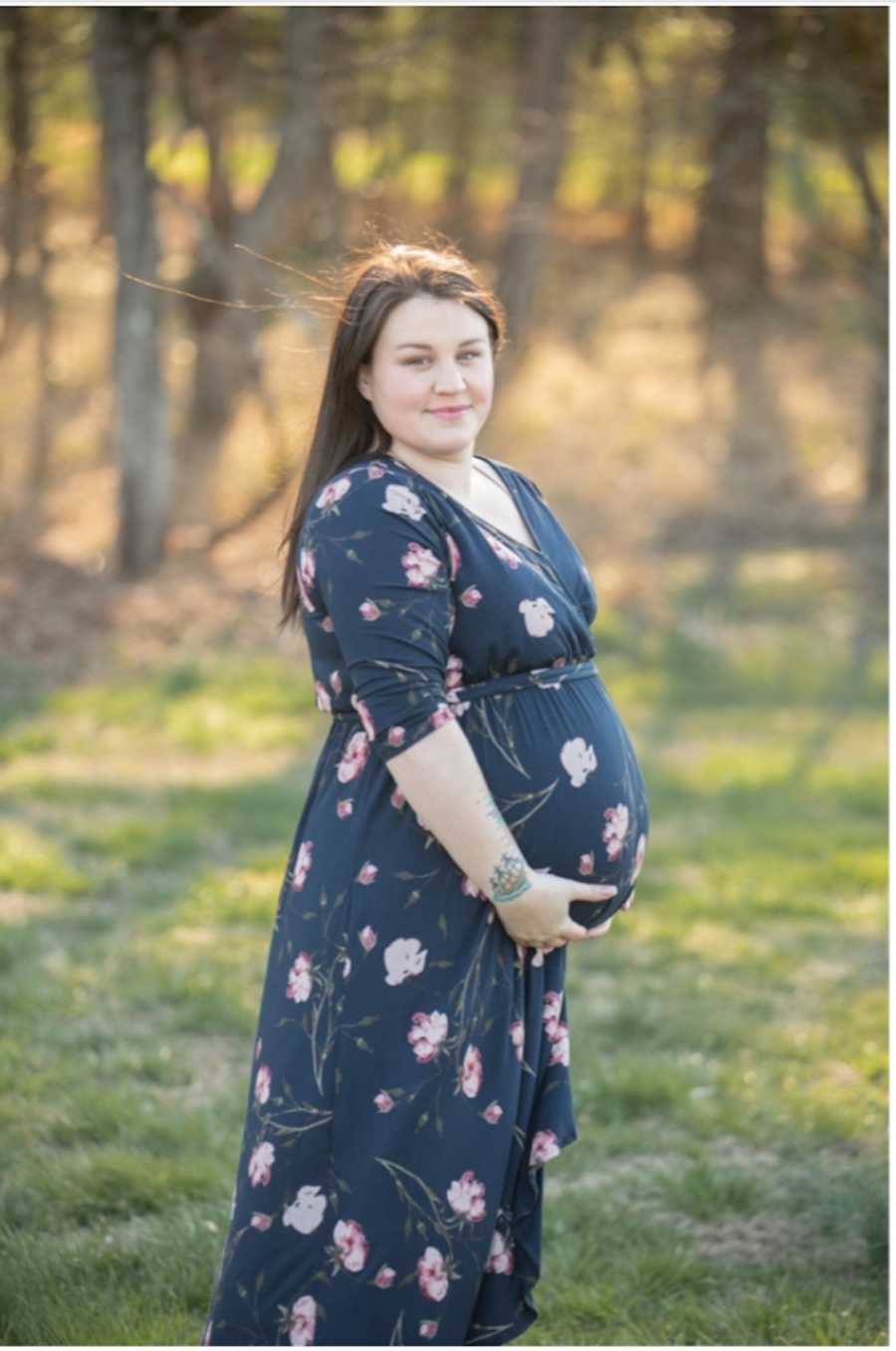
Knowing things could change at any moment, we decided to schedule maternity photos. I reached out to a local photographer, Cortney, who quickly became family. When I shared our story and the urgency, she responded within hours, offering to photograph us that very weekend and gifting the session. Afterward, she also offered to be there for Corbyn’s birth—something we hadn’t even thought of but were deeply grateful for.
In March 2020, amid the start of the COVID pandemic, we met with our palliative care team to finalize our birth plan. Every detail—how we would parent Corbyn, what care would look like, and how much time we’d have—was discussed. Our doctors supported every request.

Our induction was scheduled for April 15, 2020, at 39 weeks and one day. The drive to the hospital was heavy. How do you prepare for the best worst day of your life? We arrived at 10 a.m., pitocin began at 11, and labor progressed slowly. We chose intermittent monitoring, knowing labor could be too hard on Corbyn.
By evening, I received an epidural, my water was broken, and labor intensified. At 11:22 p.m., we heard Corbyn’s heartbeat—122 beats per minute. At 11:56 p.m., Corbyn Elizabeth Reign was born. She was placed on my chest, and as I rubbed her cheek, I knew. She had fought so hard, but labor was too much. She weighed 6 pounds, 2 ounces—just enough for heart valve donation. Because of her, another baby would get more time.
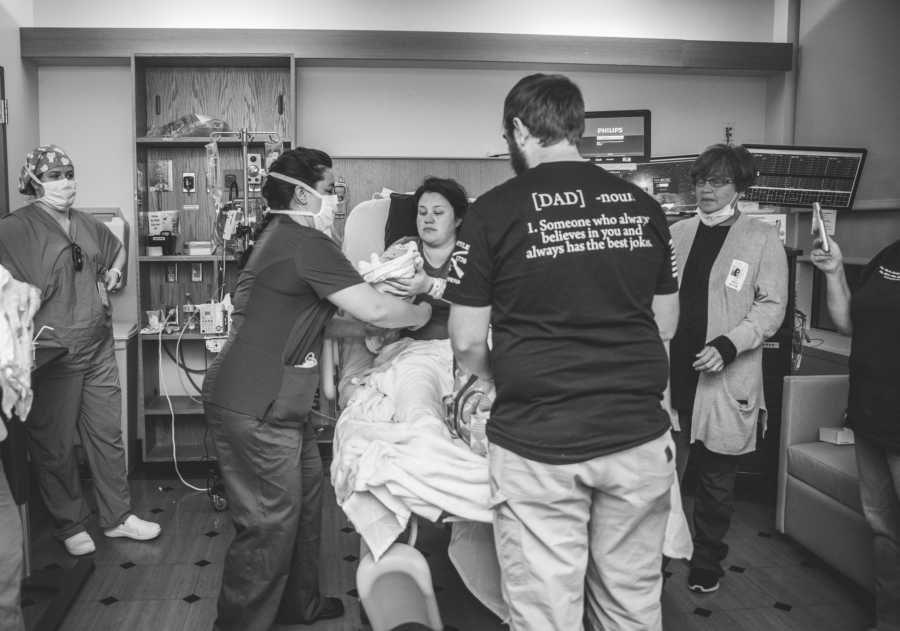
After a donor ceremony led by Chris, we said our goodbyes. Five hours later, Corbyn was returned to us. We dressed her, sang to her, took photos, made footprints, and soaked in every second. The next day, we went home to our other children. Our final goodbye came on her due date, April 21, 2020—a day filled with peace.
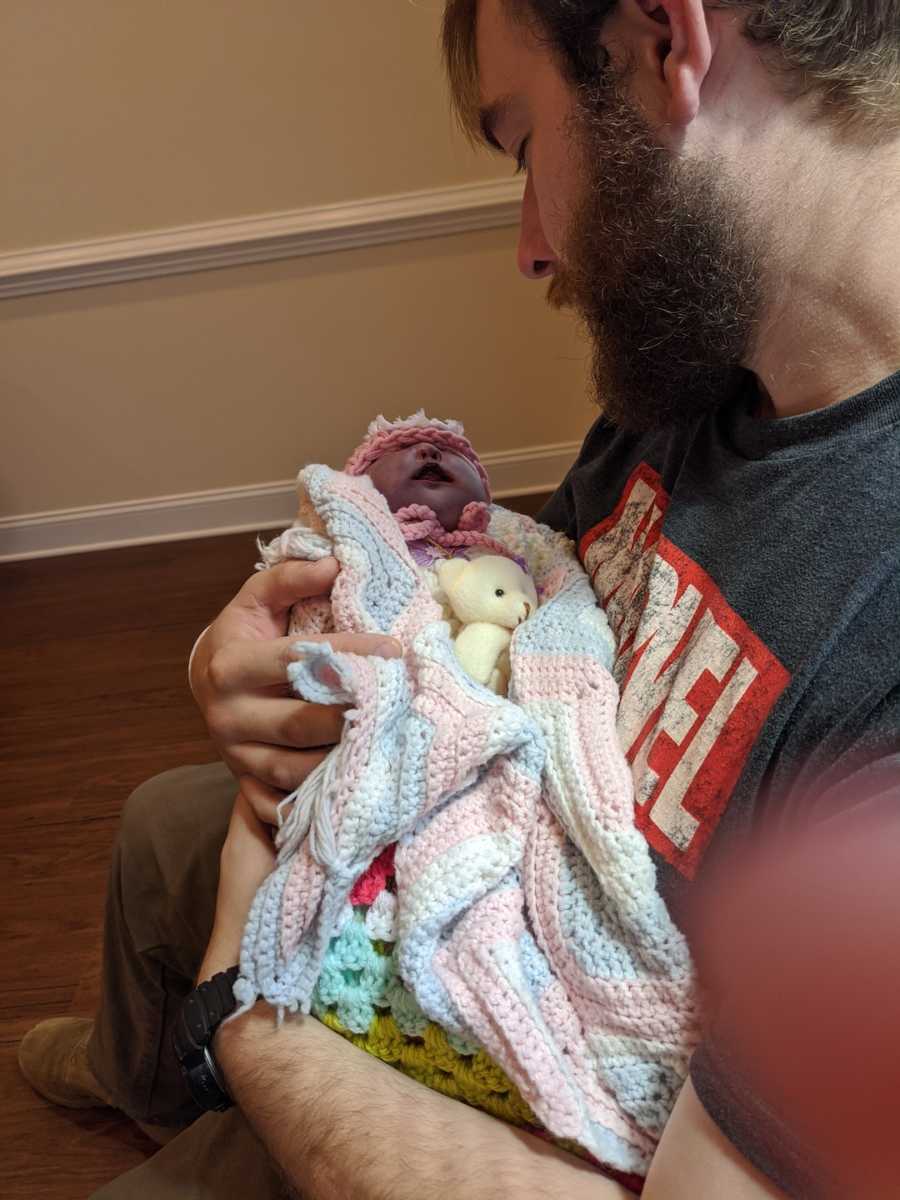
The months after were heavy with grief. I was barely staying afloat. But Mark held me through it all. Slowly, moments turned into days. We speak Corbyn’s name often. We honor her through memory boxes and traditions. She is forever part of our family.
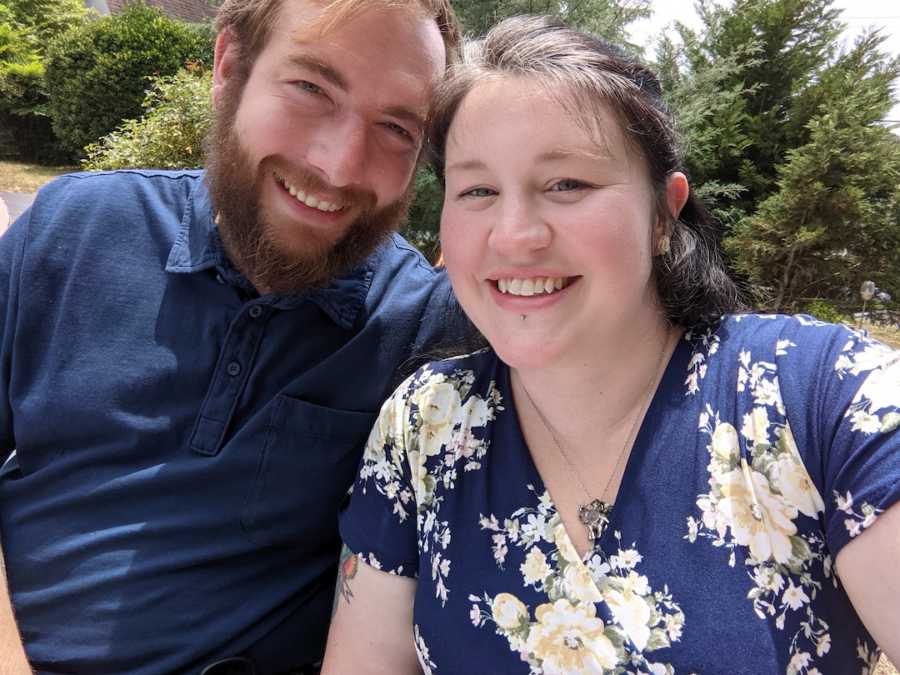
In February 2021, we learned we were expecting again. Fear and hope coexisted. Ultrasounds showed a healthy baby girl—Colby. While joy filled our hearts, grief still lingered. Pregnancy after loss is complex, beautiful, and painful all at once.
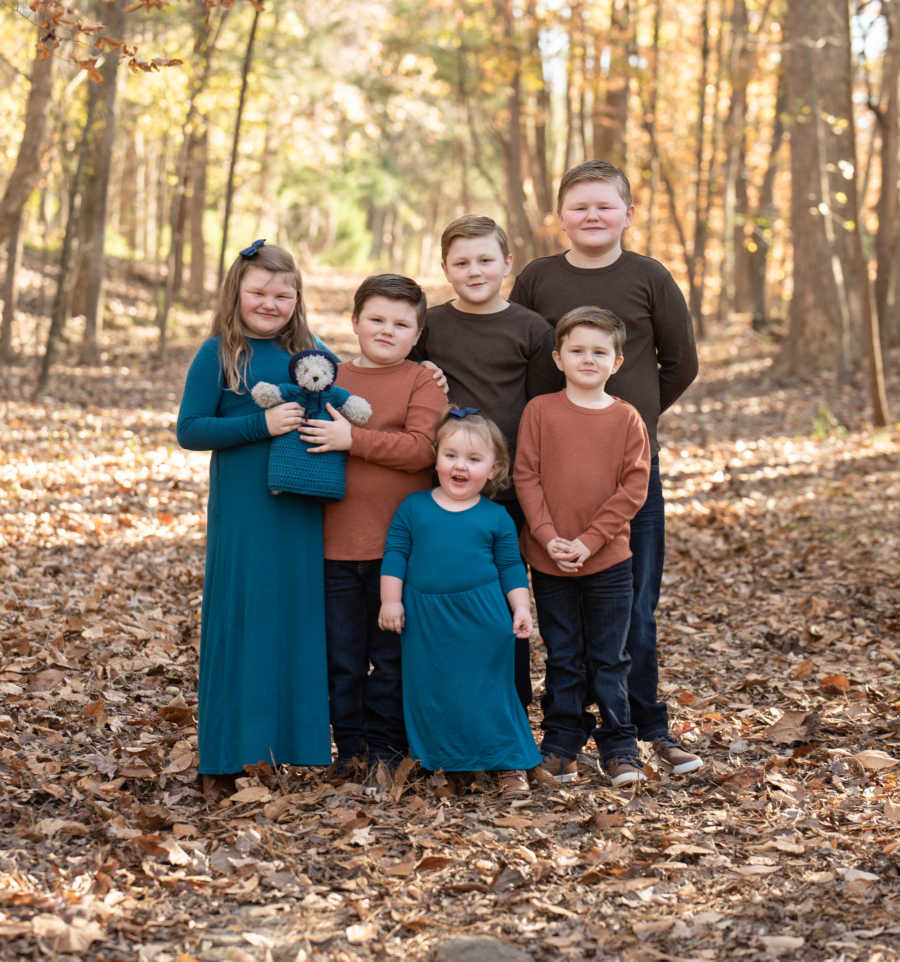
To every mama carrying grief: I see you. Say their names. Your baby is loved. Your baby is remembered.