I was asked to write a story about myself. Funny thing about writing, I suppose—I spend so much time putting words to the people, places, and fragments of life around me, even to parts of my own body. But my experiences? Those have always felt like uncharted waters. And here I sit, drifting in unfamiliar territory. Still, every journey has to begin somewhere, so I guess we start at the beginning.
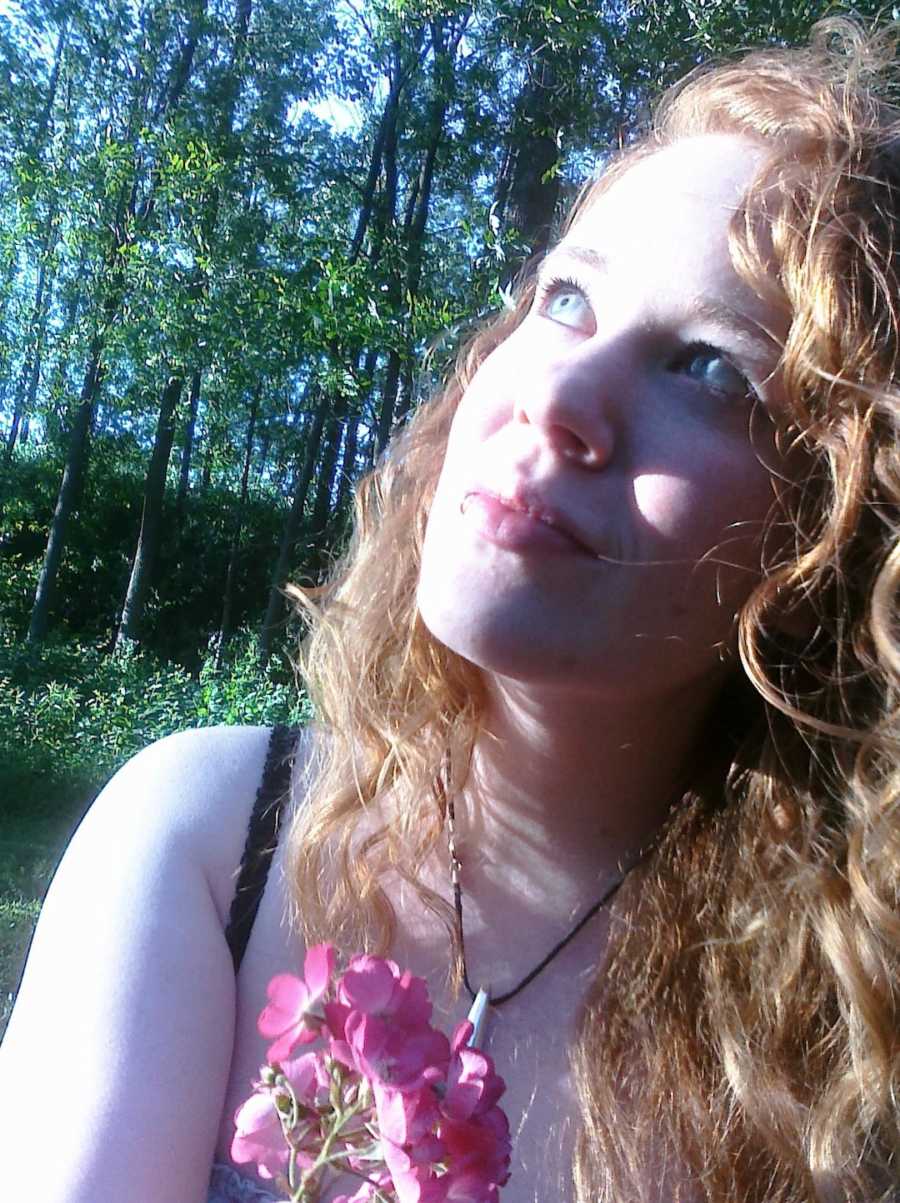
People often ask, why are you the way you are? Why do you do the things you do? I think our “why” lives inside us long before we can name it. It’s built from a lifetime of moments, losses, love, and survival. My why is layered and complicated. Sometimes I feel as though I’ve lived three or four entire lives, all within my not-quite 33 years.
My name is Shavonne Maxine Riordan, but you can call me Shay. My mom was Wendy. My dad was Rusty. They were young when they had me, and now, as a mother myself, I can see how overwhelming that must have been. They did their best with what they had—and honestly, that’s all any of us can ever do.
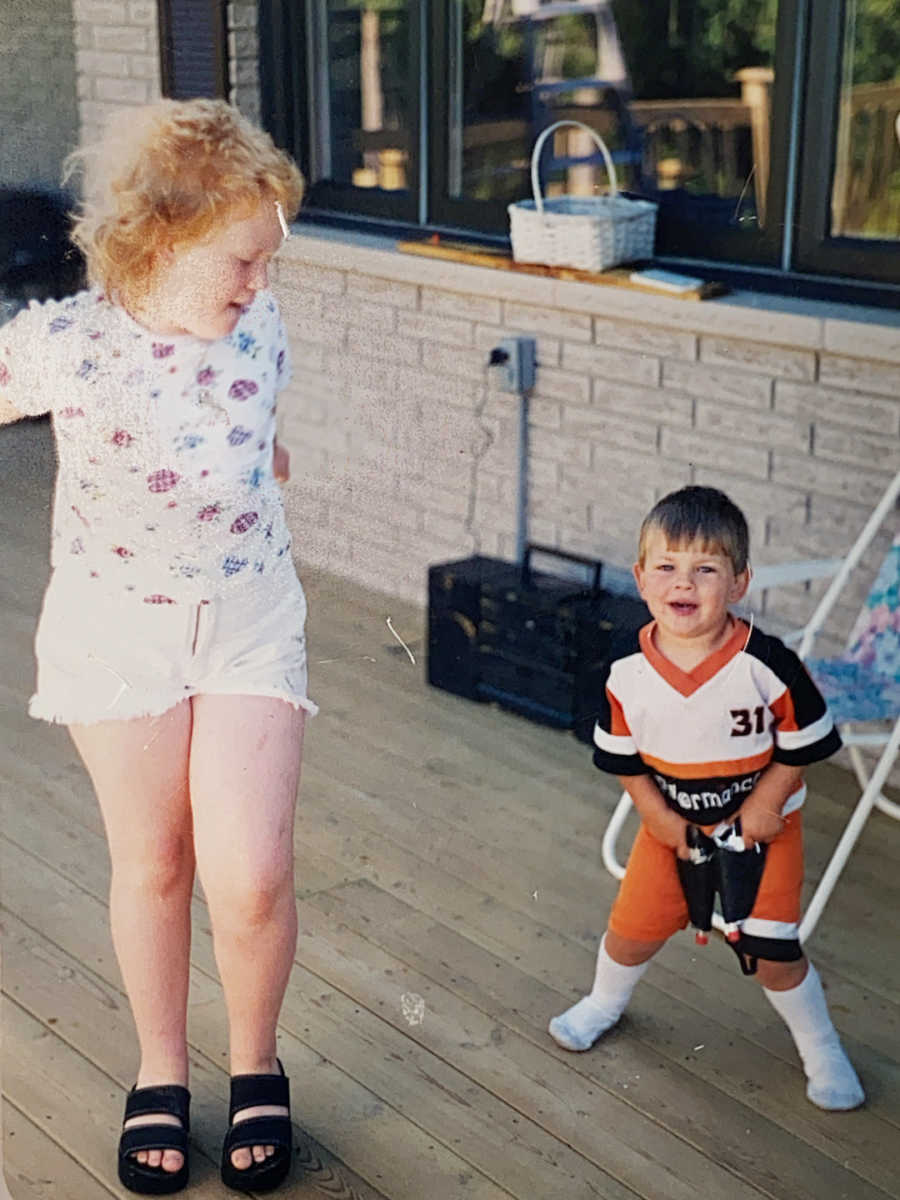
My parents separated when I was almost three. Their relationship was fiery and volatile, like two flames constantly crashing into each other until one had to escape before everything burned down. I remember warmth and laughter from my childhood, but I also remember chaos. Both lived side by side.
My mother was wild in the best way. A free spirit. A trailblazer. She believed deeply in love, light, and chasing happiness wherever it could be found. She taught me that our differences were sacred, that judgment had no place in our hearts. If my best friend or I ever said something unkind—even without realizing it—we were gently but firmly told why words mattered, how they could hurt, and then sent to reflect.
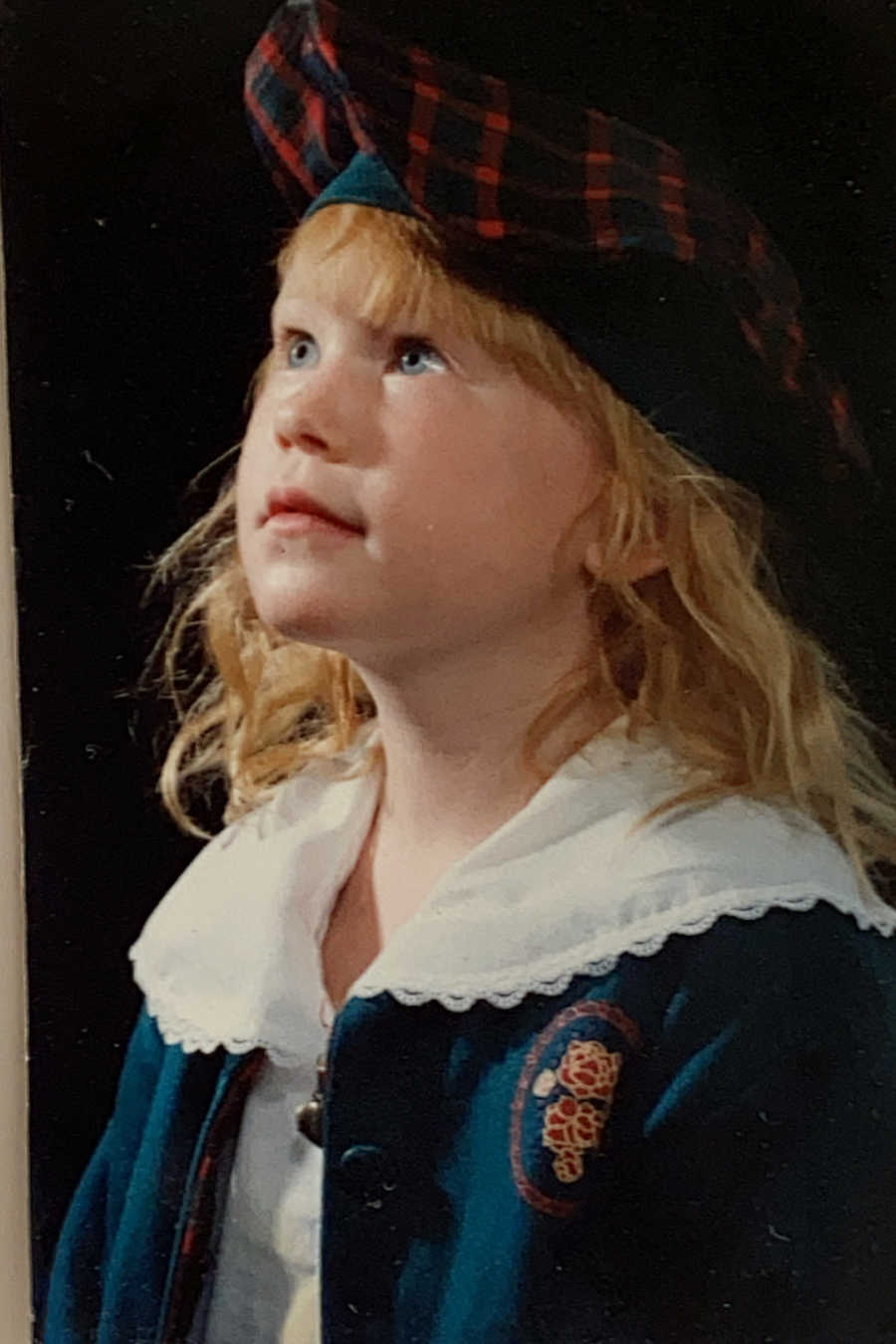
As magical as my mother was, there was also a sadness that followed her. She lived with bipolar disorder, an illness that would eventually take her from me. It shaped so much of her life, and in turn, mine. There were times when the roles felt reversed. I was the one reminding her to take her medication, helping with bills, cooking meals once I was old enough. I remember being eight or nine years old, feeling angry and confused, thinking this wasn’t fair—I was just a child.
Money was always tight. At one point, we lived in a women’s shelter. As a child, I didn’t see it as tragic. I missed my bed and my stuffed animals, sure, but there were other kids there. We ran through common rooms together, laughing, playing, surviving in our own small way.
Eventually, we moved into a better building where I would grow up. Life stabilized, but resources were still scarce. We made do. In kindergarten, I had a classmate named Kayla Kiki. I adored her so much that I wrote stories about her and rainbows. As I got older, I would have crushes on girls again and again—though I didn’t yet have language for what they were.
Around eight years old, my body began to change. I started gaining weight. Years later, I would learn that I had been assaulted at the age of four. I believe my body was trying to protect me, building armor so I could disappear. If people didn’t look at me, maybe I could stay safe. Movies and television became my refuge. On screen, I could escape the pain, the chaos, the feeling of being different.
Being heavier made me a target at school. Add uncontrollable curly strawberry-blonde hair and bottle-cap glasses, and I was an easy mark. I used to joke that if I’d been born in the ’70s, my hair would’ve been cool—but in that moment, it only made me stand out more.
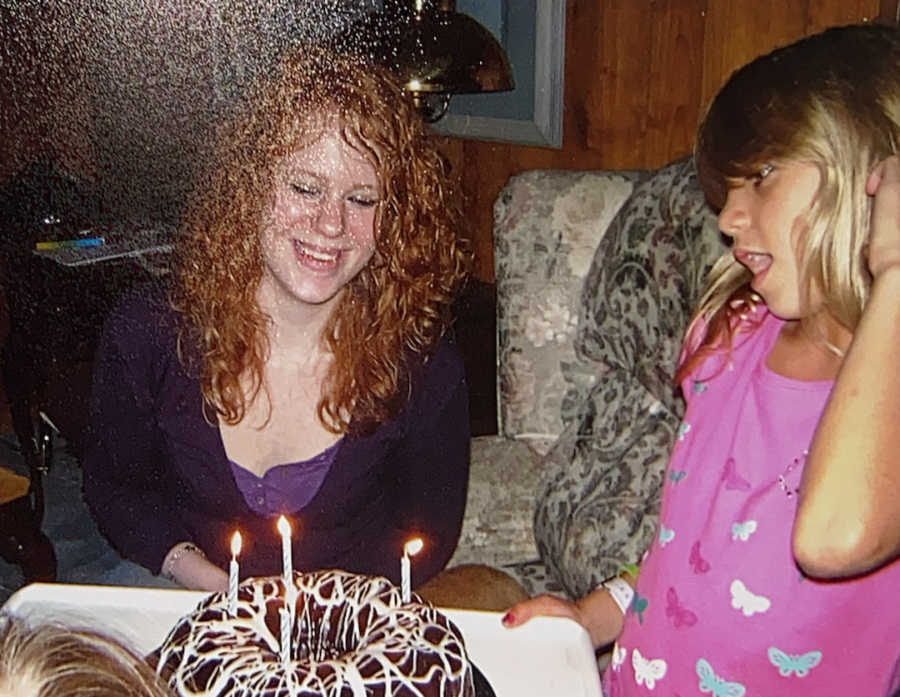
When I was fourteen, I met Sam. She was unlike anyone I’d known—baggy pants, band t-shirts, skateboards, rebellion stitched into her sleeves. She idolized Brody Dalle from The Distillers. Avril Lavigne ruled our world. Suddenly, I was listening to alternative music, dressing differently, piercing myself, changing. Something inside me was shifting, though I couldn’t yet name it.
At the time, pop culture offered few examples of women loving women. I knew about gay men, but lesbian representation felt distant—Rosie O’Donnell, Melissa Etheridge, Ellen DeGeneres. When Sam told me she was bisexual, my world tilted. She admitted she felt the same way about Avril and Brody that I did. That night, her words looped in my mind until it hit me—an Oprah “ah-ha” moment. I liked girls too.
Over the next couple of years, I came out slowly. I had a few secret encounters, dipped into online dating, and eventually met my first girlfriend at sixteen through MSN Messenger. She lived in Kamloops, and the distance felt enormous. We talked for hours, wrote letters, dreamed. My mom began to notice.
Eventually, we decided to meet. She traveled for four days with a trucker friend just to spend eighteen hours with me. The timing was complicated—my mom was in the psychiatric ward. I knew I had to tell her the truth before she came home.
I followed the bright orange line through the hospital, heart pounding, palms sweating, rehearsing and unraveling all at once. When the words finally spilled out—that I was gay, that I had a girlfriend, that I thought I loved her—I braced myself.
My mom laughed. Belly laughter. “You’re a fruit loop?” she howled. I didn’t know whether to cry or laugh with her. The moment blurred. But eventually, she came around. Not only did she accept me—she became fiercely proud. She joined PFLAG. Once, she marched up to a stranger wearing a “my daughter’s an honor student” pin and declared, “Well, mine’s a lesbian!” before strutting away, grinning.
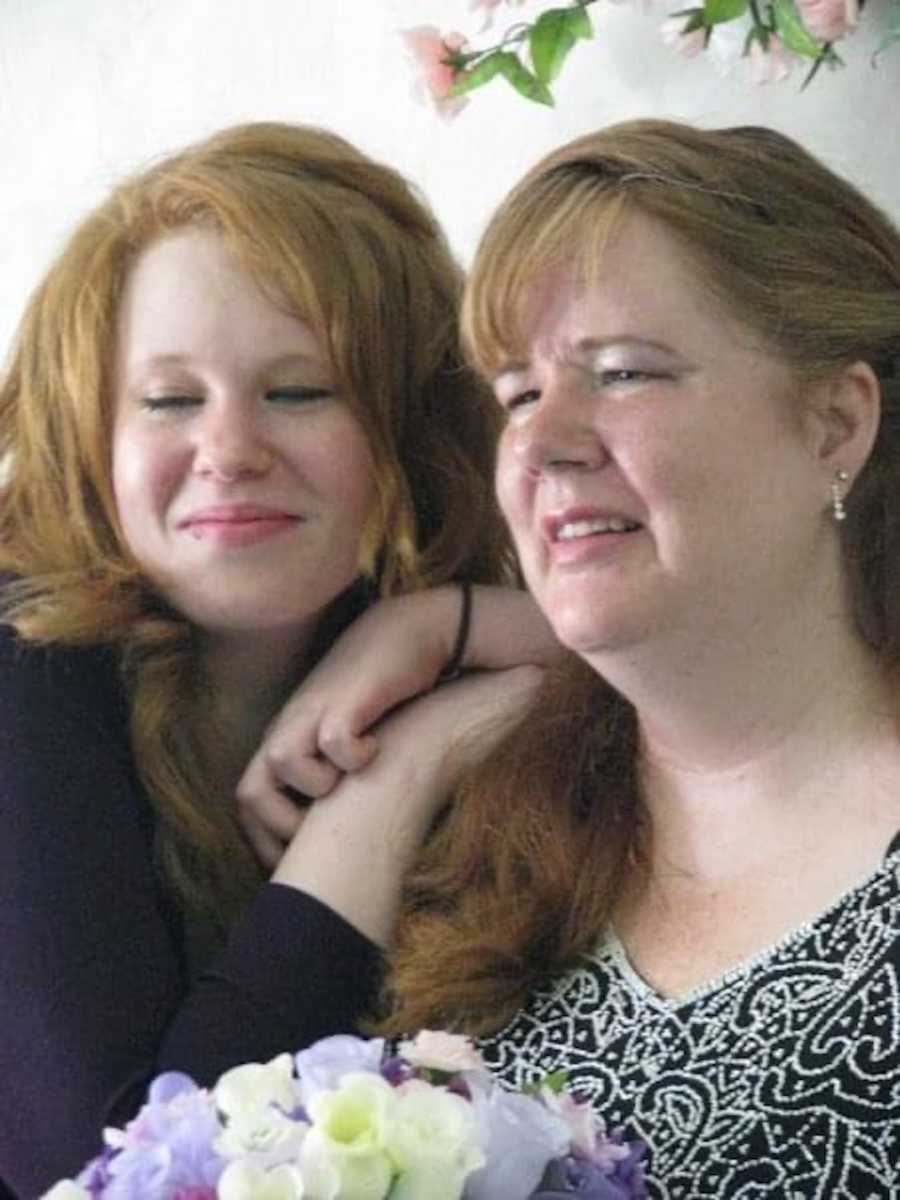
L and I dated on and off for three years, and I eventually moved to Kamloops. Living on the reserve opened my eyes. I learned from Elders about respect for the earth, about community, about resilience. I witnessed discrimination firsthand, but also profound kindness and connection.
At seventeen, I was raped by an old classmate. I told him no. I told him I was gay. None of it mattered. I reported him—not for myself, but for the girls who might come after me. The trial dragged on for over two years. I was disbelieved, gaslit, torn apart. But DNA told the truth. And eventually, so did the verdict.
The trauma nearly took my life. I tried to end it. It wasn’t my time.
At nineteen, I stood in court and read my impact statement. I had graduated with honors. I was healing. I won my case. I thought the worst was behind me.
I was wrong.
My mom died when I was twenty-one. Bipolar disorder claimed her. I found her. The pills that hadn’t taken me took her. I don’t know why. I only know that mental illness is a silent war, and stigma kills.
My mother was a hero. Her love was endless, concentrated, fierce. It still carries me.
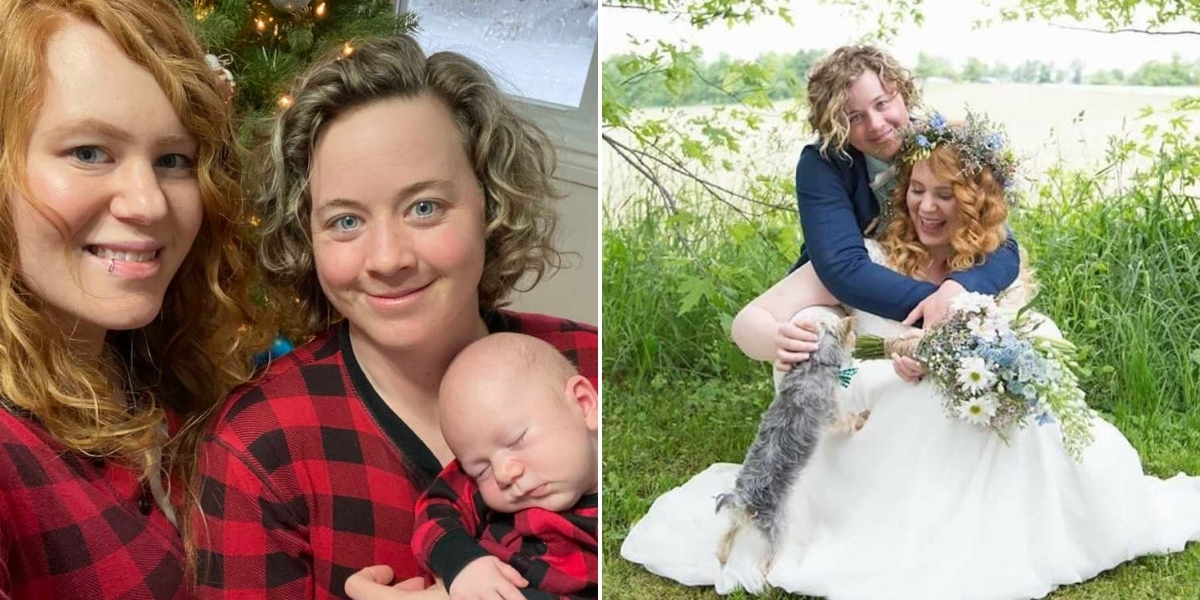
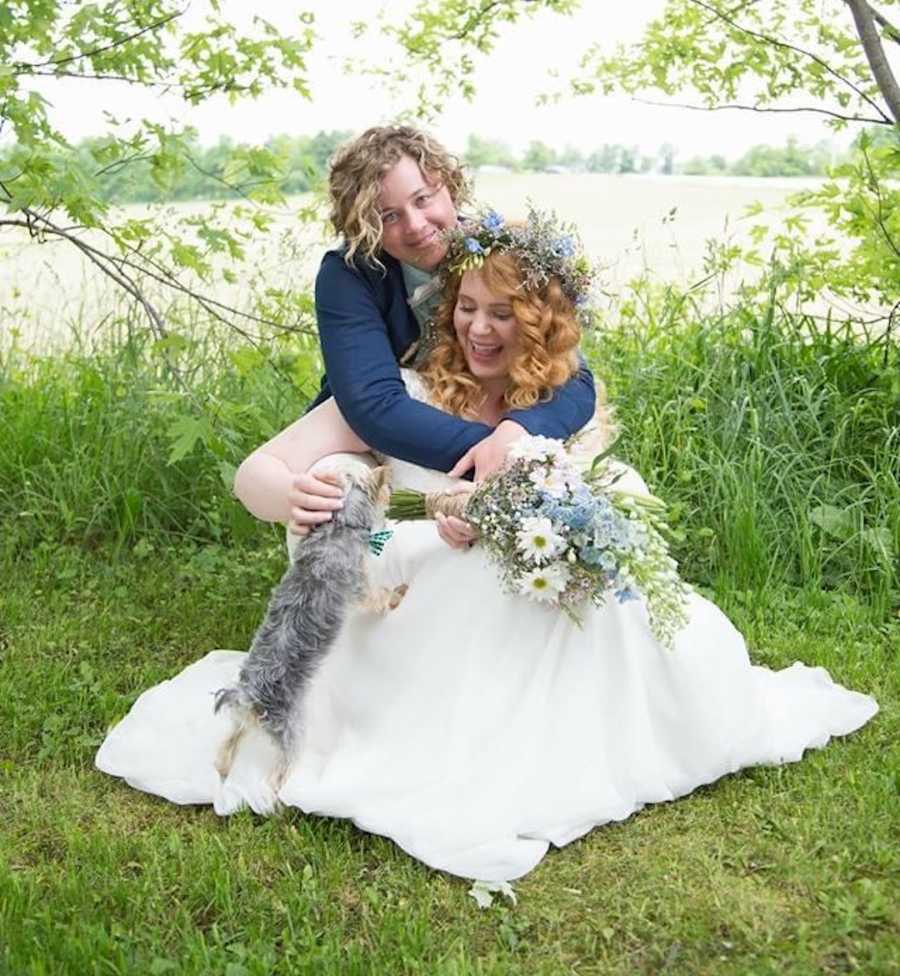
I was numb for years—until Katie. She brought color back into my life. She stayed when it was hard. She loved me when I couldn’t love myself.
I’m grateful to live in a place where our love is recognized. But pride means more than marriage—it means justice, safety, and dignity for all. Until everyone is free, none of us are.
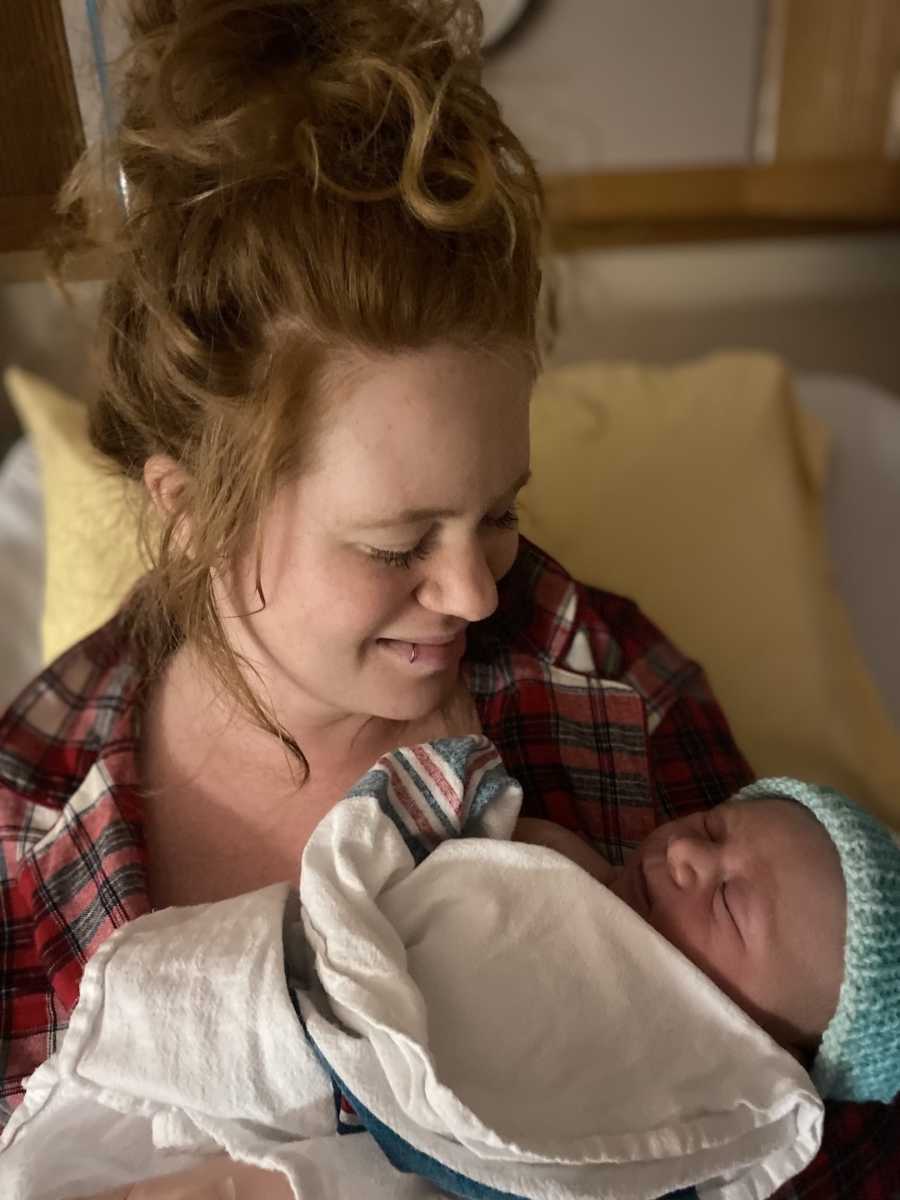
It is my vow to teach my son, Zephyr Rain, to use his voice for those who are unheard. Because that is my why.
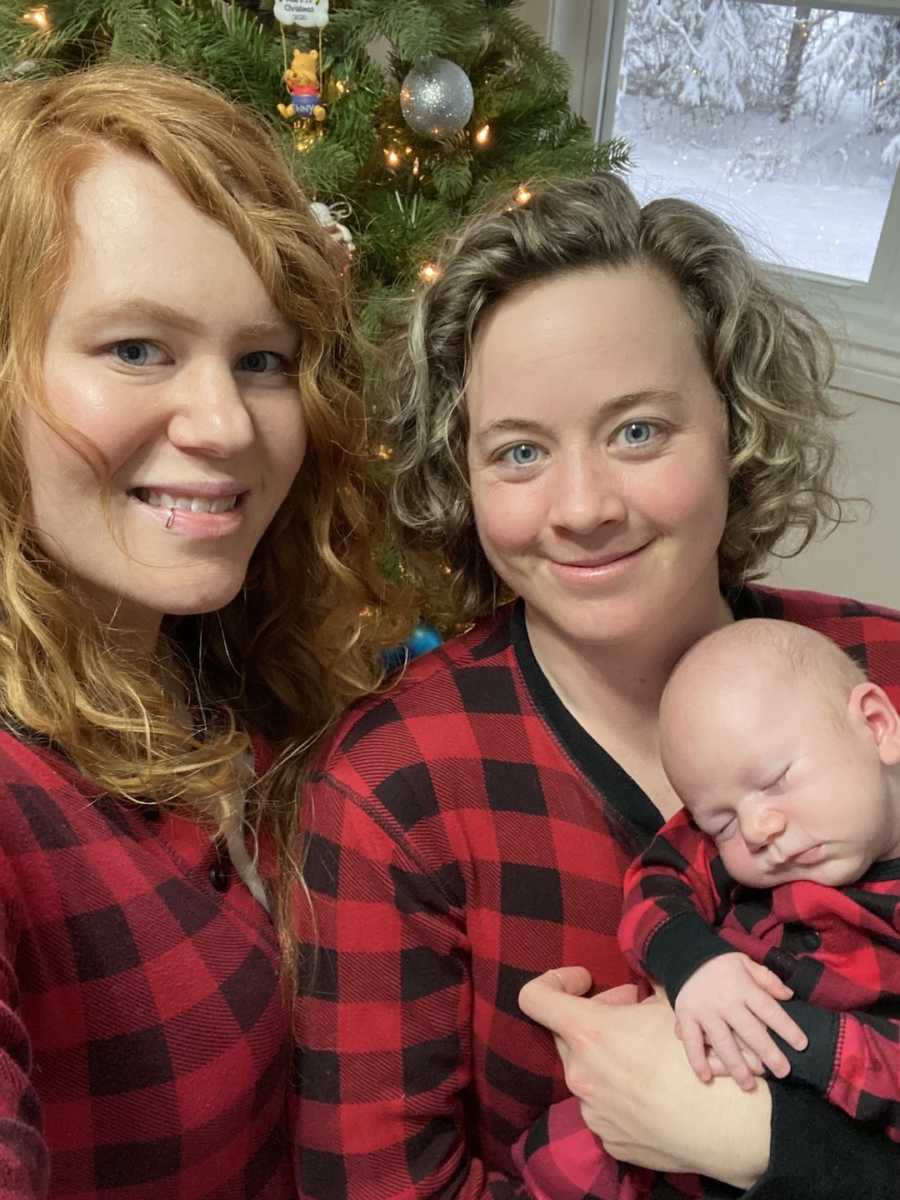
I have been broken, battered, and tested—but none of it defines me. I am proof that healing is possible. That love saves. That light returns.
These are my reasons why.