Imagine waking up one morning and feeling like the ground beneath you has completely disappeared. In a single blink, everything changes. The things you once loved and did without thinking suddenly feel impossible. This is my story about loss, resilience, and what it truly means to never give up.
Five years ago, I was 27 years old, newly engaged, and full of excitement. I was looking forward to spending the summer planning my wedding while my fiancé studied for the bar exam. I felt like life was finally falling into place. But life, as I would soon learn, does not always follow our plans. Illness doesn’t wait for the right moment. It strikes quickly, without warning, without boundaries, and without regard for your dreams or future.
On August 12, 2016, my husband and I were in Barcelona celebrating our engagement. Just before leaving for Spain, I had what felt like a minor head cold. Once we arrived, however, something felt off. I was exhausted, dizzy, and lightheaded, struggling to enjoy the excitement of the trip. Looking back, this was my body’s warning—quietly preparing to shut down.
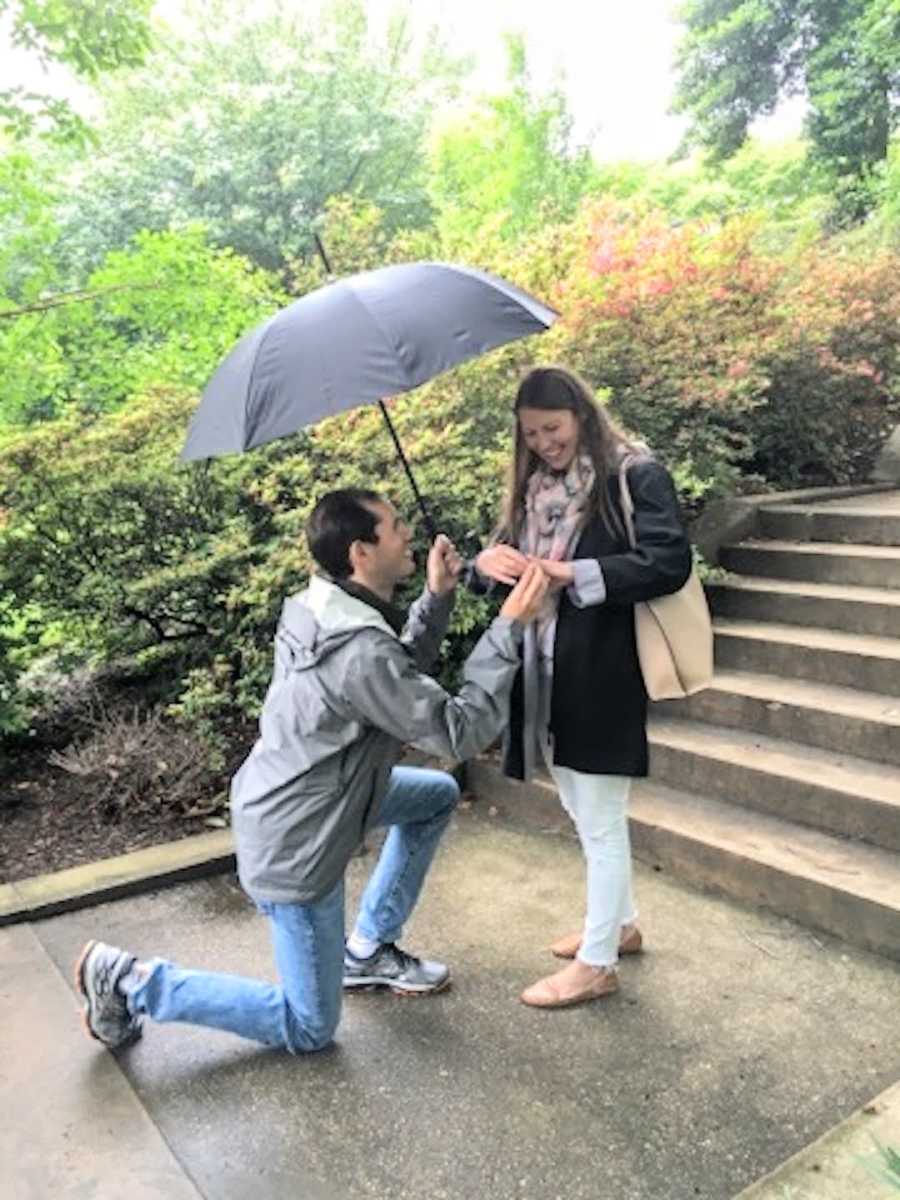
On the third day of our vacation, we took a cable car ride to see the city from above. Standing in line suddenly felt overwhelming. As I stepped into the cable car, my entire body began to shake. I became nauseous and started sweating, and an overwhelming sense of dread washed over me. I knew something was about to happen. As the ride came to an end, I looked at my husband, Stephen, and said, “I’m going to pass out.” I had fainted a few times as a child, so I recognized the feeling—but this time, it was far more intense and frightening.
I blacked out and woke up on a bench, with Stephen standing over me asking, “Ashley, can you hear me?” At that moment, I had no idea that this would mark the beginning of a long and difficult journey—one I now share to remind others with chronic illness that they are not alone and that giving up is never the answer.
After returning home, I consulted eight different doctors before finally receiving a diagnosis: Postural Orthostatic Tachycardia Syndrome, or POTS, a form of dysautonomia. There is currently no cure for this condition, which affects up to three million Americans. Dysautonomia means the autonomic nervous system does not function properly, leaving the body unable to regulate essential processes like heart rate, blood pressure, breathing, digestion, and temperature. As a result, the body works in constant overdrive, leading to symptoms such as fatigue, headaches, nausea, brain fog, lightheadedness, and fainting.
Because of POTS, I could not stand for more than a few minutes without feeling like I would pass out. Everyday tasks I once took for granted—standing in line, showering, walking up stairs—became overwhelming, sometimes impossible.
What made it harder was that much of my illness was invisible. People told me I looked “fine.” Some suggested I was lazy or that it was all in my head, saying, “You’re just anxious.” Chronic illness may not always show on the outside, but it can feel like it is tearing you apart from within. I was in a constant battle with my own body, every second of every day. I knew something was wrong, and I refused to stop fighting for answers.
With chronic illness came loneliness, isolation, anxiety, and depression. I grieved the life I once had and felt angry at my body for betraying me. I asked myself, “Why me?” I lost friendships and struggled within my family, desperately wanting them to understand what I was going through—though I knew it was nearly impossible to explain what it feels like to stand up and feel as though you’ve just run a marathon. I became anxious about leaving the house, afraid of getting sick or passing out in public.
Eventually, I quit my job and postponed our wedding because I needed around-the-clock care. Not long after, I was admitted to Duke Hospital, where I underwent my first tilt table test—a common diagnostic test for POTS. The test simulates standing upright under extreme conditions. A positive result includes a heart rate increase of 30 or more beats per minute within the first ten minutes, sometimes accompanied by a significant drop in blood pressure, as was the case for me.
Though common, the tilt table test was the hardest thing I have ever endured. I was strapped to a table, connected to an IV, blood pressure cuff, and heart monitor. When my doctor raised me to a standing position, my heart rate skyrocketed to 150 beats per minute, my blood pressure plummeted—and then the unthinkable happened. I flatlined. My heart stopped for thirteen seconds. In that moment, I was officially diagnosed with POTS, and for the first time, I could name the monster that had taken over my body.
When I regained consciousness, my doctor asked me to describe my wedding dress. She explained that she needed to implant a heart monitor into my chest and wanted to ensure it wouldn’t be visible. A tear slid down my face as I squeezed her hand and thanked her.
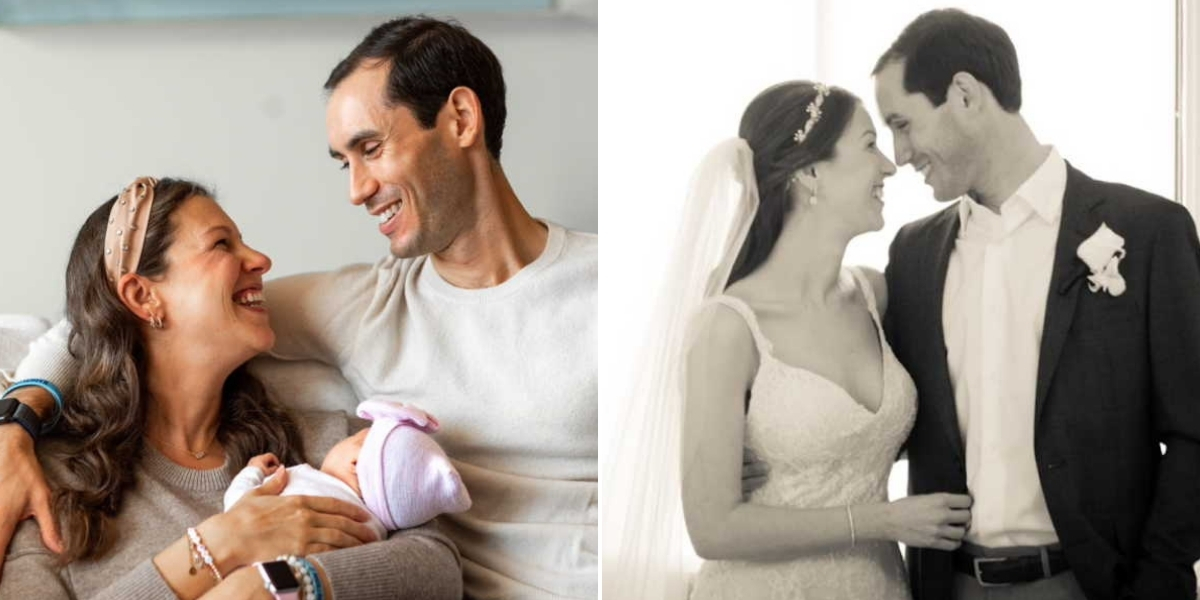
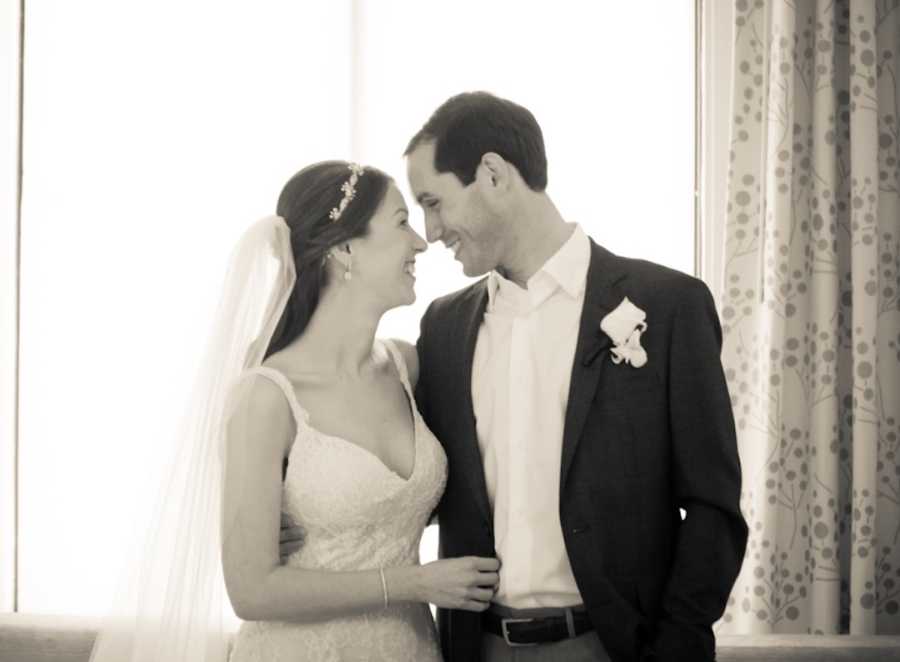
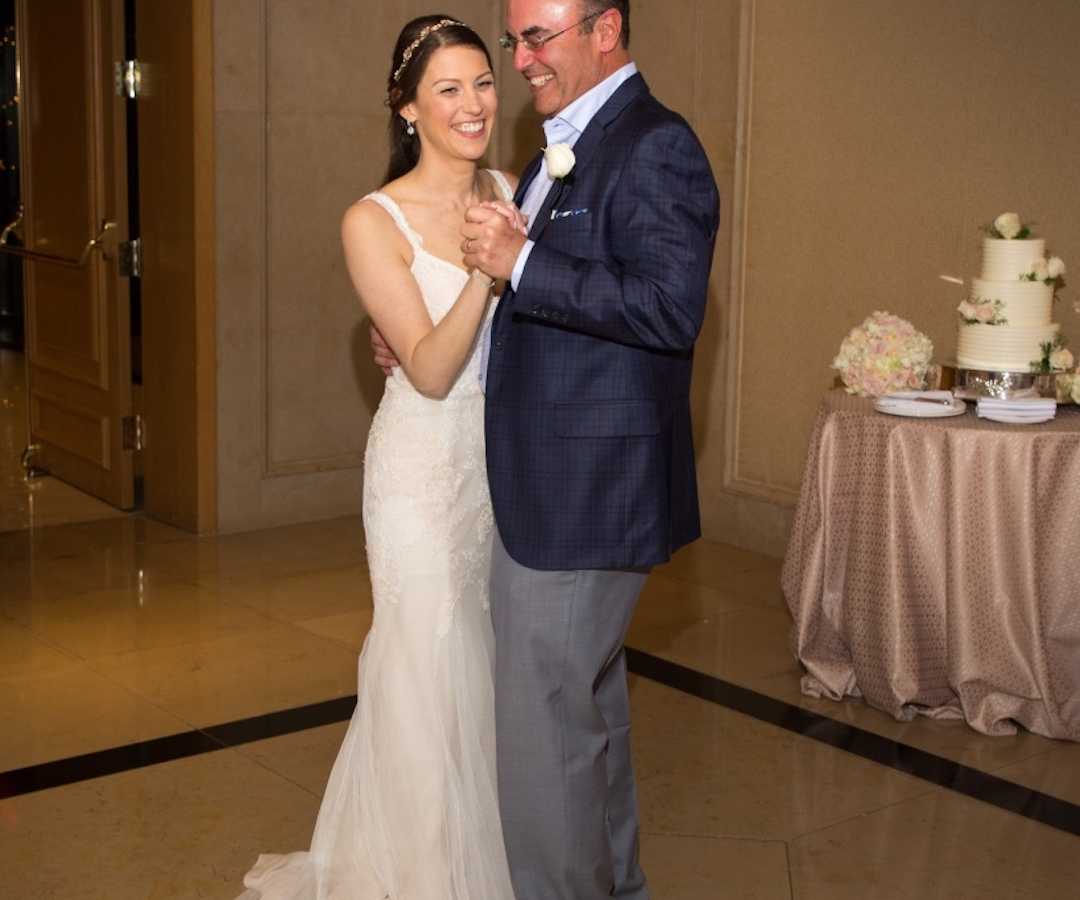
Nearly a year later, I regained enough strength to walk down the aisle and marry my best friend in an intimate family wedding. “For better or worse” took on a deeper meaning, as we had already endured so much together. I am endlessly grateful to Stephen for standing by me—holding my hand, bathing me, cooking meals when I couldn’t, calming my anxiety, and helping me through daily tasks when my body wouldn’t cooperate. Like any couple facing illness, we experienced moments of deep hardship, but through it all, we became stronger together.
When I pause to reflect, I realize how fortunate I am to have such an incredible support system. My family stepped in when I needed them most, learning about my illness and walking alongside me through every challenge. While this diagnosis affected me directly, it also deeply impacted those who loved me.
One of the biggest unknowns with chronic illness is the future—especially the possibility of having children. I had always dreamed of becoming a mother, imagining my own little “girl tribe” after growing up with two younger sisters. With POTS, however, I questioned whether pregnancy or motherhood would ever be possible. Would I have the energy? Would my child inherit this condition? I surrounded myself with a trusted medical team, and while there were no guarantees, I was encouraged to follow my heart.
The first trimester of pregnancy was incredibly difficult. I was sick around the clock, which worsened my POTS symptoms and left me fearful that I was physically regressing. Thankfully, the second and third trimesters brought some relief.
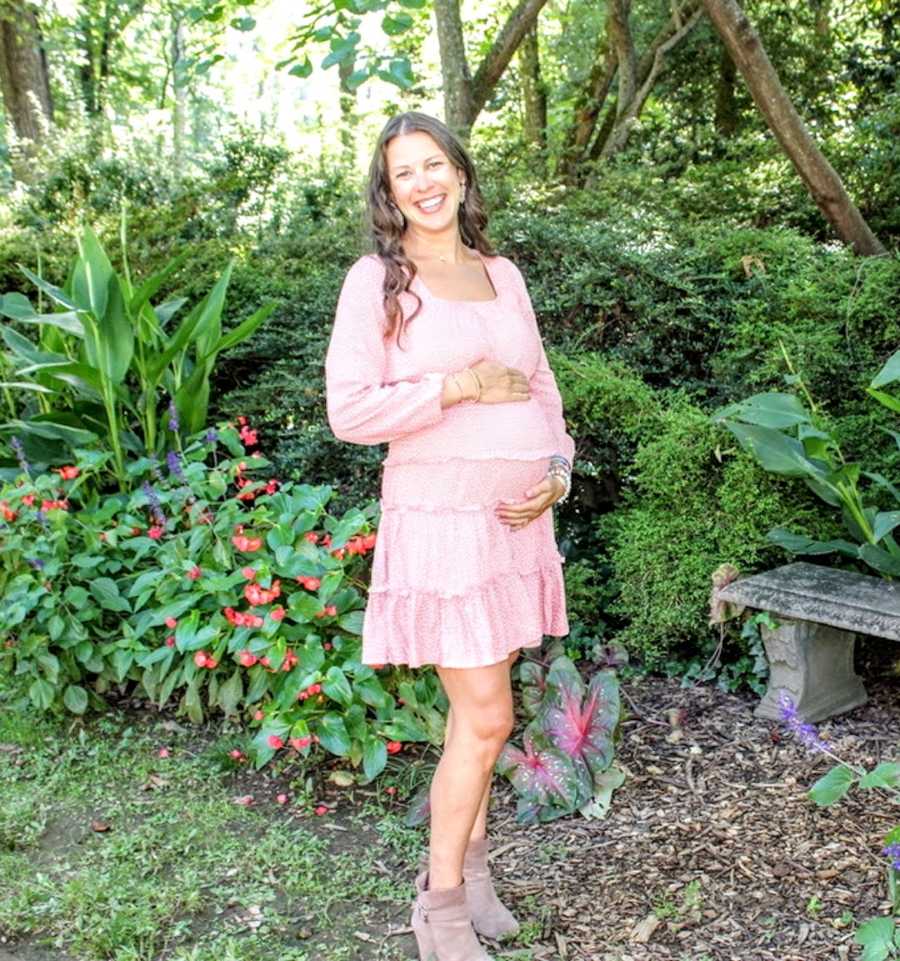
At 36 weeks—four weeks early—I gave birth to the most beautiful baby girl. During a routine visit, my high-risk doctor discovered a blood clot forming in my umbilical vein and told me, “We need to deliver this baby within 24 hours.” I was unprepared, hadn’t packed a bag, and was terrified. The next morning, I underwent a C-section, uncertain how my body would respond—but confident that I could do hard things.
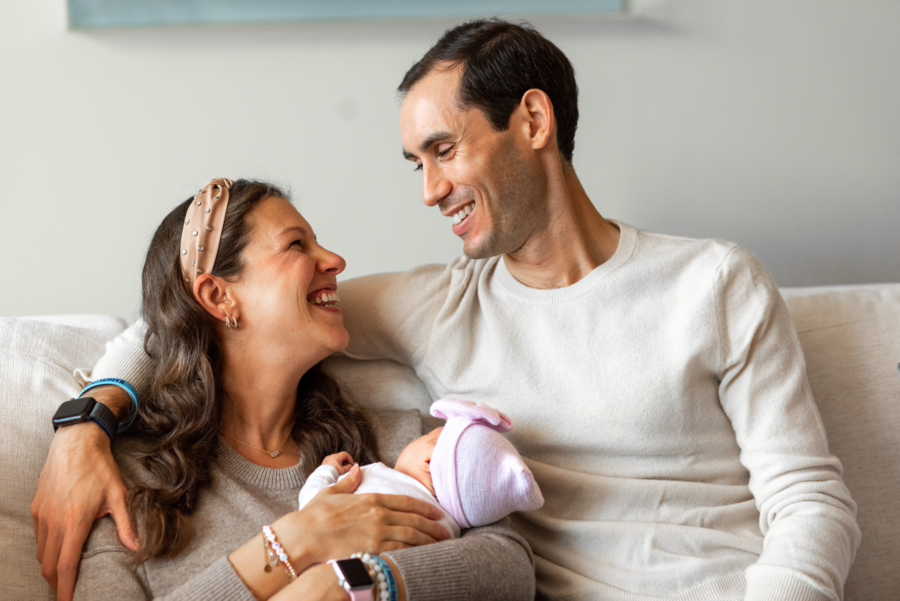
On October 9, 2020, our daughter was born weighing 5 pounds 9 ounces and measuring 17.5 inches long. She arrived kicking and screaming—my miracle baby. She is my reason for continuing to fight POTS every single day. I want to be strong for her and teach her what bravery truly looks like.
Motherhood with POTS has taught me humility. I can’t do everything, and I must ask for help. One day, I will explain to my daughter why mommy can’t always do certain things, but I am learning to live in the present. I am stronger now than I was five years ago.
The journey of managing POTS has been anything but smooth, but I vowed to never give up. I committed myself to daily movement, even on the hardest days. With the help of a POTS-trained coach for over four years, I slowly rebuilt my strength—starting with just five minutes on a recumbent bike and working my way up to 30 minutes. Today, I can stand longer, walk farther, socialize, care for my daughter, and even start my own business.
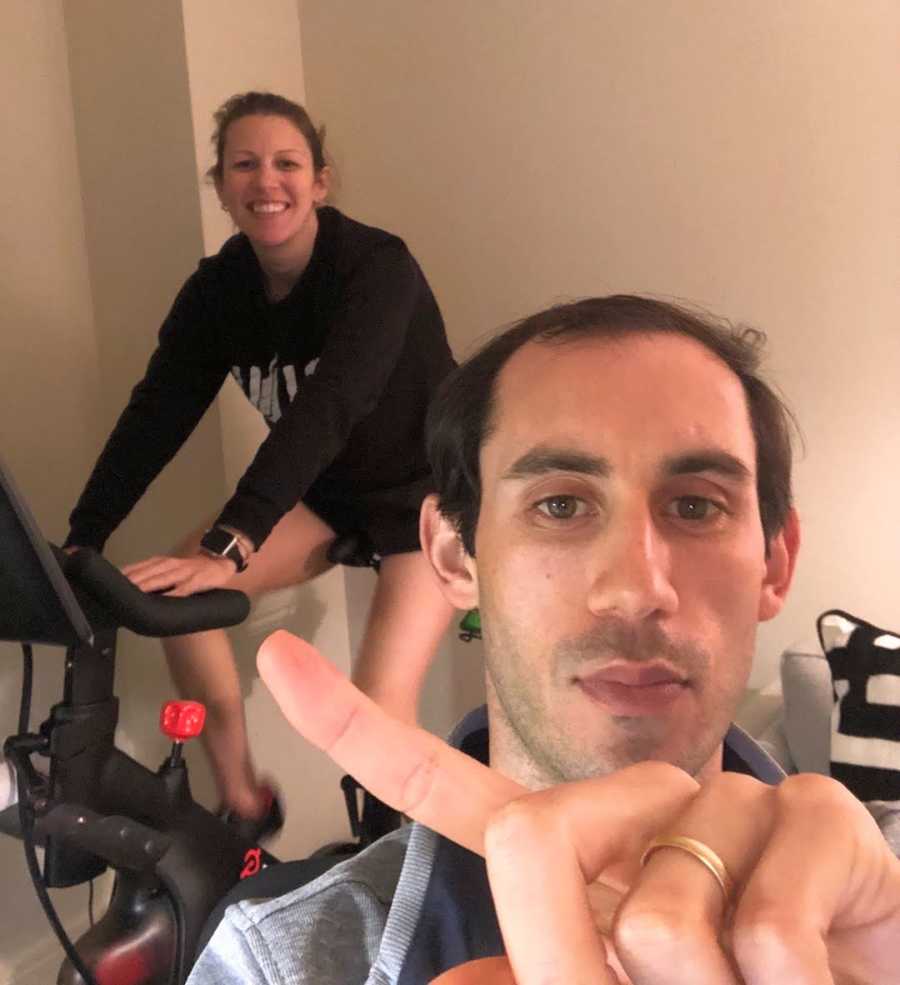
This lifestyle has changed my life, and I want to help others who face similar challenges. I earned my certification in Integrative Health Coaching and founded my own company, Wellness with Weiss, to support those navigating chronic illness.
Caring for myself, my family, and my business is a full-time job. I still experience setbacks, but I have learned how to adapt and persevere. I don’t know what the future holds, but I choose not to live in fear. I lean on my village—my family, doctors, and loved ones—knowing I wouldn’t be here without them.
While we cannot control what happens inside our bodies, we can choose how we face each day. Although POTS has been the hardest thing I have ever experienced, it has taught me strength, self-advocacy, and resilience. There will be hard days, but there will also be many good ones. Let’s celebrate those good days and honor what our bodies can do. People living with POTS are strong, capable, and unstoppable.
I hope POTS continues to gain the recognition it deserves, especially as more people—such as those with long-haul COVID—are newly diagnosed. If you or someone you love has POTS, I encourage you to explore resources through Dysautonomia International.