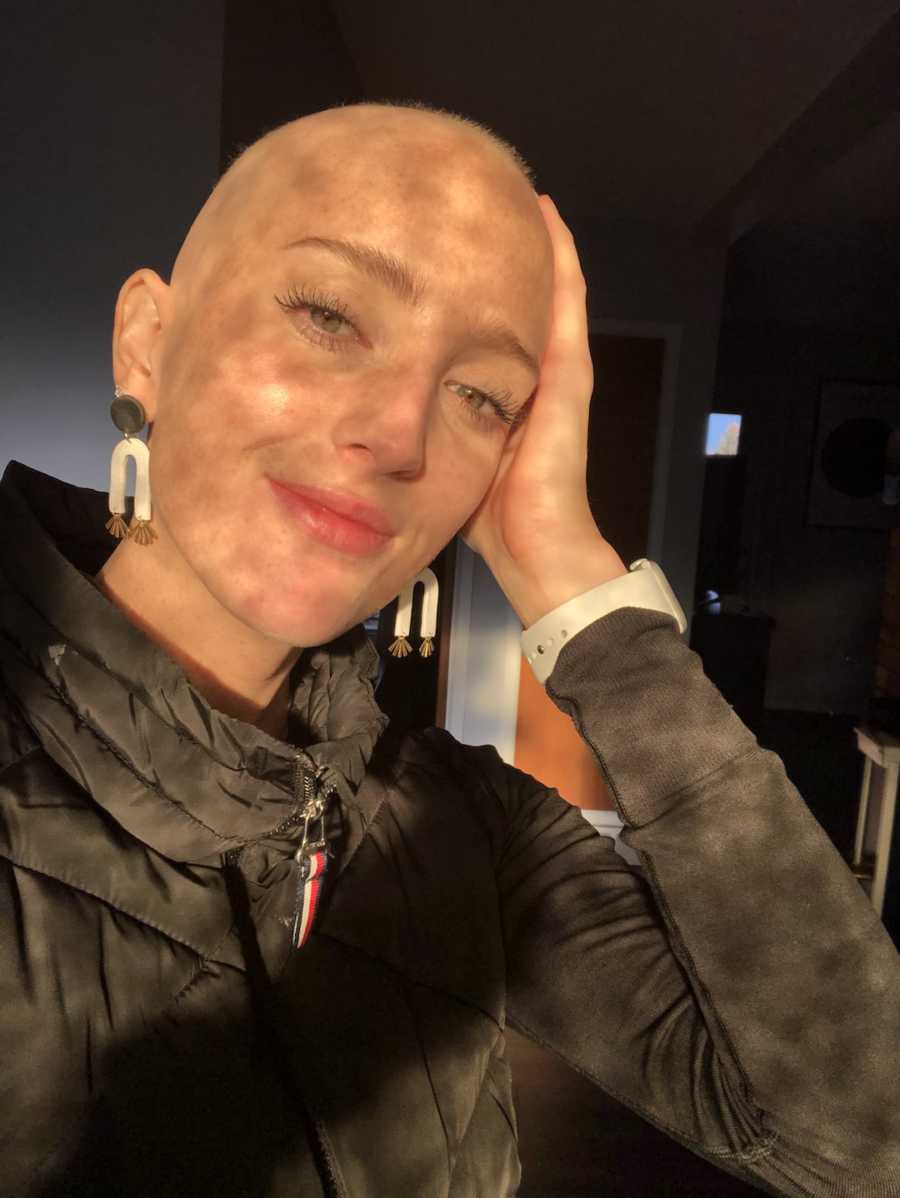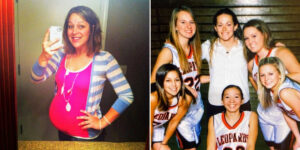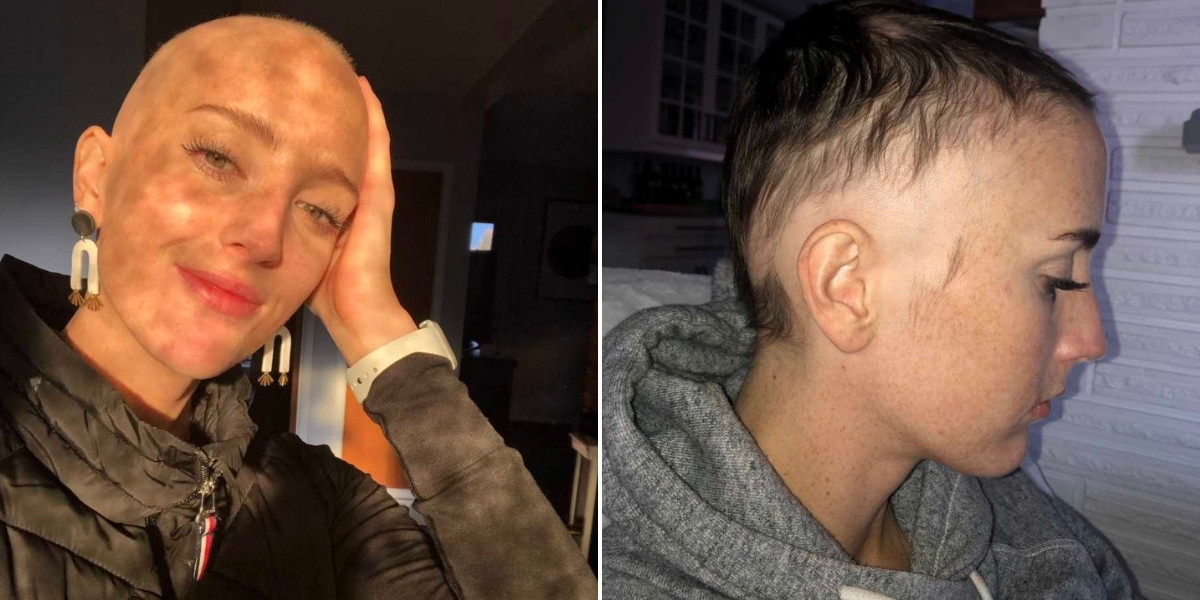
For me, alopecia has been a journey that is at once devastating, eye-opening, frightening, beautiful, and completely unpredictable. It has reshaped the way I view myself and the world around me. Losing a part of myself I never imagined losing—the hair that carried so much of my identity and self-worth—has been one of the hardest experiences of my life. Hair, once a small part of my life, suddenly became central to how I saw myself, and losing it forced me to confront emotions I didn’t know I could feel.
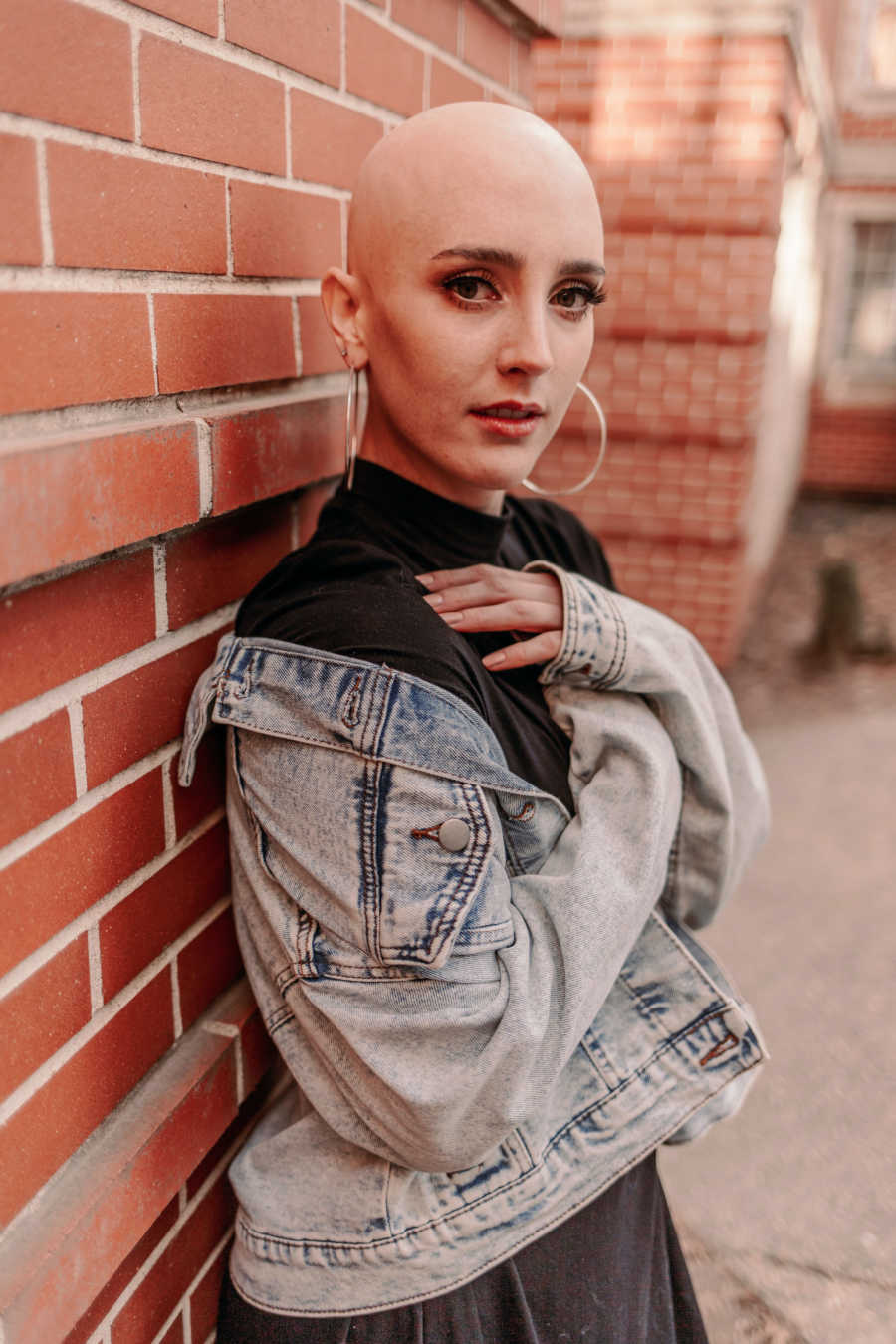
When I was around six years old, I vaguely remember my mother applying an ointment to my scalp. At the time, I had no idea why, or even that I had a small patch of hair missing, about the size of a quarter, at the back of my head. Life went on, and I remained a happy child, oblivious to the significance of that small change. It wasn’t until my late teenage years that I learned the name of what had been silently happening to me: alopecia areata. That revelation profoundly shifted the way I understood my body and my life.
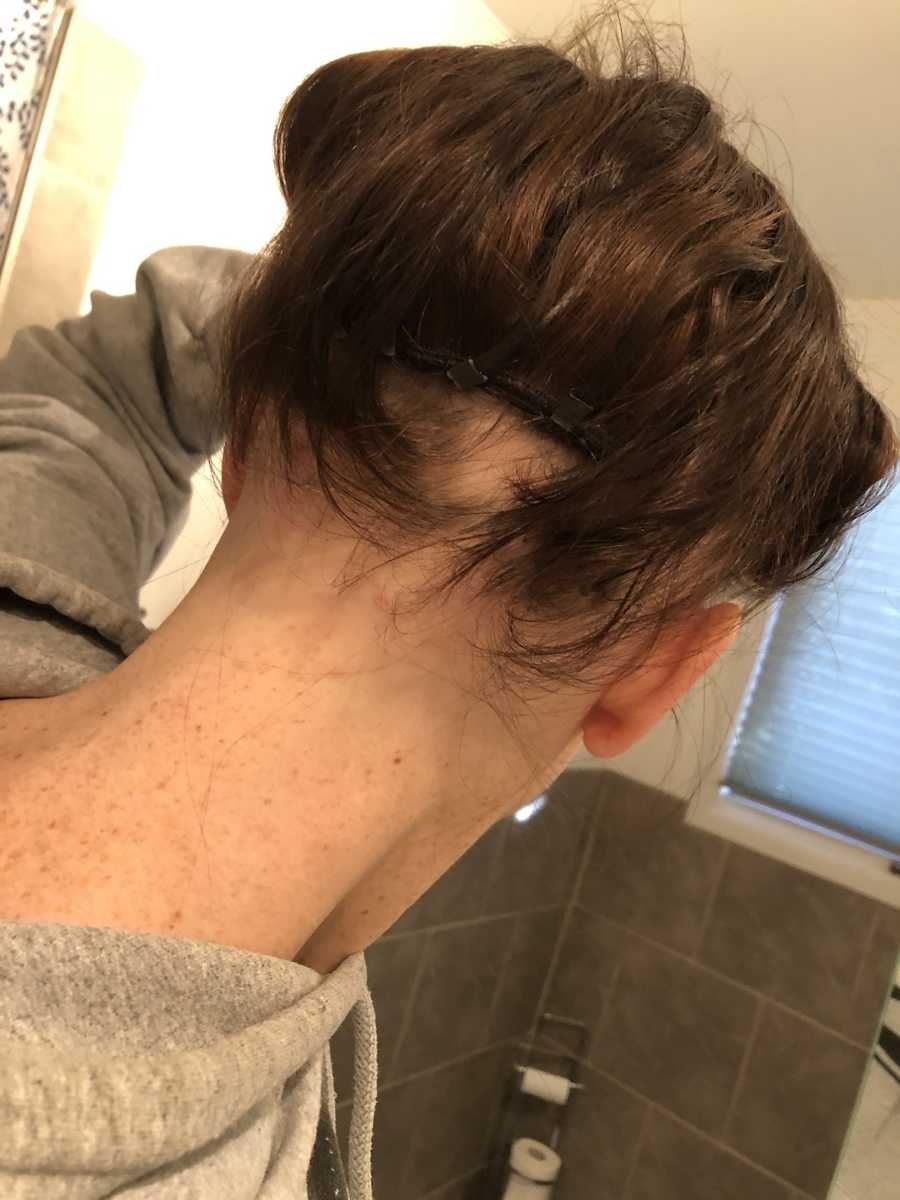
The next time I experienced hair loss was at eighteen. This time, I was old enough to grasp the implications. I was home from university for the holidays when my mother pointed out a large bald spot on the back of my head. At first, I refused to believe her. But when I looked in the mirror, I saw it: a wide, glaring bald spot staring back at me. Panic set in immediately, and my heart sank. Knowing what alopecia was only amplified the fear. I had no clear reason why it happened—stress, hormonal changes from a new birth control pill, or simply the unpredictability of my body? I stopped the pill, and my hair gradually grew back, though I still wonder how much my hormones played a role.
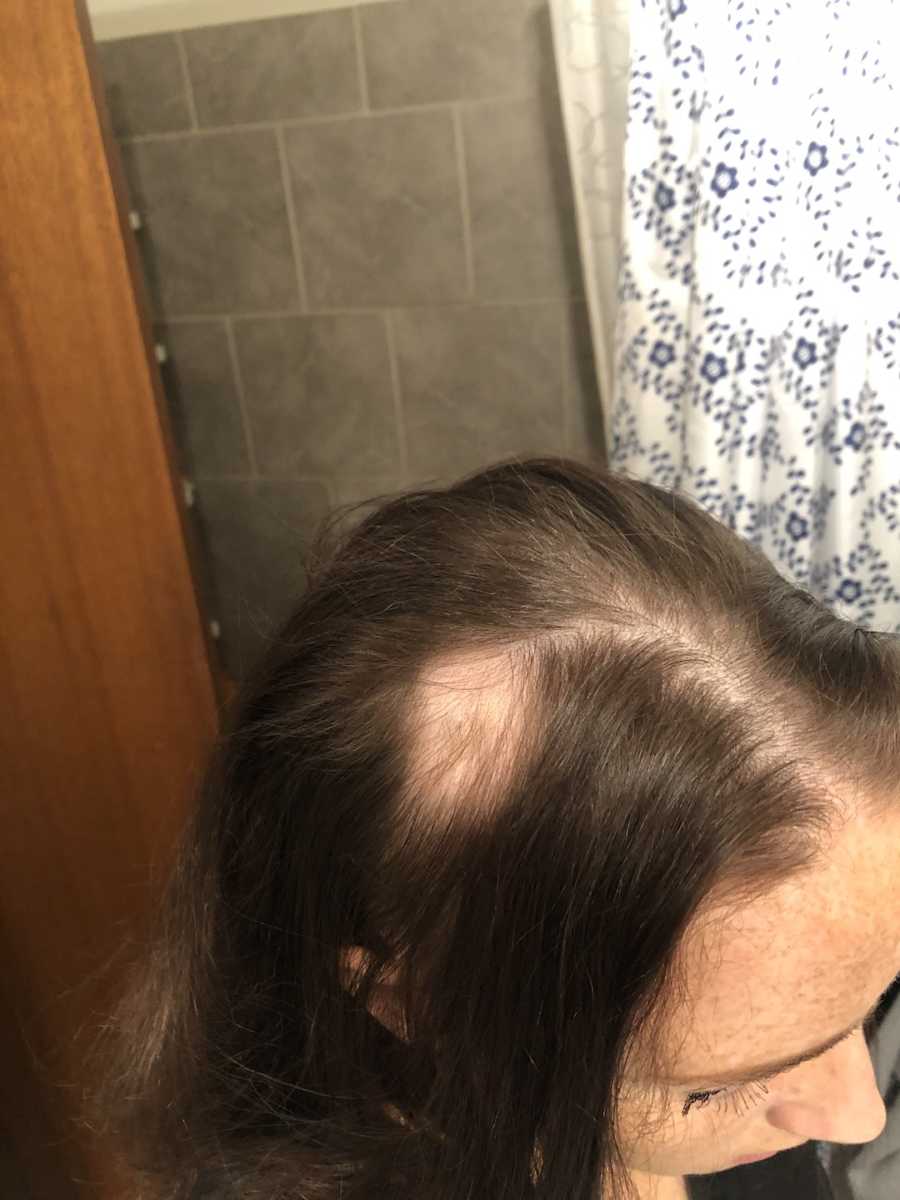
Those weeks were emotionally exhausting. I had to tell my boyfriend that I was losing my hair, which was heartbreaking. I tried everything to conceal it—clever hairstyles, hair extensions, and every hair-growth product I could find—but nothing could change how I felt about myself. I sank into pessimism and heartbreak and knew I had to take action. I booked an appointment with a dermatologist, began using a topical steroid, and slowly saw regrowth. I thought the worst was over, but I was about to face an even greater challenge.
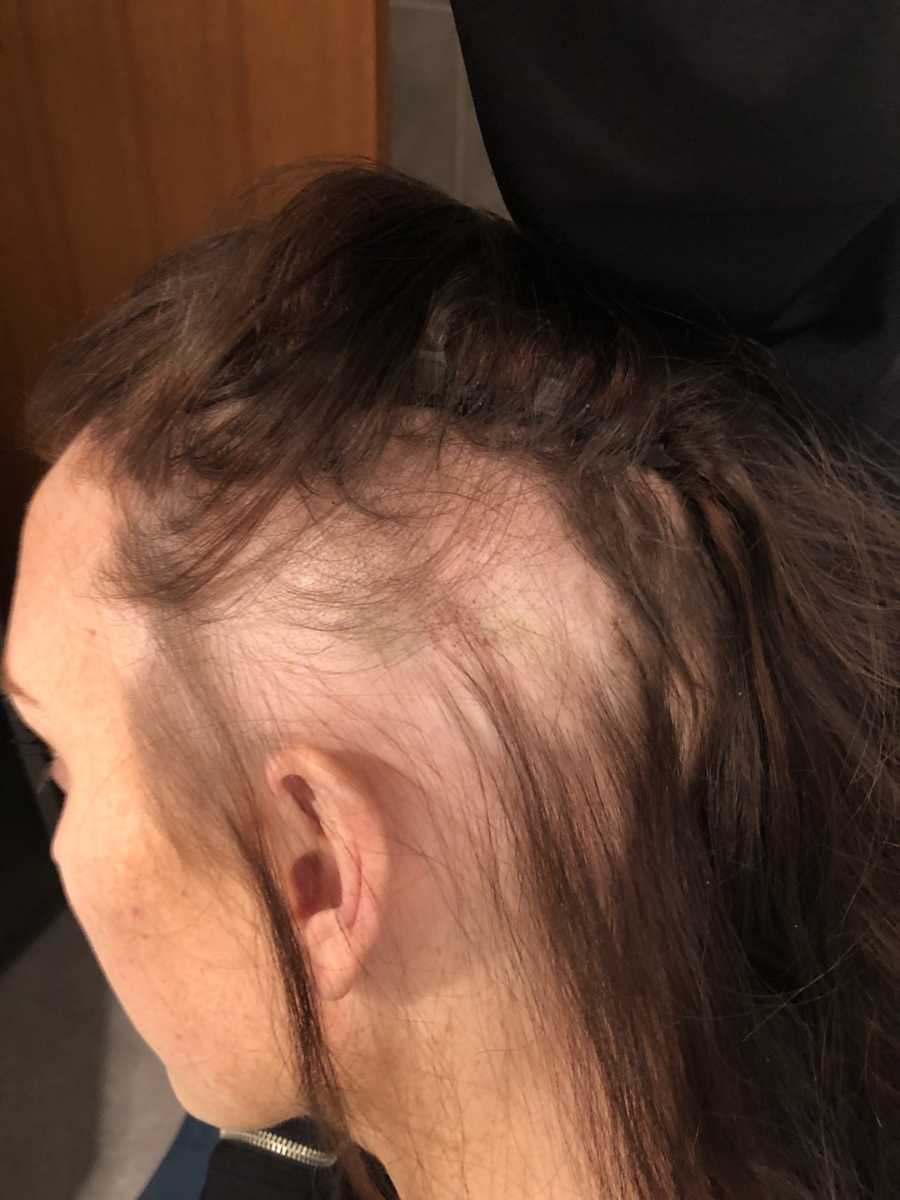
Early 2020 brought one of the darkest periods of my life. By the end of 2019, hormonal shifts from my IUD, overwhelming stress from a new job and city, and the pressures of post-university life led to an accelerated hair loss. This time, it wasn’t just a single spot—it was more than half my head. The more I worried, the more I lost. I spent hours in the bathroom, obsessively checking my scalp, trapped in a cycle I couldn’t escape. I felt like I was drowning beneath this disease, desperate for a moment to breathe, but that moment never came.
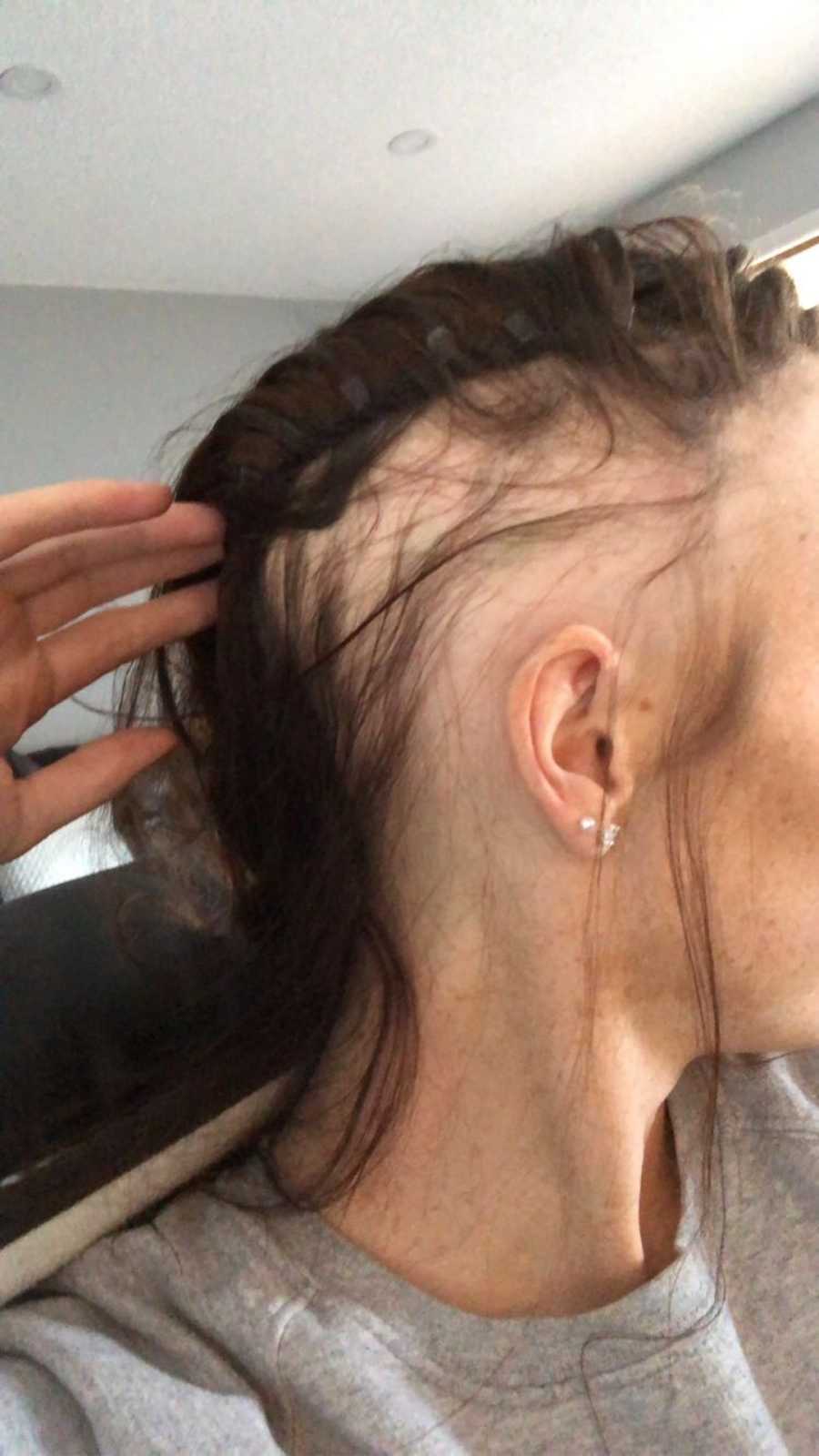
Hair fell rapidly over the next few months, and with it, my confidence and sense of self. I remember crying myself to sleep, only to wake and go through the motions of each day, feeling like an observer of my own life. I consulted numerous doctors, tried endless blood tests, PRP therapy, topical steroids, Kenalog injections, diet changes, stress reduction techniques, and oral medications. Nothing worked, and I began to lose hope. The disease affected every part of my life—my energy, my motivation, and even how I treated those I loved. I was mentally, physically, and emotionally drained.
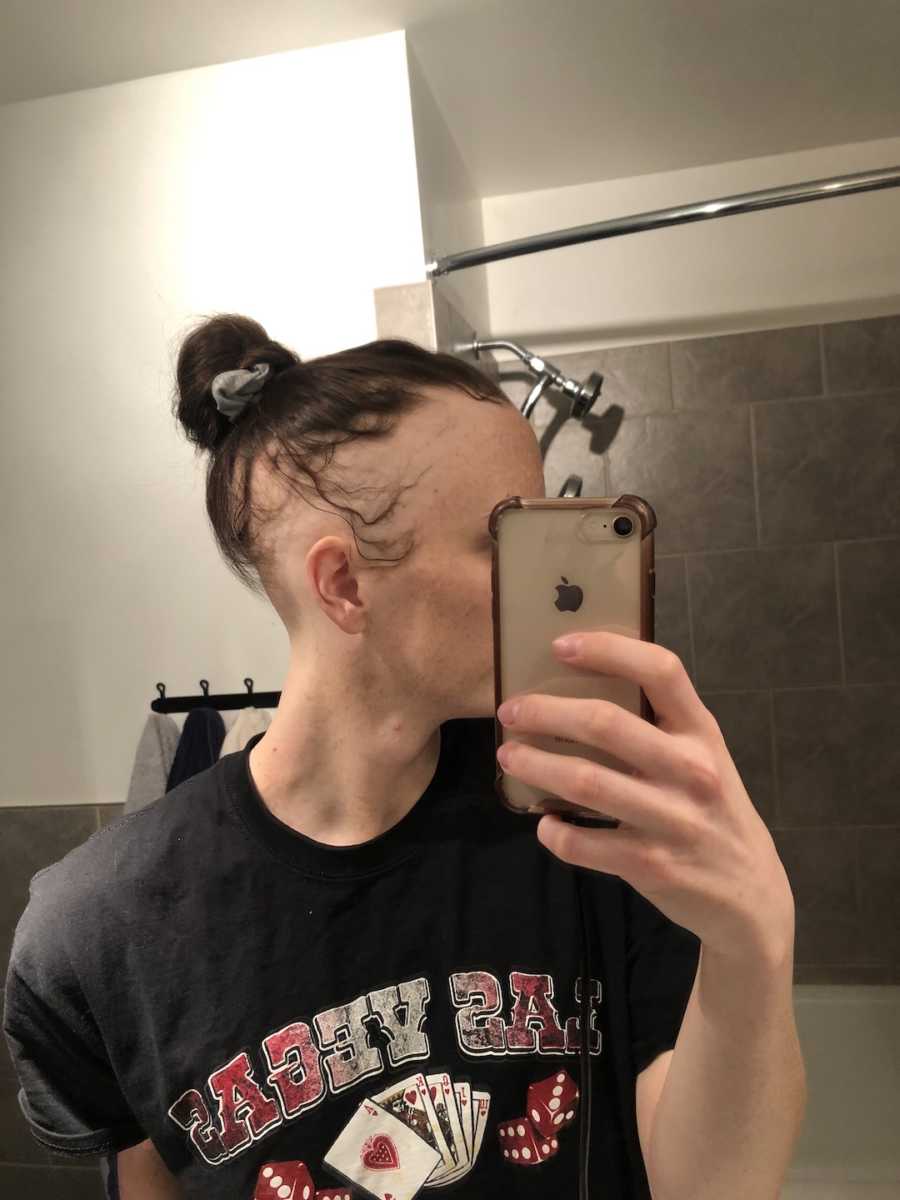
Eventually, I reached a breaking point. In a moment of desperation and clarity, I locked myself in the bathroom and shaved my head. My boyfriend, my biggest supporter, wasn’t there—though I had told him he could do it if it came to this point. But waiting would have meant backing out. As I ran the razor through my hair, I cried, yet felt a strange sense of freedom and even happiness. Each stroke symbolized a release of stress, a letting go of control I had longed to reclaim.
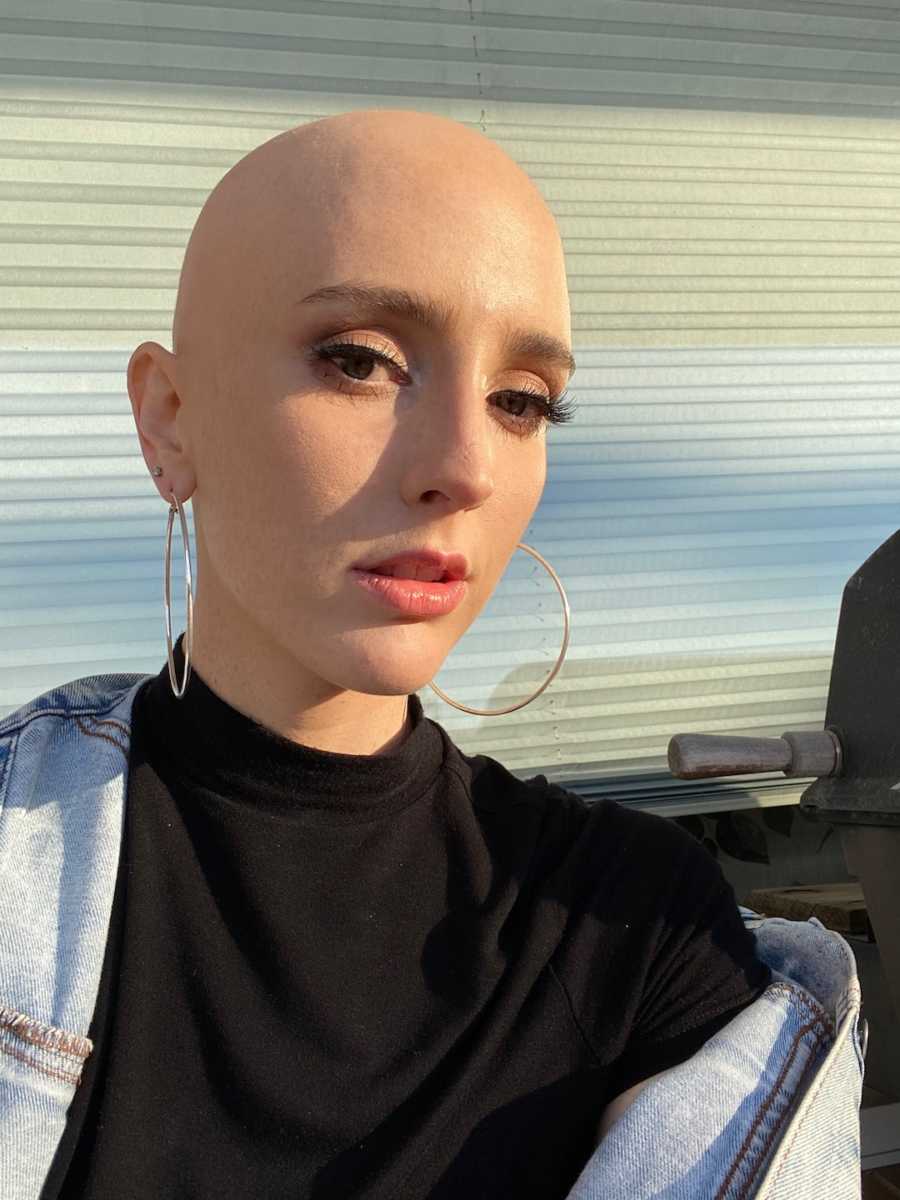
Emerging from the bathroom bald was an emotional whirlwind. My friend, my boyfriend’s mother, and finally my boyfriend himself saw me for the first time. Pride, embarrassment, beauty, and loss all collided. I had to relearn how to live without hair. At work, wearing a scrub cap during the COVID-19 pandemic made adjustments easier. Socially, however, I had to learn to wear wigs and headwraps and to navigate public spaces with confidence.
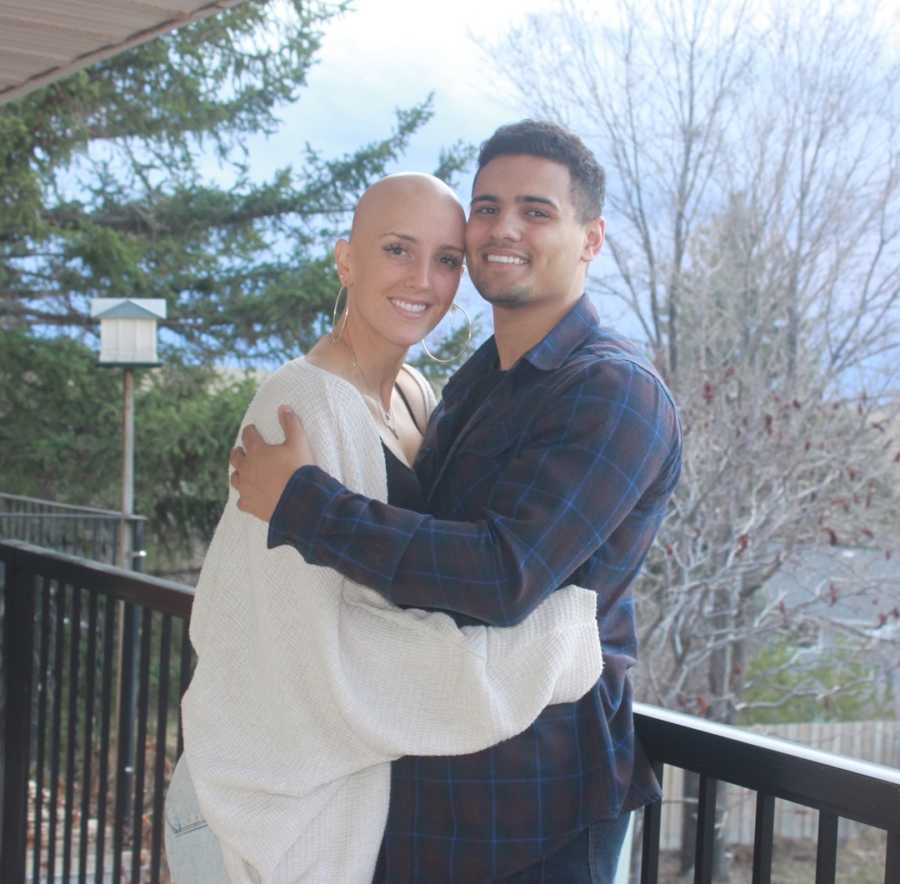
Body image had always been a struggle for me, and being bald added another layer. But over time, I began to focus on internal beauty and self-acceptance. I stopped obsessively checking for bald spots and learned to live without constant fear. Confidence slowly returned. By November 2020, hair regrowth appeared. I felt hopeful during monthly Kenalog injections, but by February 2021, my hair started falling out again. Relapse was common, my dermatologist assured me, but the emotional toll was significant.
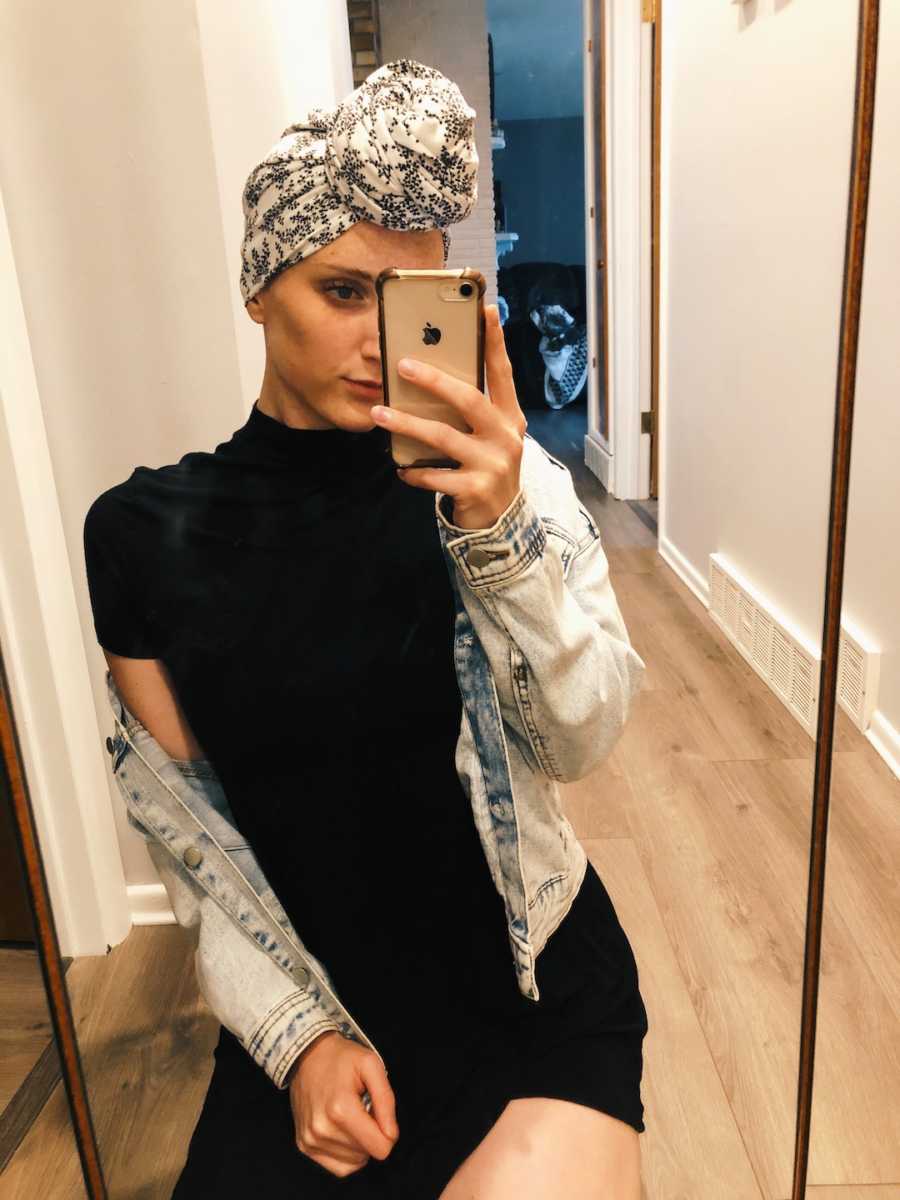
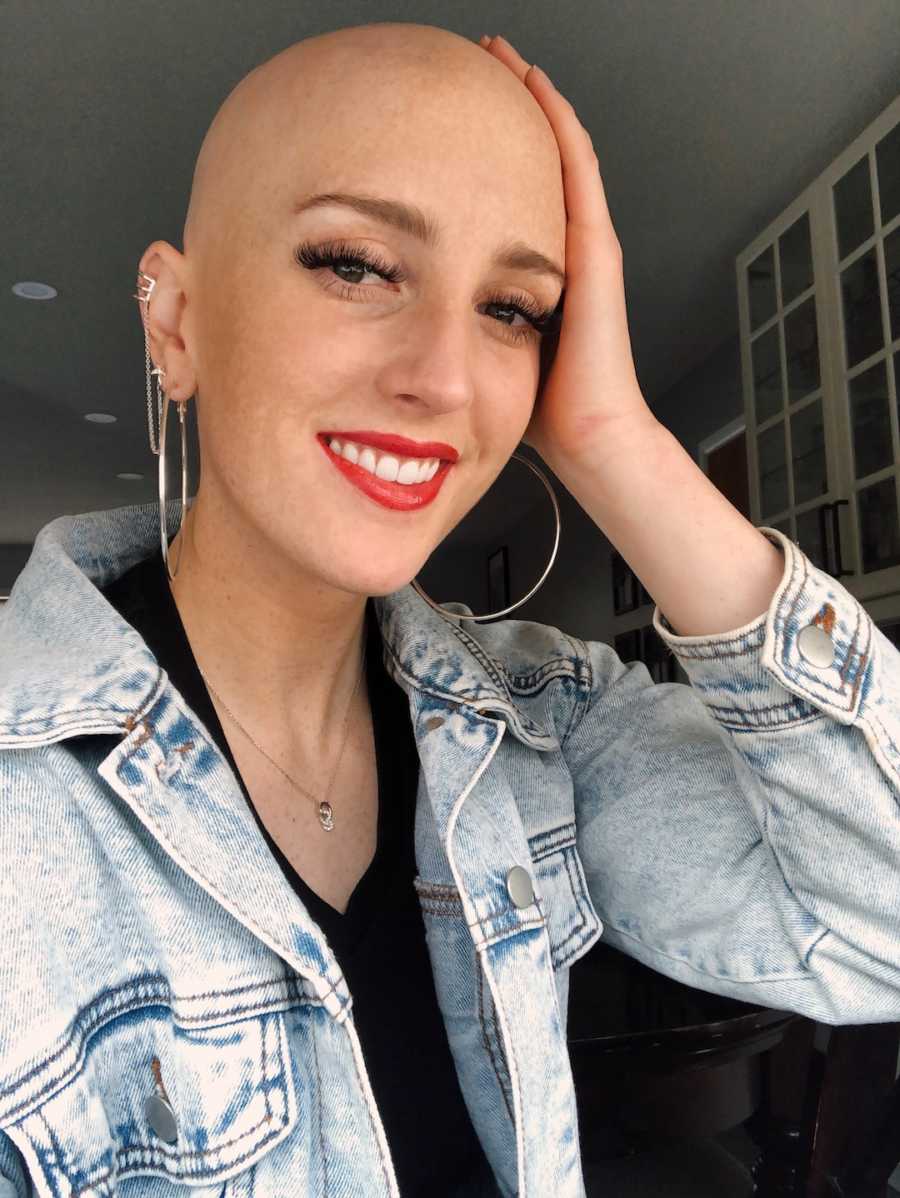
I shaved my head a second time, embracing a new perspective. Today, I keep my head shaved, do not pursue treatments, and allow alopecia to run its unpredictable course. Some areas are growing, others remain bare, but I have learned to love myself as I am. Each day, I remind myself that self-worth is not defined by hair, but by character, actions, and the way I impact others.
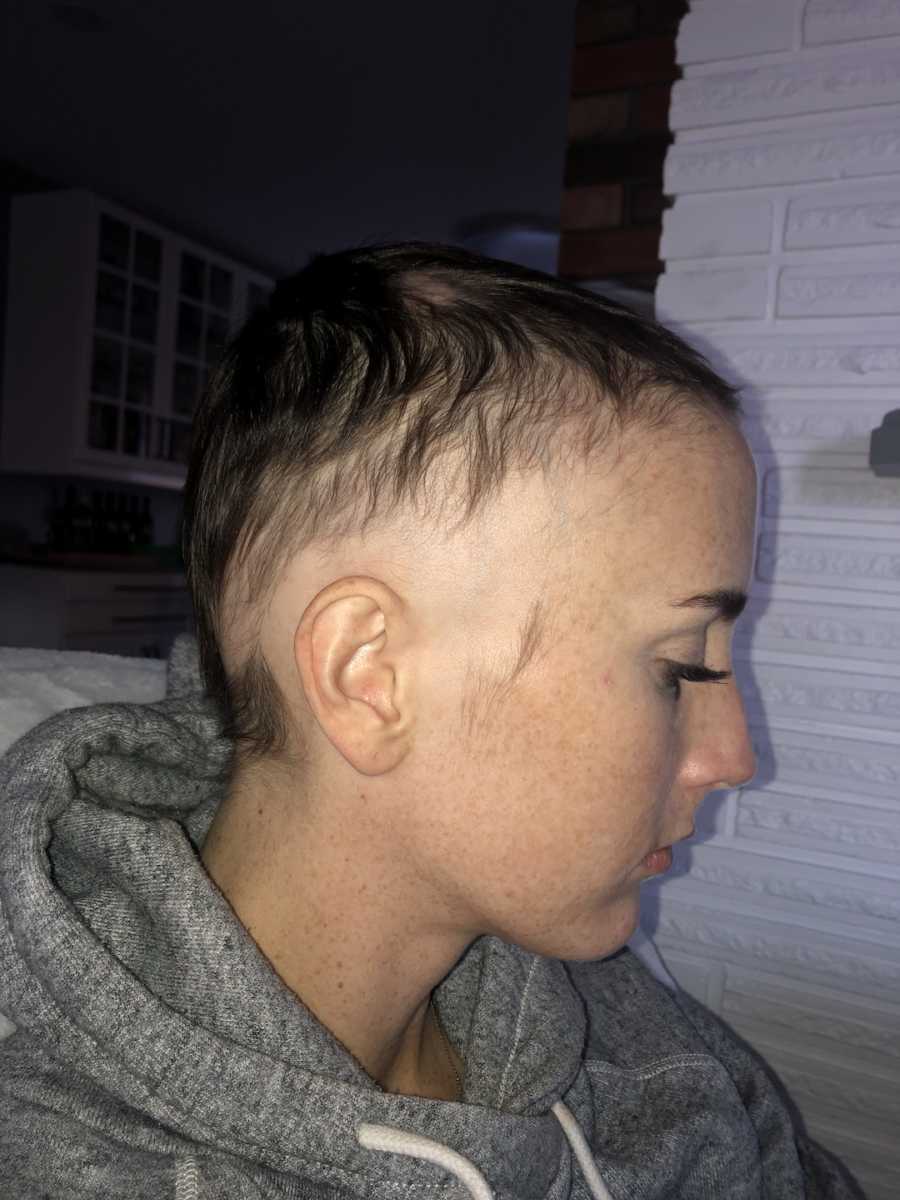
Reflecting on this journey, I am grateful. Alopecia flipped my life upside down but also revealed a resilience I didn’t know I had. From the first bald spot to full hair loss and now to acceptance, I have discovered strength, self-love, and the true meaning of beauty. To anyone walking a similar path, know that your experience matters, and it is possible to find freedom and confidence beyond appearances.
Thank you for reading my story. My door is always open for anyone who wants to share, ask questions, or simply talk.