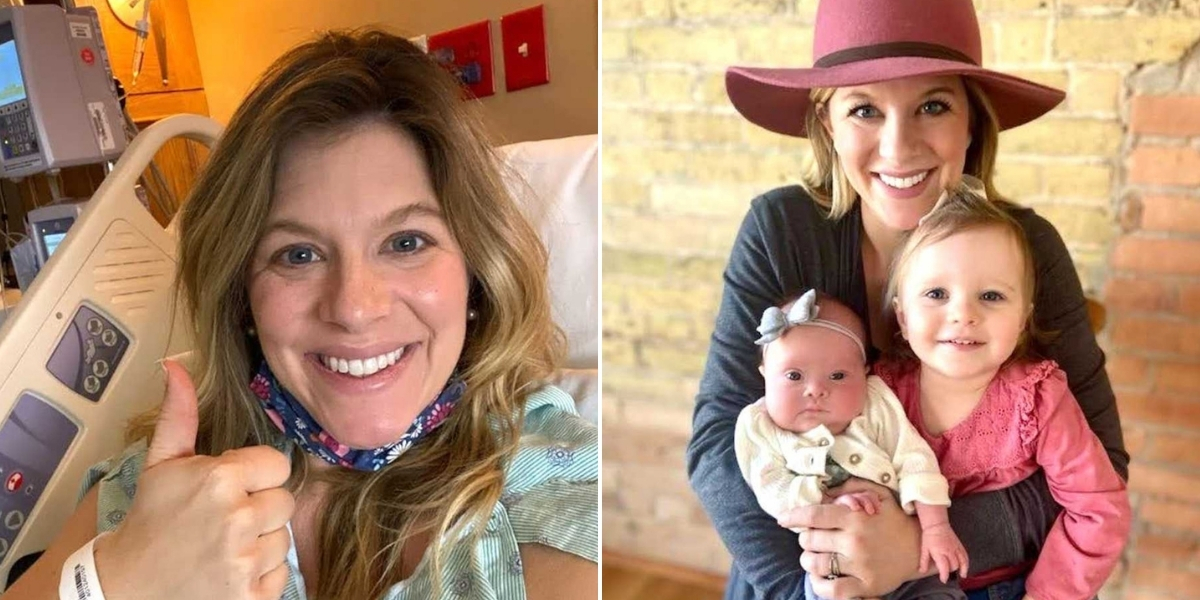
I never imagined how quickly my outlook on life could change in a single moment. I never truly understood how important it is to adapt when life throws an unexpected curveball. And I never knew I was capable of feeling such overwhelming pride and such deep, unconditional love. At the time, life felt full and joyful. I was married to an incredible man, raising our beautiful 1.5-year-old daughter, Georgi, and newly pregnant with our second baby. As I walked out the door for what I thought was a routine prenatal appointment, I casually called back to my husband, “Hey, they’re going to ask me about that prenatal genetic blood test again. We should just do it, right?” Without hesitation, he replied, “Yeah, sounds good.” And off I went, unaware that everything was about to change.
With my first pregnancy, we were told that if you take this test, you’ll learn about potential genetic abnormalities and can even find out the baby’s gender early. That sounded great, so we did it. With our second baby, we decided to wait until birth to find out the gender but still went ahead with the test. It felt routine, almost automatic, and it wasn’t explained well. Looking back, I wish we had asked more questions. We had no idea how much uncertainty that simple blood draw could bring into our lives.
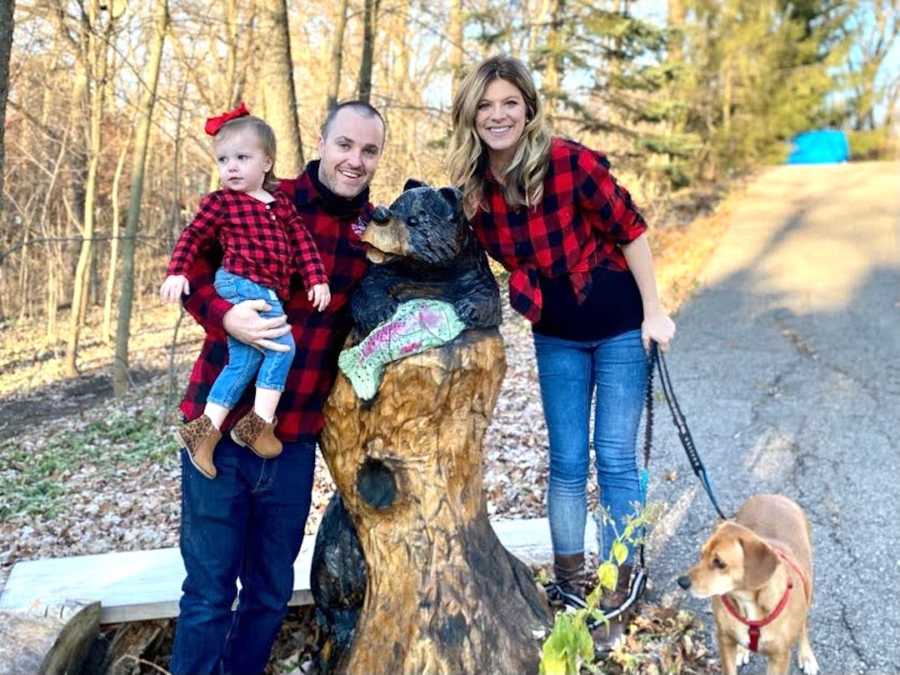
Two weeks later, my mom was visiting from out of state. She adores being a “GaGa” and comes as often as she can. We were sitting in our garage, waiting for a new mattress to be delivered, passing time as I scrolled through the weather, Instagram, and my email. I casually said, “Hey Mom, the test results are in. I haven’t gotten a call from my doctor, so I’m sure everything is fine. I’m just going to open them.”
That’s when I saw the words that would forever change me: “Positive for Trisomy 21.” I had never even heard the term before. After a frantic Google search, I read the words “Down syndrome.” My hands started shaking uncontrollably. I could barely speak. “Mom…” I whispered, my voice breaking, “what does this mean?” My heart dropped into my stomach, and it felt impossible to breathe. I completely fell apart. Thank God my mom was there. She immediately stepped into full mama-bear mode, reassuring me that everything would be okay and calling my doctor right away.
We soon learned that our baby had a 68% chance of having Trisomy 21, meaning three copies of the 21st chromosome. The days that followed were a blur. I cried constantly, Googled obsessively, and begged God for this to be a mistake. I knew very little about Down syndrome, and my mind filled with fear-based assumptions and negative thoughts. I worried our life would never be the same, that my marriage would suffer, and that having a sibling with special needs would somehow burden my daughter. The thoughts spiraled endlessly. For nearly a week, I was stuck in a cycle of fear. But eventually, I had to ask myself why. Why was I so afraid of something I knew almost nothing about?
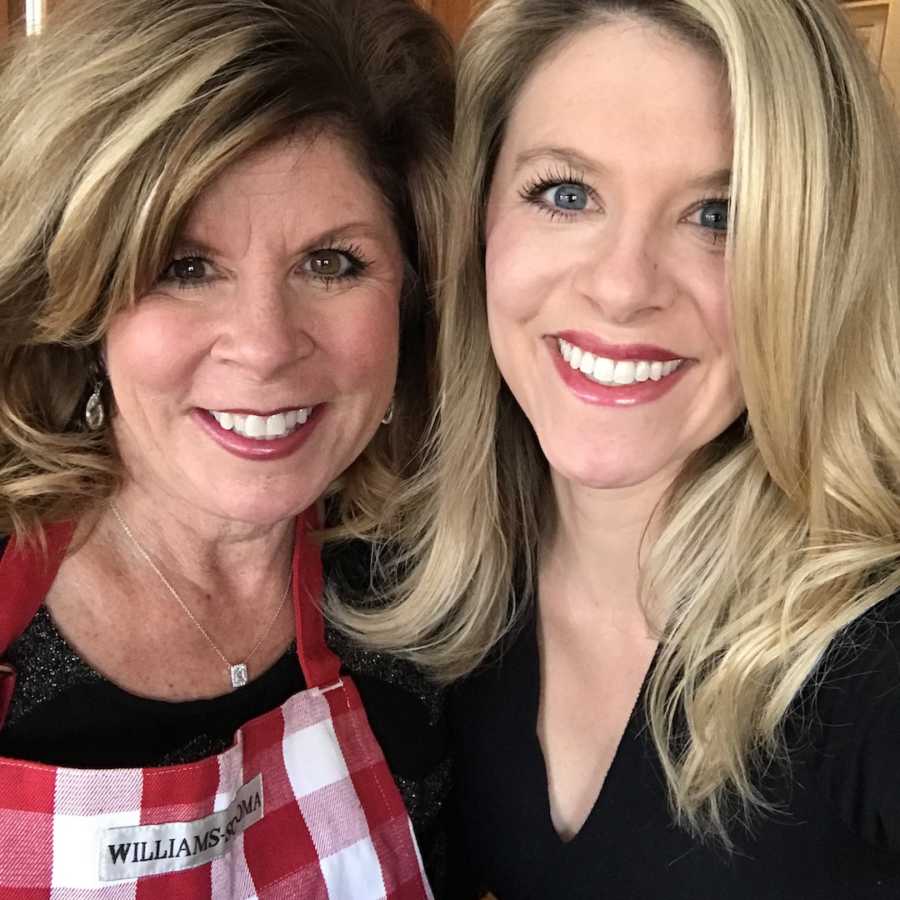
As the fog slowly lifted, I began seeing my life through a clearer lens. I questioned why I wasn’t more grateful—for my health, for my family, for the life I already had. I wondered if I truly accepted differences in others, or even in myself. I began to realize that while my life was certainly changing, it might actually be changing for the better.
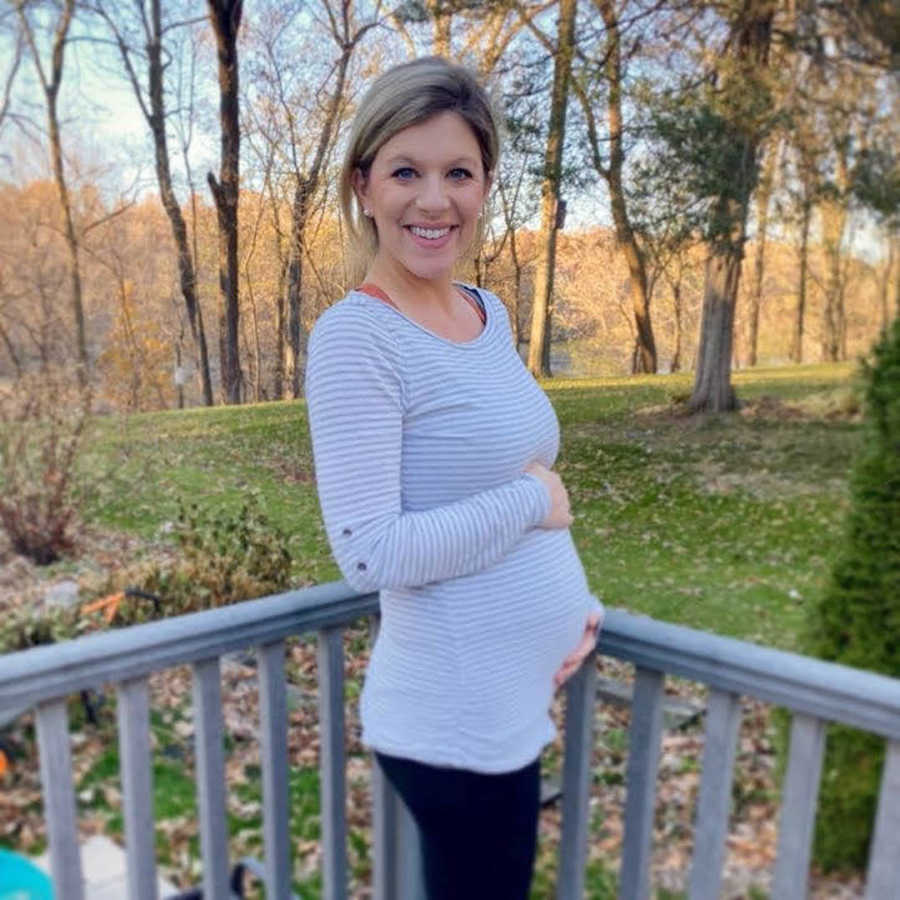
Because my pregnancy was considered high-risk, I had frequent doctor visits, most of them alone due to COVID restrictions. Doctors discovered our baby might have a multicystic dysplastic kidney, a possible AV canal heart defect—which was later confirmed after birth—and growth restrictions caused by placenta issues. We chose not to do an amniocentesis because we loved our baby regardless of the outcome. We lived the rest of the pregnancy suspended between uncertainty and hope. In the final months, I had multiple appointments each week to monitor umbilical cord blood flow and our baby’s well-being. There is a higher risk of miscarriage and stillbirth with babies who have Down syndrome, so they watched us closely. Before every ultrasound, I was filled with anxiety. Poor cord flow meant I could be hospitalized for constant monitoring, possibly for weeks, unable to see Georgi because of COVID rules. Every time I left for an appointment, I hugged and kissed her as if it might be the last time for a while.
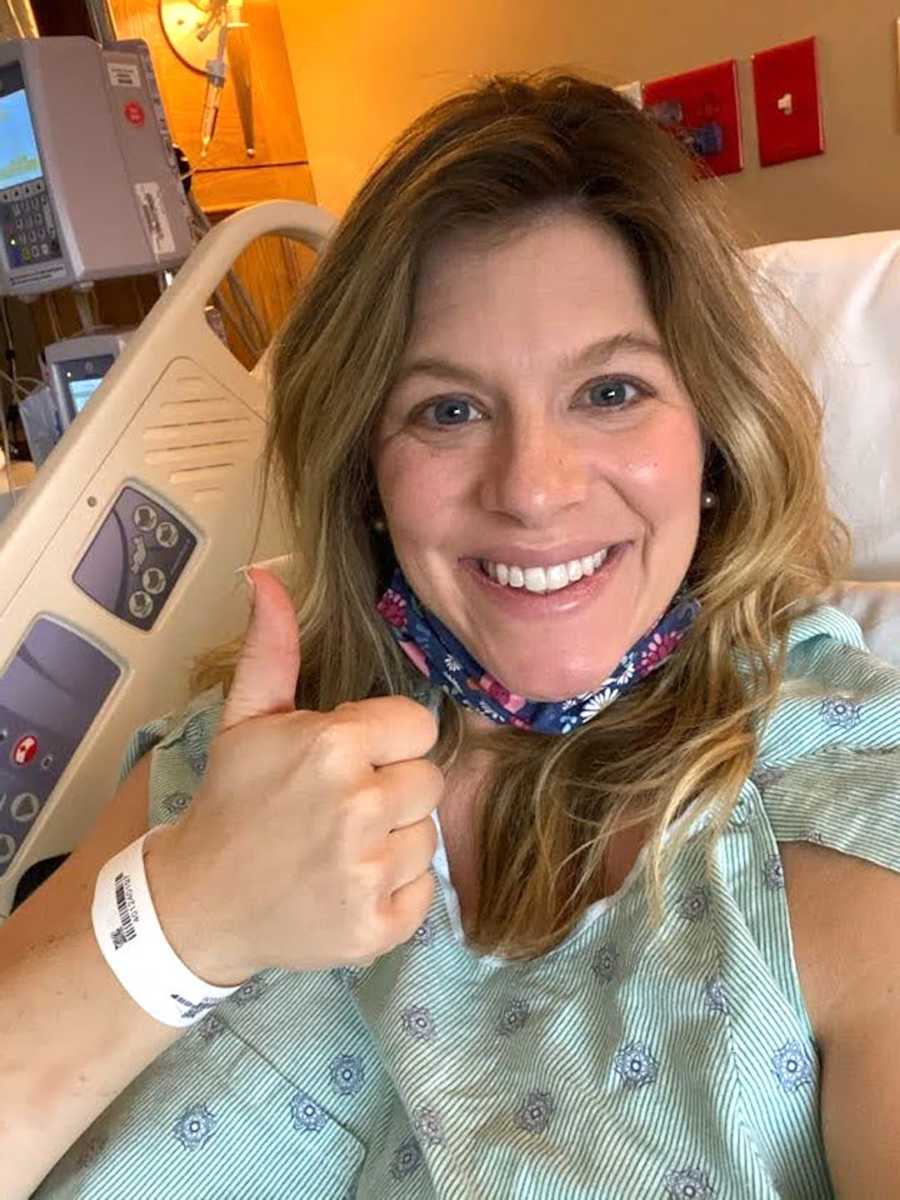
We thankfully made it to 37 weeks, when I was diagnosed with gestational hypertension and told I needed to be induced early. When the day finally came, we walked into the hospital not knowing our baby’s gender and without an official Down syndrome diagnosis. Labor went smoothly, and our baby arrived quickly—but she was taken away immediately instead of being placed on my chest. The silence felt endless. Then, finally, we heard a cry.
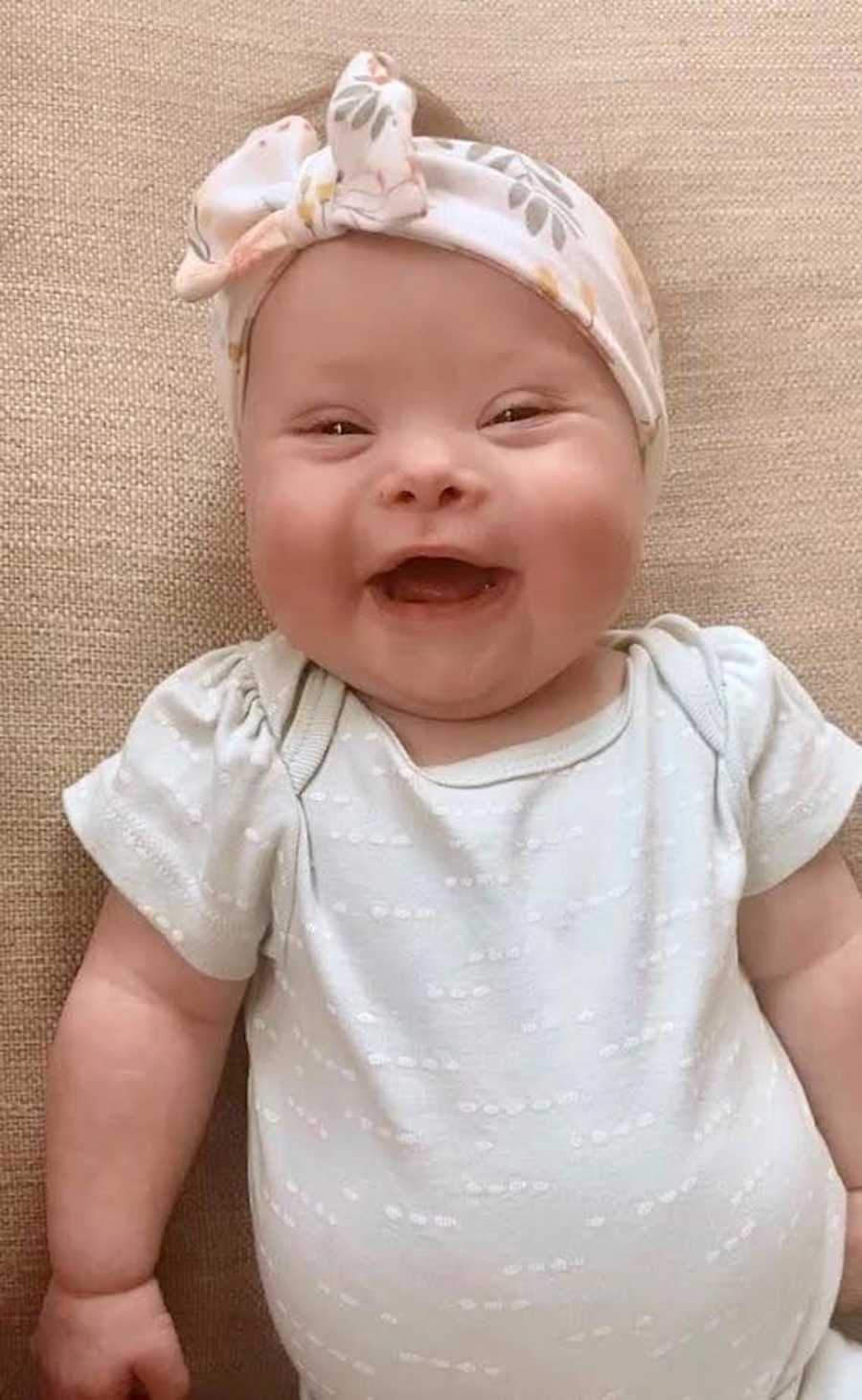
I looked at my husband and the doctor and asked, “So… did I have a boy or a girl?” They looked at each other, unsure, and I smiled. No one had checked yet. Finally, a nurse lifted her up, and I saw her—our baby girl. My Millie. I knew instantly that she had Down syndrome, but instead of fear, my heart filled with love. I just wanted to hold her. She was perfect. She was mine.
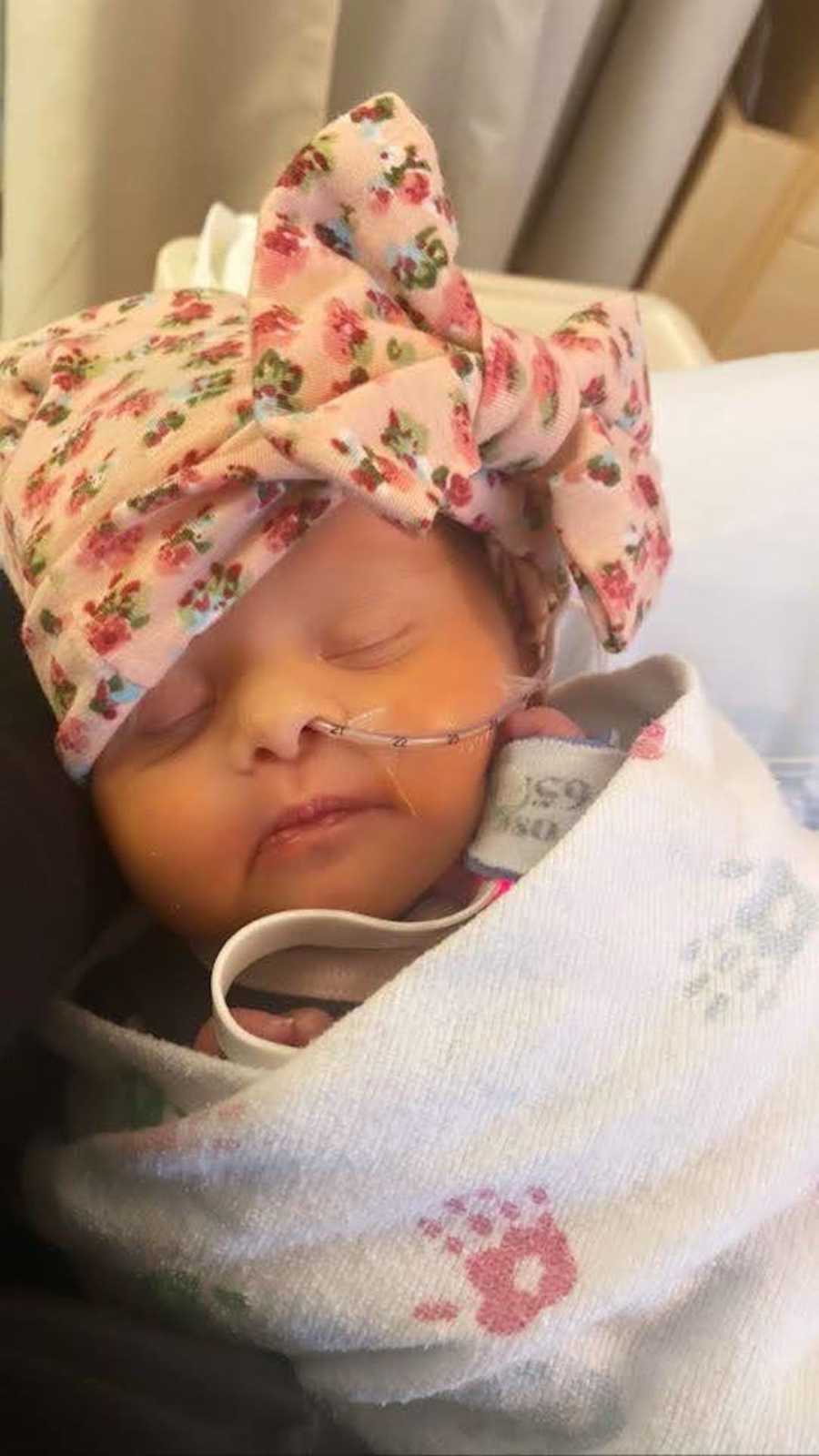
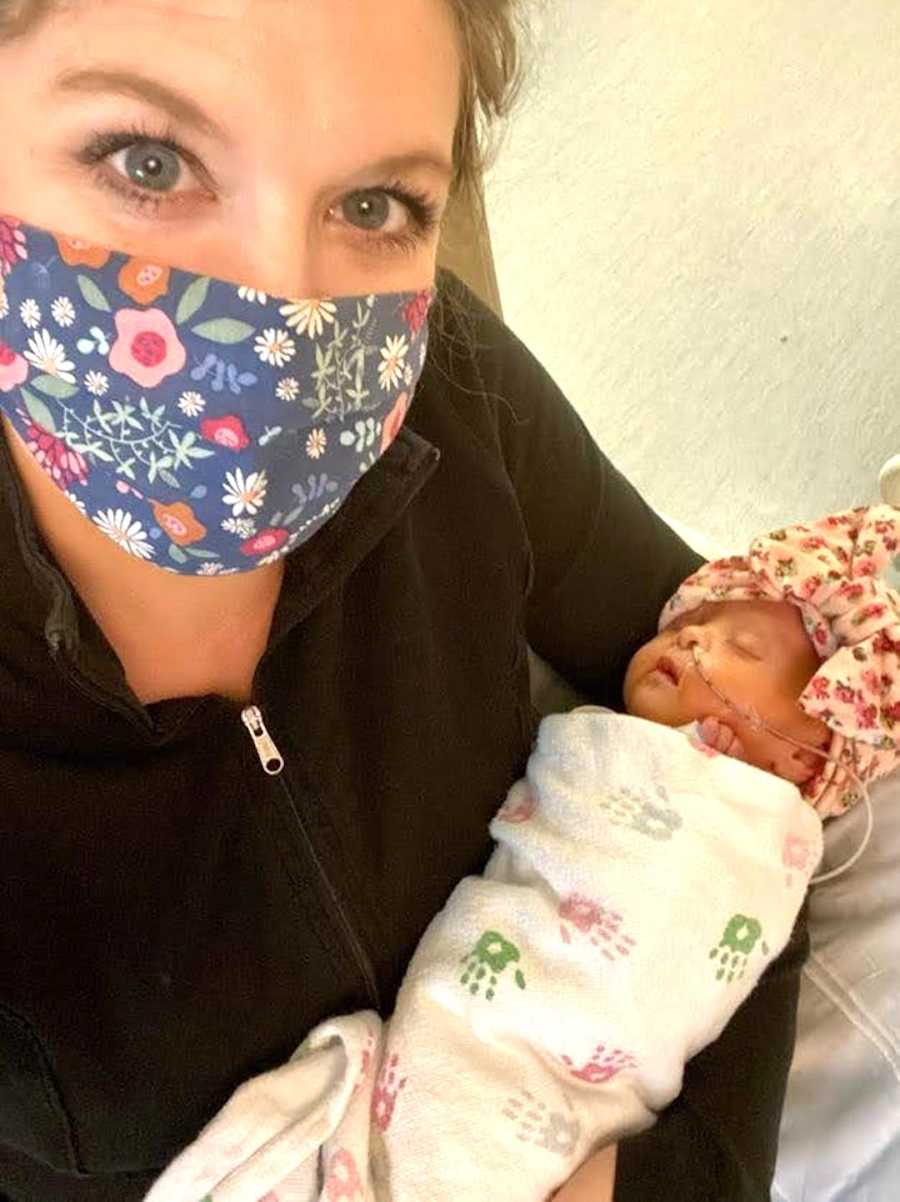
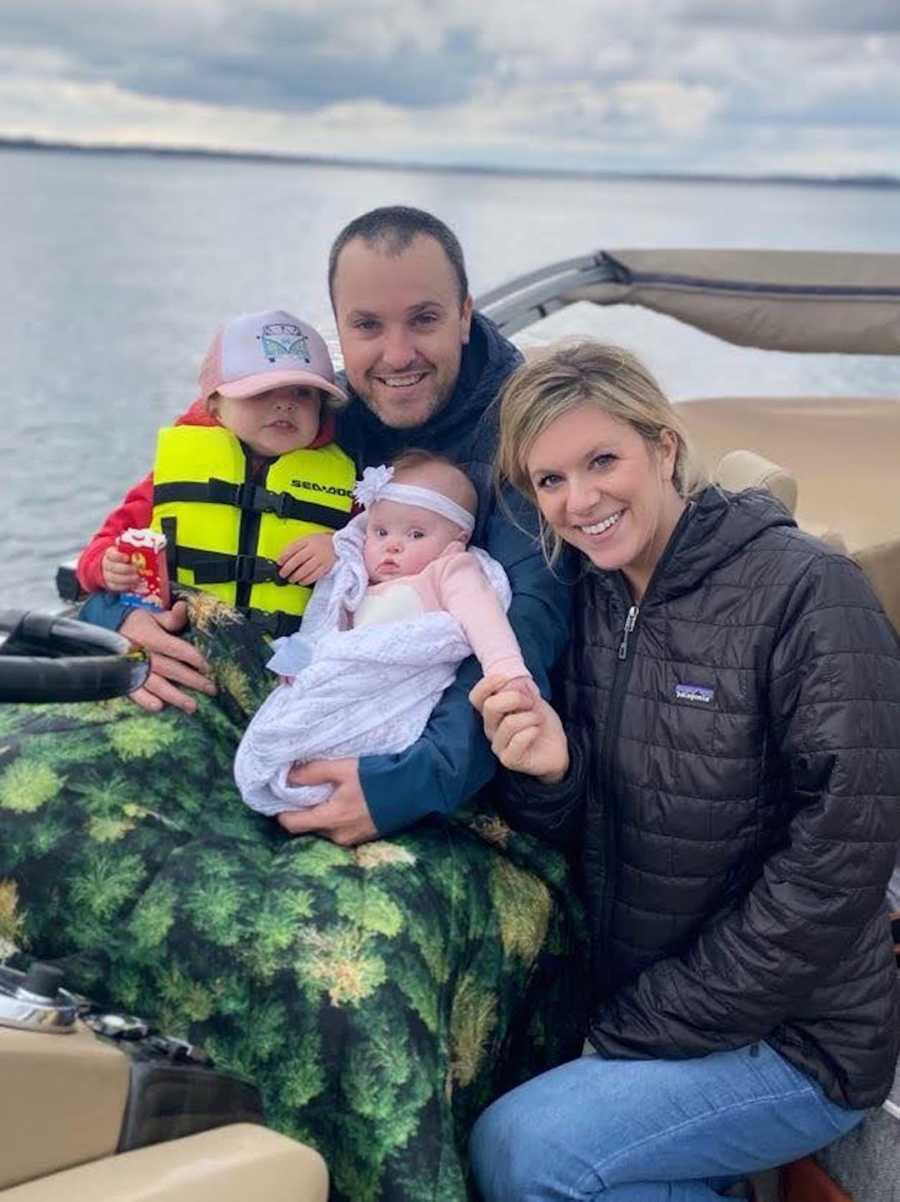
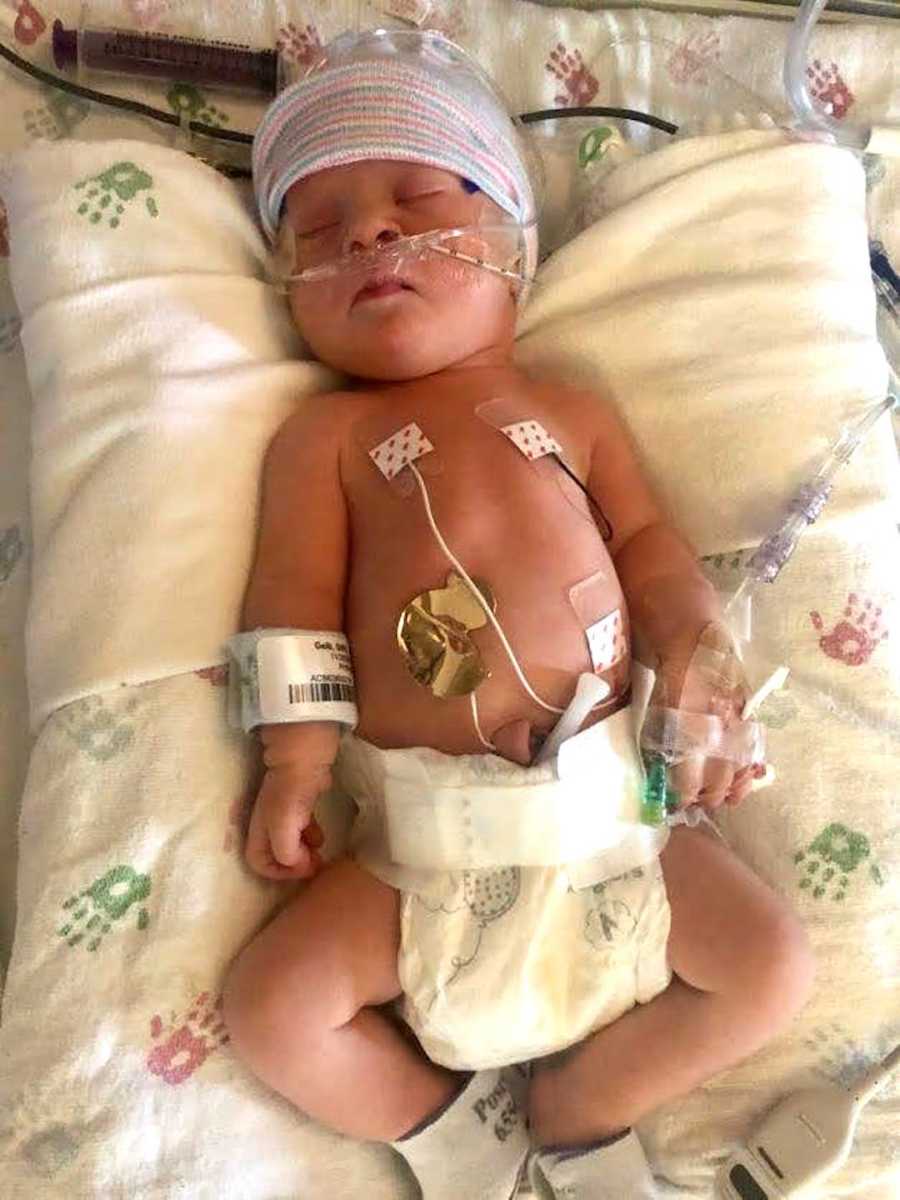
Our hospital journey didn’t end there. Millie was small—only 4 pounds, 15 ounces—and her low muscle tone made feeding difficult, so she spent time in the NICU. We lived an hour away, and since only my husband and I could visit, we took turns commuting. NICU life was hard: the masks, the alarms, the wires, the tubes. Bonding didn’t look how I imagined it would. But after three long weeks, Millie finally came home and met her big sister, who had been waiting so patiently.
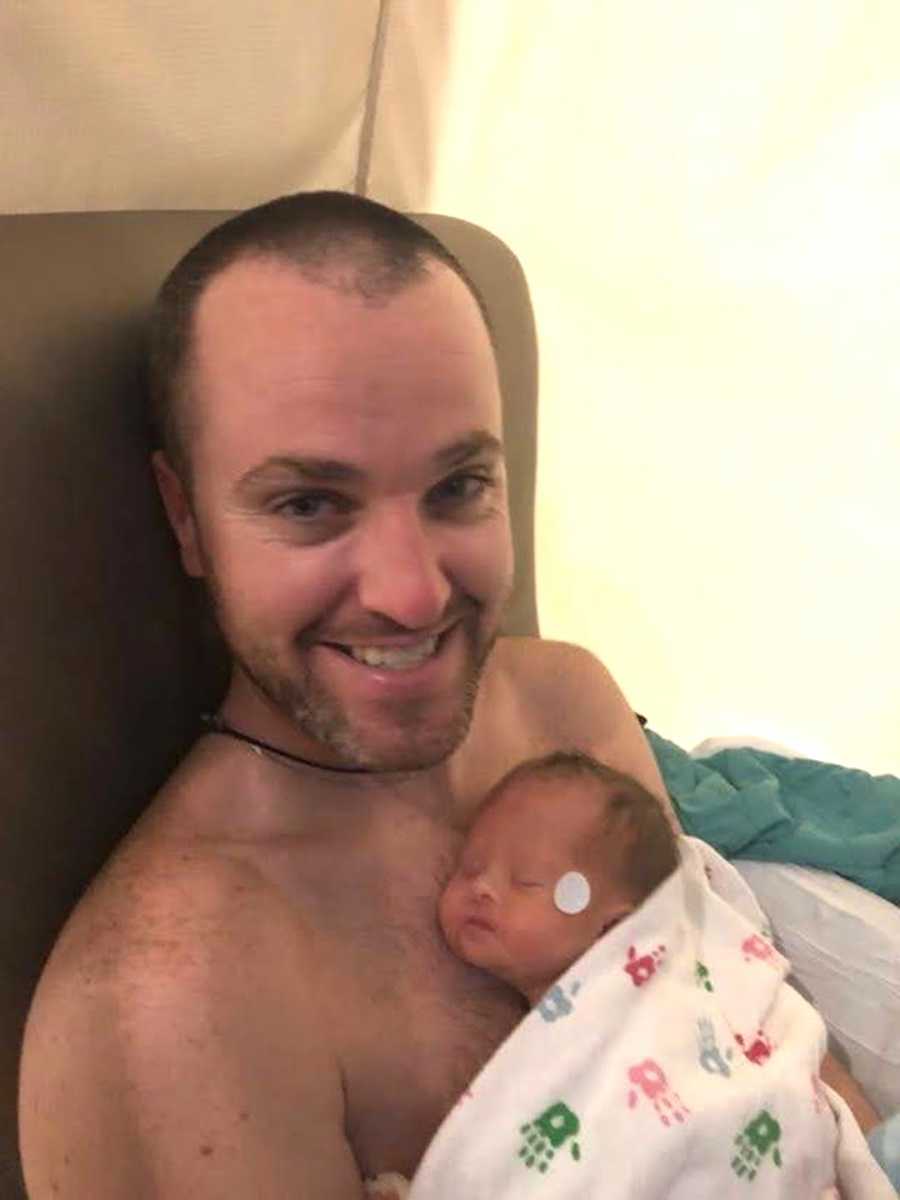
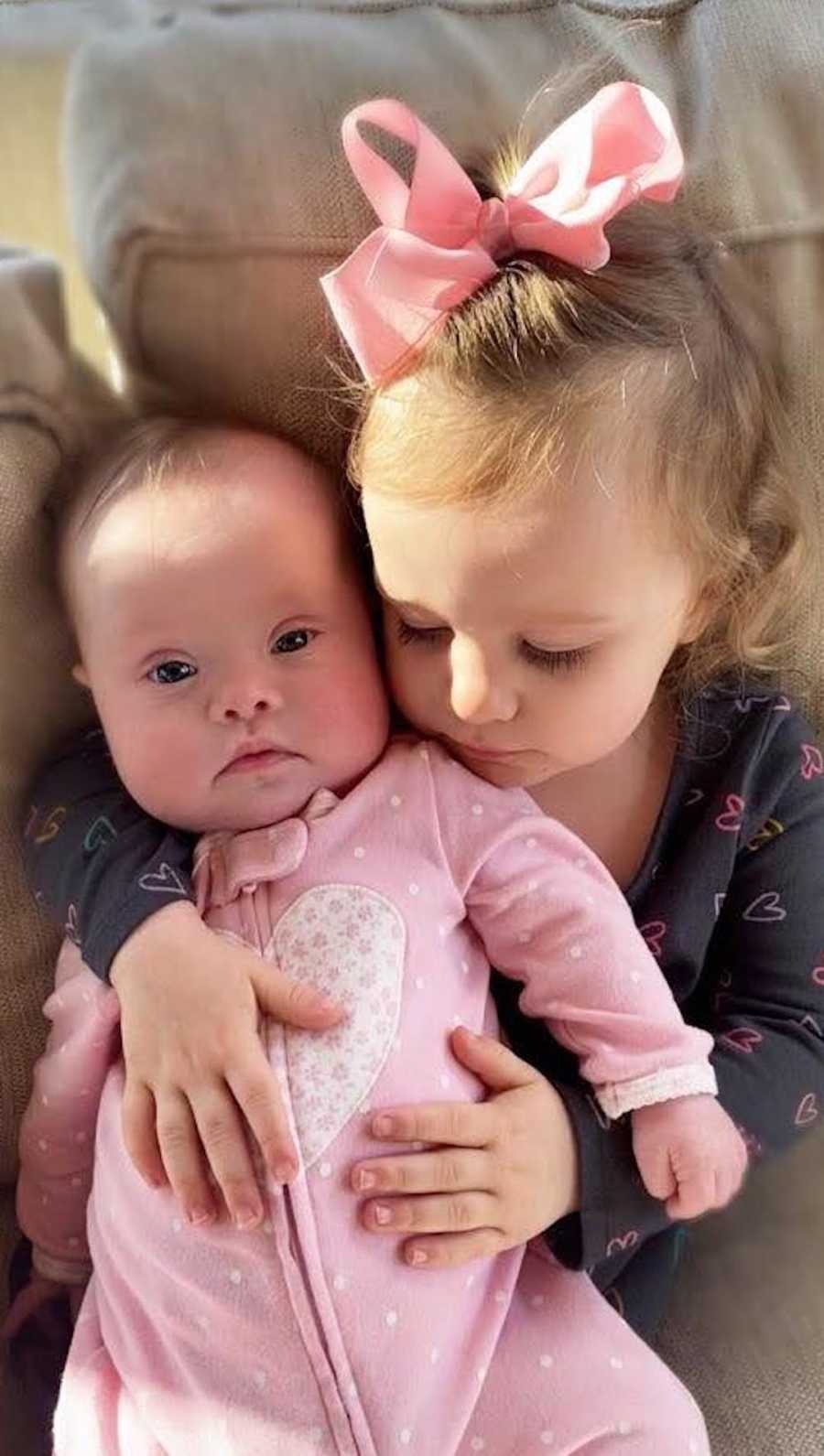
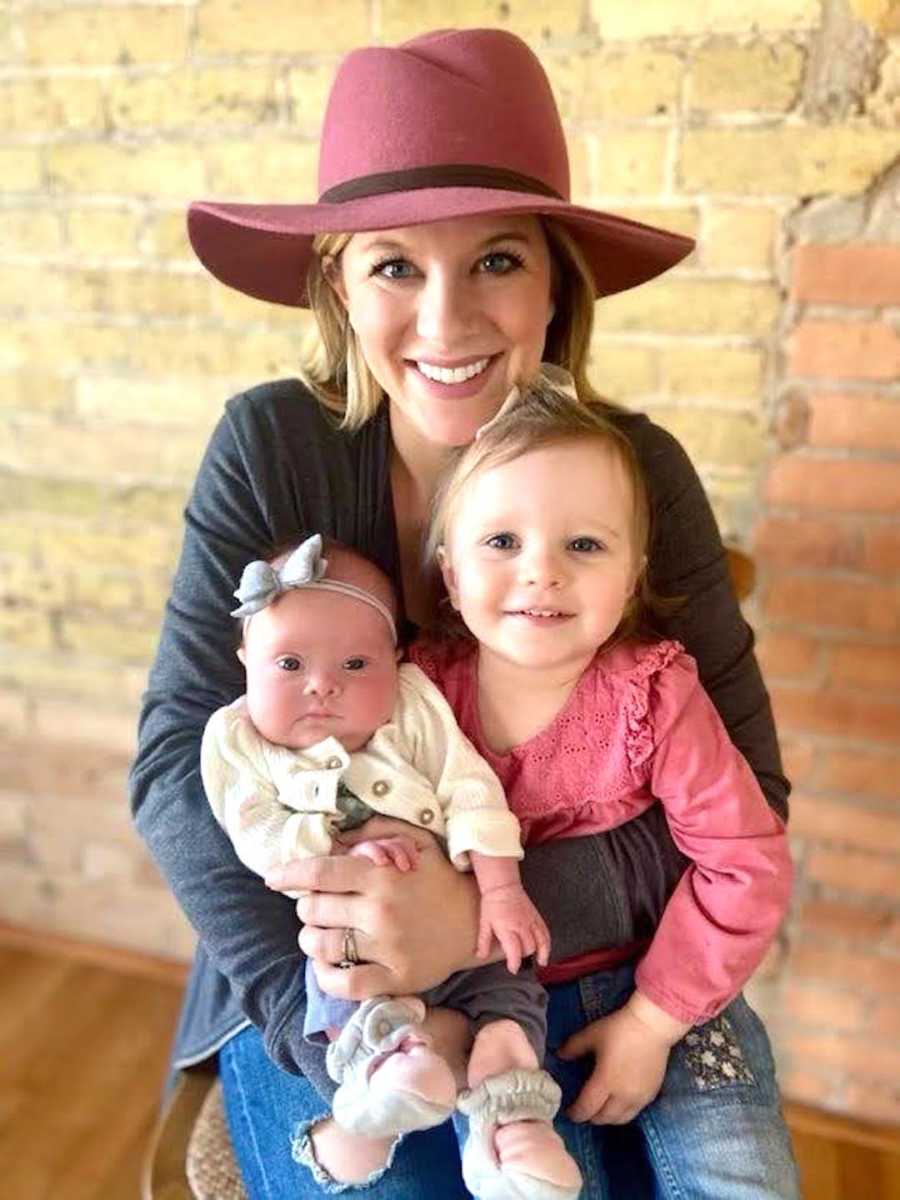
At first, I feared how having a sister with a disability would affect Georgi. But watching their bond grow has completely changed my perspective. Their relationship may look different than I once imagined, but for Georgi, this is simply her reality. She will grow up learning inclusion, empathy, and compassion. She will embrace differences and learn to love what makes her unique. I know there will be challenges ahead, but I truly believe that having Millie as her sister will shape Georgi into an even better person—just as being Millie’s mom is shaping me.
By sharing our story, I hope to offer hope to others facing a prenatal or at-birth diagnosis. It’s okay to feel everything you’re feeling. It’s okay to grieve the baby you imagined. It’s okay to feel angry, scared, confused, or overwhelmed. But you are not alone. I encourage you to connect with others who’ve walked this path. There is so much outdated and negative information about Down syndrome, and often the best comfort comes from learning directly from families living this life.
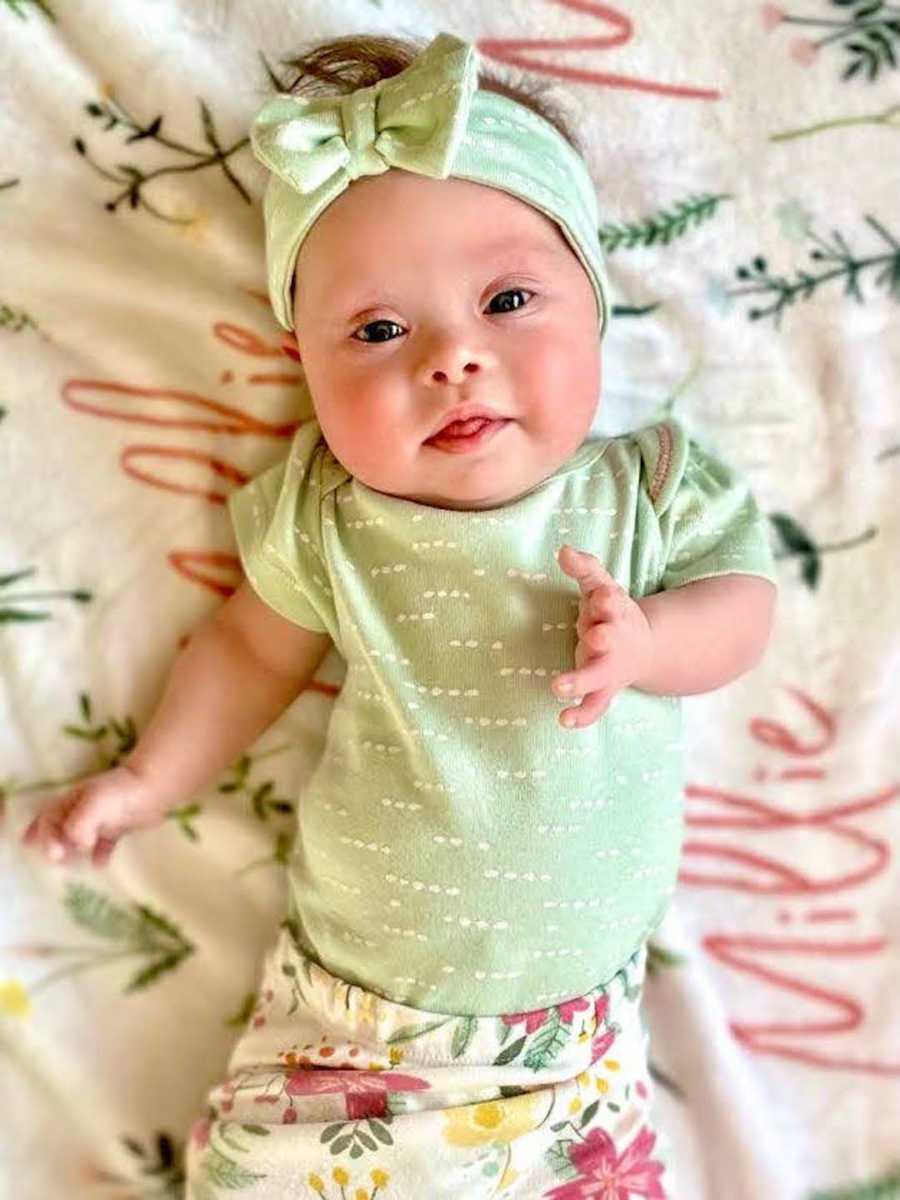
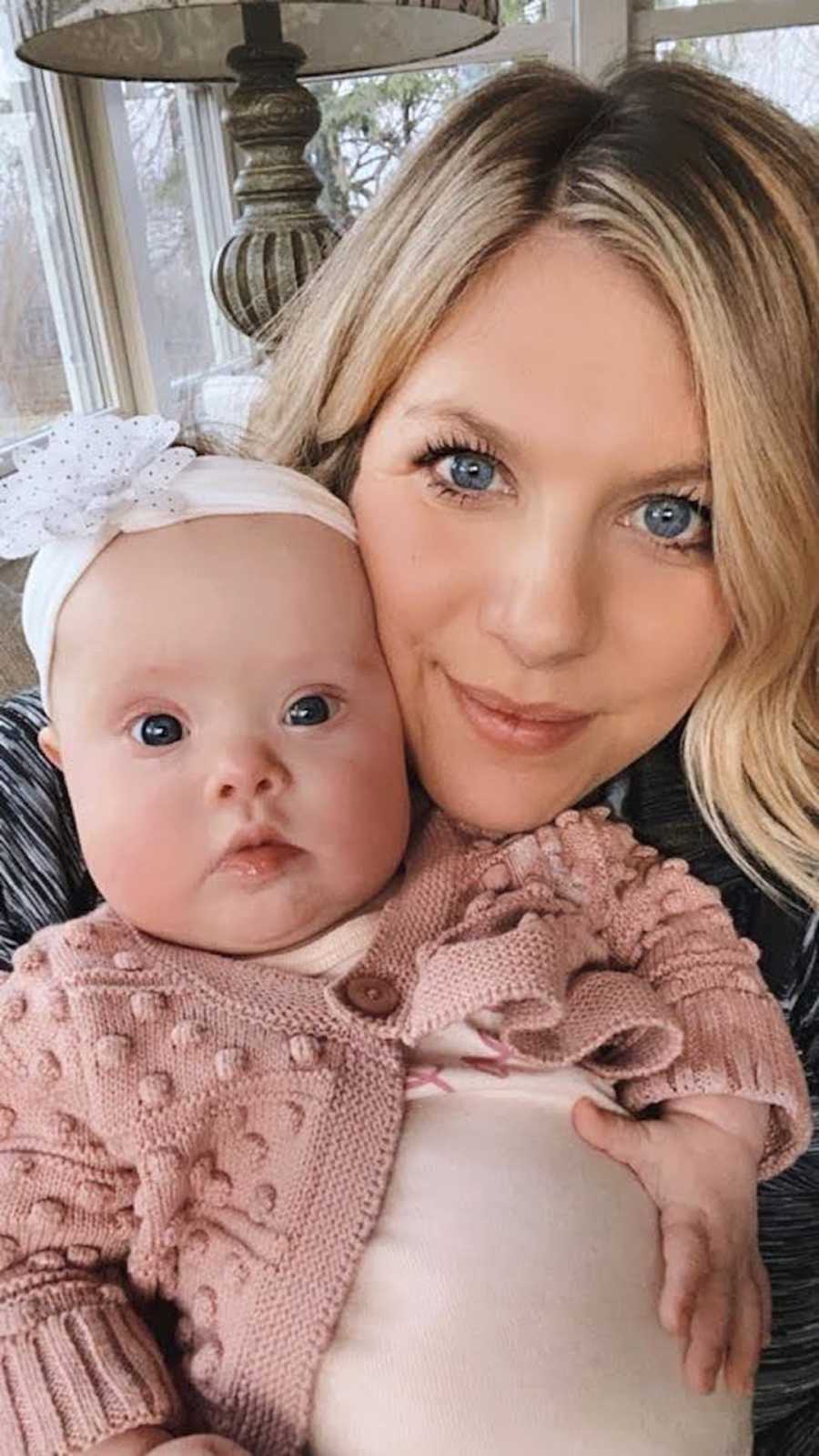
My Millie is a beautiful blessing—just like every baby. She is happy, strong, and courageous. I am endlessly proud of her and every milestone she reaches, or as I like to call them, her “Milliestones.” She has already taught me so much: perseverance, patience, adaptability, gratitude, and above all, love. Pure, unconditional love—for her, for my family, for myself, for humanity, and for life itself.