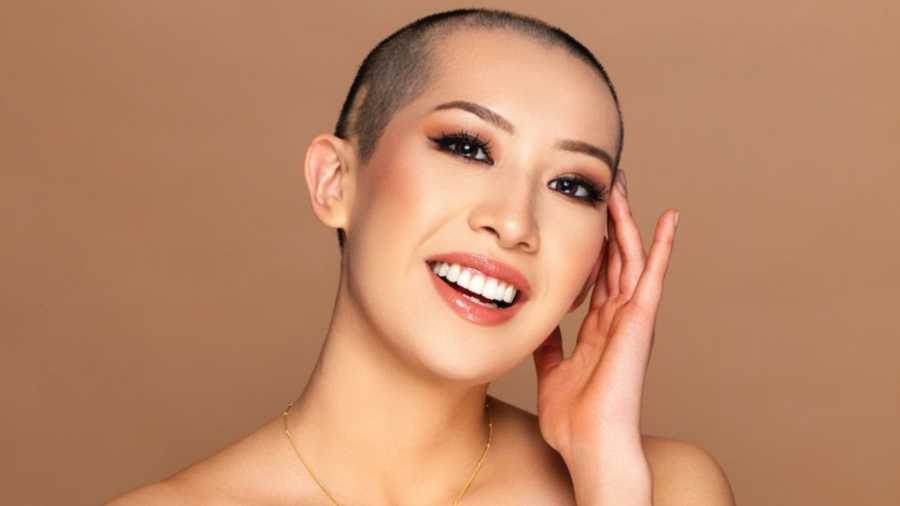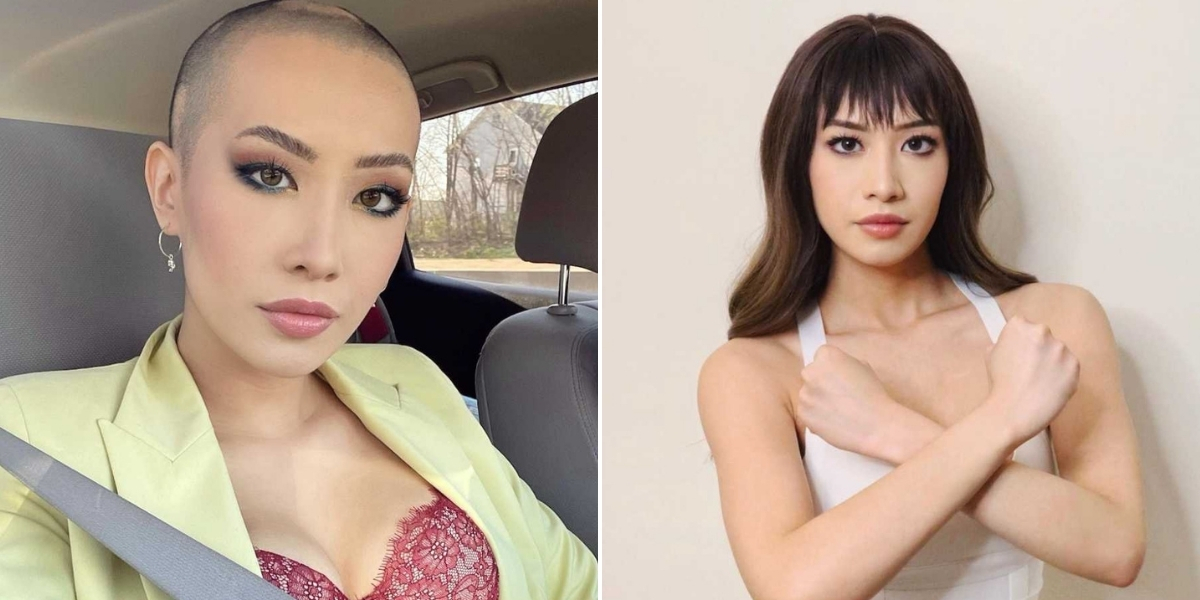
When I was 19, I took what felt like an ordinary shower. As usual, I lathered my shampoo, working through my long, silky hair with gentle hands. But this time, there was something unusual. I felt an unexpected fullness in my fists. When I uncurling my fingers, I discovered clumps of dark hair tangled in the suds. I froze.
Over the following weeks, retrieving clumps of hair from the drain became part of my daily routine. I submitted my scalp to 23 corticosteroid injections administered by a doctor, month after month. I drenched it in men’s Rogaine, applied creams and ointments as prescribed, but nothing could stop the appearance of shiny patches spreading across my once-envied head of hair. Strategically parting my hair no longer concealed them. I started to resemble Gollum—but thankfully with a better face.
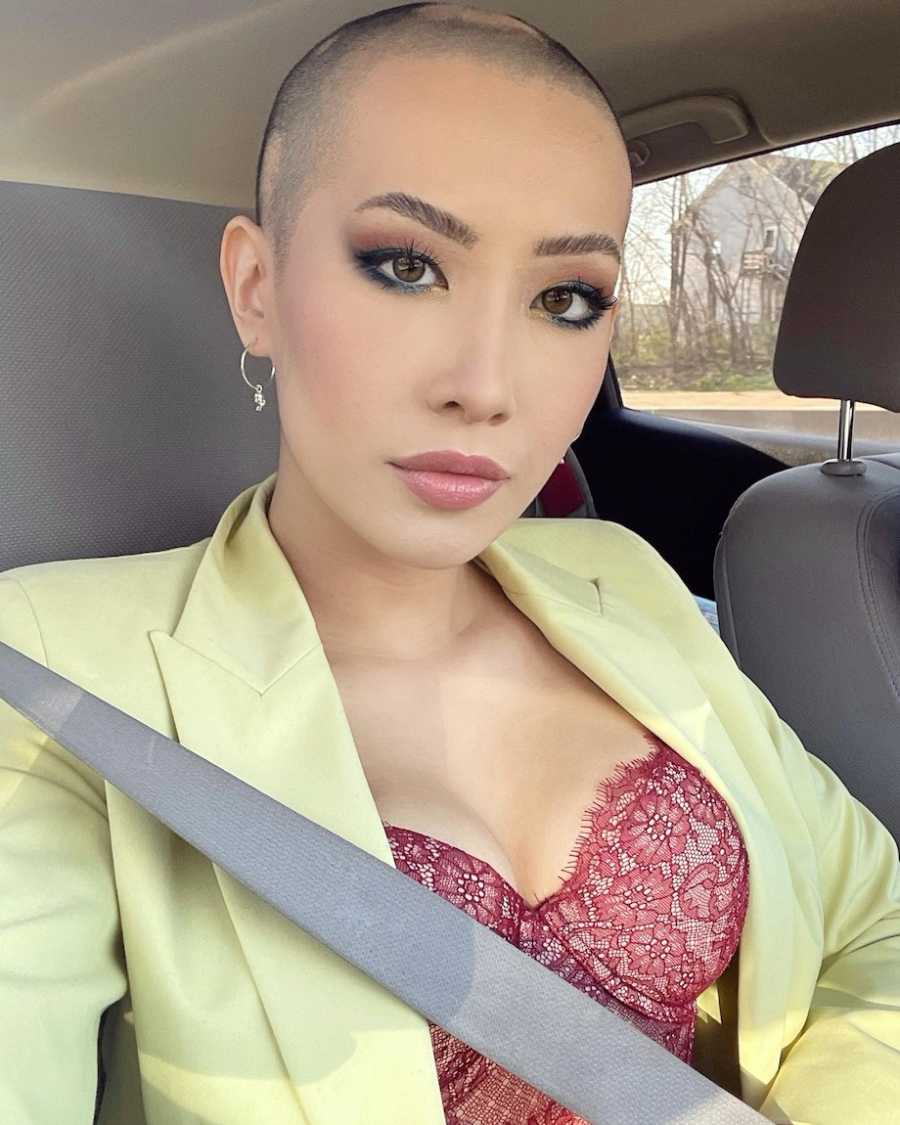
I was diagnosed with alopecia, an autoimmune condition that causes partial or total hair loss. At first, I felt shock more than anything else. I tried everything I could to reverse it, but strangely, I didn’t feel devastated. My life at that point was already chaotic. I was a couch-surfing teen, working at a movie theater, without a permanent home. My possessions were few, mostly plants and horticulture textbooks I kept at a friend’s place. I was focused on survival, building skills, knowledge, and a small nest egg to gain stability. Losing my hair felt like just another inconvenience stacked onto a life already full of challenges.
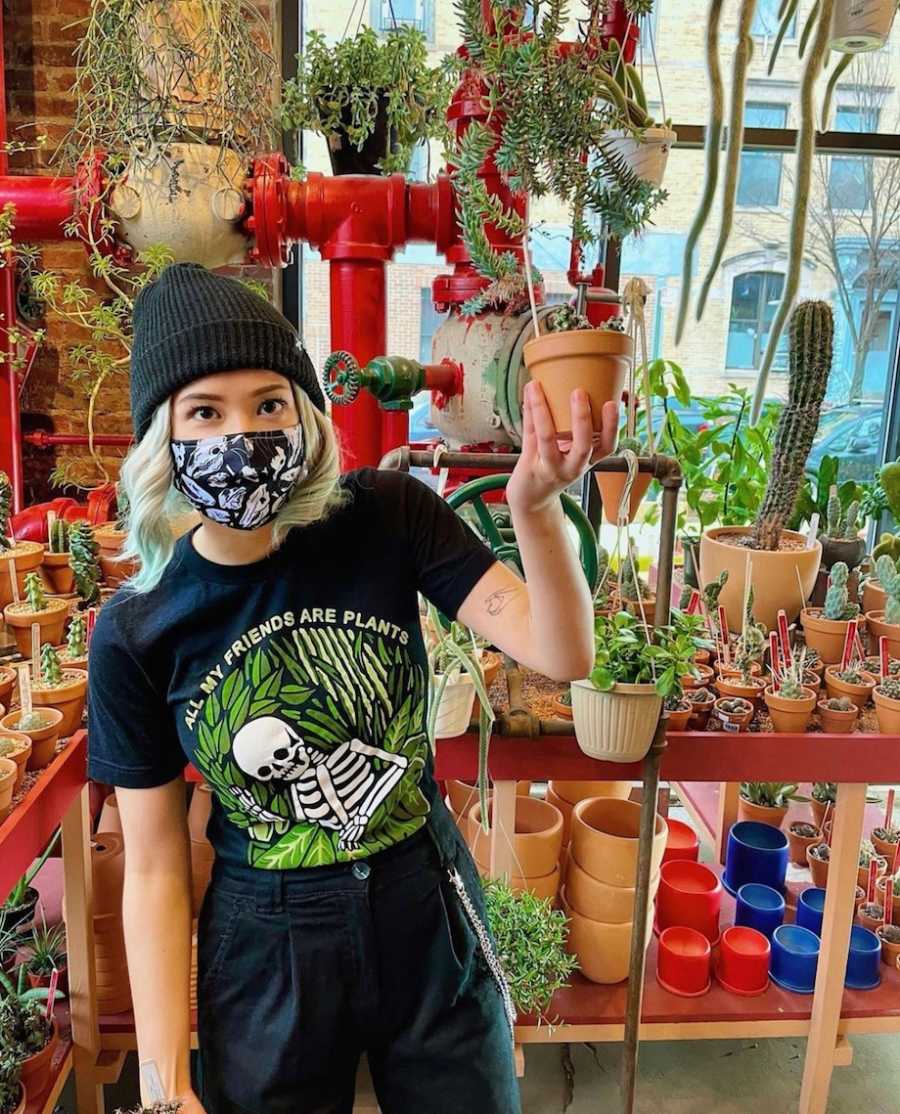
Alopecia is genetic. If you have the gene, you have it—but it doesn’t always manifest unless triggered. No one knows exactly why it activates, and once it does, there’s no cure. Treatments can help hair regrow, but results aren’t permanent, and the fear of recurrence lingers indefinitely. Looking back, I think stress played a role in flipping the switch on my condition. I had survived being kidnapped, held captive, and falsely imprisoned abroad for about a month—a harrowing period of physical abuse and forced drugs. Returning to the States broken and without a home created stress my body could only respond to physically. Even so, I never allowed my hair loss to become a direct reminder of that trauma. Instead, I faced the everyday challenges of losing hair as any young woman might.

The first real wake-up call came during my job search. Looking like Gollum, I quickly learned, was not considered professional—or even acceptable in many workplaces. I explored wigs, which came in three frustrating categories: affordable synthetics that didn’t look natural, cosplay-like colorful synthetics that were fun but inappropriate for work, and human hair wigs that ranged from $100 to $10,000—far beyond my means. I settled into shaving my head, wearing colorful wigs for fun, and using headscarves otherwise.

Many people assumed I had cancer. When I clarified that it was alopecia, responses varied. Some were accepting, but more often, people treated me differently, dismissing it as “just hair” while subtly judging me. I faced harassment, homophobic slurs, and cruel comments calling me disfigured or “undateable.” I was pitied, told “what a waste,” and even detained for over an hour at JFK Airport for wearing a simple headscarf. At work, customers would avoid me, even pulling their children away. Racism, misplaced fear, and ignorance compounded my struggle.
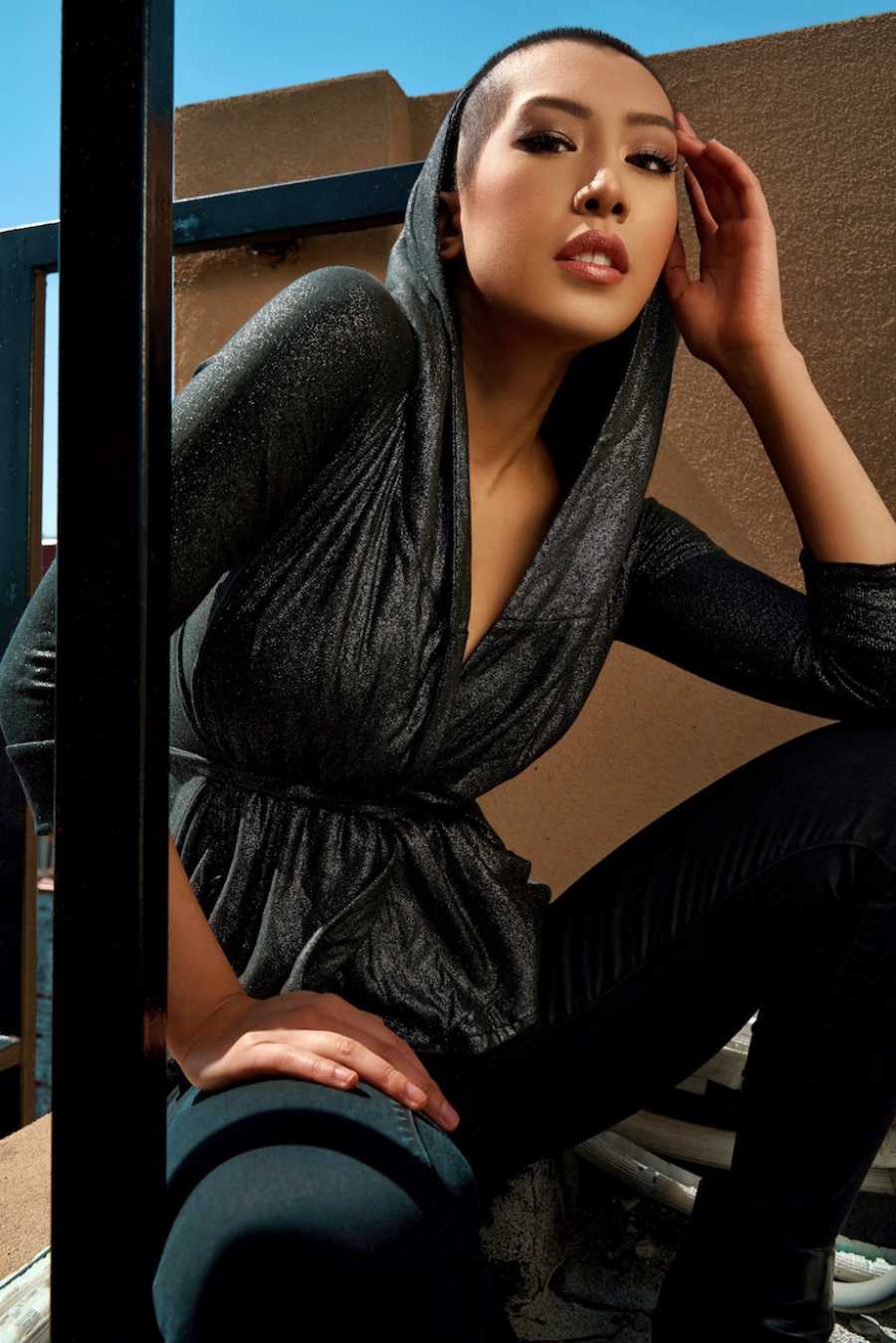
Through all of this, I realized the disease itself wasn’t cruel—society’s stigma was. Today, I am in a good place. I have great friends, a beautiful apartment, and a sense of liberation and confidence in my own skin. I wanted to use my experiences to empower others. This year, I entered the Miss USA Pageant system and became Miss Stamford USA 2021, qualifying as an official state finalist for Miss Connecticut USA. I aim to redefine beauty, showing the world that alopecia does not diminish a woman’s value, worth, or beauty.
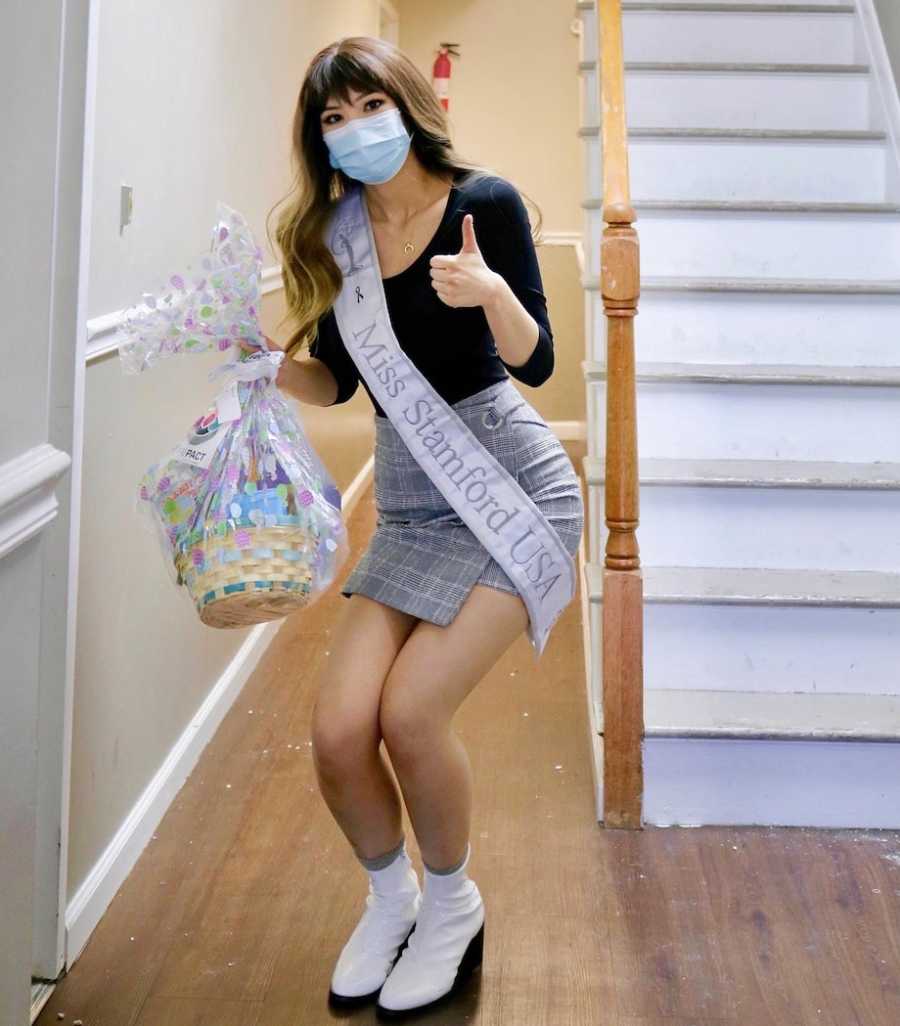
Alopecia can be psychologically devastating, especially for young women facing societal pressures to conceal their differences. I want those women to know they are beautiful enough. Not just to leave their homes and be seen, but to stand proudly on a stage, celebrating themselves. My mission is to humanize people with alopecia, showing that we are individuals, fully capable of joy, achievement, and self-expression.

Even within the alopecia community, I’ve encountered doubt and negativity. Some questioned my decision to show my hair loss publicly, equating it to personal offense or impropriety. But I have learned that this condition does not define us—it is a part of who we are, not the sum of our value. Losing hair does not mean losing worth. My goal is to inspire hope, resilience, and pride in anyone affected, to show them they can embrace life fully and confidently, alopecia and all.