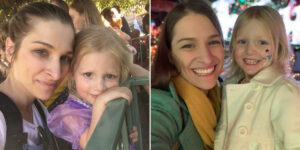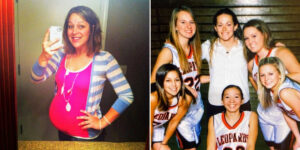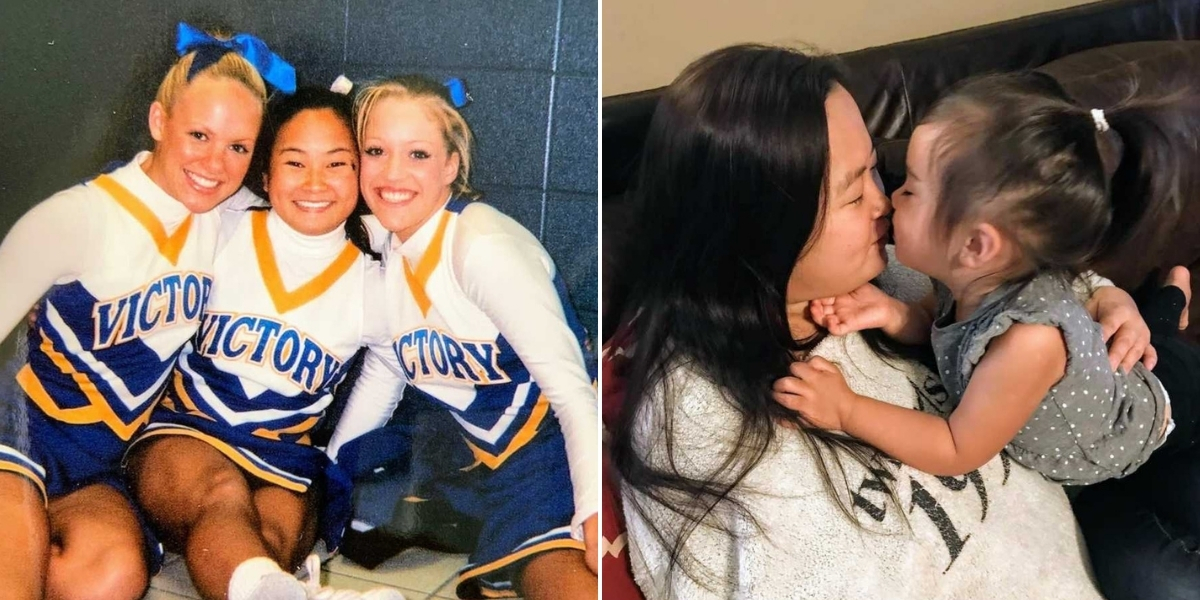
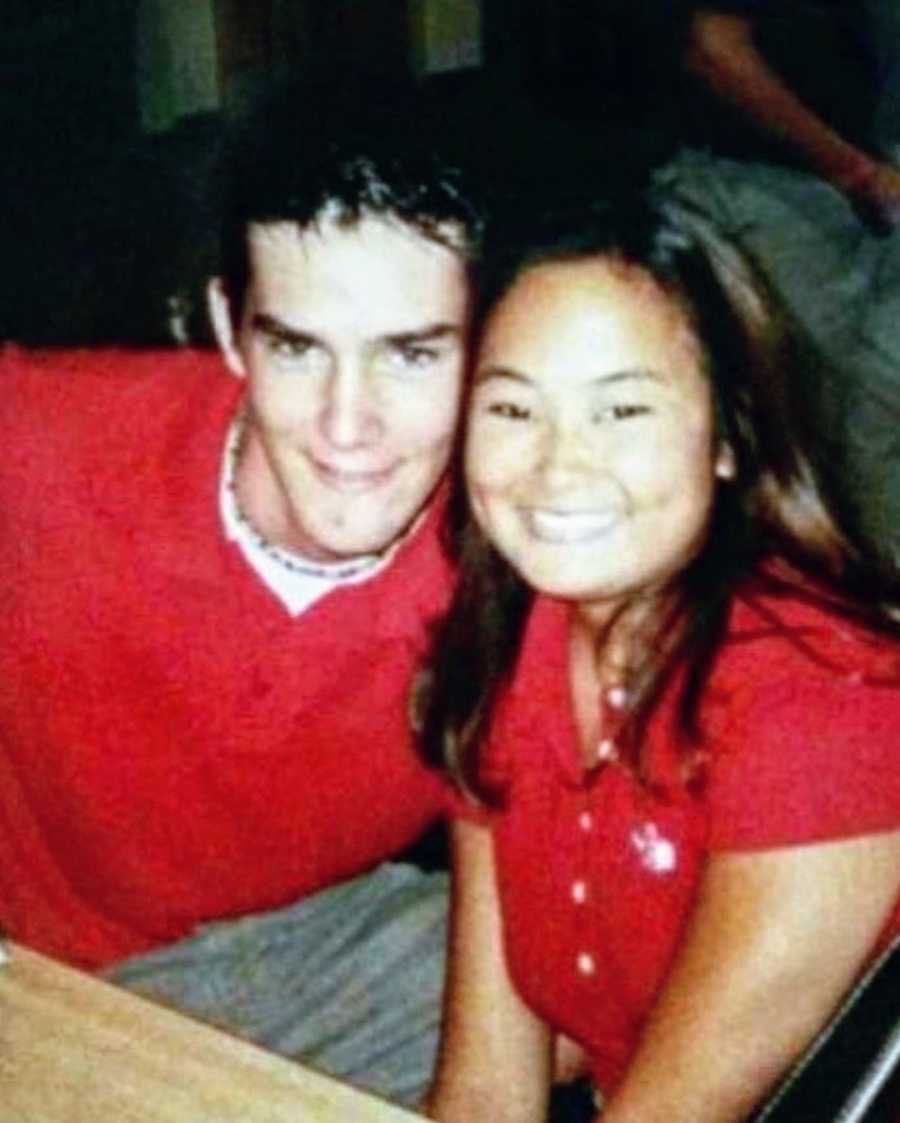
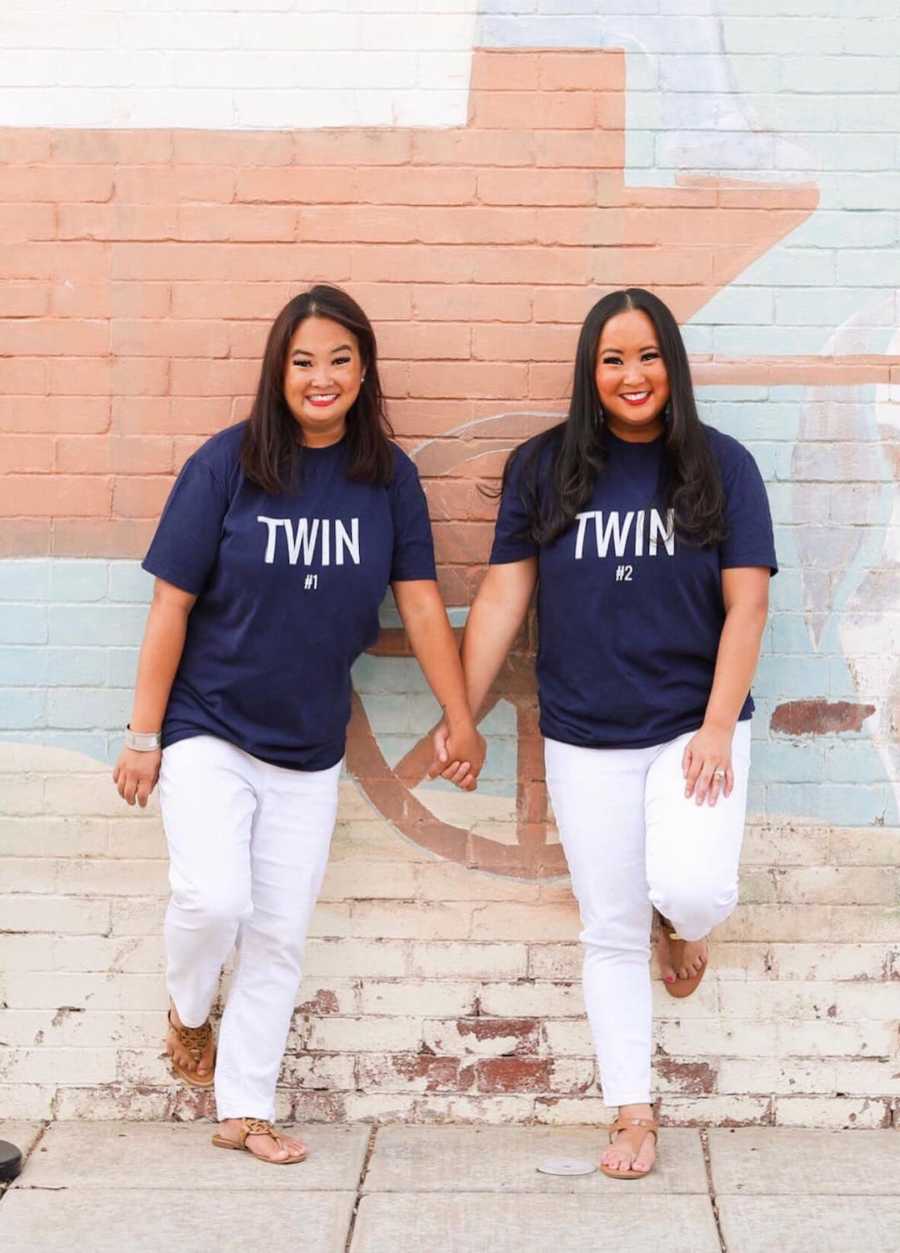
My name is Amanda Porter. I’m 35 years old, adopted, and blessed with a twin sister. I’m a proud girl mom to an 8-year-old and a 3-year-old, and this August my husband and I will celebrate 12 years of marriage. He’s my high school sweetheart, my favorite Marine, and my hero. I’m an Enneagram Two, he’s an Enneagram Eight, and together we balance each other perfectly. Cheerleading was a huge part of my life for 13 years—competitive, high school, and college—and staying active has remained important to me, even as a mom of two. During my pregnancies, I struggled with high blood pressure, but it always returned to normal after delivery. Because of that, I never thought to regularly monitor it afterward.
March 20, 2020, is a date I will never forget. It was the beginning of the pandemic, and the world felt like it was unraveling. Our nation was panicking—empty shelves, sanitizer shortages, quarantines, and shutdowns everywhere. Was I worried? Yes. But I wasn’t scared of the pandemic. What terrified me was the stroke I didn’t yet know I was having. That afternoon, I was working from home, entertaining my girls, and watching Frozen 2 for what felt like the hundredth time. Around noon, I planned to get ready to take my daughter to the store—her birthday was five days away, and she wanted to pick out decorations and cupcakes. Quality time is our shared love language.

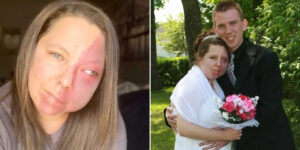
I walked into my bedroom to grab my phone and change out of my pajamas when my right leg suddenly felt like it had fallen asleep. Seconds later, my right arm and hand followed. I tried to shake it off, but then I realized I couldn’t move them. My face went numb, began to droop, and panic set in. I yelled for my husband, but my words came out slurred. “Allen!” turned into unintelligible sounds. I was scared—something was very wrong—but I didn’t know I was having a stroke. Allen rushed in and found me face-down on the bed. My speech worsened, and he immediately panicked. He called his mom, who lived 20 minutes away and was luckily just minutes from our house.

Allen quickly put a sweater and slippers on me and decided not to wait for an ambulance. We tried to stay calm for our daughters’ sake, though inside we were both terrified. He told the girls he was taking me to the hospital for a check-up and that Grandma was coming over—news that filled them with excitement. He had to drag me to the car, and the moment I was inside, his dad pulled up. I was rushed to the ER.
Given it was the start of the pandemic, I expected to sit in a waiting room for hours. Instead, the moment Allen explained my symptoms, staff took me back immediately. Nurses checked my vitals, and my blood pressure was dangerously high—240/180. I later learned that anything over 200 is considered a stroke risk. I had arrived just in time to receive TPA, the blood clot–busting medication. My blood pressure had to be lowered to 180/100 before I could be admitted. A dear friend of mine, Whitney Roberts, an ER nurse, was working that day. I remember lying there, unable to speak, watching her hug Allen and then stand beside me, holding my hand as tears streamed down my face. Never underestimate the power of friendship.
After a CT scan confirmed an ischemic stroke, I was admitted to the ICU for five days. The right side of my body was paralyzed, and I struggled to speak for the first twelve hours. I endured whispers from judgmental nurses at night—comments about my blood pressure, my silence, and even my ethnicity. Visitors were still allowed, and for the first two days Allen went back and forth caring for our girls and bringing me necessities. No one could tell us how long I would be hospitalized.
During the long hours alone, a nurse encouraged me to try using a commode chair instead of a bedpan. Sitting there felt like a small return to normalcy—until I fell forward while trying to clean myself. The nurse rushed in, pulled me back to bed, left a bedpan, and walked out. I broke down. That brief sense of dignity disappeared in seconds. Alone, defeated, and ashamed, my thoughts spiraled. I felt worthless. I felt abandoned. I felt the darkness pressing in. Lies flooded my mind—but God whispered one word: fight.
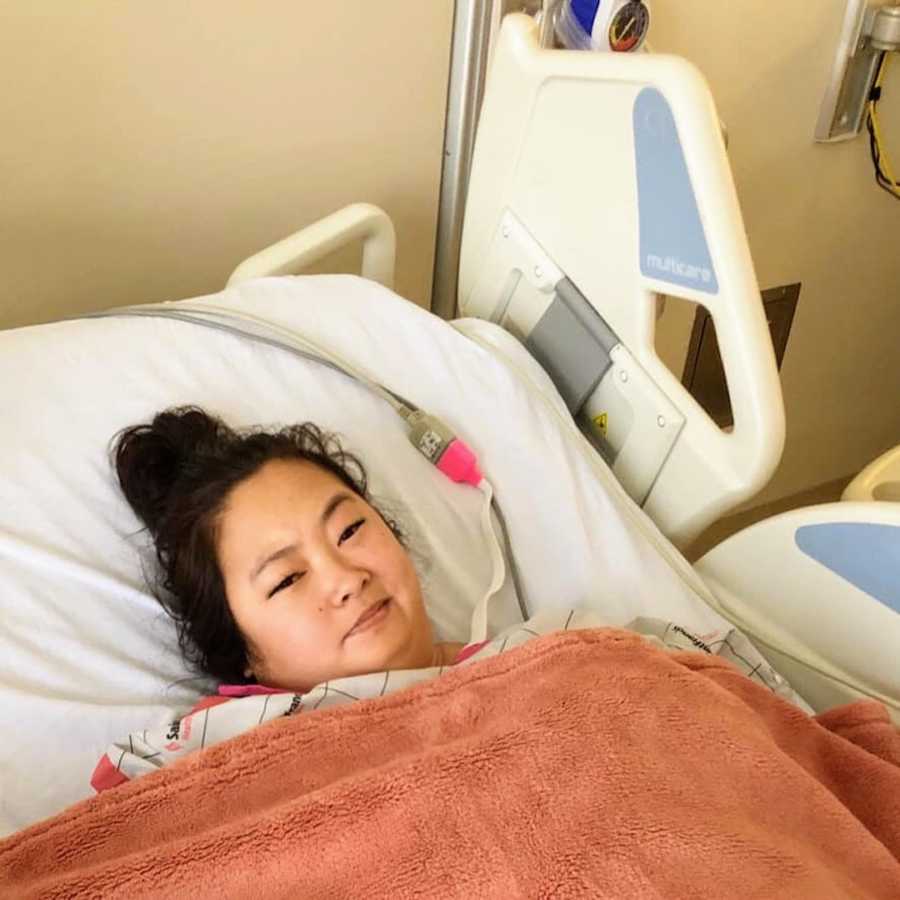
Each day, the neurologist asked me to move my leg or squeeze his fingers, and each day I couldn’t. I was discouraged and confused. Allen never left my side—changing my bedpan, cleaning me, holding me while I cried, and reminding me I wasn’t alone. Three days later, I was transferred to the hospital’s rehab unit. Because of new pandemic restrictions, Allen was told to leave—but he fought hard to stay, and they finally allowed it. I would need physical, occupational, and speech therapy, and the hospital wouldn’t discharge me until I could walk.
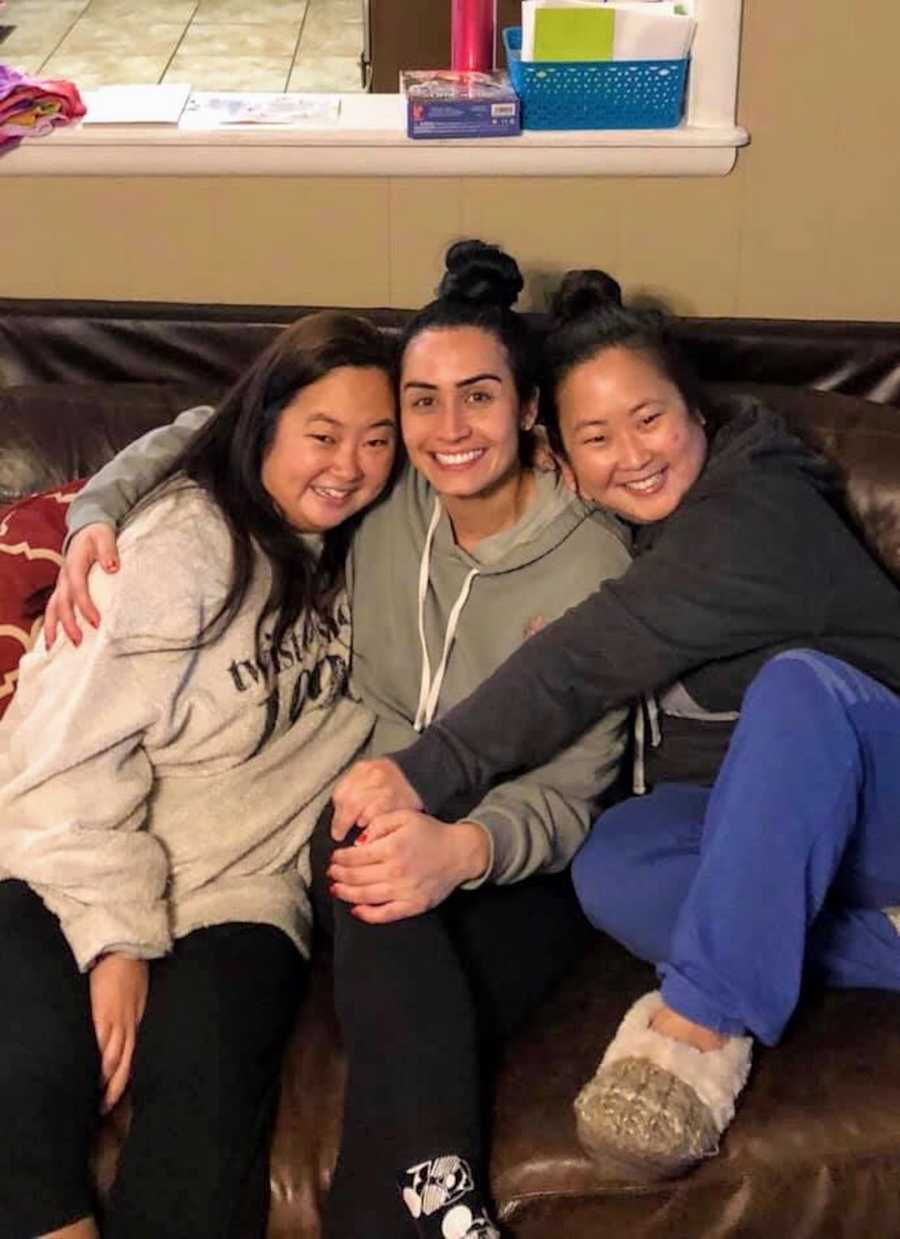
Leaving the ICU was a relief, but missing my daughter’s seventh birthday crushed me. The mom guilt was overwhelming. Standing for the first time in rehab was terrifying. Fear didn’t fade until I took the step I thought I couldn’t. I completed three hours of therapy a day. My best friend flew from California to Oklahoma to care for my girls, giving me the gift of time. Messages and prayers poured in daily, and with every step, my strength returned. One therapist told me to “step with a purpose.” On my final day, I walked 100 yards with a cane—my first victory. On April 3, I was discharged.
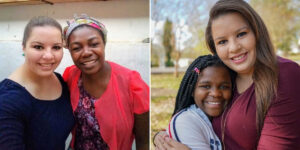
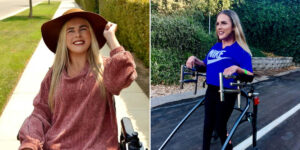
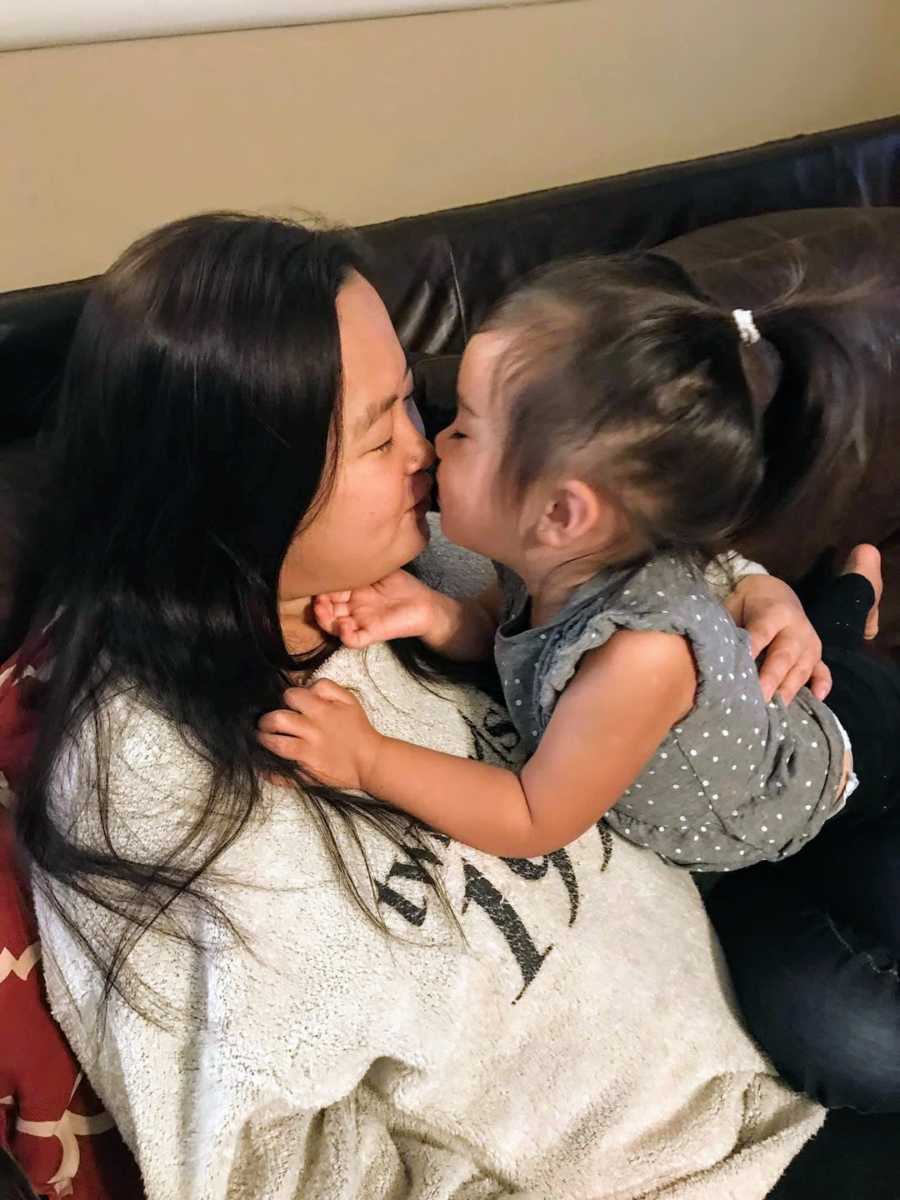
Coming home was emotional. I cried hugging my girls, my twin sister, and my best friend. A surprise drive-by parade welcomed me home, and I wept the entire 30 minutes. After six weeks of outpatient therapy, I retrained my brain from 0% to 75% functionality on my right side. Guilt and flashbacks lingered, but my word became rise. One year later, my blood pressure is stable, I work out regularly, and I’m chasing my goal of running again. I’m proud to stand with the stroke survivor community, spreading awareness and hope. Untreated blood pressure is deadly—every 40 seconds, someone in the U.S. suffers a stroke. Learn the signs and act FAST.
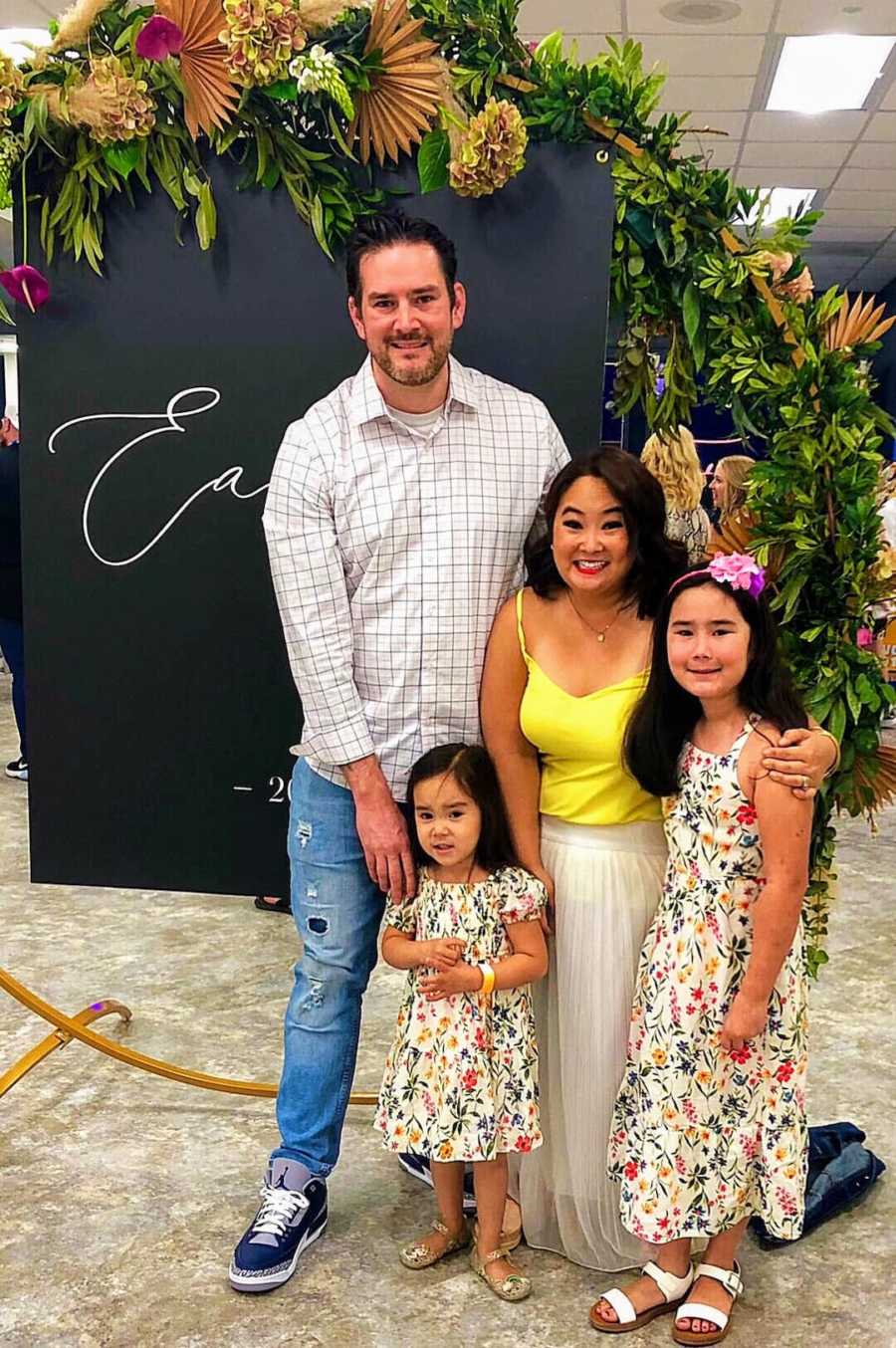
God is still working. And still, I rise.