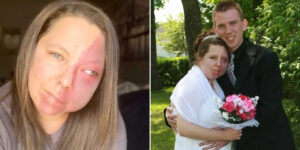
“Well, the good news is you don’t have carpal tunnel,” the orthopedic surgeon told me. For a brief, fleeting moment, a wave of relief washed over me. No carpal tunnel meant no surgery, which meant I could still hold my daughter without fear. But just as quickly as that relief arrived, it was replaced by a hot, burning surge of anger.
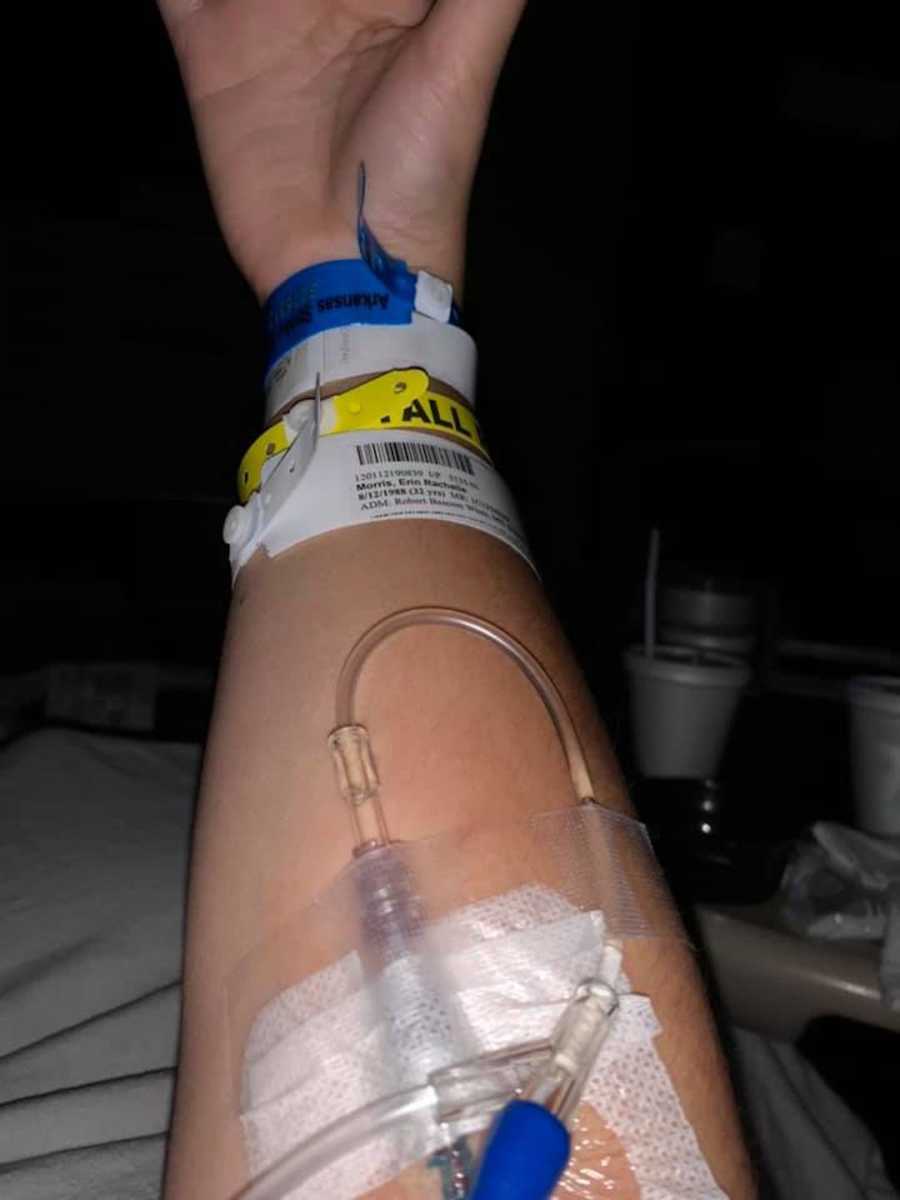
“If it’s not carpal tunnel, then what is it?” I asked, my voice tight. I thought back over the years—years spent running from doctor to doctor through the Army and the VA, months of occupational therapy, endless braces, and the constant search for relief. I had been hunting for that “needle in the haystack” treatment that could finally ease the pain and swelling that consumed both my hands and wrists. I had tried every anti-inflammatory imaginable, only to be treated like a drug seeker because I kept insisting nothing was helping. And now, after years of pleading for surgery to ease even a fraction of the pain, it wasn’t even what they thought it was?
I tuned back into the doctor as he continued speaking. “However, I’m pretty sure this is something you will live with for the rest of your life. You need to contact your primary care provider and have her run tests for autoimmune diseases, specifically lupus and rheumatoid arthritis. I’m sorry I couldn’t help you more. Good luck.” He shook my hand and left.
Stunned, I walked to my car and called my PCP, Jeanette, who immediately got me in for a blood draw. A few days later, while driving, my phone pinged with a new email. It was from Jeanette. I pulled over and read the results: my blood work came back abnormal, showing signs of autoimmune activity. I set my phone down and ugly cried in the car. I was only 27. I wasn’t supposed to be sick. I knew, in that instant, that my life was about to change—and I was terrified.
My first appointment with a rheumatologist was discouraging. The doctor barely looked at me, admitted she hadn’t read my chart, and bluntly announced I didn’t have lupus. It was a tough lesson, but it pushed me to get a second opinion—a decision I now urge everyone to consider if a doctor doesn’t truly listen. My next doctor, using the American College of Rheumatology’s criteria—a checklist of 11 symptoms and tests including the ANA test—diagnosed me with Systemic Lupus Erythematosus. Alongside lupus, I also received diagnoses of Fibromyalgia, Raynaud’s Phenomenon, and Ehlers-Danlos Syndrome. This doctor took his time, explaining each condition thoroughly and providing handouts he had personally prepared. I consider myself incredibly fortunate to have found someone so knowledgeable and patient, as most doctors rarely break it down step by step.
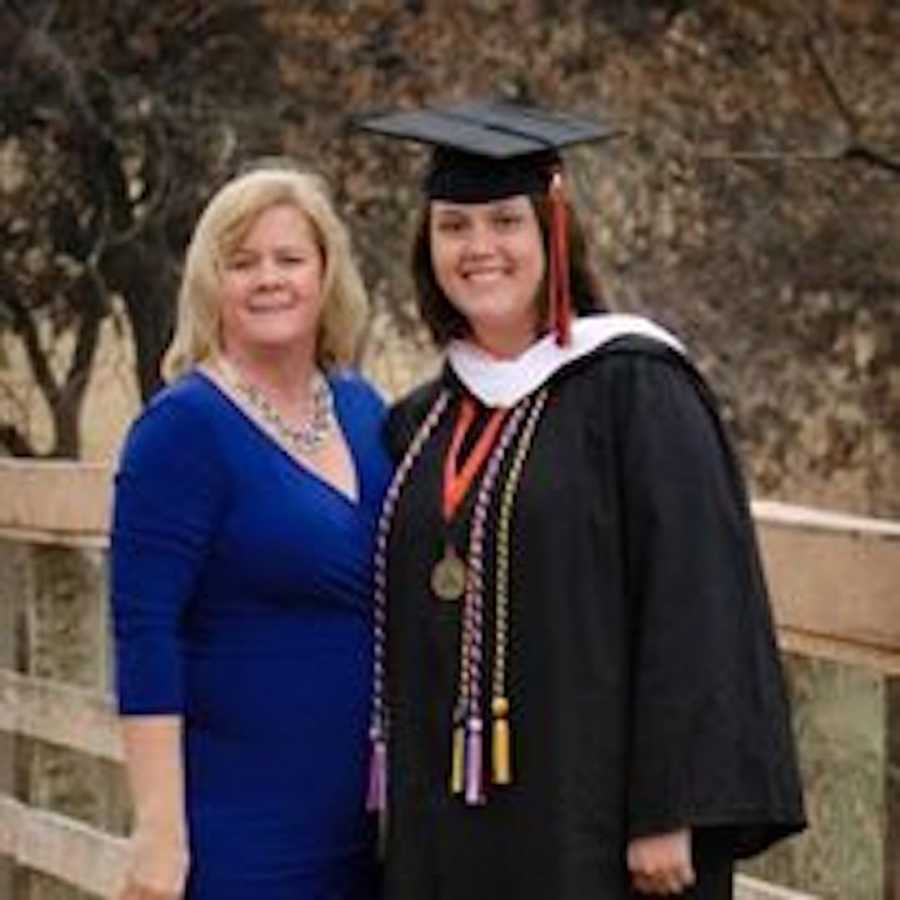
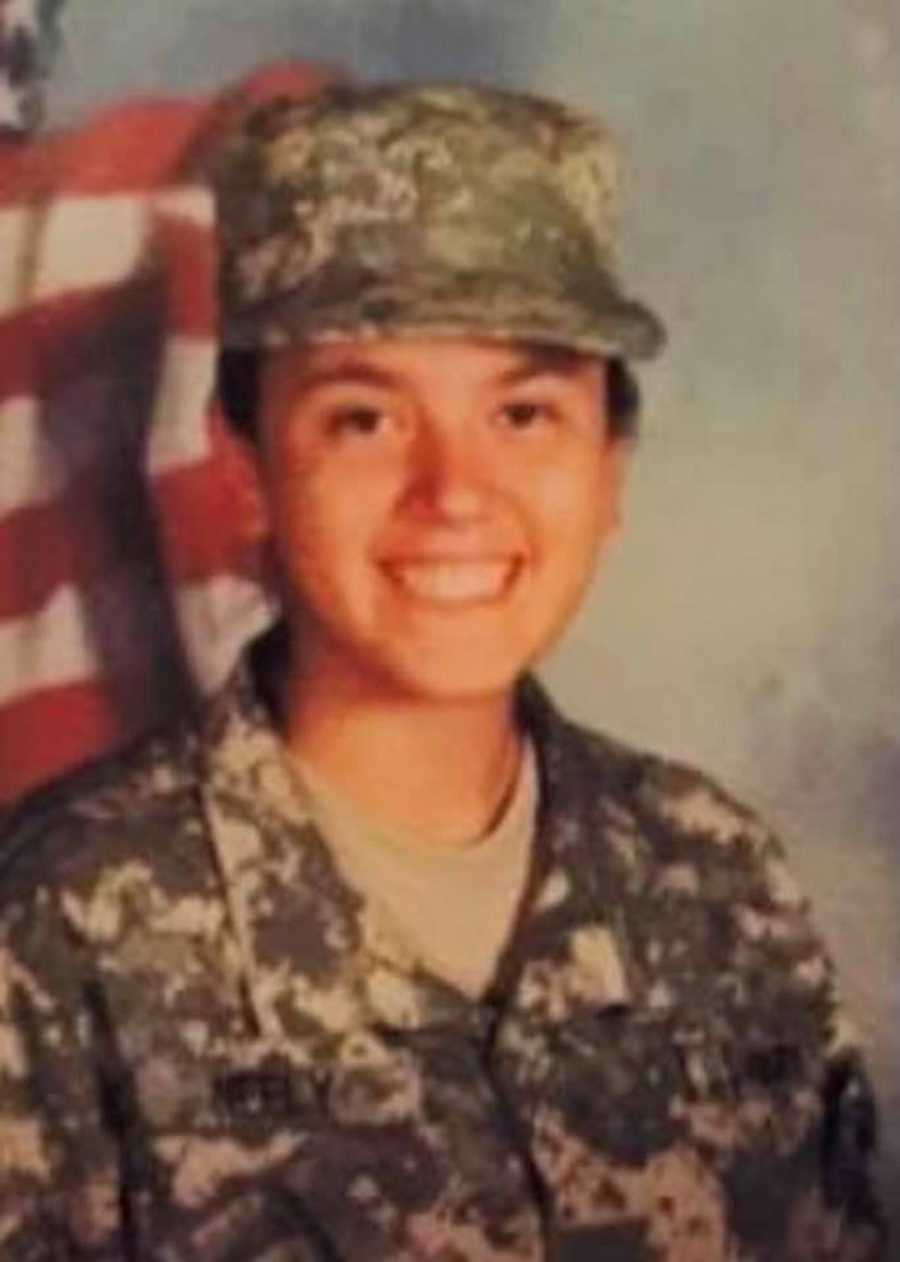
The first couple of appointments felt surreal. How could this be happening to me? I had served in the US Army—five years active duty, three in the reserves. I had just graduated college in the top 10% of my class with an Honors degree. I worked full-time as a child abuse and neglect investigator, putting in long hours and relentless effort. Surely my fatigue was just stress, my hair loss temporary, and those little red spots merely mild sunburns. Our joints hurt sometimes, right? But when my mom pulled out a small notebook she kept for my grandfather’s cancer appointments, I realized this was real. I have lupus. I will have lupus for the rest of my life.
Living with a chronic illness is a daily challenge. You never know when symptoms will strike, upending your plans, your day, or even the simplest moments. I am lucky to have two close friends who understand this struggle. Jamie, my first call after my lupus diagnosis, was soon diagnosed with lupus herself. We became “lupus sisters,” promising to support each other through the highs and lows. My best friend Krystle has fibromyalgia, and we check in daily to lift each other up. Both of these women inspire me. Jamie recently graduated with her Bachelor’s and manages single motherhood with grace. Krystle, holding a Master’s degree, stays home with her children and a preteen. I constantly tell her, I don’t know how you do it—you are my real-life superhero.
Another pillar of support in my life is my mom, a nurse and my personal 24-hour phone-a-nurse line. She helps me when I overthink small things and guides me when I need urgent care. My sister-in-law and her family provide incredible help as well. I am endlessly grateful to be surrounded by such compassionate people.
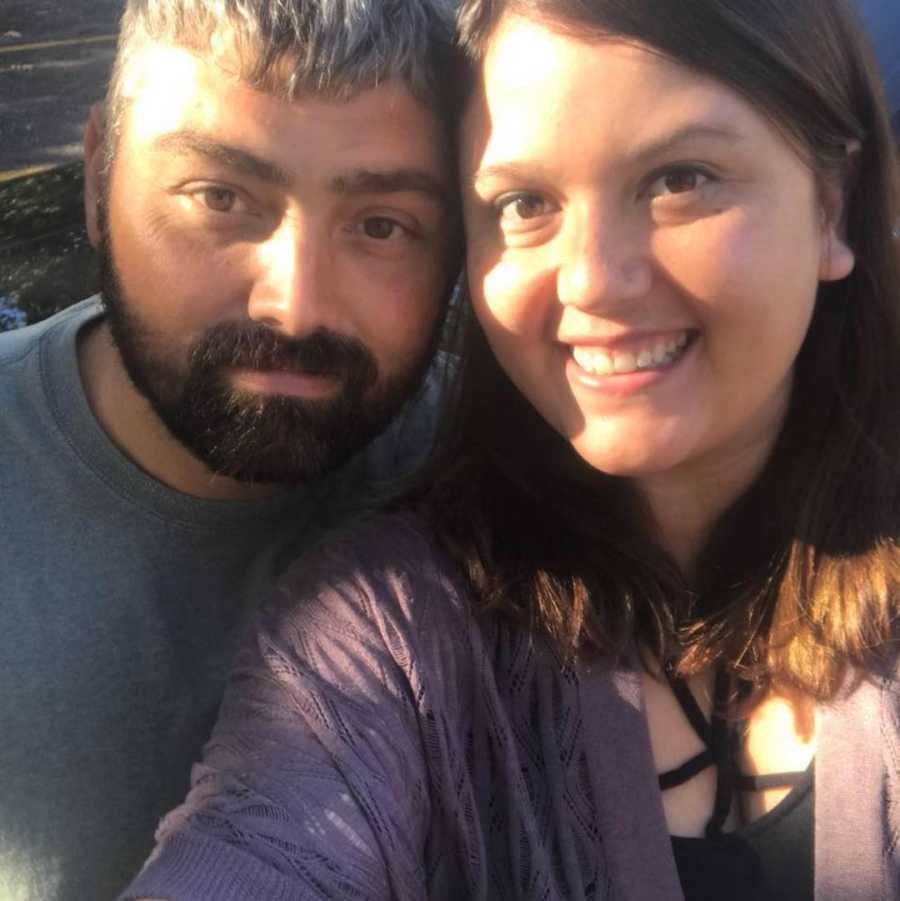
I have three pieces of advice for anyone fighting lupus or a chronic illness. First: find a supportive partner or friend. Someone who attends appointments when possible, asks questions, takes notes, does research to understand your struggles, and doesn’t shame you for needing rest. Even small gestures—bringing water, snacks, or meals—make life significantly easier.
My second piece of advice is to find the right doctor. If your doctor doesn’t listen or dismisses your symptoms, it can have serious consequences. Lupus is unpredictable; one day can be smooth, the next chaotic. This applies to all specialists. If one doesn’t fit, ask for another recommendation. I had an excellent rheumatologist until I moved to Arkansas in 2017 and have since struggled to find the same level of care. A good doctor respects your knowledge of your own body and works with you, not against you.
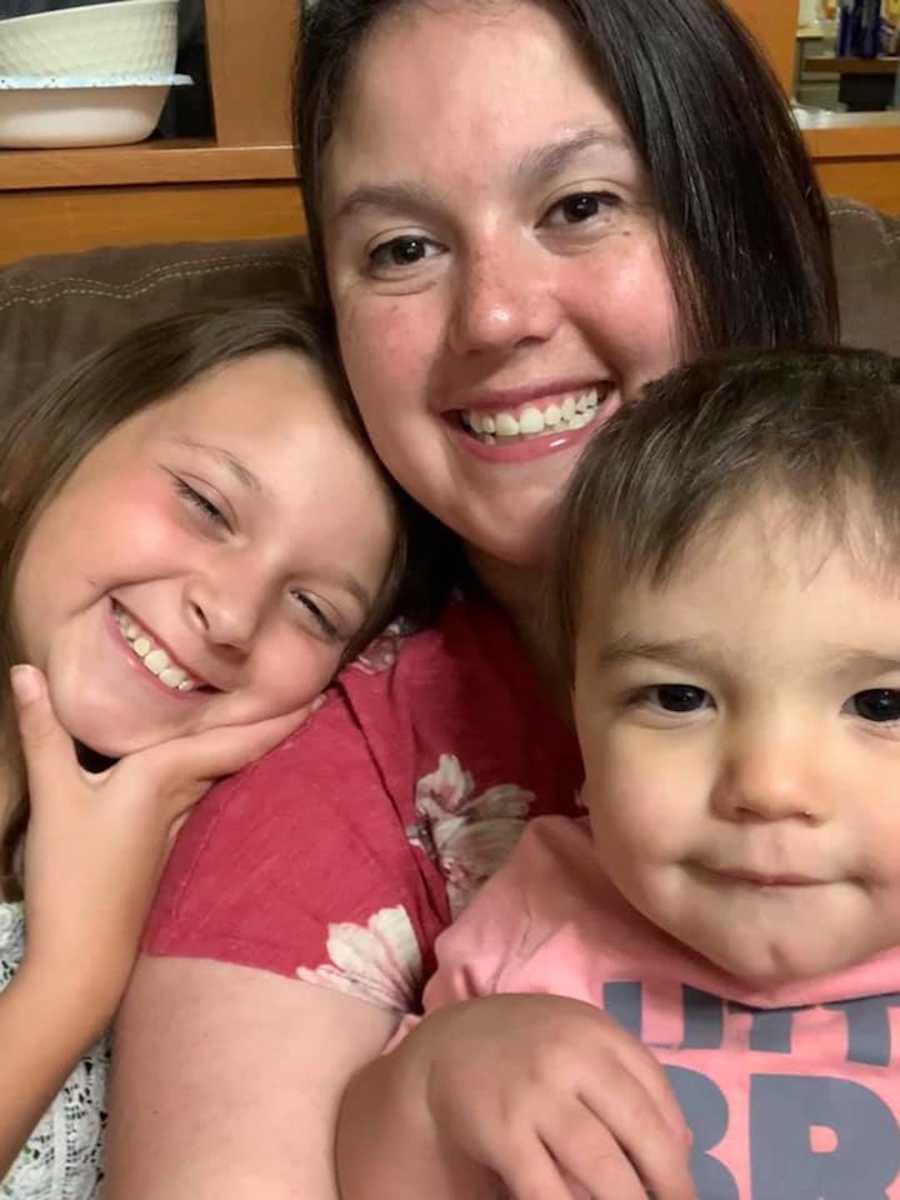
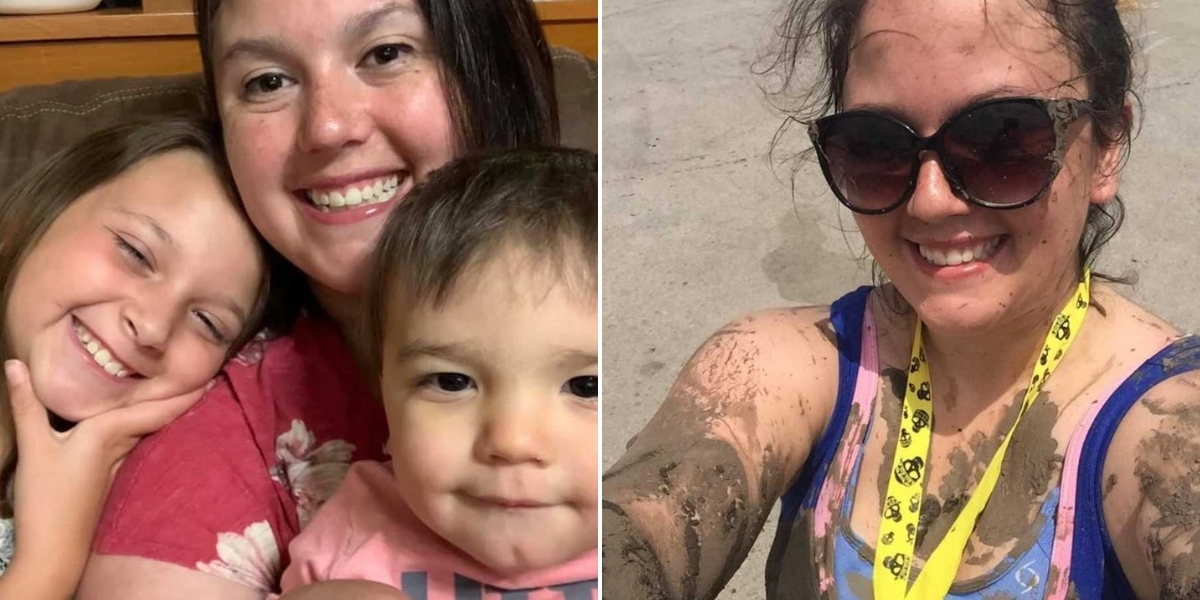
My third piece of advice: find a great therapist. Chronic illness comes with grief for the life you used to have. I mourn what I can do with my 2-year-old son compared to my 10-year-old daughter, as well as hobbies I’ve lost—running, swimming, reading long books, remembering words. Anxiety and depression have risen, and having someone to talk to professionally has been invaluable.
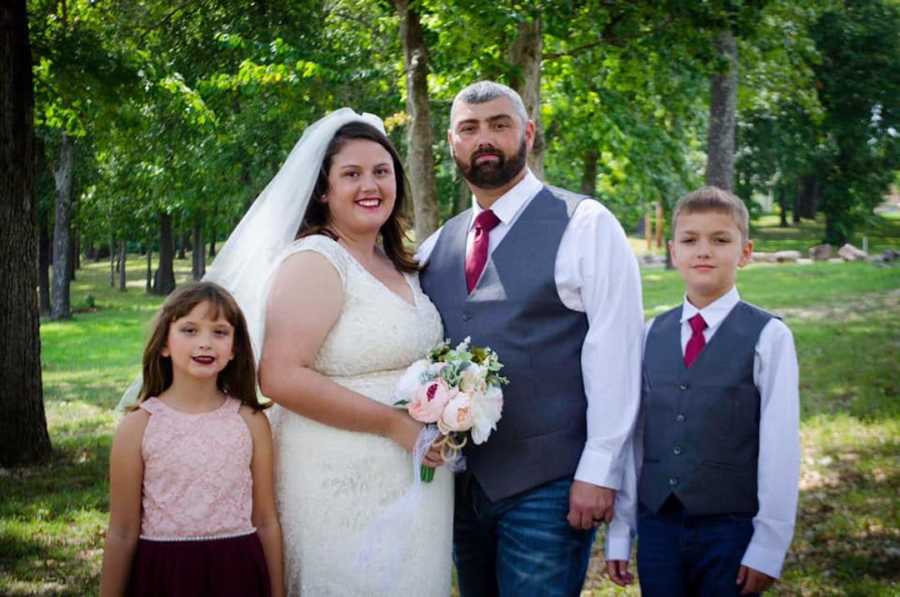
Most recently, I began experiencing seizures after the birth of my second child, Jameson. My first seizure was myoclonic, with uncontrollable jerks and spasms. My husband, Jake, stayed calm through it all, keeping me grounded. I honestly don’t know how I would navigate these challenges without him.
Above all, we are fighters, warriors. Every day we get out of bed is a battle won. Some days are better than others—don’t overextend on the good days. Never be ashamed to ask for help (I’m still working on this!). Remember, you are never alone. Support groups exist online, locally, and in communities. We don’t have to fight this battle by ourselves—we are stronger together.