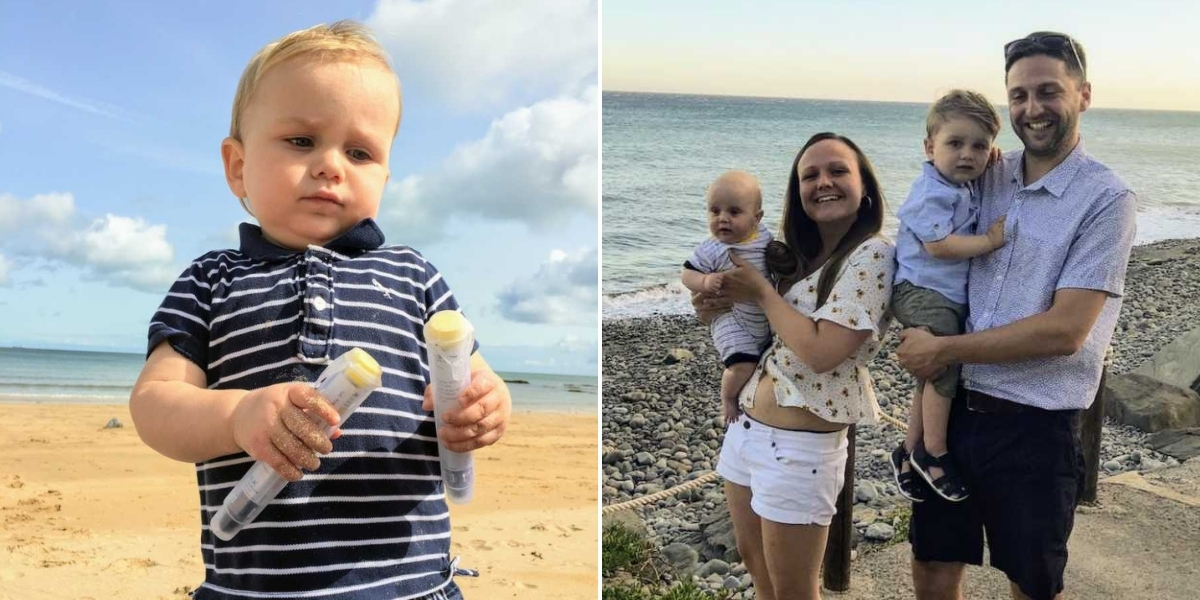
Laurence and I always dreamed of a big family. Growing up in large, close-knit households, it’s all we had ever known. The joy and bonds I shared with my own siblings left an imprint I desperately wanted to recreate with our children. We were fortunate to fall pregnant quickly, and after a fairly smooth nine months, our first son, Teddy, arrived. From the moment we held him, we were utterly smitten, as any new parents are. After a complicated delivery, we brought him home three days later, brimming with joy, though the transition into parenthood quickly proved to be more challenging than we expected.

From the very beginning, it was clear something about Teddy was different. It started just days after he was born—a rash that covered his tiny body, puffy cheeks, explosive diapers, incessant crying, reflux, difficulty settling, and restless sleep. Writing it down now, it seems obvious, but as a first-time mom, I placed all my trust in the professionals, who reassured me repeatedly that these were just typical “newborn issues.”
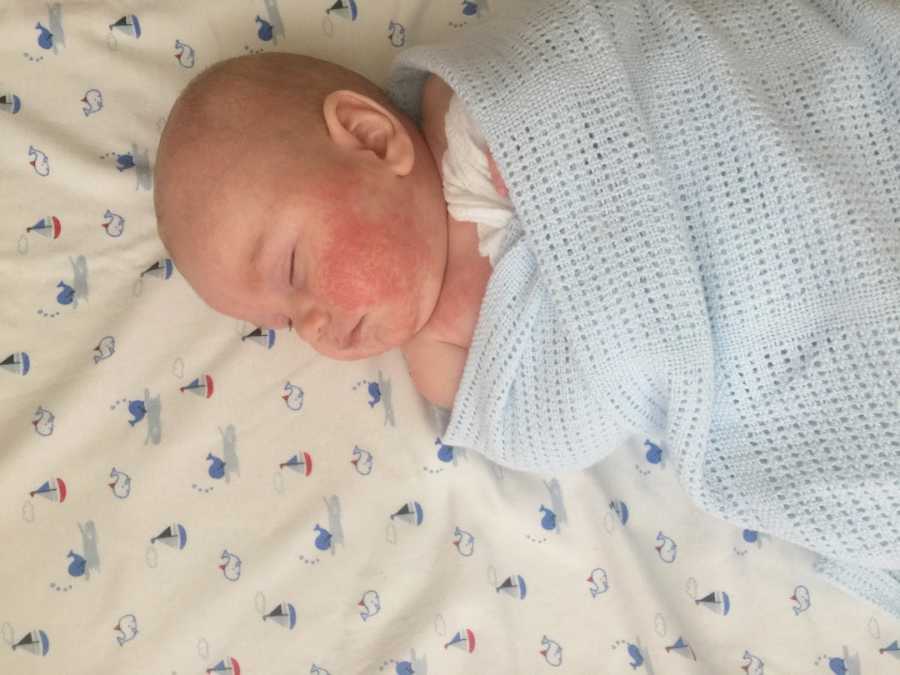
Teddy arrived in the 91st percentile and stayed there throughout his first year, which made doctors confident he was “thriving,” especially since he was exclusively breastfed. But the reality was starkly different. He was an unhappy baby. His eczema often oozed through his clothing, fusing fabric to skin. He rarely slept due to constant itching, and we changed about eight explosive diapers every single day. There were multiple panicked trips to A&E, each time holding a baby who wouldn’t stop crying, unsure of what else to do, feeling utterly helpless.
The day Teddy had his first anaphylactic reaction changed me forever—not just as a mother, but as a wife, a friend, and as a human being. It was the morning I gave him porridge containing cow’s milk. Within seconds of that tiny first spoonful, something was wrong. He started coughing, panic flashing across his eyes. I bent him forward, gave him a pat on the back, thinking it might be the new texture. But with the next mouthful, the coughing worsened, and he became hysterical.
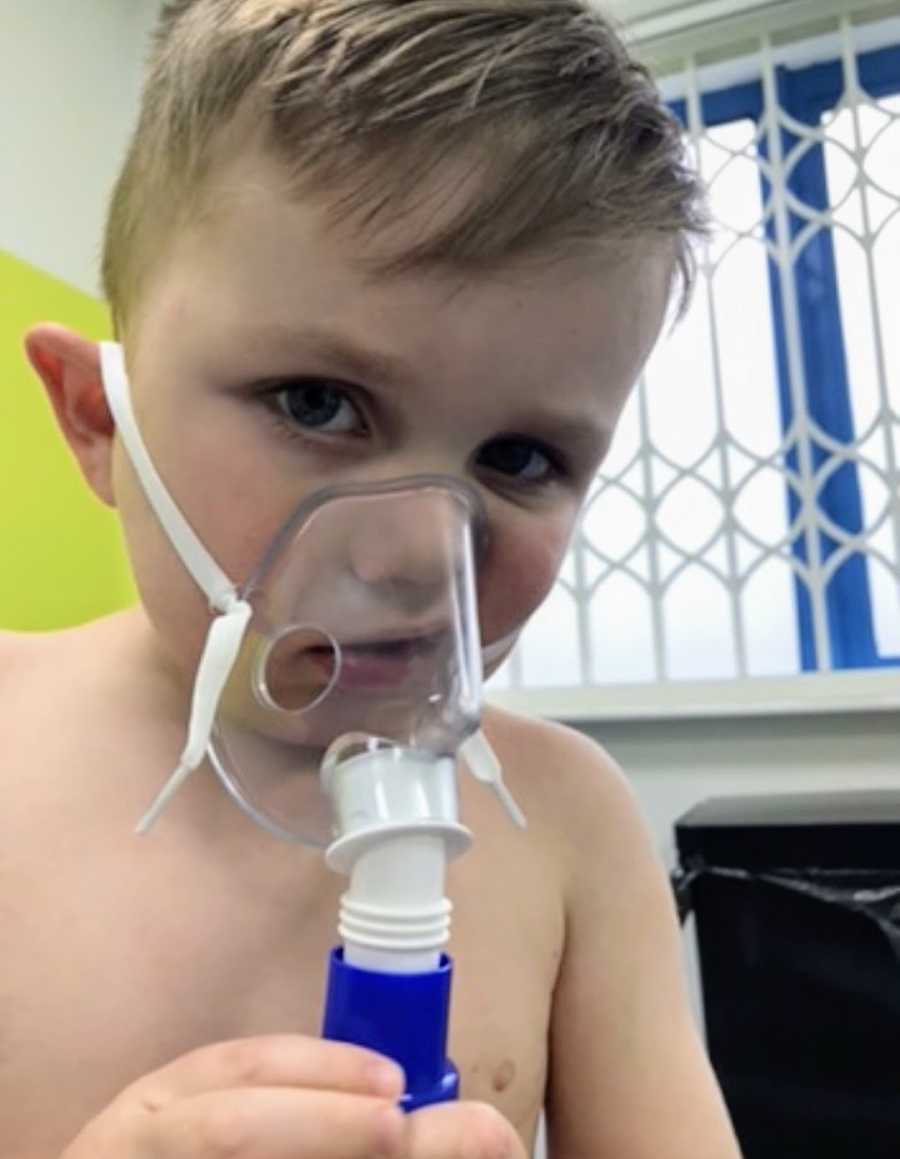
I rushed him into the garden to calm him, but when I looked at his face, it was unrecognizable. Panicked, I screamed for help, and thankfully my brother Joe was there. He took one look at Teddy, and I could see the fear mirrored in his eyes. Every first aid course I had ever attended ran through my mind. I tried everything I could, and finally called an ambulance. Teddy was going in and out of consciousness, wheezing, with eyes nearly swollen shut and his bottom lip dangling. I remember running into the street, crying as the sirens grew louder, clinging to hope. Paramedics arrived, took him swiftly into the ambulance, gave adrenaline, steroids, and oxygen, and rushed us to the hospital. The journey that should have taken 20 minutes was over in 7.
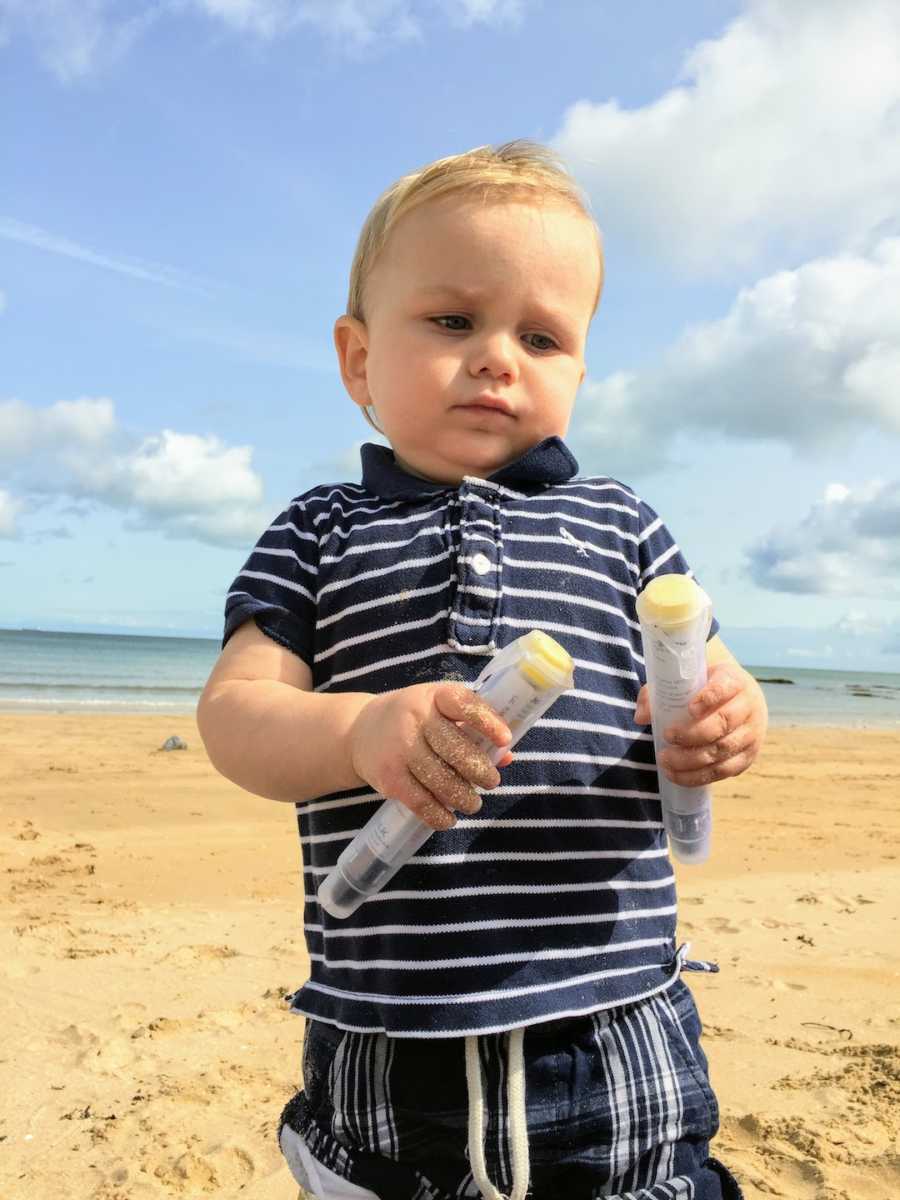
At the hospital, a team of specialists was ready. Teddy was stabilized, given another adrenaline shot, and admitted to the children’s ward, where he quickly recovered. We left with two Jext Pens in hand, fully aware that our lives had changed forever.
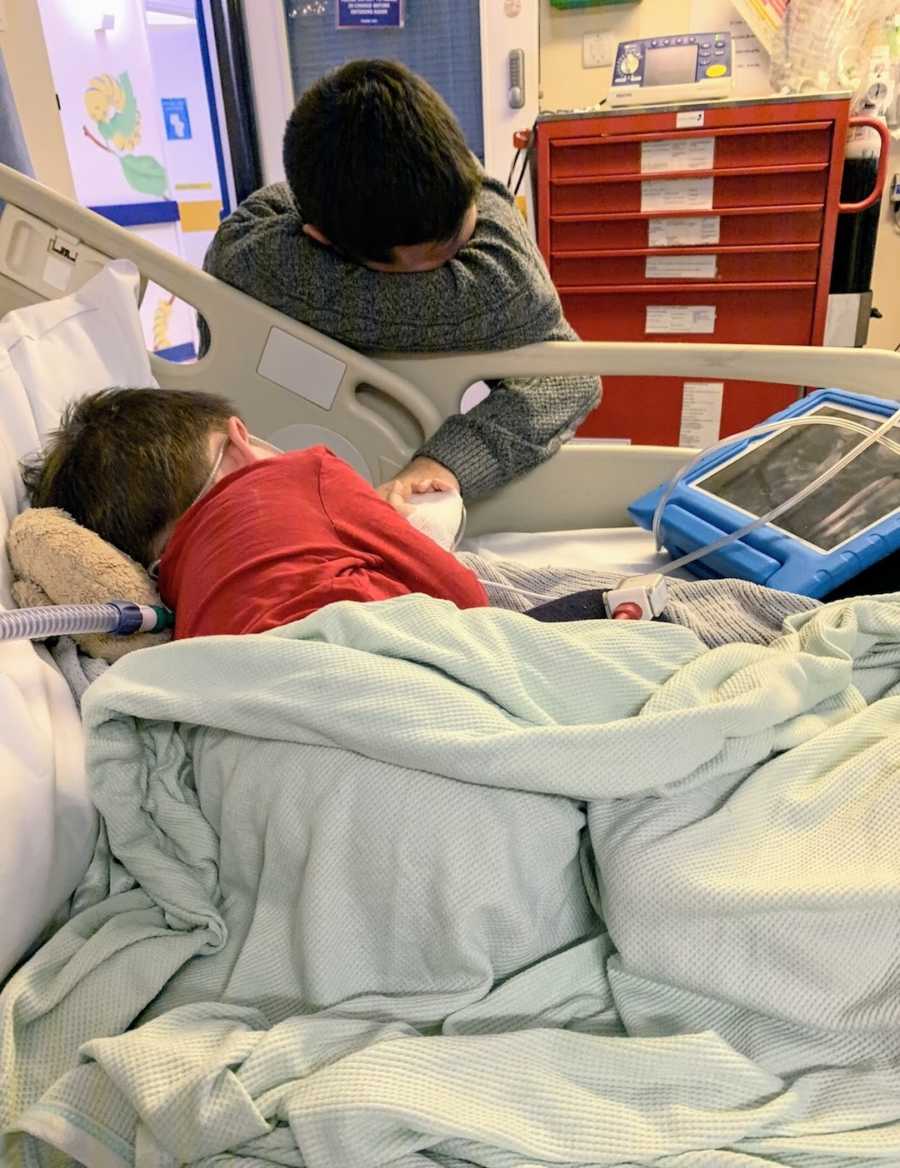
Since then, we’ve navigated a complex world of hospital visits, skin prick tests, blood work, and multiple food challenges. Teddy is allergic to dairy, egg, sesame, tree nuts, peas, avocado, kidney beans, lentils, shellfish, celery, apples, and several environmental triggers like pollen, dust mites, and animal dander. At age two, he suffered his first asthma attack on his Christening day, and he is now classified as severely asthmatic. Our local hospital has become a second home, with Teddy greeted like a familiar little celebrity each time we visit.
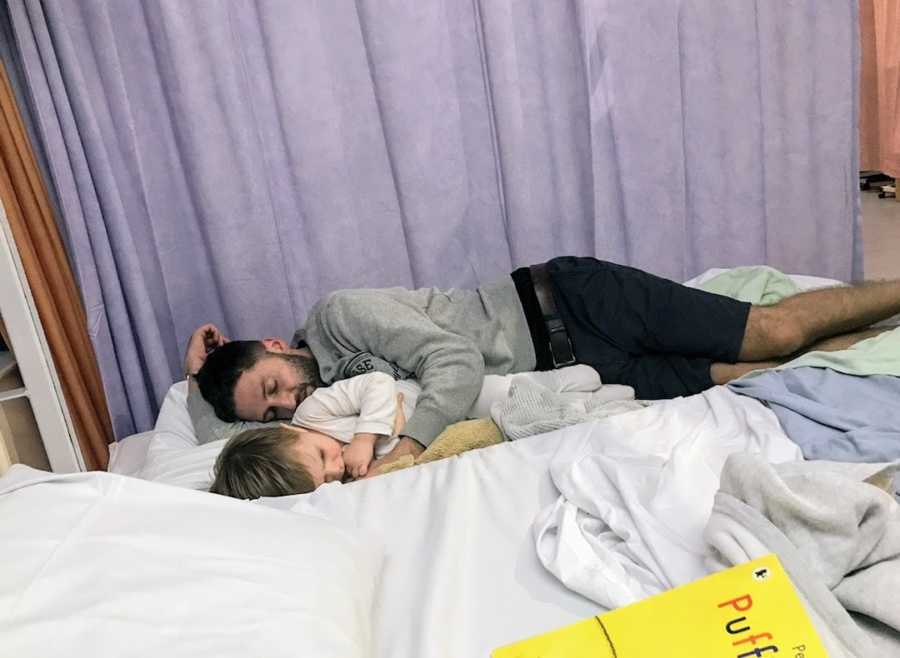
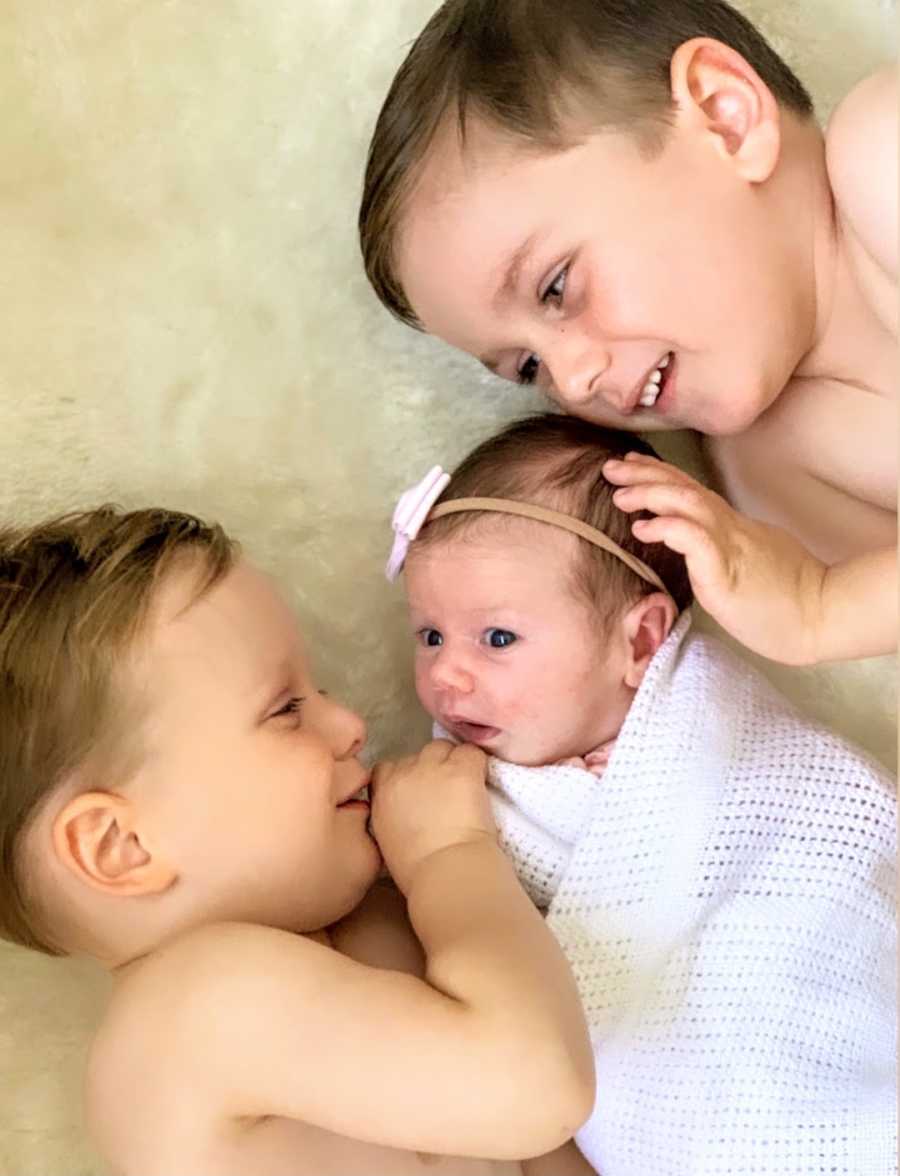
In December 2017, we welcomed our second son, Brodie. Following our dietician’s advice, I ate normally throughout pregnancy, planning to exclude allergens only if necessary while breastfeeding. But by nine days old, Brodie showed familiar signs: explosive diapers, itchy, sore skin. I gradually removed allergens from my diet until things calmed. Today, Brodie avoids twelve foods and will undergo more tests and challenges this year, with hope that some restrictions may be lifted.
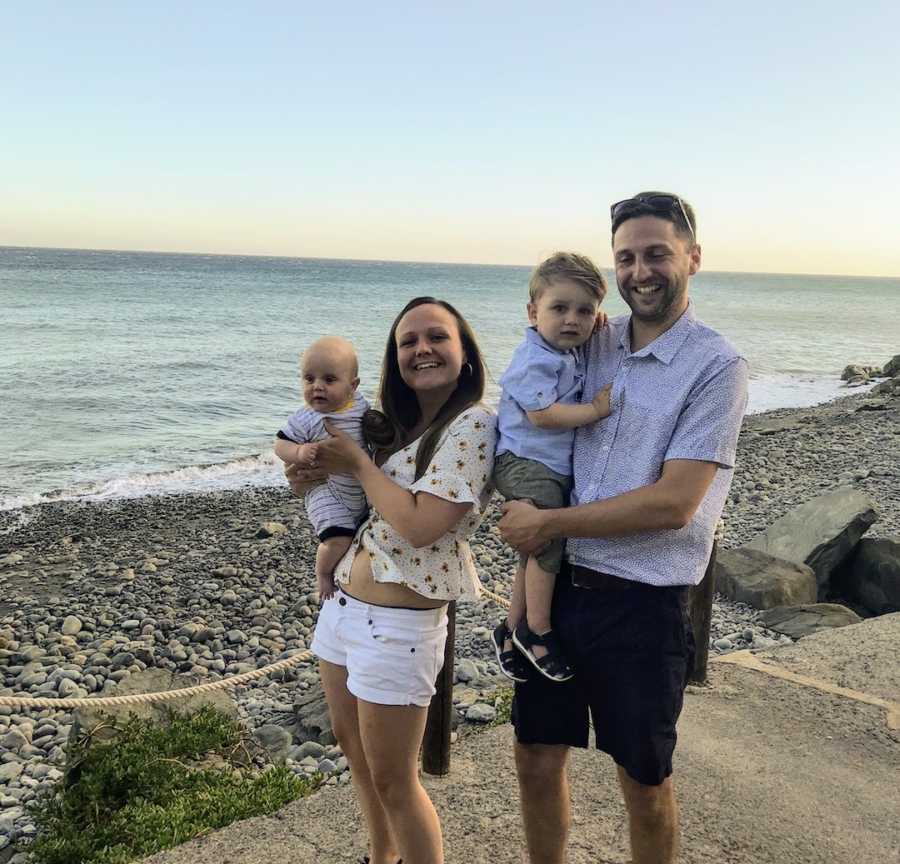
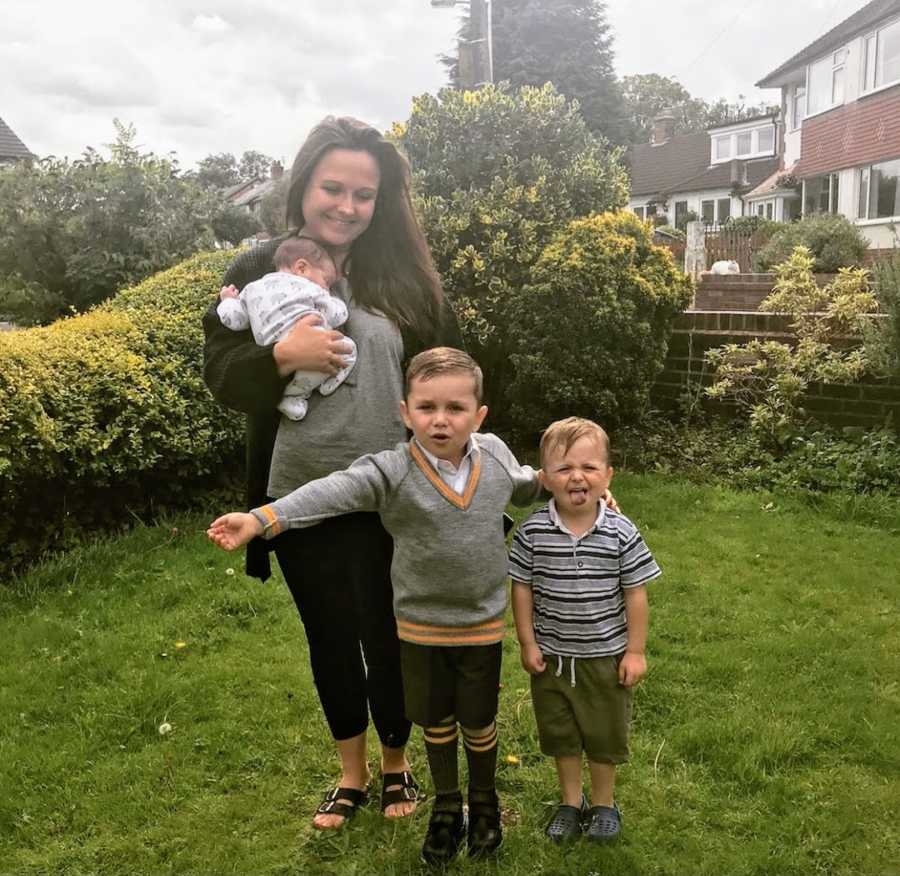
In August 2020, during a global pandemic, our third child, Aurora, arrived. We are carefully introducing foods, aware that her genetics may predispose her to allergies too. With experience, we feel prepared for whatever comes our way. Our home is a safe space for all three children—where no foods are off-limits and every friend is welcome.
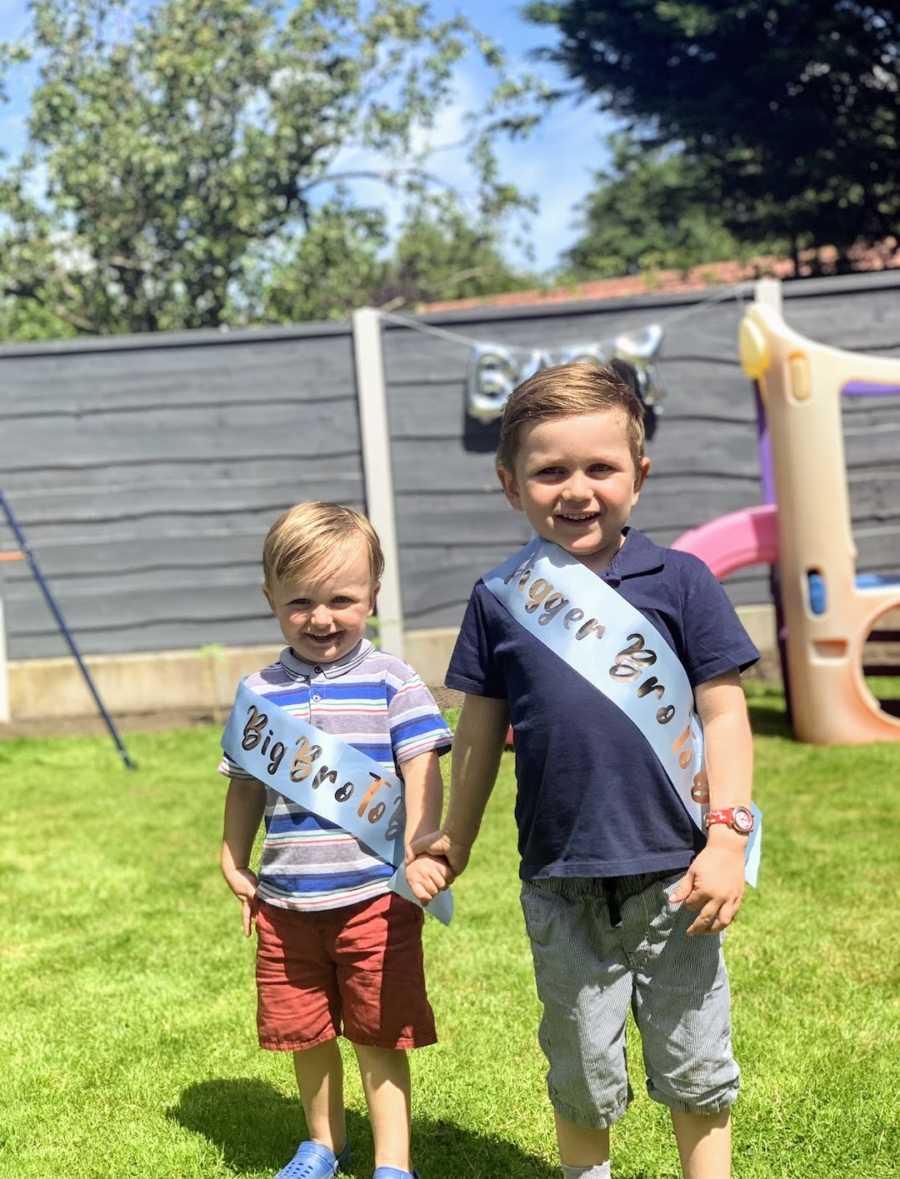
Allergies are now woven into the fabric of our lives. We juggle hospital visits, sleepless nights, anxieties, and daily precautions, all while striving to give our children as normal a life as possible. Laurence and I have become a seamless team, learning on the job without a handbook, facing every challenge together. Every reaction, every sleepless night, every hospital admission has strengthened us, and made us certain that we were meant to navigate this journey as a family.
The allergy community has been a lifeline—supportive, loving, and welcoming. And for anyone reading this facing similar challenges, know that you will find a place here, with open arms and hearts ready to share strength, hope, and understanding.