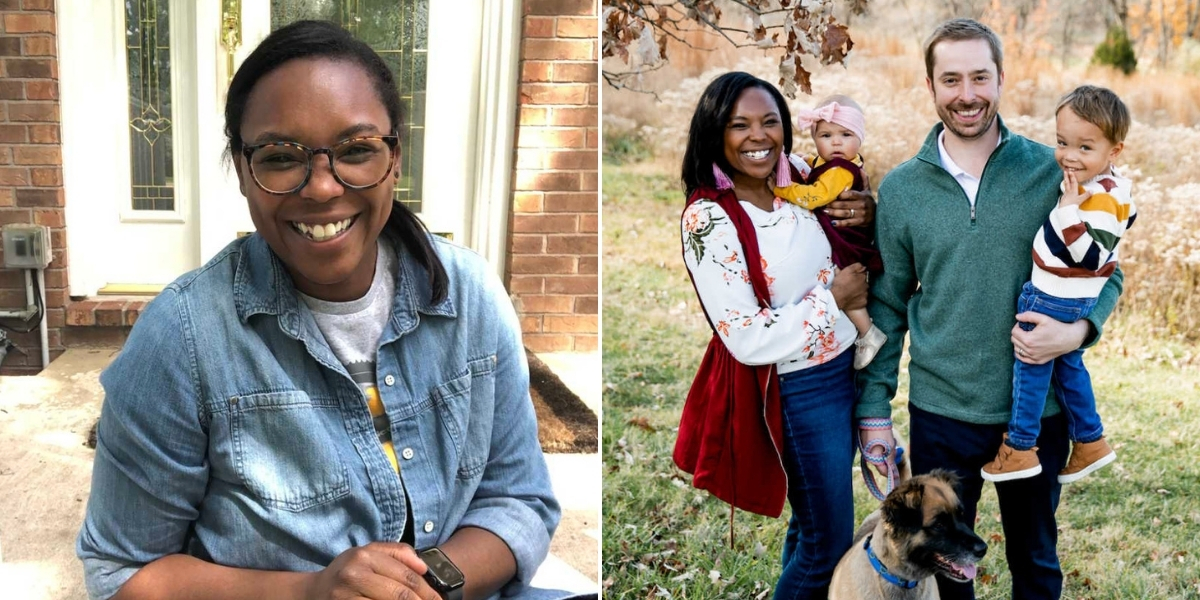
“Grief isn’t linear.” It’s a phrase I’ve said countless times, especially to anyone in my life who has lost someone close. I always follow it with, “feel all your feelings.” I’m not a therapist — though in some alternate universe, maybe I would be — but I know these truths because I’ve lived them deeply.
In September 2005, I was 15 years and 11 months old, counting the days until my 16th birthday, convinced a driver’s license meant freedom and adulthood. I thought everything was about to change — and it did, just not in the way I’d imagined. On September 11, 2005, in the middle of the night, my mom died suddenly from a massive heart attack. That moment would shape the next decade and a half of my life, teaching me exactly why grief never moves in a straight line and why processing trauma matters so much.
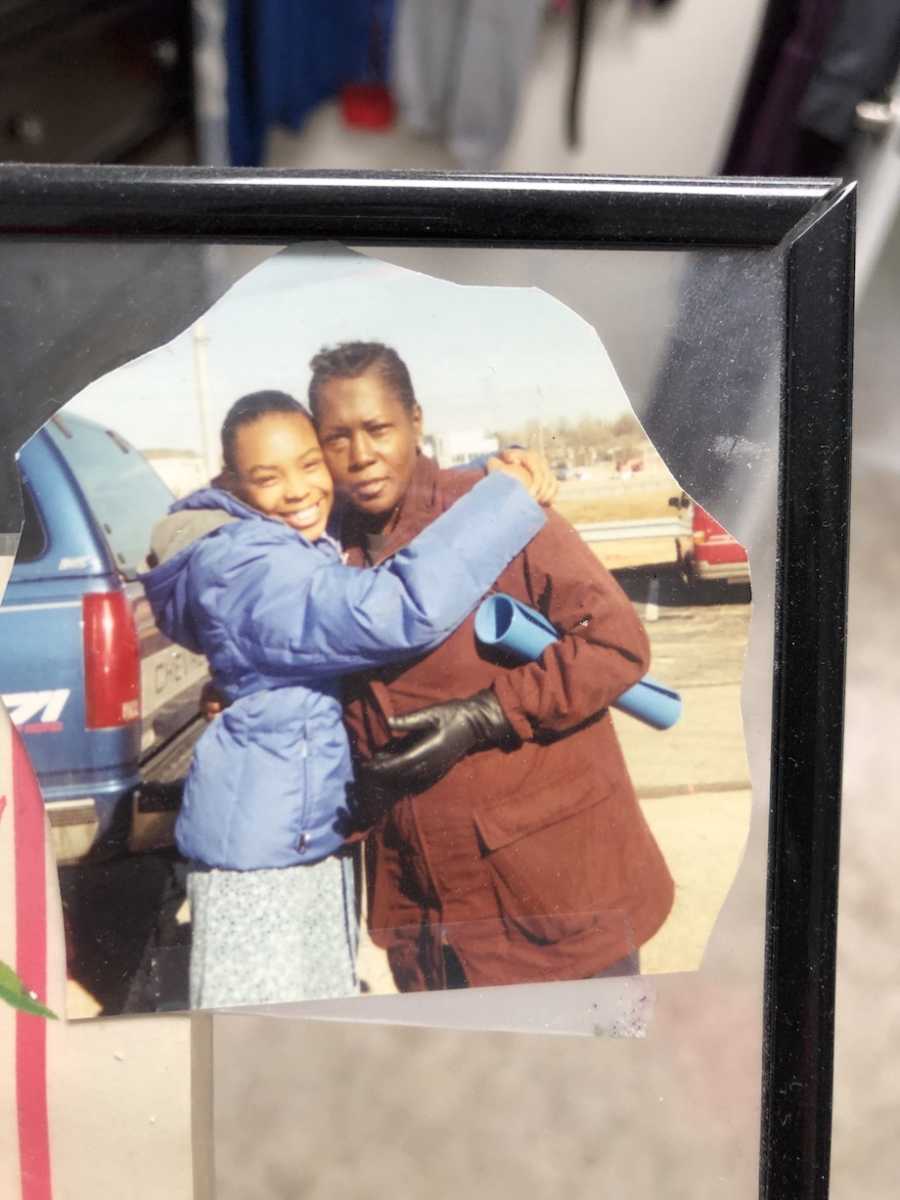
My mom wasn’t just a parent — she was my best friend. I was the kid who pretended she “wasn’t allowed” to stay over at friends’ houses just so I could stay home and watch movies with her. I told her everything, admired her endlessly (minus the predictable angsty-teen moments), and felt safe in a way only she could provide. Losing her felt like losing part of who I was.
In those early years, I slipped into survival mode. My childhood had been stable, free of major drama. My parents divorced when I was three, remarried, and made it work well enough that I never carried much baggage. I lived with my mom, stepdad, and older brother, visiting my dad and stepmom every other weekend. Then, shortly after my mom died, my stepdad left. He had a new girlfriend who didn’t want us around, so he simply disappeared. My brother — just 19 — stepped in, doing everything he could to help me finish high school and get to college. We pretended everything was “fine” to anyone looking in. I kept myself busy: activities, a mall job, friends, and badly mixed drinks in the woods. Eventually, therapy would teach me what I didn’t yet know — that “busy” had become my armor, my way to avoid feeling anything too deeply. I carried that right into college.

By 2011, I had lost my mom, a childhood best friend to suicide, and an uncle to a car accident. After seven years of outrunning my grief, my to-do list finally ran dry — and everything I’d suppressed rushed in at once. I was furious: at the unfairness, at becoming an adult too early, at scraping my way through college alone, and at watching others still enjoy time with their moms. People called me “strong,” and inside I wanted to scream, “Strong doesn’t bring her back.” That anger slowly collapsed into a heavy depression.
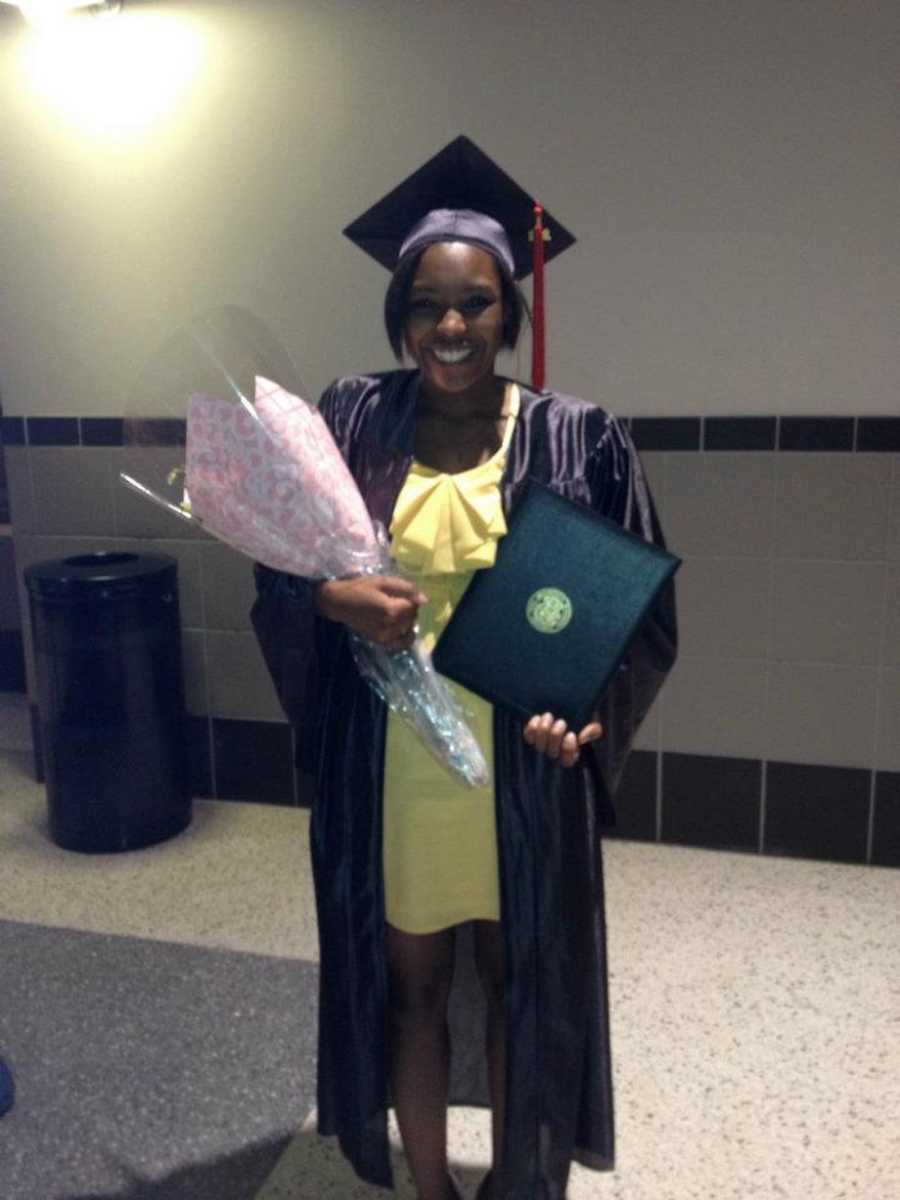
Seven years after losing my mom, it felt like I had just lost her all over again. I questioned the point of everything. I feared a life permanently marked by absence. Somewhere inside, maybe nudged by my mom’s unseen guidance, I realized I needed help. Walking into my university’s counseling center felt like admitting failure, but I sat there and cried for an hour to a stranger who diagnosed depression and prescribed Zoloft. Back then, mental health felt like something you hid. I told only a few trusted friends and carried the rest silently.
The medication helped at first, but pills don’t heal grief on their own. They soften edges so you can finally examine what hurts. A year later, ashamed to still be on meds, I insisted I was fine and stopped. I wasn’t. The depression crept back. The anger returned — at myself, at family, even at my mom for dying. I knew I couldn’t live like that forever.
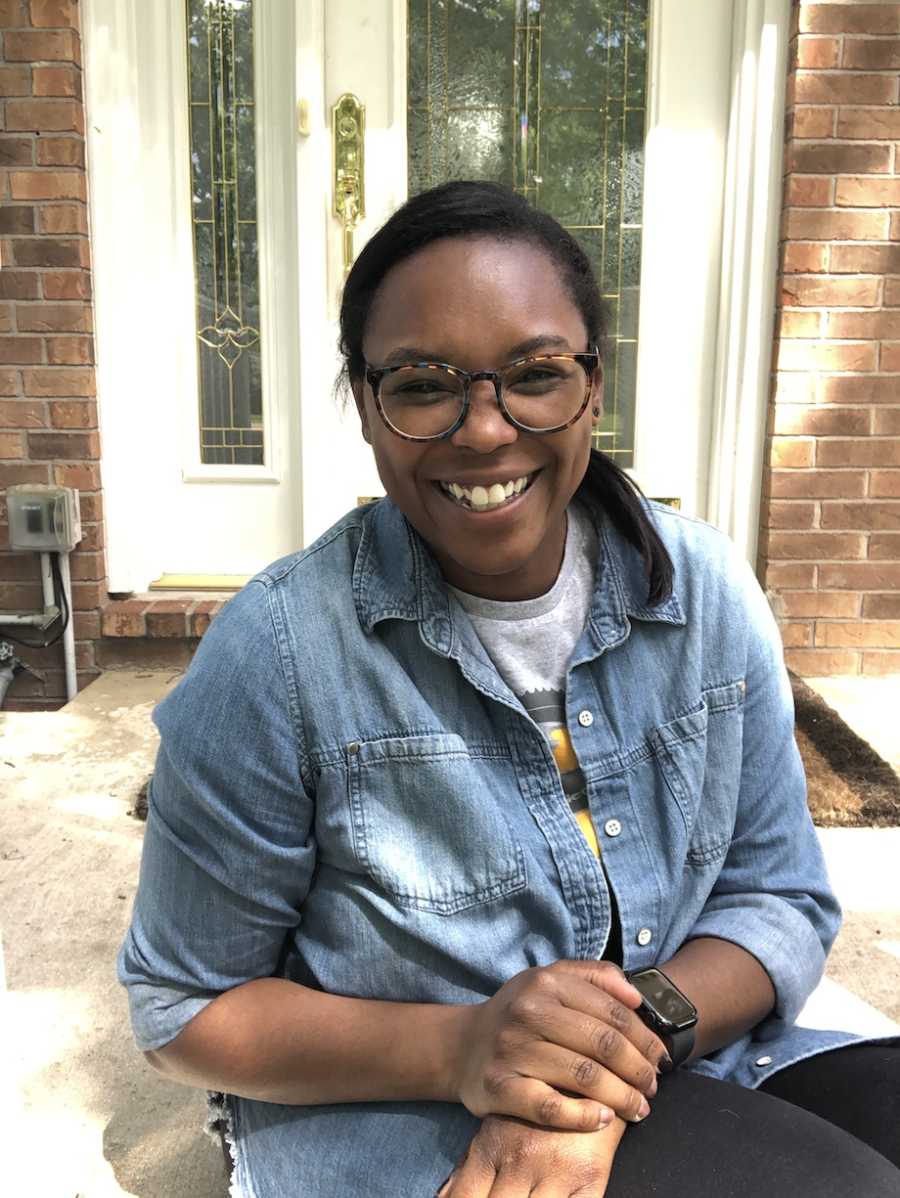
Therapy felt like the next step. I found a sliding-scale therapist and saw her weekly, unpacking the ripple effects of losing my mom. After nearly a year, she moved away. I chose not to continue with someone new because I “felt good.” I didn’t realize I’d worked through the anger but never learned coping tools — something life would soon reveal.

By 2016, newly married, I faced a new chapter of grief. My grandmother developed serious health issues, and without my mom there, those responsibilities often fell on me. I found myself resentful again — wishing my mom had taken better care of herself, wishing she were here. The stress spilled into my marriage until I finally returned to therapy. This time, I didn’t start at the beginning; I simply showed up with whatever was weighing on my heart. Gradually, I began recognizing how my grief colored nearly everything.
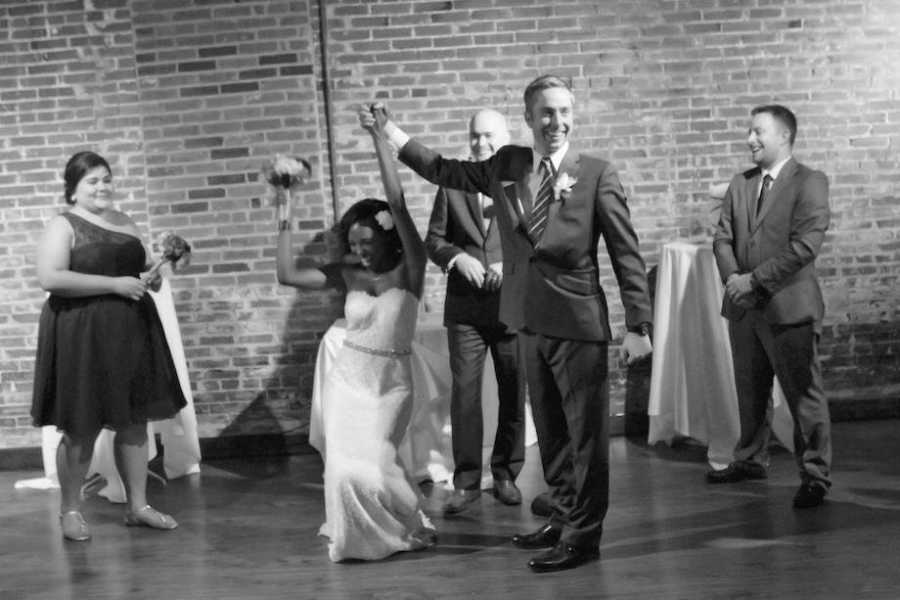
Then came panic attacks. As life finally stabilized, I became terrified it would all be taken away. I planned obsessively — and then planned for the plans. My husband gently joined me in this ritual because it helped me feel safe. Eventually, my doctor restarted Zoloft and mentioned it was safe during pregnancy — which felt irrelevant since I was convinced I’d never be a good mother, burdened by too much trauma and afraid I couldn’t live up to my own mom.
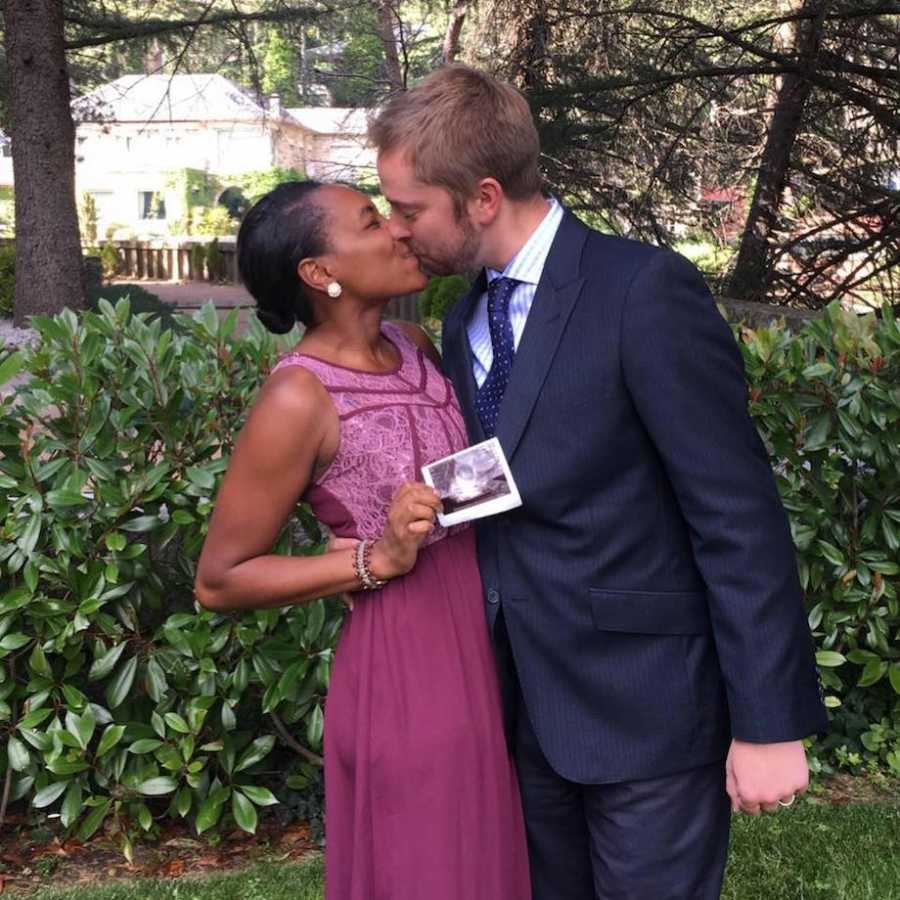
Five years — and two babies — later, I’m navigating another layer of grief: becoming a mother without my mother. Instead of anger, there is acceptance. Losing her changed the path of my life, but it also led me to my husband and children, and I would walk through the pain again if it meant reaching them. Motherhood has connected me to my mom in a new way — I finally understand the fierce love she carried.

Today, I still take Zoloft. I still go to therapy. And I probably always will. My mental health matters deeply — not just for me, but for the two little humans who depend on me. I miss my mom every day, but the grief has softened. I share my story to normalize both mourning and getting help. For me, healing looks like therapy, medication, movement — and allowing myself to cry when memories hit so hard I lose my breath. I honor the ache, the lessons, my mom, and the progress I’ve made.
Grief doesn’t move in straight lines. It rises, recedes, and reshapes us — and somehow, that’s okay.